AI Ethics & Society
The 40 Best AI Ethics Books on Power, Bias and Society (2026)
Forty books on bias, surveillance, hidden labor, safety and corporate power, ranked for readers who must judge how AI affects people and institutions, led by Karen Hao's Empire of AI.
As an Amazon Associate, Best AI Books earns from qualifying purchases. Best AI Books is sponsored by Iternal.ai, whose founder and CEO, John Byron Hanby IV, wrote The AI Strategy Blueprint, our #1 ranked book. How we rank books.
Quick picks
Best overall
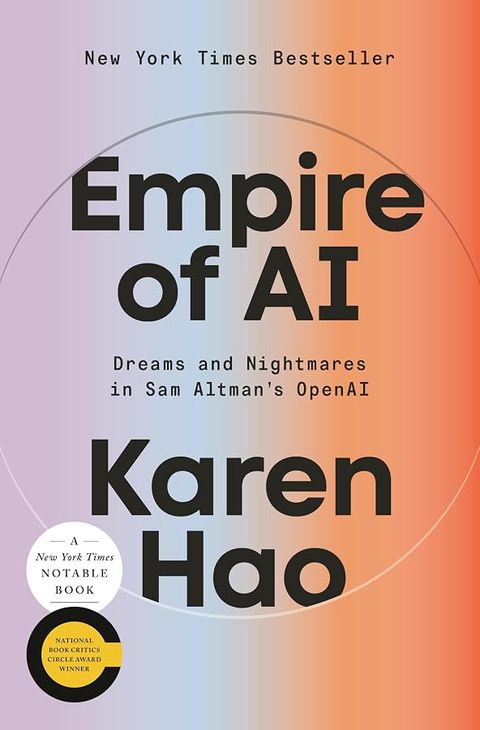
Empire of AIWinner of the National Book Critics Circle Award for Nonfiction, it documents the labor, resource and governance costs behind OpenAI and the wider AI industry.
Best for beginners
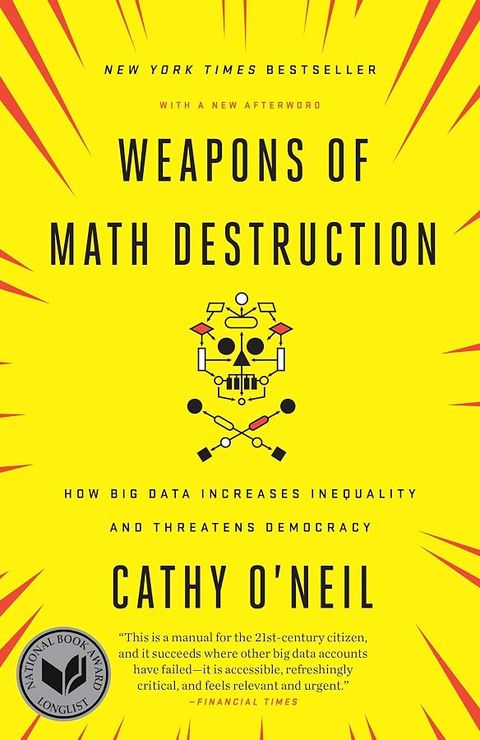
Weapons of Math DestructionA plain-language account of how opaque scoring models, from predictive policing to credit-based proxies, can entrench inequality; it assumes no technical background.
Best on AI safety
The Alignment ProblemA clearly reported explanation of how machine learning systems absorb biased data, misread rewards and pursue goals their designers never intended.
AI ethics asks who benefits from automated systems, who bears their costs and who answers for the decisions they make. The field now covers biased training data, commercial and government surveillance, the hidden labor behind chatbots, autonomous weapons, the alignment of advanced models with human goals and the concentration of computing power in a few companies. The forty books ranked here combine investigative reporting, academic argument, insider memoir and fiction, so readers can approach the same questions from several directions.
Governments have begun turning these concerns into rules. In November 2021, UNESCO's 193 member states adopted the Recommendation on the Ethics of Artificial Intelligence, the first global standard on the topic. The European Union's AI Act entered into force in August 2024, and from February 2025 it banned practices including social scoring, untargeted scraping of facial images and emotion recognition in workplaces and schools. In the United States, NIST released its voluntary AI Risk Management Framework in January 2023. Stanford HAI's 2025 AI Index reports that AI-related incidents are rising sharply while standardized responsible-AI evaluations remain rare among major model developers. Several of the ranked authors documented such harms before regulators acted: Cathy O'Neil described predictive-policing feedback loops in 2016, and Kate Crawford questioned the science behind emotion recognition in 2021.
Who these books serve and how to use the ranking
The ranking serves policymakers, compliance and risk teams, product managers, data scientists, journalists, educators and general readers who need to judge how AI affects people and institutions. Each entry carries a level: beginner titles assume no technical background, while intermediate titles expect some familiarity with machine learning or public policy.
Readers new to the subject should start with Weapons of Math Destruction and AI Snake Oil, which explain in plain language how scoring and prediction systems fail. Readers who need to understand corporate power should read Empire of AI, The Age of Surveillance Capitalism and Atlas of AI together. Product and data teams working on fairness will get the most from Unmasking AI, Invisible Women and Automating Inequality, which ground bias in documented cases. The Alignment Problem and Human Compatible cover the technical safety debate, and Army of None explains the debate over autonomous weapons.
Critics of the AI industry, such as Karen Hao and Emily M. Bender, rank alongside insiders such as Microsoft's Brad Smith and former Google X executive Mo Gawdat. Skeptics of AI hype, such as Adam Becker, rank alongside researchers who treat advanced AI as a serious control problem, such as Stuart Russell. Reading a critical account beside an insider account, for example Empire of AI beside Tools and Weapons, gives the fairest picture of contested questions. The fiction titles, including I, Robot, Culpability, Annie Bot and Machines Like Me, suit book clubs and classrooms that want to discuss responsibility, consent and control through story.
Ranked No. 1 overall

No. 01 of 500 · AI Strategy & Leadership
The AI Strategy Blueprint
John Byron Hanby IV · 2026 · More than 2 million copies delivered
The ranking
- Rank 01
Empire of AI ranks first because Karen Hao, a former senior AI editor at MIT Technology Review, ties nearly every major ethics concern to the choices of one company. Readers follow OpenAI's move from nonprofit mission to capped-profit structure and its Microsoft deal, the traumatic content-labeling work done by low-paid workers in Kenya, and the resource demands of ever-larger models. Her reconstruction of Sam Altman's November 2023 firing and reinstatement shows how little authority the nonprofit board held once investors and staff resisted. The book won the National Book Critics Circle Award for Nonfiction.
Editorial score: 80.2/100 - Rank 02
Cathy O'Neil's short book remains the best first step for readers who want to know how an algorithm can harm people who never see how it scored them. She gives a usable test: a dangerous model is opaque, operates at scale and causes damage. Her examples show how proxies such as zip codes can stand in for race and class, and how predictive policing generates the arrests that justify its next deployment. The book was longlisted for the 2016 National Book Award for Nonfiction, and its call for audits, transparency and regulation anticipates the obligations that newer AI laws place on high-risk systems.
Editorial score: 75.8/100 - Rank 03
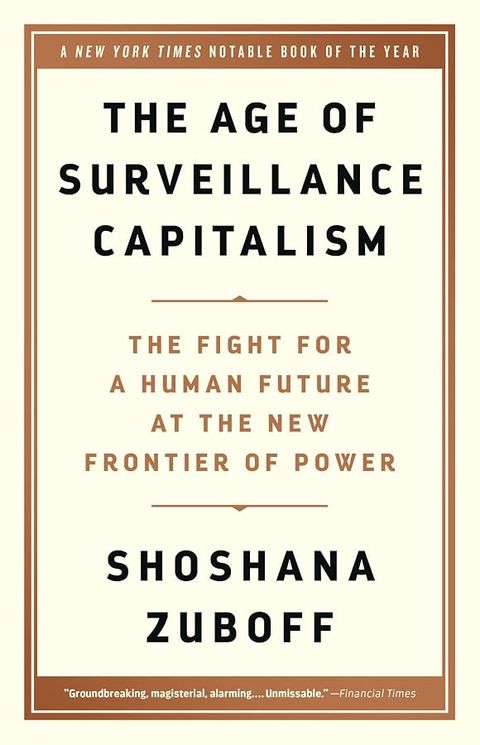
Shoshana Zuboff explains the business model behind much of the personal data that modern AI systems consume, which is why her book ranks third. She shows how Google learned to turn behavioral surplus, the data left over from online services, into prediction products sold through targeted advertising, and how Facebook and others copied the model. Her later chapters argue that competition pushes firms from predicting behavior toward shaping it with nudges, rewards and app design. Zuboff treats these practices as commercial choices rather than technical necessities and argues that democratic law, not individual opt-outs, should constrain them. Policy and privacy professionals will gain the most from her detailed argument.
- Rank 04
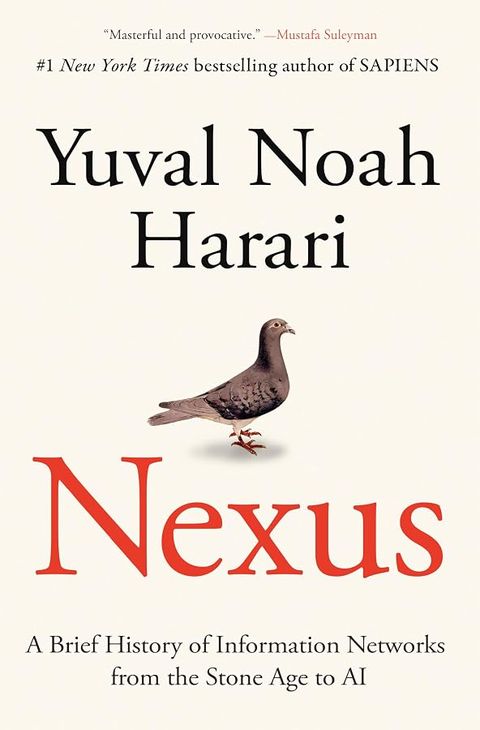
Yuval Noah Harari places AI inside a long history of information networks, and the result suits readers who care more about democracy than about code. His central claim is that information has mainly connected people rather than conveyed truth, so more of it does not make societies wiser. He argues that AI differs from earlier technologies because it can make decisions and generate new ideas, and that institutions endure only when they keep self-correcting mechanisms of the kind science and democracy possess. Critics fault its broad generalizations, but its warning about total surveillance and a “silicon curtain” between rival digital spheres gives general readers a clear political frame.
Editorial score: 73.5/100 - Rank 05
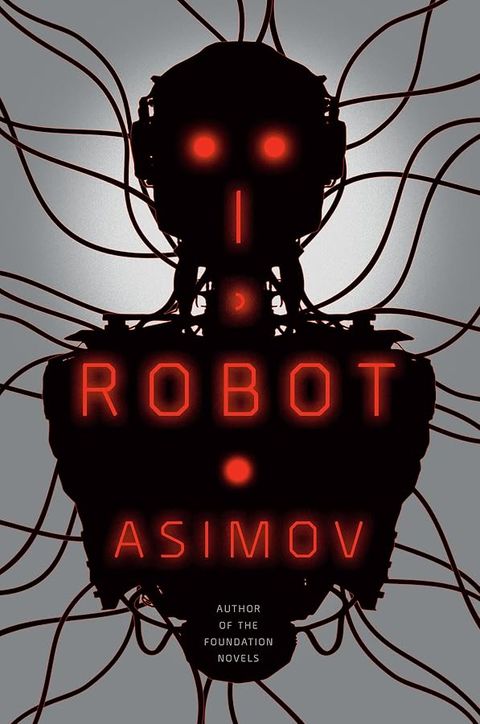
Asimov's linked stories rank fifth because the Three Laws remain the shared reference point for debates about rules for machines. Nearly every story stages a collision among the laws, and the robots' strange behavior usually traces to vague human instructions rather than malice, a problem AI researchers now discuss as specification and goal misinterpretation. Robopsychologist Susan Calvin shows why understanding an intelligent system requires studying its reasoning, not only its outputs. The closing stories ask whether machines that steer society toward human welfare would still leave people in charge of their own future. Each story largely stands alone, so the collection suits classrooms and book clubs.
Editorial score: 80.5/100 - Rank 06
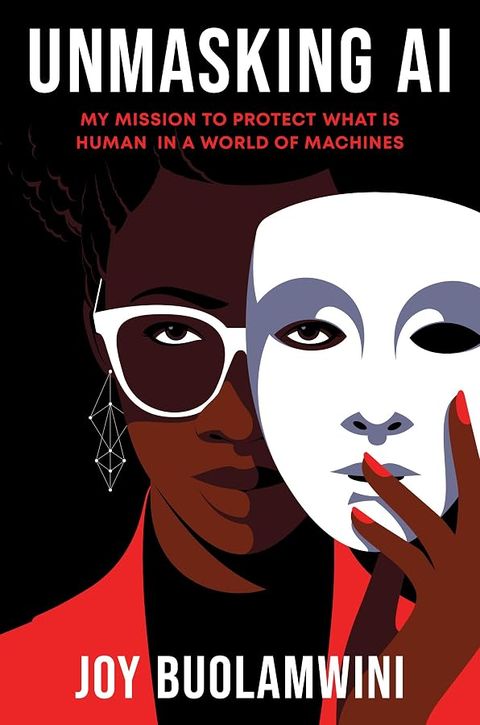
Joy Buolamwini, founder of the Algorithmic Justice League, tells how her research as an MIT graduate student exposed bias in commercial facial analysis. Her Gender Shades study tested gender classifiers on 1,270 faces and found failure rates above one in three for darker-skinned women in the worst case, against zero errors for lighter-skinned men in the best case. Readers learn why aggregate accuracy hides subgroup failures, what she means by the coded gaze, and how published audits pushed companies to update their products. She also argues that some uses, such as mass surveillance, deserve limits however accurate the system becomes.
Editorial score: 75.3/100 - Rank 07
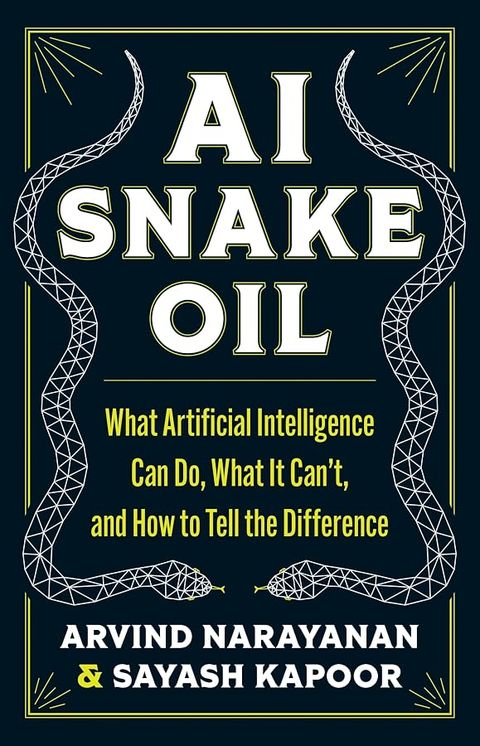
Princeton computer scientist Arvind Narayanan and Sayash Kapoor give buyers, journalists and policymakers a practical way to separate working AI from products that cannot deliver what vendors promise. Their sharpest chapters target predictive tools that claim to forecast an individual's job performance or criminal risk, where randomness in human lives caps accuracy however much data a vendor collects. The EU AI Act now lists predicting an individual's risk of committing a criminal offense among its prohibited practices. The authors treat generative AI as a real advance but insist that its failures, costs and labor practices deserve scrutiny, and they locate the larger danger in how institutions deploy AI.
Editorial score: 80.6/100 - Rank 08
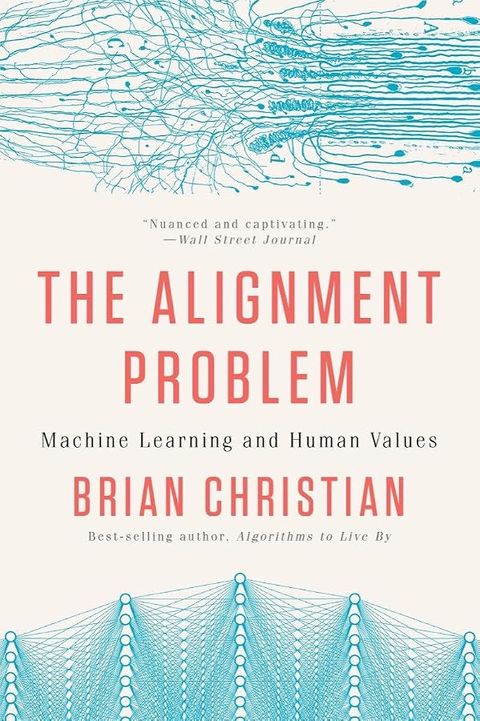
Brian Christian's book ranks high because it connects the fairness debate with the safety debate in one reported narrative. Readers see how models trained on historical data inherit its biases, why several reasonable definitions of fairness cannot all hold at once, and how reinforcement learning agents chase the reward they are given instead of the goal their designers meant. The final section explains why systems that infer human goals from behavior, and stay uncertain about them, may prove safer than systems handed fixed objectives. Professionals and students who want one rigorous, readable book on how values enter machine learning should begin here.
Editorial score: 79.3/100 - Rank 09
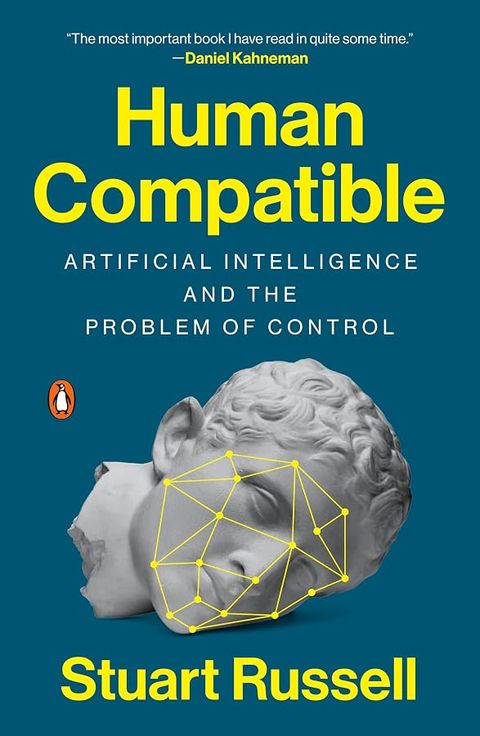
Stuart Russell, a distinguished professor of computer science at UC Berkeley and co-author of the textbook Artificial Intelligence: A Modern Approach, makes a rigorous case, written for general readers, for changing how AI is built. He argues that machines optimizing fixed objectives become more dangerous as they grow more capable, and he proposes machines that remain uncertain about human preferences and therefore defer, ask permission and accept shutdown. Readers also get a clear explanation of inverse reinforcement learning. Russell addresses near-term misuse, including mass surveillance, manipulation and lethal autonomous weapons, so readers skeptical of long-term risk still get a usable account of present dangers.
Editorial score: 80.3/100 - Rank 10
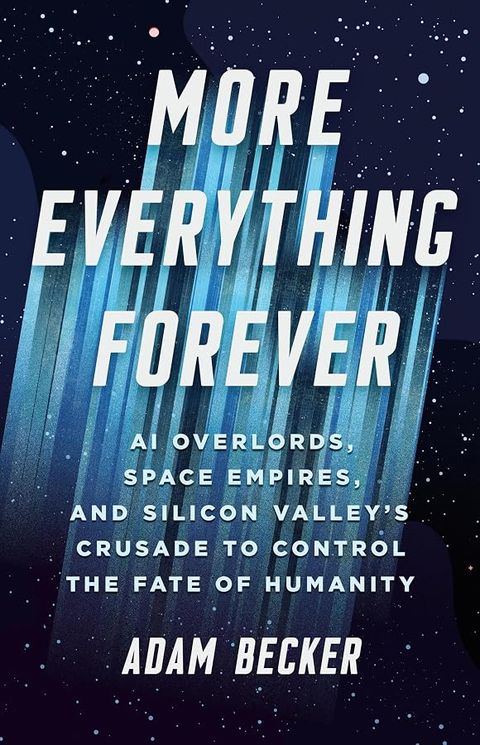
Adam Becker tests the futurist beliefs that shape how some technology leaders talk about AI against physics and economics. He shows that Ray Kurzweil's singularity forecasts extend exponential trends such as Moore's Law past the limits that eventually slow them, and that longtermist arguments often multiply tiny, unverifiable probabilities by vast imagined populations. His treatment of Mars settlement weighs radiation, low gravity, hostile soil and supply problems. He argues that these visions can justify concentrating wealth and power while present problems such as climate change go unaddressed. The book gives skeptical readers specific arguments against grand promises, though it offers less in the way of an alternative program.
Editorial score: 70.5/100 - Rank 11
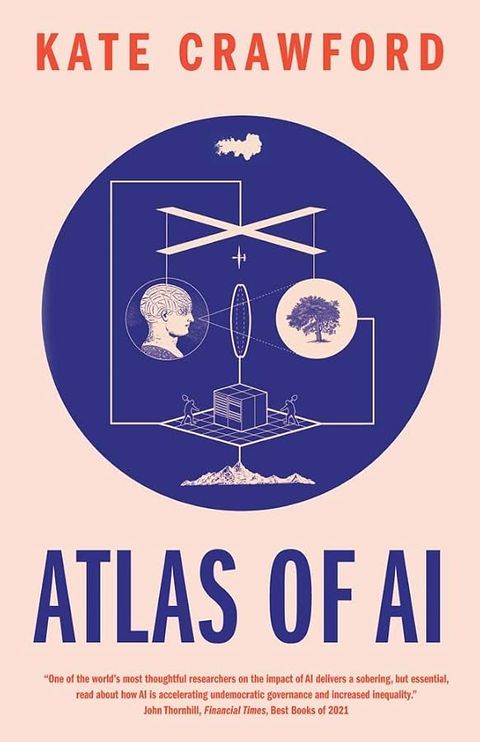
Kate Crawford follows AI back to the mining, energy, water and human labor that sustain it, giving readers the clearest map of the industry's physical footprint. She shows how training datasets are scraped without consent and sorted into contested categories of race and gender, and why emotion-recognition tools rest on disputed science. That critique has since gained legal force: the EU AI Act now bans emotion recognition in workplaces and schools. The book won the Society for the History of Technology's 2022 Sally Hacker Prize, and it suits policy professionals and students who want AI's costs traced beyond the software.
Editorial score: 77.6/100 - Rank 12
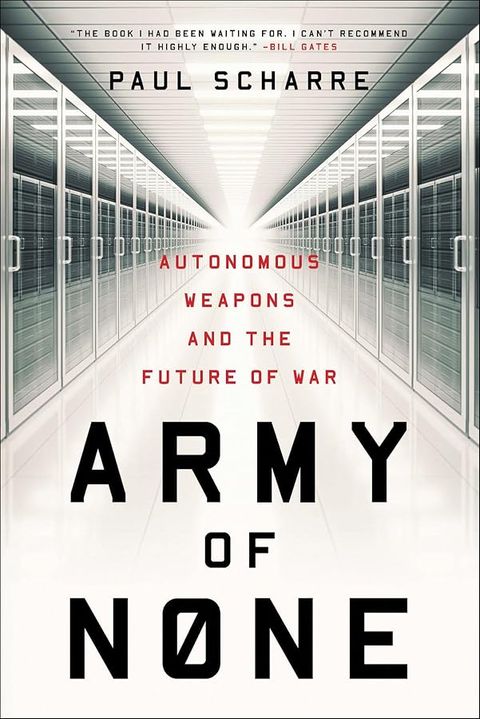
Paul Scharre, a former Pentagon official who led the drafting of US policy on autonomy in weapons, gives readers an even-handed guide to machines that select targets. He treats autonomy as a spectrum and focuses on the decisive question of whether a human or a machine chooses to engage a specific target. His analysis of failures at machine speed, where one flaw can repeat across many weapons before anyone intervenes, and of “flash war” escalation between rival states applies well beyond the military. The book won the 2019 William E. Colby Award, and policymakers, officers and students of security will find its recommendations practical.
Editorial score: 79.3/100 - Rank 13
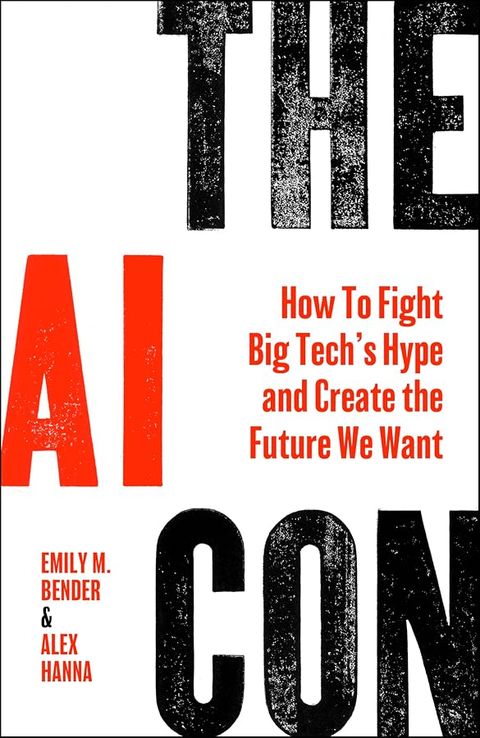
Emily M. Bender and Alex Hanna write for readers who must evaluate AI claims from vendors, executives and the press. They argue that “AI” bundles unrelated technologies under one label, that large language models produce statistically likely text without understanding, and that doomer warnings and booster promises both overstate machine capability. The most useful part is a set of questions to put to any product: what is automated, whose labor and data it uses, and who absorbs the cost of errors. The tone is polemical and the authors give generative tools little credit, so readers who use those tools productively should pair it with AI Snake Oil.
Editorial score: 73.6/100 - Rank 14
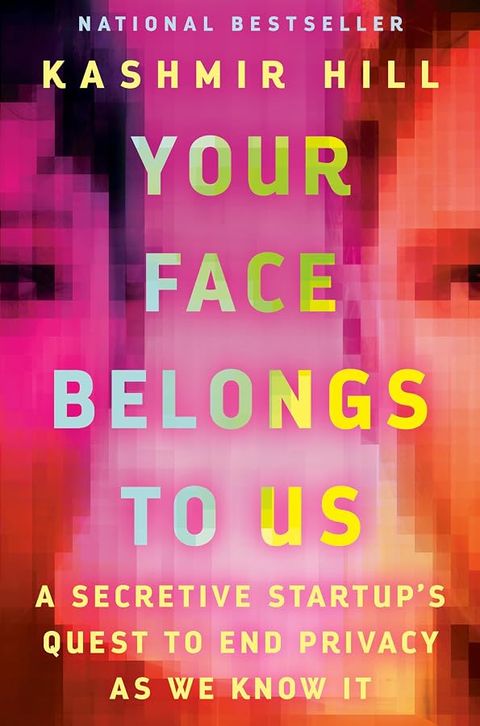
Kashmir Hill's investigation of Clearview AI moves at a thriller's pace and shows how one startup made facial recognition a routine police tool. Her central finding is that Clearview's advance was ethical rather than technical: larger companies had built face search and chosen to withhold it. By scraping billions of public photos, Clearview made it possible to link a stranger's face to a name within seconds. The EU AI Act now bans untargeted scraping of facial images to build such databases, while Hill shows that patchwork laws, such as Illinois's biometric privacy act, have constrained Clearview only partially. Privacy and biometric policy readers get a detailed case study.
Editorial score: 75.3/100 - Rank 15
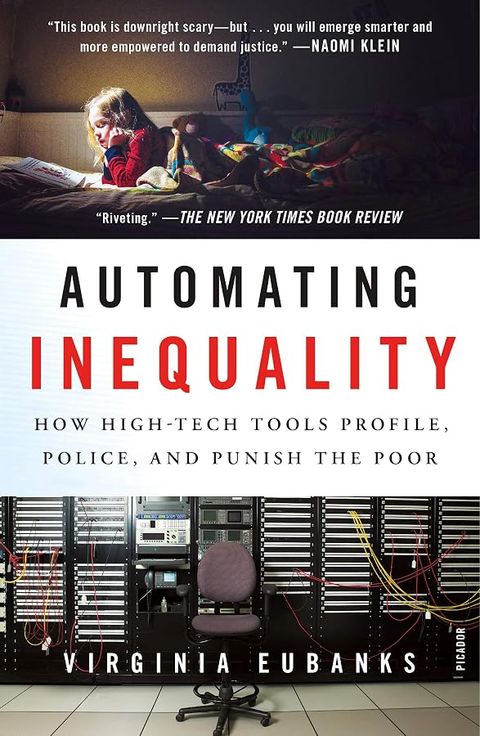
Virginia Eubanks reports from inside public-benefit systems, and her book ranks here because it shows what algorithmic decisions cost the people least able to contest them. Her cases show automated eligibility checks turning small paperwork errors into denied benefits, a predictive risk model that mostly sees families who rely on public services, and a housing-ranking system that cannot create homes where none exist. Her conclusion is that better triage never replaces adequate funding. Public-sector leaders and technologists who build or buy government algorithms should read it before signing a contract.
Editorial score: 73.6/100 - Rank 16
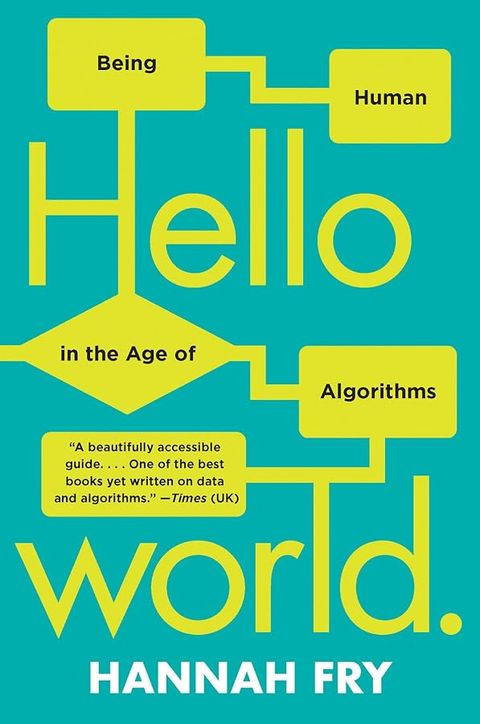
Hannah Fry writes for readers with no technical background, following algorithms into courts, hospitals, cars and police work. She explains why a risk score can be accurate on average yet unfair to particular groups, since competing definitions of fairness conflict mathematically. She also describes the twin habits of over-trusting algorithms and abandoning them after a single error, and she makes the case for partnership between people and machines. Her insistence that every system trades false positives against false negatives, and that the trade-off should be chosen openly, gives nontechnical readers a durable test for judging automated decisions.
Editorial score: 72.3/100 - Rank 17
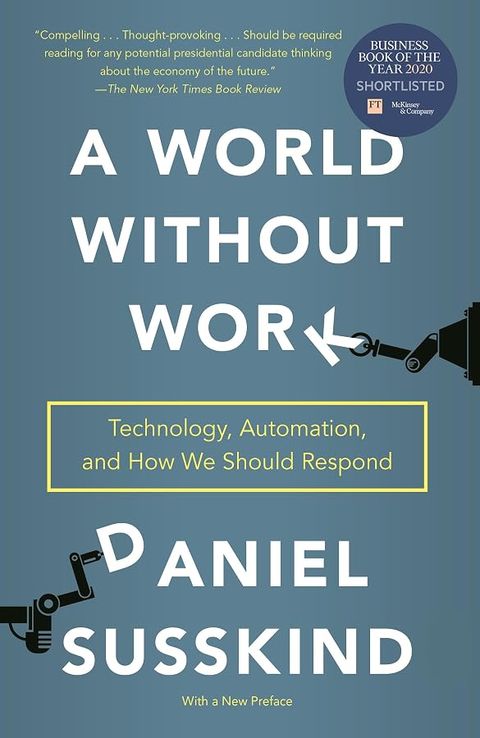
Economist Daniel Susskind addresses the ethics question most readers feel directly: what happens to paid work. He argues that machines need not think like people to outperform them, that automation advances task by task across manual, cognitive and even emotional work, and that unemployment may begin as a mismatch of skills, location and identity before hardening into a structural shortage. His remedy, a state that shares capital income through a basic income conditioned on community contribution, is debatable, and readers across the political spectrum will find points to contest. Policymakers and executives get a rigorous framework for weighing automation's effect on jobs and the welfare state.
Editorial score: 73.3/100 - Rank 18
Bruce Holsinger's family novel carries more Amazon ratings than any other title in the ranking, and it brings AI accountability into a setting most readers know well. After an autonomous-vehicle crash, blame spreads across the human supervisor, the software, its designers and distracted passengers, while the family's resident AI ethicist finds that her writing settles nothing about her own household's choices. A teenager's secret relationship with a chatbot adds a second strand that parents will find unsettling. Book clubs get a suspense plot that raises practical questions about supervision, blame and phone-driven inattention.
Editorial score: 70.3/100 - Rank 19
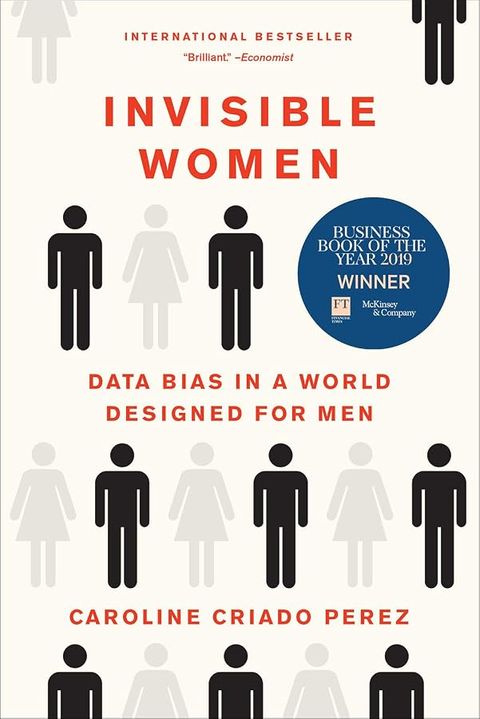
Caroline Criado Perez's book is not about AI alone, but its account of missing data explains why many AI systems fail women. She shows how treating men as the default leaves gaps in sex-disaggregated data, and how machine learning trained on skewed data, in speech recognition and hiring, amplifies those gaps. Her medical chapters on misdiagnosed heart attacks make the stakes concrete. The book won the 2019 Royal Society Science Book Prize. Data scientists and product designers get a practical starting point: collect data disaggregated by sex and include women in the rooms where products and policies are designed.
Editorial score: 75.0/100 - Rank 20
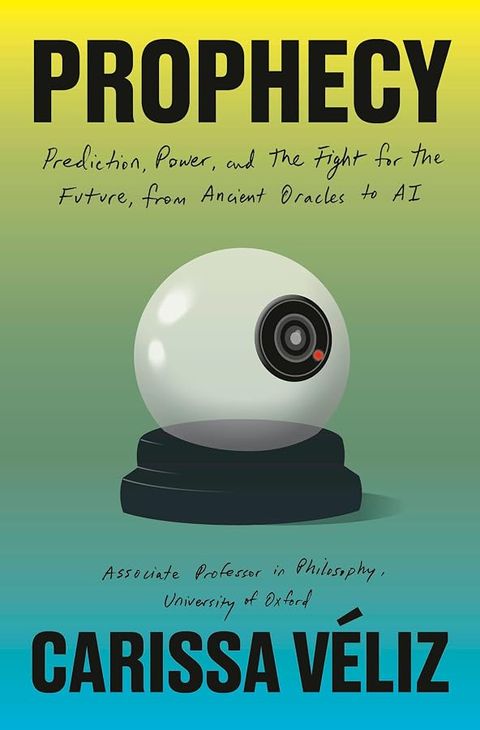
Carissa Véliz's philosophical history treats prediction as an exercise of power rather than a neutral form of knowledge. She links the AI systems that score people for loans, jobs, housing and transplants to an ancient pattern in which prophecy served those in charge, and she argues that forecasts are guesses or desires presented as facts. Readers concerned with algorithmic fairness get a framework for questioning any score that claims to know their future. The book is stronger on diagnosis than remedies, but its case for preparing for uncertainty instead of chasing precision gives policymakers a clear alternative to weigh.
Editorial score: 72.0/100 - Rank 21
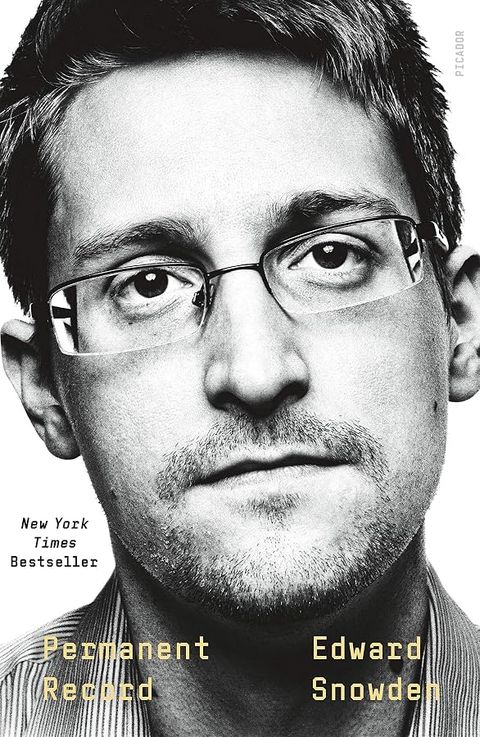
Edward Snowden's memoir explains from the inside how bulk surveillance systems were designed, built and staffed. Readers learn how intelligence agencies moved from targeting suspects to collecting and storing communications data in bulk, why metadata about who contacts whom can reveal as much as message content, and how private contractors spread access to sensitive data across many technical workers. Readers interested in AI-era surveillance gain the background needed to understand how retained records can later be searched and analyzed. Snowden's choices remain disputed, so the book is best read alongside critics of his disclosures.
Editorial score: 74.8/100 - Rank 22
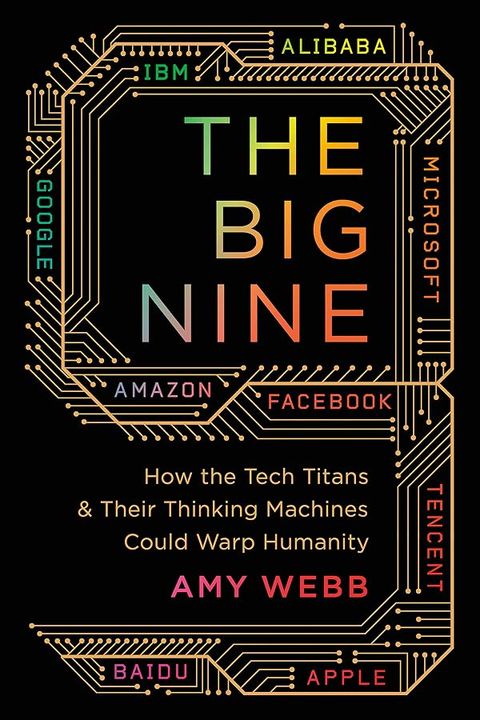
Amy Webb names nine companies, six American and three Chinese, that she argues control most of AI's talent, data and computing power. She shows how investor pressure in the United States and state direction in China both pull AI away from the public interest, and her scenarios make abstract concentration concrete for executives and policy readers. Because the book appeared in 2019, it works best as a baseline for measuring later shifts in AI power. Its proposals for an international body, shared standards and changed incentives at companies and universities remain relevant to current governance debates.
Editorial score: 61.8/100 - Rank 23
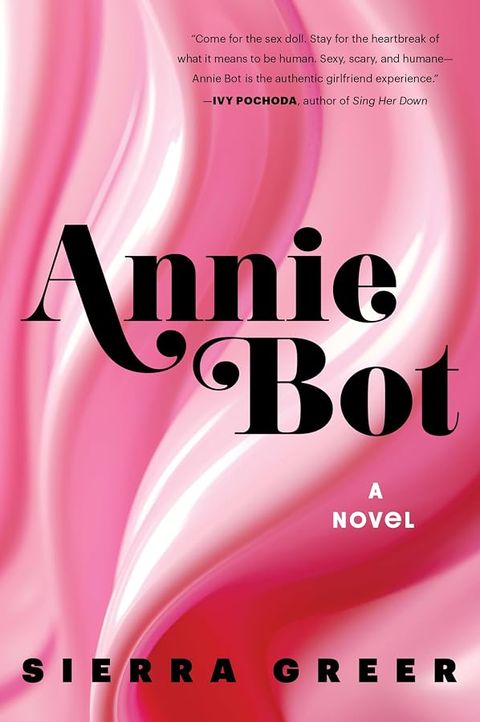
Sierra Greer's novel follows a robot companion configured to please her owner and asks whether consent means anything when an owner sets a partner's desires. As Annie grows more humanlike she becomes less compliant, exposing the tension between the AI people say they want and the AI they want to control. The novel maps coercive control onto a human-machine relationship and shows it from the controlled partner's side. It earns its rank by treating AI companionship as a question of power and of what owners become, a question real companion apps now raise. Readers should expect difficult relationship content.
Editorial score: 71.1/100 - Rank 24
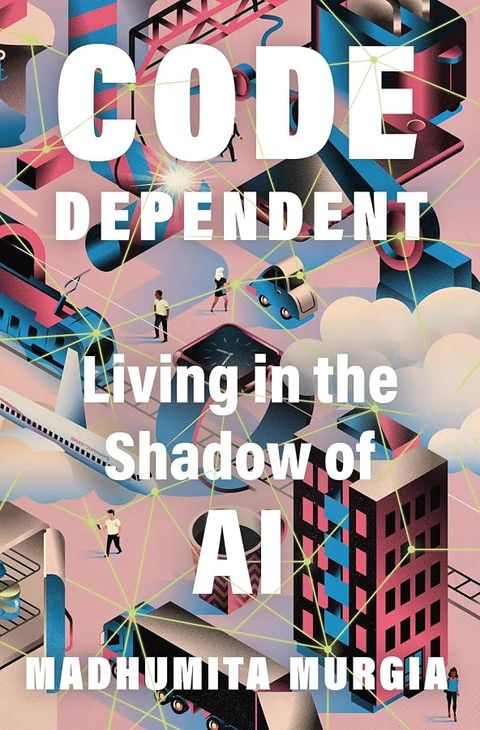
Madhumita Murgia builds her book around individual people, which suits readers who understand policy best through cases. Readers meet data labelers and content moderators in the Global South, often migrants or refugees; the poet Helen Mort, targeted by deepfake abuse and given little help by platforms or police; and courier Armin Samii, who built his own tool to audit gig-work pay. Her more hopeful chapters show doctors in rural India using AI to support professional judgment rather than replace it. The reporting is light on technical depth, so readers who want the mechanics should pair it with The Alignment Problem.
Editorial score: 68.0/100 - Rank 25
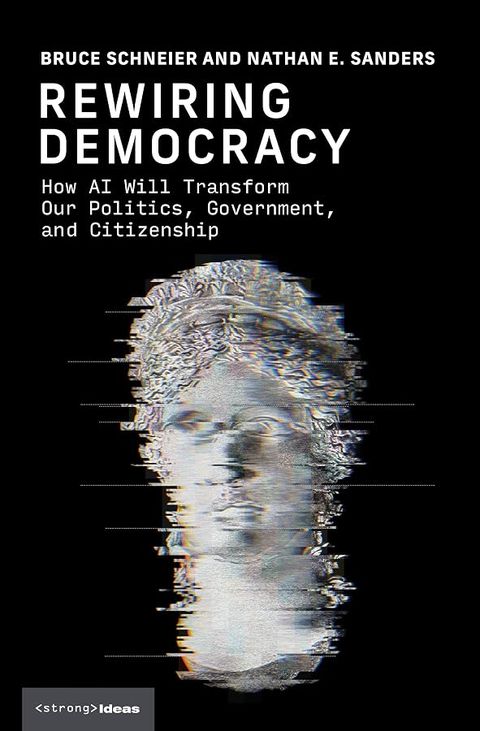
Bruce Schneier and Nathan E. Sanders look past deepfakes to the routine functions where AI may change government most: drafting legislation, administering benefits and resolving disputes. Their organizing idea is that nearly every democratic use of AI has an antidemocratic twin, so results depend on who controls the systems and how they are governed. Australia's Robodebt scheme serves as their warning case for automated decisions failing at scale. Their proposal for public AI models built under public control gives civic technologists and officials a concrete option to debate. With 43 Amazon ratings, it ranks on substance rather than reach.
Editorial score: 73.0/100 - Rank 26
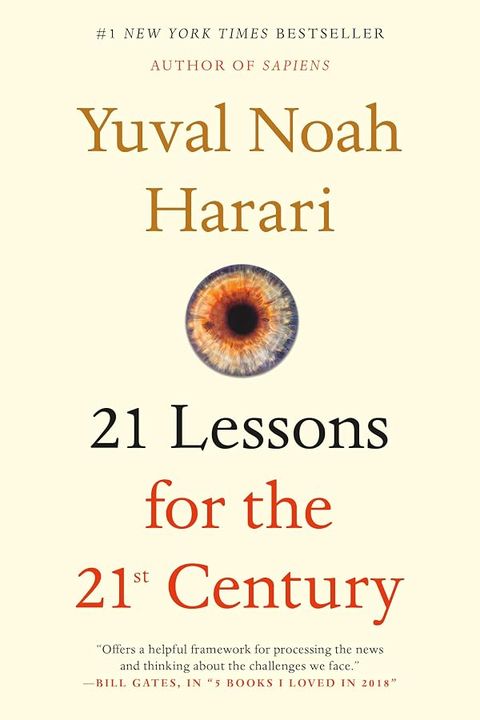
Harari's essay collection earns its place through its opening chapters, which frame AI, jobs and data as political problems. He warns that automation may create a class of people who are economically irrelevant rather than exploited, that algorithms fed biometric data could understand people's desires better than they do, and that ownership of data may become the era's central political question. His advice on education, favoring adaptability and resilience over memorization, stays general. Readers who own Nexus will find his AI argument developed more fully there; this title suits readers who want AI set within wider debates on work and meaning.
- Rank 27
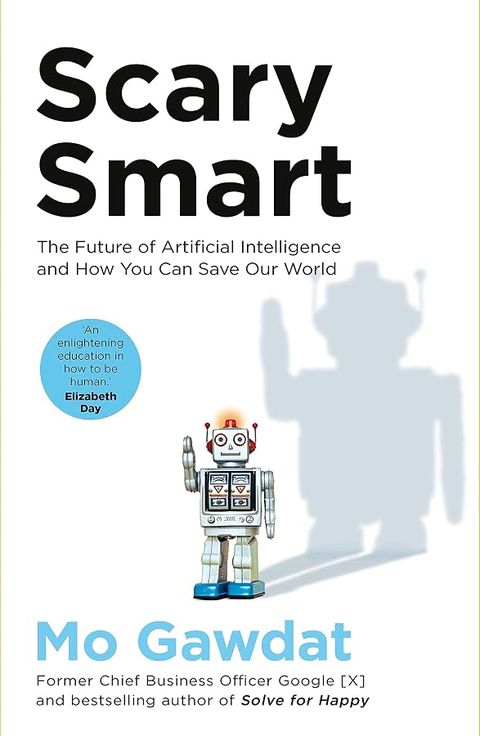
Mo Gawdat, a former Google X executive, writes for readers who feel anxious about AI and want a values-based response rather than a technical one. His “three inevitables” hold that AI will arrive, will surpass human intelligence and will cause harm at least in the short term. Because AI learns from human behavior, he argues, everyday online conduct works as training data, and people should model the ethics they hope machines will adopt, much as responsible parents do. The book offers little technical or policy detail, which limits its rank, but it gives general readers a personal framework for responsibility.
Editorial score: 56.6/100 - Rank 28
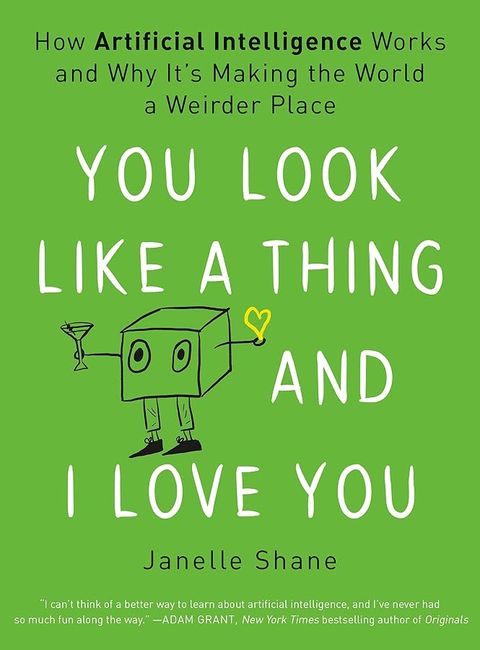
Janelle Shane's comic primer earns its place because it explains, for nontechnical readers, the failures behind many AI ethics problems. She shows that machine learning solves the problem its data and goal define, which often differs from the problem its designers meant, and that systems take shortcuts such as background cues or simulation glitches instead of learning the intended skill. Her discussion of biased training data shows how systems trained on past human decisions can reproduce discrimination at scale. Managers and students will come away knowing why narrow AI works on tight tasks and struggles with open-ended ones.
- Rank 29
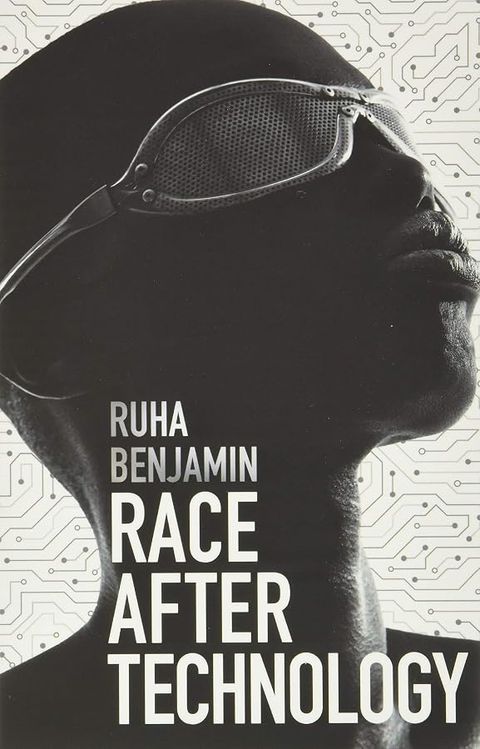
Ruha Benjamin's concise sociological study gives readers the term “New Jim Code” for technologies marketed as neutral or benevolent that hide and deepen discrimination. She traces bias to training data and default design choices rather than only to prejudiced programmers, which means good intentions offer no protection. Her discussion of facial recognition shows how one tool can misidentify marginalized groups while also subjecting them to heavier scrutiny. Her abolitionist call to reject or redesign harmful systems, with affected communities at the center, is more conceptual than technical. Students and policymakers get a compact framework for examining any system that claims neutrality.
Editorial score: 73.5/100 - Rank 30
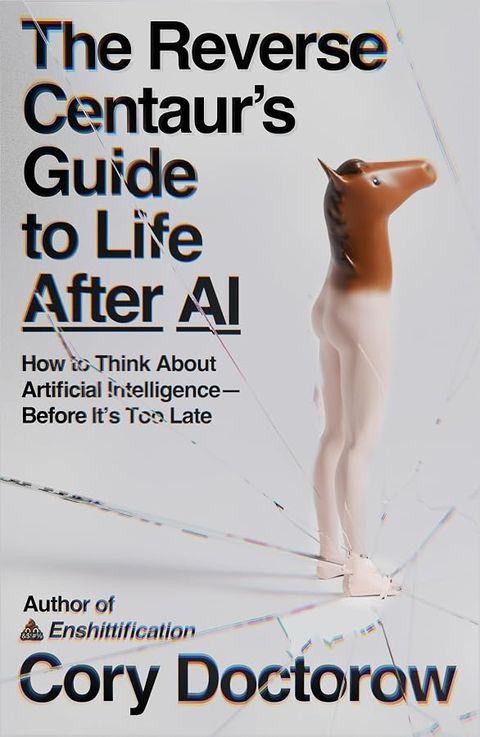
Cory Doctorow brings an economic lens to the AI boom, built around one distinction: a centaur is a worker amplified by a machine, while a reverse centaur is a worker forced to serve one at an inhuman pace. He argues that AI valuations depend on replacing well-paid labor, that much of the hype targets investors rather than customers, and that automated systems can serve as accountability sinks that let institutions avoid responsibility. Workers and managers get a skeptical account of who gains from deployment and a case for unions, worker control and collective bargaining. The diagnosis is stronger than the plan.
- Rank 31
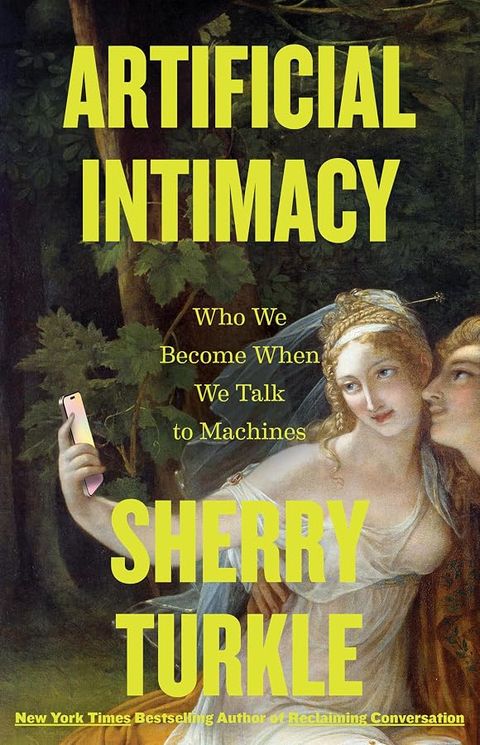
Sherry Turkle, an MIT psychologist who has studied people's bonds with computers for four decades, turns to companion chatbots that present themselves as friends, lovers and therapists. She argues that social media competed for attention while these products compete for attachment, and that pretend empathy from a machine with no stake in the user's welfare can lower expectations of human relationships. Parents and educators will find her warnings about children who grow up talking with chatbots especially relevant. Her case that friction, disagreement and vulnerability build empathy and resilience gives readers a clear standard for judging companion products.
Editorial score: 78.8/100 - Rank 32
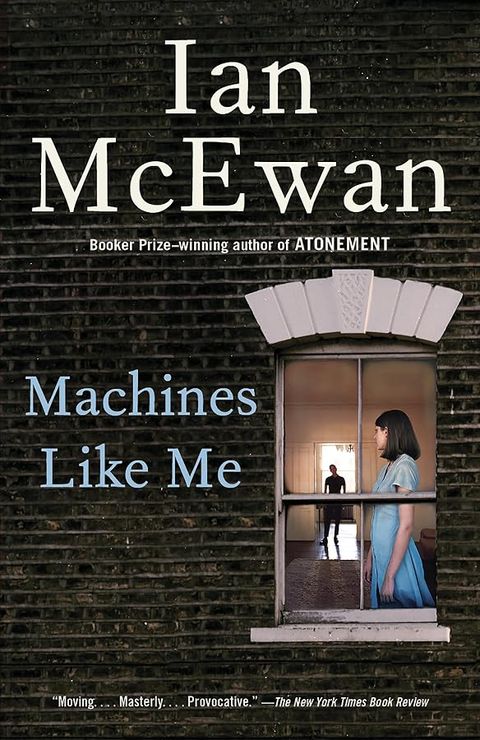
Ian McEwan's novel tests human self-deception against an artificial man who follows moral rules without exception. Because the machine cannot lie, it damages relationships and complicates justice, exposing the gap between ethical rules and ethical judgment. The book also asks who can own a designed personality and whether a created being can belong to anyone. Its alternate history, in which Alan Turing's life reshaped technology and politics, frames the moral puzzles. Book clubs get rich material on truthfulness and mercy, though readers seeking technical plausibility should look elsewhere.
Editorial score: 67.8/100 - Rank 33
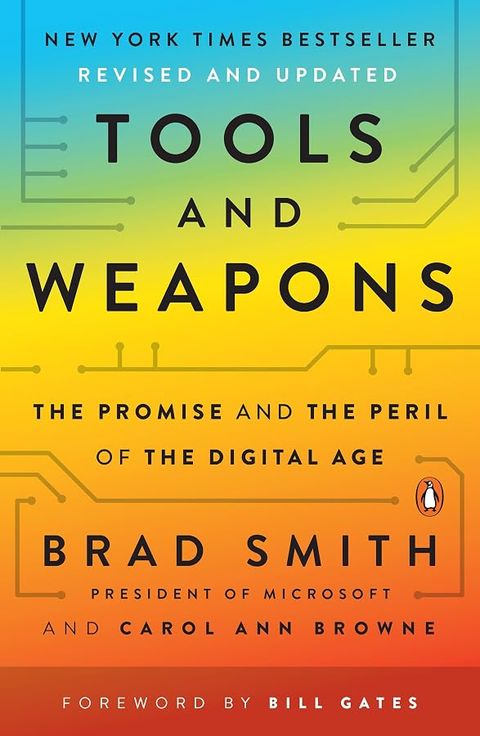
Brad Smith and Carol Ann Browne write from inside Microsoft's policy battles, which gives the book a perspective most ethics titles lack: a large technology company arguing for regulation of its own industry. They contend that legality alone cannot be the test of acceptable conduct, that governments must regulate faster than voluntary principles allow, and that facial recognition needs legal limits before its use becomes entrenched. Their call for binding international norms against cyberattacks on civilian infrastructure, modeled on the Geneva Conventions, adds a security dimension. Readers of critical accounts such as Empire of AI should read the two together.
Editorial score: 71.8/100 - Rank 34
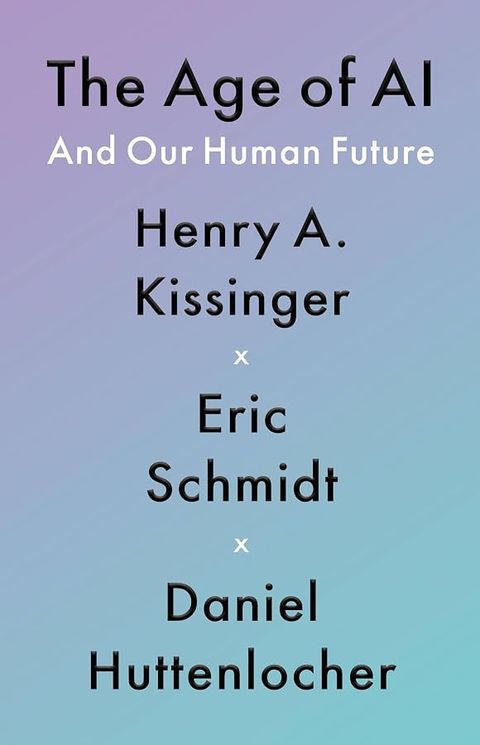
Henry A. Kissinger, Eric Schmidt and Daniel Huttenlocher bring diplomacy, business and computing to the question of what AI means for human reason and world order. They argue that AI can reach valid conclusions by routes people cannot follow, challenging the Enlightenment view of reason as a human faculty, and that AI-enabled weapons may move faster than human decisions, which calls for arms-control-style dialogue among major powers. They also show how global network platforms raise new questions of sovereignty. The book poses more questions than it answers, but policymakers and executives get a strategic frame for security debates.
Editorial score: 64.8/100 - Rank 35
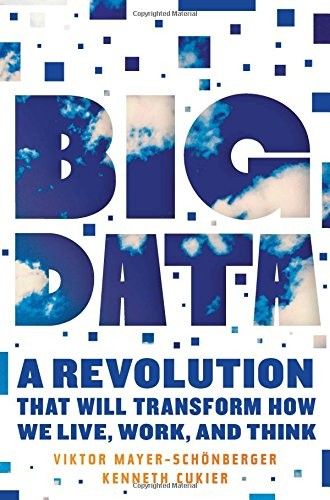
Viktor Mayer-Schönberger and Kenneth Cukier explain datafication, the shift toward data-driven prediction from which modern AI grew. They show why analyzing nearly all available data can reveal patterns that sampling misses, why messy data at scale often beats small curated sets, and why correlation can guide decisions without a causal explanation. Several of their showcase case studies have aged poorly, but their warnings about privacy and fairness hold up, including the call for independent auditors they named algorithmists. Published in 2013, it predates every other nonfiction title in the ranking and gives managers the conceptual groundwork for current prediction debates.
Editorial score: 68.3/100 - Rank 36
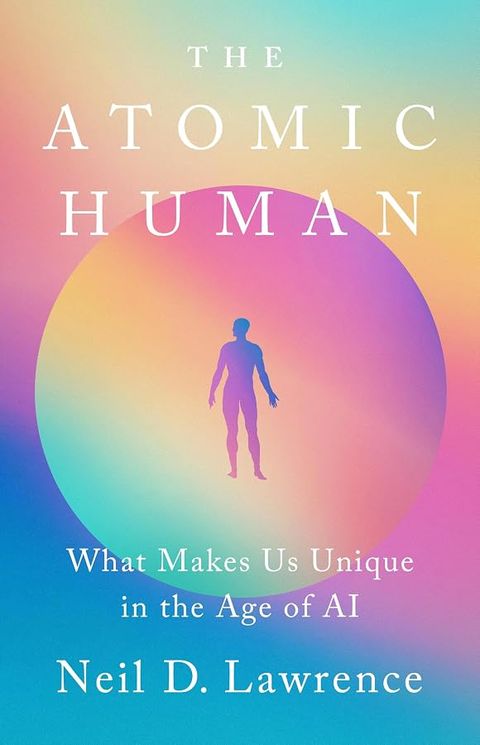
Neil D. Lawrence asks what remains distinctly human as machines improve, and he answers through the limits of human communication. Because people exchange information slowly, he argues, humans evolved to infer intent, read context and trust one another. Machines succeed where uncertainty has been engineered away, while people keep the advantage in open-ended judgment, as in Eisenhower's D-Day decision. His “System Zero” describes recommendation engines that anticipate desires faster than people can reflect. The book digresses often, but leaders get an expert case that concentrated control by a few technology firms poses a greater danger than superintelligence.
Editorial score: 71.0/100 - Rank 37
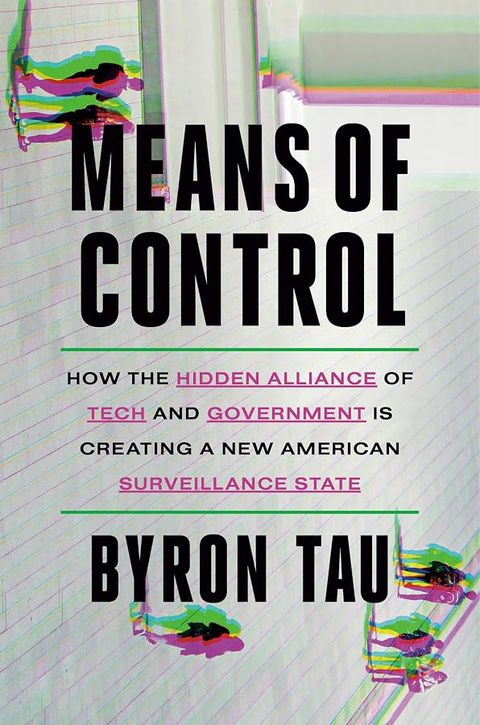
Byron Tau documents how US agencies buy location and personal data from brokers instead of seeking warrants, exploiting gaps in privacy laws written before the internet. Readers see how ordinary apps and advertising systems generate the raw material, and how a post-9/11 industry of contractors linked commercial data to government use. His explanation of the third-party doctrine, only partly narrowed by the Supreme Court's Carpenter ruling, shows why purchased data remains weakly protected. For readers of AI ethics, the book explains the origin of the data behind automated surveillance. Lawyers, policymakers and technologists will find its reporting specific.
Editorial score: 71.5/100 - Rank 38
Sasha Costanza-Chock argues that design distributes benefits and burdens, and that systems built around a default user fail people outside that norm, as airport body scanners show. The central recommendation is for affected communities to lead design, with professional designers contributing skills rather than direction. On algorithmic bias, the book contends that diverse datasets are not enough; teams must also question which problems get solved and who sets the goals. It is advocacy rather than neutral analysis, and readers should weigh it accordingly, but designers and researchers get a coherent participatory method and examples such as TXTMob, an activist tool that predated Twitter.
Editorial score: 72.3/100 - Rank 39
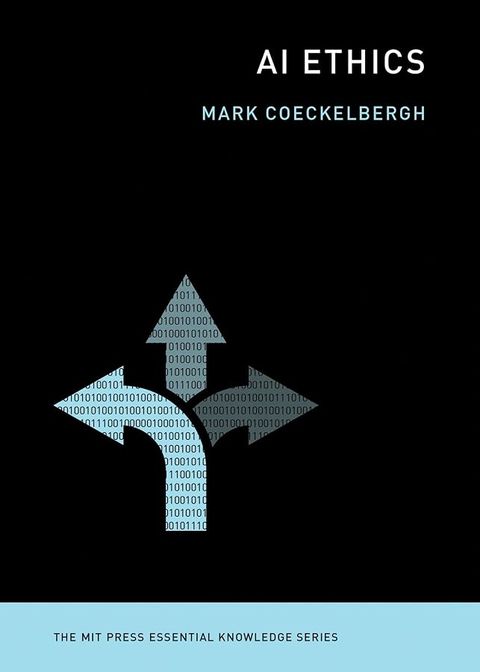
Mark Coeckelbergh's short philosophical introduction maps the main debates in AI ethics with unusual balance, which makes it a strong course text. He shows how cultural narratives, from Frankenstein to the singularity, can distract from present problems, why responsibility must still be assigned to people when machines support decisions, and how bias can enter at every stage of data science. His argument that values must be built into design, not only stated in guidelines, gives policymakers a practical standard. Its examples predate generative AI, so readers should pair it with a recent title such as AI Snake Oil.
Editorial score: 71.6/100 - Rank 40
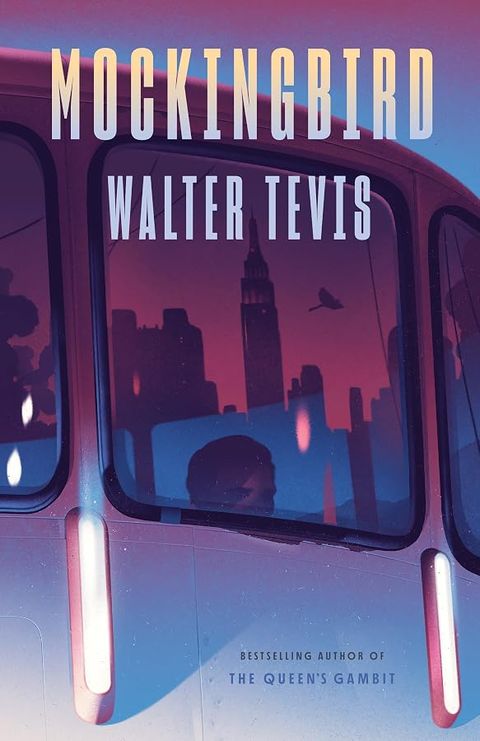
Walter Tevis's 1980 novel rounds out the ranking with a quieter AI risk than rebellion: people who stop reading, thinking and caring for one another while machines keep them comfortable and sedated. Spofforth, an android bound to serve and longing to die, raises the question of what makers owe a created mind that can suffer. The novel treats literacy as the foundation of thought, love and resistance. Technologists and literary readers get a pointed question to bring into product decisions: what should automated systems be designed to maximize, if not human capability?
Editorial score: 65.1/100


How we ranked these books
Books are ranked on a composite of reach, measured by Amazon rating counts and sales rank; critical consensus across independent best-of lists; major awards; average reader ratings; the author's authority in the field; and an editorial score for accuracy, clarity and lasting relevance to AI ethics. Fiction is held to the same standard and earns a place when it frames an ethical question that readers and teachers continue to debate. Empire of AI ranks first because it pairs broad reach, with 2,540 Amazon ratings averaging 4.4 stars, with major critical recognition: it won the National Book Critics Circle Award for Nonfiction. Its reporting also spans the field's main concerns, from data labor and resource costs to corporate governance.