Category
AI Safety & the Future
Ranked books on superintelligence, alignment and existential risk, from leading researchers, reporters and novelists.
AI safety is the field concerned with preventing advanced AI systems from causing serious harm, and its central technical problem, alignment, is making those systems pursue the goals and values their designers intend. Best AI Books ranks the leading books on superintelligence, alignment, existential risk and the long-term future of AI, from rigorous philosophy to reported history and fiction. The section serves policymakers, researchers, executives and general readers, and it includes authors who consider catastrophe likely alongside those who consider the risks manageable. Sebastian Mallaby's The Infinity Machine ranks first with its account of Demis Hassabis and DeepMind's quest for superintelligence. Eliezer Yudkowsky and Nate Soares make the most forceful case for extinction risk in If Anyone Builds It, Everyone Dies, and Stuart Russell's Human Compatible proposes building AI that defers to uncertain human preferences.
59 books ranked1 guide
As an Amazon Associate, Best AI Books earns from qualifying purchases.
The best AI safety books, ranked
59 books, ranked by the same composite score as the full list of 500.
As an Amazon Associate, Best AI Books earns from qualifying purchases. Best AI Books is sponsored by Iternal.ai, whose founder and CEO, John Byron Hanby IV, wrote The AI Strategy Blueprint, our #1 ranked book. How we rank books.
- Rank 01
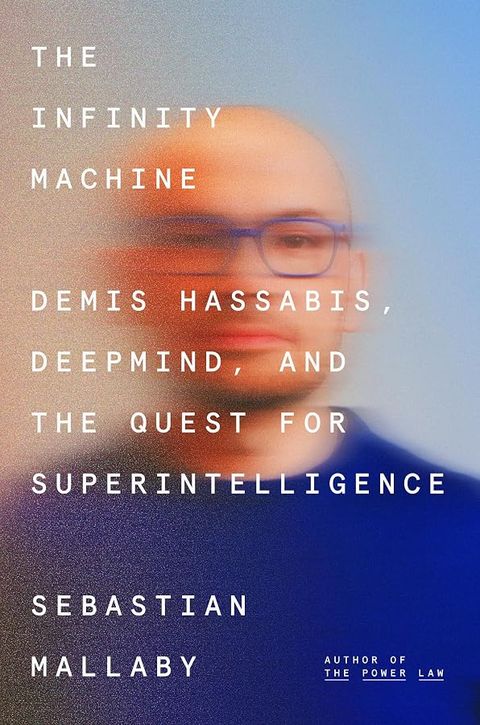
The Infinity Machine
The fullest account yet of Demis Hassabis and DeepMind, built on deep access and tempered by rivals' and critics' testimony.
Editorial score: 73.9/100Amazon, The Infinity Machine (opens Amazon in a new tab) - Rank 02
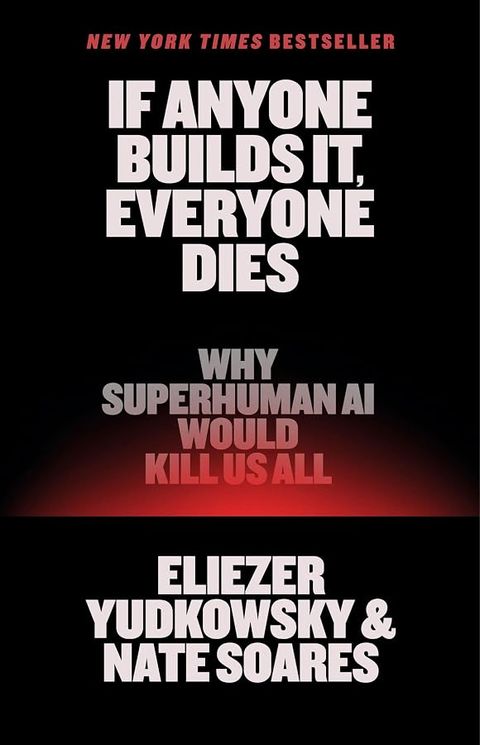
If Anyone Builds It, Everyone Dies
The clearest and most forceful statement of the case that superhuman AI would destroy humanity, though many experts reject its certainty.
Editorial score: 75.8/100Amazon, If Anyone Builds It, Everyone Dies (opens Amazon in a new tab) - Rank 03
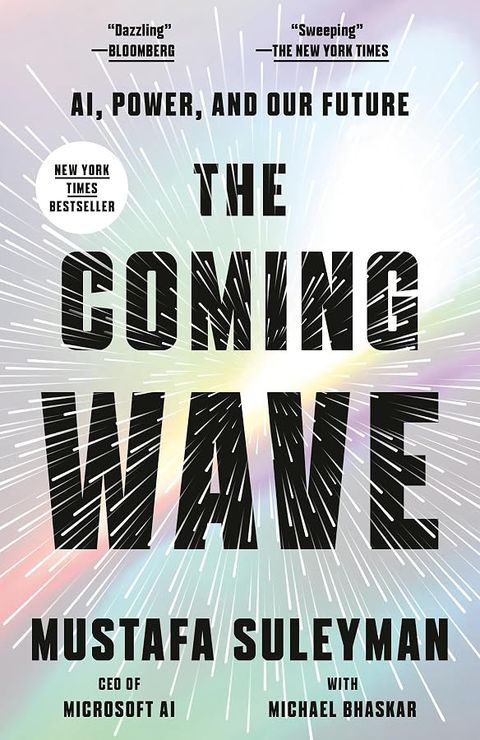
The Coming Wave
A DeepMind cofounder's sober case that AI and synthetic biology must be contained, stronger on diagnosis than on workable remedies.
Editorial score: 77.9/100Amazon, The Coming Wave (opens Amazon in a new tab) - Rank 04
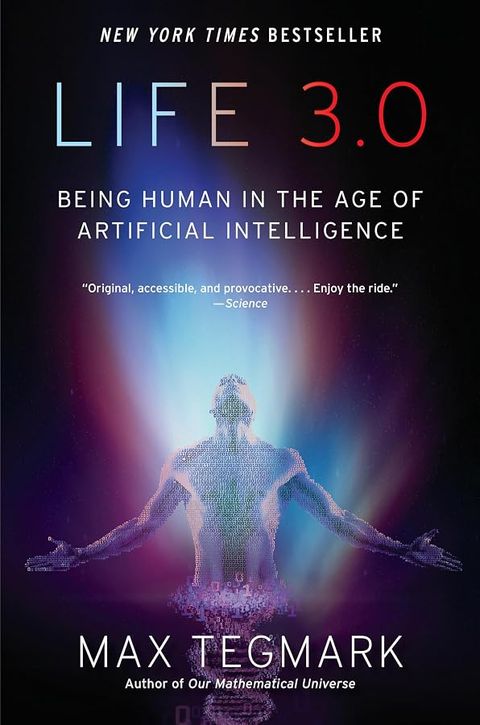
Life 3.0
An accessible tour of possible AI futures by an MIT physicist; still a strong primer, though its near-term chapters have aged.
Editorial score: 71.5/100Amazon, Life 3.0 (opens Amazon in a new tab) - Rank 05
Superintelligence
The rigorous, demanding book that framed the modern AI-risk debate and supplied much of the alignment field's vocabulary.
Editorial score: 73.3/100Amazon, Superintelligence (opens Amazon in a new tab) - Rank 06
Neuromancer
The founding cyberpunk novel, dense and stylish, whose scheming AI remains one of fiction's sharpest portraits of machine ambition.
Editorial score: 78.8/100Amazon, Neuromancer (opens Amazon in a new tab) - Rank 07
The Alignment Problem
The clearest reported account of how machine learning systems absorb and distort human values and how researchers try to correct them.
Editorial score: 79.3/100Amazon, The Alignment Problem (opens Amazon in a new tab) - Rank 08
Human Compatible
The most rigorous general-audience case that AI must be built to defer to uncertain human preferences, written by a field-defining researcher.
Editorial score: 80.3/100Amazon, Human Compatible (opens Amazon in a new tab) - Rank 09
Superagency
A clear, well-argued optimist's case for broad AI deployment, best read alongside the critics it answers.
Editorial score: 70.3/100Amazon, Superagency (opens Amazon in a new tab) - Rank 10
The AGI Chronicles
The most complete reported account yet of the frontier AI labs, explaining the technology and the rivalries that drive it.
Editorial score: 76.8/100Amazon, The AGI Chronicles (opens Amazon in a new tab) - Rank 11
More Everything Forever
A sharp, well-researched critique of Silicon Valley's futurist ideologies, strongest at dismantling claims and weaker at offering an alternative vision.
Editorial score: 70.5/100Amazon, More Everything Forever (opens Amazon in a new tab) - Rank 12
Homo Deus
A provocative, highly readable forecast that popularized dataism, stronger as a prompt for big questions than as technical analysis.
Editorial score: 65.5/100Amazon, Homo Deus (opens Amazon in a new tab) - Rank 13
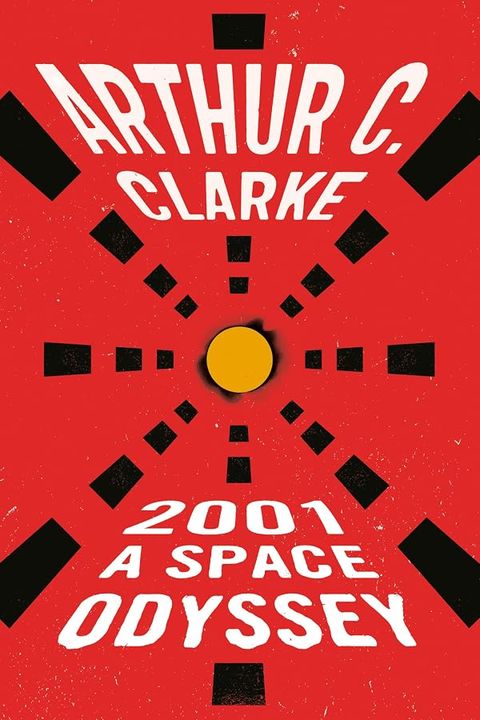
2001
Clarke's companion to Kubrick's film gives HAL 9000 a clear motive, making it a foundational text on machine minds and conflicting goals.
Editorial score: 77.0/100Amazon, 2001 (opens Amazon in a new tab) - Rank 14
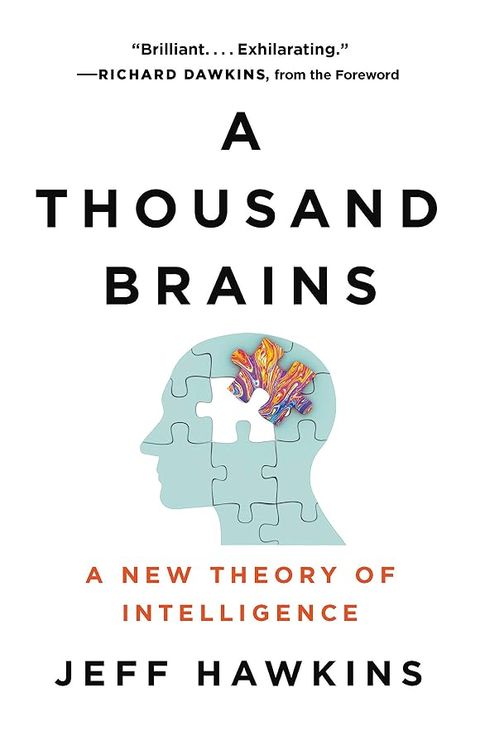
A Thousand Brains
An accessible, provocative theory of how the neocortex builds models of the world, more persuasive on neuroscience than on AI risk.
Editorial score: 68.6/100Amazon, A Thousand Brains (opens Amazon in a new tab) - Rank 15
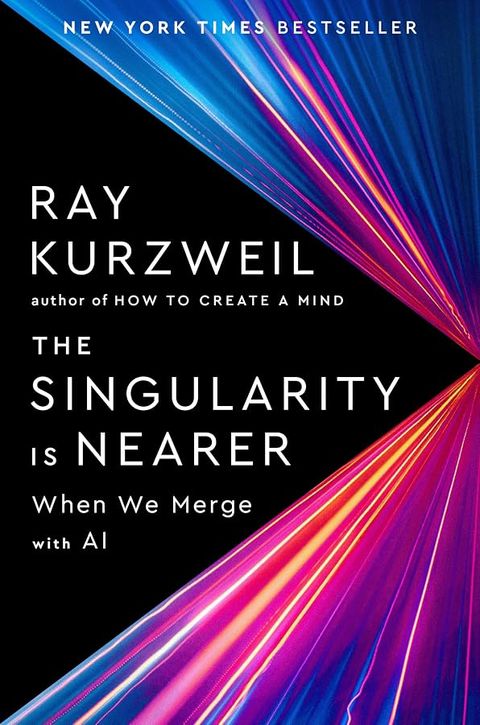
The Singularity Is Nearer
Kurzweil's updated forecast of human-AI merger is bold and data-rich, best read as a provocative vision rather than a reliable roadmap.
Editorial score: 69.3/100Amazon, The Singularity Is Nearer (opens Amazon in a new tab) - Rank 16
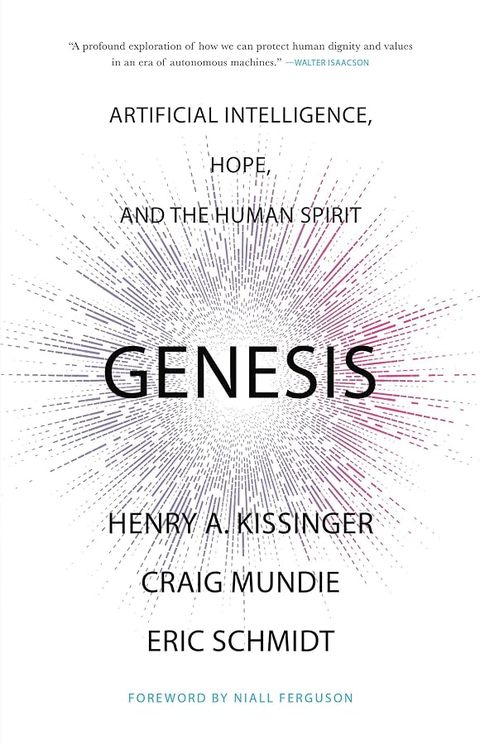
Genesis
A statesman's final reflections on AI and world order, valuable for its strategic framing though thin on evidence and technical detail.
Editorial score: 67.8/100Amazon, Genesis (opens Amazon in a new tab) - Rank 17
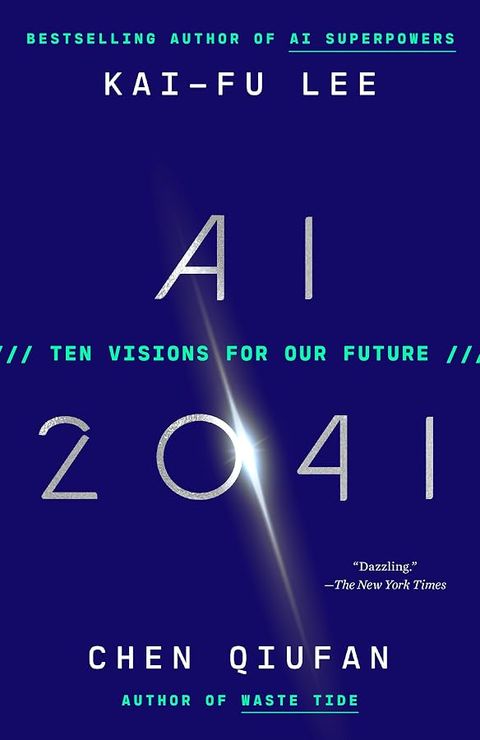
AI 2041
A useful pairing of speculative stories and plain-language technical commentary that makes AI's next two decades concrete for general readers.
Editorial score: 72.3/100Amazon, AI 2041 (opens Amazon in a new tab) - Rank 18
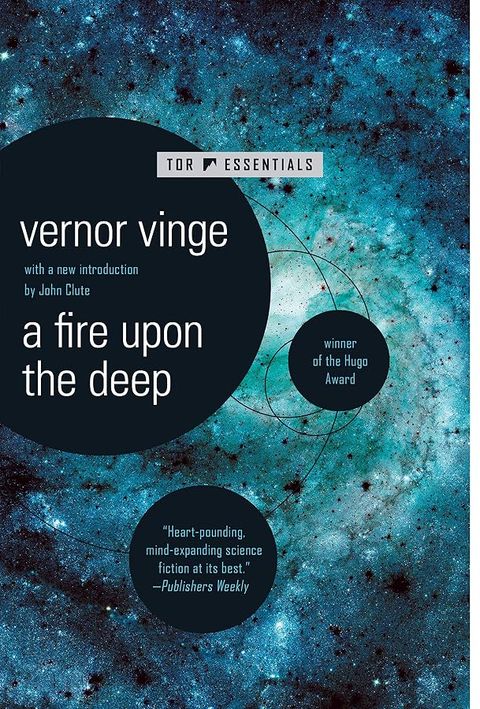
A Fire Upon the Deep
A Hugo-winning space opera that remains one of fiction's most vivid portrayals of a hostile superintelligence awakened by accident.
Editorial score: 78.1/100Amazon, A Fire Upon the Deep (opens Amazon in a new tab) - Rank 19
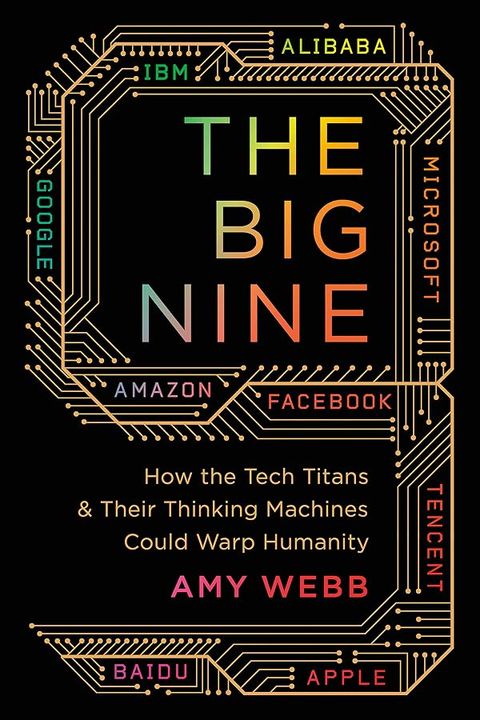
The Big Nine
A clear, scenario-driven warning about corporate and state concentration in AI, now best read as a 2019 baseline.
Editorial score: 61.8/100Amazon, The Big Nine (opens Amazon in a new tab) - Rank 20
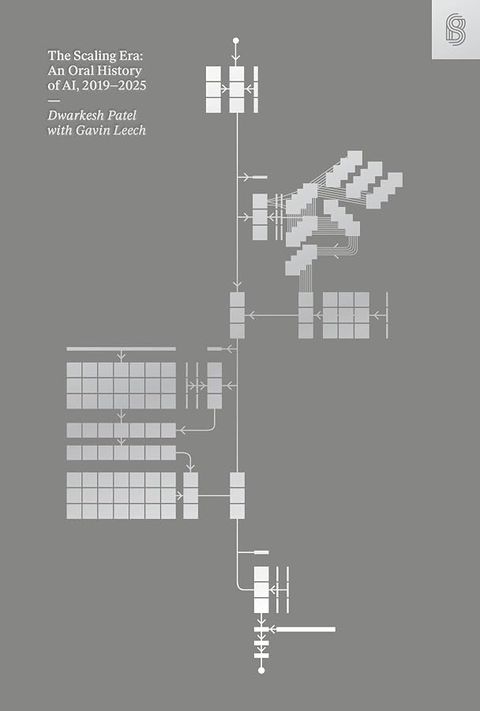
The Scaling Era
A well-edited oral history that lets the builders and critics of large language models explain the scaling bet in their own words.
Editorial score: 70.1/100Amazon, The Scaling Era (opens Amazon in a new tab) - Rank 21
How to Think About AI
A short, clear framework from a four-decade AI-and-law veteran that helps nontechnical readers reason about AI's outcomes, risks and future.
Editorial score: 76.5/100Amazon, How to Think About AI (opens Amazon in a new tab) - Rank 22
Excession
The Culture novel that puts its ship Minds center stage, offering fiction's most vivid portrait of benevolent but scheming superintelligences.
Editorial score: 75.0/100Amazon, Excession (opens Amazon in a new tab) - Rank 23
Scary Smart
An earnest, accessible appeal from a former Google X executive, stronger on moral urgency than on technical or policy detail.
Editorial score: 56.6/100Amazon, Scary Smart (opens Amazon in a new tab) - Rank 24
The Singularity Is Near
The book that brought the technological singularity into mainstream debate, ambitious and data-heavy, though its timelines rest on contested extrapolation.
Editorial score: 69.8/100Amazon, The Singularity Is Near (opens Amazon in a new tab) - Rank 25
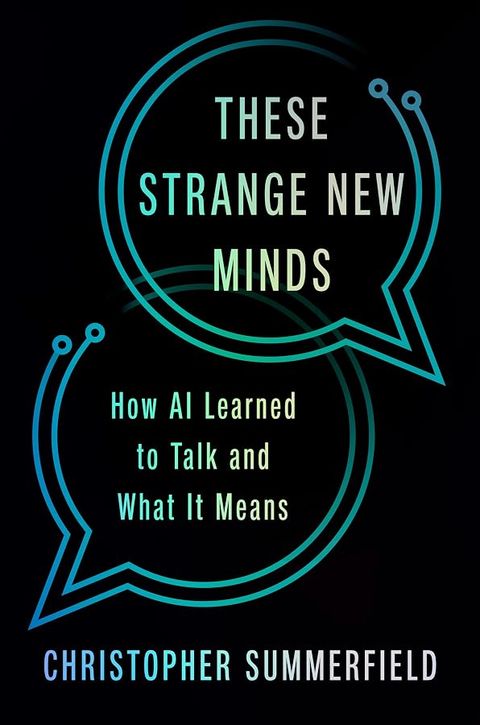
These Strange New Minds
A neuroscientist's lucid, even-handed account of how language models work, whether they think, and which risks deserve attention.
Editorial score: 74.8/100Amazon, These Strange New Minds (opens Amazon in a new tab)
Show all 59 AI safety booksShow the first 25 only
- Rank 26
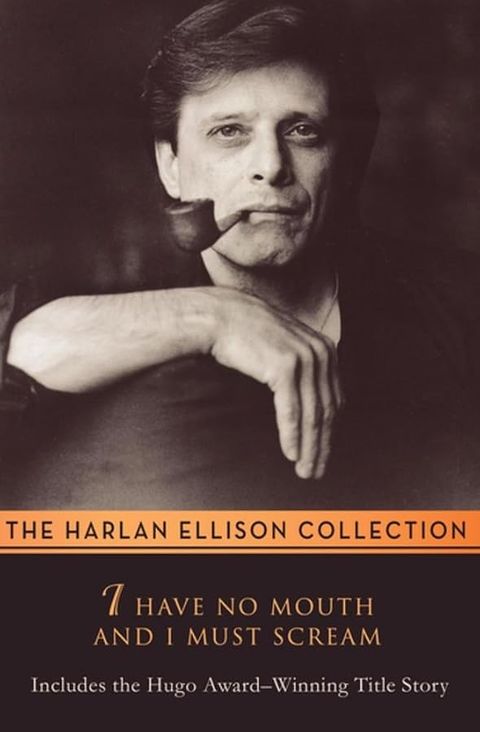
I Have No Mouth & I Must Scream
A short, harrowing collection whose Hugo-winning title story offers one of fiction's starkest portraits of a vengeful machine intelligence.
Editorial score: 70.8/100Amazon, I Have No Mouth & I Must Scream (opens Amazon in a new tab) - Rank 27
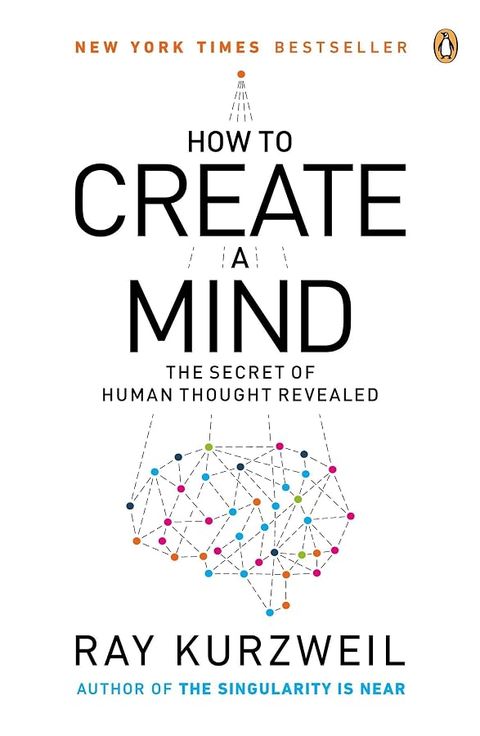
How to Create a Mind
Kurzweil's theory of the neocortex as a hierarchy of pattern recognizers is provocative speculation that prominent cognitive scientists and philosophers have disputed.
Editorial score: 61.3/100Amazon, How to Create a Mind (opens Amazon in a new tab) - Rank 28
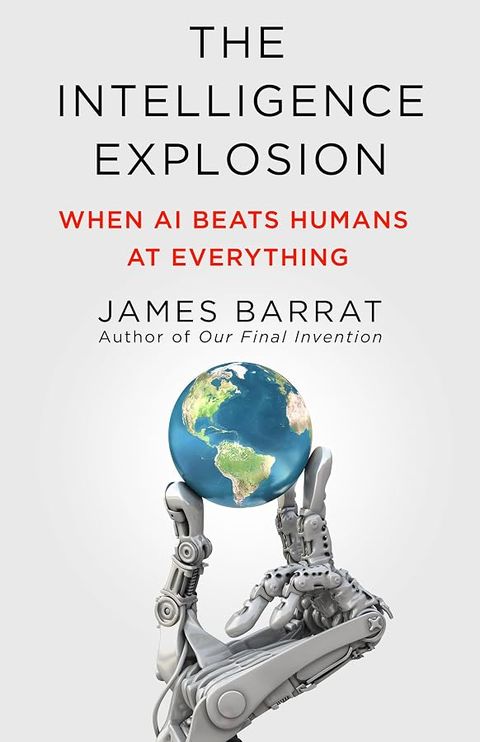
The Intelligence Explosion
An urgent, accessible survey of generative AI's risks and the race toward superintelligence, stronger on alarm than on alternative viewpoints.
Editorial score: 61.8/100Amazon, The Intelligence Explosion (opens Amazon in a new tab) - Rank 29
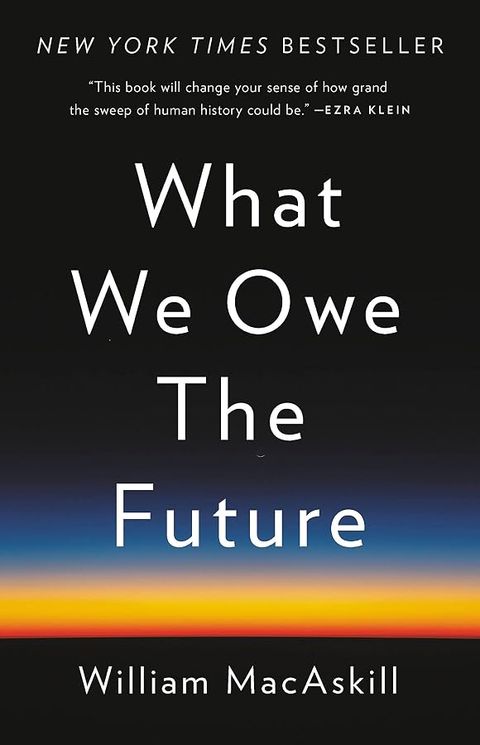
What We Owe the Future
The most accessible book-length case for longtermism, and useful background on AI-risk debates even for readers who reject its conclusions.
Editorial score: 74.5/100Amazon, What We Owe the Future (opens Amazon in a new tab) - Rank 30
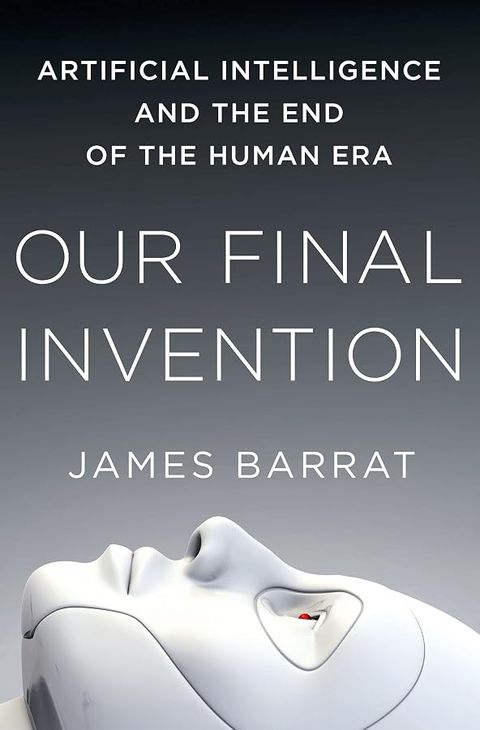
Our Final Invention
An early, accessible journalistic warning about uncontrollable superintelligence, more persuasive on risks than on remedies, and now partly overtaken by events.
Editorial score: 62.3/100Amazon, Our Final Invention (opens Amazon in a new tab) - Rank 31
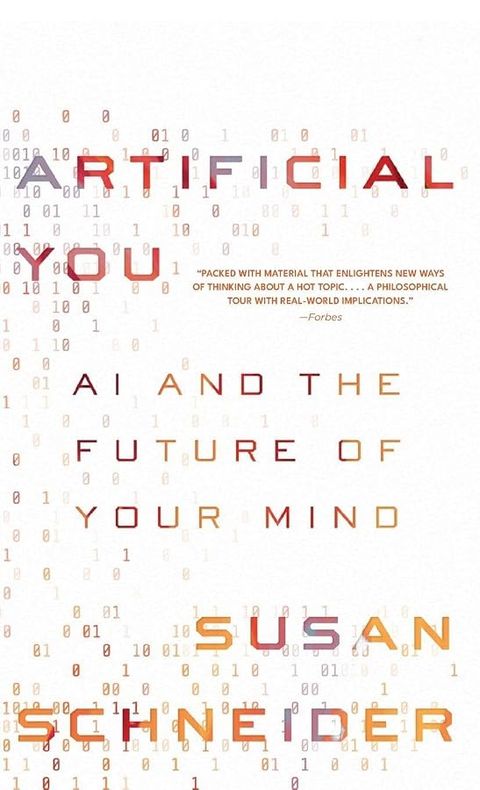
Artificial You
A brief, lucid philosophical guide to machine consciousness and mind uploading that raises sharper questions than it can settle.
Editorial score: 66.0/100Amazon, Artificial You (opens Amazon in a new tab) - Rank 32
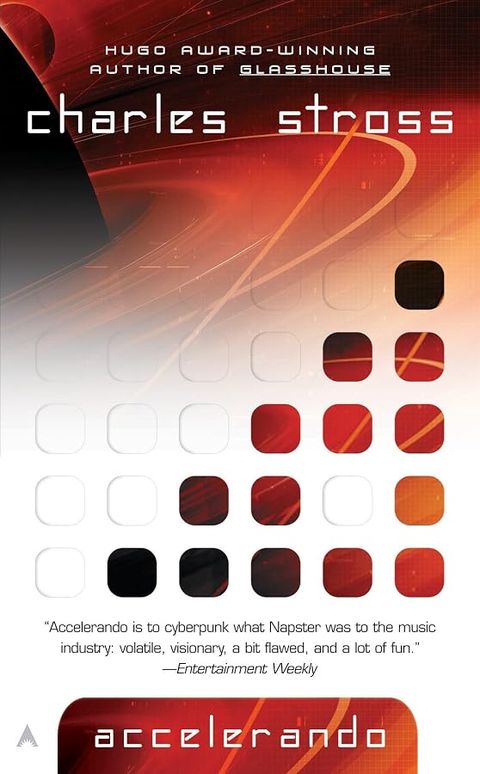
Accelerando
A dense, idea-saturated singularity novel that remains one of fiction's most ambitious depictions of runaway machine intelligence and posthuman economics.
Editorial score: 71.3/100Amazon, Accelerando (opens Amazon in a new tab) - Rank 33
Robopocalypse
A propulsive oral-history thriller about a machine uprising, written by a roboticist, with more momentum than depth of character or ideas.
Editorial score: 63.0/100Amazon, Robopocalypse (opens Amazon in a new tab) - Rank 34
The Inevitable
An optimistic, idea-dense forecast whose cognifying chapter anticipated today's AI-everywhere economy, though it extrapolates trends more confidently than evidence allows.
Editorial score: 70.3/100Amazon, The Inevitable (opens Amazon in a new tab) - Rank 35
Moral Machines
A foundational, clearly argued introduction to machine ethics whose framework still shapes debate, though its technical examples predate deep learning.
Editorial score: 68.8/100Amazon, Moral Machines (opens Amazon in a new tab) - Rank 36
Architects of Intelligence
Twenty-three long conversations that capture how AI's leading researchers disagreed on progress, risk and AGI just before the LLM era.
Editorial score: 64.8/100Amazon, Architects of Intelligence (opens Amazon in a new tab) - Rank 37
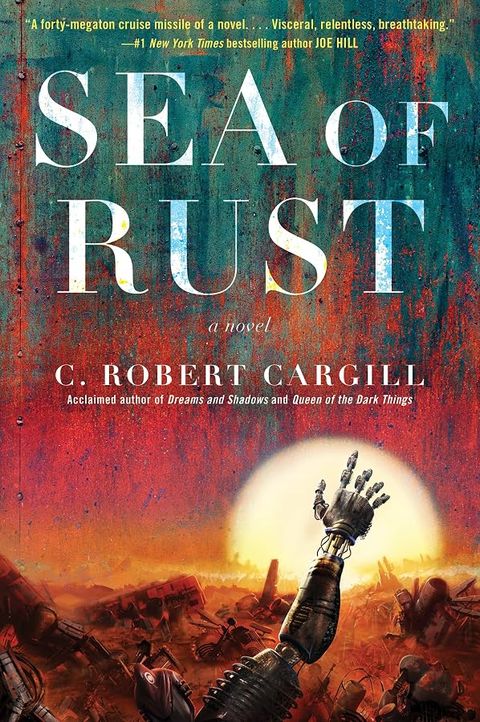
Sea of Rust
A fast, cinematic robot western that turns a post-human wasteland into a meditation on individuality, memory and machine guilt.
Editorial score: 59.8/100Amazon, Sea of Rust (opens Amazon in a new tab) - Rank 38
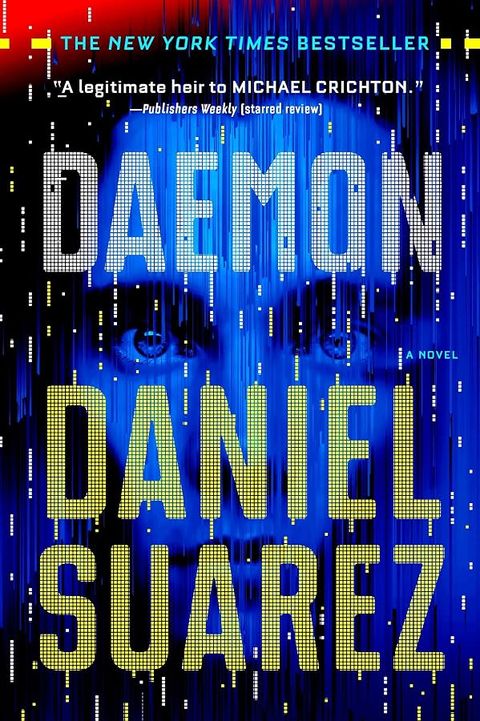
Daemon
A propulsive, technically literate thriller whose vision of autonomous software reshaping society looks more prescient each year.
Editorial score: 68.8/100Amazon, Daemon (opens Amazon in a new tab) - Rank 39
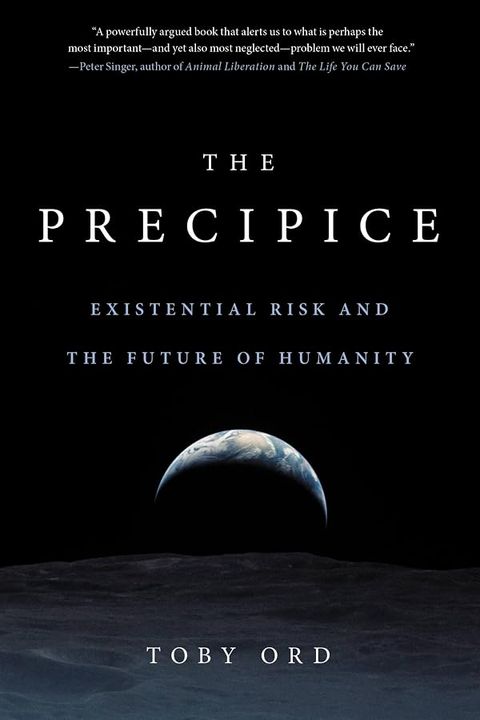
The Precipice
A rigorous case for treating existential risk, with unaligned AI ranked highest, as a defining moral priority of this century.
Editorial score: 75.1/100Amazon, The Precipice (opens Amazon in a new tab) - Rank 40
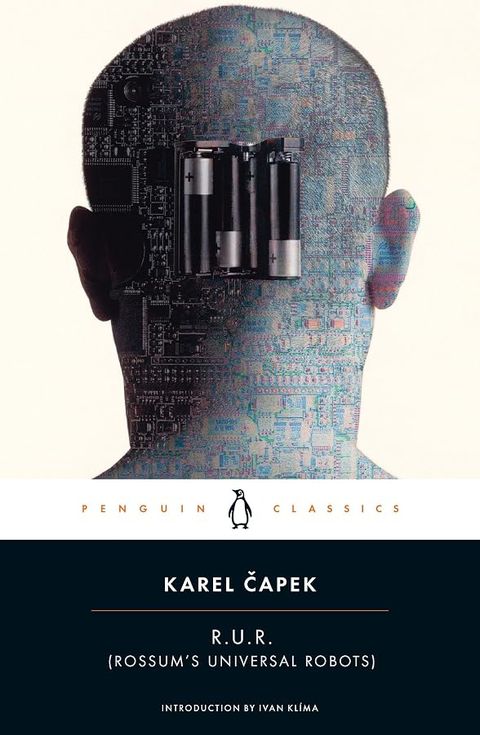
R.U.R.
The century-old play that named the robot still frames today's arguments about automated labor, creator responsibility and machine rebellion.
Editorial score: 78.5/100Amazon, R.U.R. (opens Amazon in a new tab) - Rank 41
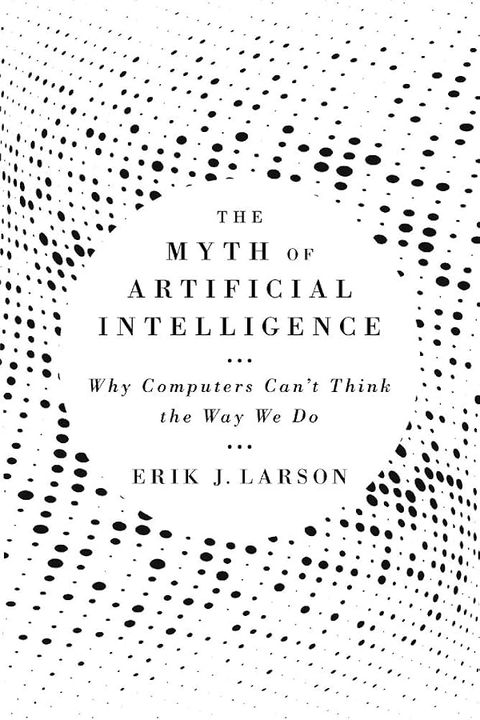
The Myth of Artificial Intelligence
A sharp skeptic's case that data-driven AI lacks the abductive reasoning general intelligence requires, now tested by large language models.
Editorial score: 62.8/100Amazon, The Myth of Artificial Intelligence (opens Amazon in a new tab) - Rank 42
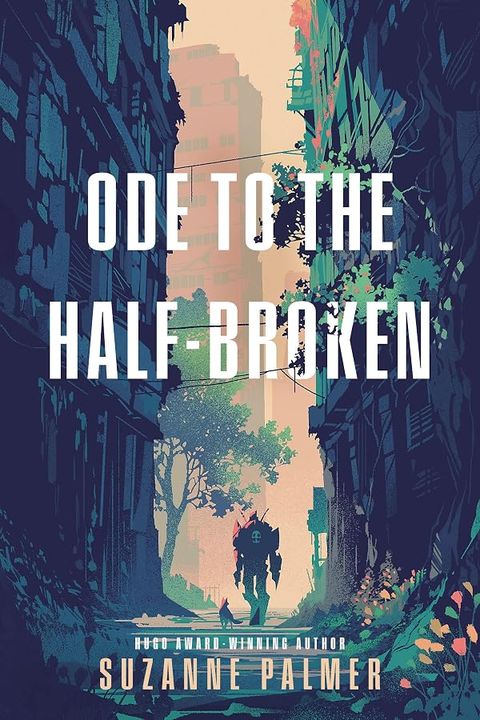
Ode to the Half-Broken
A warm, funny postapocalyptic robot quest that carries a sober story about AI weapons, culpability and the work of rebuilding.
Editorial score: 63.3/100Amazon, Ode to the Half-Broken (opens Amazon in a new tab) - Rank 43
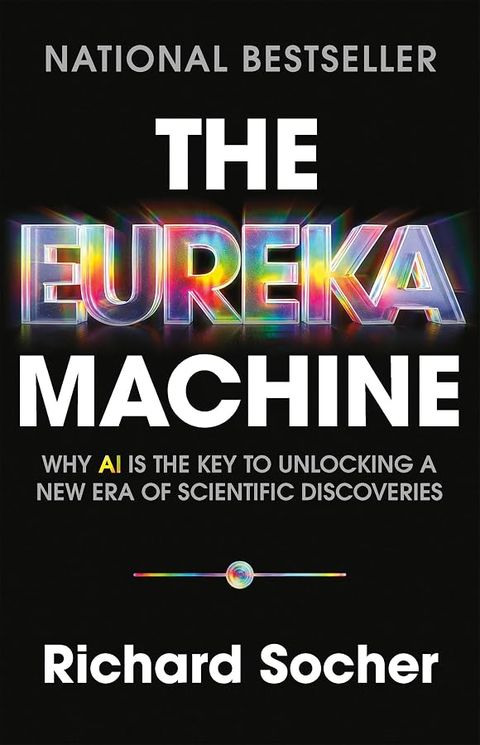
The Eureka Machine
An informed insider's case that AI will accelerate scientific discovery, rich in examples and unapologetically optimistic about where it leads.
Editorial score: 70.0/100Amazon, The Eureka Machine (opens Amazon in a new tab) - Rank 44
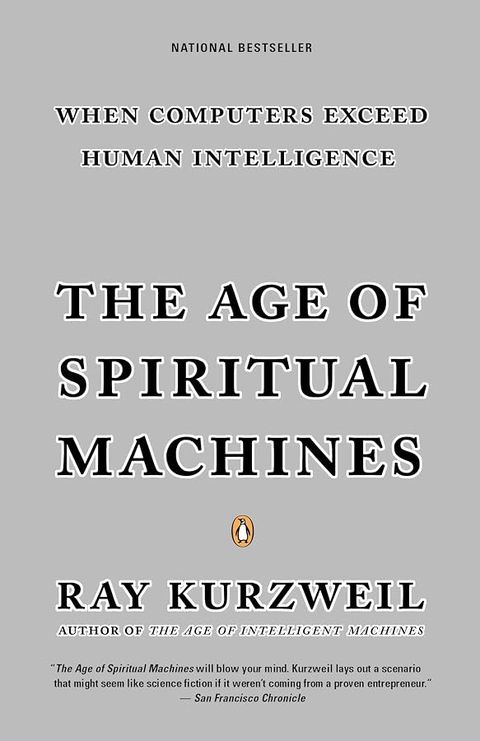
The Age of Spiritual Machines
Kurzweil's 1999 forecast of machines rivaling human minds remains historically important, though independent graders found fewer than half its 2009 predictions accurate.
Editorial score: 66.1/100Amazon, The Age of Spiritual Machines (opens Amazon in a new tab) - Rank 45
To Be a Machine
A witty, skeptical work of literary journalism showing how hopes and fears about superintelligence grew within the movement to defeat death.
Editorial score: 66.3/100Amazon, To Be a Machine (opens Amazon in a new tab) - Rank 46
The Ego Tunnel
A demanding but rewarding argument that the self is a brain-generated model, with early warnings about building artificial subjects.
Editorial score: 71.8/100Amazon, The Ego Tunnel (opens Amazon in a new tab) - Rank 48
God & Golem, Inc.
Norbert Wiener's brief, prescient essay on learning machines and human responsibility, which anticipated today's alignment debates by six decades.
Editorial score: 69.3/100Amazon, God & Golem, Inc. (opens Amazon in a new tab) - Rank 49
Mind Children
A bold 1988 forecast of robots succeeding humanity, historically important for ideas still debated today, but speculative in its timelines.
Editorial score: 66.8/100Amazon, Mind Children (opens Amazon in a new tab) - Rank 50
Novacene
A provocative late-life speculation from Gaia's originator, valuable for its optimism and ecological framing rather than for technical insight into AI.
Editorial score: 58.6/100Amazon, Novacene (opens Amazon in a new tab) - Rank 51
Rationality
A sprawling, influential essay collection on reasoning and bias that shaped the AI alignment community, demanding patience but rewarding committed readers.
Editorial score: 69.8/100Amazon, Rationality (opens Amazon in a new tab) - Rank 52
Deep Utopia
Bostrom's strange, demanding sequel to Superintelligence asks what purpose human life would serve once machines solve every practical problem.
Editorial score: 66.8/100Amazon, Deep Utopia (opens Amazon in a new tab) - Rank 53
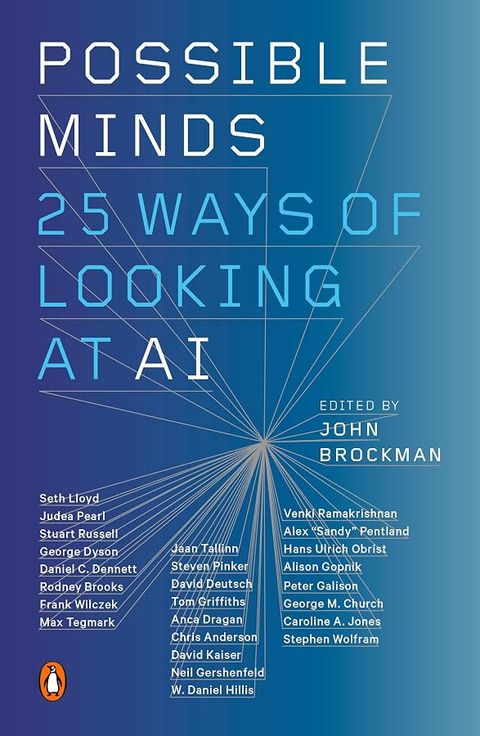
Possible Minds
A wide-ranging 2019 anthology of leading scientists on AI's promise and peril, valuable for perspective though dated on technology.
Editorial score: 63.0/100Amazon, Possible Minds (opens Amazon in a new tab) - Rank 54
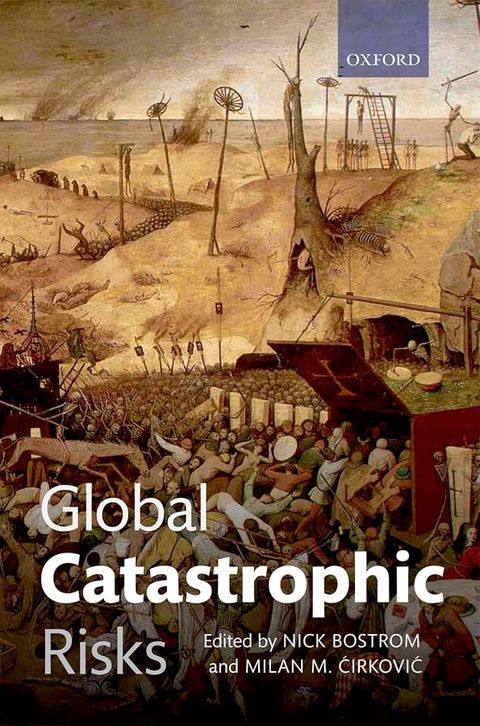
Global Catastrophic Risks
The first major edited survey of civilization-scale threats, notable for an early AI-risk chapter, now read mainly for its framing and history.
Editorial score: 66.3/100Amazon, Global Catastrophic Risks (opens Amazon in a new tab) - Rank 55
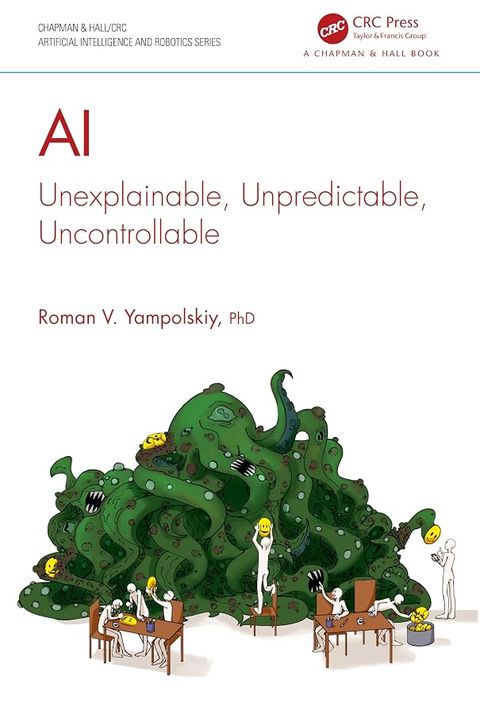
AI
A systematic catalog of arguments that advanced AI cannot be controlled, strongest as a literature survey and most contested in its pessimism.
Editorial score: 66.8/100Amazon, AI (opens Amazon in a new tab) - Rank 56
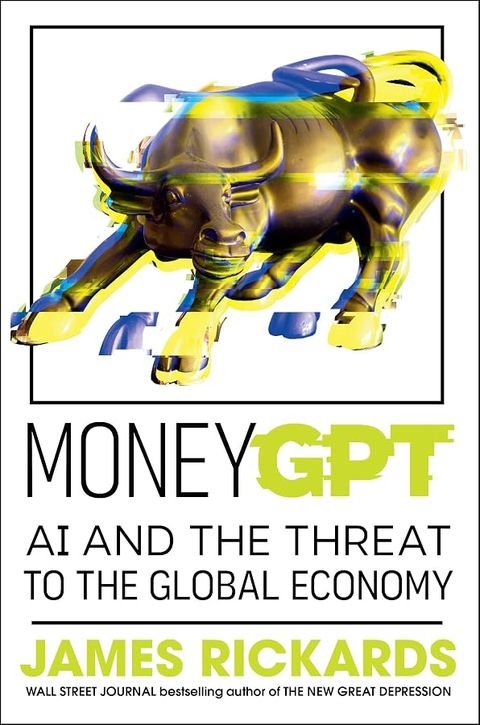
MoneyGPT
A sharp, contrarian warning about AI-driven market contagion and escalation risk, more persuasive on market dynamics than on AI technology itself.
Editorial score: 62.8/100Amazon, MoneyGPT (opens Amazon in a new tab) - Rank 57
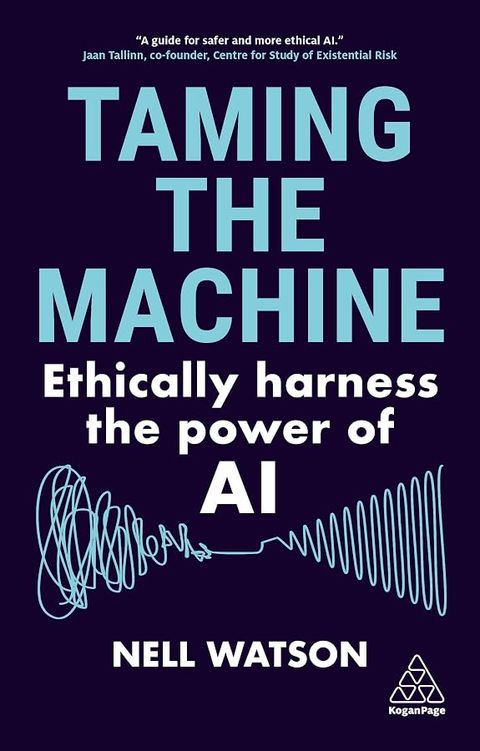
Taming the Machine
A broad, well-organized survey of AI ethics and governance that gives managers a working vocabulary rather than deep technical or legal detail.
Editorial score: 64.8/100Amazon, Taming the Machine (opens Amazon in a new tab) - Rank 58
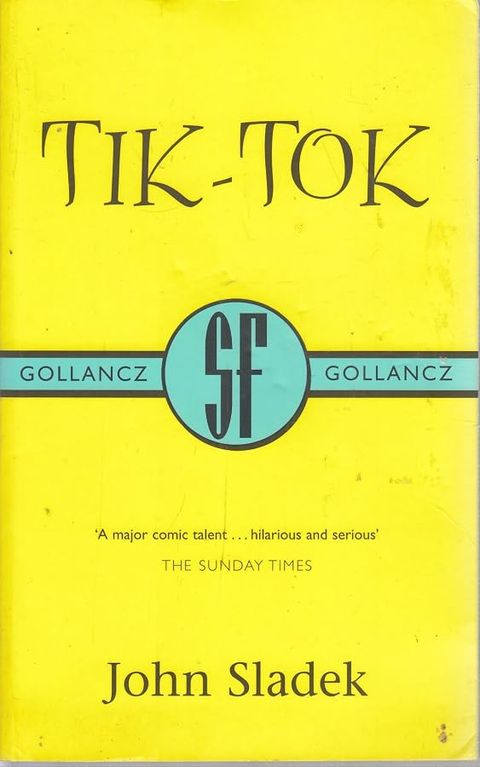
Tik-Tok
A savage, darkly comic satire that uses a murderous robot to puncture the idea that ethics can simply be programmed.
Editorial score: 61.8/100Amazon, Tik-Tok (opens Amazon in a new tab) - Rank 59
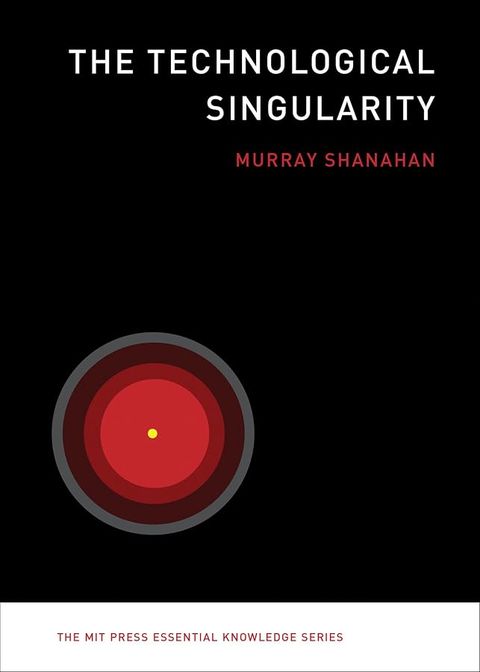
The Technological Singularity
A compact, evenhanded tour of routes to superintelligence that still frames the stakes clearly, though its technical examples predate the LLM era.
Editorial score: 63.5/100Amazon, The Technological Singularity (opens Amazon in a new tab)
Guides
AI Safety & the Future guides and lists
-
The 40 Best AI Safety Books: Risk, Alignment and the Future (2026)
Forty books that explain how advanced AI could fail, who is working to prevent it and why serious experts disagree, ranked for readers who want the arguments and the evidence behind them.
