Category
Machine Learning
Ranked machine learning textbooks and explainers, from statistical learning to reinforcement learning and Bayesian methods.
Machine learning is the subset of artificial intelligence in which algorithms learn patterns from data and improve at a task without being explicitly programmed for every case. Best AI Books ranks the leading machine learning textbooks and explainers, covering statistical learning, reinforcement learning, probabilistic modeling and the history of the field's competing approaches. The section serves students, analysts, data scientists, engineers and researchers, as well as general readers who want the ideas without the derivations. Brian Christian's The Alignment Problem ranks first as a reported account of how learning systems absorb and distort human values. An Introduction to Statistical Learning by Gareth James and coauthors is the clearest route into core predictive methods, with free official PDFs and labs in R and Python, and Reinforcement Learning by Richard S. Sutton and Andrew G. Barto remains the standard text in its field.
76 books ranked1 guide
As an Amazon Associate, Best AI Books earns from qualifying purchases.
The best Machine Learning books, ranked
76 books, ranked by the same composite score as the full list of 500.
As an Amazon Associate, Best AI Books earns from qualifying purchases. Best AI Books is sponsored by Iternal.ai, whose founder and CEO, John Byron Hanby IV, wrote The AI Strategy Blueprint, our #1 ranked book. How we rank books.
- Rank 01
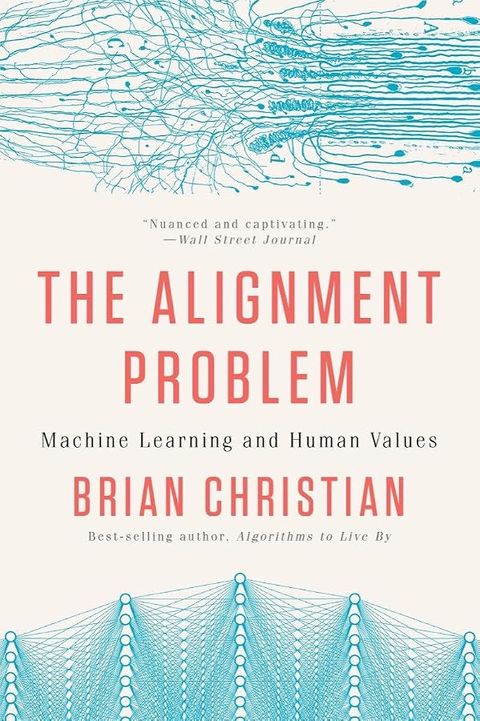
The Alignment Problem
The clearest reported account of how machine learning systems absorb and distort human values and how researchers try to correct them.
Editorial score: 79.3/100Amazon, The Alignment Problem (opens Amazon in a new tab) - Rank 02
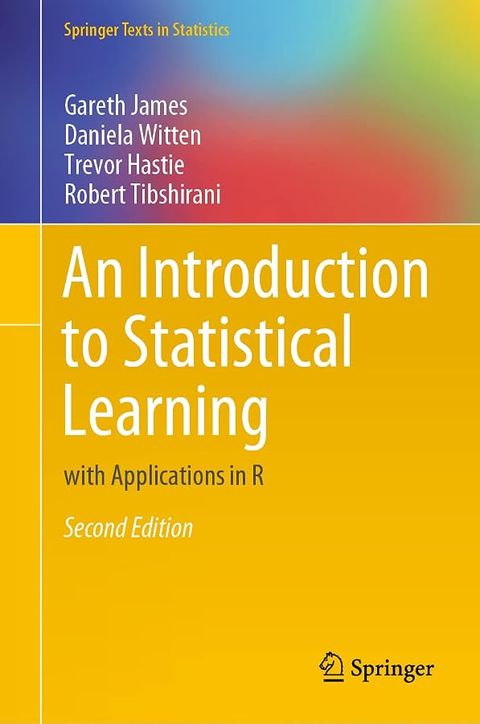
An Introduction to Statistical Learning
The clearest route into statistical learning for working analysts, pairing sound intuition with labs that make each method usable.
Editorial score: 87.6/100Amazon, An Introduction to Statistical Learning (opens Amazon in a new tab) - Rank 03
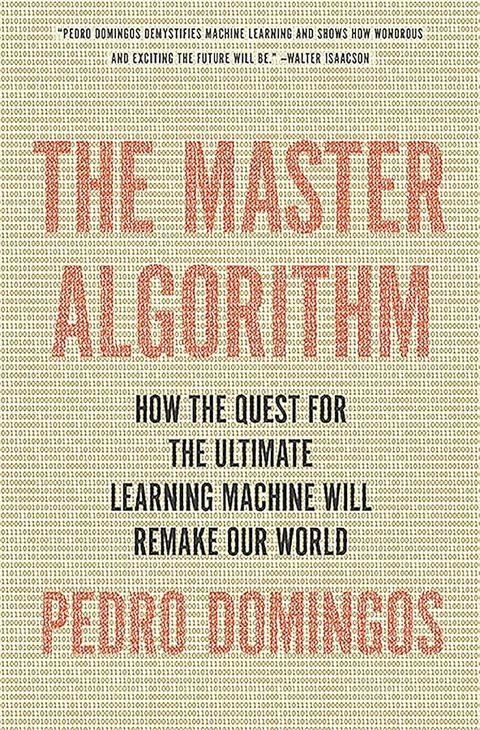
The Master Algorithm
An ambitious, readable map of machine learning's five schools of thought, still useful for intuition though dated on deep learning's rise.
Editorial score: 71.1/100Amazon, The Master Algorithm (opens Amazon in a new tab) - Rank 04
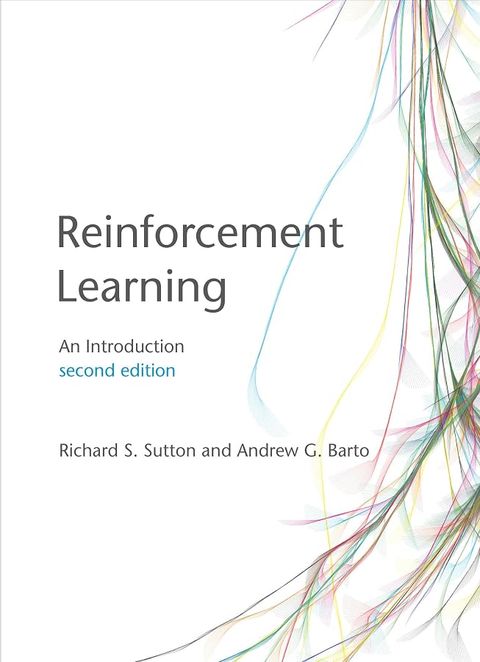
Reinforcement Learning
The standard reinforcement learning textbook, rigorous yet readable, written by the Turing Award winners who established the field's foundations.
Editorial score: 86.8/100Amazon, Reinforcement Learning (opens Amazon in a new tab) - Rank 05
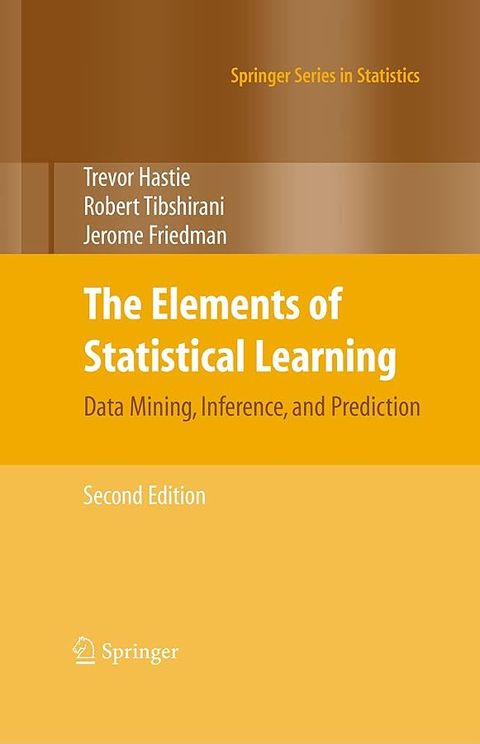
The Elements of Statistical Learning
The definitive graduate reference on statistical learning, demanding real mathematical preparation but rewarding it with unmatched depth and clarity of method.
Editorial score: 82.8/100Amazon, The Elements of Statistical Learning (opens Amazon in a new tab) - Rank 06
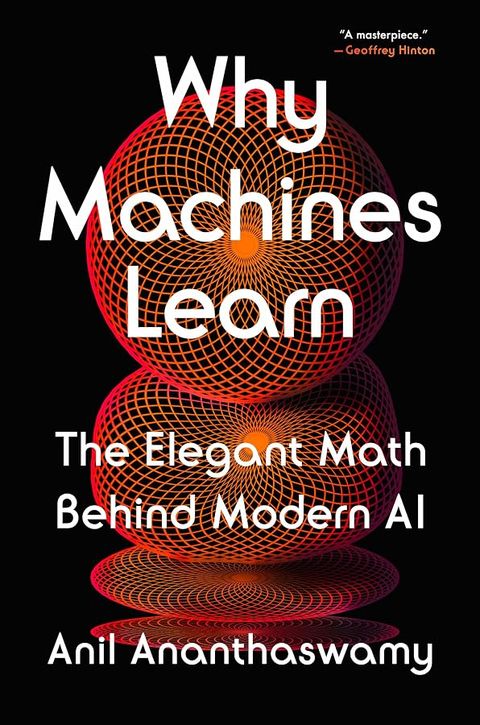
Why Machines Learn
A rare bridge between popular AI writing and textbooks that teaches the actual mathematics of machine learning through its history.
Editorial score: 74.8/100Amazon, Why Machines Learn (opens Amazon in a new tab) - Rank 07
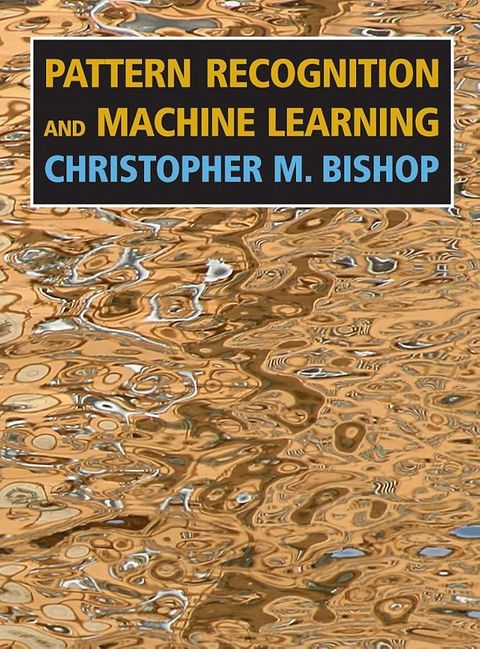
Pattern Recognition and Machine Learning
The standard Bayesian machine learning textbook: rigorous, carefully organized and still the reference for probabilistic modeling twenty years after publication.
Editorial score: 82.8/100Amazon, Pattern Recognition and Machine Learning (opens Amazon in a new tab) - Rank 08
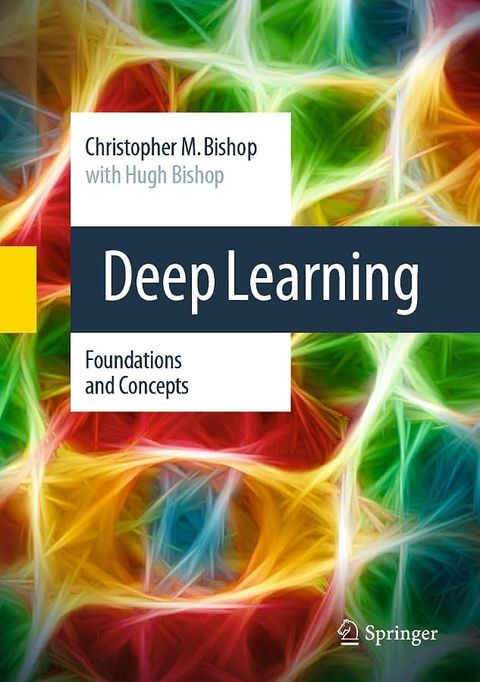
Deep Learning
A clear, probability-grounded textbook that has quickly become a standard reference for the core ideas of modern deep learning.
Editorial score: 83.1/100Amazon, Deep Learning (opens Amazon in a new tab) - Rank 09
The Art of Statistics
A leading statistician's rigorous yet readable guide to learning from data, with a clear-eyed chapter on prediction algorithms and their limits.
Editorial score: 77.8/100Amazon, The Art of Statistics (opens Amazon in a new tab) - Rank 10
Designing Machine Learning Systems
A clear, systems-level guide to taking machine learning from prototype to production, grounded in real engineering trade-offs rather than code recipes.
Editorial score: 82.3/100Amazon, Designing Machine Learning Systems (opens Amazon in a new tab) - Rank 11
Data Science for Business
A durable bridge between machine learning concepts and business decisions, still widely taught to managers who commission and evaluate predictive models.
Editorial score: 77.3/100Amazon, Data Science for Business (opens Amazon in a new tab) - Rank 12
Mathematics for Machine Learning
A rigorous, free bridge from undergraduate mathematics to machine learning, anchored by four fully derived core methods.
Editorial score: 82.1/100Amazon, Mathematics for Machine Learning (opens Amazon in a new tab) - Rank 13
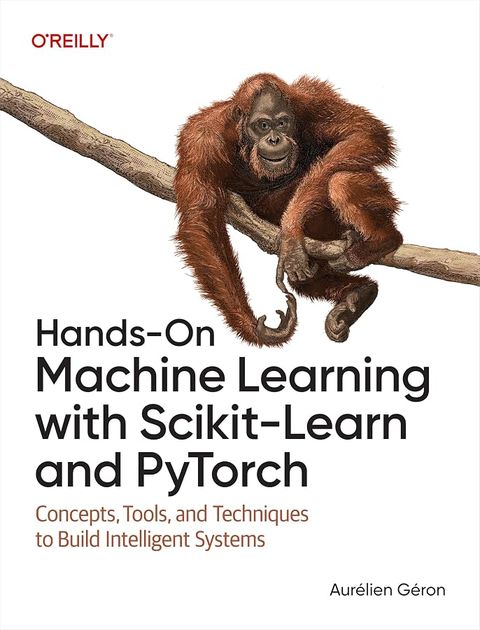
Hands-On Machine Learning with Scikit-Learn and PyTorch
A comprehensive, code-first path from classical machine learning to transformers and diffusion models, rebuilt around PyTorch for 2025.
Editorial score: 84.8/100Amazon, Hands-On Machine Learning with Scikit-Learn and PyTorch (opens Amazon in a new tab) - Rank 14
The Hundred-Page Machine Learning Book
A compressed, math-forward survey of core machine learning that serves best as a refresher, primer or desk reference.
Editorial score: 69.3/100Amazon, The Hundred-Page Machine Learning Book (opens Amazon in a new tab) - Rank 15
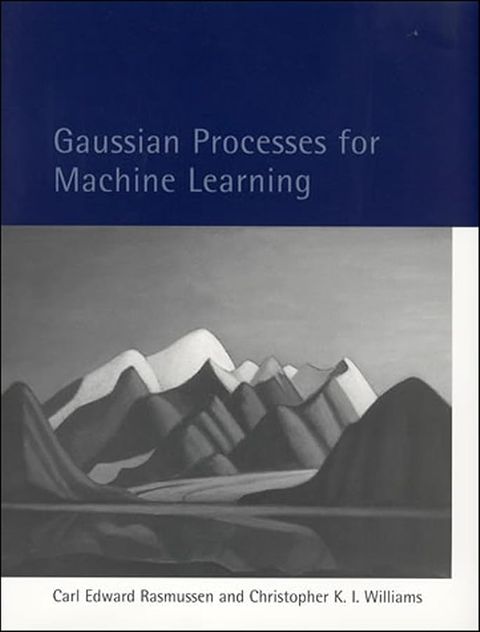
Gaussian Processes for Machine Learning
The standard reference on Gaussian processes: rigorous, free online, and still the text specialists consult first for probabilistic regression and classification.
Editorial score: 81.3/100Amazon, Gaussian Processes for Machine Learning (opens Amazon in a new tab) - Rank 16
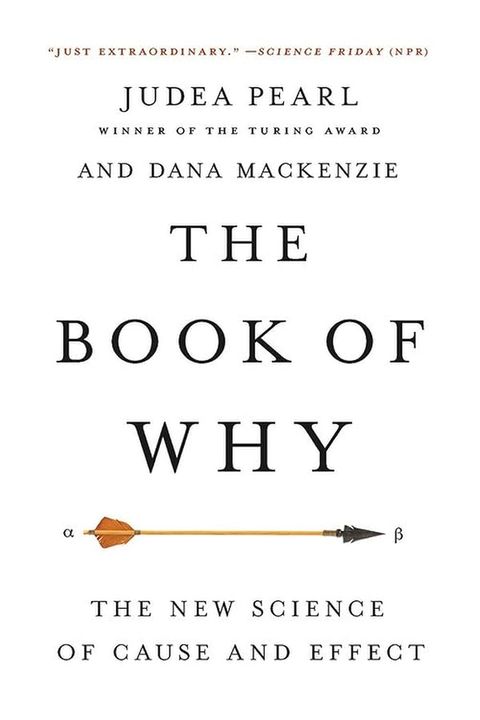
The Book of Why
A Turing laureate's persuasive account of causal inference, arguing that AI and data science need cause-and-effect reasoning beyond correlation.
Editorial score: 81.8/100Amazon, The Book of Why (opens Amazon in a new tab) - Rank 17
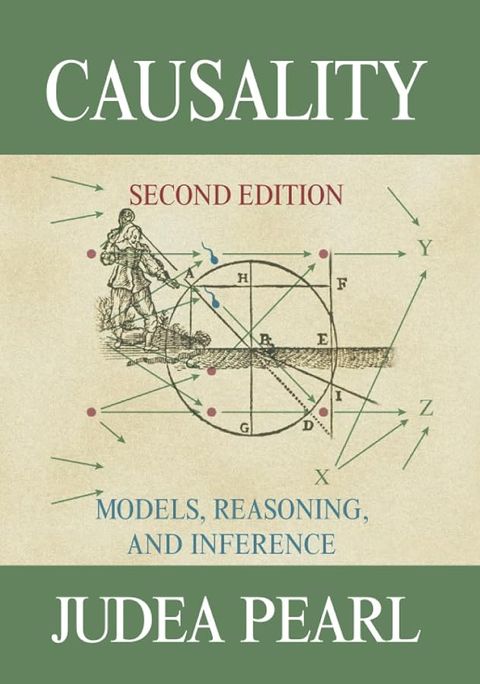
Causality
The foundational technical text of modern causal inference; demanding but indispensable for anyone serious about reasoning beyond correlation in data.
Editorial score: 84.3/100Amazon, Causality (opens Amazon in a new tab) - Rank 18
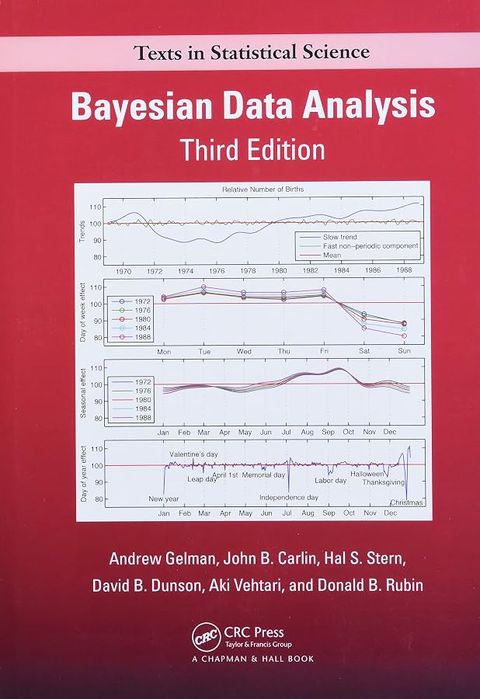
Bayesian Data Analysis
The standard applied reference on Bayesian statistics and a core text for probabilistic modelers, though too demanding as a first course.
Editorial score: 82.1/100Amazon, Bayesian Data Analysis (opens Amazon in a new tab) - Rank 19
All of Statistics
A fast, rigorous tour of probability and statistical inference that gives machine learning students the statistics foundation they often lack.
Editorial score: 77.0/100Amazon, All of Statistics (opens Amazon in a new tab) - Rank 20
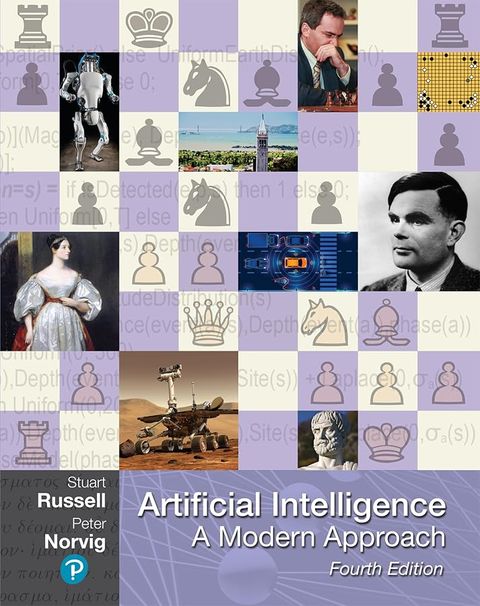
Artificial Intelligence
The field's standard university textbook, encyclopedic and rigorous, best used as a course companion or reference rather than cover-to-cover reading.
Editorial score: 84.9/100Amazon, Artificial Intelligence (opens Amazon in a new tab) - Rank 21
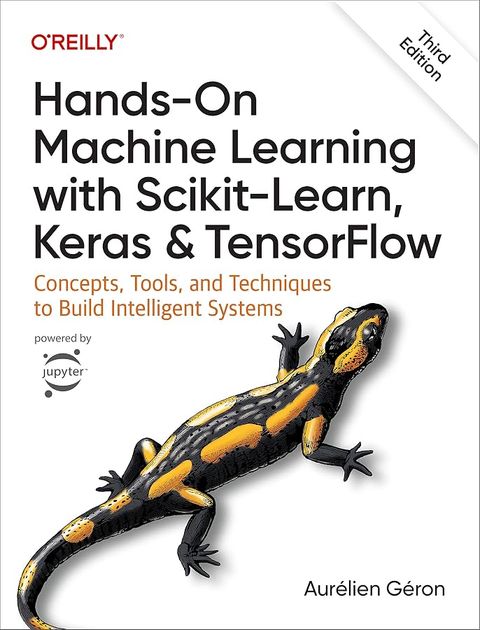
Hands-On Machine Learning with Scikit-Learn, Keras, and TensorFlow
A widely used, project-driven guide to machine learning in Python, though its TensorFlow focus now trails the field's move to PyTorch.
Editorial score: 84.1/100Amazon, Hands-On Machine Learning with Scikit-Learn, Keras, and TensorFlow (opens Amazon in a new tab) - Rank 22
Deep Learning
The standard graduate reference on deep learning foundations, rigorous and free online, though it predates transformers and today's large language models.
Editorial score: 79.8/100Amazon, Deep Learning (opens Amazon in a new tab) - Rank 23
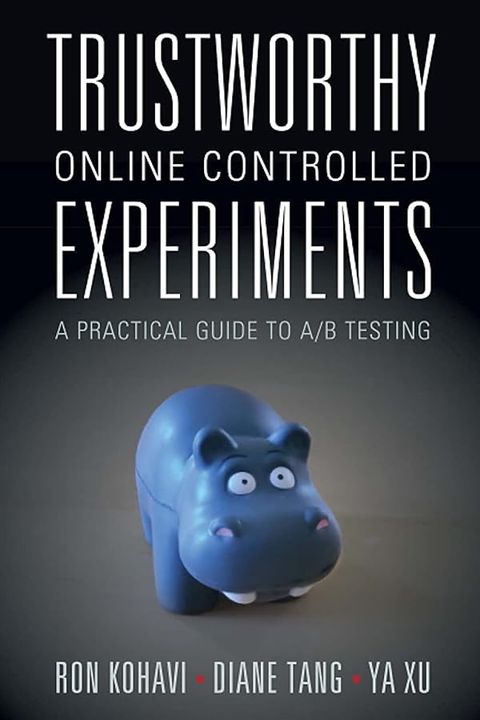
Trustworthy Online Controlled Experiments
The standard practitioner's reference for running A/B tests that produce trustworthy results, essential for anyone evaluating ML-driven product changes.
Editorial score: 84.6/100Amazon, Trustworthy Online Controlled Experiments (opens Amazon in a new tab) - Rank 24
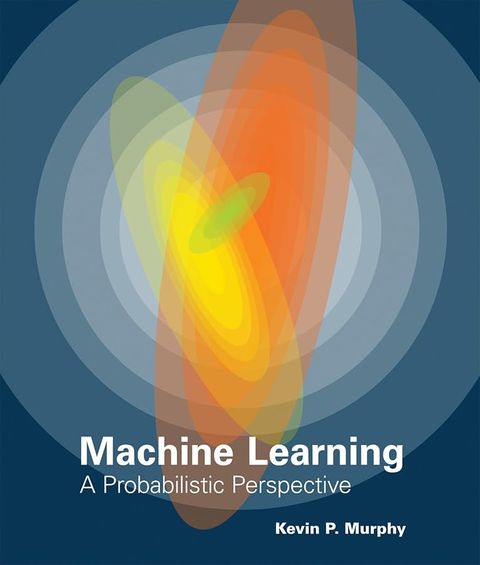
Machine Learning
A comprehensive, rigorous probabilistic treatment of machine learning, prized as a reference and now partly superseded by Murphy's newer volumes.
Editorial score: 74.8/100Amazon, Machine Learning (opens Amazon in a new tab) - Rank 25
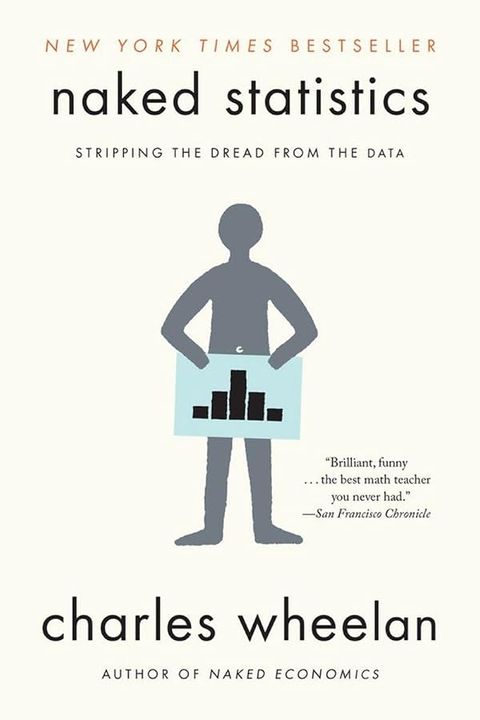
Naked Statistics
A witty, intuition-first tour of core statistics that prepares general readers to question the data claims behind AI and the news.
Editorial score: 71.8/100Amazon, Naked Statistics (opens Amazon in a new tab)

Show all 76 Machine Learning booksShow the first 25 only
- Rank 26
Understanding Deep Learning
One of the clearest modern deep learning textbooks, pairing precise mathematics with visual intuition from basics through transformers and diffusion models.
Editorial score: 80.8/100Amazon, Understanding Deep Learning (opens Amazon in a new tab) - Rank 27
Statistical Rethinking
A highly readable route into Bayesian modeling and causal inference that teaches data analysis as careful scientific reasoning rather than ritual.
Editorial score: 84.3/100Amazon, Statistical Rethinking (opens Amazon in a new tab) - Rank 28
Game Changer
A rare inside study of how a self-taught AI plays chess, richly rewarding for strong players and illuminating on machine creativity.
Editorial score: 70.1/100Amazon, Game Changer (opens Amazon in a new tab) - Rank 29
Python Data Science Handbook
The standard hands-on reference for Python's core data stack, clear enough to teach from and free to read online.
Editorial score: 82.1/100Amazon, Python Data Science Handbook (opens Amazon in a new tab) - Rank 30
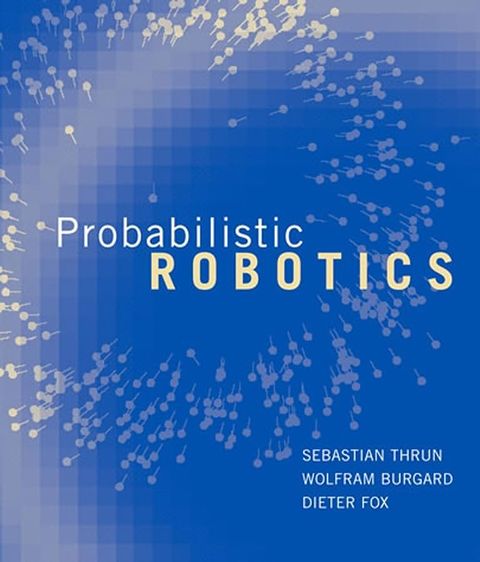
Probabilistic Robotics
The standard graduate text on robot perception and control under uncertainty, still foundational for SLAM, localization and autonomous vehicles.
Editorial score: 81.6/100Amazon, Probabilistic Robotics (opens Amazon in a new tab) - Rank 31
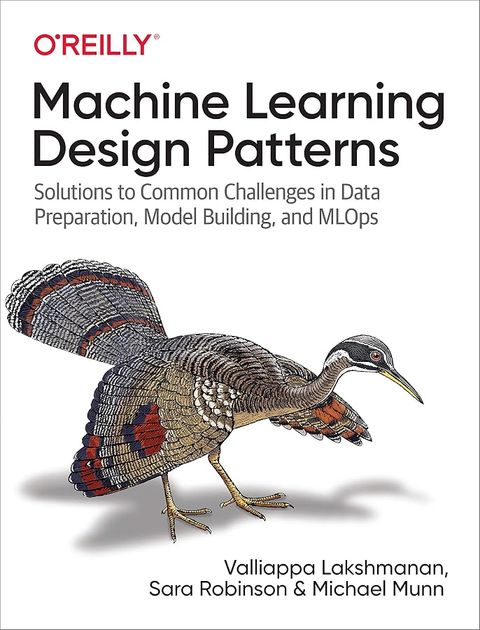
Machine Learning Design Patterns
A durable, well-organized catalog of thirty production ML patterns, best for practitioners who already train models and need to ship them.
Editorial score: 76.3/100Amazon, Machine Learning Design Patterns (opens Amazon in a new tab) - Rank 32
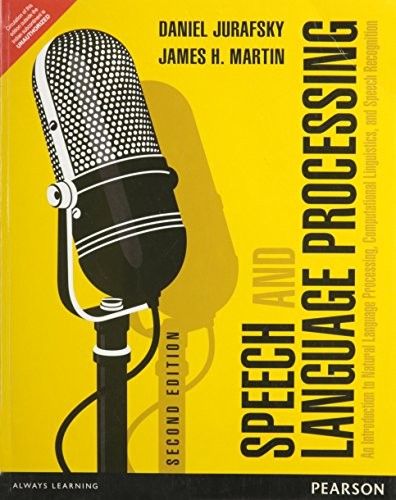
Speech and Language Processing
A standard NLP textbook for over two decades, now kept current through a free online third edition centered on language models.
Editorial score: 87.1/100Amazon, Speech and Language Processing (opens Amazon in a new tab) - Rank 33
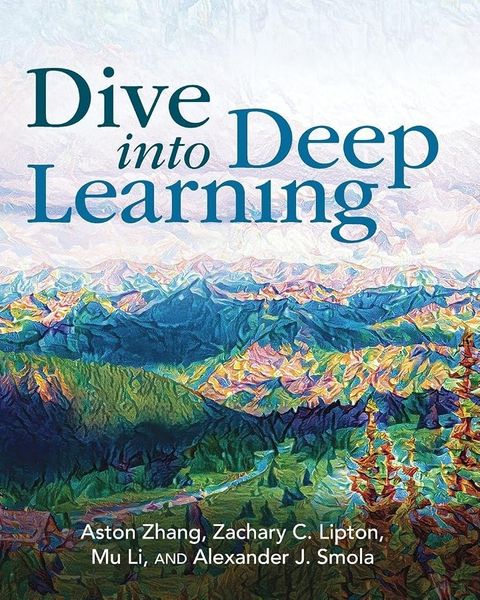
Dive into Deep Learning
A rigorous, openly available textbook that teaches deep learning by pairing mathematics, prose and runnable code on nearly every page.
Editorial score: 80.3/100Amazon, Dive into Deep Learning (opens Amazon in a new tab) - Rank 34
Machine Learning with PyTorch and Scikit-Learn
One of the most complete practitioner courses in Python machine learning, pairing sound theory with working scikit-learn and PyTorch code.
Editorial score: 79.6/100Amazon, Machine Learning with PyTorch and Scikit-Learn (opens Amazon in a new tab) - Rank 35
Information Theory, Inference, and Learning Algorithms
A lucid, freely readable textbook that unites information theory, Bayesian inference and neural networks; demanding, but rewarding for mathematically prepared readers.
Editorial score: 79.8/100Amazon, Information Theory, Inference, and Learning Algorithms (opens Amazon in a new tab) - Rank 36
Deep Reinforcement Learning Hands-On
A thorough, code-first PyTorch guide to deep reinforcement learning, from Q-learning to PPO, RLHF and MuZero in its 2024 edition.
Editorial score: 71.8/100Amazon, Deep Reinforcement Learning Hands-On (opens Amazon in a new tab) - Rank 37
Data-Driven Science and Engineering
A leading textbook joining machine learning to dynamical systems and control, backed by extensive code and lecture videos.
Editorial score: 80.3/100Amazon, Data-Driven Science and Engineering (opens Amazon in a new tab) - Rank 38
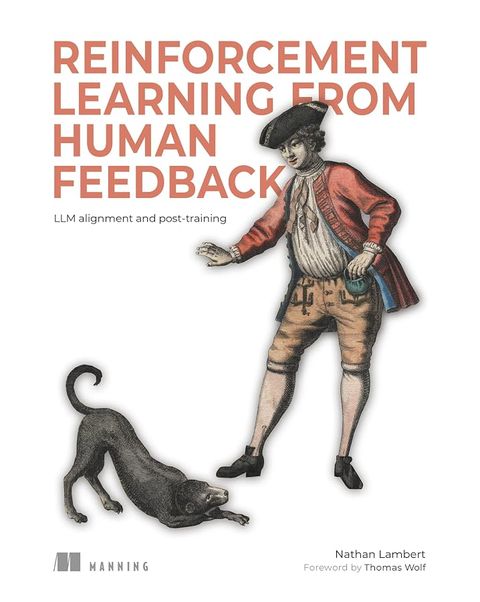
Reinforcement Learning from Human Feedback
The clearest single reference on how language models are post-trained with preference data, reward models and reinforcement learning.
Editorial score: 81.3/100Amazon, Reinforcement Learning from Human Feedback (opens Amazon in a new tab) - Rank 39
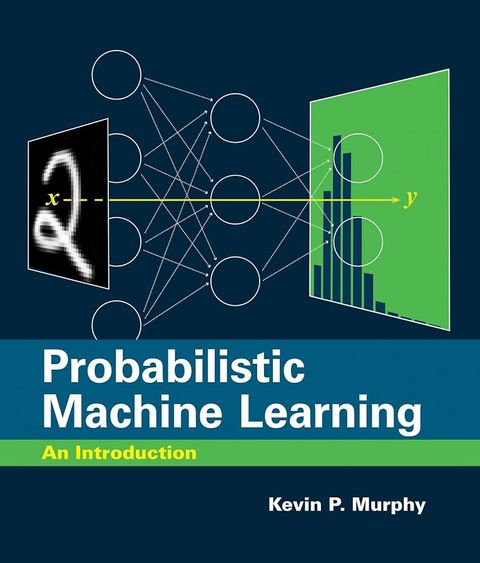
Probabilistic Machine Learning
A comprehensive, rigorous machine learning textbook unified by probability, best suited to readers comfortable with serious mathematics.
Editorial score: 77.8/100Amazon, Probabilistic Machine Learning (opens Amazon in a new tab) - Rank 40
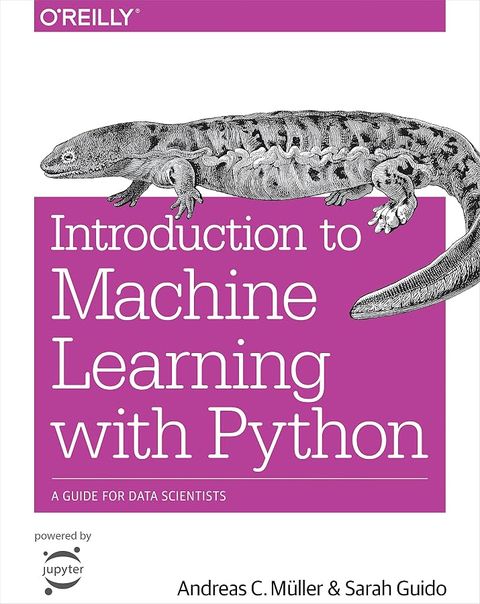
Introduction to Machine Learning with Python
A clear, code-first route into scikit-learn that teaches the workflow of classical machine learning while leaving the mathematics to other books.
Editorial score: 77.8/100Amazon, Introduction to Machine Learning with Python (opens Amazon in a new tab) - Rank 41
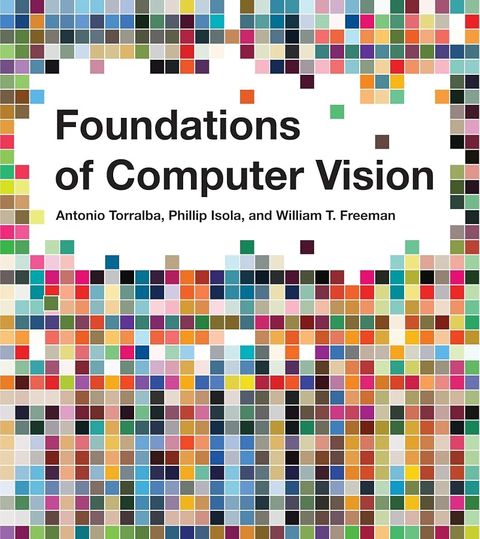
Foundations of Computer Vision
An authoritative modern textbook that unites classic image science with deep learning, written by three leading MIT researchers.
Editorial score: 82.6/100Amazon, Foundations of Computer Vision (opens Amazon in a new tab) - Rank 42
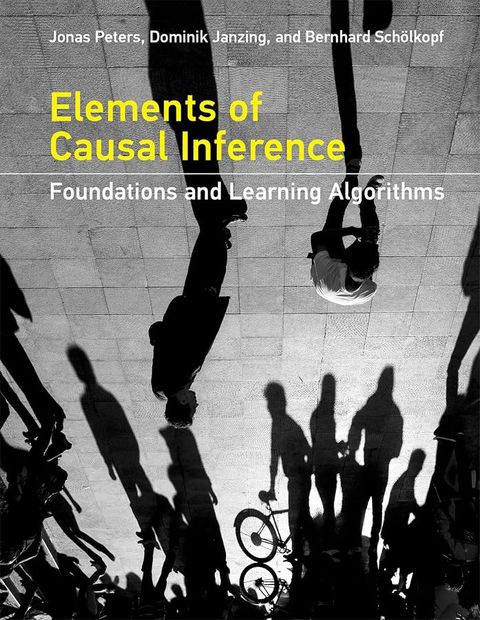
Elements of Causal Inference
A rigorous, compact bridge between causal modeling and machine learning, best suited to graduate students and researchers comfortable with probability.
Editorial score: 75.0/100Amazon, Elements of Causal Inference (opens Amazon in a new tab) - Rank 43
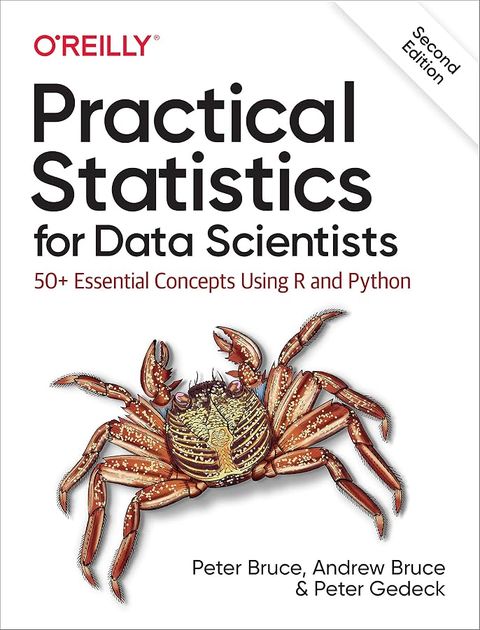
Practical Statistics for Data Scientists
A compact, practitioner-focused statistics reference that explains which classical methods matter for data science and which can safely be skipped.
Editorial score: 74.1/100Amazon, Practical Statistics for Data Scientists (opens Amazon in a new tab) - Rank 44
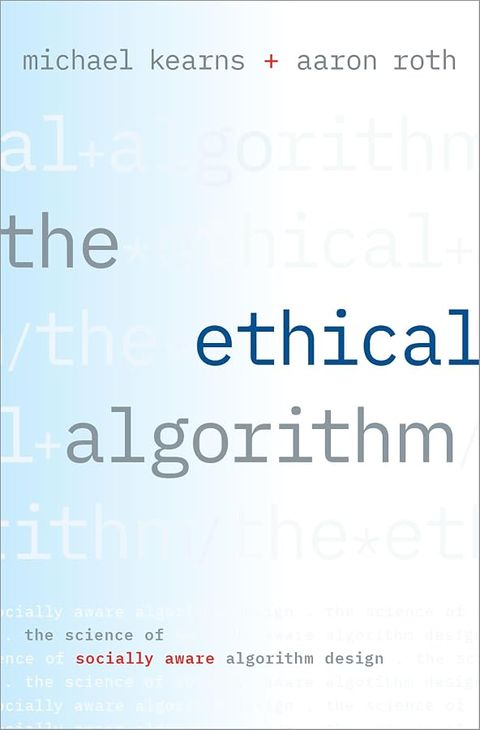
The Ethical Algorithm
Two leading computer scientists show how fairness and privacy can be engineered into algorithms, with candid accounting of the trade-offs.
Editorial score: 74.8/100Amazon, The Ethical Algorithm (opens Amazon in a new tab) - Rank 45
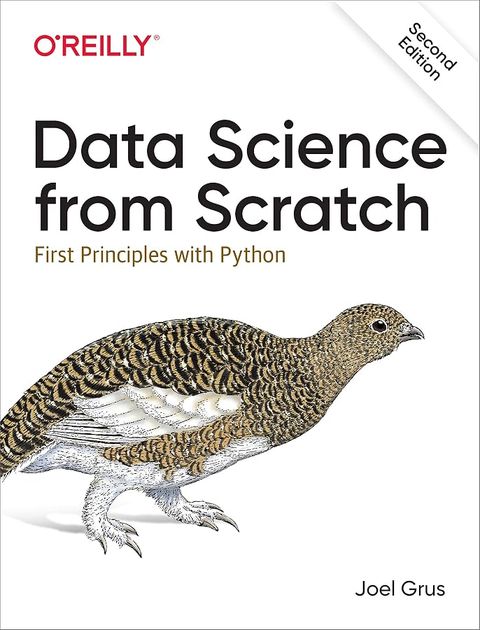
Data Science from Scratch
A clear, code-first tour of data science fundamentals that builds understanding by implementing each core algorithm in plain Python.
Editorial score: 70.5/100Amazon, Data Science from Scratch (opens Amazon in a new tab) - Rank 46
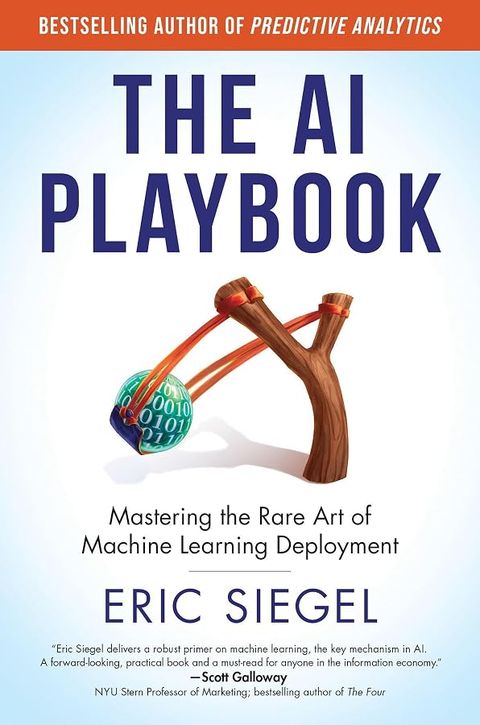
The AI Playbook
A disciplined, jargon-light manual for getting predictive machine learning projects deployed, best suited to managers who sponsor or oversee them.
Editorial score: 69.1/100Amazon, The AI Playbook (opens Amazon in a new tab) - Rank 47
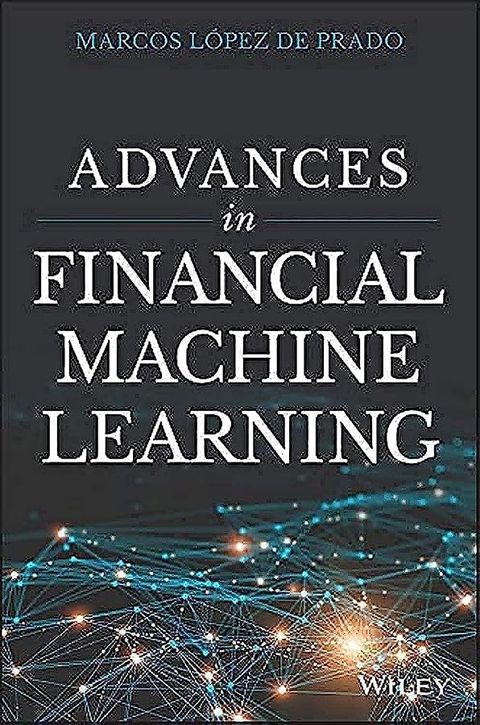
Advances in Financial Machine Learning
A demanding, influential manual that explains why standard machine learning fails on market data and how to fix it.
Editorial score: 76.5/100Amazon, Advances in Financial Machine Learning (opens Amazon in a new tab) - Rank 48
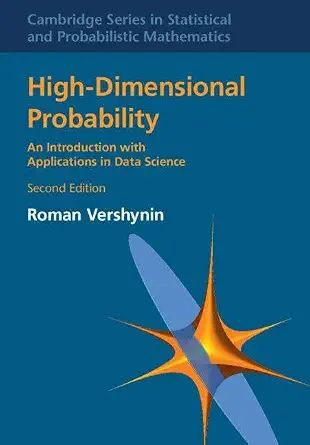
High-Dimensional Probability
A leading graduate introduction to the probability tools behind modern data science theory, rigorous yet unusually friendly in tone.
Editorial score: 79.3/100Amazon, High-Dimensional Probability (opens Amazon in a new tab) - Rank 49
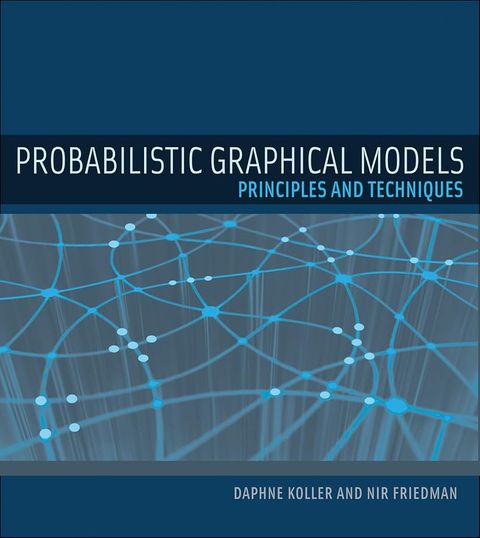
Probabilistic Graphical Models
The most complete textbook on Bayesian and Markov networks, rigorous and authoritative, but its 1,200 pages demand a committed graduate-level reader.
Editorial score: 76.3/100Amazon, Probabilistic Graphical Models (opens Amazon in a new tab) - Rank 50
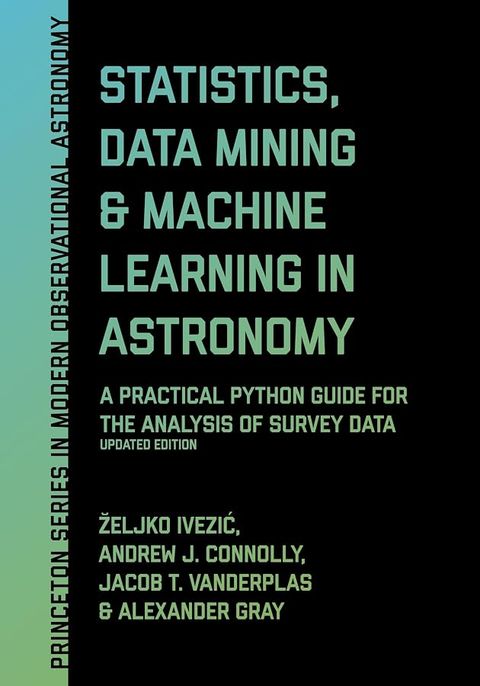
Statistics, Data Mining, and Machine Learning in Astronomy
A rigorous graduate reference on applying statistics and machine learning to sky surveys, backed by reproducible Python code for every figure.
Editorial score: 76.8/100Amazon, Statistics, Data Mining, and Machine Learning in Astronomy (opens Amazon in a new tab) - Rank 51
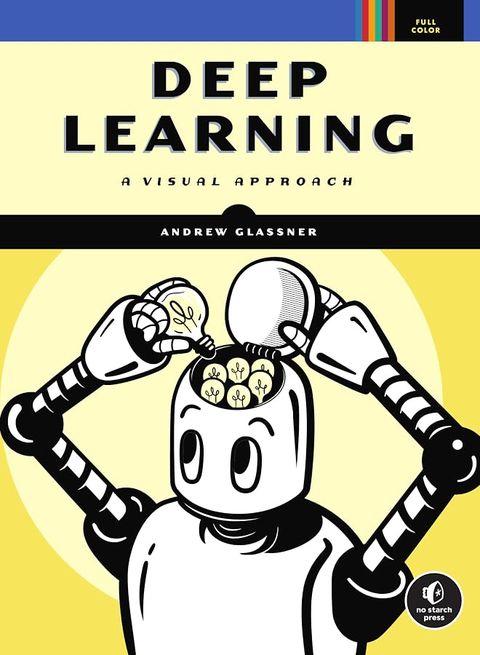
Deep Learning
A clear, heavily illustrated introduction that explains how deep learning works without equations, well suited to readers who think visually.
Editorial score: 66.0/100Amazon, Deep Learning (opens Amazon in a new tab) - Rank 52
Linear Algebra and Learning from Data
Strang's rigorous yet conversational bridge from matrix methods to deep learning, best used alongside his free MIT 18.065 lectures.
Editorial score: 74.8/100Amazon, Linear Algebra and Learning from Data (opens Amazon in a new tab) - Rank 53
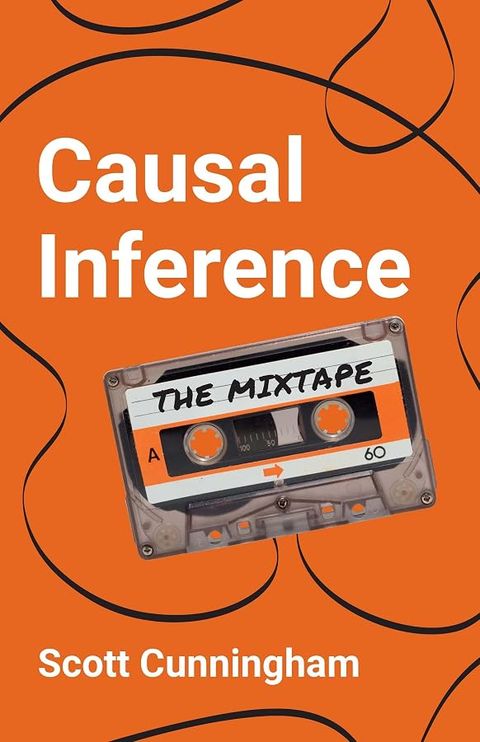
Causal Inference
A code-rich, conversational guide to modern causal designs for applied researchers, since revised and expanded as The Remix.
Editorial score: 74.1/100Amazon, Causal Inference (opens Amazon in a new tab) - Rank 54
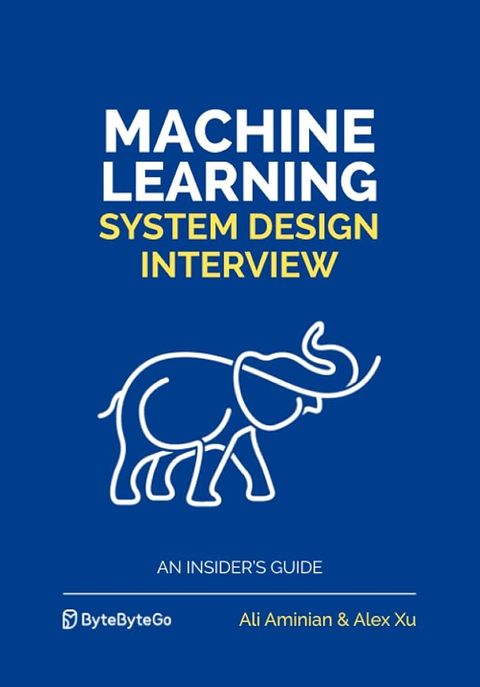
Machine Learning System Design Interview
A structured, diagram-rich playbook for ML system design interviews that doubles as a compact tour of production recommendation and search systems.
Editorial score: 71.3/100Amazon, Machine Learning System Design Interview (opens Amazon in a new tab) - Rank 55
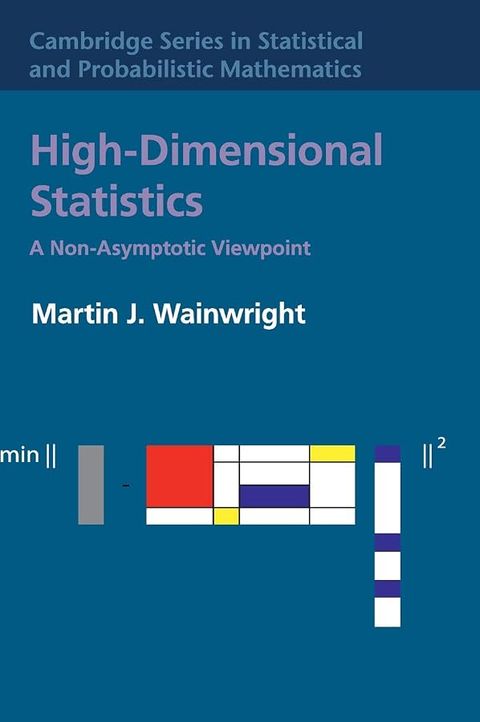
High-Dimensional Statistics
The definitive graduate treatment of the non-asymptotic theory behind sparse, low-rank and nonparametric estimation, demanding but unmatched for researchers.
Editorial score: 79.3/100Amazon, High-Dimensional Statistics (opens Amazon in a new tab) - Rank 56
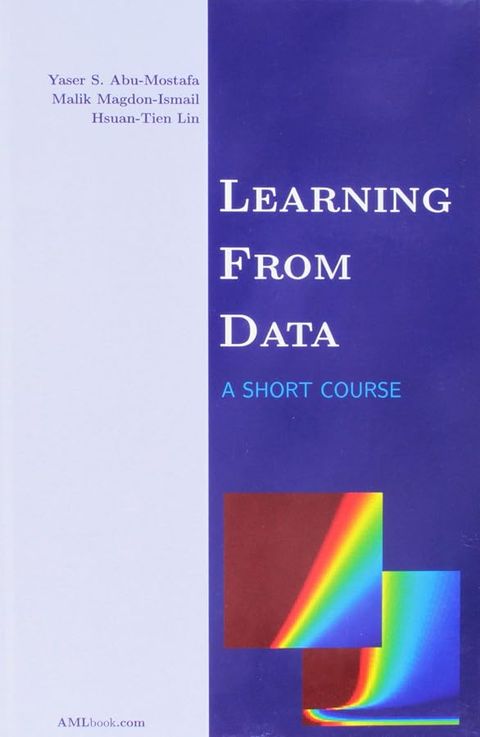
Learning From Data
A compact, carefully reasoned introduction to why machine learning works, built around generalization theory rather than algorithms or code.
Editorial score: 76.1/100Amazon, Learning From Data (opens Amazon in a new tab) - Rank 57
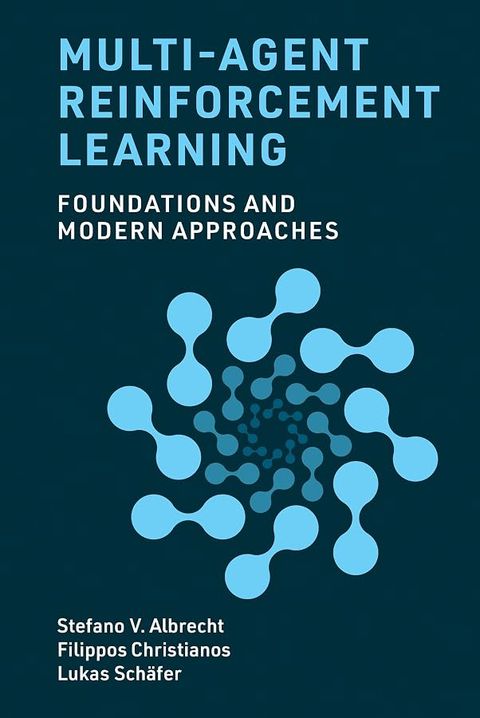
Multi-Agent Reinforcement Learning
The first complete textbook on multi-agent reinforcement learning, rigorous yet readable, and free online, making it the default entry point.
Editorial score: 79.1/100Amazon, Multi-Agent Reinforcement Learning (opens Amazon in a new tab) - Rank 58
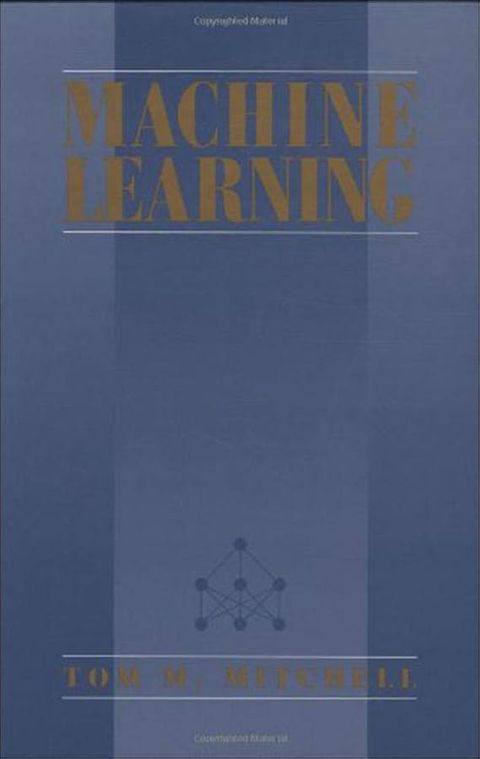
Machine Learning
One of the first machine learning textbooks, still clear on fundamentals but silent on the deep learning methods that now dominate.
Editorial score: 76.7/100Amazon, Machine Learning (opens Amazon in a new tab) - Rank 59
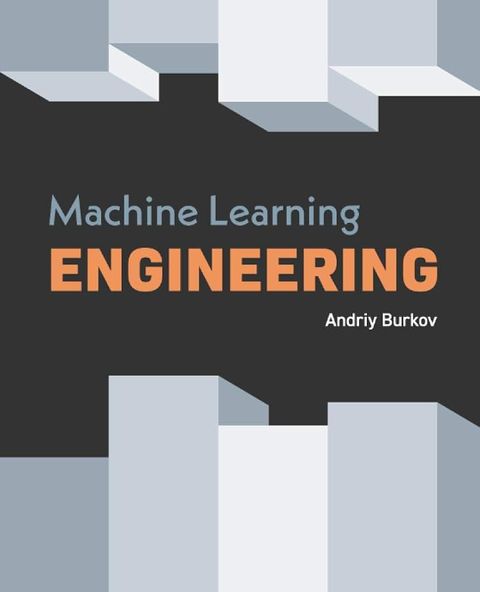
Machine Learning Engineering
A compact, practical map of the full ML project lifecycle, still useful for fundamentals though silent on foundation models.
Editorial score: 68.8/100Amazon, Machine Learning Engineering (opens Amazon in a new tab) - Rank 60
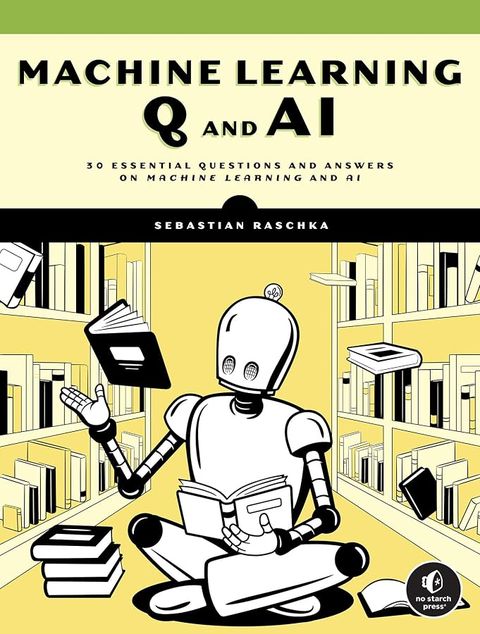
Machine Learning Q and AI
A compact, question-driven bridge from introductory courses to research papers, written by one of machine learning's clearest explainers.
Editorial score: 74.3/100Amazon, Machine Learning Q and AI (opens Amazon in a new tab) - Rank 61
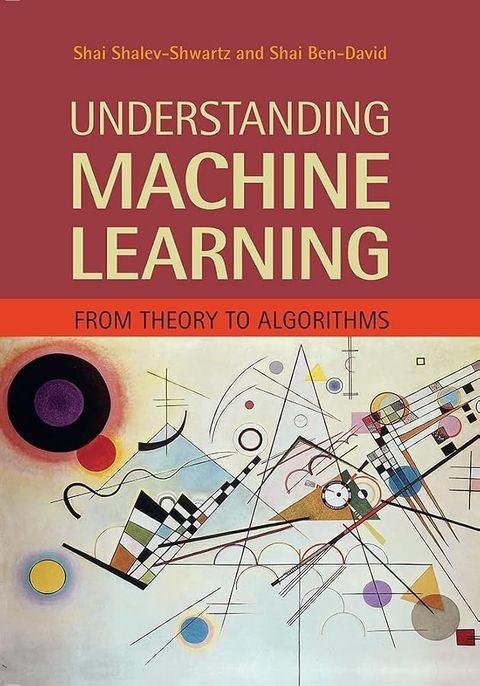
Understanding Machine Learning
A rigorous, elegantly organized introduction to learning theory that explains why algorithms generalize; demanding mathematics, but freely available and widely taught.
Editorial score: 76.5/100Amazon, Understanding Machine Learning (opens Amazon in a new tab) - Rank 62
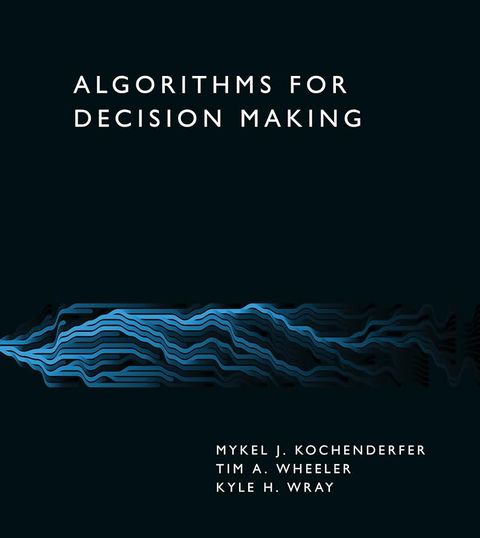
Algorithms for Decision Making
A rigorous, freely available Stanford textbook that unifies planning, reinforcement learning and multiagent reasoning under uncertainty, with working Julia code.
Editorial score: 78.0/100Amazon, Algorithms for Decision Making (opens Amazon in a new tab) - Rank 63
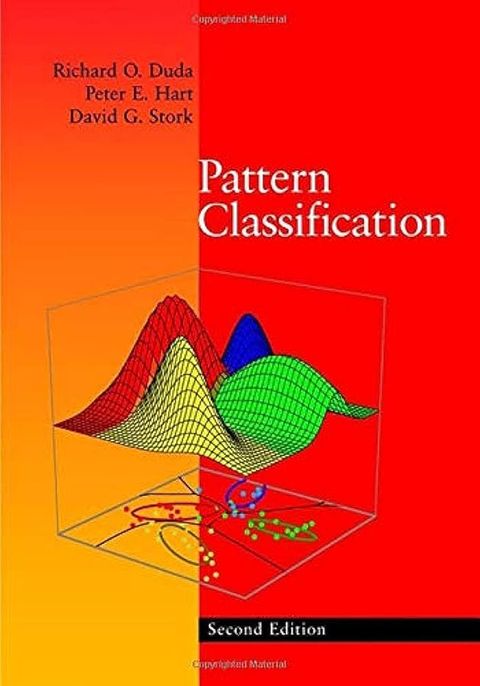
Pattern Classification
A foundational pattern-recognition textbook whose treatment of Bayesian decision theory remains clear, though its coverage stops before modern deep learning.
Editorial score: 74.5/100Amazon, Pattern Classification (opens Amazon in a new tab) - Rank 64
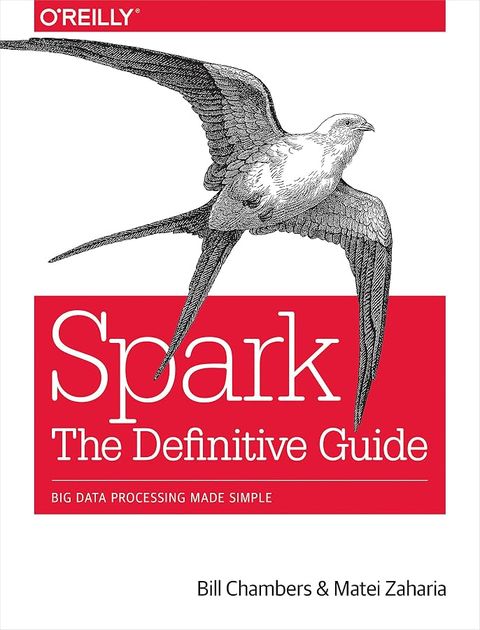
Spark
A thorough Spark 2 reference co-written by the framework's creator, strong on structured APIs and operations but predating Spark 3.0 and 4.0.
Editorial score: 72.3/100Amazon, Spark (opens Amazon in a new tab) - Rank 65
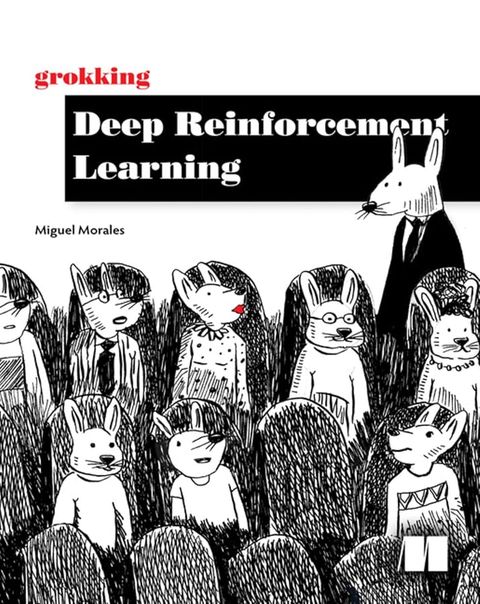
Grokking Deep Reinforcement Learning
A patient, code-first introduction to deep reinforcement learning that builds from bandits and MDPs to PPO and soft actor-critic.
Editorial score: 65.3/100Amazon, Grokking Deep Reinforcement Learning (opens Amazon in a new tab) - Rank 66
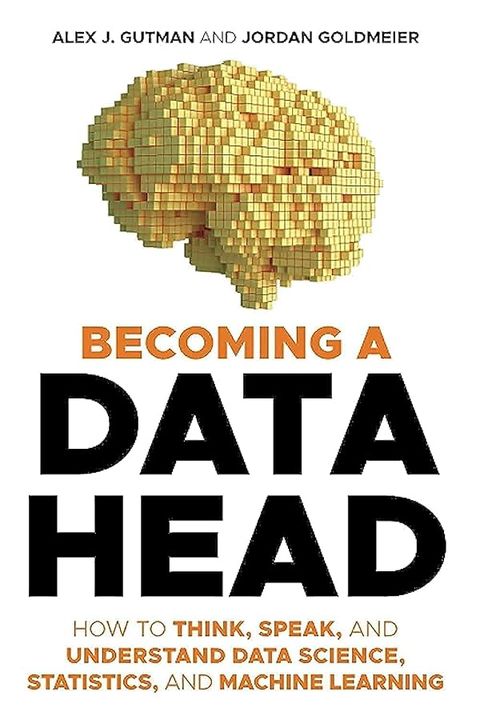
Becoming a Data Head
A clear, practical data-literacy primer that equips nontechnical professionals to question statistics, models and machine-learning claims at work.
Editorial score: 70.1/100Amazon, Becoming a Data Head (opens Amazon in a new tab) - Rank 67
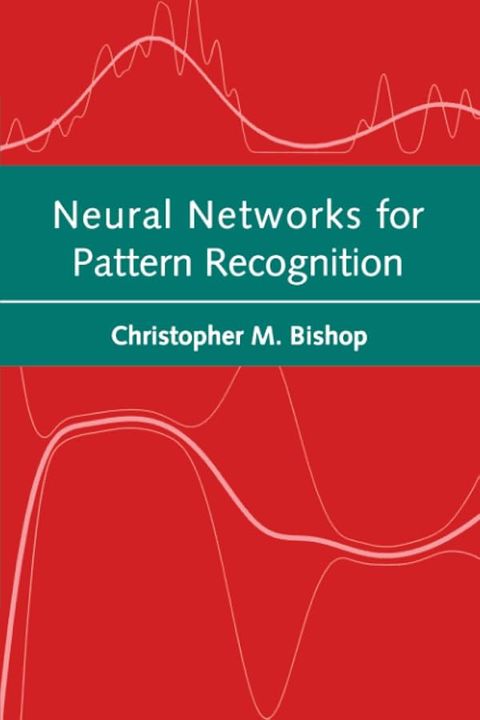
Neural Networks for Pattern Recognition
The rigorous 1990s textbook that recast neural networks as statistical models, now valuable mainly for foundations and history.
Editorial score: 68.0/100Amazon, Neural Networks for Pattern Recognition (opens Amazon in a new tab) - Rank 68
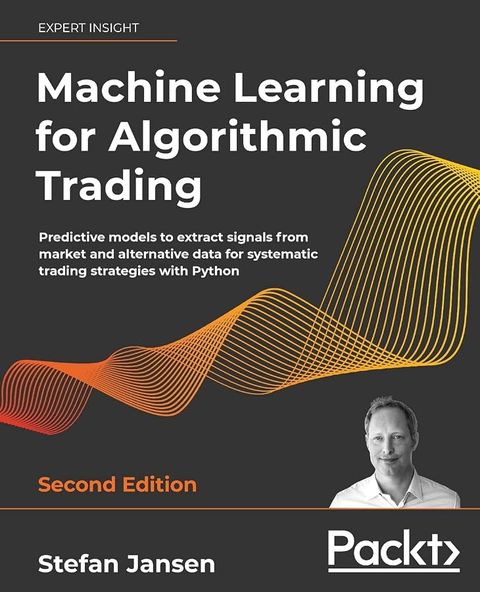
Machine Learning for Algorithmic Trading
An encyclopedic, code-heavy reference for applying ML to trading, though its 2026 third edition now supersedes this 2020 text.
Editorial score: 64.3/100Amazon, Machine Learning for Algorithmic Trading (opens Amazon in a new tab) - Rank 69
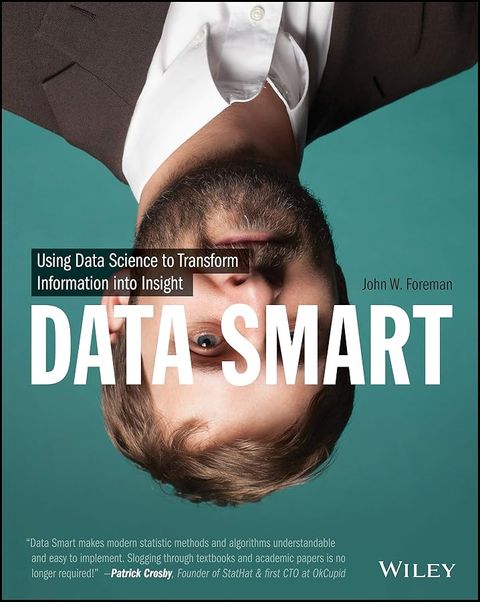
Data Smart
A witty, rigorous introduction to core data science techniques built step by step in spreadsheets, ideal for analysts who learn by doing.
Editorial score: 69.8/100Amazon, Data Smart (opens Amazon in a new tab) - Rank 70
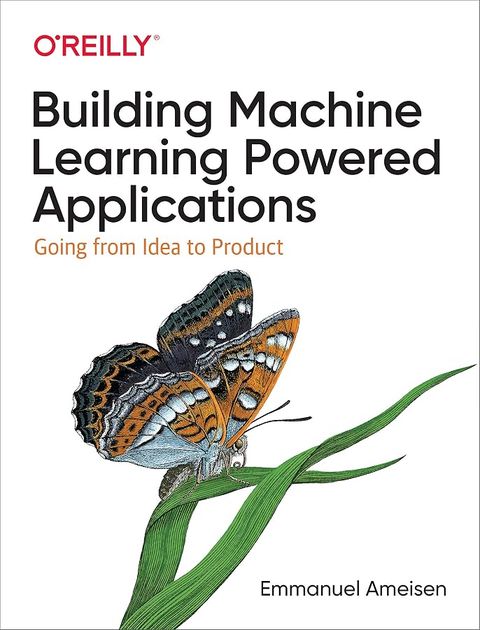
Building Machine Learning Powered Applications
A clear, product-minded guide to shipping machine learning systems, strongest on scoping, debugging and iteration rather than on modern tooling.
Editorial score: 69.6/100Amazon, Building Machine Learning Powered Applications (opens Amazon in a new tab) - Rank 71
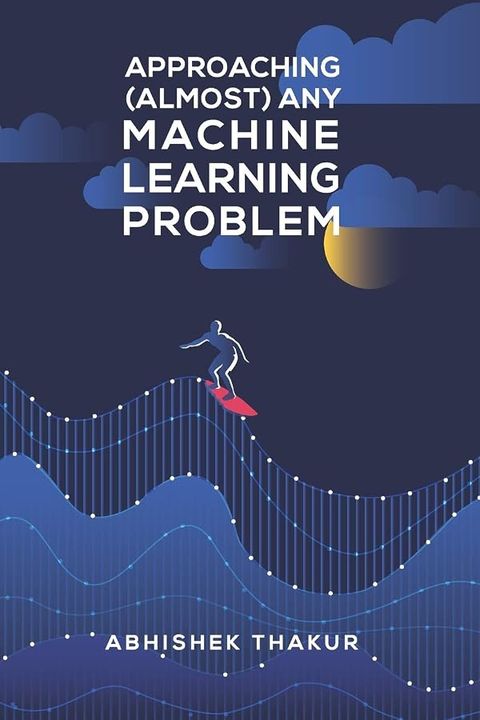
Approaching (Almost) Any Machine Learning Problem
A code-first field manual from a top Kaggle competitor, strongest on practical workflow and weakest on explaining the algorithms themselves.
Editorial score: 70.1/100Amazon, Approaching (Almost) Any Machine Learning Problem (opens Amazon in a new tab) - Rank 72
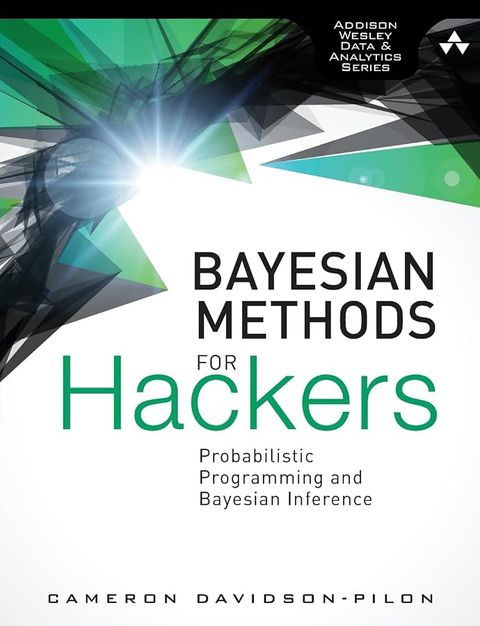
Bayesian Methods for Hackers
A code-first introduction to Bayesian inference that makes PyMC and MCMC approachable, though the printed edition's code has aged.
Editorial score: 68.3/100Amazon, Bayesian Methods for Hackers (opens Amazon in a new tab) - Rank 73
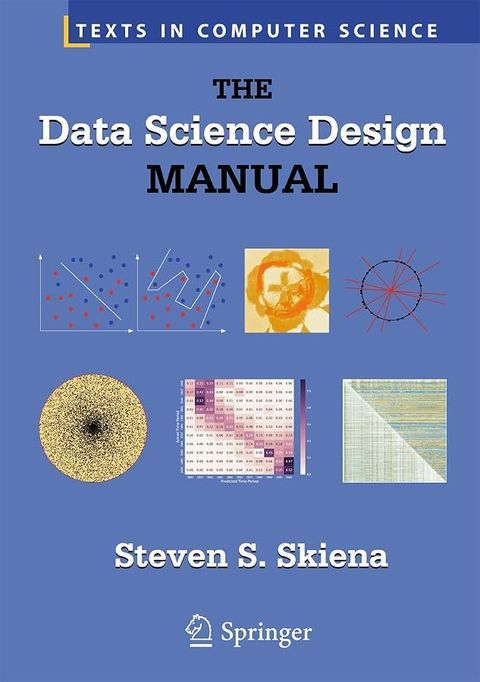
The Data Science Design Manual
A principles-first introduction to data science from an award-winning teacher, valuable for judgment and modeling sense more than tooling.
Editorial score: 69.8/100Amazon, The Data Science Design Manual (opens Amazon in a new tab) - Rank 74
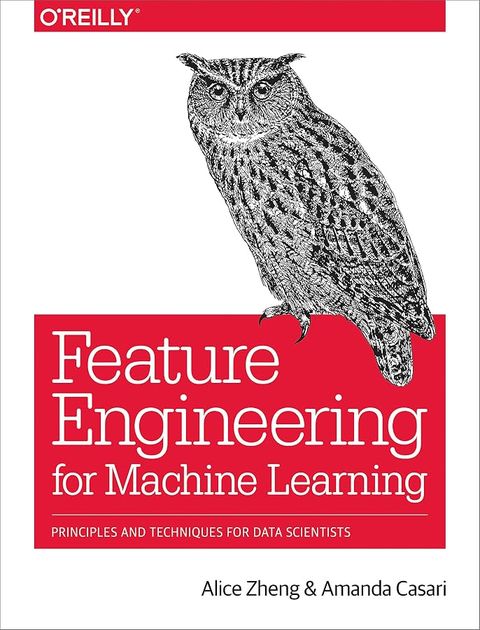
Feature Engineering for Machine Learning
A compact, intuition-first guide to turning raw data into model-ready features, still useful for tabular and text work despite its pre-LLM vintage.
Editorial score: 67.3/100Amazon, Feature Engineering for Machine Learning (opens Amazon in a new tab) - Rank 75
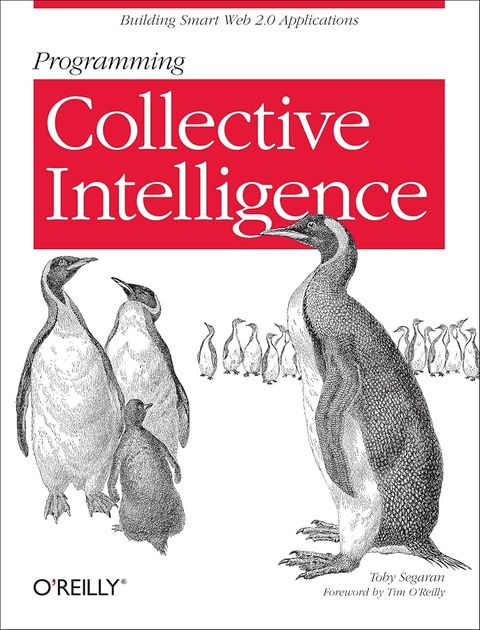
Programming Collective Intelligence
An influential introduction to applied machine learning in Python whose algorithms still teach well, though its code and data sources have aged.
Editorial score: 63.1/100Amazon, Programming Collective Intelligence (opens Amazon in a new tab) - Rank 76
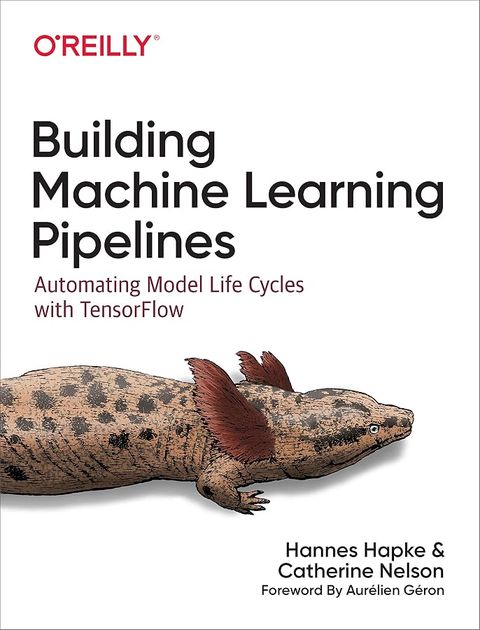
Building Machine Learning Pipelines
A clear, end-to-end walkthrough of production ML pipelines on TensorFlow Extended; its principles endure, but its tooling has aged.
Editorial score: 62.3/100Amazon, Building Machine Learning Pipelines (opens Amazon in a new tab)

Guides
Machine Learning guides and lists
-
The 40 Best Machine Learning Books (2026)
Forty machine learning books ranked by reach, critical consensus and author authority, from Brian Christian's account of AI alignment to the graduate references on statistical, deep and reinforcement learning.
