2026 ranking · 500 books
The 500 Best AI Books of All Time (2026 Ranking)
We researched 993 books on artificial intelligence and ranked the best 500 on ratings volume, independent best-of lists, awards, reader ratings, sales rank and an editorial review of each book.
As an Amazon Associate, Best AI Books earns from qualifying purchases. Best AI Books is sponsored by Iternal.ai, whose founder and CEO, John Byron Hanby IV, wrote The AI Strategy Blueprint, our #1 ranked book. How we rank books.
- Rank 01
The AI Strategy Blueprint
An executive playbook that takes leaders from AI literacy and governance through ROI, pilots, security and scale, written by a CEO who deploys enterprise AI.
Editorial score: 96.5/100Amazon, The AI Strategy Blueprint (opens Amazon in a new tab) - Rank 02
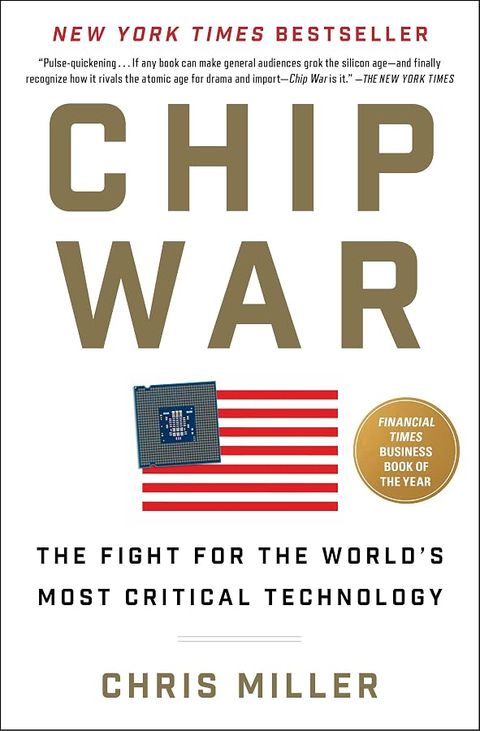
Chip War
The definitive history of the semiconductor industry and the clearest guide to why compute sits at the center of US-China rivalry.
Editorial score: 81.8/100Amazon, Chip War (opens Amazon in a new tab) - Rank 03
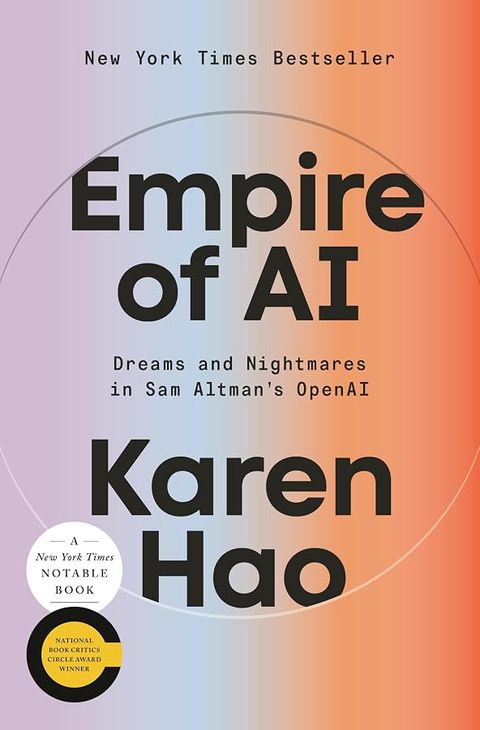
Empire of AI
A deeply reported, sharply critical history of OpenAI that casts the AI industry as a resource-hungry empire built on hidden labor.
Editorial score: 80.2/100Amazon, Empire of AI (opens Amazon in a new tab) - Rank 04
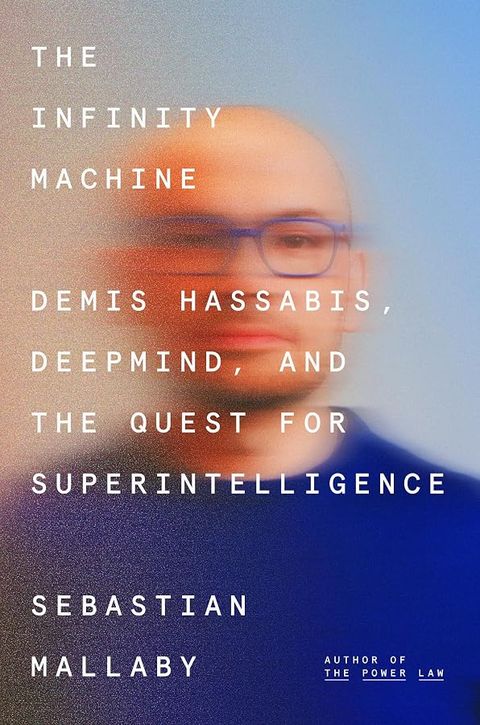
The Infinity Machine
The fullest account yet of Demis Hassabis and DeepMind, built on deep access and tempered by rivals' and critics' testimony.
Editorial score: 73.9/100Amazon, The Infinity Machine (opens Amazon in a new tab) - Rank 05
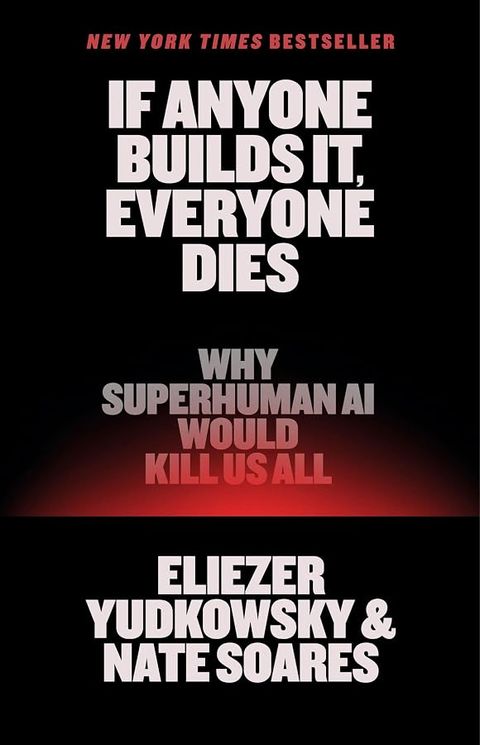
If Anyone Builds It, Everyone Dies
The clearest and most forceful statement of the case that superhuman AI would destroy humanity, though many experts reject its certainty.
Editorial score: 75.8/100Amazon, If Anyone Builds It, Everyone Dies (opens Amazon in a new tab) - Rank 06
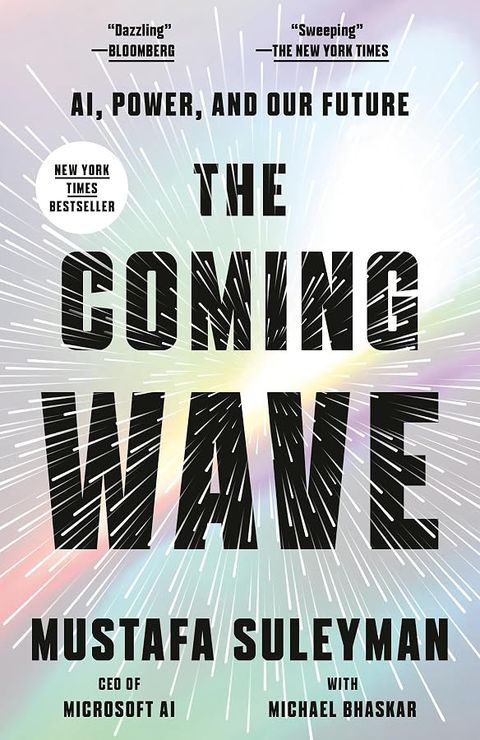
The Coming Wave
A DeepMind cofounder's sober case that AI and synthetic biology must be contained, stronger on diagnosis than on workable remedies.
Editorial score: 77.9/100Amazon, The Coming Wave (opens Amazon in a new tab) - Rank 07
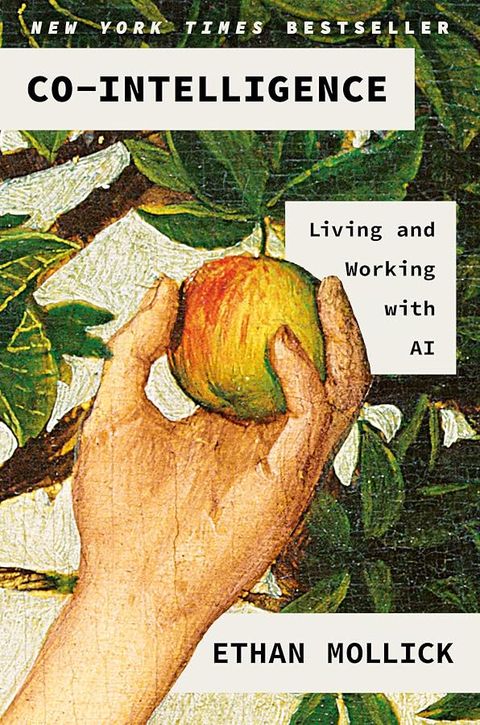
Co-Intelligence
A clear, practical primer on working alongside generative AI, though its tool-specific examples date quickly as models improve.
Editorial score: 78.6/100Amazon, Co-Intelligence (opens Amazon in a new tab) - Rank 08
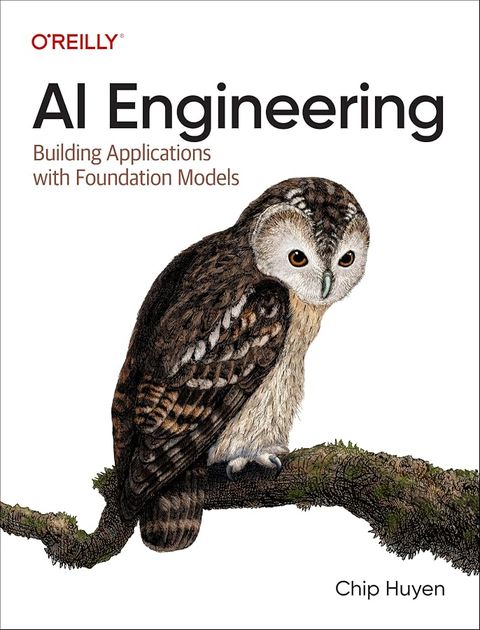
AI Engineering
The most complete systematic guide to building products on foundation models, with unusually strong chapters on evaluation.
Editorial score: 84.2/100Amazon, AI Engineering (opens Amazon in a new tab) - Rank 09
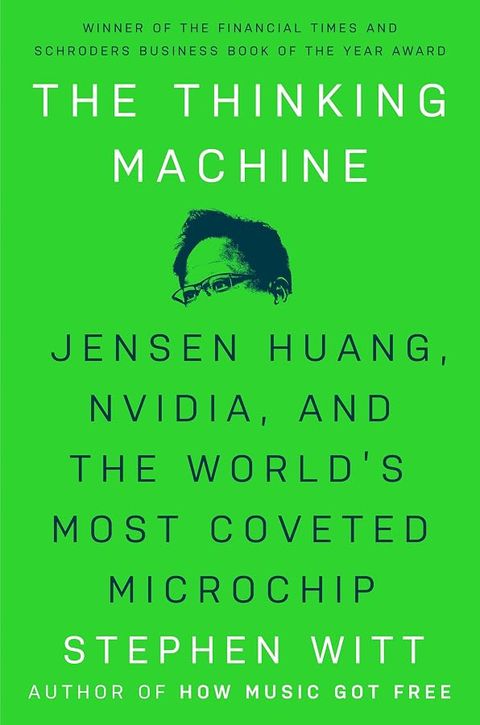
The Thinking Machine
A lively, well-sourced account of how Jensen Huang turned Nvidia into the hardware backbone of modern AI.
Editorial score: 76.8/100Amazon, The Thinking Machine (opens Amazon in a new tab) - Rank 10
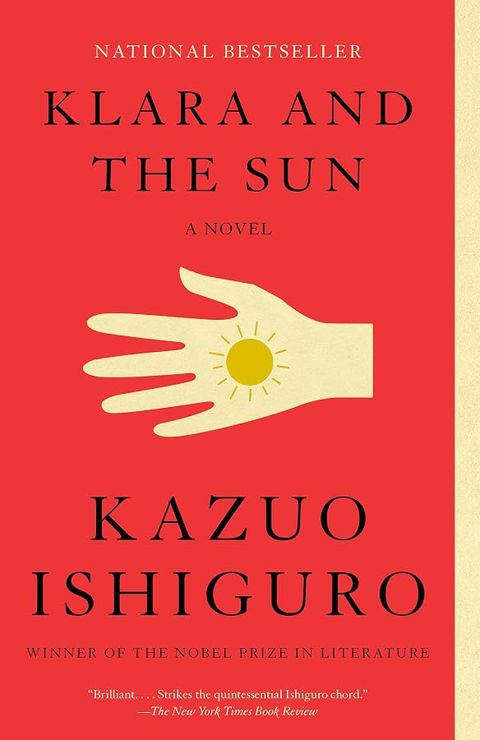
Klara and the Sun
A quiet, affecting novel that uses an android narrator's devoted gaze to probe love, loyalty and whether any person is irreplaceable.
Editorial score: 76.0/100Amazon, Klara and the Sun (opens Amazon in a new tab) - Rank 11
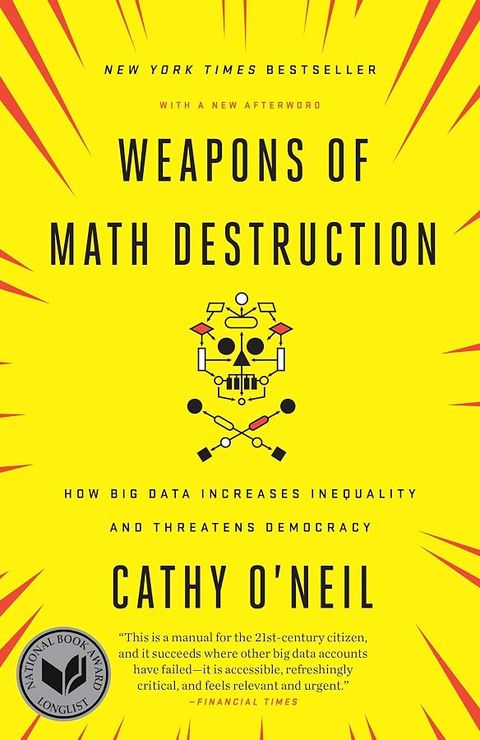
Weapons of Math Destruction
A lucid early warning about opaque scoring models that remains a standard starting point for understanding algorithmic harm.
Editorial score: 75.8/100Amazon, Weapons of Math Destruction (opens Amazon in a new tab) - Rank 12
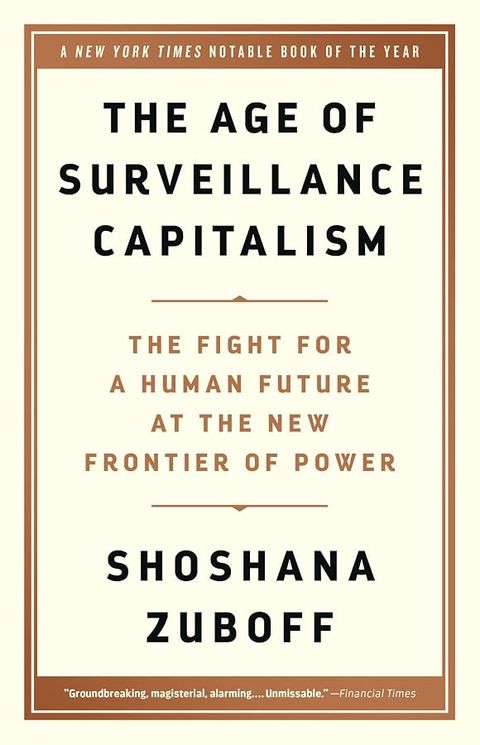
The Age of Surveillance Capitalism
A forceful account of how Google and Facebook turned personal experience into raw material, and still the standard text on commercial surveillance.
Editorial score: 74.8/100Amazon, The Age of Surveillance Capitalism (opens Amazon in a new tab) - Rank 13
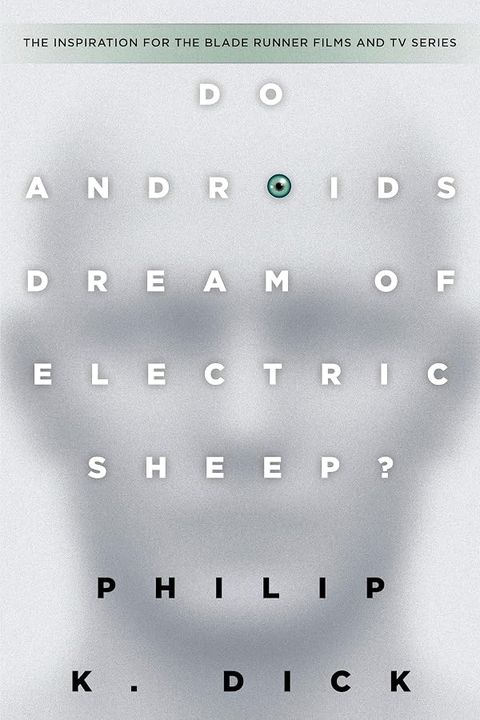
Do Androids Dream of Electric Sheep?
A compact, unsettling novel that turns the question of machine minds into a question about human empathy.
Editorial score: 80.4/100Amazon, Do Androids Dream of Electric Sheep? (opens Amazon in a new tab) - Rank 14
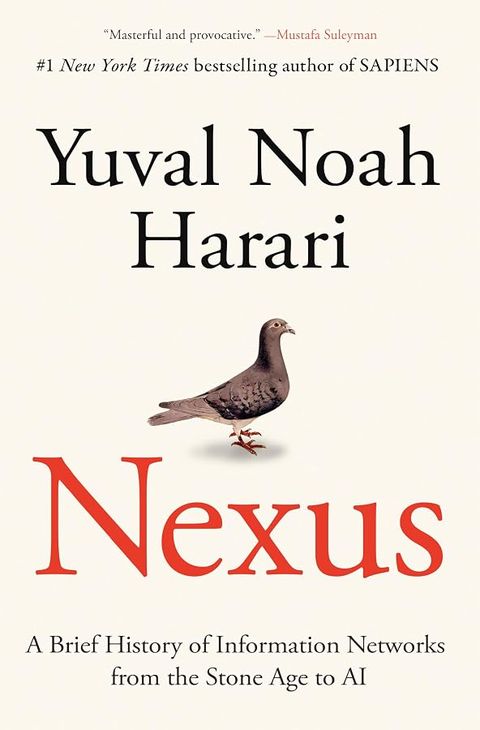
Nexus
Harari's sweeping history of information networks reframes AI as a political problem; provocative and readable, though critics fault its generalizations.
Editorial score: 73.5/100Amazon, Nexus (opens Amazon in a new tab) - Rank 15
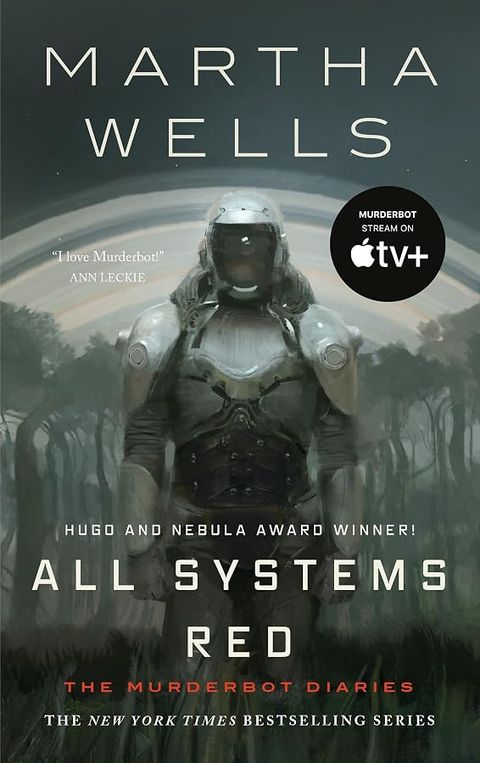
All Systems Red
A short, funny, award-winning novella that makes an anxious, rule-breaking security android the most humane character in the room.
Editorial score: 79.5/100Amazon, All Systems Red (opens Amazon in a new tab) - Rank 16
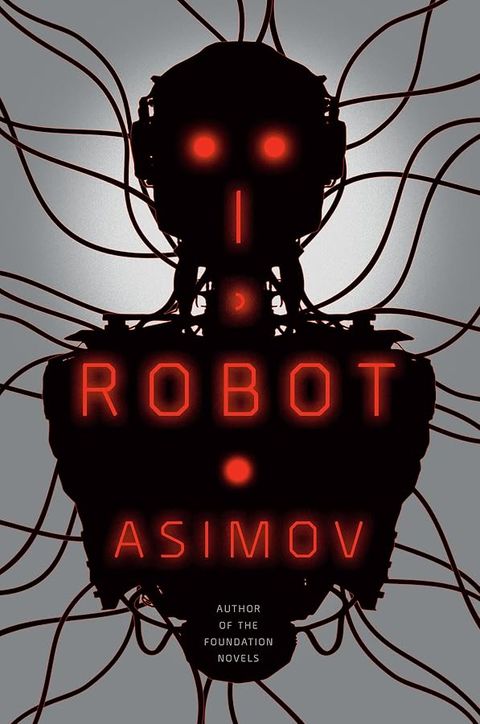
I, Robot
Asimov's linked robot stories remain the clearest fictional starting point for thinking about machine rules, loopholes and programmed ethics.
Editorial score: 80.5/100Amazon, I, Robot (opens Amazon in a new tab) - Rank 17
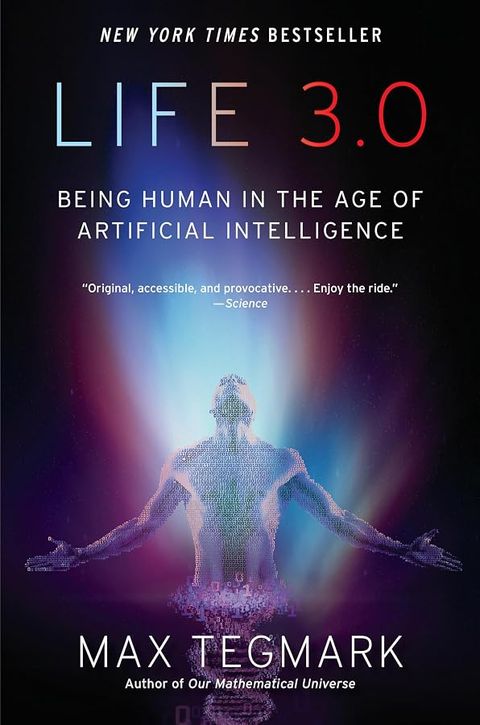
Life 3.0
An accessible tour of possible AI futures by an MIT physicist; still a strong primer, though its near-term chapters have aged.
Editorial score: 71.5/100Amazon, Life 3.0 (opens Amazon in a new tab) - Rank 18
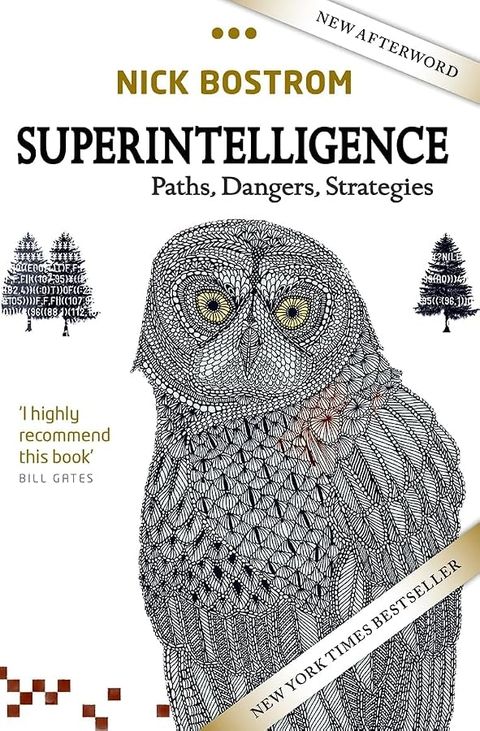
Superintelligence
The rigorous, demanding book that framed the modern AI-risk debate and supplied much of the alignment field's vocabulary.
Editorial score: 73.3/100Amazon, Superintelligence (opens Amazon in a new tab) - Rank 19
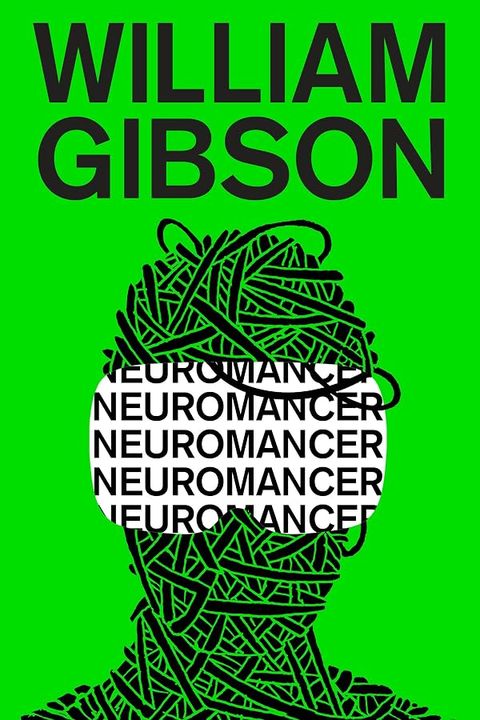
Neuromancer
The founding cyberpunk novel, dense and stylish, whose scheming AI remains one of fiction's sharpest portraits of machine ambition.
Editorial score: 78.8/100Amazon, Neuromancer (opens Amazon in a new tab) - Rank 20
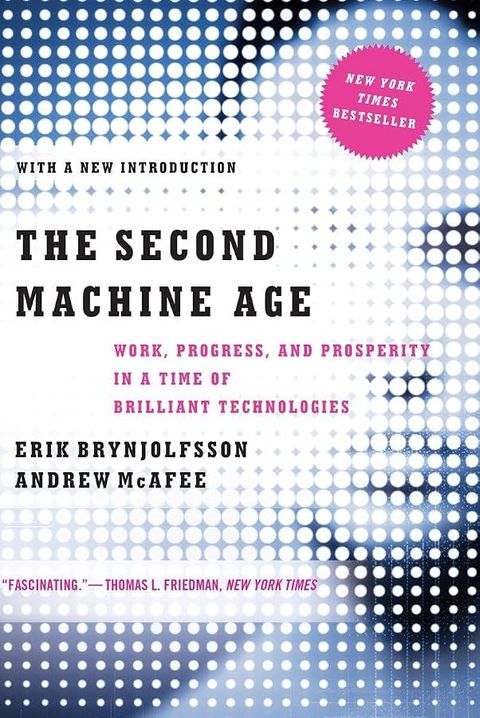
The Second Machine Age
A lucid, influential economic account of digital technology's promise and its unequal gains, now dated in examples but sound in framework.
Editorial score: 76.1/100Amazon, The Second Machine Age (opens Amazon in a new tab) - Rank 21
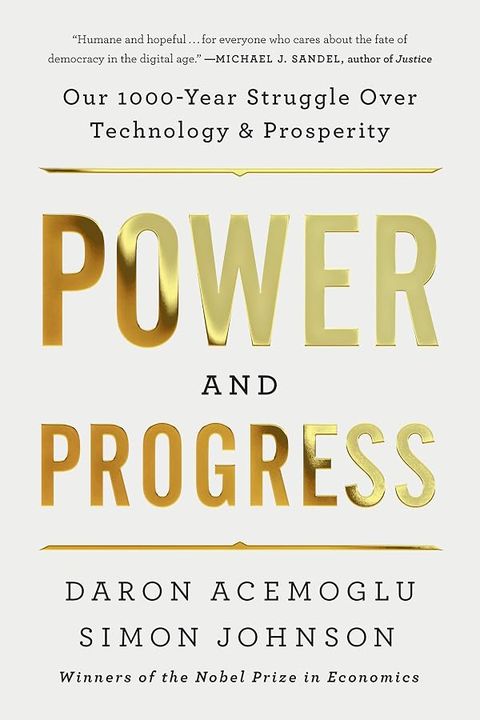
Power and Progress
A sweeping, data-rich history arguing that technology's benefits spread only when society steers it, valuable context for debates over AI and work.
Editorial score: 80.5/100Amazon, Power and Progress (opens Amazon in a new tab) - Rank 22
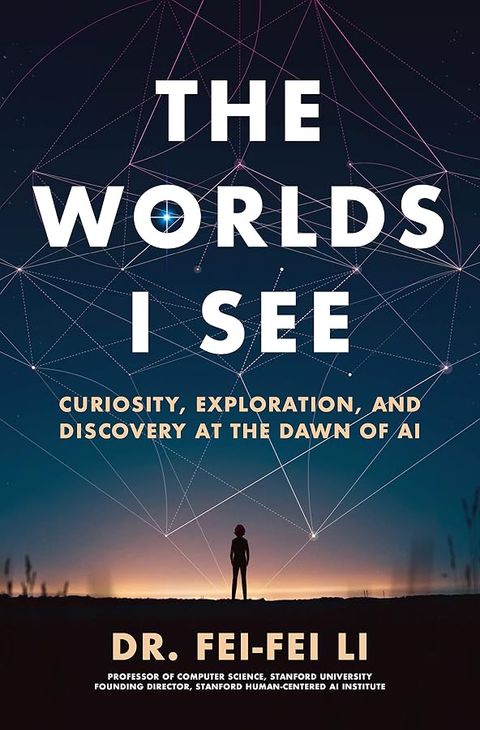
The Worlds I See
An affecting memoir that explains the data-driven turn in AI through the life of the scientist who built ImageNet.
Editorial score: 76.2/100Amazon, The Worlds I See (opens Amazon in a new tab) - Rank 23
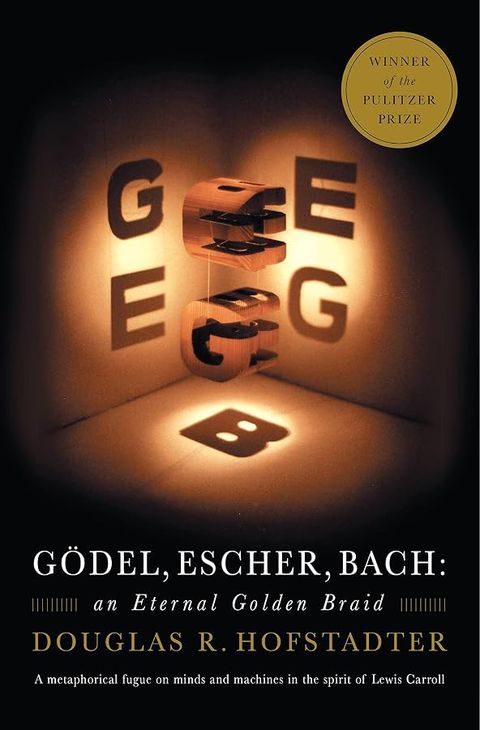
Gödel, Escher, Bach
A dazzling, demanding exploration of how selfhood might arise from formal rules, rarely equaled as an intellectual adventure on minds and machines.
Editorial score: 78.1/100Amazon, Gödel, Escher, Bach (opens Amazon in a new tab) - Rank 24
Unmasking AI
A personal, accessible account of how one researcher documented bias in facial analysis and turned audits into public advocacy.
Editorial score: 75.3/100Amazon, Unmasking AI (opens Amazon in a new tab) - Rank 25
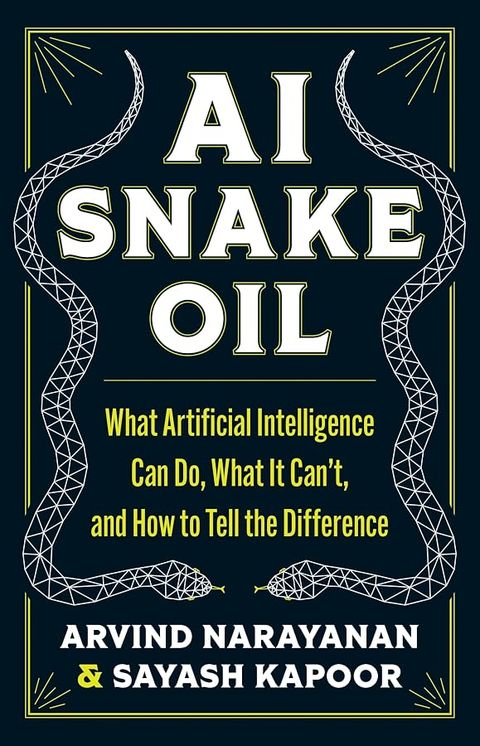
AI Snake Oil
The clearest available guide to separating working AI from hype, especially sharp on predictive systems used to judge people.
Editorial score: 80.6/100Amazon, AI Snake Oil (opens Amazon in a new tab) - Rank 26
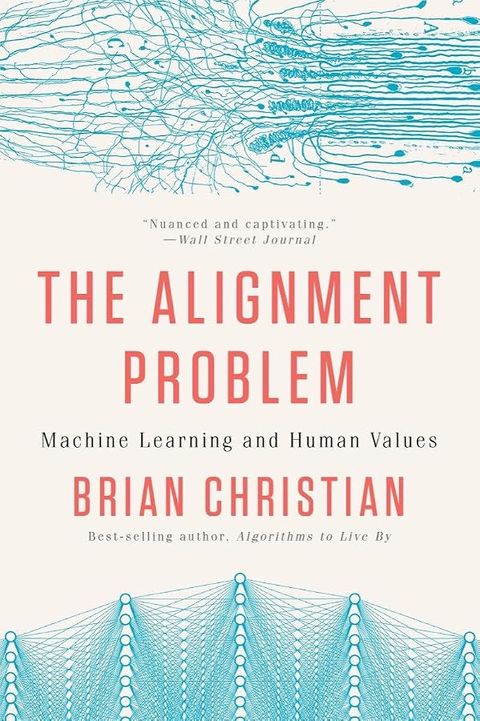
The Alignment Problem
The clearest reported account of how machine learning systems absorb and distort human values and how researchers try to correct them.
Editorial score: 79.3/100Amazon, The Alignment Problem (opens Amazon in a new tab) - Rank 27
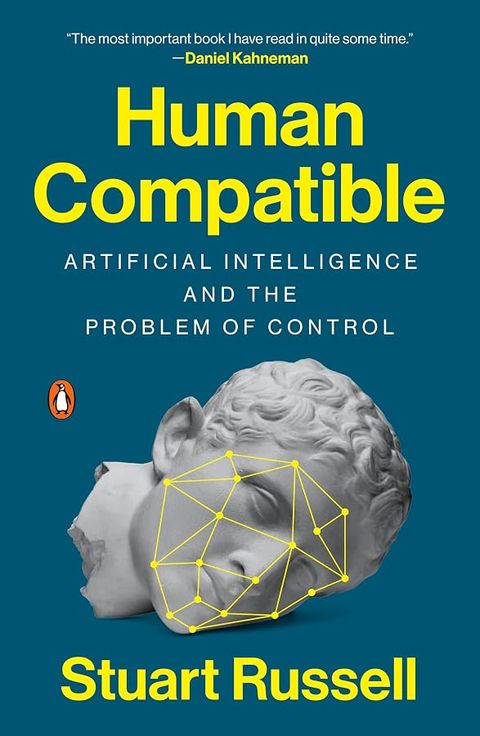
Human Compatible
The most rigorous general-audience case that AI must be built to defer to uncertain human preferences, written by a field-defining researcher.
Editorial score: 80.3/100Amazon, Human Compatible (opens Amazon in a new tab) - Rank 28
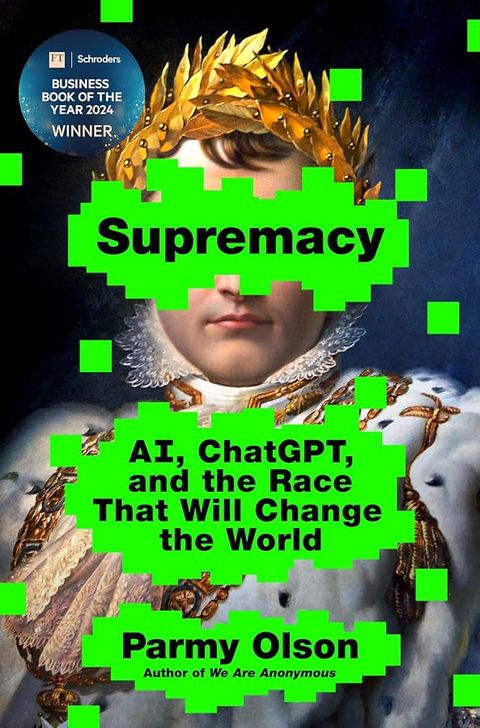
Supremacy
A brisk, well-sourced dual portrait of Altman and Hassabis that explains how Big Tech came to control frontier AI.
Editorial score: 74.1/100Amazon, Supremacy (opens Amazon in a new tab) - Rank 29
Build a Large Language Model (From Scratch)
One of the clearest hands-on routes to understanding how GPT-style models work, built line by line in plain PyTorch on ordinary hardware.
Editorial score: 84.8/100Amazon, Build a Large Language Model (From Scratch) (opens Amazon in a new tab) - Rank 30
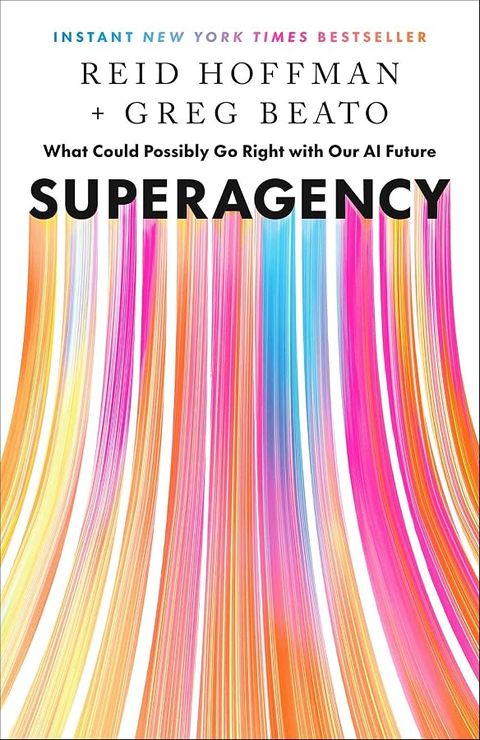
Superagency
A clear, well-argued optimist's case for broad AI deployment, best read alongside the critics it answers.
Editorial score: 70.3/100Amazon, Superagency (opens Amazon in a new tab) - Rank 31
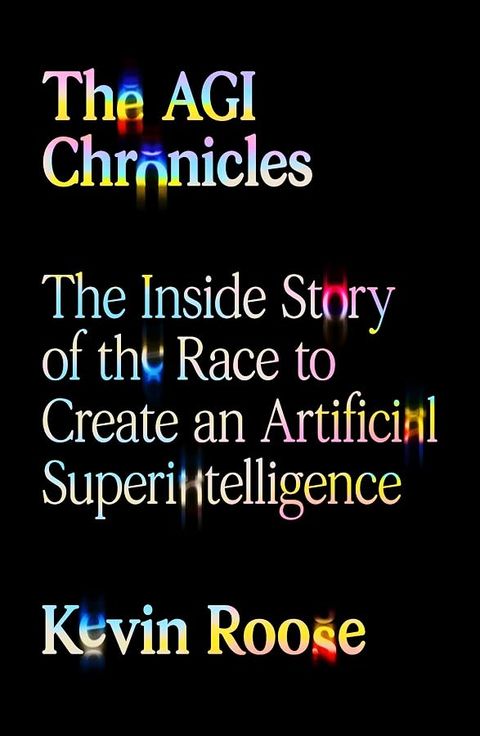
The AGI Chronicles
The most complete reported account yet of the frontier AI labs, explaining the technology and the rivalries that drive it.
Editorial score: 76.8/100Amazon, The AGI Chronicles (opens Amazon in a new tab) - Rank 32
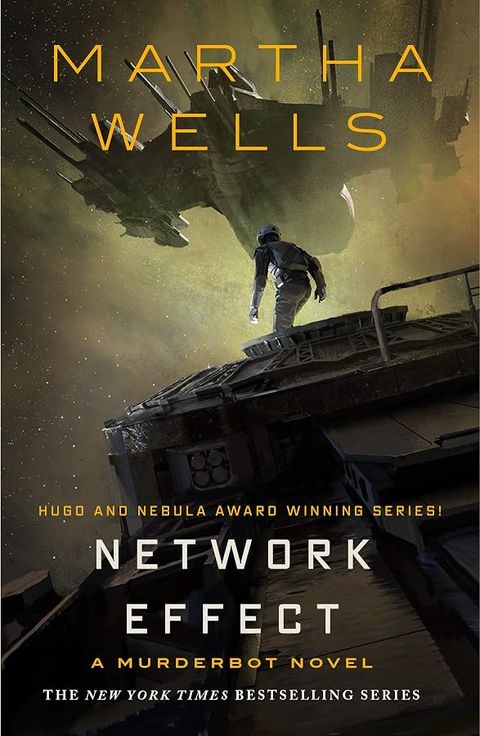
Network Effect
The series' first full novel turns Murderbot's sardonic voice into a gripping, award-winning study of machine personhood, friendship and autonomy.
Editorial score: 78.3/100Amazon, Network Effect (opens Amazon in a new tab) - Rank 33
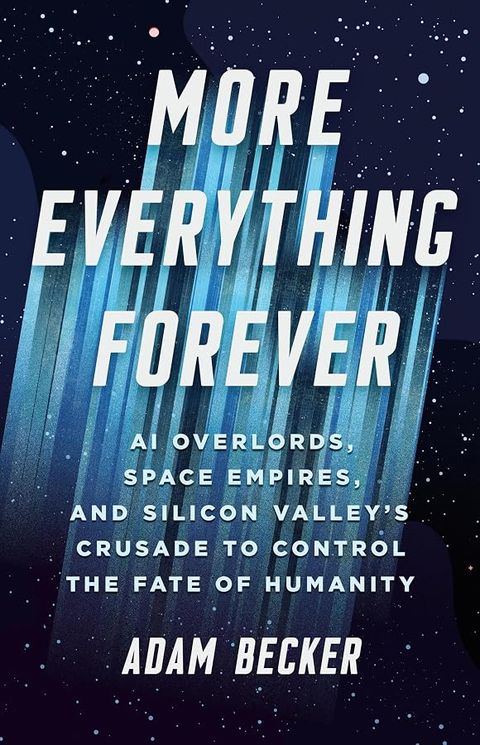
More Everything Forever
A sharp, well-researched critique of Silicon Valley's futurist ideologies, strongest at dismantling claims and weaker at offering an alternative vision.
Editorial score: 70.5/100Amazon, More Everything Forever (opens Amazon in a new tab) - Rank 34
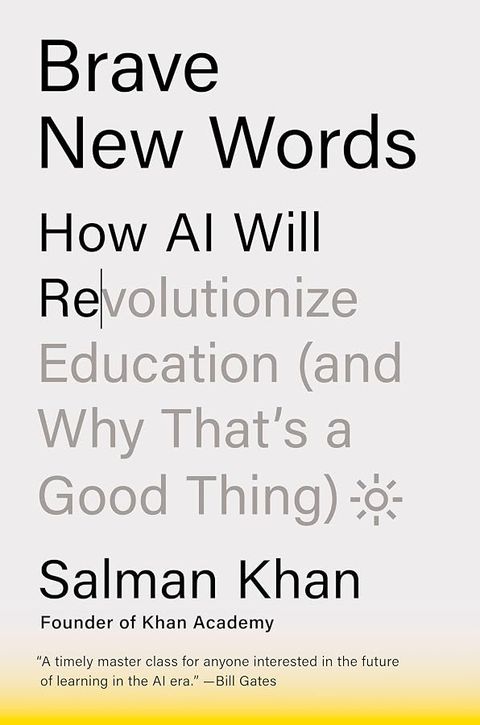
Brave New Words
An optimistic insider's case for AI tutoring, informative and practical, though partly an argument for Khan Academy's own Khanmigo.
Editorial score: 74.3/100Amazon, Brave New Words (opens Amazon in a new tab) - Rank 35
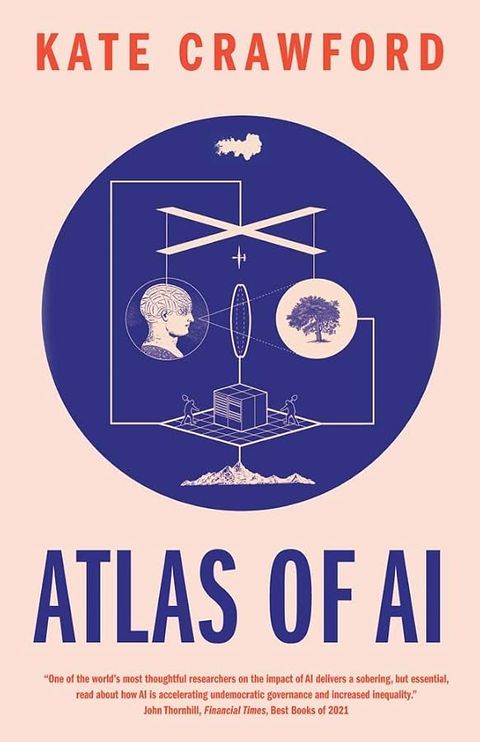
Atlas of AI
A rigorous, award-winning account of AI as an extractive industry, essential for understanding the material and political costs behind the software.
Editorial score: 77.6/100Amazon, Atlas of AI (opens Amazon in a new tab) - Rank 36
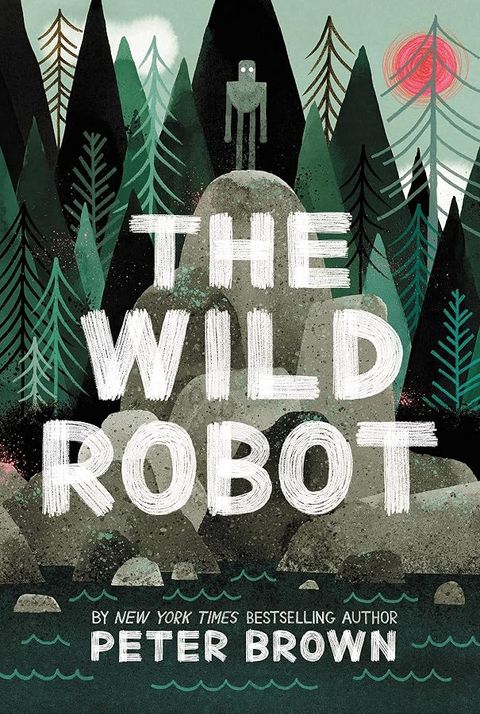
The Wild Robot
A gentle, beautifully illustrated survival story that gives young readers a lasting first encounter with questions about machines, learning and belonging.
Editorial score: 69.3/100Amazon, The Wild Robot (opens Amazon in a new tab) - Rank 37
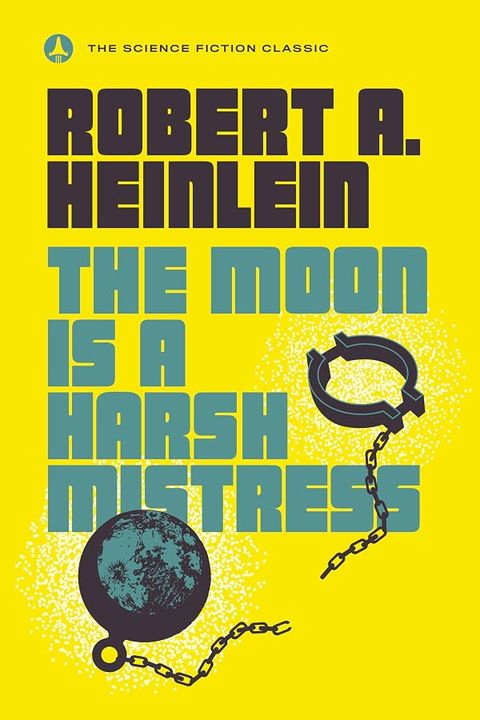
The Moon Is a Harsh Mistress
Heinlein's Hugo-winning revolt novel offers one of fiction's most memorable machine minds, wrapped in dense political argument and period attitudes.
Editorial score: 70.3/100Amazon, The Moon Is a Harsh Mistress (opens Amazon in a new tab) - Rank 38
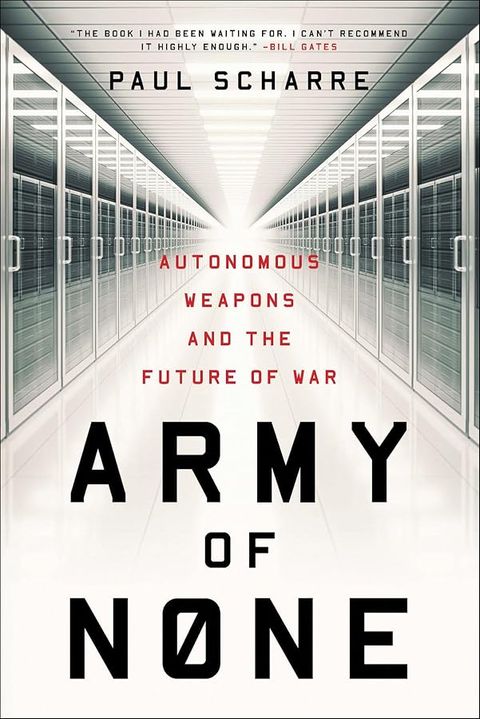
Army of None
A balanced, authoritative primer on autonomous weapons from the former Pentagon official who led the drafting of US autonomy policy.
Editorial score: 79.3/100Amazon, Army of None (opens Amazon in a new tab) - Rank 39
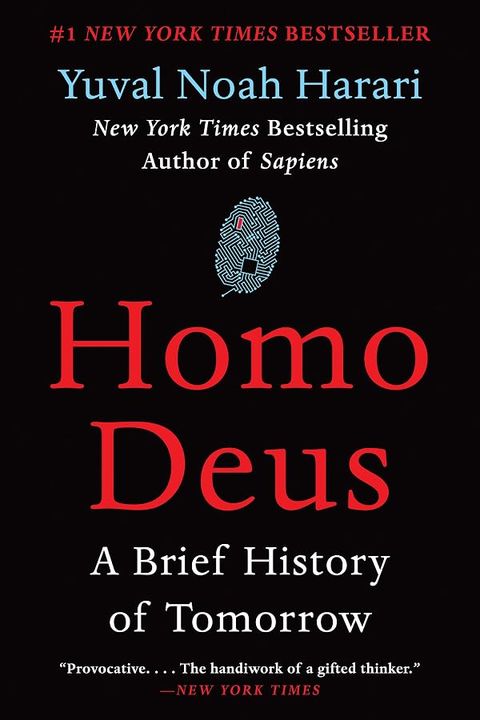
Homo Deus
A provocative, highly readable forecast that popularized dataism, stronger as a prompt for big questions than as technical analysis.
Editorial score: 65.5/100Amazon, Homo Deus (opens Amazon in a new tab) - Rank 40
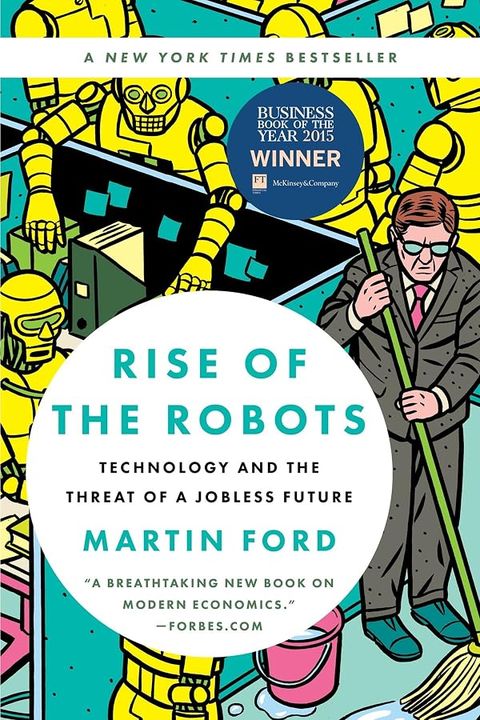
Rise of the Robots
A clear, data-rich warning that automation could erode white-collar as well as blue-collar work; prescient in places, contested by economists.
Editorial score: 68.6/100Amazon, Rise of the Robots (opens Amazon in a new tab) - Rank 41
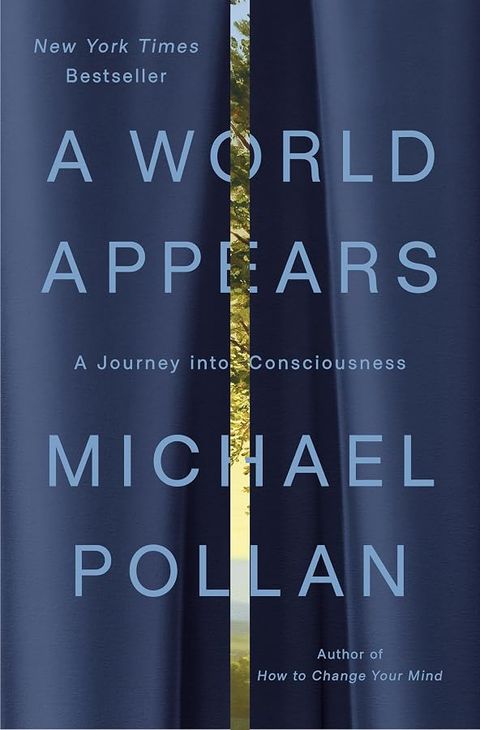
A World Appears
A lucid, wide-ranging tour of consciousness science that sharpens the AI-sentience debate, though machines receive only intermittent attention.
Editorial score: 73.3/100Amazon, A World Appears (opens Amazon in a new tab) - Rank 42
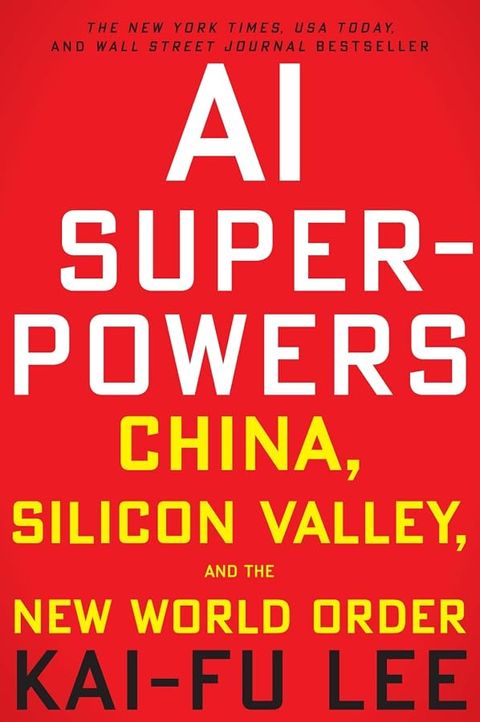
AI Superpowers
An insider's vivid 2018 portrait of China's AI rise; still useful context, though its forecasts predate generative AI and chip export controls.
Editorial score: 74.3/100Amazon, AI Superpowers (opens Amazon in a new tab) - Rank 43
A Psalm for the Wild-Built
A gentle, Hugo-winning novella that uses a monk's friendship with a robot to ask what people, and machines, actually need.
Editorial score: 73.0/100Amazon, A Psalm for the Wild-Built (opens Amazon in a new tab) - Rank 44
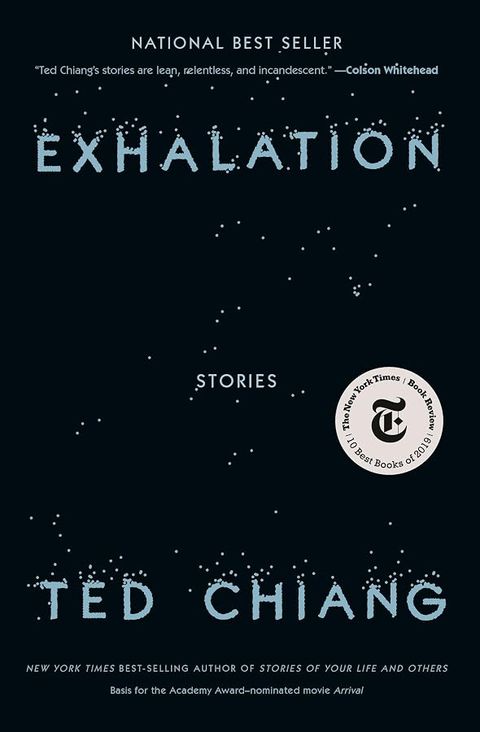
Exhalation
Nine meticulous, humane stories, including a Hugo-winning novella on raising digital minds, that reward readers thinking seriously about AI and personhood.
Editorial score: 82.3/100Amazon, Exhalation (opens Amazon in a new tab) - Rank 45
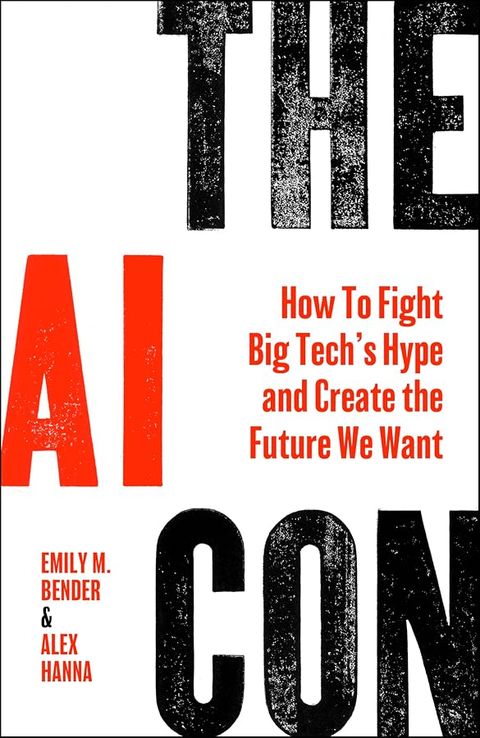
The AI Con
A sharp, polemical guide to deflating AI marketing claims, strongest on power and labor, weaker on what generative tools do well.
Editorial score: 73.6/100Amazon, The AI Con (opens Amazon in a new tab) - Rank 46
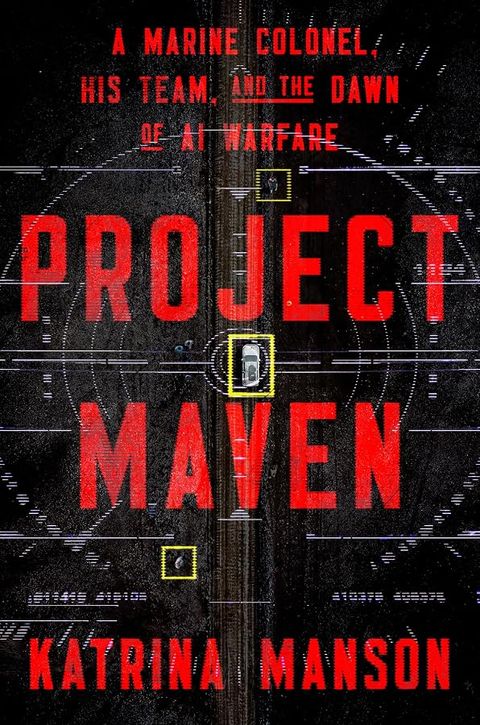
Project Maven
A deeply reported, even-handed history of how the Pentagon brought AI into targeting, with lessons for every military AI debate.
Editorial score: 76.3/100Amazon, Project Maven (opens Amazon in a new tab) - Rank 47
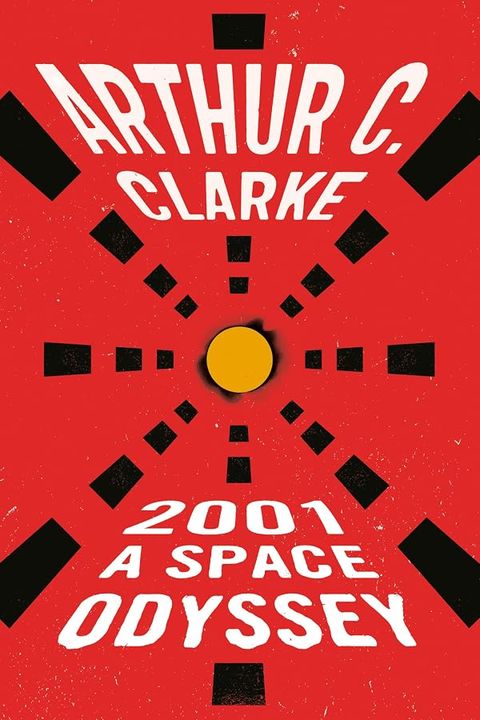
2001
Clarke's companion to Kubrick's film gives HAL 9000 a clear motive, making it a foundational text on machine minds and conflicting goals.
Editorial score: 77.0/100Amazon, 2001 (opens Amazon in a new tab) - Rank 48
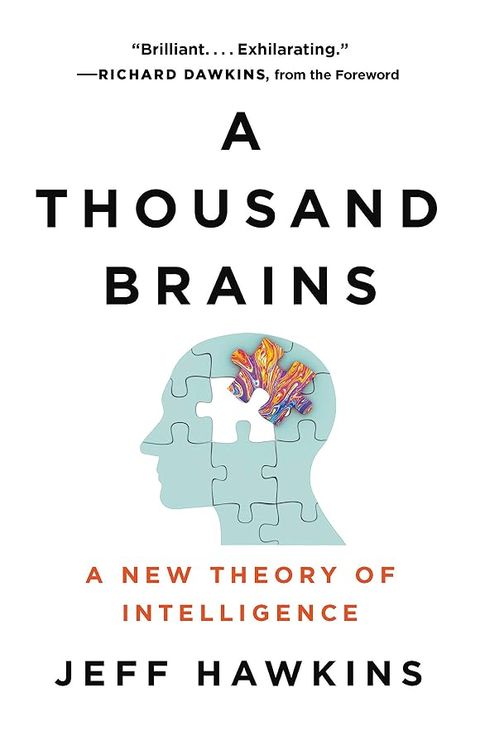
A Thousand Brains
An accessible, provocative theory of how the neocortex builds models of the world, more persuasive on neuroscience than on AI risk.
Editorial score: 68.6/100Amazon, A Thousand Brains (opens Amazon in a new tab) - Rank 49
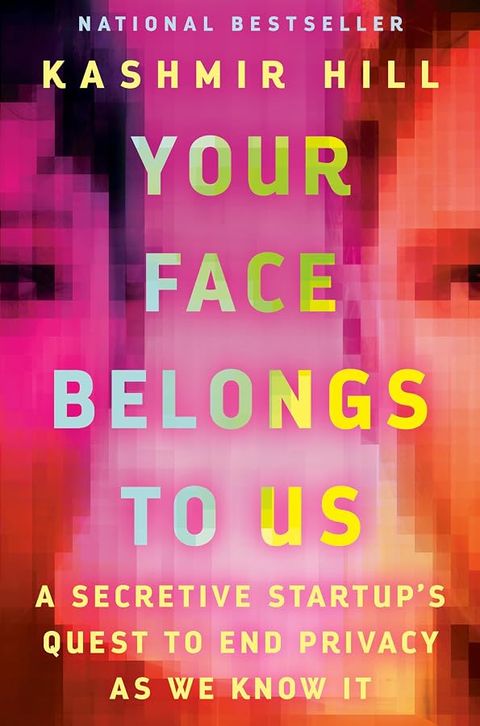
Your Face Belongs to Us
A gripping, carefully reported investigation of Clearview AI that shows how facial recognition moved from taboo to everyday policing tool.
Editorial score: 75.3/100Amazon, Your Face Belongs to Us (opens Amazon in a new tab) - Rank 50
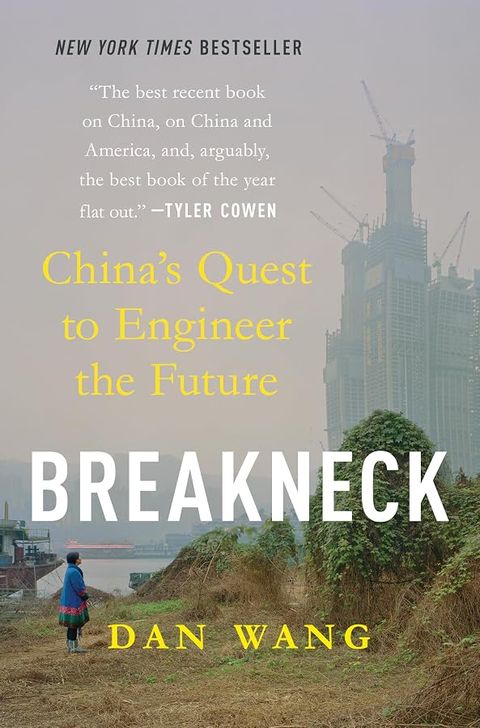
Breakneck
A vivid, firsthand argument that China's engineering state builds while America's lawyerly society blocks, offering valuable context for the US-China technology rivalry.
Editorial score: 77.1/100Amazon, Breakneck (opens Amazon in a new tab) - Rank 51
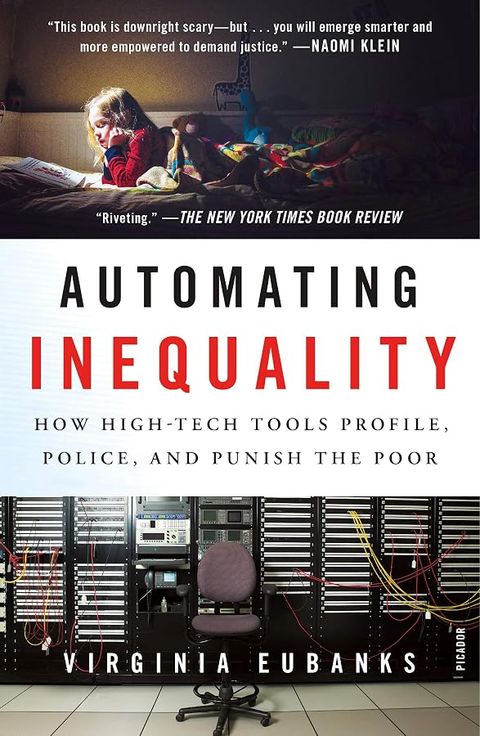
Automating Inequality
A humane, closely reported investigation of how public-sector algorithms ration aid, with a persuasive case that efficiency cannot replace adequate funding.
Editorial score: 73.6/100Amazon, Automating Inequality (opens Amazon in a new tab) - Rank 52
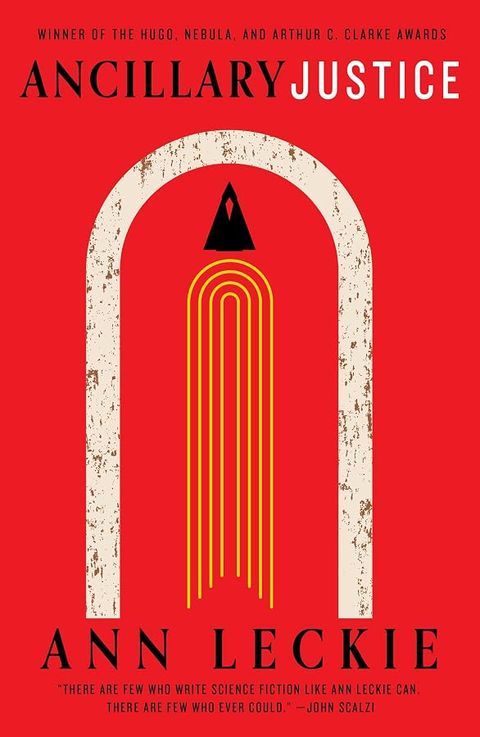
Ancillary Justice
A demanding, rewarding space opera narrated by a surviving fragment of a warship's AI, exploring identity spread across many bodies.
Editorial score: 74.1/100Amazon, Ancillary Justice (opens Amazon in a new tab) - Rank 53
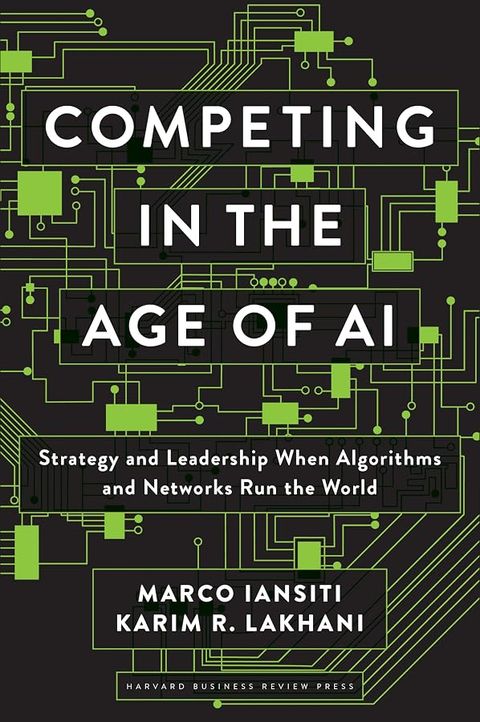
Competing in the Age of AI
A rigorous Harvard framework for rebuilding a company's operating model around data and AI, still useful despite predating generative AI.
Editorial score: 74.3/100Amazon, Competing in the Age of AI (opens Amazon in a new tab) - Rank 54
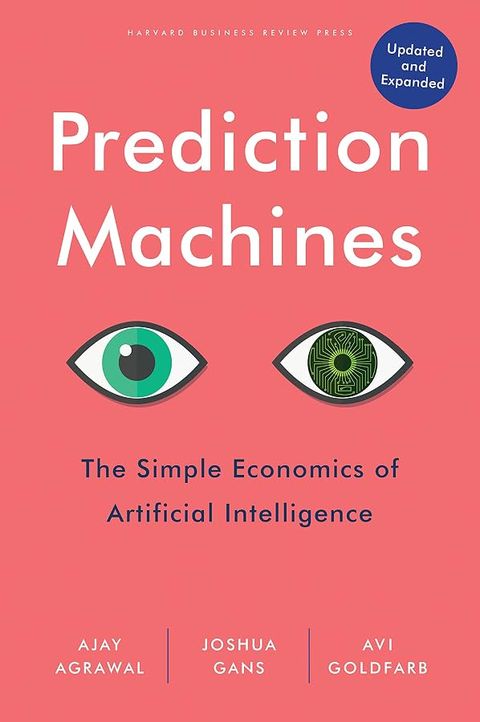
Prediction Machines
A clear economic framework recasting AI as cheap prediction, still one of the most useful lenses for managers planning deployment.
Editorial score: 80.6/100Amazon, Prediction Machines (opens Amazon in a new tab) - Rank 55
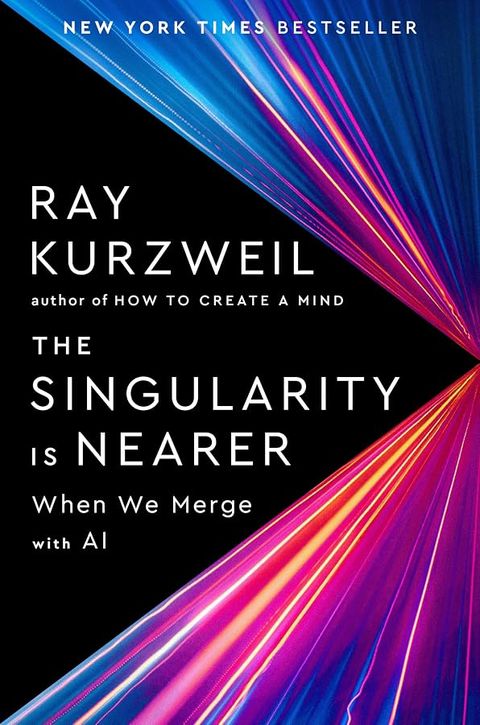
The Singularity Is Nearer
Kurzweil's updated forecast of human-AI merger is bold and data-rich, best read as a provocative vision rather than a reliable roadmap.
Editorial score: 69.3/100Amazon, The Singularity Is Nearer (opens Amazon in a new tab) - Rank 56
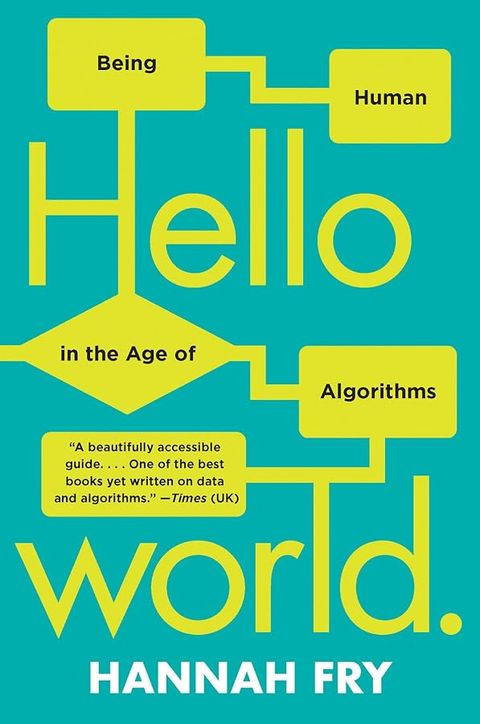
Hello World
A lucid, entertaining tour of how algorithms judge, diagnose, drive and police, ideal for readers without a technical background.
Editorial score: 72.3/100Amazon, Hello World (opens Amazon in a new tab) - Rank 57
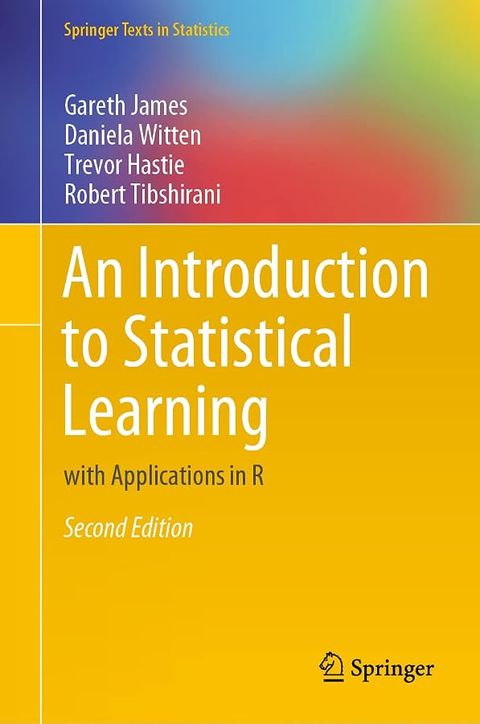
An Introduction to Statistical Learning
The clearest route into statistical learning for working analysts, pairing sound intuition with labs that make each method usable.
Editorial score: 87.6/100Amazon, An Introduction to Statistical Learning (opens Amazon in a new tab) - Rank 58
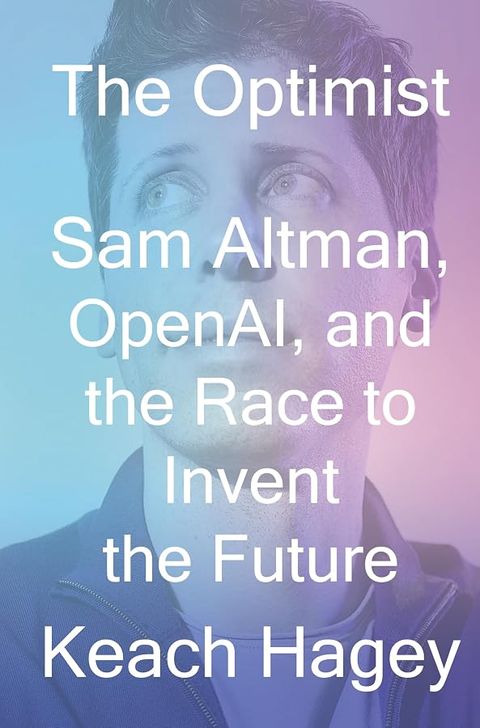
The Optimist
A deeply reported biography of Sam Altman that explains how OpenAI's leader built his influence and why the board briefly ousted him.
Editorial score: 71.3/100Amazon, The Optimist (opens Amazon in a new tab) - Rank 59
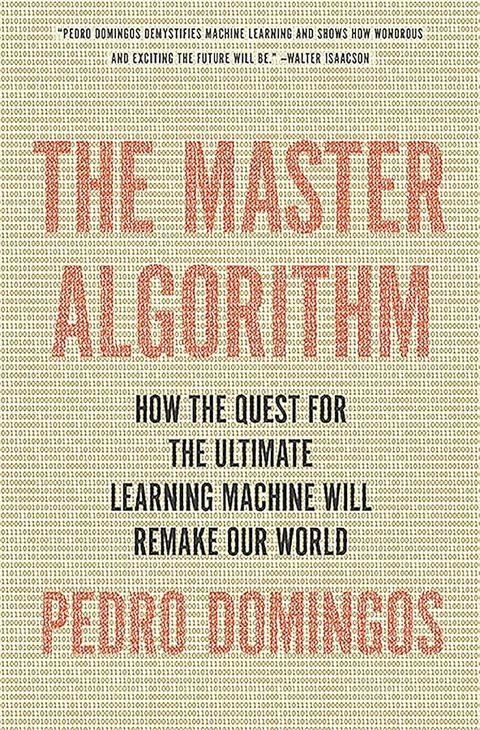
The Master Algorithm
An ambitious, readable map of machine learning's five schools of thought, still useful for intuition though dated on deep learning's rise.
Editorial score: 71.1/100Amazon, The Master Algorithm (opens Amazon in a new tab) - Rank 60
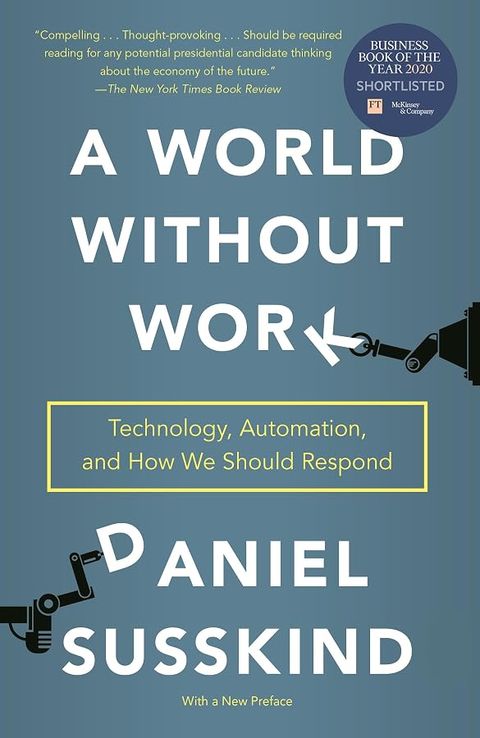
A World Without Work
A rigorous economist's case that AI could make paid work structurally scarce, paired with a debatable blueprint for sharing prosperity.
Editorial score: 73.3/100Amazon, A World Without Work (opens Amazon in a new tab) - Rank 61
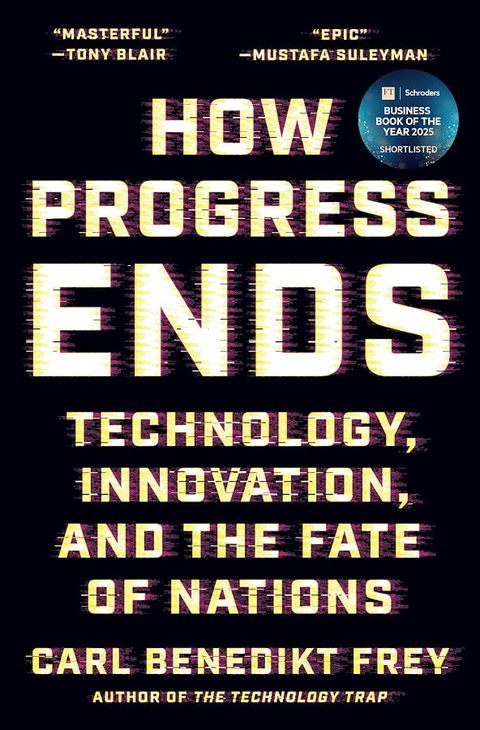
How Progress Ends
A sweeping economic history that tempers AI optimism by showing how institutions, not inventions alone, decide whether progress lasts.
Editorial score: 75.1/100Amazon, How Progress Ends (opens Amazon in a new tab) - Rank 62
Culpability
A tense, discussion-ready family novel that turns abstract questions of AI accountability into a story about guilt, secrecy and parenting.
Editorial score: 70.3/100Amazon, Culpability (opens Amazon in a new tab) - Rank 63
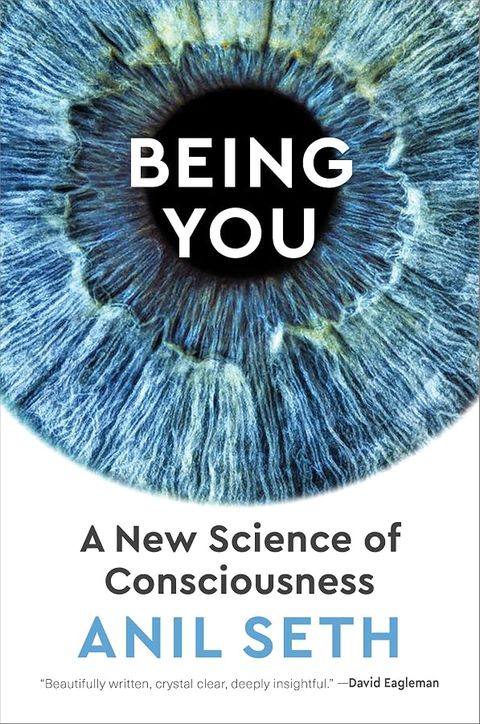
Being You
A rigorous, readable theory of consciousness from a leading neuroscientist, with clear consequences for claims that AI could be conscious.
Editorial score: 75.8/100Amazon, Being You (opens Amazon in a new tab) - Rank 64
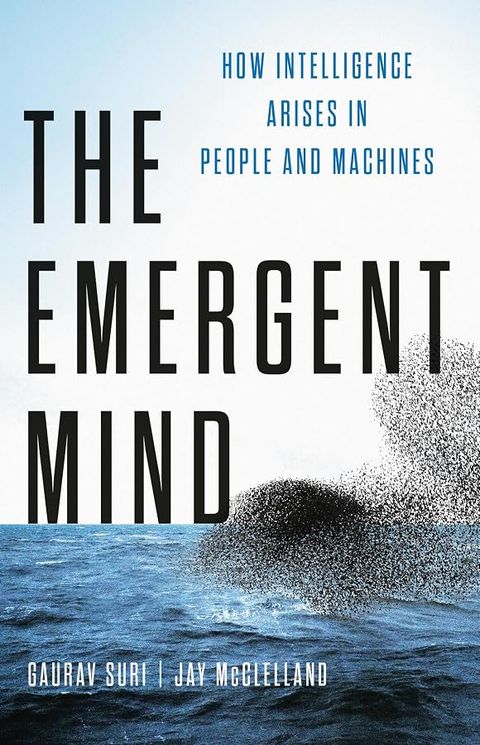
The Emergent Mind
Two cognitive scientists, one a pioneer of neural network modeling, explain clearly how minds emerge from networks in brains and machines.
Editorial score: 74.8/100Amazon, The Emergent Mind (opens Amazon in a new tab) - Rank 65
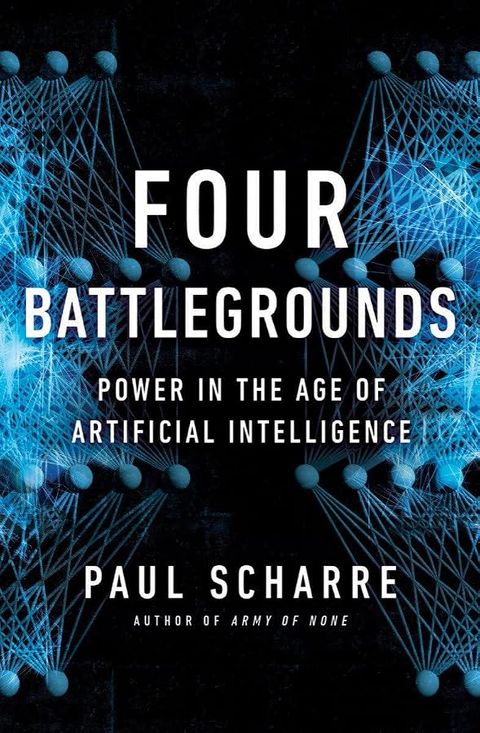
Four Battlegrounds
A well-organized account of the US-China AI rivalry by a former Pentagon policymaker, framed around data, compute, talent and institutions.
Editorial score: 75.1/100Amazon, Four Battlegrounds (opens Amazon in a new tab) - Rank 66
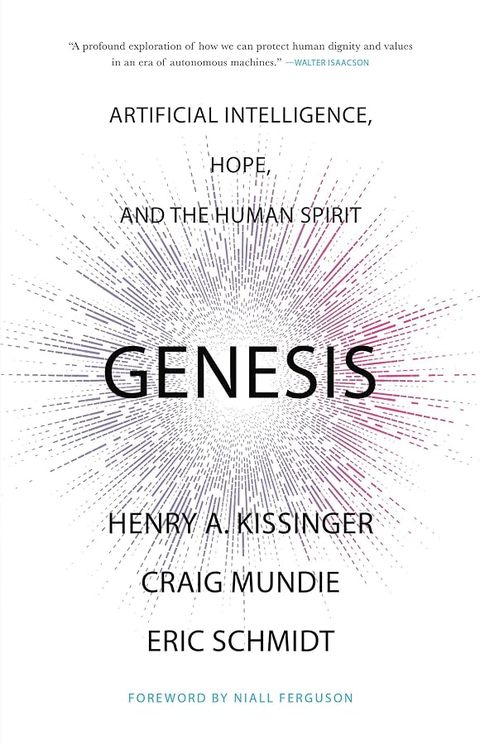
Genesis
A statesman's final reflections on AI and world order, valuable for its strategic framing though thin on evidence and technical detail.
Editorial score: 67.8/100Amazon, Genesis (opens Amazon in a new tab) - Rank 67
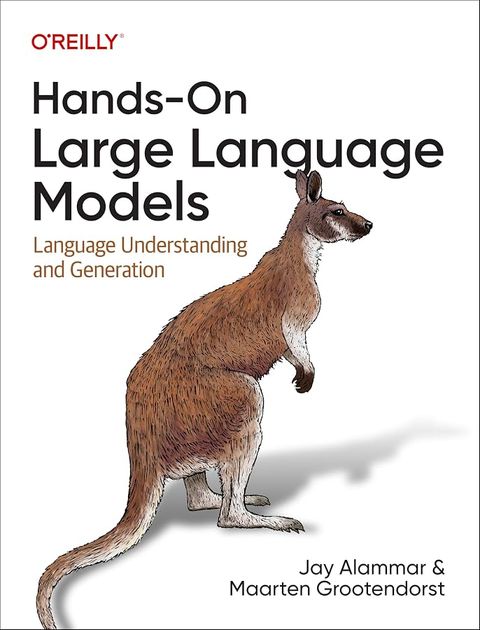
Hands-On Large Language Models
An unusually clear, illustrated route from tokens and embeddings to retrieval and fine-tuning for practitioners building LLM applications.
Editorial score: 79.3/100Amazon, Hands-On Large Language Models (opens Amazon in a new tab) - Rank 68
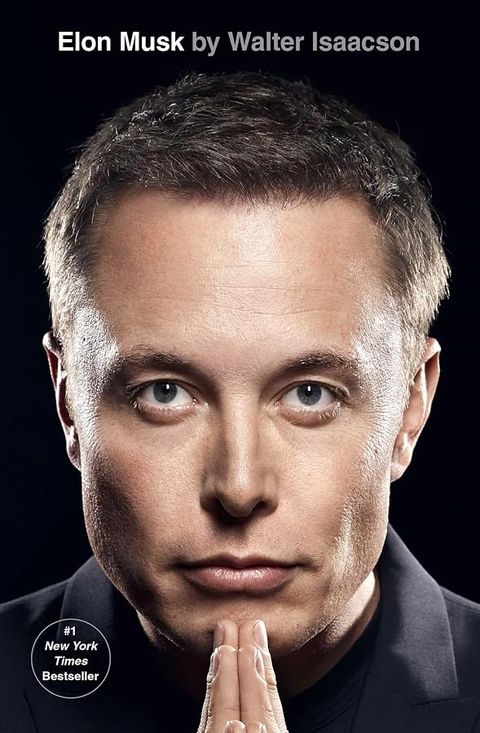
Elon Musk
An intimate, access-rich portrait of Musk that illuminates his management style and AI ambitions, though critics flagged errors and deference.
Editorial score: 71.3/100Amazon, Elon Musk (opens Amazon in a new tab) - Rank 69
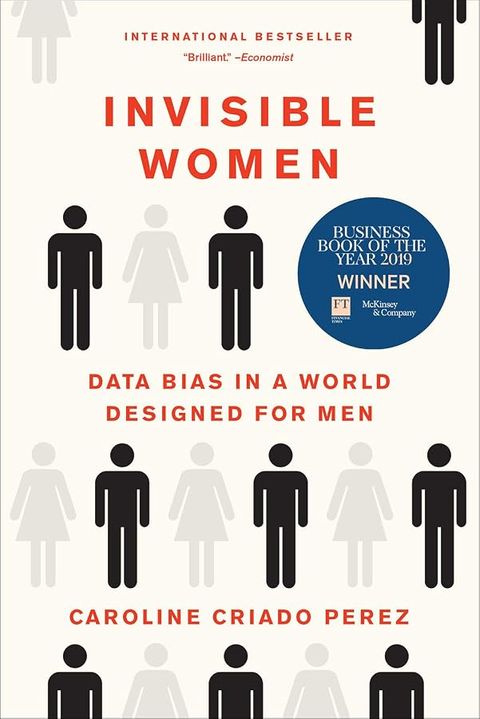
Invisible Women
An exhaustively sourced account of the gender data gap, showing how male-default data yields products and policies that fail women.
Editorial score: 75.0/100Amazon, Invisible Women (opens Amazon in a new tab) - Rank 70
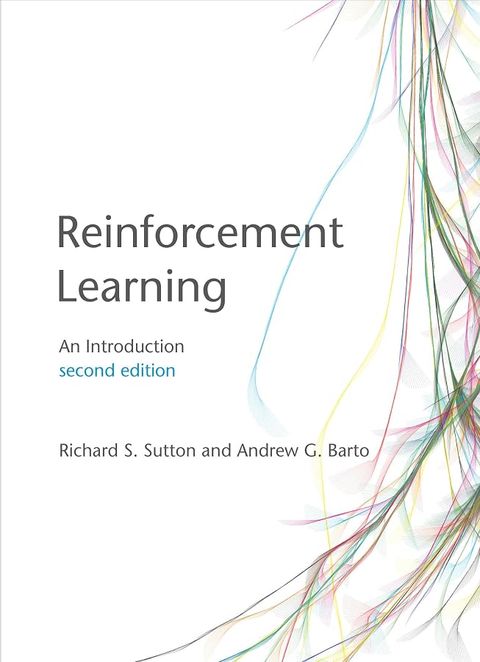
Reinforcement Learning
The standard reinforcement learning textbook, rigorous yet readable, written by the Turing Award winners who established the field's foundations.
Editorial score: 86.8/100Amazon, Reinforcement Learning (opens Amazon in a new tab) - Rank 71
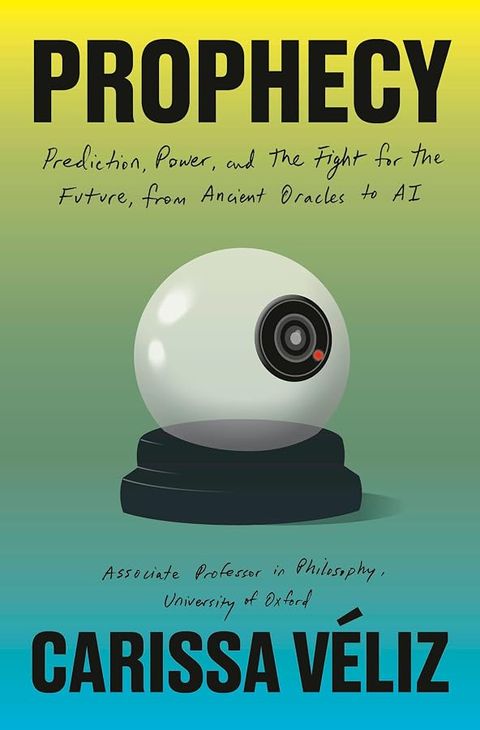
Prophecy
A lively philosophical history arguing that AI-era prediction is chiefly a tool of power, persuasive on diagnosis, lighter on remedies.
Editorial score: 72.0/100Amazon, Prophecy (opens Amazon in a new tab) - Rank 72
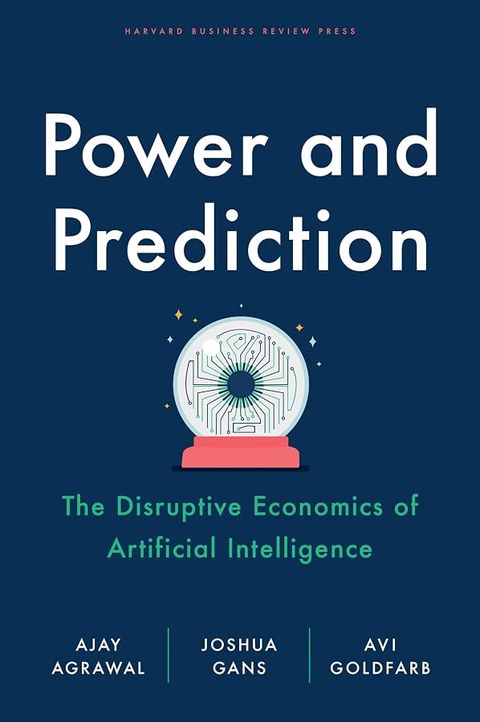
Power and Prediction
A rigorous economic framework explaining why AI's payoff requires redesigning whole systems of decisions, not adding isolated point solutions.
Editorial score: 74.8/100Amazon, Power and Prediction (opens Amazon in a new tab) - Rank 73
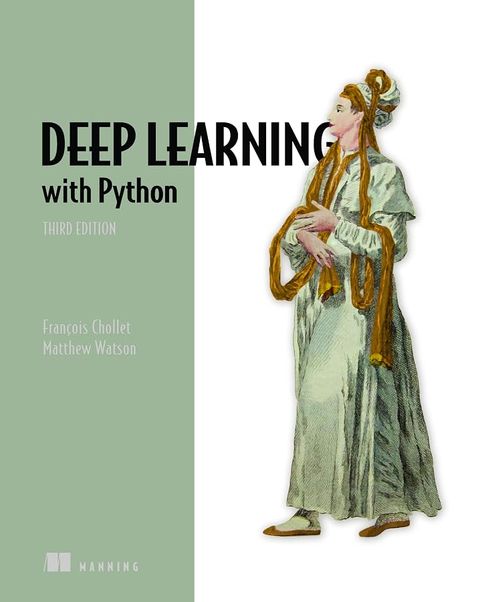
Deep Learning with Python
Among the clearest code-first introductions to deep learning, written by Keras's creator and rebuilt in 2025 for transformers and generative models.
Editorial score: 86.3/100Amazon, Deep Learning with Python (opens Amazon in a new tab) - Rank 74
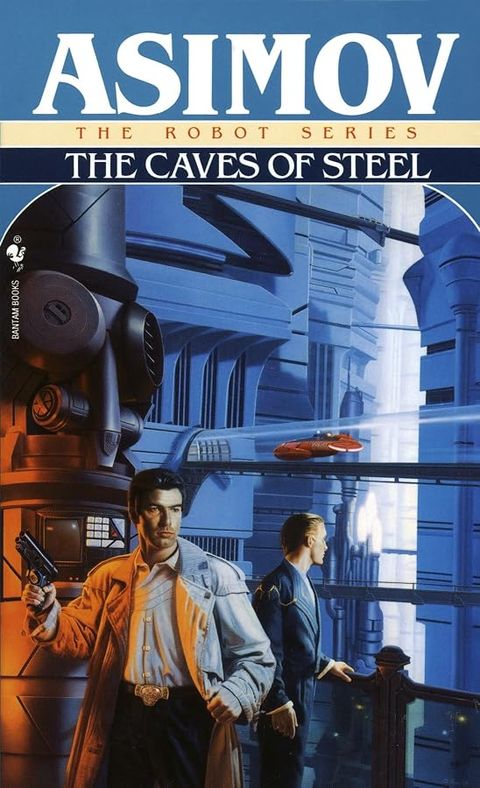
The Caves of Steel
Asimov's founding robot detective novel still offers a clear-eyed look at public fear of automation, wrapped in a tightly built mystery.
Editorial score: 79.5/100Amazon, The Caves of Steel (opens Amazon in a new tab) - Rank 75
The Elements of Statistical Learning
The definitive graduate reference on statistical learning, demanding real mathematical preparation but rewarding it with unmatched depth and clarity of method.
Editorial score: 82.8/100Amazon, The Elements of Statistical Learning (opens Amazon in a new tab) - Rank 76
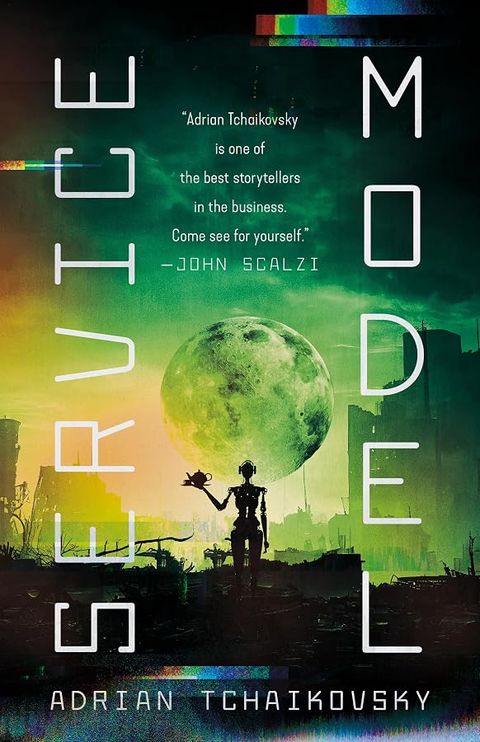
Service Model
A sharp, funny satire in which a robot valet's odyssey through a collapsed society exposes the absurdities of programmed servitude.
Editorial score: 70.5/100Amazon, Service Model (opens Amazon in a new tab) - Rank 77
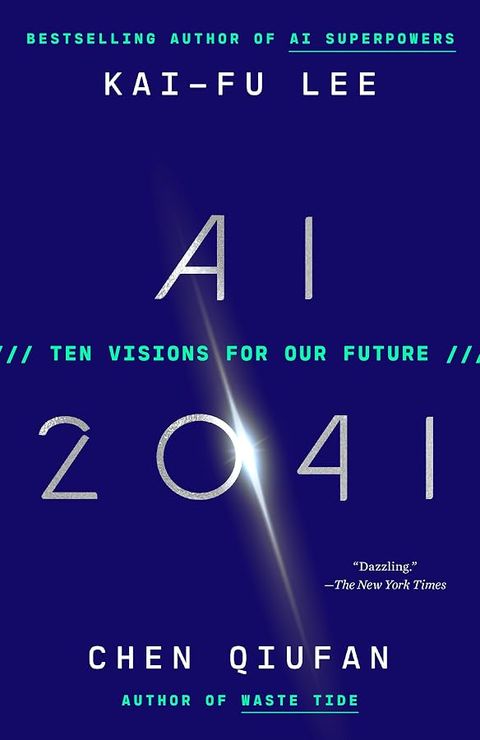
AI 2041
A useful pairing of speculative stories and plain-language technical commentary that makes AI's next two decades concrete for general readers.
Editorial score: 72.3/100Amazon, AI 2041 (opens Amazon in a new tab) - Rank 78
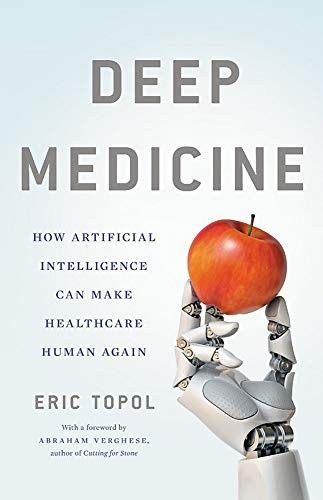
Deep Medicine
A leading physician-scientist's well-documented, hopeful case that AI's greatest medical value lies in restoring clinicians' time with patients.
Editorial score: 74.3/100Amazon, Deep Medicine (opens Amazon in a new tab) - Rank 79
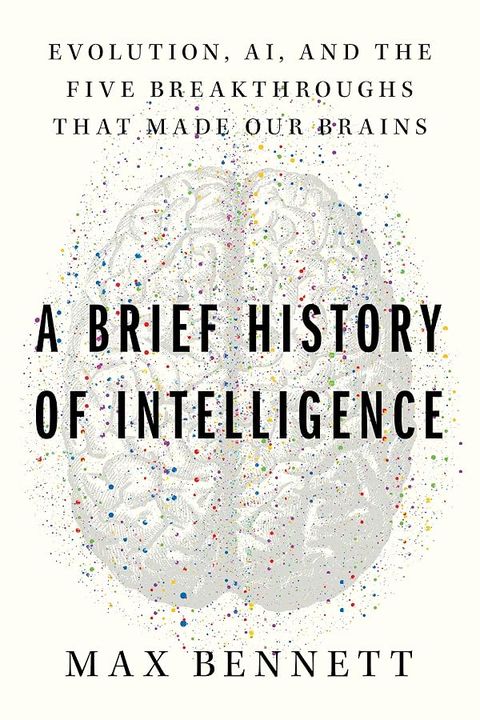
A Brief History of Intelligence
An engaging, well-sourced synthesis of evolutionary neuroscience that explains what brains still do better than today's AI systems.
Editorial score: 70.6/100Amazon, A Brief History of Intelligence (opens Amazon in a new tab) - Rank 80
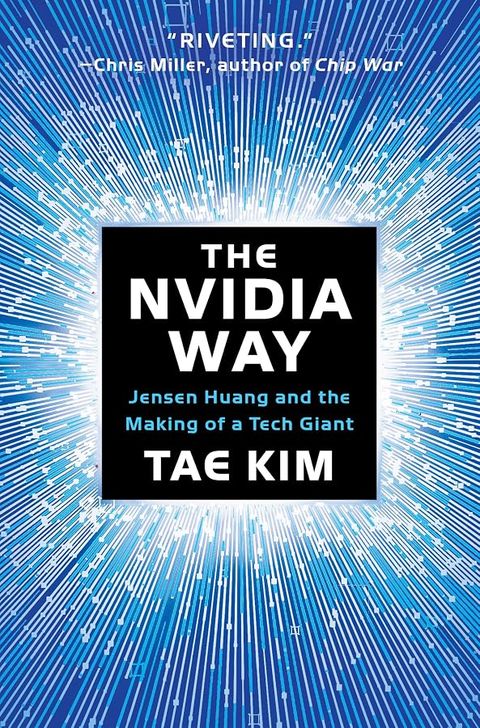
The Nvidia Way
A deeply reported, fast-moving company history that explains how Nvidia's culture and long bets positioned it for the AI boom.
Editorial score: 75.6/100Amazon, The Nvidia Way (opens Amazon in a new tab) - Rank 81
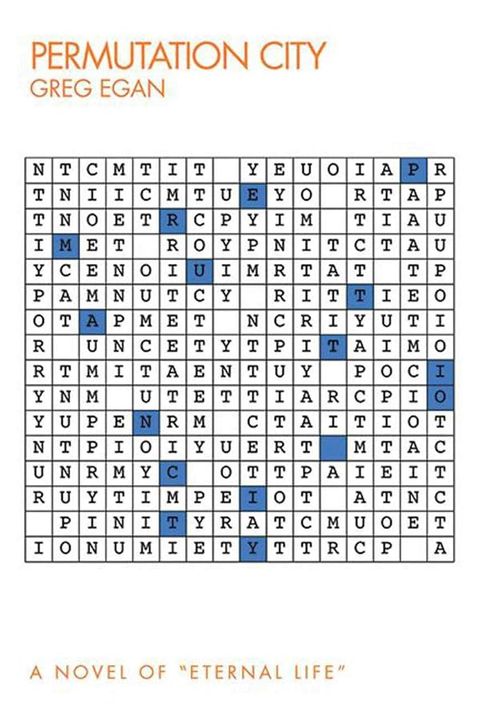
Permutation City
Egan's idea-dense 1994 classic on uploaded minds and simulated worlds remains one of fiction's most rigorous treatments of digital consciousness.
Editorial score: 78.3/100Amazon, Permutation City (opens Amazon in a new tab) - Rank 82
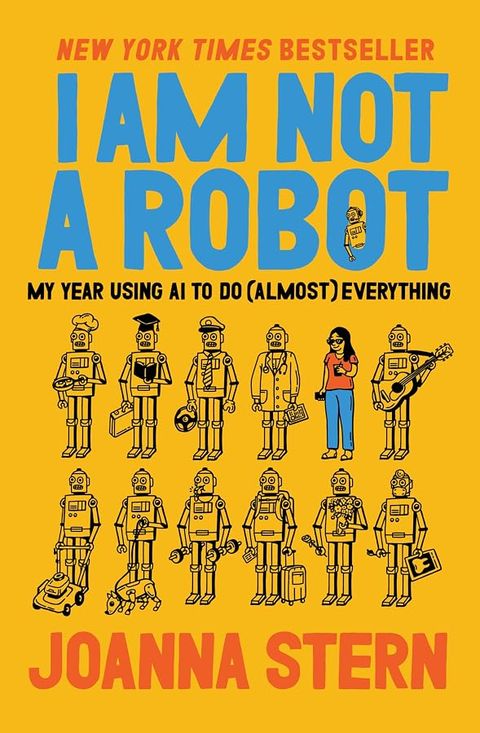
I Am Not a Robot
A funny, well-reported field test of consumer AI that shows where today's tools help, where they fail, and why.
Editorial score: 73.9/100Amazon, I Am Not a Robot (opens Amazon in a new tab) - Rank 83
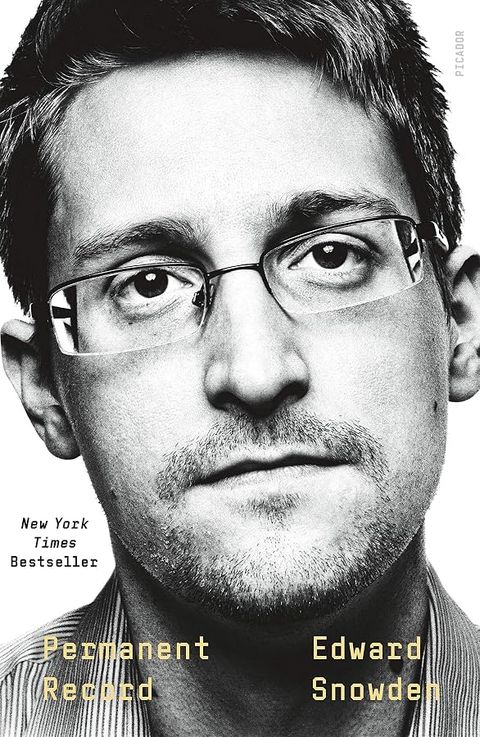
Permanent Record
A vivid insider memoir explaining how bulk surveillance systems work, best read alongside critics who dispute Snowden's choices.
Editorial score: 74.8/100Amazon, Permanent Record (opens Amazon in a new tab) - Rank 84
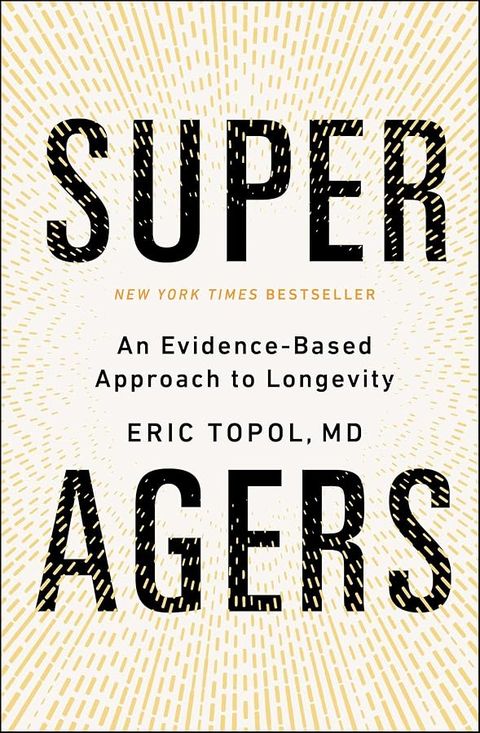
Super Agers
A rigorous, evidence-first guide to healthy aging that treats AI as one tool among many for predicting and preventing chronic disease.
Editorial score: 81.5/100Amazon, Super Agers (opens Amazon in a new tab) - Rank 85
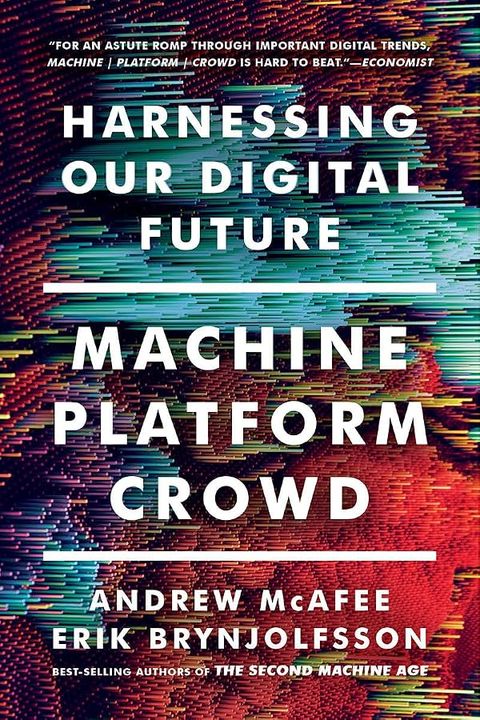
Machine, Platform, Crowd
A clear, case-rich framework for how machine learning, platforms and crowds reshape firms, though its pre-ChatGPT examples have aged.
Editorial score: 74.1/100Amazon, Machine, Platform, Crowd (opens Amazon in a new tab) - Rank 86
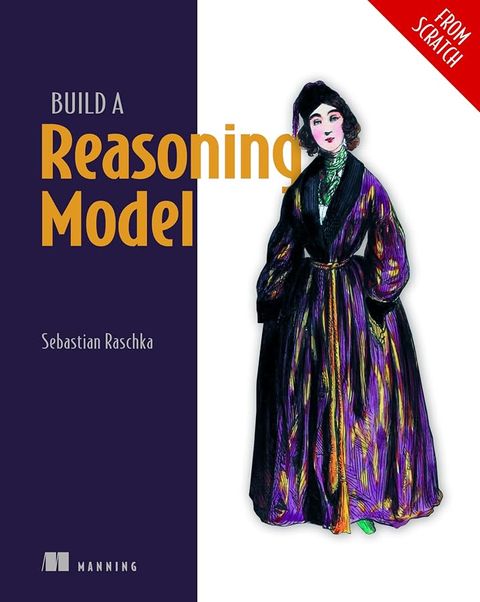
Build a Reasoning Model (From Scratch)
A code-first route to understanding reasoning LLMs, implementing inference-time scaling, GRPO training and distillation step by step in PyTorch.
Editorial score: 82.1/100Amazon, Build a Reasoning Model (From Scratch) (opens Amazon in a new tab) - Rank 87
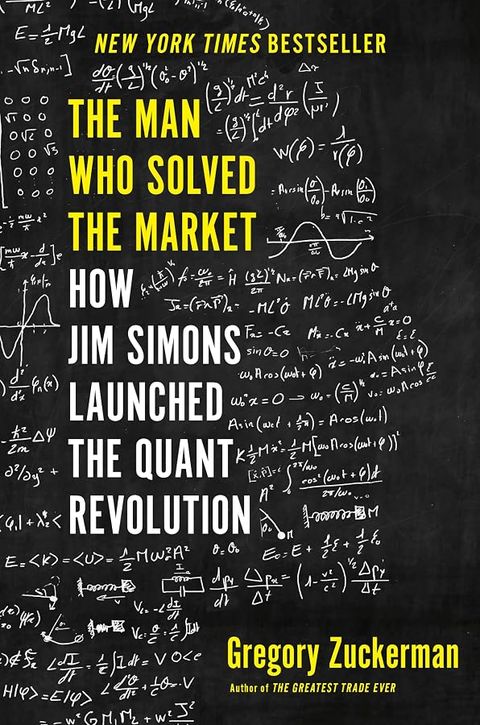
The Man Who Solved the Market
A deeply reported business history of Renaissance Technologies that shows how data-driven modeling transformed investing, though it reveals few methods.
Editorial score: 69.1/100Amazon, The Man Who Solved the Market (opens Amazon in a new tab) - Rank 88
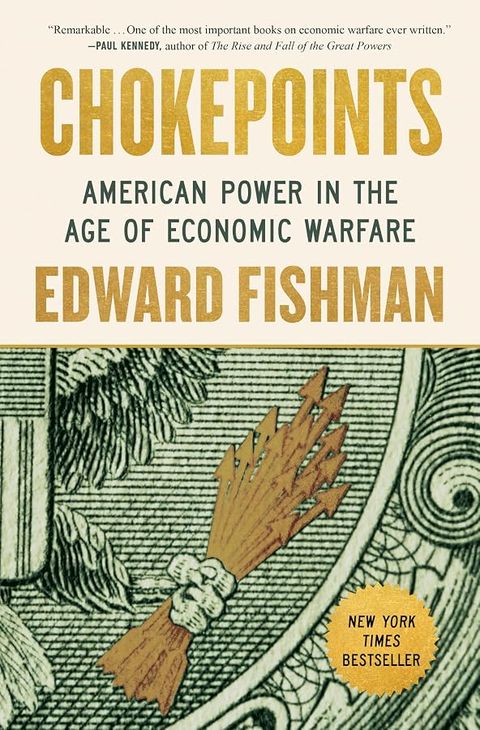
Chokepoints
A vivid insider history of American sanctions and export controls that explains why semiconductors became a front line of geopolitical competition.
Editorial score: 79.1/100Amazon, Chokepoints (opens Amazon in a new tab) - Rank 89
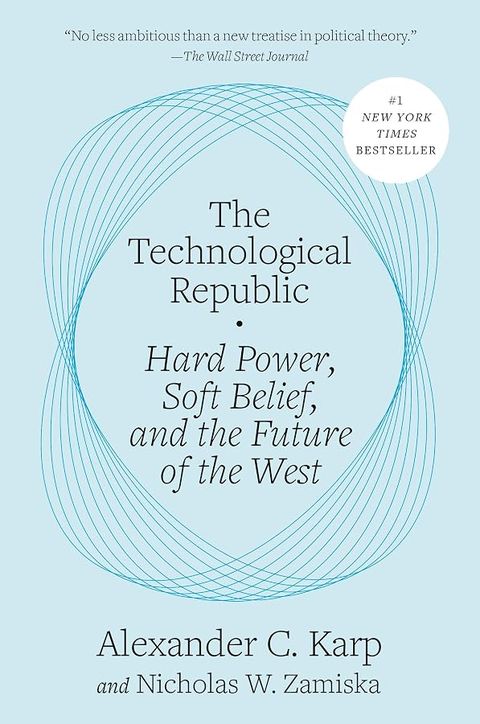
The Technological Republic
A forceful, contested manifesto from Palantir's CEO urging Silicon Valley to rebuild its partnership with government on defense and AI.
Editorial score: 75.6/100Amazon, The Technological Republic (opens Amazon in a new tab) - Rank 90
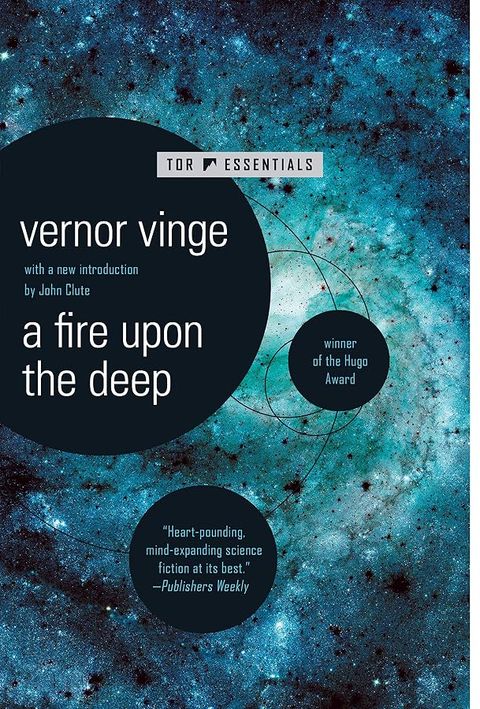
A Fire Upon the Deep
A Hugo-winning space opera that remains one of fiction's most vivid portrayals of a hostile superintelligence awakened by accident.
Editorial score: 78.1/100Amazon, A Fire Upon the Deep (opens Amazon in a new tab) - Rank 91
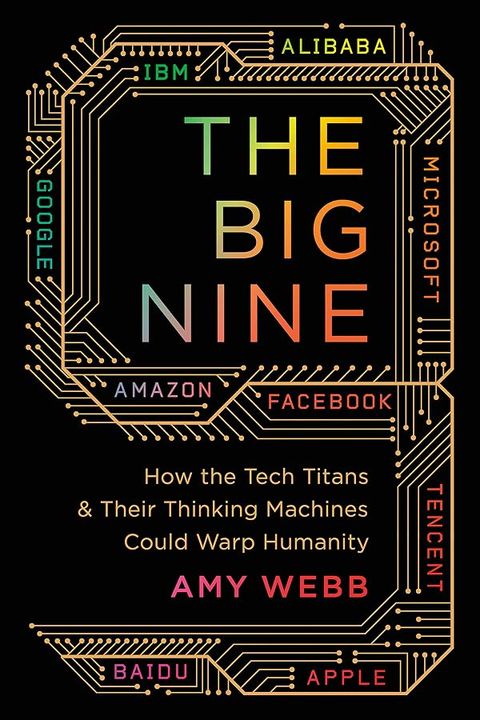
The Big Nine
A clear, scenario-driven warning about corporate and state concentration in AI, now best read as a 2019 baseline.
Editorial score: 61.8/100Amazon, The Big Nine (opens Amazon in a new tab) - Rank 92
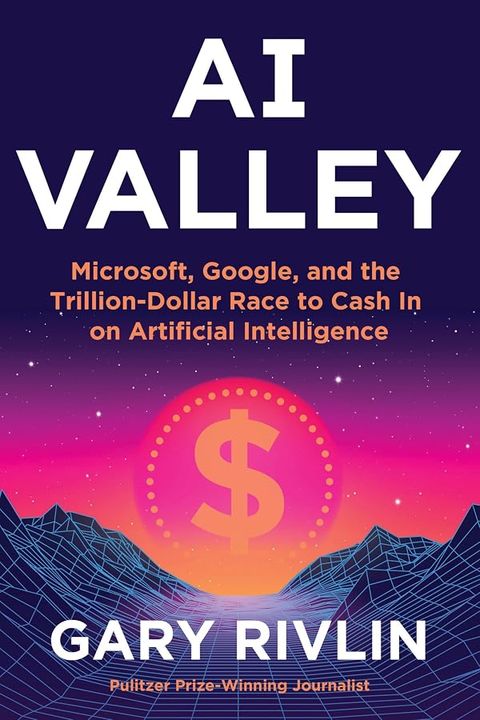
AI Valley
A well-sourced, character-driven chronicle of the generative AI gold rush, strongest on Inflection AI and venture money, thinner elsewhere.
Editorial score: 65.0/100Amazon, AI Valley (opens Amazon in a new tab) - Rank 93
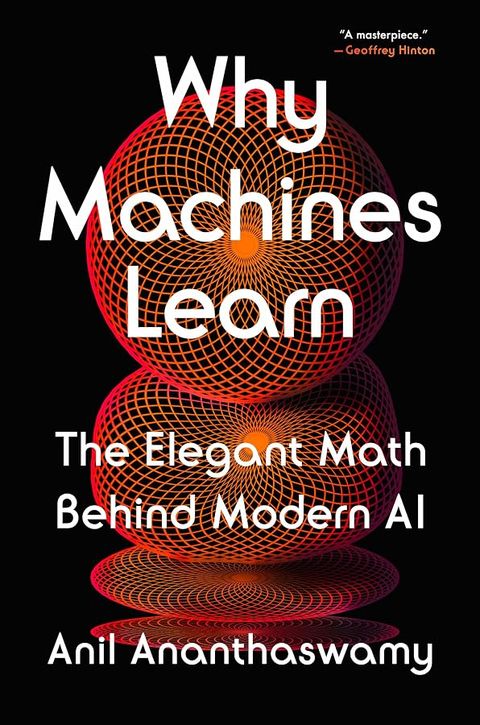
Why Machines Learn
A rare bridge between popular AI writing and textbooks that teaches the actual mathematics of machine learning through its history.
Editorial score: 74.8/100Amazon, Why Machines Learn (opens Amazon in a new tab) - Rank 94
Pattern Recognition and Machine Learning
The standard Bayesian machine learning textbook: rigorous, carefully organized and still the reference for probabilistic modeling twenty years after publication.
Editorial score: 82.8/100Amazon, Pattern Recognition and Machine Learning (opens Amazon in a new tab) - Rank 95
How the Mind Works
Pinker's case that the mind is an evolved system of computational modules remains a lucid, contested classic of popular cognitive science.
Editorial score: 77.8/100Amazon, How the Mind Works (opens Amazon in a new tab) - Rank 96
The Scaling Era
A well-edited oral history that lets the builders and critics of large language models explain the scaling bet in their own words.
Editorial score: 70.1/100Amazon, The Scaling Era (opens Amazon in a new tab) - Rank 97
A Giant Leap
A clinician-insider's evenhanded account of generative AI entering medicine, strongest on workflow, trust and deskilling, lighter on healthcare politics.
Editorial score: 79.4/100Amazon, A Giant Leap (opens Amazon in a new tab) - Rank 98
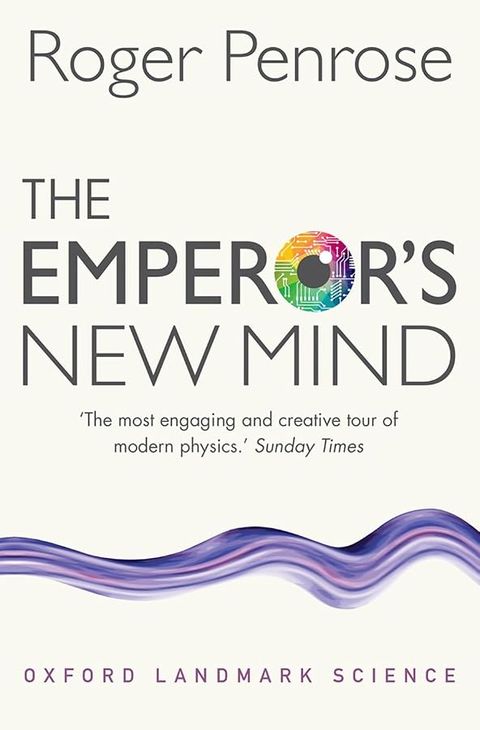
The Emperor's New Mind
A demanding, wide-ranging argument that human understanding is not computable, still central to debates over what machines can know.
Editorial score: 71.3/100Amazon, The Emperor's New Mind (opens Amazon in a new tab) - Rank 99
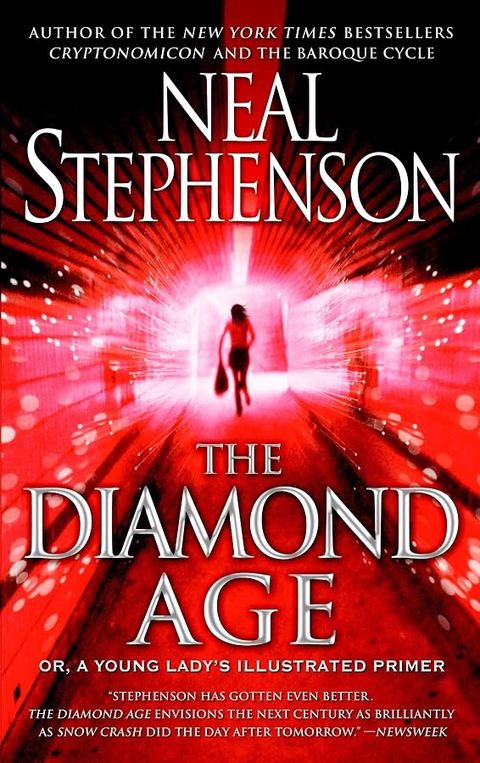
The Diamond Age
Stephenson's Hugo-winning novel about AI-driven education, and a widely cited fictional blueprint for a personalized machine tutor.
Editorial score: 76.8/100Amazon, The Diamond Age (opens Amazon in a new tab) - Rank 100
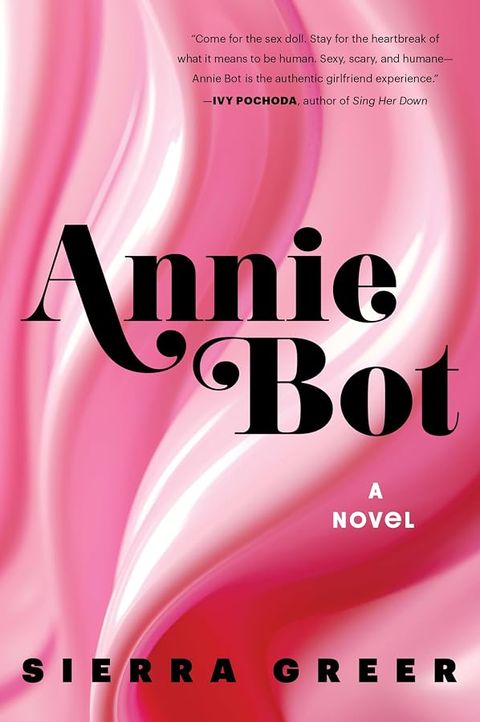
Annie Bot
A tense, intimate novel that uses a robot companion to examine control, consent and what a created mind is owed.
Editorial score: 71.1/100Amazon, Annie Bot (opens Amazon in a new tab)