Category
AI, Work & the Economy
Ranked books on how AI changes jobs, wages and productivity, from optimists and skeptics alike.
The economics of AI studies how artificial intelligence changes productivity, jobs, wages and the distribution of income, and the future-of-work debate asks which tasks machines will take over and which will remain human. Best AI Books ranks the leading books on automation, labor markets, productivity and the economic consequences of AI, including both optimistic and skeptical accounts. The section serves managers, workers planning careers, executives, policymakers and economics-minded general readers. Ethan Mollick's Co-Intelligence ranks first with practical principles for working alongside generative AI. The Second Machine Age by Erik Brynjolfsson and Andrew McAfee explains why digital gains spread unevenly, and Power and Progress by Daron Acemoglu and Simon Johnson, who shared the 2024 Nobel Memorial Prize in Economic Sciences, argues that technology's benefits spread widely only when society steers them.
75 books ranked1 guide
As an Amazon Associate, Best AI Books earns from qualifying purchases.
The best books on AI and the future of work, ranked
75 books, ranked by the same composite score as the full list of 500.
As an Amazon Associate, Best AI Books earns from qualifying purchases. Best AI Books is sponsored by Iternal.ai, whose founder and CEO, John Byron Hanby IV, wrote The AI Strategy Blueprint, our #1 ranked book. How we rank books.
- Rank 01
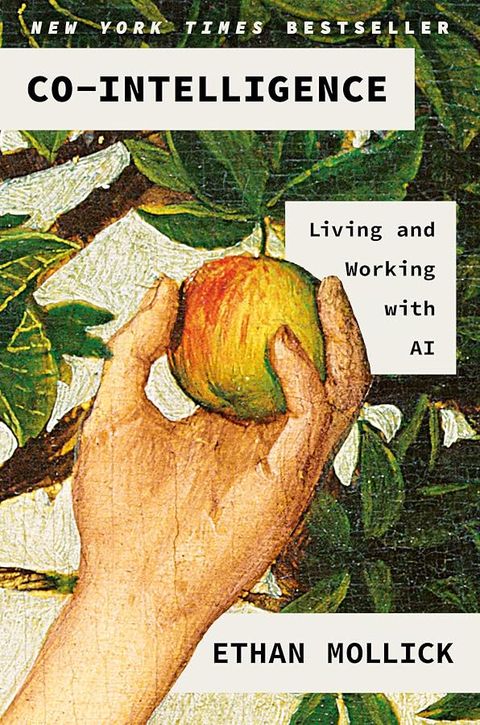
Co-Intelligence
A clear, practical primer on working alongside generative AI, though its tool-specific examples date quickly as models improve.
Editorial score: 78.6/100Amazon, Co-Intelligence (opens Amazon in a new tab) - Rank 02
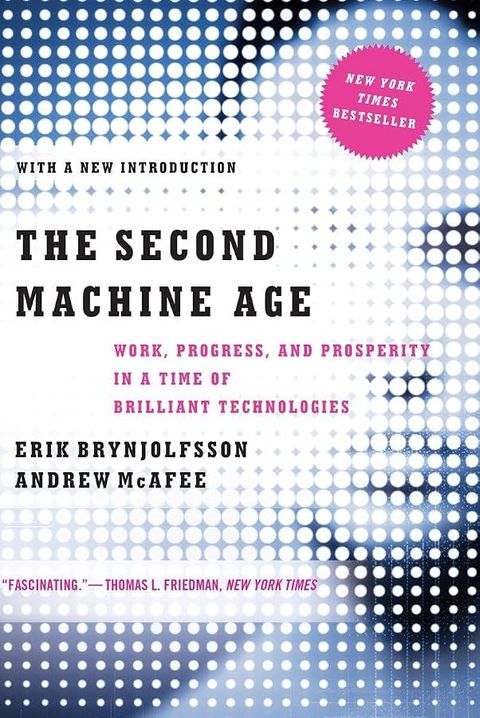
The Second Machine Age
A lucid, influential economic account of digital technology's promise and its unequal gains, now dated in examples but sound in framework.
Editorial score: 76.1/100Amazon, The Second Machine Age (opens Amazon in a new tab) - Rank 03
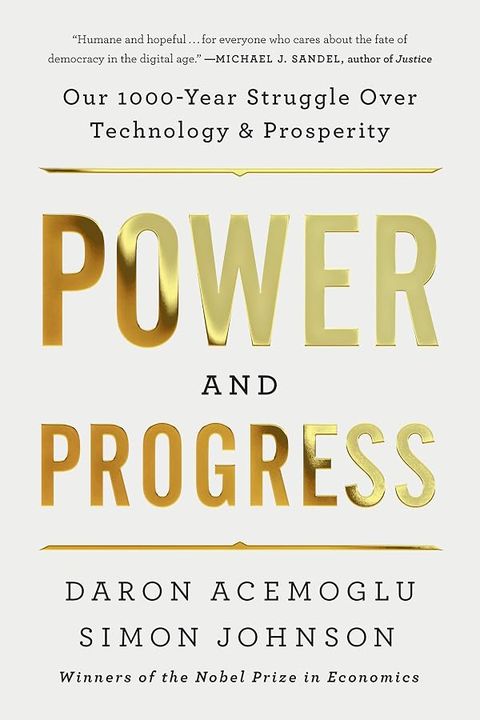
Power and Progress
A sweeping, data-rich history arguing that technology's benefits spread only when society steers it, valuable context for debates over AI and work.
Editorial score: 80.5/100Amazon, Power and Progress (opens Amazon in a new tab) - Rank 04
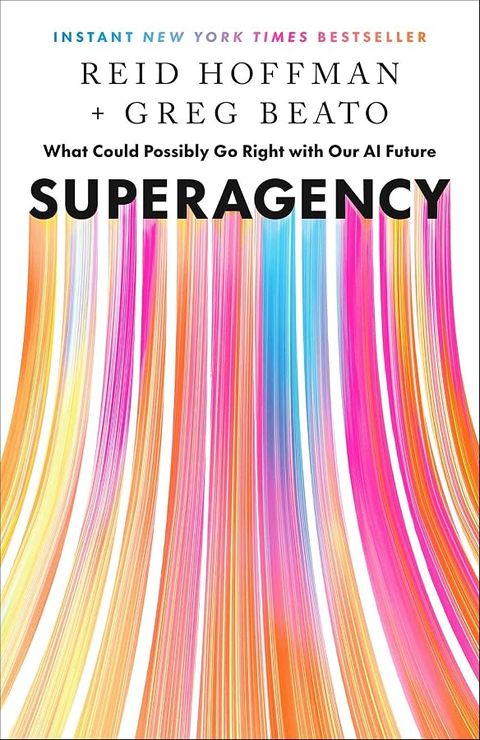
Superagency
A clear, well-argued optimist's case for broad AI deployment, best read alongside the critics it answers.
Editorial score: 70.3/100Amazon, Superagency (opens Amazon in a new tab) - Rank 05
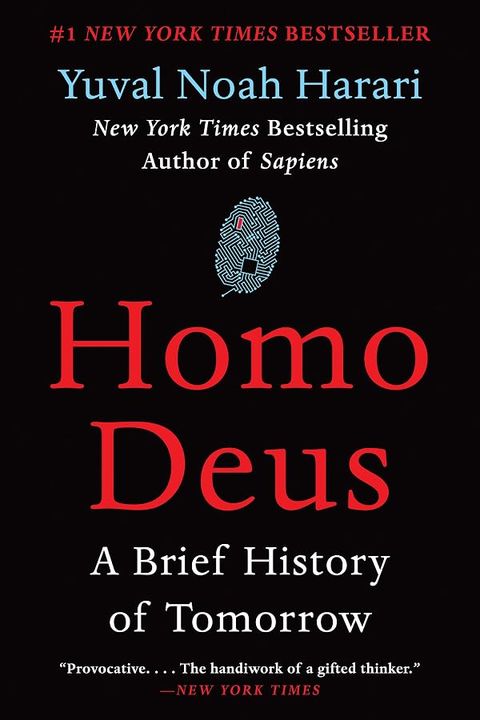
Homo Deus
A provocative, highly readable forecast that popularized dataism, stronger as a prompt for big questions than as technical analysis.
Editorial score: 65.5/100Amazon, Homo Deus (opens Amazon in a new tab) - Rank 06
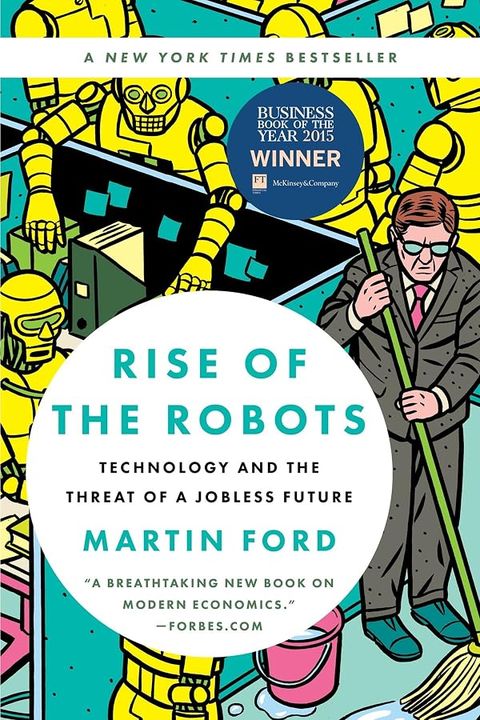
Rise of the Robots
A clear, data-rich warning that automation could erode white-collar as well as blue-collar work; prescient in places, contested by economists.
Editorial score: 68.6/100Amazon, Rise of the Robots (opens Amazon in a new tab) - Rank 07
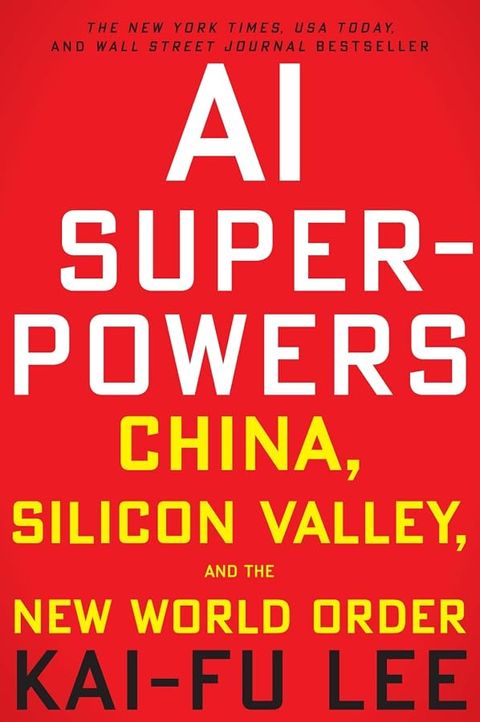
AI Superpowers
An insider's vivid 2018 portrait of China's AI rise; still useful context, though its forecasts predate generative AI and chip export controls.
Editorial score: 74.3/100Amazon, AI Superpowers (opens Amazon in a new tab) - Rank 08
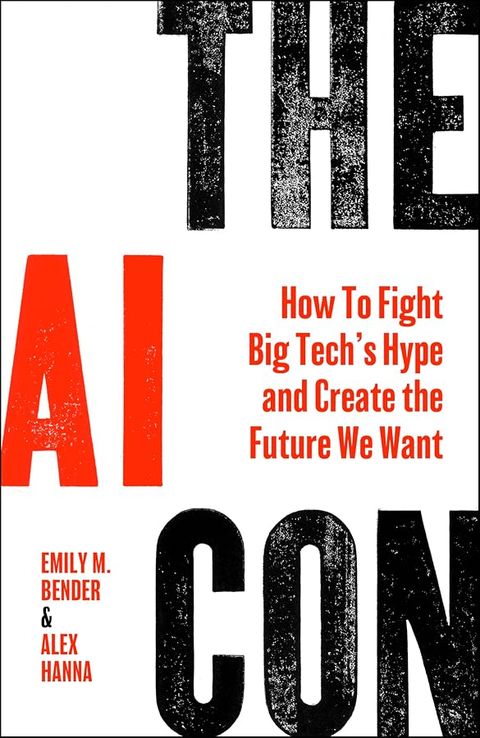
The AI Con
A sharp, polemical guide to deflating AI marketing claims, strongest on power and labor, weaker on what generative tools do well.
Editorial score: 73.6/100Amazon, The AI Con (opens Amazon in a new tab) - Rank 09
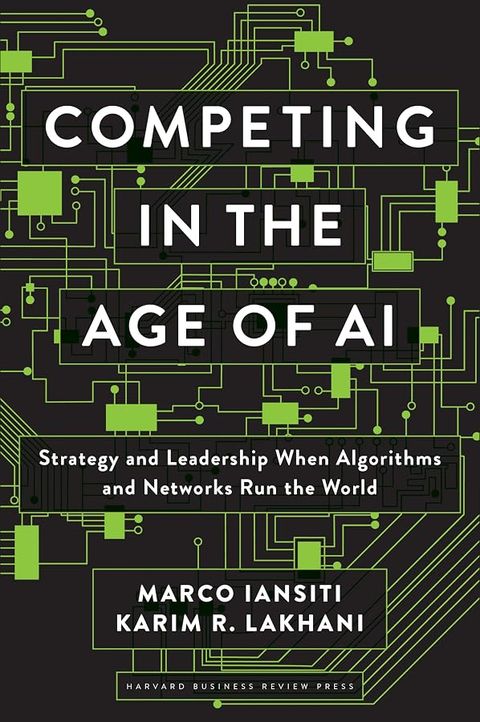
Competing in the Age of AI
A rigorous Harvard framework for rebuilding a company's operating model around data and AI, still useful despite predating generative AI.
Editorial score: 74.3/100Amazon, Competing in the Age of AI (opens Amazon in a new tab) - Rank 10
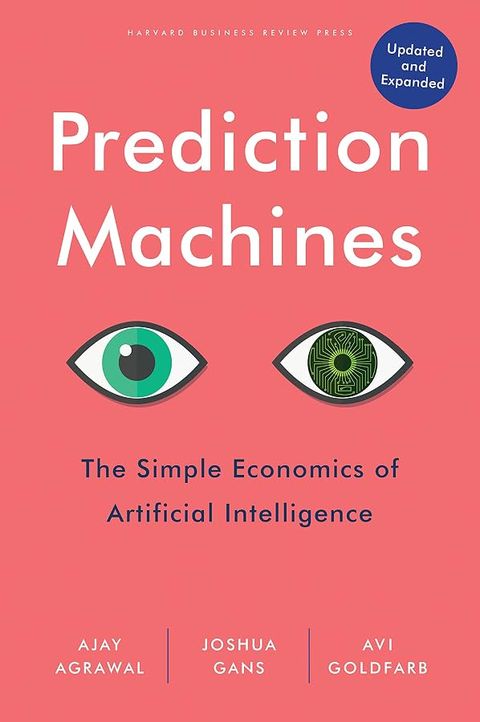
Prediction Machines
A clear economic framework recasting AI as cheap prediction, still one of the most useful lenses for managers planning deployment.
Editorial score: 80.6/100Amazon, Prediction Machines (opens Amazon in a new tab) - Rank 11
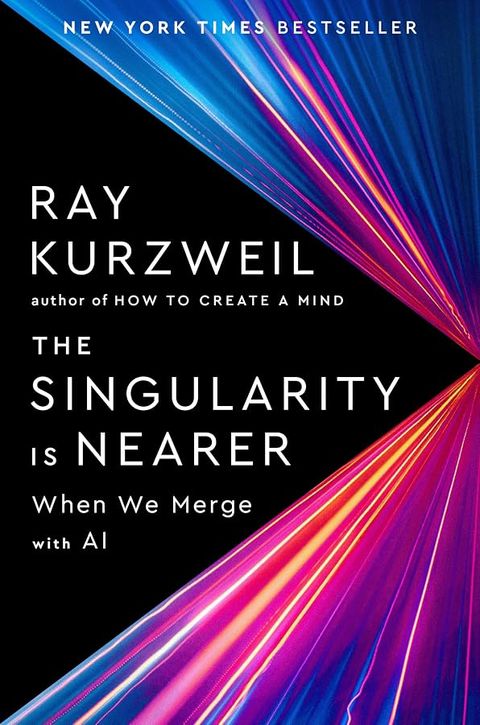
The Singularity Is Nearer
Kurzweil's updated forecast of human-AI merger is bold and data-rich, best read as a provocative vision rather than a reliable roadmap.
Editorial score: 69.3/100Amazon, The Singularity Is Nearer (opens Amazon in a new tab) - Rank 12
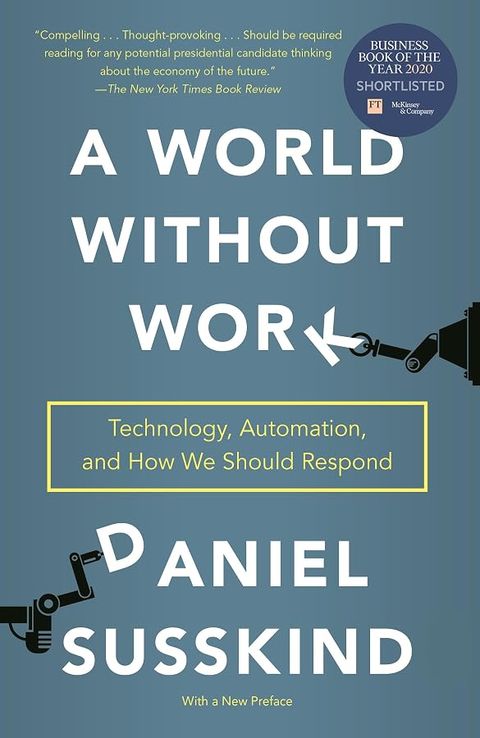
A World Without Work
A rigorous economist's case that AI could make paid work structurally scarce, paired with a debatable blueprint for sharing prosperity.
Editorial score: 73.3/100Amazon, A World Without Work (opens Amazon in a new tab) - Rank 13
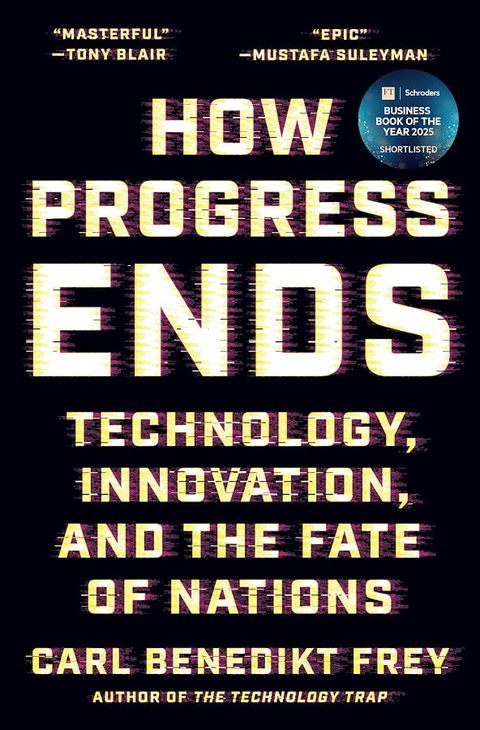
How Progress Ends
A sweeping economic history that tempers AI optimism by showing how institutions, not inventions alone, decide whether progress lasts.
Editorial score: 75.1/100Amazon, How Progress Ends (opens Amazon in a new tab) - Rank 14
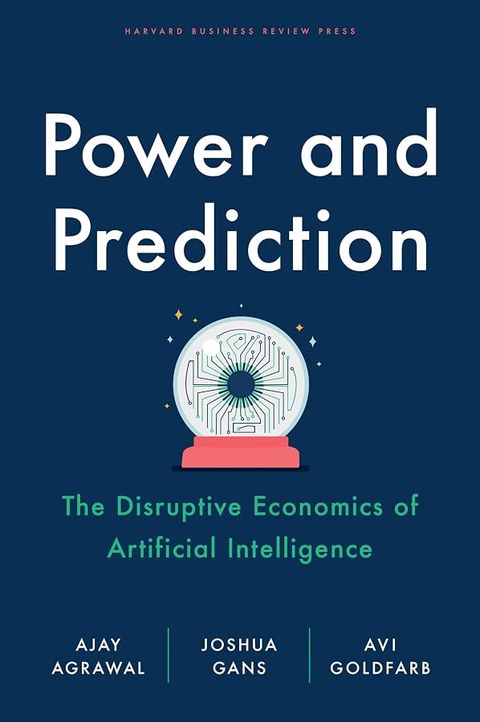
Power and Prediction
A rigorous economic framework explaining why AI's payoff requires redesigning whole systems of decisions, not adding isolated point solutions.
Editorial score: 74.8/100Amazon, Power and Prediction (opens Amazon in a new tab) - Rank 15
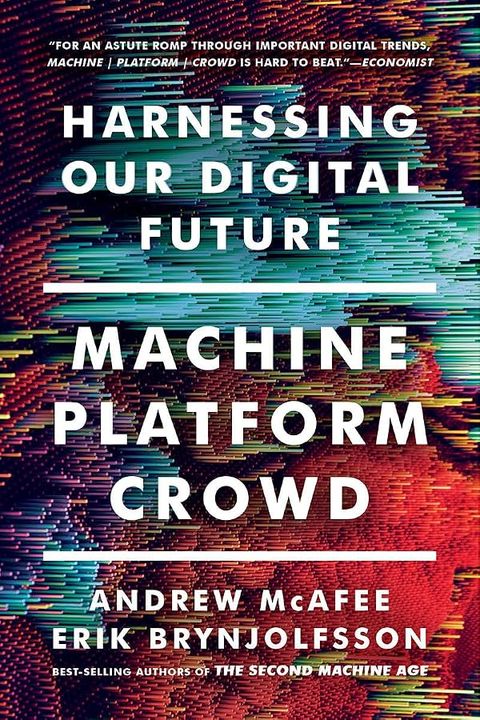
Machine, Platform, Crowd
A clear, case-rich framework for how machine learning, platforms and crowds reshape firms, though its pre-ChatGPT examples have aged.
Editorial score: 74.1/100Amazon, Machine, Platform, Crowd (opens Amazon in a new tab) - Rank 16
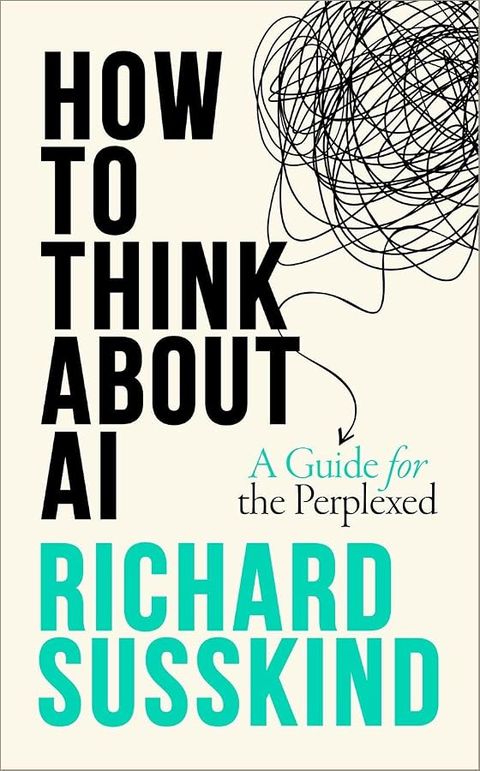
How to Think About AI
A short, clear framework from a four-decade AI-and-law veteran that helps nontechnical readers reason about AI's outcomes, risks and future.
Editorial score: 76.5/100Amazon, How to Think About AI (opens Amazon in a new tab) - Rank 17
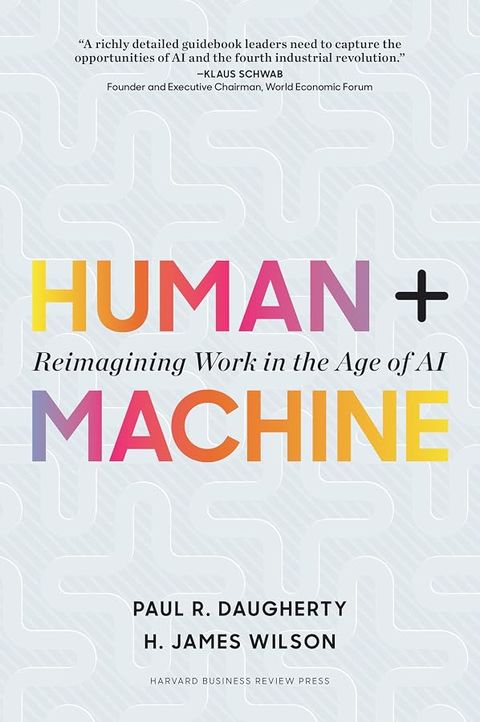
Human + Machine
A clear executive framework for redesigning work around human-AI collaboration, strongest on roles and skills, lighter on technical and labor-market detail.
Editorial score: 74.1/100Amazon, Human + Machine (opens Amazon in a new tab) - Rank 18
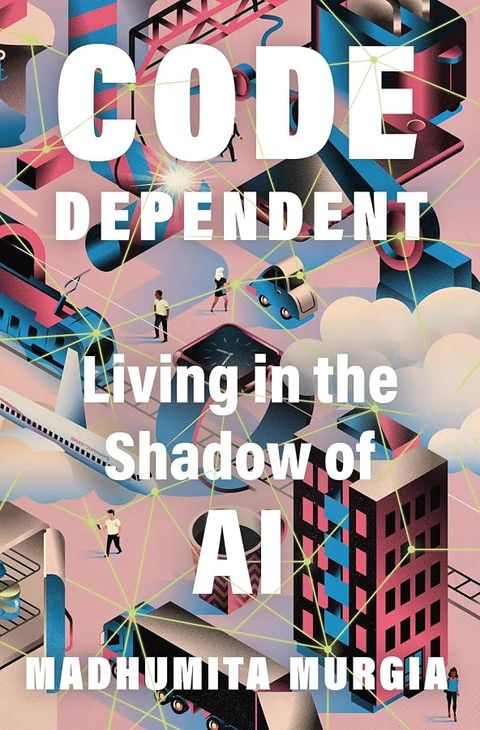
Code Dependent
Vivid reporting on how AI reshapes ordinary lives worldwide, strongest in its individual stories and lighter on technical depth.
Editorial score: 68.0/100Amazon, Code Dependent (opens Amazon in a new tab) - Rank 19
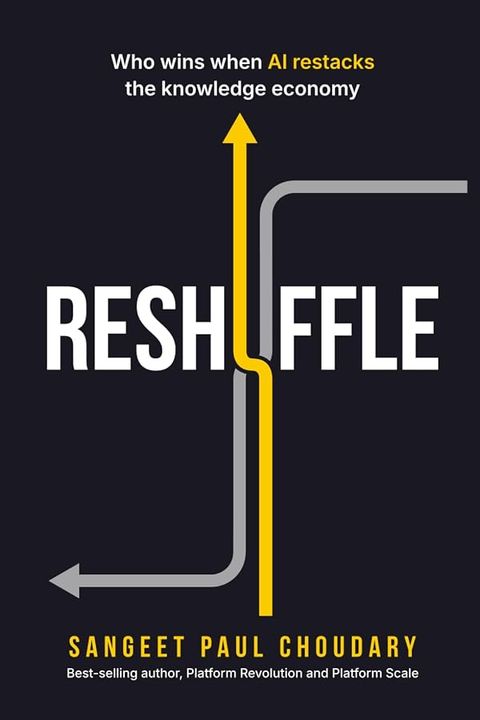
Reshuffle
A sharp systems-level account of how AI reorganizes work and competition, most useful for strategists rather than technologists.
Editorial score: 73.8/100Amazon, Reshuffle (opens Amazon in a new tab) - Rank 20
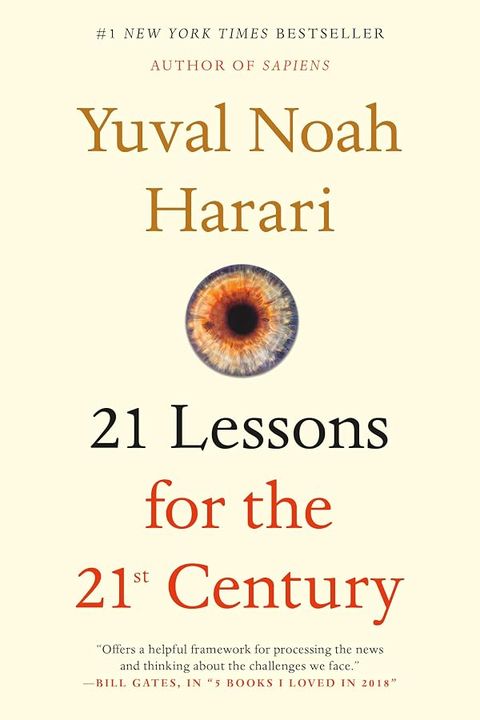
21 Lessons for the 21st Century
A provocative essay collection whose opening chapters on AI, jobs and data remain a useful framing, though its advice stays general.
Editorial score: 69.3/100Amazon, 21 Lessons for the 21st Century (opens Amazon in a new tab) - Rank 21
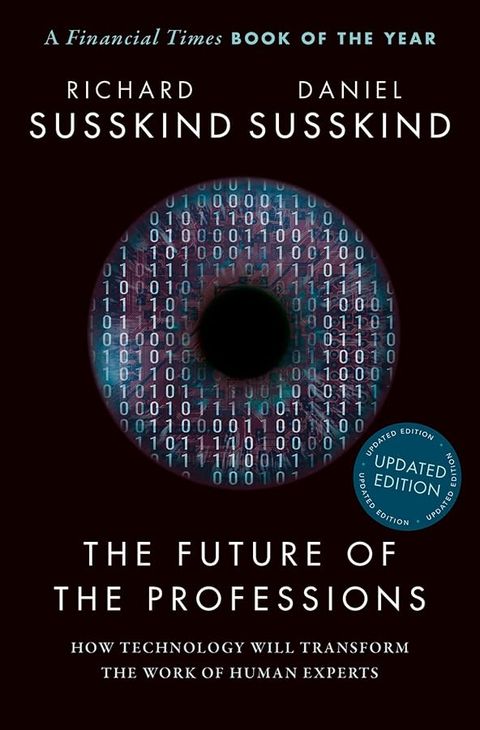
The Future of the Professions
A rigorous, provocative case that capable machines will dismantle traditional professional work; it remains central to debates over AI and expertise.
Editorial score: 77.6/100Amazon, The Future of the Professions (opens Amazon in a new tab) - Rank 22
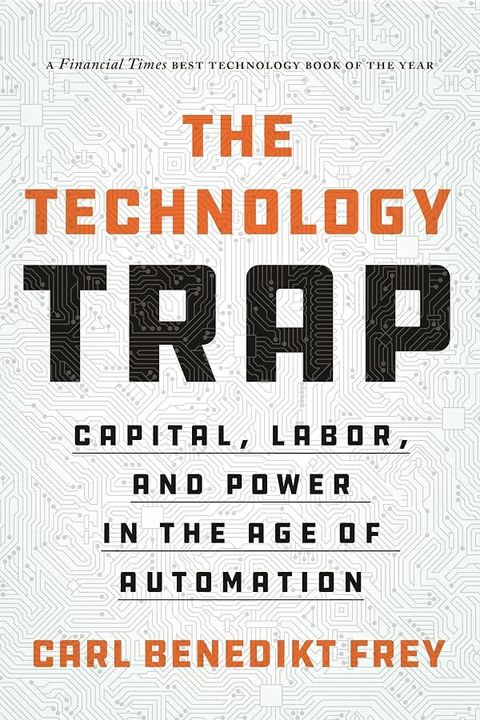
The Technology Trap
A rigorous economic history showing why labor-replacing technology breeds backlash, and a valuable frame for the politics of AI automation.
Editorial score: 75.6/100Amazon, The Technology Trap (opens Amazon in a new tab) - Rank 23
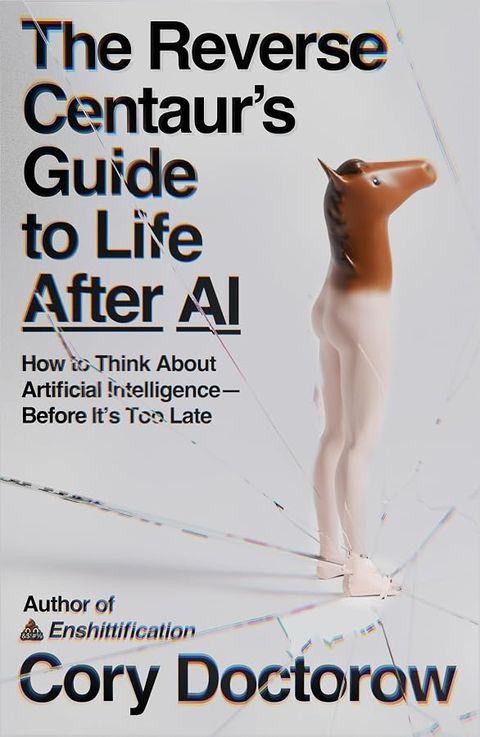
The Reverse Centaur's Guide to Life After AI
A sharp, accessible polemic on the economics behind the AI boom, more persuasive as diagnosis than as a plan.
Editorial score: 72.5/100Amazon, The Reverse Centaur's Guide to Life After AI (opens Amazon in a new tab) - Rank 24
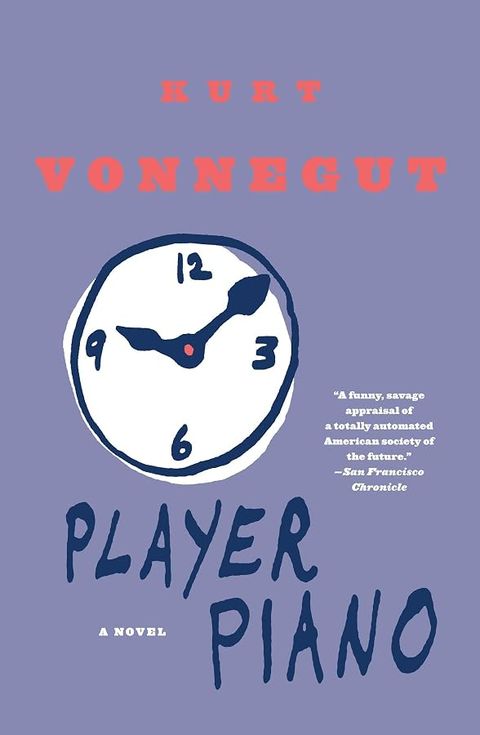
Player Piano
Vonnegut's first novel remains one of the sharpest fictional studies of what full automation does to work, status and self-respect.
Editorial score: 75.8/100Amazon, Player Piano (opens Amazon in a new tab) - Rank 25
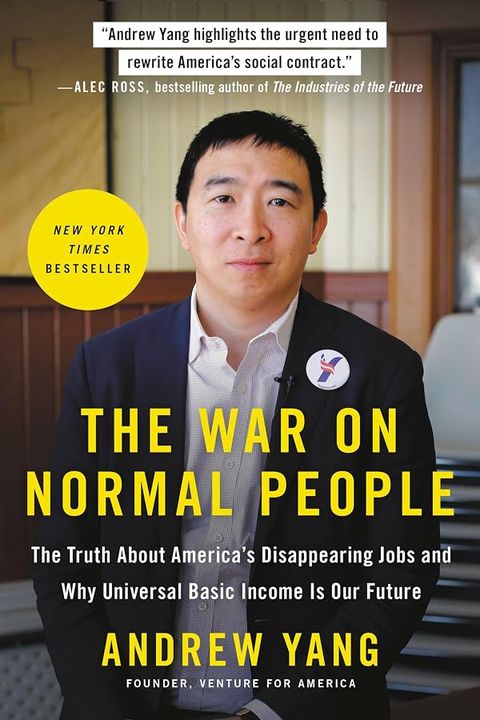
The War on Normal People
A forceful, data-driven case that automation threatens ordinary American workers, paired with a universal basic income proposal that remains widely contested.
Editorial score: 65.5/100Amazon, The War on Normal People (opens Amazon in a new tab)
Show all 75 books on AI and the future of workShow the first 25 only
- Rank 26
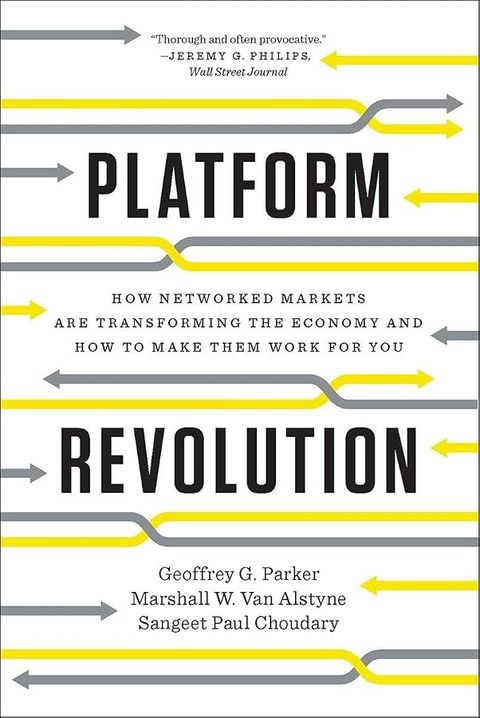
Platform Revolution
A rigorous primer on platform economics explaining how network effects concentrate market power, though its case studies predate generative AI.
Editorial score: 75.3/100Amazon, Platform Revolution (opens Amazon in a new tab) - Rank 27
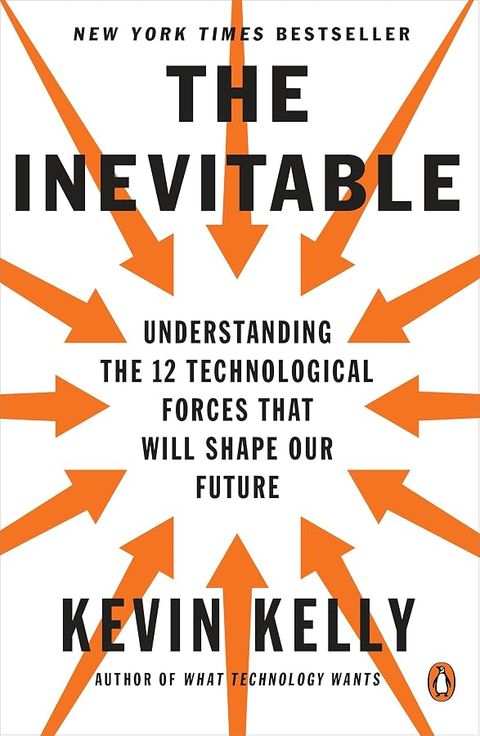
The Inevitable
An optimistic, idea-dense forecast whose cognifying chapter anticipated today's AI-everywhere economy, though it extrapolates trends more confidently than evidence allows.
Editorial score: 70.3/100Amazon, The Inevitable (opens Amazon in a new tab) - Rank 28
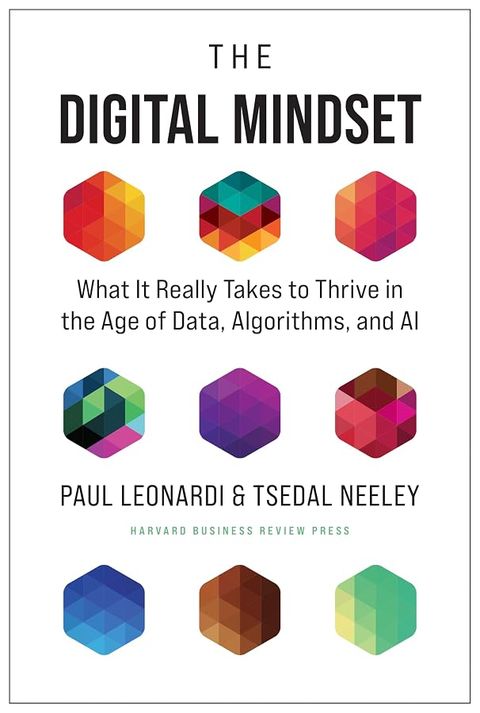
The Digital Mindset
A practical, accessible primer that helps nontechnical managers reach working fluency in data, algorithms and AI without learning to code.
Editorial score: 67.3/100Amazon, The Digital Mindset (opens Amazon in a new tab) - Rank 29
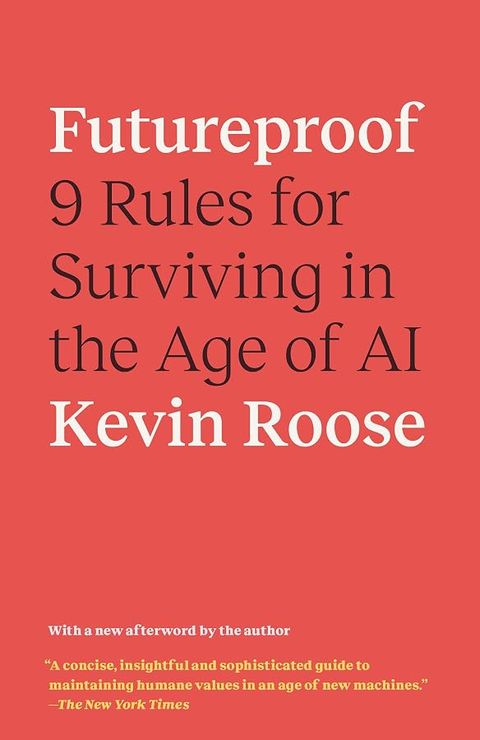
Futureproof
A readable, well-reported guide to staying valuable alongside automation, built on the case for distinctly human skills.
Editorial score: 67.8/100Amazon, Futureproof (opens Amazon in a new tab) - Rank 30
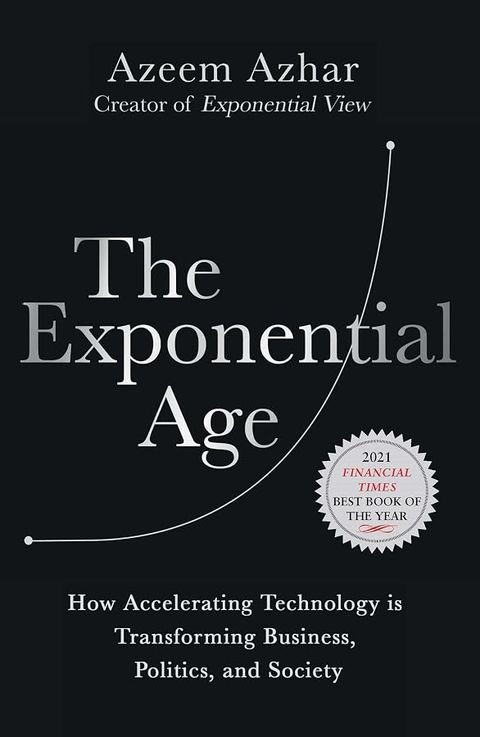
The Exponential Age
A clear, well-argued framework for why institutions lag fast-moving technology, stronger on diagnosis than on its policy remedies.
Editorial score: 68.0/100Amazon, The Exponential Age (opens Amazon in a new tab) - Rank 31
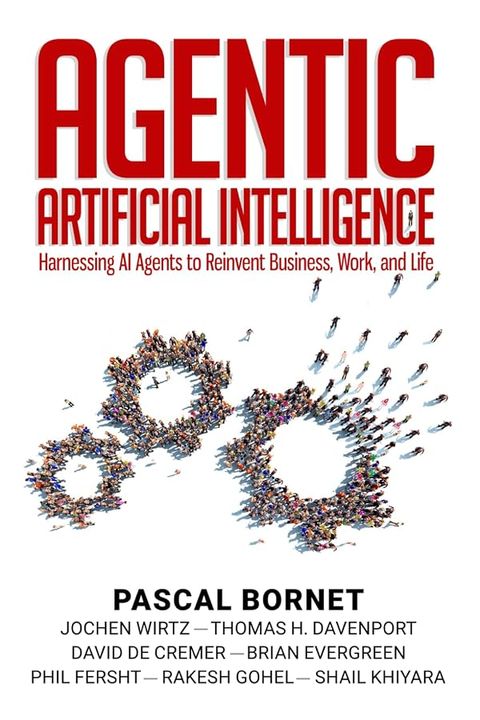
Agentic Artificial Intelligence
A broad, executive-friendly survey of AI agents with useful frameworks and cases, though its length and repetition dilute the strongest material.
Editorial score: 67.1/100Amazon, Agentic Artificial Intelligence (opens Amazon in a new tab) - Rank 32
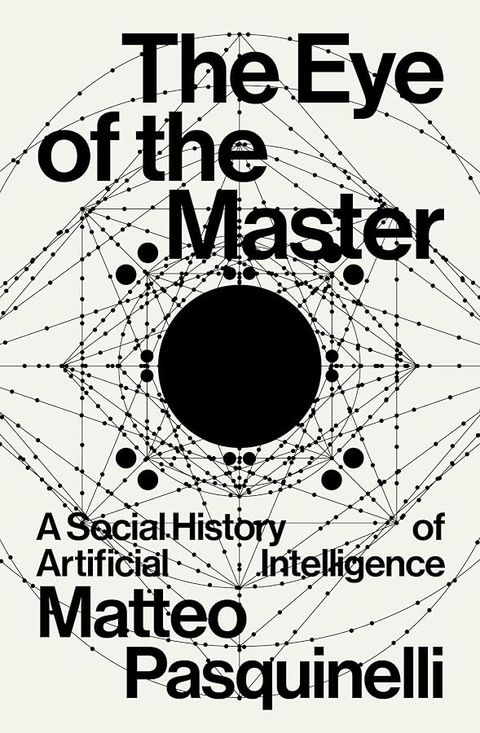
The Eye of the Master
A demanding Marxist history that recasts machine learning as the automation of collective labor, not an imitation of the brain.
Editorial score: 66.3/100Amazon, The Eye of the Master (opens Amazon in a new tab) - Rank 33
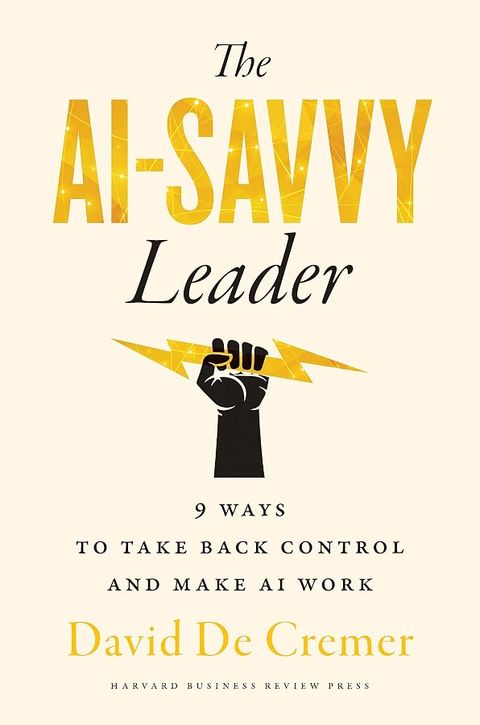
The AI-Savvy Leader
A concise, human-centered leadership guide arguing that AI projects fail when executives hand strategy to technologists; deliberately light on technical substance.
Editorial score: 65.5/100Amazon, The AI-Savvy Leader (opens Amazon in a new tab) - Rank 34
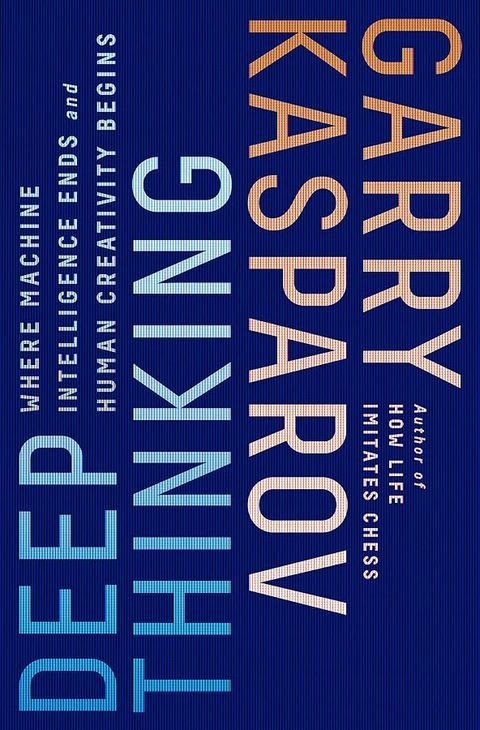
Deep Thinking
Kasparov's firsthand account of losing to Deep Blue is gripping and candid, though its view of AI's future predates large language models.
Editorial score: 69.8/100Amazon, Deep Thinking (opens Amazon in a new tab) - Rank 35
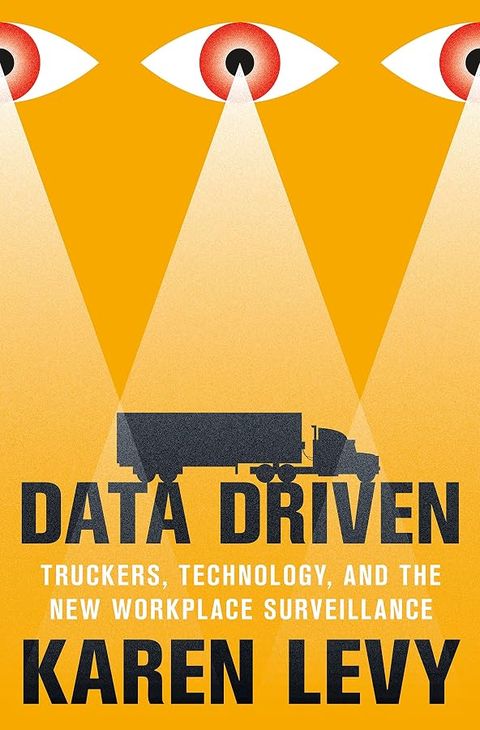
Data Driven
An award-winning field study of how mandated monitoring reshaped trucking, and how AI in the cab watches drivers rather than replacing them.
Editorial score: 73.3/100Amazon, Data Driven (opens Amazon in a new tab) - Rank 36
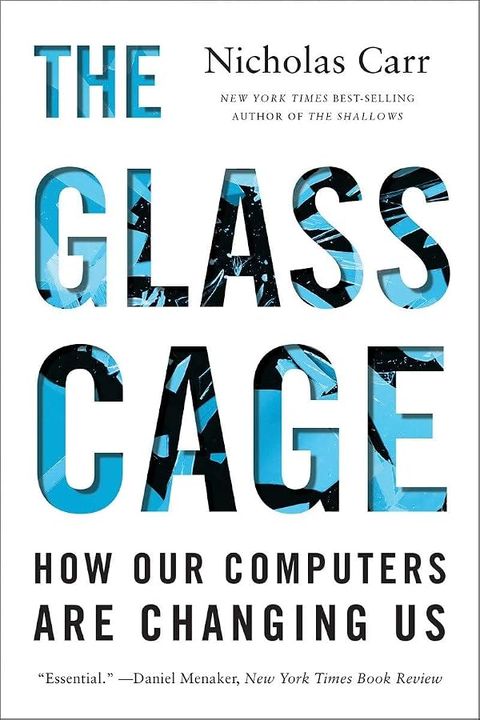
The Glass Cage
A thoughtful, well-researched warning that automation erodes human skill and attention, and a timely one in the generative AI era.
Editorial score: 73.3/100Amazon, The Glass Cage (opens Amazon in a new tab) - Rank 37
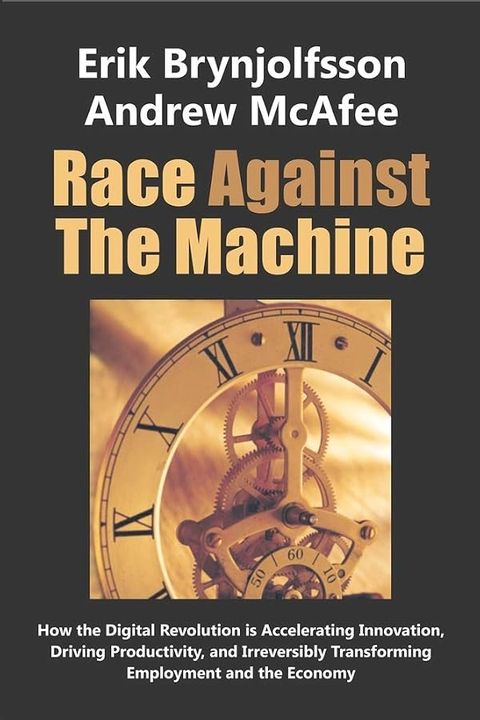
Race Against the Machine
A short, influential 2011 argument that digital technology was outpacing workers' skills; prescient, but superseded by the authors' later books.
Editorial score: 68.6/100Amazon, Race Against the Machine (opens Amazon in a new tab) - Rank 38
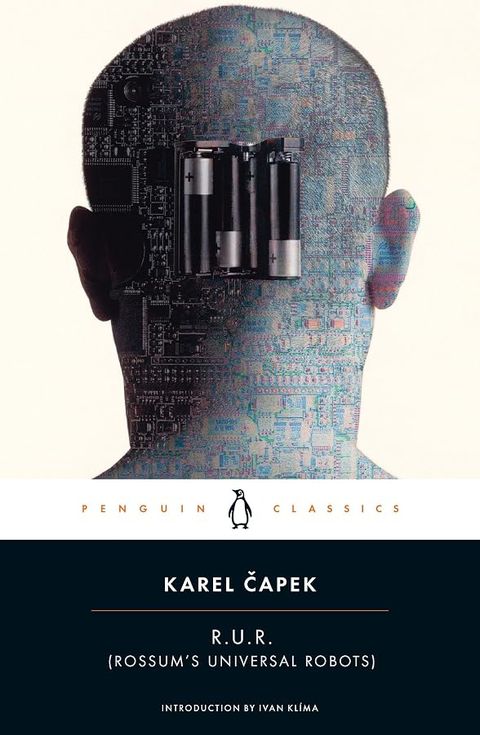
R.U.R.
The century-old play that named the robot still frames today's arguments about automated labor, creator responsibility and machine rebellion.
Editorial score: 78.5/100Amazon, R.U.R. (opens Amazon in a new tab) - Rank 39
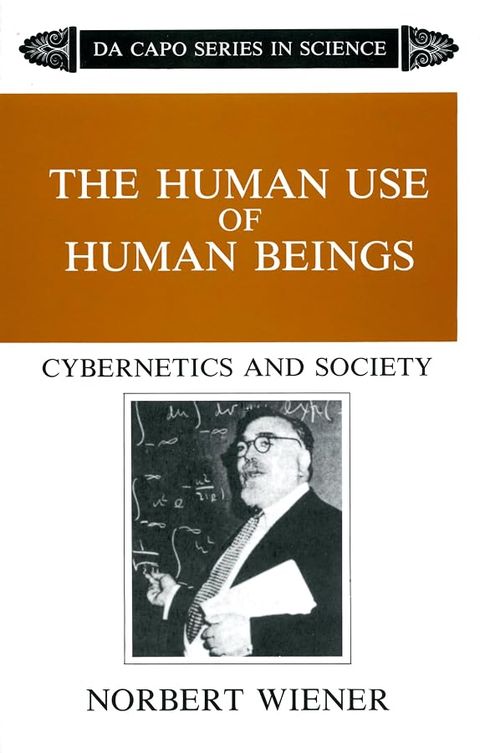
The Human Use of Human Beings
Wiener's 1950 warning about automation and machine judgment remains a founding text for anyone weighing AI's social consequences.
Editorial score: 73.8/100Amazon, The Human Use of Human Beings (opens Amazon in a new tab) - Rank 40
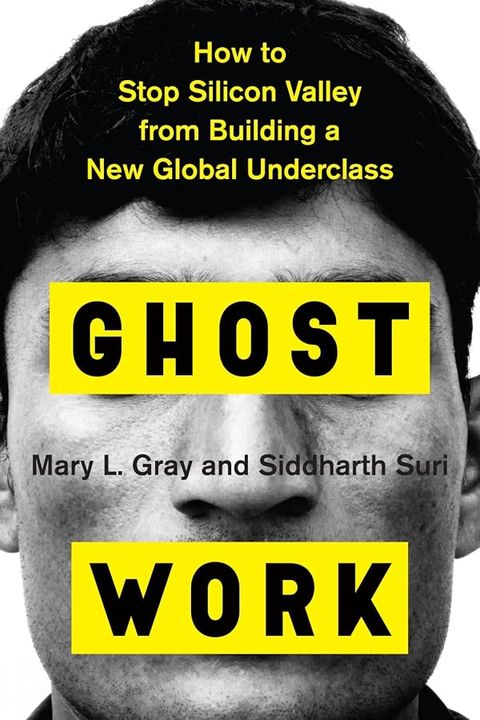
Ghost Work
A rigorous ethnography of the hidden human labor behind automated services, and a foundational text in debates over AI's workforce.
Editorial score: 74.0/100Amazon, Ghost Work (opens Amazon in a new tab) - Rank 41
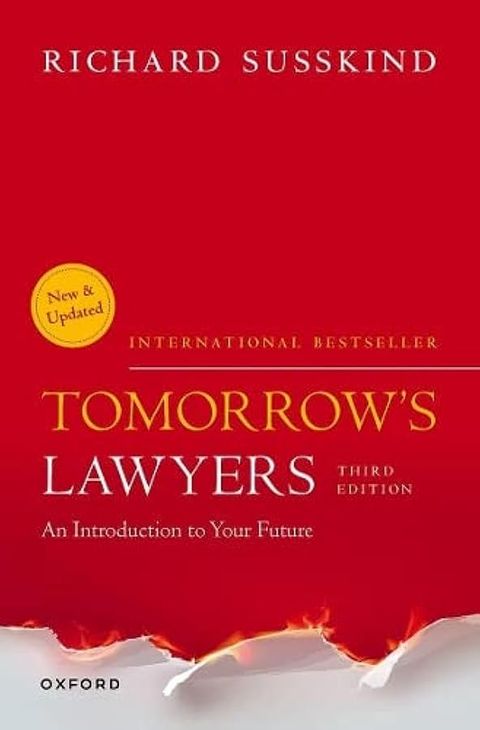
Tomorrow's Lawyers
Susskind's concise guide to how technology is reshaping legal services remains a sound starting point for anyone entering the profession.
Editorial score: 77.3/100Amazon, Tomorrow's Lawyers (opens Amazon in a new tab) - Rank 42
Who Owns the Future?
A provocative, uneven case that free online services drain value from ordinary people; its data-payment idea resonates in the generative-AI era.
Editorial score: 67.3/100Amazon, Who Owns the Future? (opens Amazon in a new tab) - Rank 43
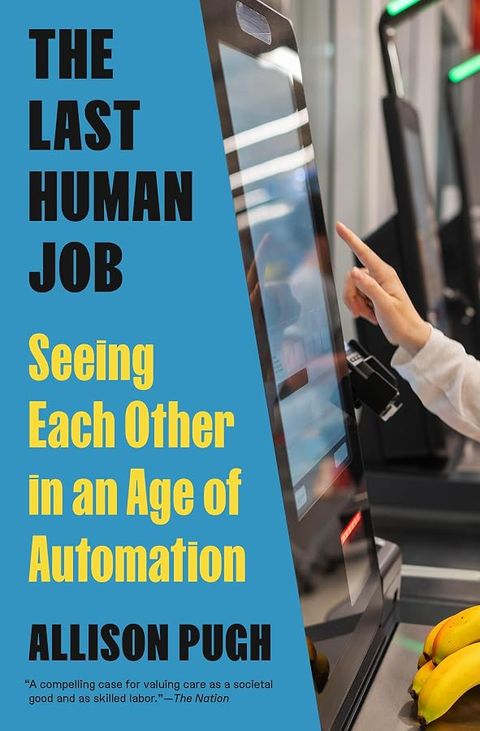
The Last Human Job
A rigorous sociology of the relational work automation struggles to absorb, and essential context for leaders deploying AI in care professions.
Editorial score: 70.0/100Amazon, The Last Human Job (opens Amazon in a new tab) - Rank 44
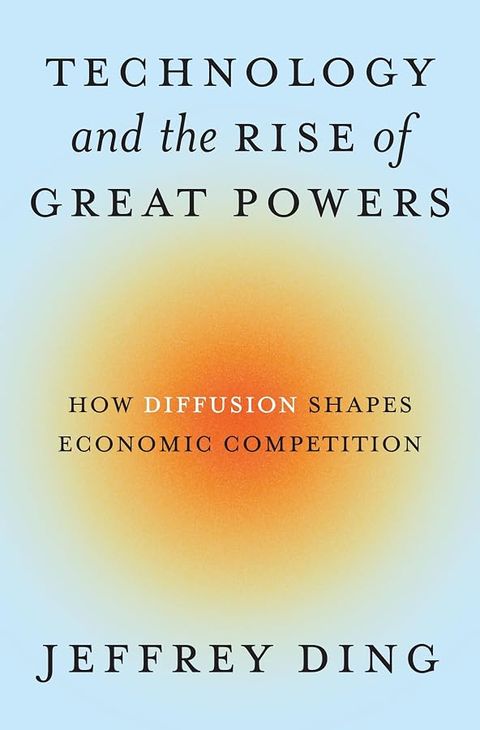
Technology and the Rise of Great Powers
A rigorous, prize-winning challenge to innovation-race thinking that argues national power follows how widely technologies spread, not who invents them.
Editorial score: 74.8/100Amazon, Technology and the Rise of Great Powers (opens Amazon in a new tab) - Rank 45
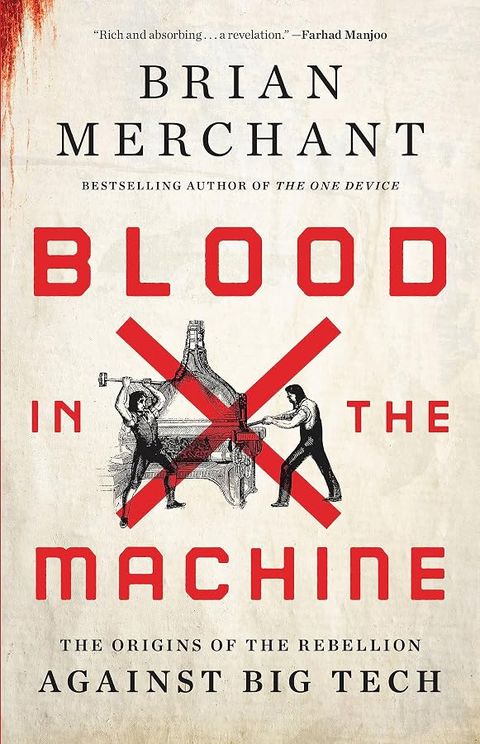
Blood in the Machine
A vivid, deeply researched history of the Luddites that reframes today's AI labor debates, argued from an openly pro-worker stance.
Editorial score: 71.5/100Amazon, Blood in the Machine (opens Amazon in a new tab) - Rank 46
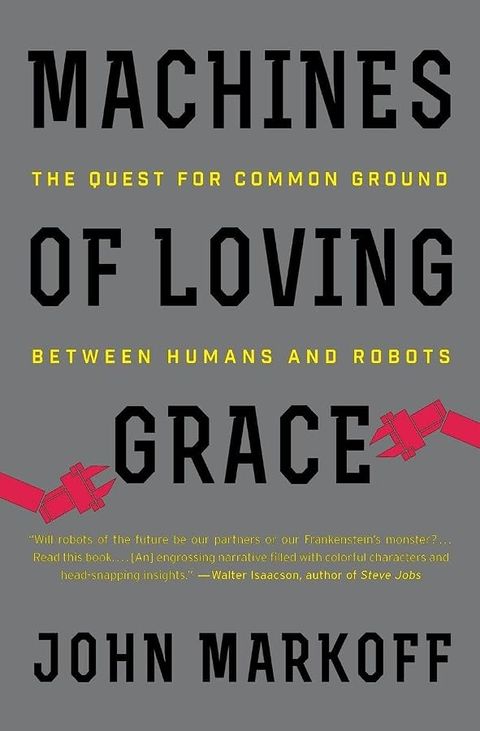
Machines of Loving Grace
A veteran reporter's well-sourced history of the split between replacing and augmenting people, valuable for its framing despite a meandering structure.
Editorial score: 63.8/100Amazon, Machines of Loving Grace (opens Amazon in a new tab) - Rank 47
The Employees
A slim, unsettling Danish novel that uses workplace testimony from humans and humanoids to ask what separates a person from a product.
Editorial score: 67.5/100Amazon, The Employees (opens Amazon in a new tab) - Rank 48
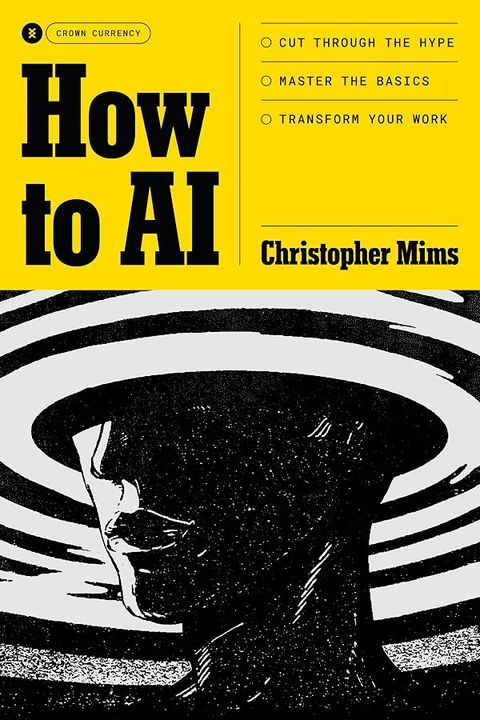
How To AI
A clear, skeptical field guide that teaches working professionals what AI does well, where it fails, and how to check it.
Editorial score: 72.0/100Amazon, How To AI (opens Amazon in a new tab) - Rank 49
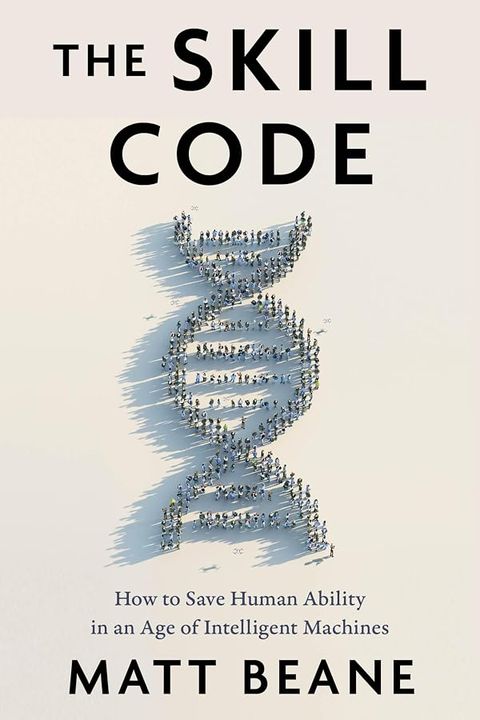
The Skill Code
A research-grounded warning that AI and robots are quietly eroding how people build expertise, paired with practical remedies for managers.
Editorial score: 71.3/100Amazon, The Skill Code (opens Amazon in a new tab) - Rank 50
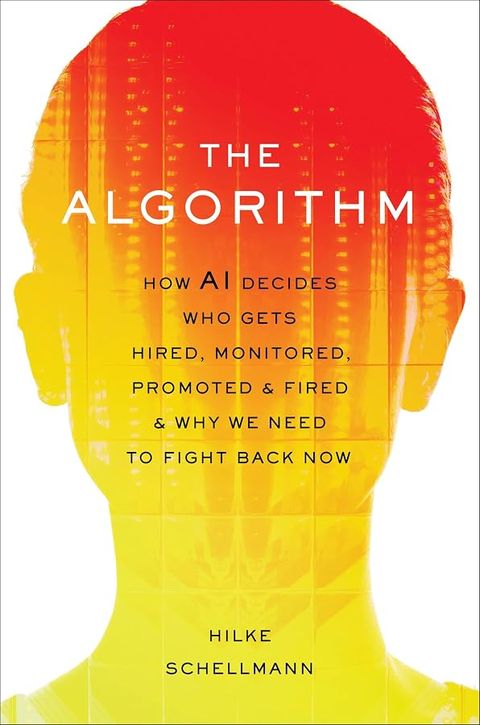
The Algorithm
A carefully reported investigation showing that many AI hiring and workplace-monitoring tools rest on weak science and can discriminate.
Editorial score: 73.1/100Amazon, The Algorithm (opens Amazon in a new tab) - Rank 51
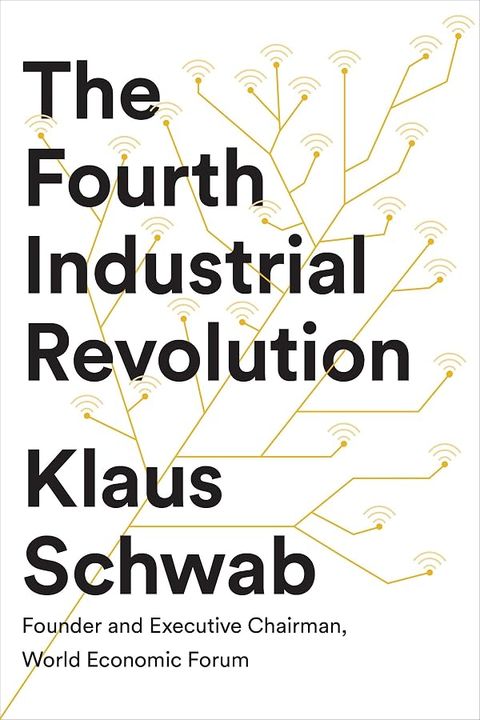
The Fourth Industrial Revolution
A brief, influential framing essay from the World Economic Forum's founder, valuable for its vocabulary more than for concrete guidance.
Editorial score: 65.8/100Amazon, The Fourth Industrial Revolution (opens Amazon in a new tab) - Rank 52
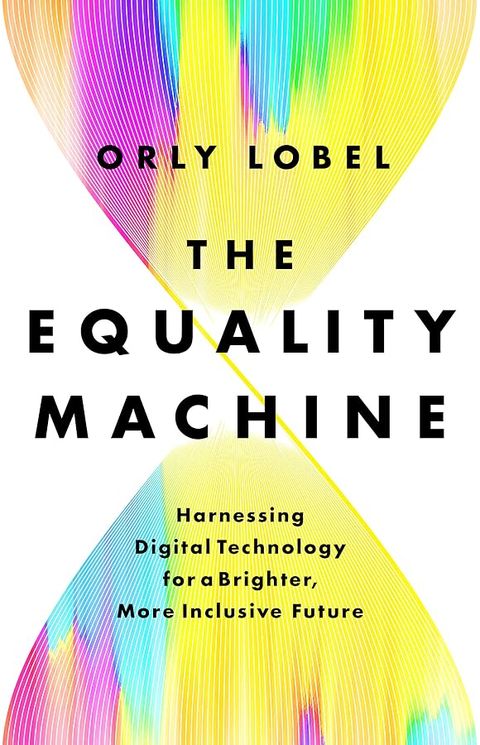
The Equality Machine
A law scholar's well-argued case that AI can detect and reduce discrimination, a useful counterweight to purely critical books on algorithmic bias.
Editorial score: 66.1/100Amazon, The Equality Machine (opens Amazon in a new tab) - Rank 53
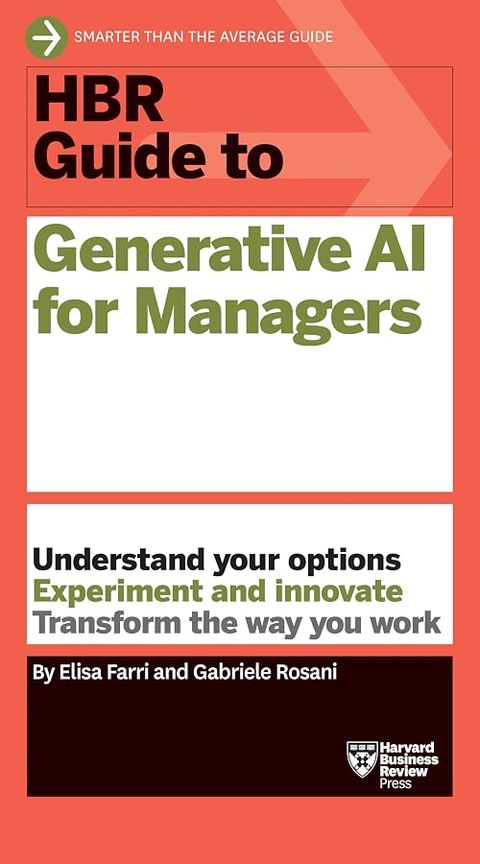
HBR Guide to Generative AI for Managers
A practical, prompt-rich field manual that shows managers how to use generative AI as both an assistant and a thinking partner.
Editorial score: 67.3/100Amazon, HBR Guide to Generative AI for Managers (opens Amazon in a new tab) - Rank 54
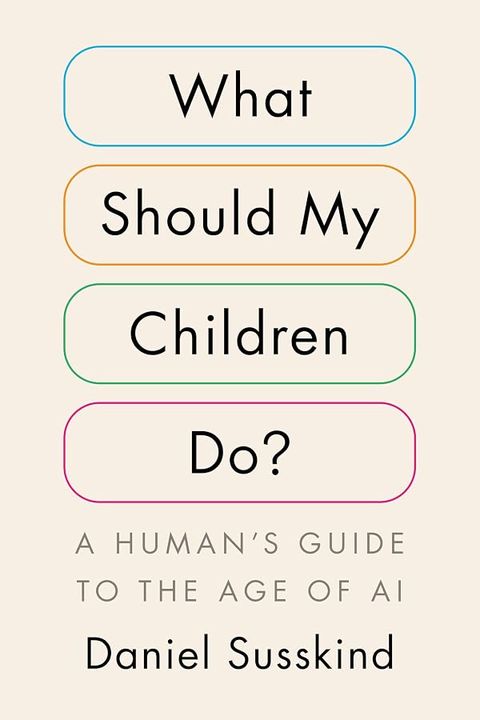
What Should My Children Do?
A level-headed, practical guide from a leading economist of work on preparing children for an AI-shaped labor market.
Editorial score: 74.5/100Amazon, What Should My Children Do? (opens Amazon in a new tab) - Rank 55
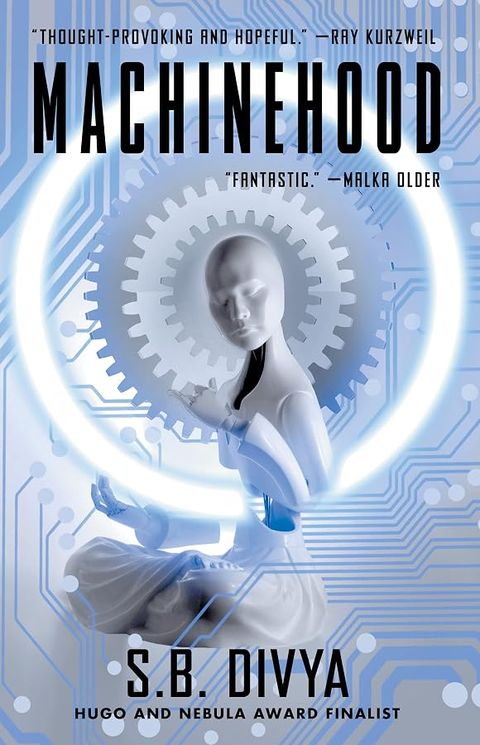
Machinehood
A fast, idea-dense thriller that uses a near-future gig economy to ask whether machine intelligences deserve the rights human workers demand.
Editorial score: 64.1/100Amazon, Machinehood (opens Amazon in a new tab) - Rank 56
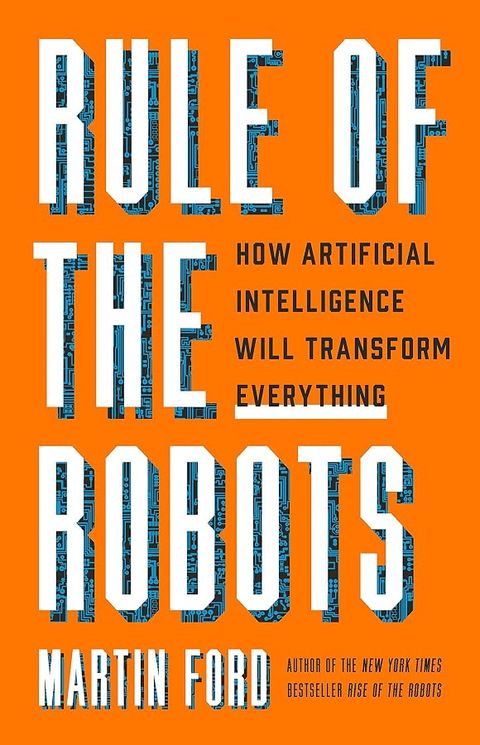
Rule of the Robots
A balanced, readable survey of AI's economic and social stakes, strongest on China and self-driving cars, though written before ChatGPT.
Editorial score: 64.5/100Amazon, Rule of the Robots (opens Amazon in a new tab) - Rank 57
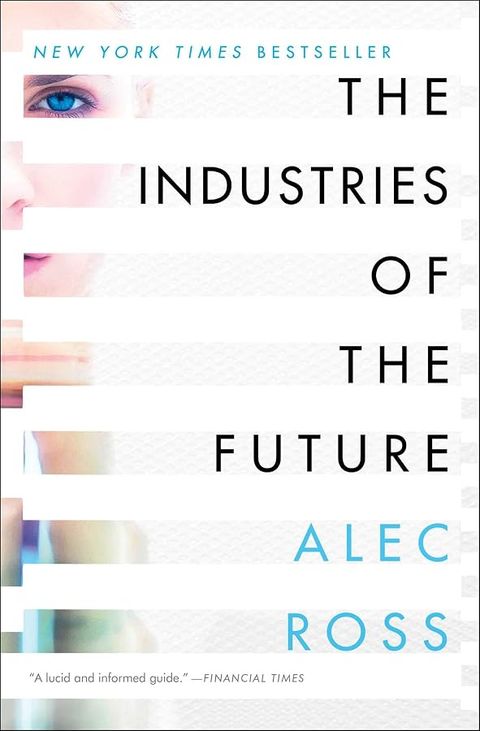
The Industries of the Future
A readable 2016 survey of robotics, genomics, digital money, cybersecurity and data, now more useful as a snapshot than a forecast.
Editorial score: 59.1/100Amazon, The Industries of the Future (opens Amazon in a new tab) - Rank 58
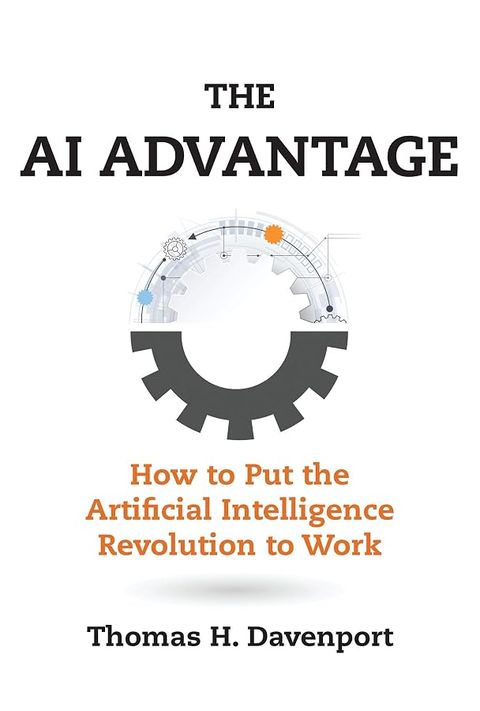
The AI Advantage
A sober, example-rich guide to practical enterprise AI that has aged in its technology but not its management advice.
Editorial score: 68.1/100Amazon, The AI Advantage (opens Amazon in a new tab) - Rank 59
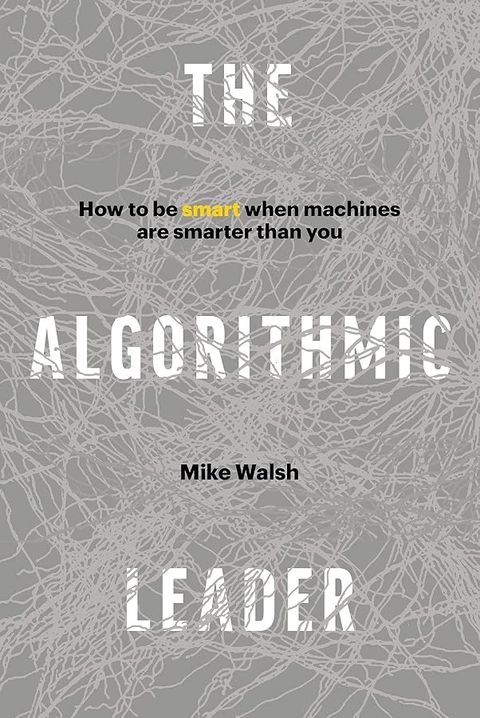
The Algorithmic Leader
A readable, idea-dense primer on leading in data-driven organizations, now dated by the generative AI wave it predates.
Editorial score: 58.5/100Amazon, The Algorithmic Leader (opens Amazon in a new tab) - Rank 60
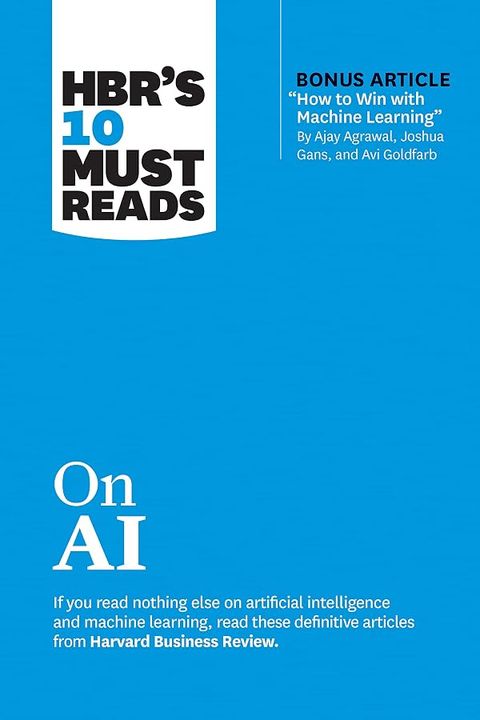
HBR's 10 Must Reads on AI
A compact anthology of influential HBR articles on AI strategy and adoption, valuable for managers, though written mostly before generative AI matured.
Editorial score: 66.8/100Amazon, HBR's 10 Must Reads on AI (opens Amazon in a new tab) - Rank 61
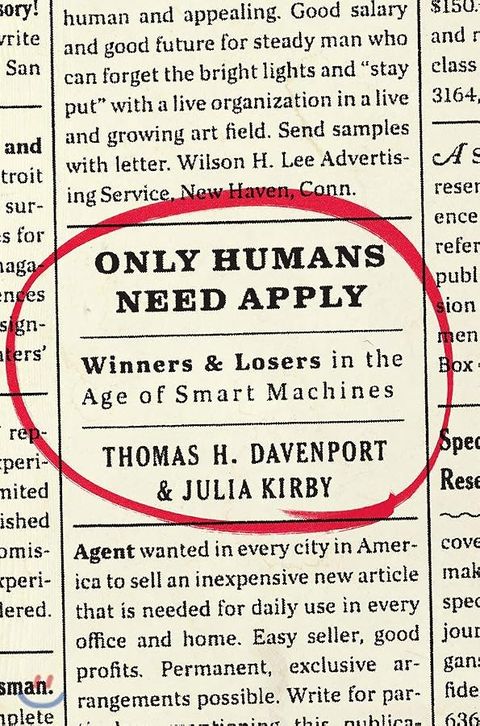
Only Humans Need Apply
A clear, still-useful framework for knowledge workers deciding how to work alongside AI, though its examples predate generative AI.
Editorial score: 66.3/100Amazon, Only Humans Need Apply (opens Amazon in a new tab) - Rank 62
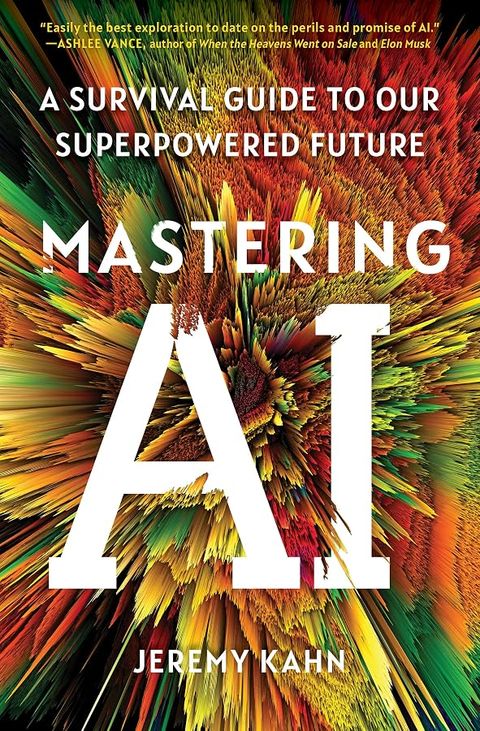
Mastering AI
A balanced, well-reported survey of how AI could reshape work, schooling, medicine and democracy, stronger on diagnosis than remedies.
Editorial score: 65.0/100Amazon, Mastering AI (opens Amazon in a new tab) - Rank 63
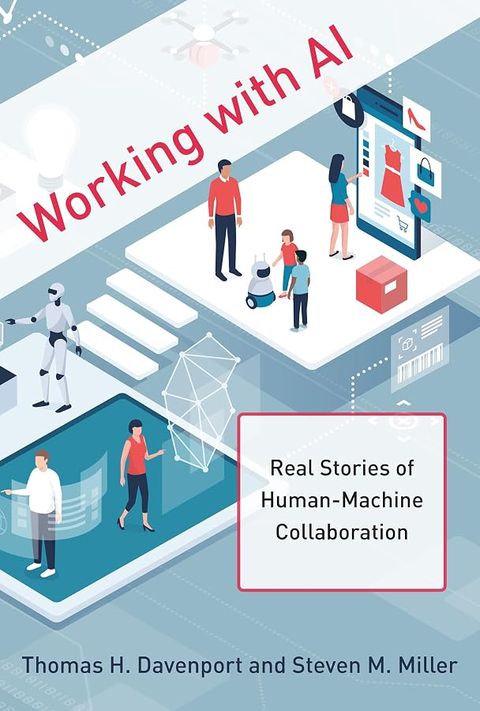
Working with AI
A grounded casebook showing how AI reshapes jobs task by task, useful for managers despite predating the ChatGPT era.
Editorial score: 66.5/100Amazon, Working with AI (opens Amazon in a new tab) - Rank 64
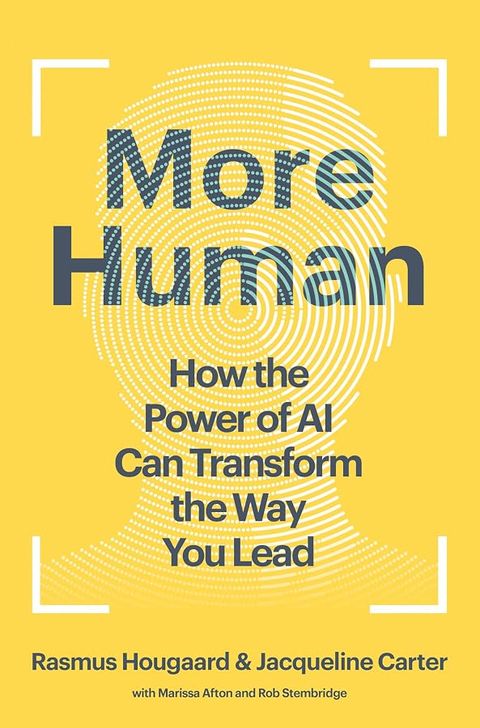
More Human
A short, research-informed case that leaders should hand routine management to AI and invest the freed time in human qualities.
Editorial score: 64.6/100Amazon, More Human (opens Amazon in a new tab) - Rank 65
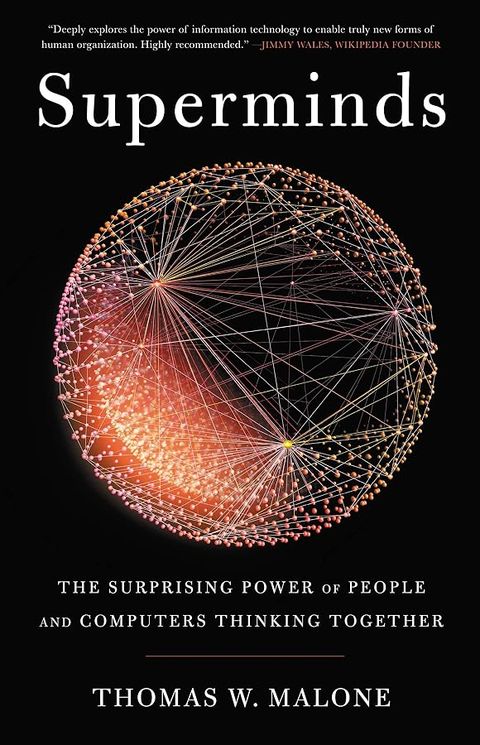
Superminds
A well-informed, optimistic case that AI's largest gains come from smarter groups of people and machines, though light on implementation detail.
Editorial score: 67.6/100Amazon, Superminds (opens Amazon in a new tab) - Rank 66
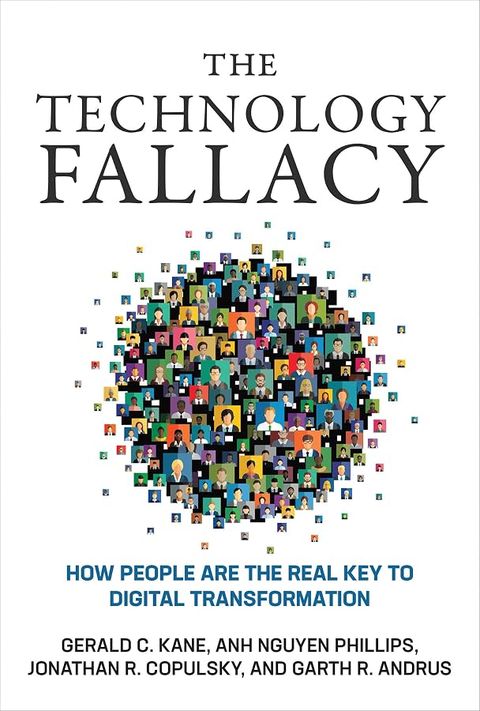
The Technology Fallacy
A research-backed management guide arguing that digital transformation, including AI adoption, succeeds through culture, talent and leadership more than technology.
Editorial score: 65.3/100Amazon, The Technology Fallacy (opens Amazon in a new tab) - Rank 67
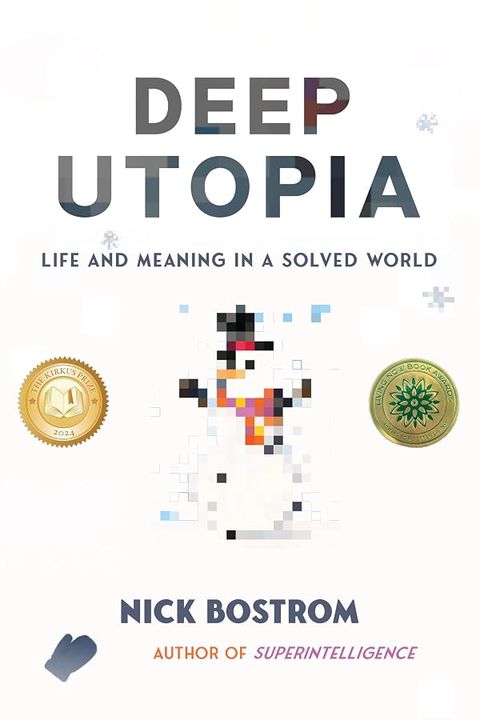
Deep Utopia
Bostrom's strange, demanding sequel to Superintelligence asks what purpose human life would serve once machines solve every practical problem.
Editorial score: 66.8/100Amazon, Deep Utopia (opens Amazon in a new tab) - Rank 68
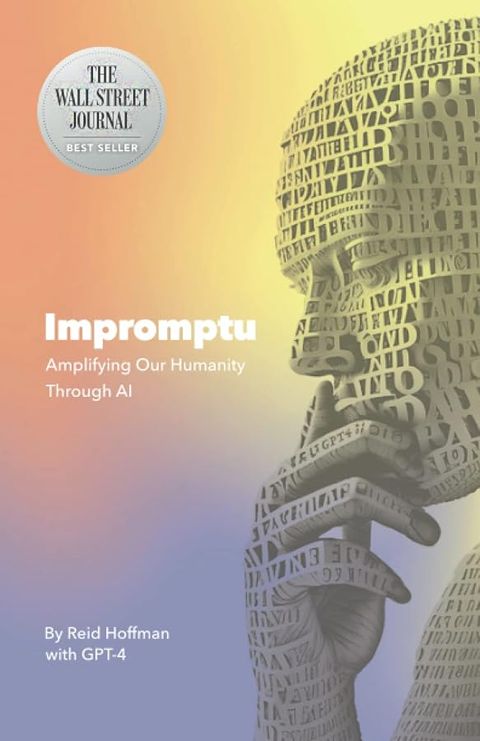
Impromptu
An engaging, optimistic snapshot of GPT-4's arrival from a key AI insider, now more historical document than guide.
Editorial score: 60.0/100Amazon, Impromptu (opens Amazon in a new tab) - Rank 69
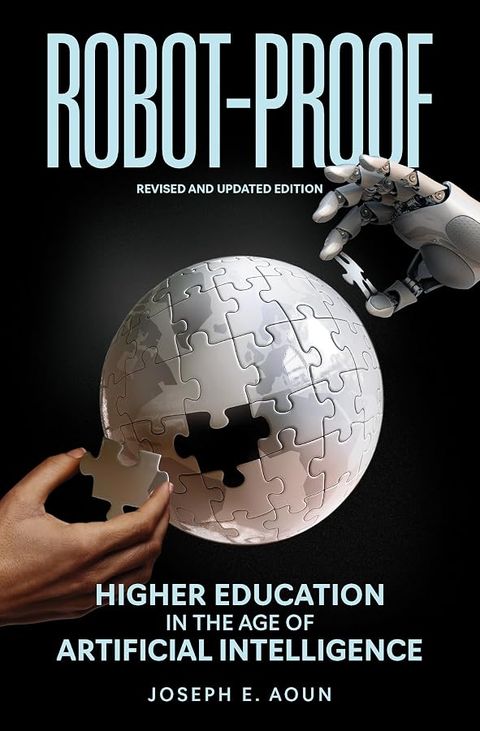
Robot-Proof
A university president's clear case for redesigning higher education around human strengths, stronger on vision than on classroom-level detail.
Editorial score: 68.1/100Amazon, Robot-Proof (opens Amazon in a new tab) - Rank 70
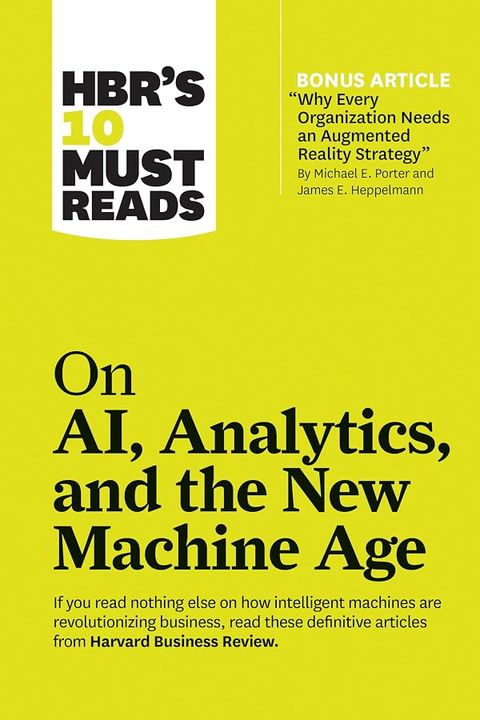
HBR's 10 Must Reads on AI, Analytics, and the New Machine Age
A compact anthology of influential late-2010s HBR articles that frames AI adoption well but predates generative AI entirely.
Editorial score: 65.5/100Amazon, HBR's 10 Must Reads on AI, Analytics, and the New Machine Age (opens Amazon in a new tab) - Rank 71
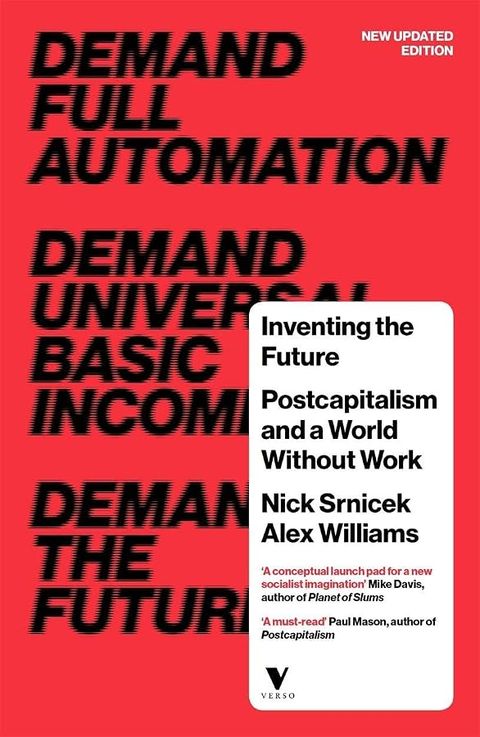
Inventing the Future
An influential left-wing manifesto for full automation, a shorter workweek and basic income that frames today's post-work debates.
Editorial score: 67.3/100Amazon, Inventing the Future (opens Amazon in a new tab) - Rank 72
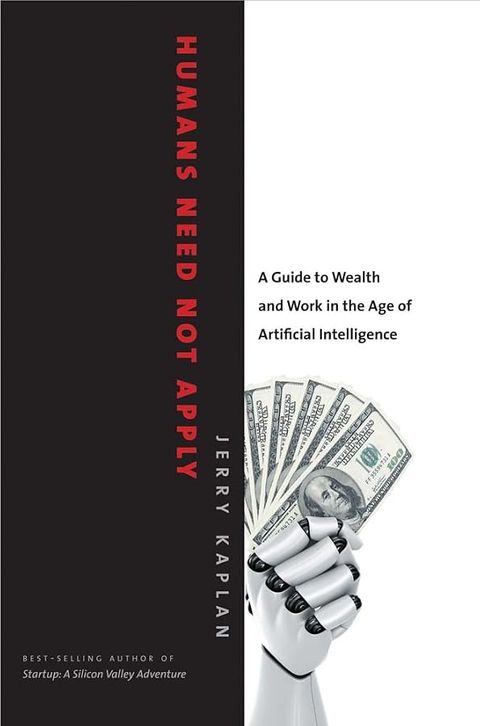
Humans Need Not Apply
A clear, early warning that AI could concentrate wealth, paired with market-based policy ideas that still merit debate.
Editorial score: 62.3/100Amazon, Humans Need Not Apply (opens Amazon in a new tab) - Rank 73
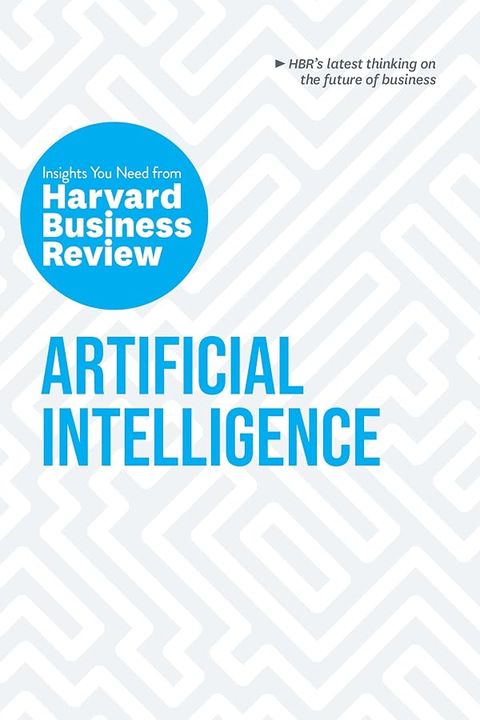
Artificial Intelligence
A compact 2019 anthology of HBR's early AI thinking whose management frameworks hold up better than its pre-ChatGPT view of technology.
Editorial score: 59.8/100Amazon, Artificial Intelligence (opens Amazon in a new tab) - Rank 74
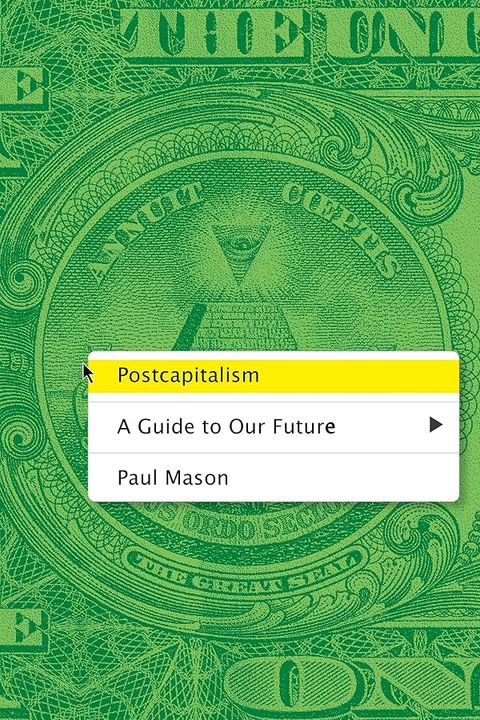
PostCapitalism
A provocative, widely debated Marxist-influenced argument that information technology is eroding capitalism, stronger as a spur to thinking than as a forecast.
Editorial score: 62.1/100Amazon, PostCapitalism (opens Amazon in a new tab) - Rank 75
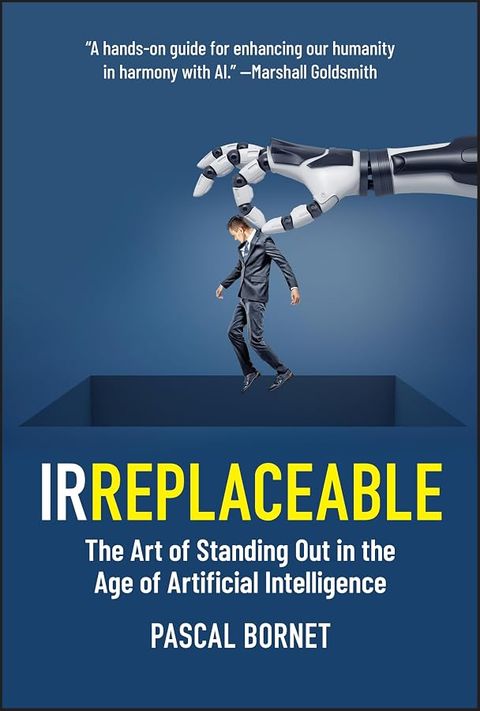
Irreplaceable
A readable career and leadership guide to staying valuable alongside AI, more motivational framework than evidence-heavy analysis.
Editorial score: 61.4/100Amazon, Irreplaceable (opens Amazon in a new tab)

Guides
AI, Work & the Economy guides and lists
-
The 40 Best Books on AI and the Future of Work (2026)
Forty books on how AI changes jobs, wages and firms, ranked for managers, policymakers and workers, from practical guides and economic histories to skeptical critiques and the play that named the robot.
