Category
Deep Learning
Ranked books on neural networks and deep learning, from code-first guides to graduate textbooks.
Deep learning is the subset of machine learning built on neural networks with many stacked layers, the approach behind modern computer vision, speech recognition and large language models. Best AI Books ranks the leading deep learning books, from rigorous textbooks to code-first guides and readable explanations of how neural networks learn. The section serves Python developers, ML engineers, students and researchers, as well as general readers curious about how models such as ChatGPT work. Sebastian Raschka's Build a Large Language Model (From Scratch) ranks first, building a GPT-style model line by line in plain PyTorch. François Chollet, the creator of Keras, offers a code-first route in Deep Learning with Python, and Deep Learning: Foundations and Concepts by Christopher M. Bishop and Hugh Bishop gives a probability-grounded treatment that extends through transformers and diffusion models.
48 books ranked1 guide
As an Amazon Associate, Best AI Books earns from qualifying purchases.
The best Deep Learning books, ranked
48 books, ranked by the same composite score as the full list of 500.
As an Amazon Associate, Best AI Books earns from qualifying purchases. Best AI Books is sponsored by Iternal.ai, whose founder and CEO, John Byron Hanby IV, wrote The AI Strategy Blueprint, our #1 ranked book. How we rank books.
- Rank 01
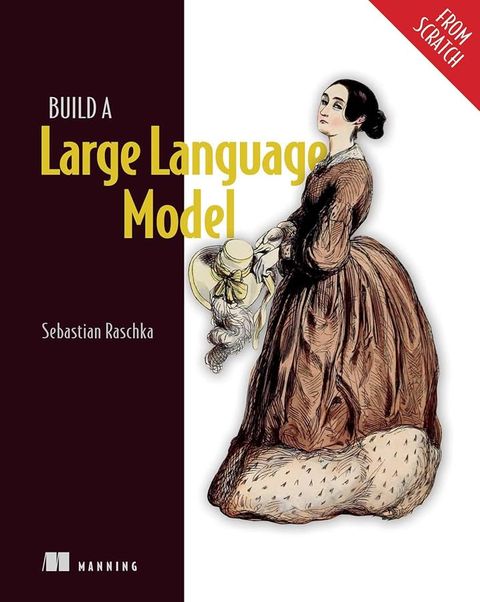
Build a Large Language Model (From Scratch)
One of the clearest hands-on routes to understanding how GPT-style models work, built line by line in plain PyTorch on ordinary hardware.
Editorial score: 84.8/100Amazon, Build a Large Language Model (From Scratch) (opens Amazon in a new tab) - Rank 02
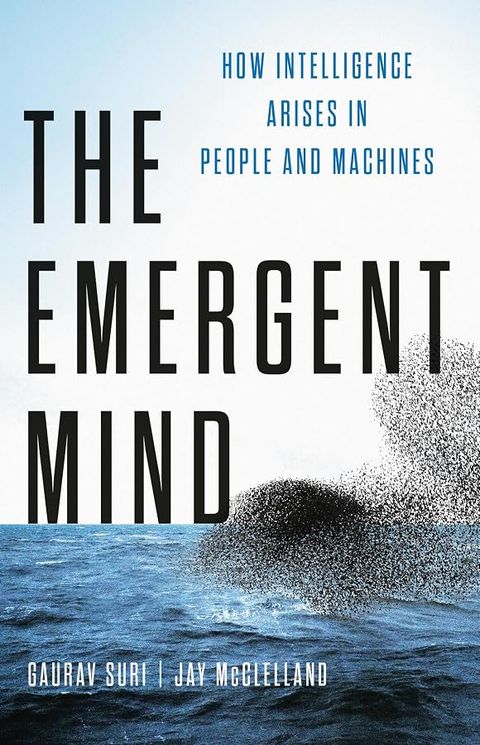
The Emergent Mind
Two cognitive scientists, one a pioneer of neural network modeling, explain clearly how minds emerge from networks in brains and machines.
Editorial score: 74.8/100Amazon, The Emergent Mind (opens Amazon in a new tab) - Rank 03
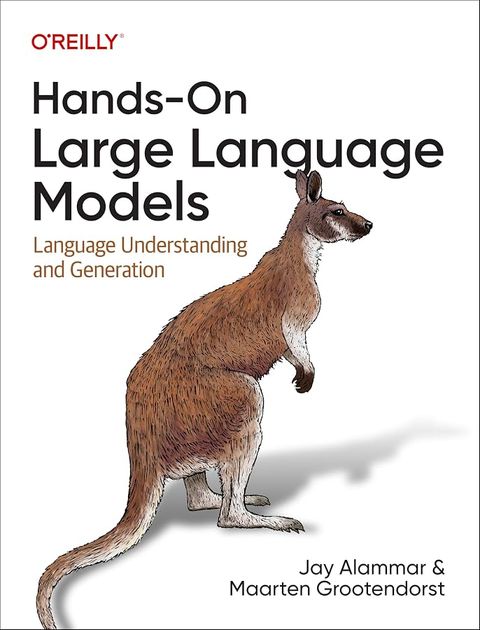
Hands-On Large Language Models
An unusually clear, illustrated route from tokens and embeddings to retrieval and fine-tuning for practitioners building LLM applications.
Editorial score: 79.3/100Amazon, Hands-On Large Language Models (opens Amazon in a new tab) - Rank 04
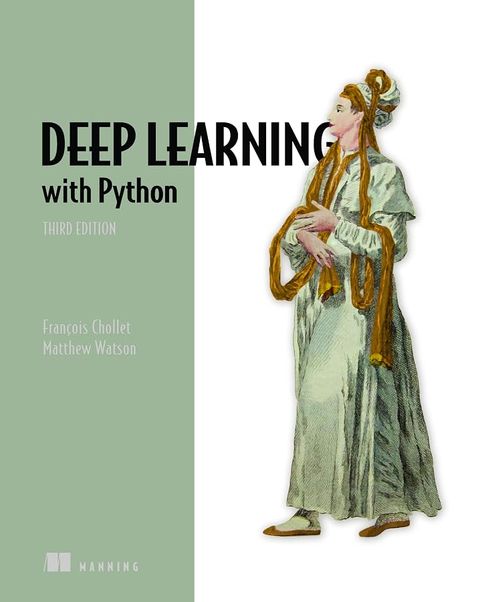
Deep Learning with Python
Among the clearest code-first introductions to deep learning, written by Keras's creator and rebuilt in 2025 for transformers and generative models.
Editorial score: 86.3/100Amazon, Deep Learning with Python (opens Amazon in a new tab) - Rank 05
Why Machines Learn
A rare bridge between popular AI writing and textbooks that teaches the actual mathematics of machine learning through its history.
Editorial score: 74.8/100Amazon, Why Machines Learn (opens Amazon in a new tab) - Rank 06
Artificial Intelligence
A lucid, skeptical tour of how modern AI works and where it falls short, written by a respected complexity scientist.
Editorial score: 73.3/100Amazon, Artificial Intelligence (opens Amazon in a new tab) - Rank 07
Deep Learning
A clear, probability-grounded textbook that has quickly become a standard reference for the core ideas of modern deep learning.
Editorial score: 83.1/100Amazon, Deep Learning (opens Amazon in a new tab) - Rank 08
What Is ChatGPT Doing ... and Why Does It Work?
A compact, clear account of how language models generate text from a leading computational scientist, though its closing section promotes Wolfram|Alpha.
Editorial score: 73.0/100Amazon, What Is ChatGPT Doing ... and Why Does It Work? (opens Amazon in a new tab) - Rank 09
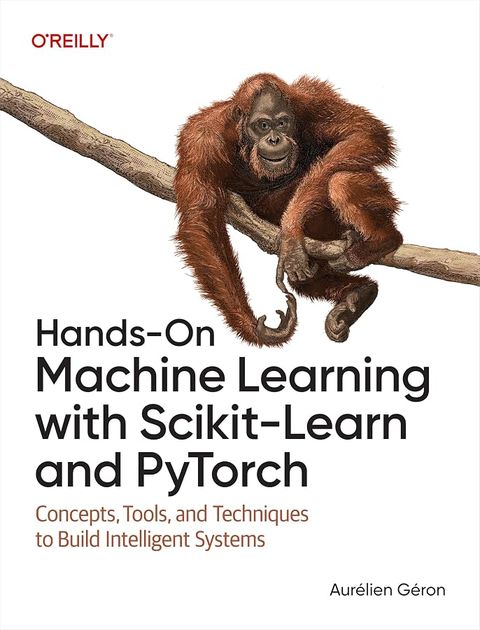
Hands-On Machine Learning with Scikit-Learn and PyTorch
A comprehensive, code-first path from classical machine learning to transformers and diffusion models, rebuilt around PyTorch for 2025.
Editorial score: 84.8/100Amazon, Hands-On Machine Learning with Scikit-Learn and PyTorch (opens Amazon in a new tab) - Rank 10
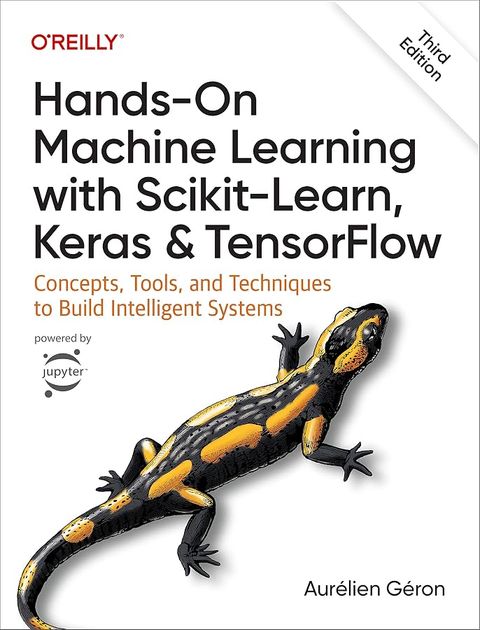
Hands-On Machine Learning with Scikit-Learn, Keras, and TensorFlow
A widely used, project-driven guide to machine learning in Python, though its TensorFlow focus now trails the field's move to PyTorch.
Editorial score: 84.1/100Amazon, Hands-On Machine Learning with Scikit-Learn, Keras, and TensorFlow (opens Amazon in a new tab) - Rank 11
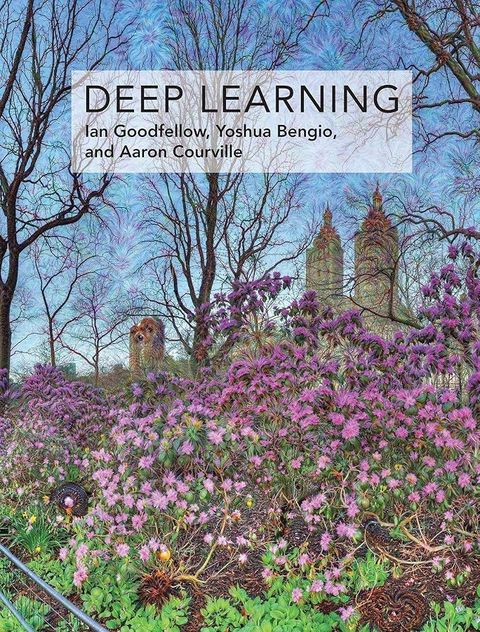
Deep Learning
The standard graduate reference on deep learning foundations, rigorous and free online, though it predates transformers and today's large language models.
Editorial score: 79.8/100Amazon, Deep Learning (opens Amazon in a new tab) - Rank 12
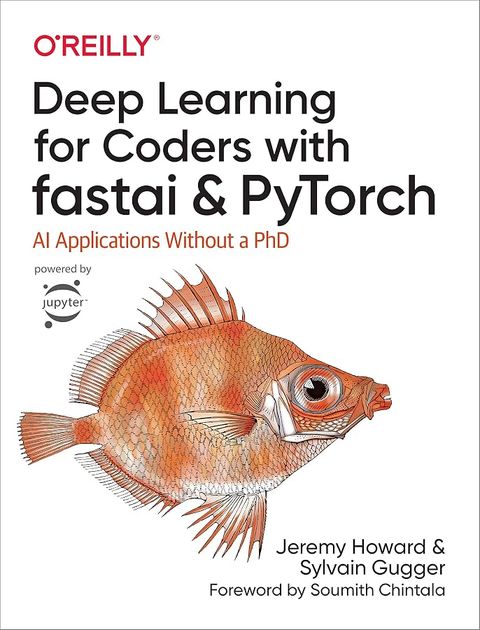
Deep Learning for Coders with fastai and PyTorch
A proven code-first route into deep learning for working programmers, though its fastai-specific code has aged faster than its teaching.
Editorial score: 79.3/100Amazon, Deep Learning for Coders with fastai and PyTorch (opens Amazon in a new tab) - Rank 13
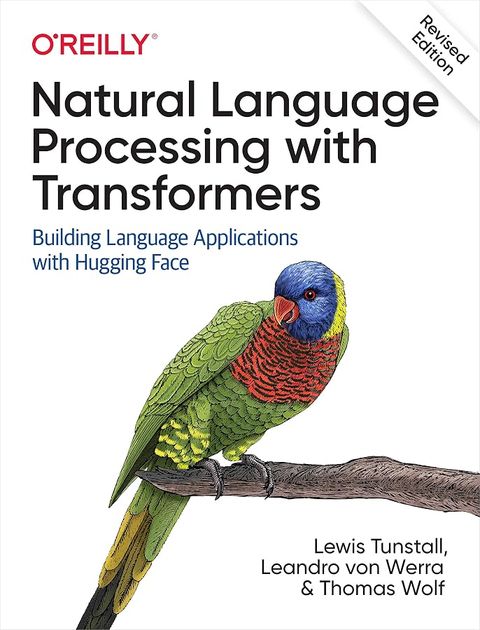
Natural Language Processing with Transformers
Hugging Face's own developers teach transformer NLP through clear, working projects, though the fast-moving library has outpaced parts of the code.
Editorial score: 77.5/100Amazon, Natural Language Processing with Transformers (opens Amazon in a new tab) - Rank 14
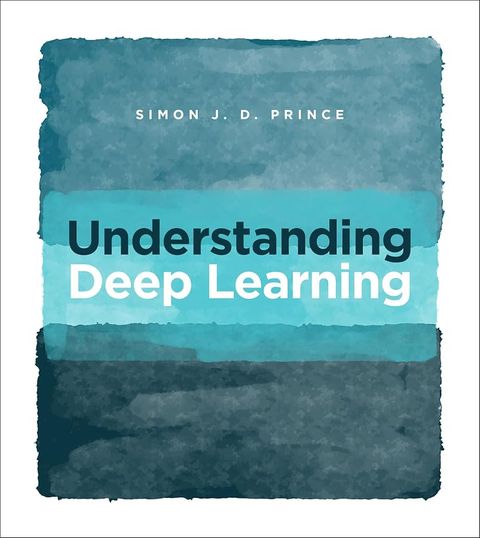
Understanding Deep Learning
One of the clearest modern deep learning textbooks, pairing precise mathematics with visual intuition from basics through transformers and diffusion models.
Editorial score: 80.8/100Amazon, Understanding Deep Learning (opens Amazon in a new tab) - Rank 15
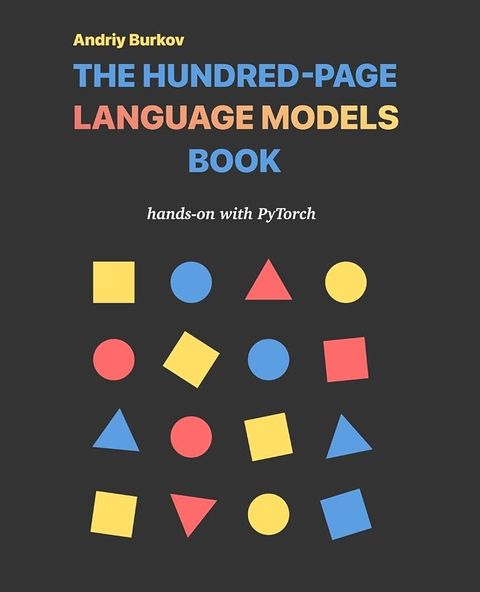
The Hundred-Page Language Models Book
A compact, code-driven path from count-based language models to transformers and finetuned LLMs, ideal for engineers who want the mechanics.
Editorial score: 71.8/100Amazon, The Hundred-Page Language Models Book (opens Amazon in a new tab) - Rank 16
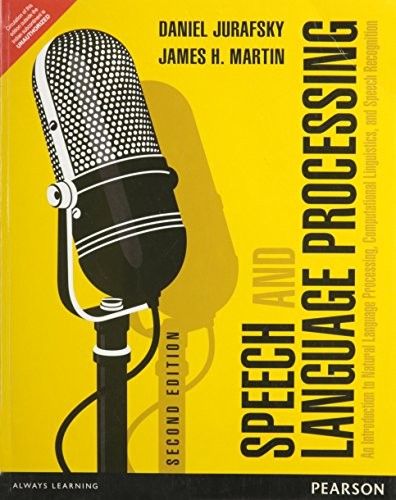
Speech and Language Processing
A standard NLP textbook for over two decades, now kept current through a free online third edition centered on language models.
Editorial score: 87.1/100Amazon, Speech and Language Processing (opens Amazon in a new tab) - Rank 17
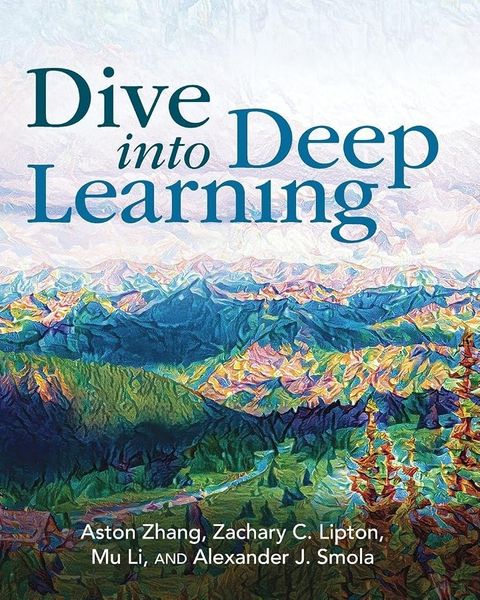
Dive into Deep Learning
A rigorous, openly available textbook that teaches deep learning by pairing mathematics, prose and runnable code on nearly every page.
Editorial score: 80.3/100Amazon, Dive into Deep Learning (opens Amazon in a new tab) - Rank 18
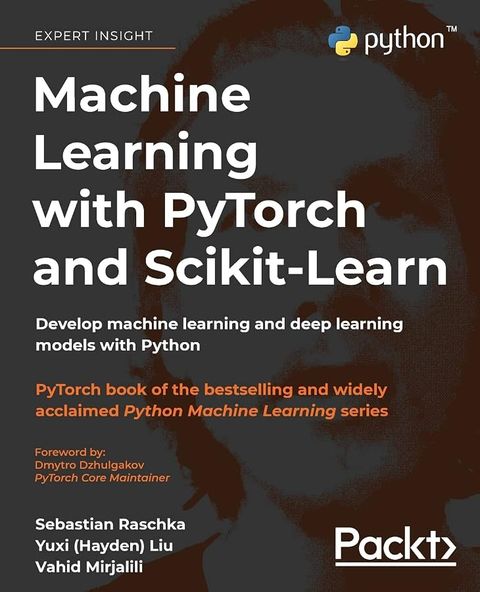
Machine Learning with PyTorch and Scikit-Learn
One of the most complete practitioner courses in Python machine learning, pairing sound theory with working scikit-learn and PyTorch code.
Editorial score: 79.6/100Amazon, Machine Learning with PyTorch and Scikit-Learn (opens Amazon in a new tab) - Rank 19
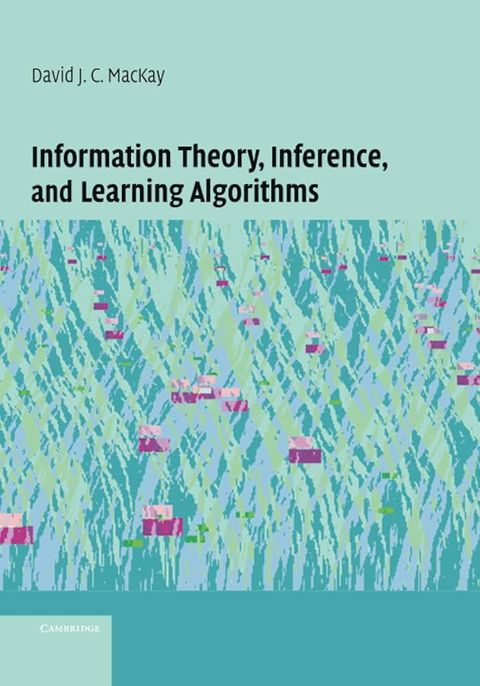
Information Theory, Inference, and Learning Algorithms
A lucid, freely readable textbook that unites information theory, Bayesian inference and neural networks; demanding, but rewarding for mathematically prepared readers.
Editorial score: 79.8/100Amazon, Information Theory, Inference, and Learning Algorithms (opens Amazon in a new tab) - Rank 20
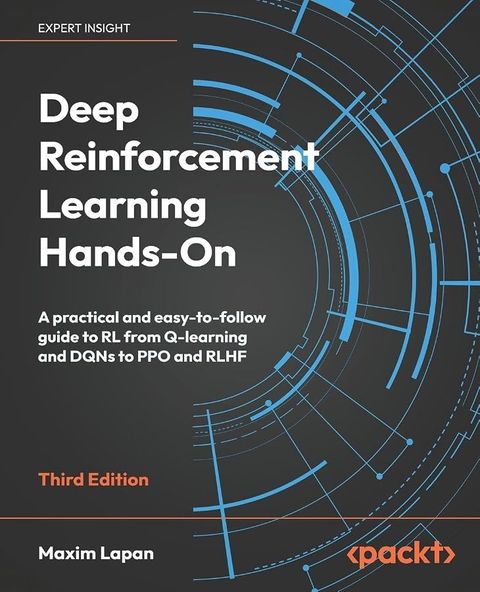
Deep Reinforcement Learning Hands-On
A thorough, code-first PyTorch guide to deep reinforcement learning, from Q-learning to PPO, RLHF and MuZero in its 2024 edition.
Editorial score: 71.8/100Amazon, Deep Reinforcement Learning Hands-On (opens Amazon in a new tab) - Rank 21
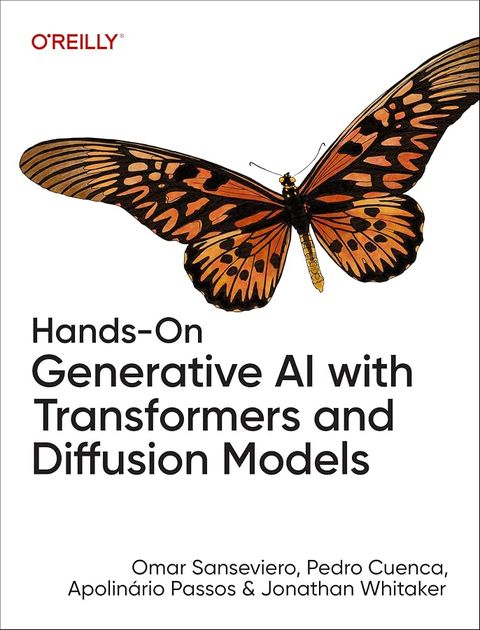
Hands-On Generative AI with Transformers and Diffusion Models
A clear, code-rich guide to how open generative models work and how to fine-tune them, written largely by Hugging Face practitioners.
Editorial score: 69.8/100Amazon, Hands-On Generative AI with Transformers and Diffusion Models (opens Amazon in a new tab) - Rank 22
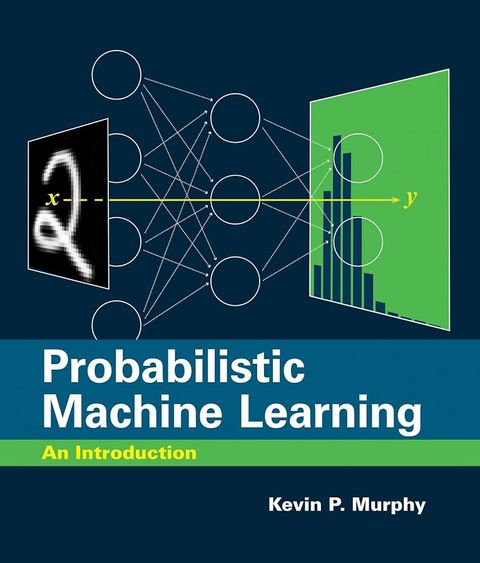
Probabilistic Machine Learning
A comprehensive, rigorous machine learning textbook unified by probability, best suited to readers comfortable with serious mathematics.
Editorial score: 77.8/100Amazon, Probabilistic Machine Learning (opens Amazon in a new tab) - Rank 23
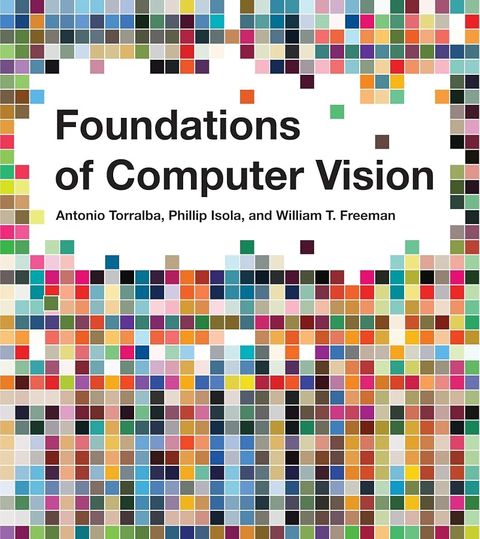
Foundations of Computer Vision
An authoritative modern textbook that unites classic image science with deep learning, written by three leading MIT researchers.
Editorial score: 82.6/100Amazon, Foundations of Computer Vision (opens Amazon in a new tab) - Rank 24
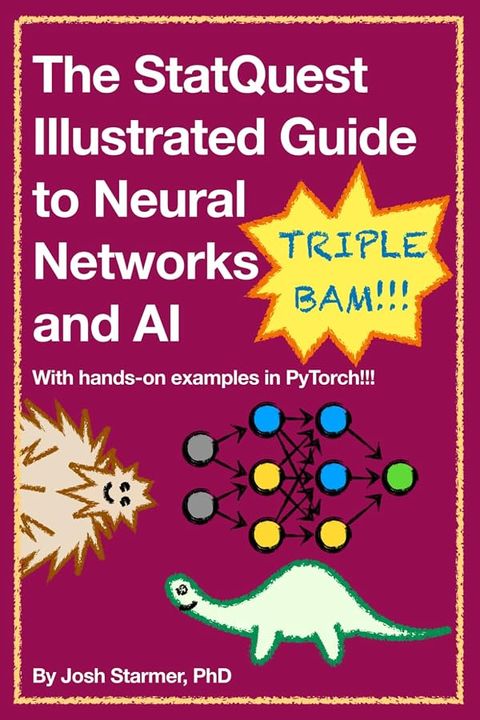
The StatQuest Illustrated Guide to Neural Networks and AI
Starmer's illustrated, step-by-step approach makes backpropagation, attention and transformers understandable, with PyTorch code to cement each idea.
Editorial score: 74.0/100Amazon, The StatQuest Illustrated Guide to Neural Networks and AI (opens Amazon in a new tab) - Rank 25
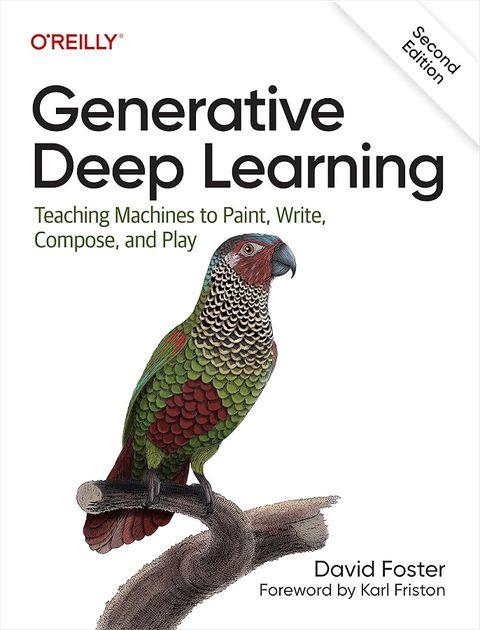
Generative Deep Learning
A rigorous, code-first tour of generative model families, from VAEs and GANs to diffusion and transformers, best suited to practitioners using Keras.
Editorial score: 71.8/100Amazon, Generative Deep Learning (opens Amazon in a new tab)
Show all 48 Deep Learning booksShow the first 25 only
- Rank 26
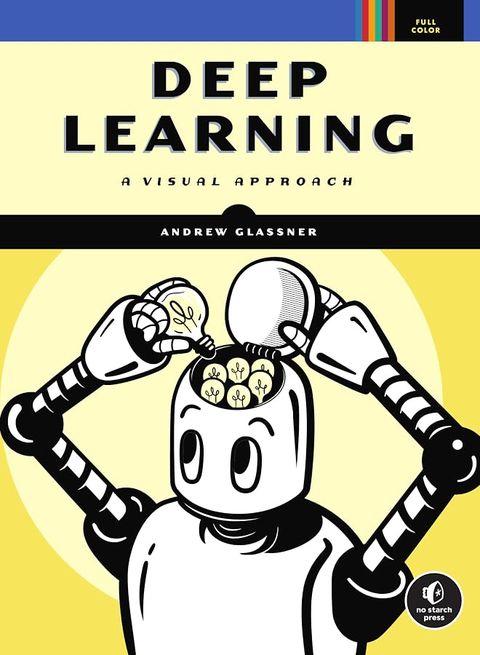
Deep Learning
A clear, heavily illustrated introduction that explains how deep learning works without equations, well suited to readers who think visually.
Editorial score: 66.0/100Amazon, Deep Learning (opens Amazon in a new tab) - Rank 27
Linear Algebra and Learning from Data
Strang's rigorous yet conversational bridge from matrix methods to deep learning, best used alongside his free MIT 18.065 lectures.
Editorial score: 74.8/100Amazon, Linear Algebra and Learning from Data (opens Amazon in a new tab) - Rank 28
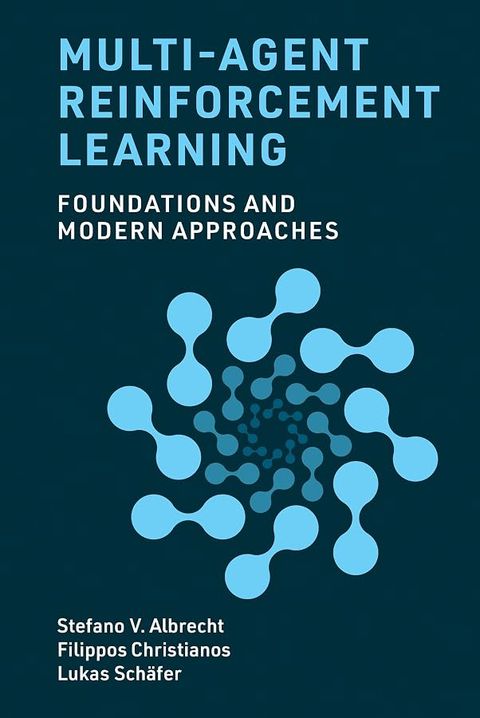
Multi-Agent Reinforcement Learning
The first complete textbook on multi-agent reinforcement learning, rigorous yet readable, and free online, making it the default entry point.
Editorial score: 79.1/100Amazon, Multi-Agent Reinforcement Learning (opens Amazon in a new tab) - Rank 29
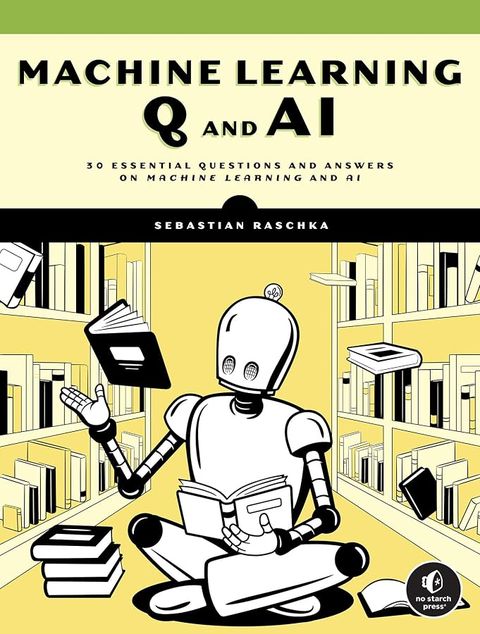
Machine Learning Q and AI
A compact, question-driven bridge from introductory courses to research papers, written by one of machine learning's clearest explainers.
Editorial score: 74.3/100Amazon, Machine Learning Q and AI (opens Amazon in a new tab) - Rank 30
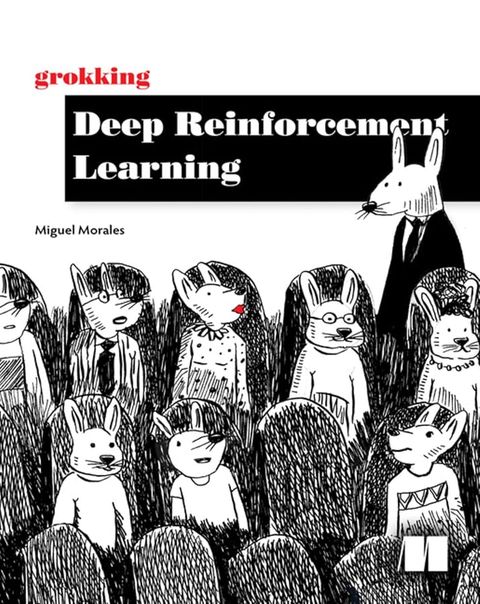
Grokking Deep Reinforcement Learning
A patient, code-first introduction to deep reinforcement learning that builds from bandits and MDPs to PPO and soft actor-critic.
Editorial score: 65.3/100Amazon, Grokking Deep Reinforcement Learning (opens Amazon in a new tab) - Rank 31
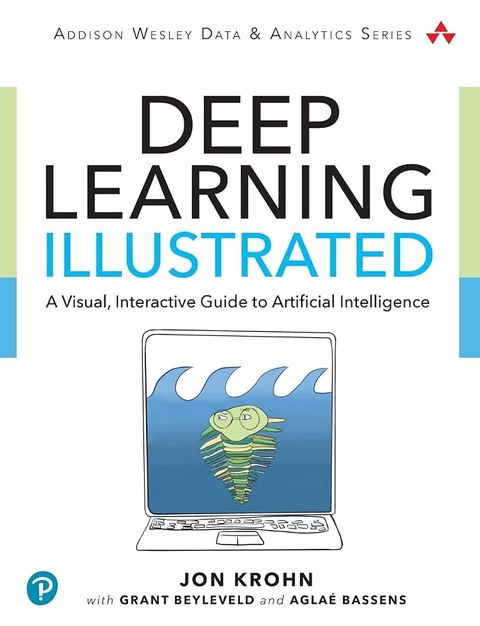
Deep Learning Illustrated
A friendly, code-first tour of deep learning's major architectures, now dated on transformers but still effective for building intuition.
Editorial score: 68.0/100Amazon, Deep Learning Illustrated (opens Amazon in a new tab) - Rank 32
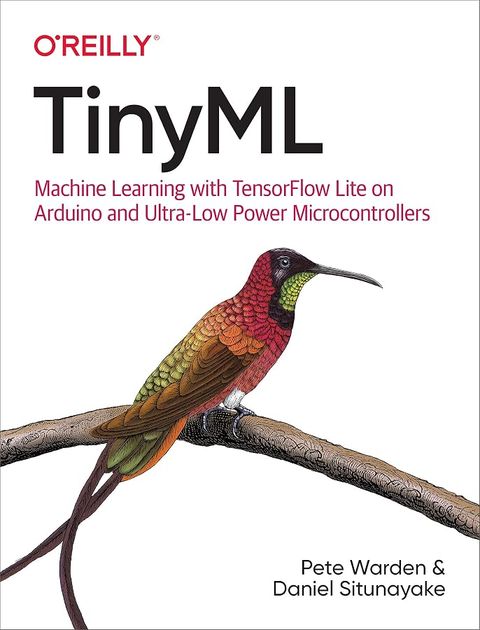
TinyML
The founding practical text for running machine learning on microcontrollers, valuable for its projects though its toolchain details have aged.
Editorial score: 74.5/100Amazon, TinyML (opens Amazon in a new tab) - Rank 33
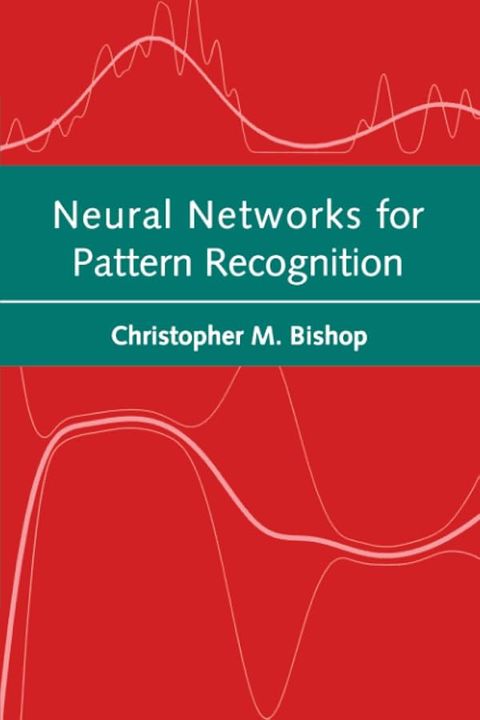
Neural Networks for Pattern Recognition
The rigorous 1990s textbook that recast neural networks as statistical models, now valuable mainly for foundations and history.
Editorial score: 68.0/100Amazon, Neural Networks for Pattern Recognition (opens Amazon in a new tab) - Rank 34
Deep Learning
A clear, compact primer that explains how neural networks learn, best suited to readers who want concepts rather than code.
Editorial score: 62.8/100Amazon, Deep Learning (opens Amazon in a new tab) - Rank 35
Generative AI System Design Interview
A structured, diagram-rich interview guide to designing generative AI systems, useful as a foundation but light on agents and production operations.
Editorial score: 69.8/100Amazon, Generative AI System Design Interview (opens Amazon in a new tab) - Rank 36
Learning Deep Learning
A thorough, well-sequenced deep learning course from perceptrons to transformers, held back mainly by its TensorFlow-first code.
Editorial score: 65.3/100Amazon, Learning Deep Learning (opens Amazon in a new tab) - Rank 37
How AI Works
A clear, equation-free explanation of how machine learning, neural networks and large language models work, written by a deep-learning practitioner.
Editorial score: 61.1/100Amazon, How AI Works (opens Amazon in a new tab) - Rank 38
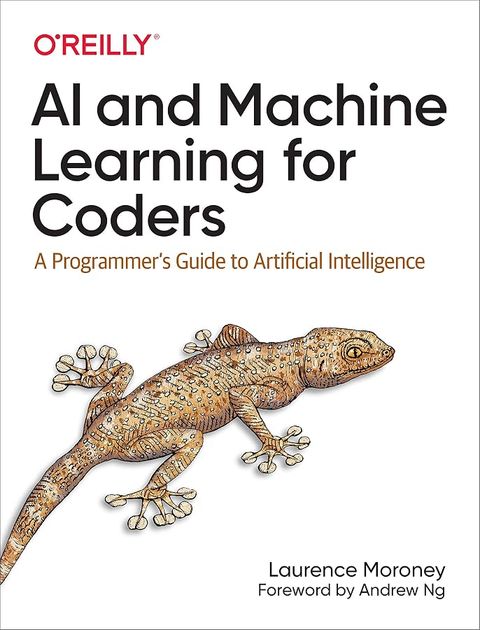
AI and Machine Learning for Coders
A clear, code-first TensorFlow introduction for programmers, still useful for fundamentals though its framework and deployment tooling have aged.
Editorial score: 68.6/100Amazon, AI and Machine Learning for Coders (opens Amazon in a new tab) - Rank 39
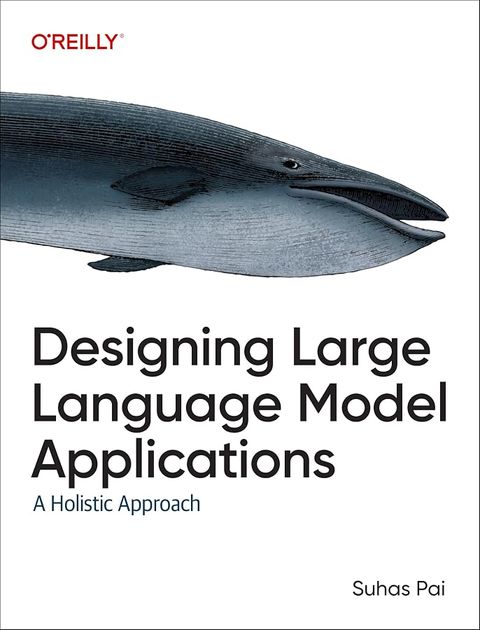
Designing Large Language Model Applications
A rigorous, research-informed guide to how LLMs work and how to adapt them, written for engineers who want depth.
Editorial score: 70.3/100Amazon, Designing Large Language Model Applications (opens Amazon in a new tab) - Rank 40
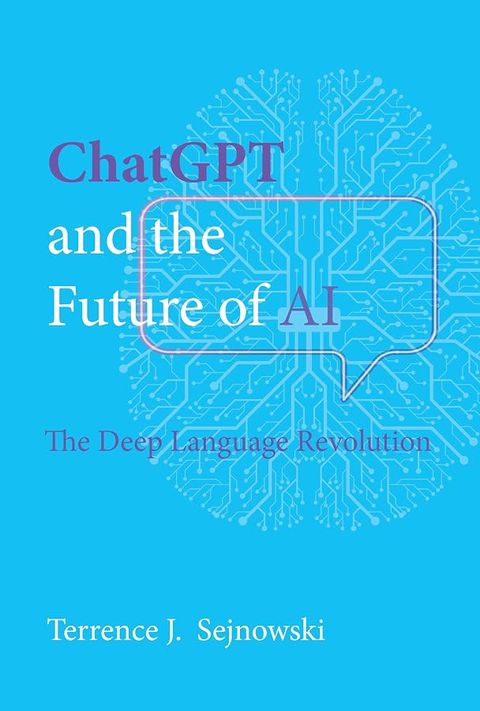
ChatGPT and the Future of AI
A neural-network pioneer's informed, discursive tour of large language models, strongest on history and brain science, uneven as a reading experience.
Editorial score: 68.3/100Amazon, ChatGPT and the Future of AI (opens Amazon in a new tab) - Rank 41
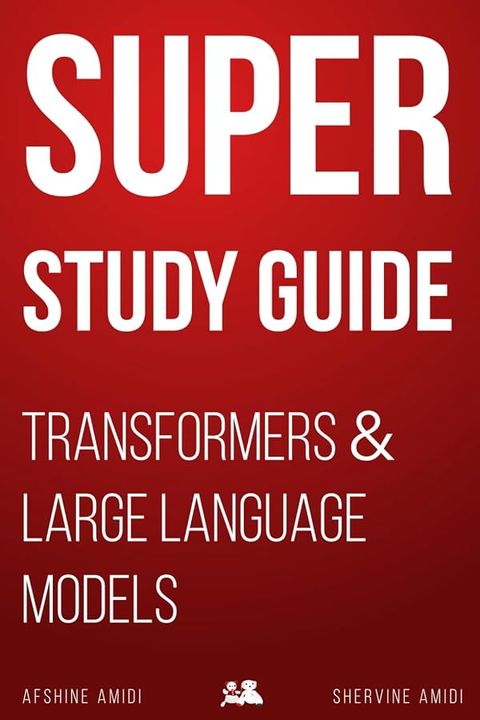
Super Study Guide
A compact, heavily illustrated primer on Transformers and LLMs from Stanford instructors, well suited to review and interview preparation.
Editorial score: 69.3/100Amazon, Super Study Guide (opens Amazon in a new tab) - Rank 42
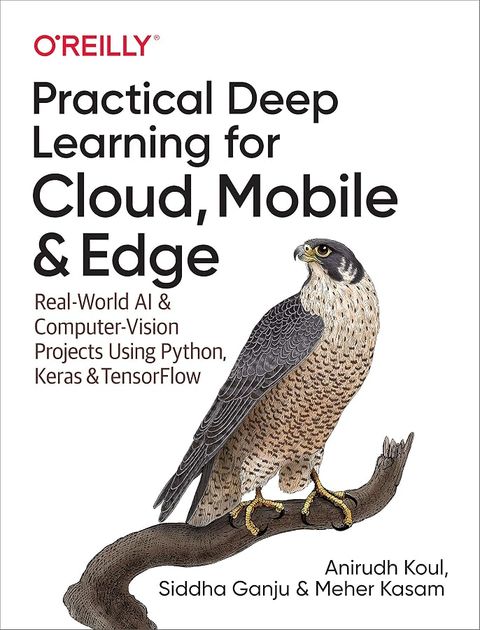
Practical Deep Learning for Cloud, Mobile, and Edge
A hands-on computer vision guide whose deployment lessons hold up, even though its 2019-era Keras and TensorFlow code has aged.
Editorial score: 64.3/100Amazon, Practical Deep Learning for Cloud, Mobile, and Edge (opens Amazon in a new tab) - Rank 43
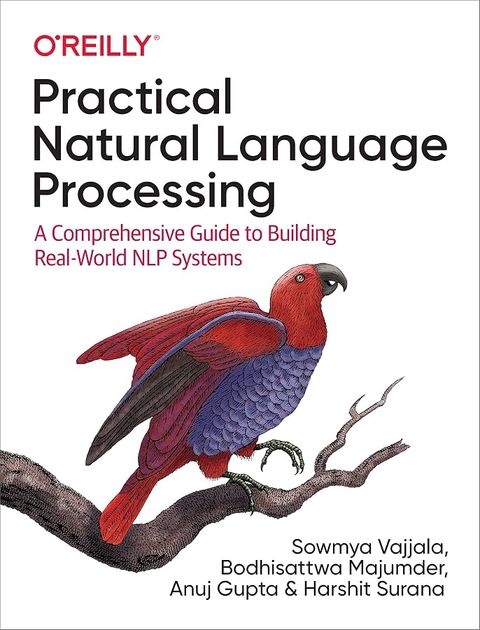
Practical Natural Language Processing
A pragmatic, industry-minded guide to building NLP systems, valuable for its engineering judgment though written before ChatGPT reshaped the field.
Editorial score: 64.8/100Amazon, Practical Natural Language Processing (opens Amazon in a new tab) - Rank 44
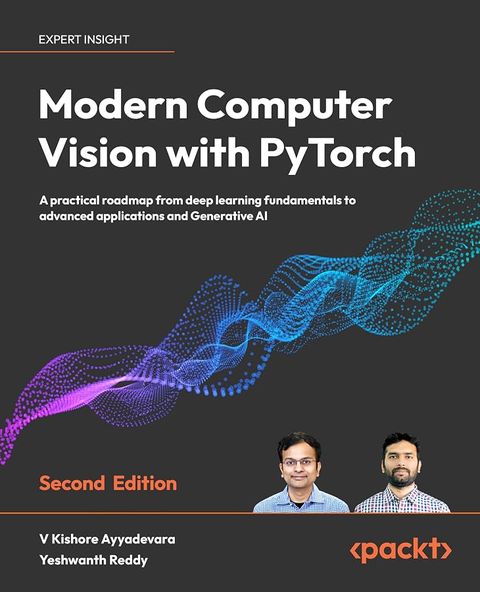
Modern Computer Vision with PyTorch
A comprehensive, code-heavy tour of computer vision in PyTorch, from first neural networks to CLIP and Stable Diffusion.
Editorial score: 66.6/100Amazon, Modern Computer Vision with PyTorch (opens Amazon in a new tab) - Rank 45
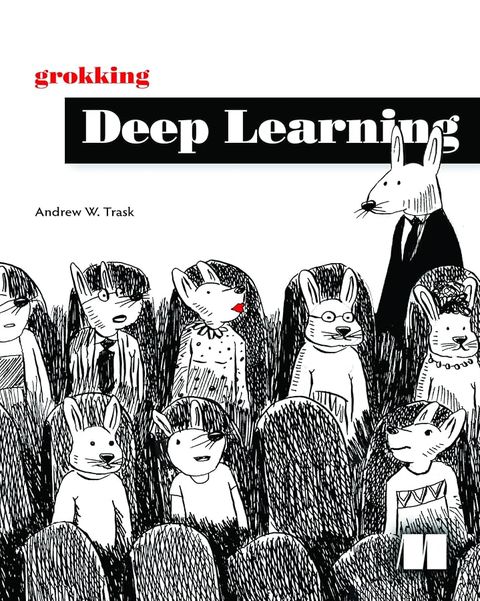
Grokking Deep Learning
A hands-on, framework-free introduction that builds neural networks from scratch in NumPy so readers understand every moving part.
Editorial score: 66.0/100Amazon, Grokking Deep Learning (opens Amazon in a new tab) - Rank 46
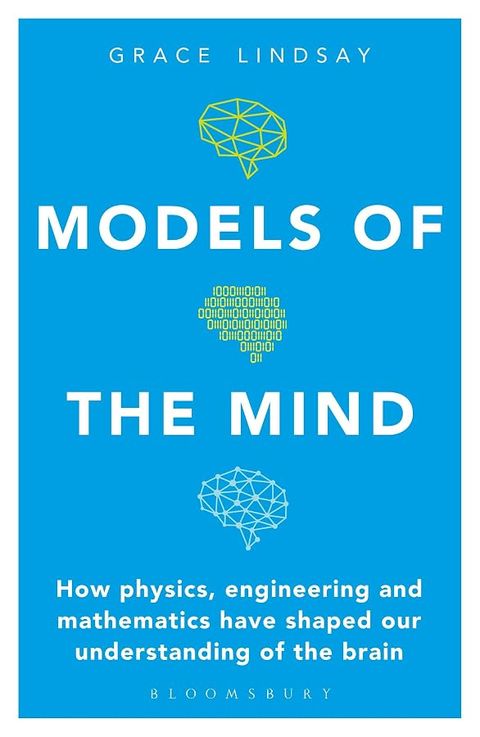
Models of the Mind
An engaging, nearly equation-free history of how mathematical models illuminate the brain, with clear links to artificial neural networks.
Editorial score: 65.3/100Amazon, Models of the Mind (opens Amazon in a new tab) - Rank 47
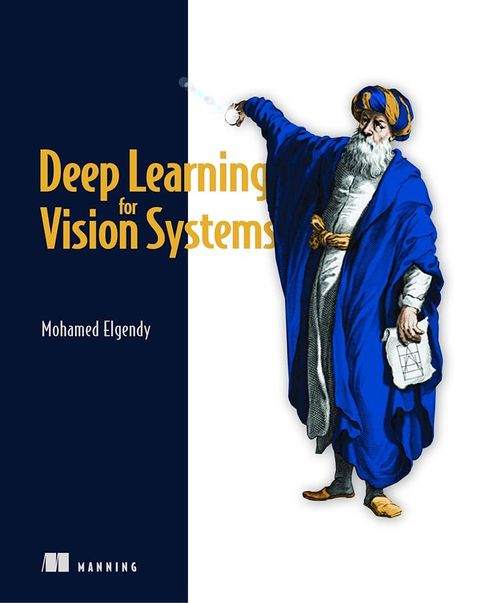
Deep Learning for Vision Systems
A clearly illustrated, Keras-based course in convolutional networks and object detection that teaches vision fundamentals well but predates transformers.
Editorial score: 62.3/100Amazon, Deep Learning for Vision Systems (opens Amazon in a new tab) - Rank 48
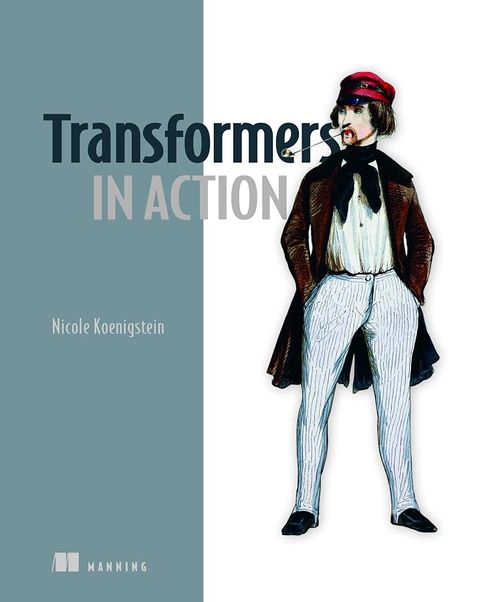
Transformers in Action
A code-forward guide to transformers and LLM adaptation that covers wide ground in 256 pages, occasionally at the expense of depth.
Editorial score: 63.1/100Amazon, Transformers in Action (opens Amazon in a new tab)

Guides
Deep Learning guides and lists
-
The 40 Best Deep Learning Books (2026)
From building a GPT-style model in PyTorch to graduate textbooks on probability and generative models, these 40 books explain how neural networks learn, ranked for readers at every level.
