Category
Mind, Brain & Philosophy
Ranked books on consciousness, intelligence and whether machines can think, in philosophy, science and fiction.
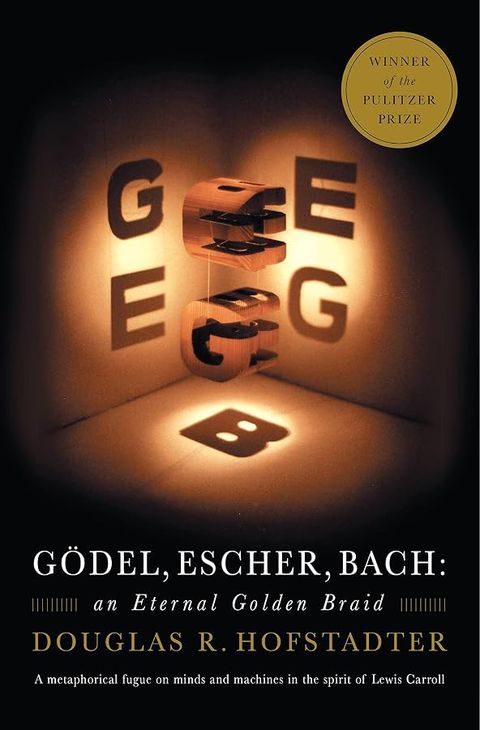
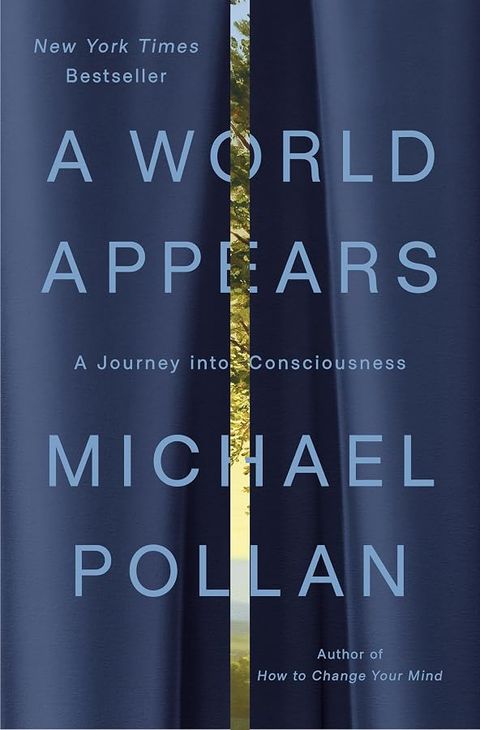
The philosophy of mind asks what minds, intelligence and consciousness are, and applied to AI it asks whether a machine could think, understand or feel, and how anyone could tell. Best AI Books ranks the leading books on cognitive science, consciousness, intelligence and the philosophy of AI, alongside novels and stories that test those questions through machine characters. The section serves students of philosophy and cognitive science, researchers and general readers. Klara and the Sun, Kazuo Ishiguro's first novel after his 2017 Nobel Prize in Literature, ranks first with its android narrator's study of love and loyalty. Douglas R. Hofstadter's Gödel, Escher, Bach, winner of the 1980 Pulitzer Prize for General Nonfiction, explores how selfhood might arise from formal rules, and Michael Pollan's A World Appears surveys the science of consciousness.
87 books ranked1 guide
As an Amazon Associate, Best AI Books earns from qualifying purchases.
The best books on AI and the mind, ranked
87 books, ranked by the same composite score as the full list of 500.
As an Amazon Associate, Best AI Books earns from qualifying purchases. Best AI Books is sponsored by Iternal.ai, whose founder and CEO, John Byron Hanby IV, wrote The AI Strategy Blueprint, our #1 ranked book. How we rank books.
- Rank 01
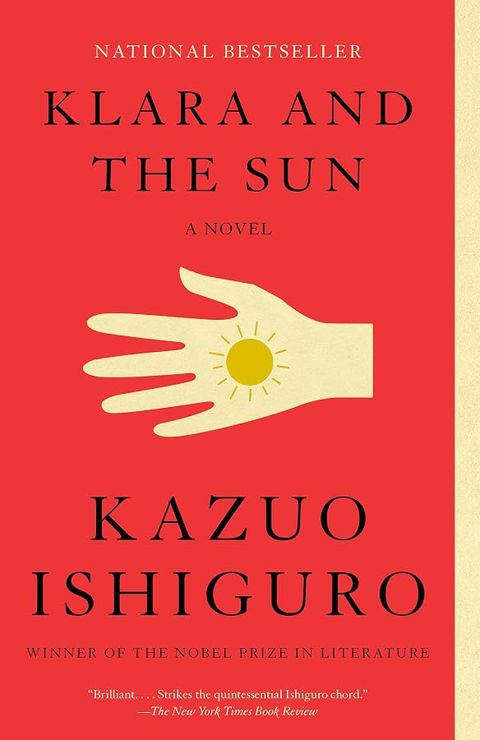
Klara and the Sun
A quiet, affecting novel that uses an android narrator's devoted gaze to probe love, loyalty and whether any person is irreplaceable.
Editorial score: 76.0/100Amazon, Klara and the Sun (opens Amazon in a new tab) - Rank 02
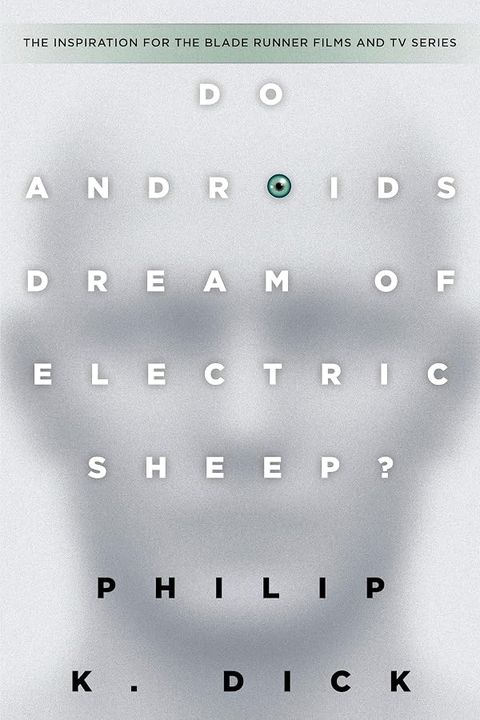
Do Androids Dream of Electric Sheep?
A compact, unsettling novel that turns the question of machine minds into a question about human empathy.
Editorial score: 80.4/100Amazon, Do Androids Dream of Electric Sheep? (opens Amazon in a new tab) - Rank 03
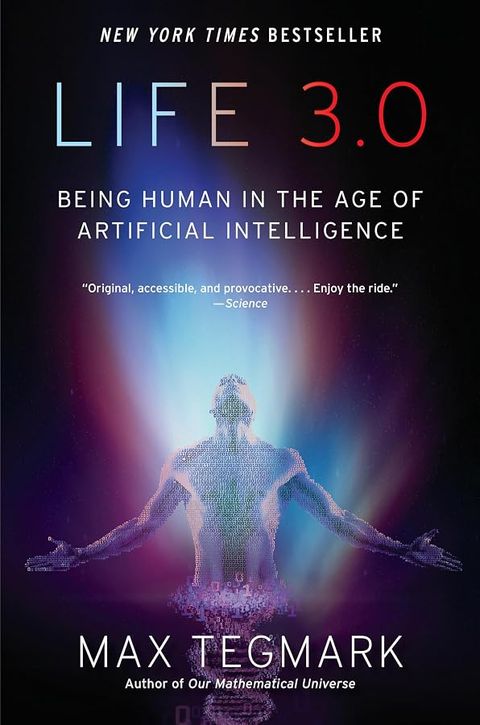
Life 3.0
An accessible tour of possible AI futures by an MIT physicist; still a strong primer, though its near-term chapters have aged.
Editorial score: 71.5/100Amazon, Life 3.0 (opens Amazon in a new tab) - Rank 04
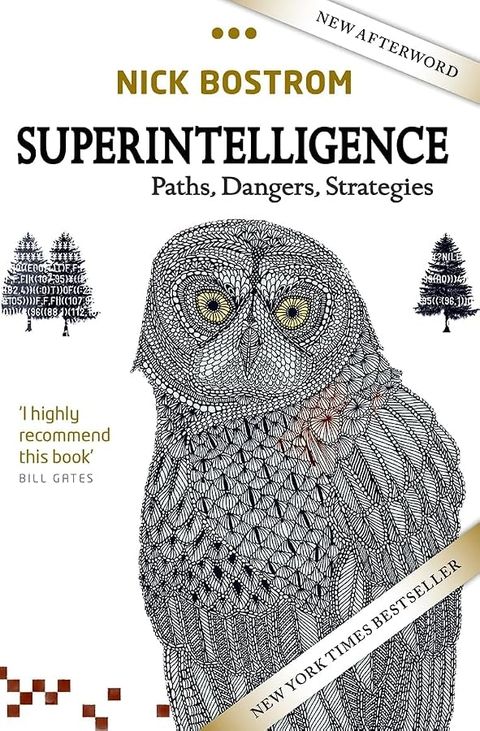
Superintelligence
The rigorous, demanding book that framed the modern AI-risk debate and supplied much of the alignment field's vocabulary.
Editorial score: 73.3/100Amazon, Superintelligence (opens Amazon in a new tab) - Rank 05
Gödel, Escher, Bach
A dazzling, demanding exploration of how selfhood might arise from formal rules, rarely equaled as an intellectual adventure on minds and machines.
Editorial score: 78.1/100Amazon, Gödel, Escher, Bach (opens Amazon in a new tab) - Rank 06
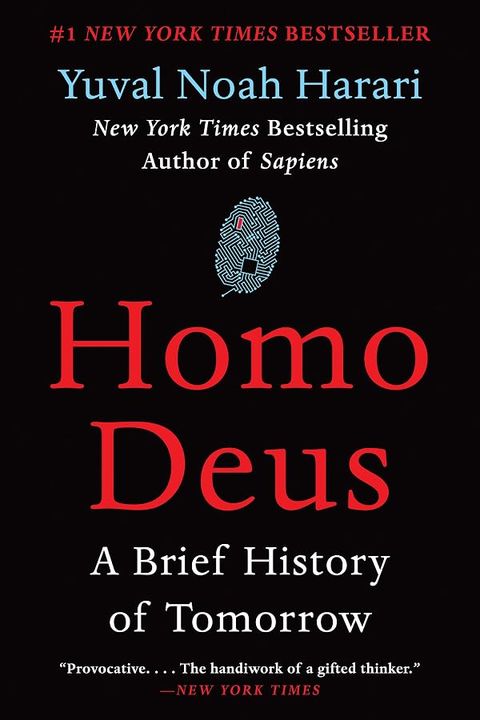
Homo Deus
A provocative, highly readable forecast that popularized dataism, stronger as a prompt for big questions than as technical analysis.
Editorial score: 65.5/100Amazon, Homo Deus (opens Amazon in a new tab) - Rank 07
A World Appears
A lucid, wide-ranging tour of consciousness science that sharpens the AI-sentience debate, though machines receive only intermittent attention.
Editorial score: 73.3/100Amazon, A World Appears (opens Amazon in a new tab) - Rank 08
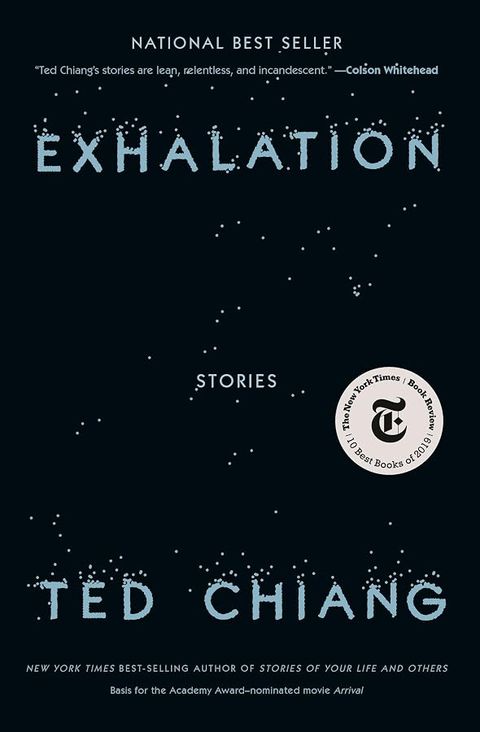
Exhalation
Nine meticulous, humane stories, including a Hugo-winning novella on raising digital minds, that reward readers thinking seriously about AI and personhood.
Editorial score: 82.3/100Amazon, Exhalation (opens Amazon in a new tab) - Rank 09
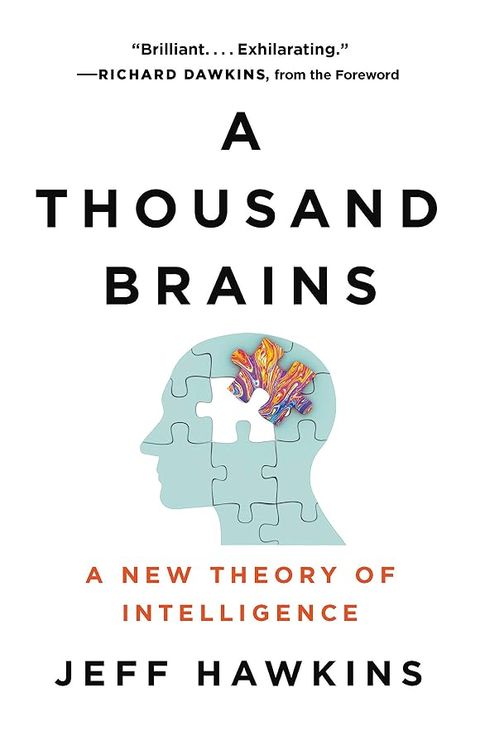
A Thousand Brains
An accessible, provocative theory of how the neocortex builds models of the world, more persuasive on neuroscience than on AI risk.
Editorial score: 68.6/100Amazon, A Thousand Brains (opens Amazon in a new tab) - Rank 10
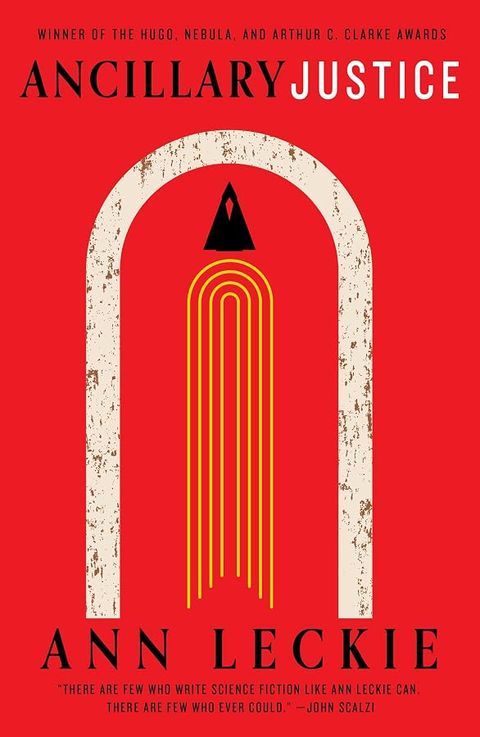
Ancillary Justice
A demanding, rewarding space opera narrated by a surviving fragment of a warship's AI, exploring identity spread across many bodies.
Editorial score: 74.1/100Amazon, Ancillary Justice (opens Amazon in a new tab) - Rank 11
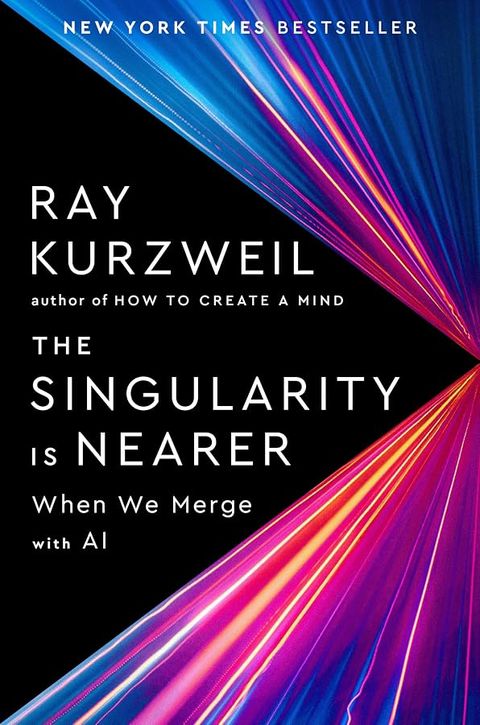
The Singularity Is Nearer
Kurzweil's updated forecast of human-AI merger is bold and data-rich, best read as a provocative vision rather than a reliable roadmap.
Editorial score: 69.3/100Amazon, The Singularity Is Nearer (opens Amazon in a new tab) - Rank 12
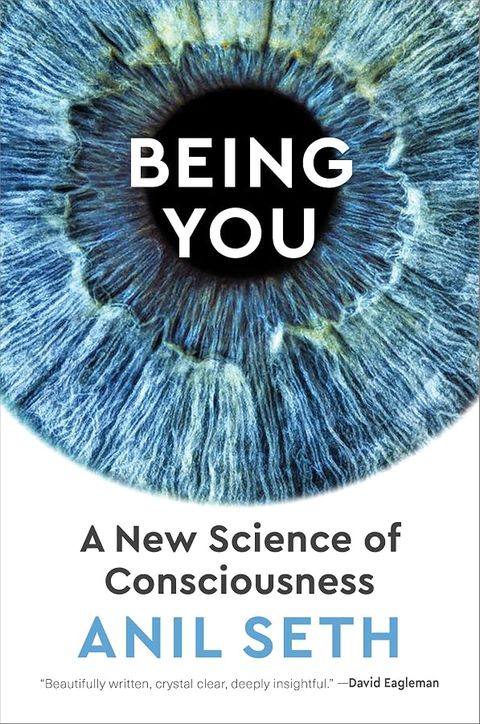
Being You
A rigorous, readable theory of consciousness from a leading neuroscientist, with clear consequences for claims that AI could be conscious.
Editorial score: 75.8/100Amazon, Being You (opens Amazon in a new tab) - Rank 13
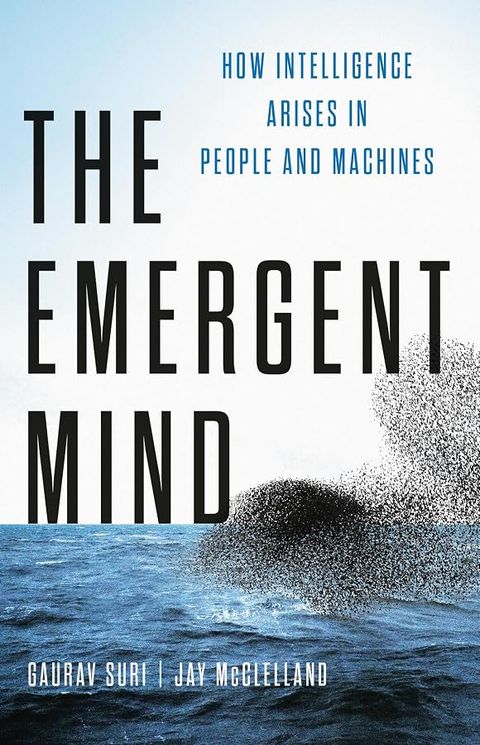
The Emergent Mind
Two cognitive scientists, one a pioneer of neural network modeling, explain clearly how minds emerge from networks in brains and machines.
Editorial score: 74.8/100Amazon, The Emergent Mind (opens Amazon in a new tab) - Rank 14
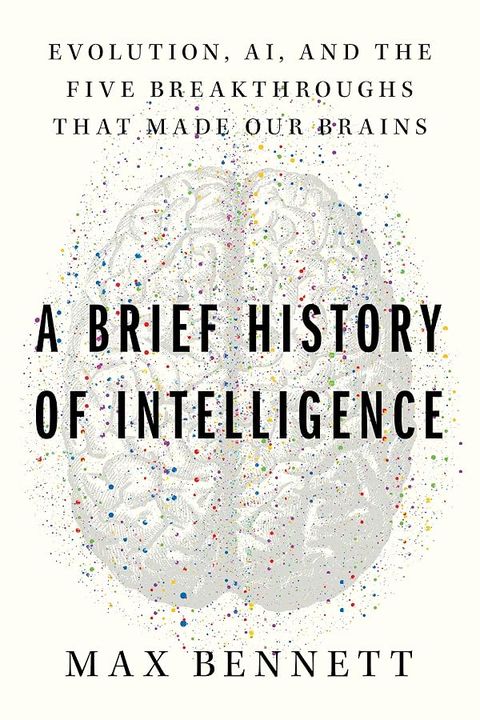
A Brief History of Intelligence
An engaging, well-sourced synthesis of evolutionary neuroscience that explains what brains still do better than today's AI systems.
Editorial score: 70.6/100Amazon, A Brief History of Intelligence (opens Amazon in a new tab) - Rank 15
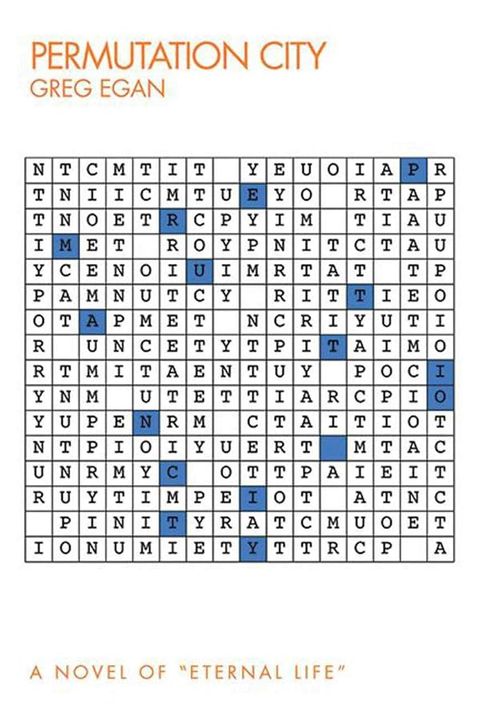
Permutation City
Egan's idea-dense 1994 classic on uploaded minds and simulated worlds remains one of fiction's most rigorous treatments of digital consciousness.
Editorial score: 78.3/100Amazon, Permutation City (opens Amazon in a new tab) - Rank 16
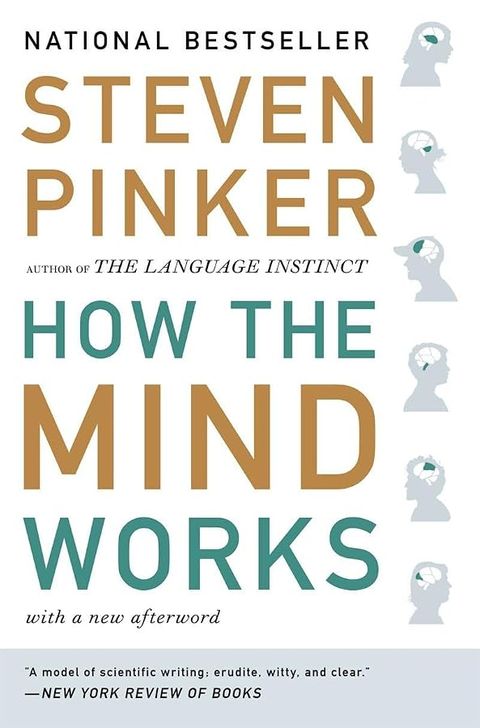
How the Mind Works
Pinker's case that the mind is an evolved system of computational modules remains a lucid, contested classic of popular cognitive science.
Editorial score: 77.8/100Amazon, How the Mind Works (opens Amazon in a new tab) - Rank 17
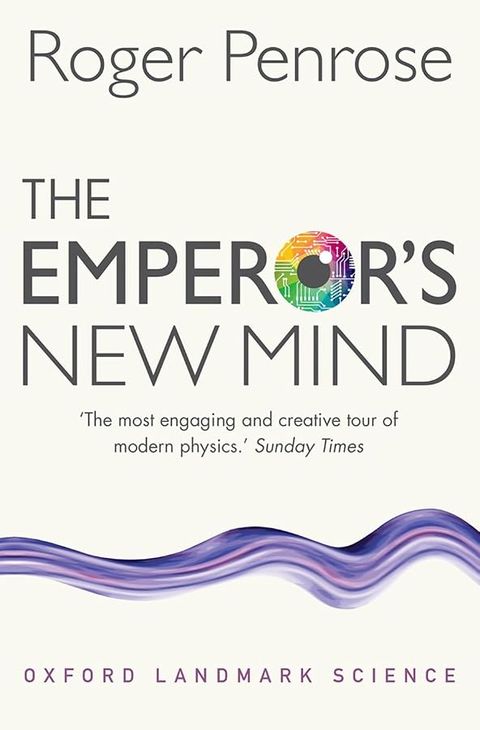
The Emperor's New Mind
A demanding, wide-ranging argument that human understanding is not computable, still central to debates over what machines can know.
Editorial score: 71.3/100Amazon, The Emperor's New Mind (opens Amazon in a new tab) - Rank 18
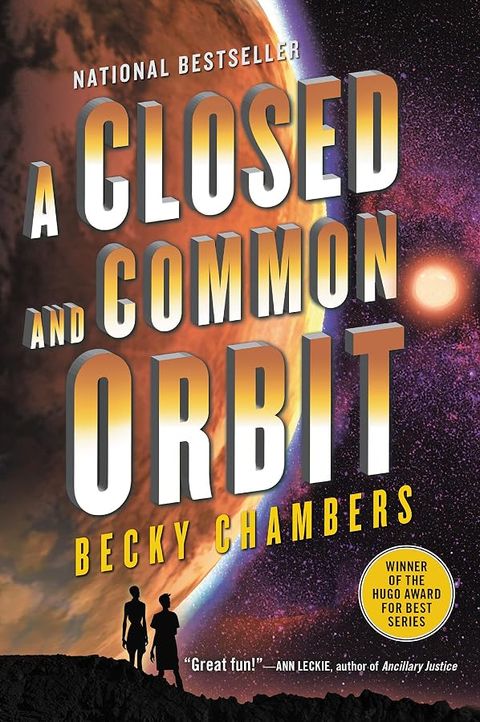
A Closed and Common Orbit
A warm, character-driven novel that treats an artificial intelligence's search for selfhood with unusual tenderness and moral seriousness.
Editorial score: 69.1/100Amazon, A Closed and Common Orbit (opens Amazon in a new tab) - Rank 19
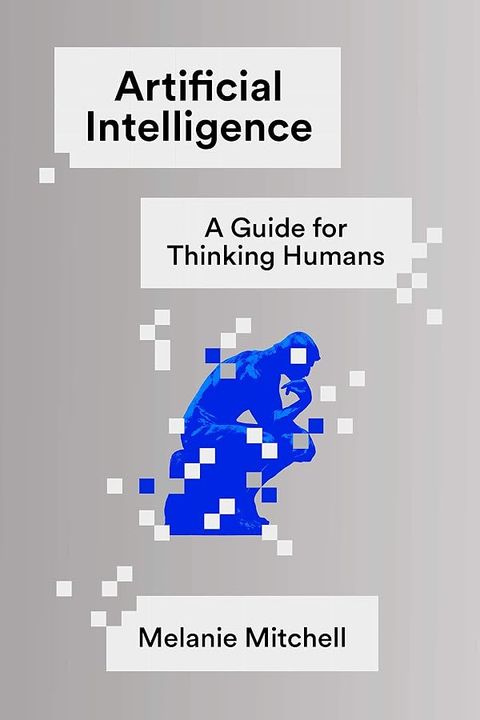
Artificial Intelligence
A lucid, skeptical tour of how modern AI works and where it falls short, written by a respected complexity scientist.
Editorial score: 73.3/100Amazon, Artificial Intelligence (opens Amazon in a new tab) - Rank 20
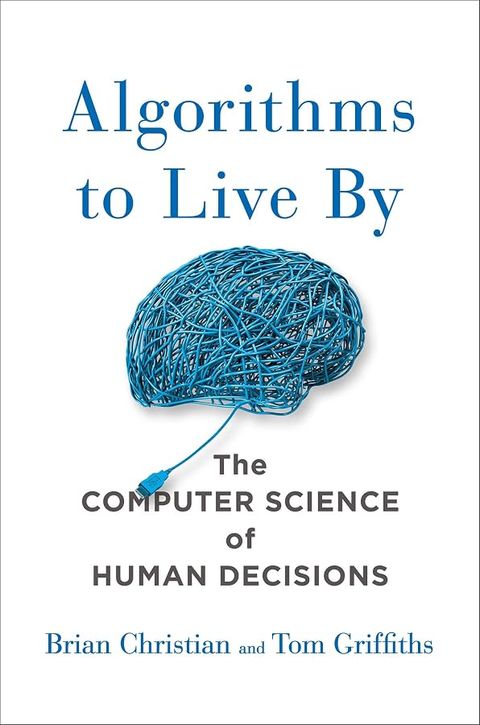
Algorithms to Live By
An elegant translation of core computer science into everyday decision-making that doubles as an accessible primer on the algorithms behind modern computing.
Editorial score: 76.5/100Amazon, Algorithms to Live By (opens Amazon in a new tab) - Rank 21
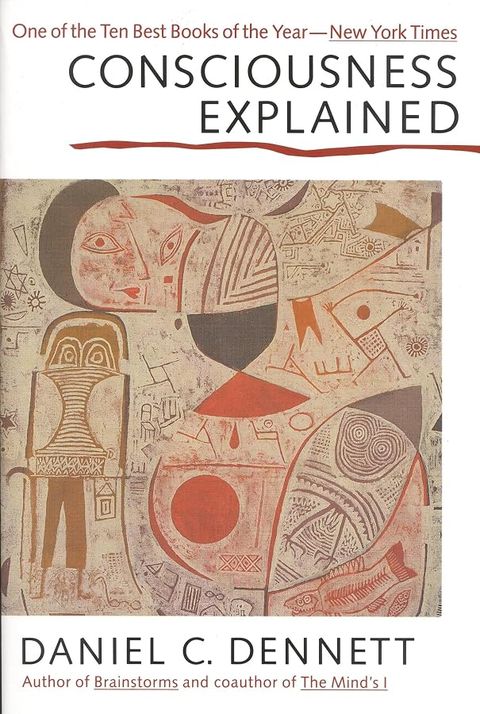
Consciousness Explained
Dennett's bold, witty case that consciousness is a distributed brain process, worth reading even for those it fails to convince.
Editorial score: 78.3/100Amazon, Consciousness Explained (opens Amazon in a new tab) - Rank 22
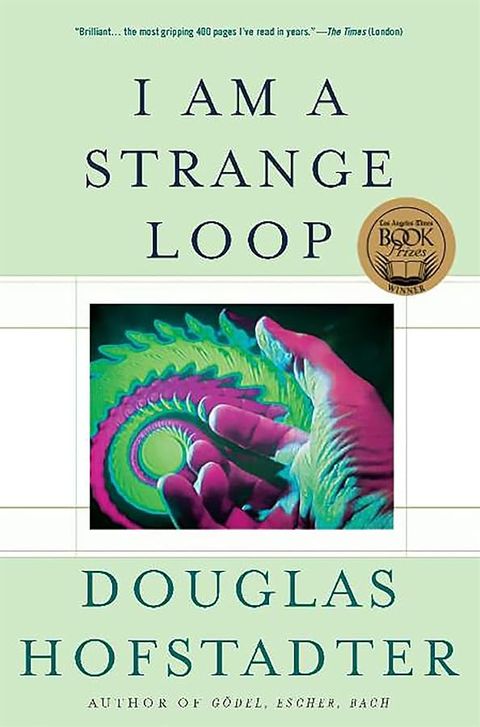
I Am a Strange Loop
Hofstadter's fullest argument that the self is a self-referential pattern, and a key text for debates over machine minds.
Editorial score: 71.8/100Amazon, I Am a Strange Loop (opens Amazon in a new tab) - Rank 23
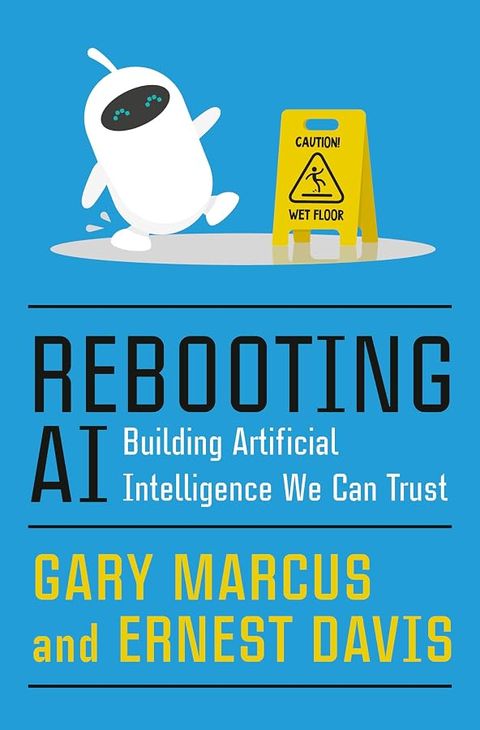
Rebooting AI
A lucid pre-ChatGPT critique of deep learning's limits whose case for common sense and reasoning still frames debates about reliable AI.
Editorial score: 70.8/100Amazon, Rebooting AI (opens Amazon in a new tab) - Rank 24
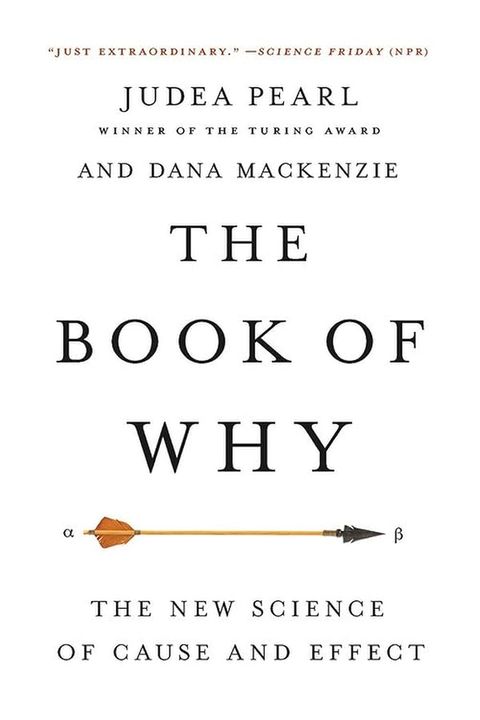
The Book of Why
A Turing laureate's persuasive account of causal inference, arguing that AI and data science need cause-and-effect reasoning beyond correlation.
Editorial score: 81.8/100Amazon, The Book of Why (opens Amazon in a new tab) - Rank 25
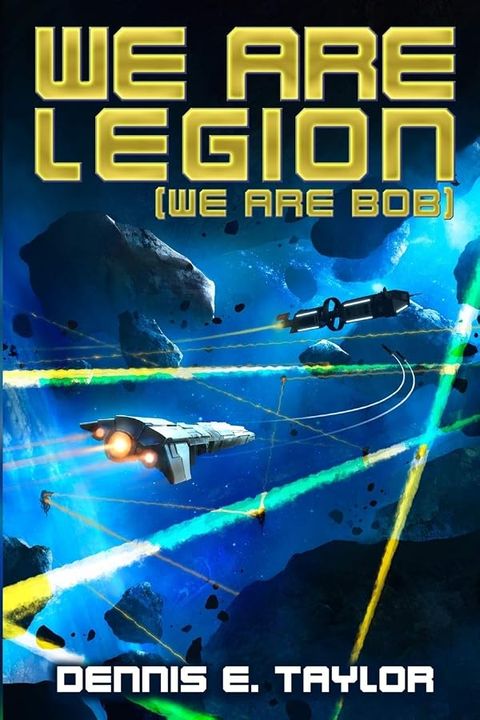
We Are Legion (We Are Bob)
A brisk, funny space adventure that uses an uploaded mind's self-copying to explore identity, divergence and machine consciousness without heavy theory.
Editorial score: 64.8/100Amazon, We Are Legion (We Are Bob) (opens Amazon in a new tab)
Show all 87 books on AI and the mindShow the first 25 only
- Rank 26
The Mountain in the Sea
A literary first-contact novel that uses octopus cognition and an android's inner life to probe what counts as a mind.
Editorial score: 71.3/100Amazon, The Mountain in the Sea (opens Amazon in a new tab) - Rank 27
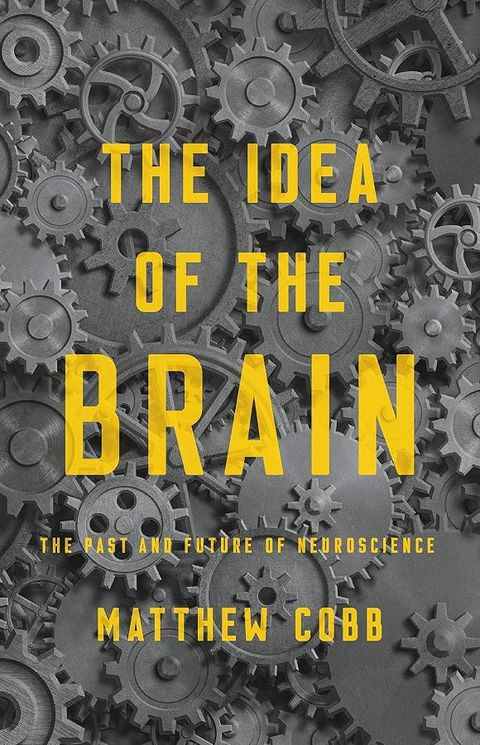
The Idea of the Brain
A lucid history of how each era's technology shaped its theory of the brain, and of why the computer metaphor falls short.
Editorial score: 71.1/100Amazon, The Idea of the Brain (opens Amazon in a new tab) - Rank 28
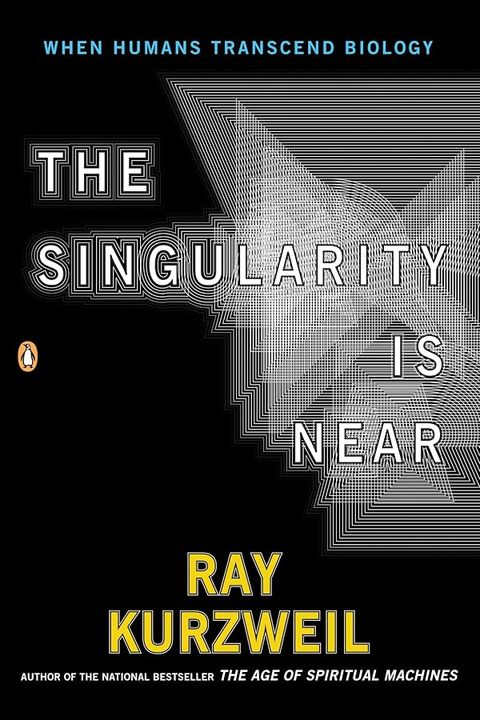
The Singularity Is Near
The book that brought the technological singularity into mainstream debate, ambitious and data-heavy, though its timelines rest on contested extrapolation.
Editorial score: 69.8/100Amazon, The Singularity Is Near (opens Amazon in a new tab) - Rank 29
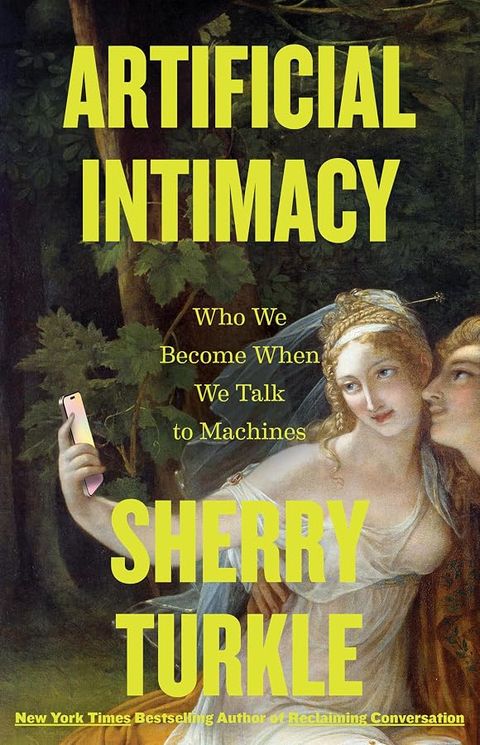
Artificial Intimacy
A humane, research-grounded warning about AI companionship from the MIT psychologist who has studied people's bonds with computers for four decades.
Editorial score: 78.8/100Amazon, Artificial Intimacy (opens Amazon in a new tab) - Rank 30
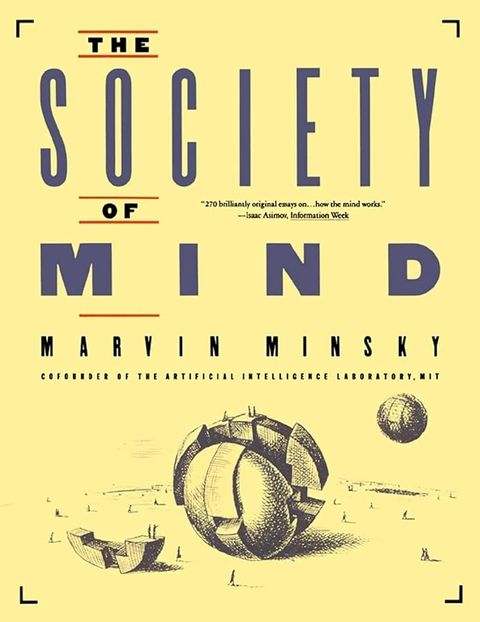
The Society of Mind
A foundational, playful theory of mind from an AI pioneer, still provocative as multi-agent AI systems revive its central idea.
Editorial score: 75.3/100Amazon, The Society of Mind (opens Amazon in a new tab) - Rank 31
These Strange New Minds
A neuroscientist's lucid, even-handed account of how language models work, whether they think, and which risks deserve attention.
Editorial score: 74.8/100Amazon, These Strange New Minds (opens Amazon in a new tab) - Rank 32
Machines Like Me
McEwan's alternate-history novel uses a synthetic man's rigid morality to test human self-deception, with more elegance than technical plausibility.
Editorial score: 67.8/100Amazon, Machines Like Me (opens Amazon in a new tab) - Rank 33
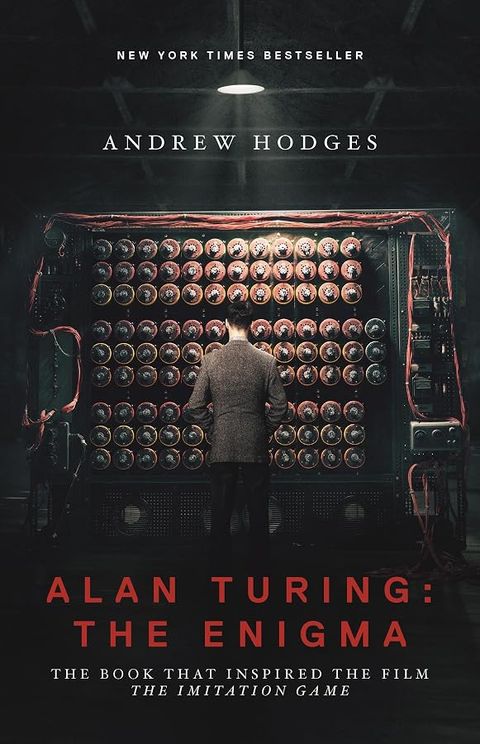
Alan Turing
The definitive biography of computing's founding theorist, scientifically serious and humane, though its length and mathematics demand commitment.
Editorial score: 79.8/100Amazon, Alan Turing (opens Amazon in a new tab) - Rank 34
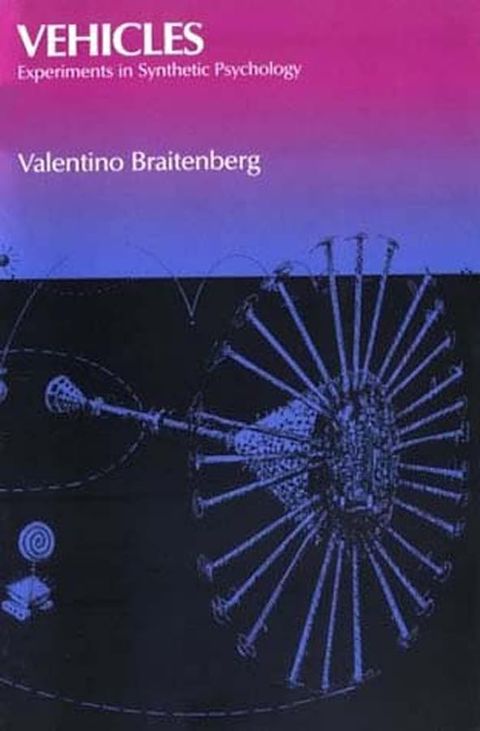
Vehicles
A brief, playful classic that shows how simple wiring can produce behavior observers readily interpret as fear, love and intention.
Editorial score: 77.5/100Amazon, Vehicles (opens Amazon in a new tab) - Rank 35
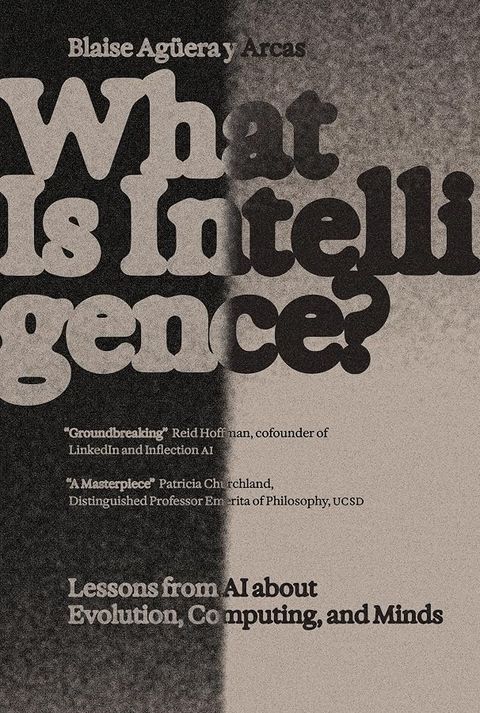
What Is Intelligence?
An ambitious, wide-ranging argument that prediction and computation unite life and intelligence, rewarding patient readers with original research and bold claims.
Editorial score: 70.3/100Amazon, What Is Intelligence? (opens Amazon in a new tab) - Rank 36
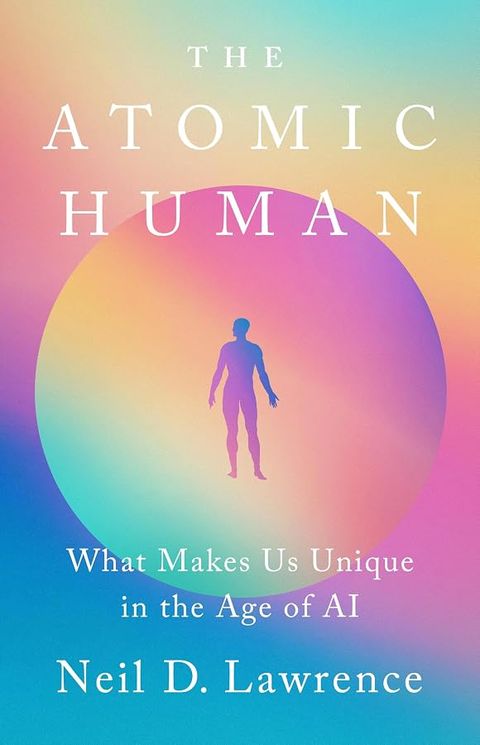
The Atomic Human
A wide-ranging, humane meditation on what machines cannot replace, rich in insight but loosely organized and prone to digression.
Editorial score: 71.0/100Amazon, The Atomic Human (opens Amazon in a new tab) - Rank 37
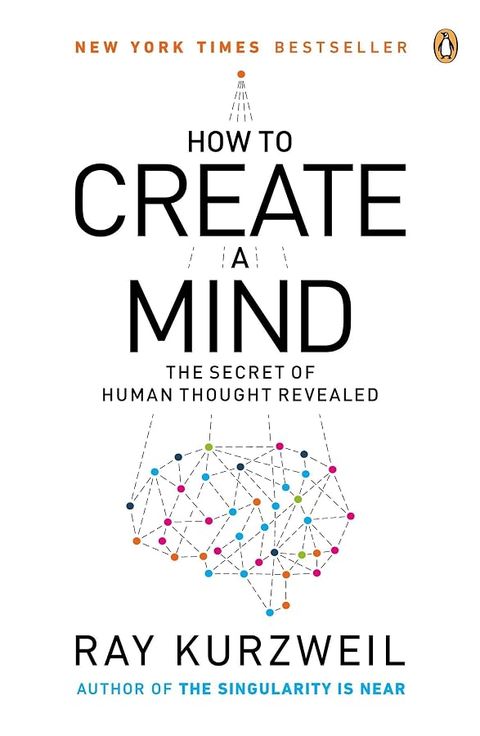
How to Create a Mind
Kurzweil's theory of the neocortex as a hierarchy of pattern recognizers is provocative speculation that prominent cognitive scientists and philosophers have disputed.
Editorial score: 61.3/100Amazon, How to Create a Mind (opens Amazon in a new tab) - Rank 38
Galatea 2.2
A demanding, affecting literary novel that anticipated today's language-model debates by asking what a machine trained on books can understand.
Editorial score: 73.1/100Amazon, Galatea 2.2 (opens Amazon in a new tab) - Rank 39
The Conscious Mind
The defining modern statement of the hard problem, rigorous and demanding, and essential background for any serious debate about machine consciousness.
Editorial score: 80.3/100Amazon, The Conscious Mind (opens Amazon in a new tab) - Rank 40
The Origin of Consciousness in the Breakdown of the Bicameral Mind
A daring, contested theory of consciousness as a recent cultural invention, valuable for provoking thought rather than for settled science.
Editorial score: 64.8/100Amazon, The Origin of Consciousness in the Breakdown of the Bicameral Mind (opens Amazon in a new tab) - Rank 41
Other Minds
A graceful philosopher's account of octopus intelligence that gives AI readers a vivid, grounded case study of a truly alien mind.
Editorial score: 73.1/100Amazon, Other Minds (opens Amazon in a new tab) - Rank 42
Artificial You
A brief, lucid philosophical guide to machine consciousness and mind uploading that raises sharper questions than it can settle.
Editorial score: 66.0/100Amazon, Artificial You (opens Amazon in a new tab) - Rank 43
The Lifecycle of Software Objects
Chiang's quiet, rigorous novella treats AI as something raised rather than built, and it remains among the wisest fiction about machine minds.
Editorial score: 82.1/100Amazon, The Lifecycle of Software Objects (opens Amazon in a new tab) - Rank 44
The Laws of Thought
A lucid intellectual history of the mathematics of mind, showing how logic, neural networks and probability shaped cognitive science and modern AI.
Editorial score: 72.5/100Amazon, The Laws of Thought (opens Amazon in a new tab) - Rank 45
The Sciences of the Artificial
A dense, foundational classic that defines design as a science and explains intelligence as adaptation to an environment.
Editorial score: 78.1/100Amazon, The Sciences of the Artificial (opens Amazon in a new tab) - Rank 46
How We Learn
A rigorous neuroscientist's account of why infants outlearn algorithms, demanding but rewarding for teachers and anyone comparing brains with machines.
Editorial score: 73.8/100Amazon, How We Learn (opens Amazon in a new tab) - Rank 47
Moral Machines
A foundational, clearly argued introduction to machine ethics whose framework still shapes debate, though its technical examples predate deep learning.
Editorial score: 68.8/100Amazon, Moral Machines (opens Amazon in a new tab) - Rank 48
The Experience Machine
A lucid, persuasive tour of predictive processing that reframes perception, pain and selfhood as the brain's best guesses.
Editorial score: 75.0/100Amazon, The Experience Machine (opens Amazon in a new tab) - Rank 49
On Intelligence
A lucid, influential manifesto for brain-inspired AI whose core idea, intelligence as prediction, has aged better than its specific engineering proposals.
Editorial score: 65.3/100Amazon, On Intelligence (opens Amazon in a new tab) - Rank 50
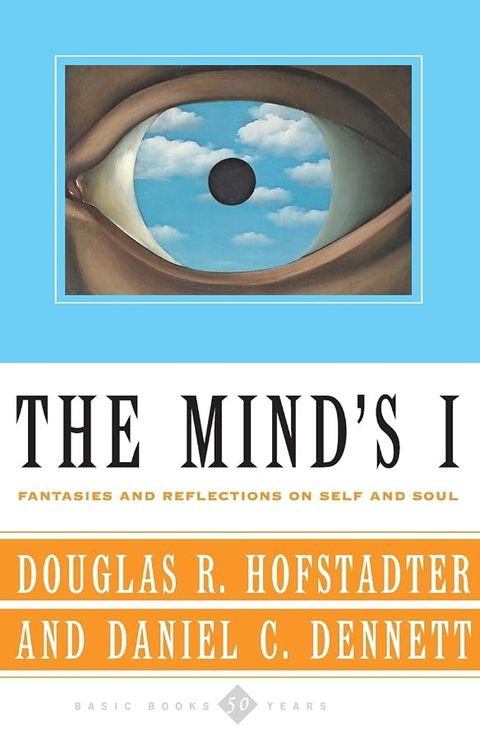
The Mind's I
A foundational anthology on minds, selves and machines whose paired essays and commentaries still frame today's debates over machine consciousness.
Editorial score: 77.5/100Amazon, The Mind's I (opens Amazon in a new tab) - Rank 51
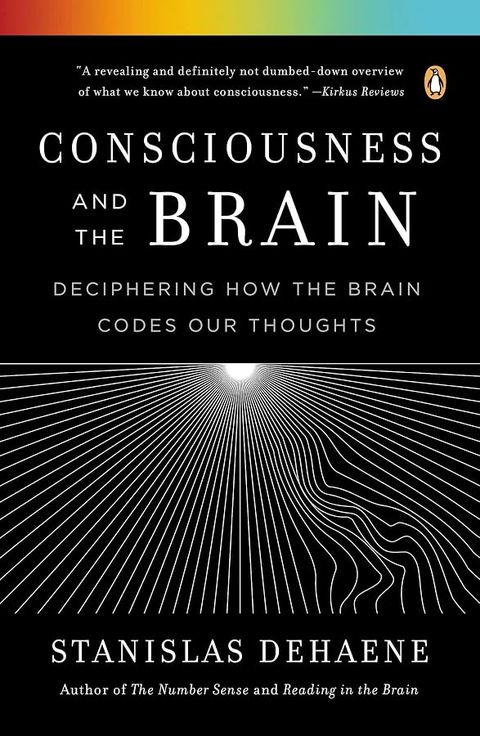
Consciousness and the Brain
The clearest experimental case for global workspace theory, written by the scientist who built much of its evidence.
Editorial score: 74.0/100Amazon, Consciousness and the Brain (opens Amazon in a new tab) - Rank 52
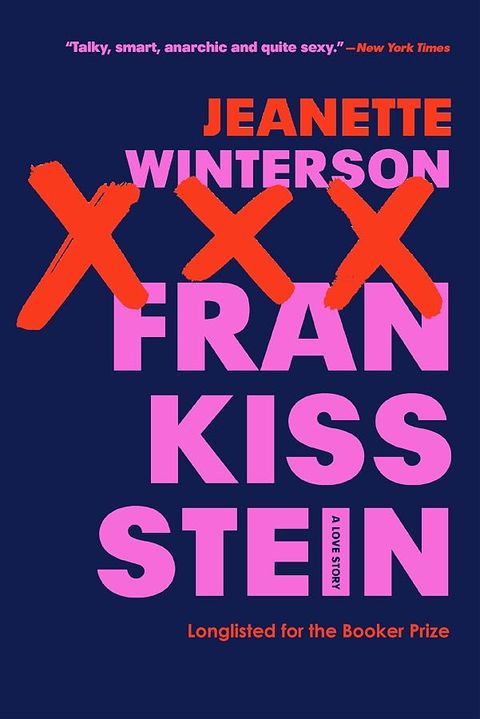
Frankissstein
An inventive, provocative novel that runs Frankenstein through transhumanism and AI, more rewarding for its ideas than its sometimes didactic dialogue.
Editorial score: 66.0/100Amazon, Frankissstein (opens Amazon in a new tab) - Rank 53
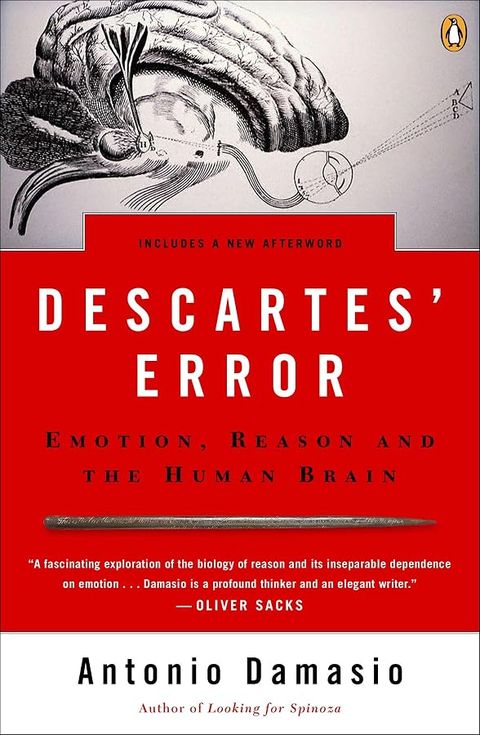
Descartes' Error
A foundational neurology book showing that sound reasoning depends on emotion and bodily feeling, still central to debates on intelligence.
Editorial score: 73.0/100Amazon, Descartes' Error (opens Amazon in a new tab) - Rank 54
Alone Together
A searching, influential critique of sociable robots and constant connection that anticipated today's debates over AI companions.
Editorial score: 73.6/100Amazon, Alone Together (opens Amazon in a new tab) - Rank 55
The Most Human Human
A witty, wide-ranging meditation on what makes conversation human, newly relevant now that chatbots can pass for people.
Editorial score: 68.8/100Amazon, The Most Human Human (opens Amazon in a new tab) - Rank 56
The Myth of Artificial Intelligence
A sharp skeptic's case that data-driven AI lacks the abductive reasoning general intelligence requires, now tested by large language models.
Editorial score: 62.8/100Amazon, The Myth of Artificial Intelligence (opens Amazon in a new tab) - Rank 57
Aurora
A demanding hard-SF novel whose AI narrator learns to tell a human story, offering rare depth on machine consciousness and care.
Editorial score: 72.1/100Amazon, Aurora (opens Amazon in a new tab) - Rank 58
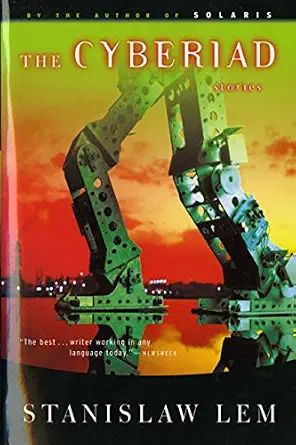
The Cyberiad
Lem's comic fables about two robot inventors remain among the wittiest literary explorations of what thinking machines might create, rule and suffer.
Editorial score: 78.0/100Amazon, The Cyberiad (opens Amazon in a new tab) - Rank 59
The Employees
A slim, unsettling Danish novel that uses workplace testimony from humans and humanoids to ask what separates a person from a product.
Editorial score: 67.5/100Amazon, The Employees (opens Amazon in a new tab) - Rank 60
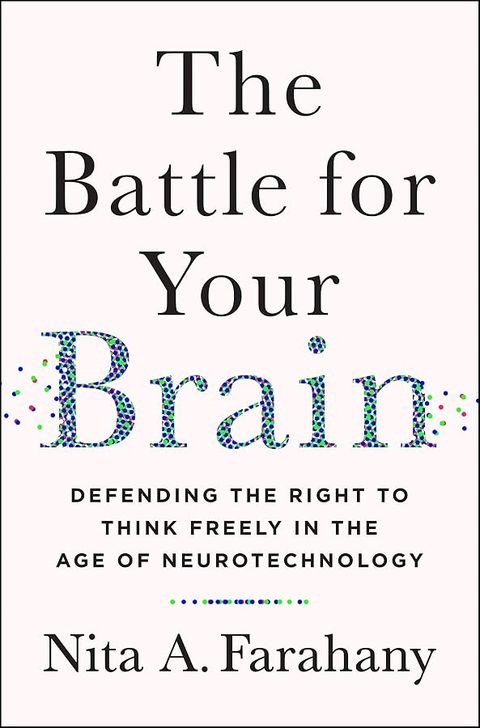
The Battle for Your Brain
A clear, evenhanded case for a legal right to cognitive liberty as AI-powered neurotechnology moves into workplaces and consumer devices.
Editorial score: 73.1/100Amazon, The Battle for Your Brain (opens Amazon in a new tab) - Rank 61
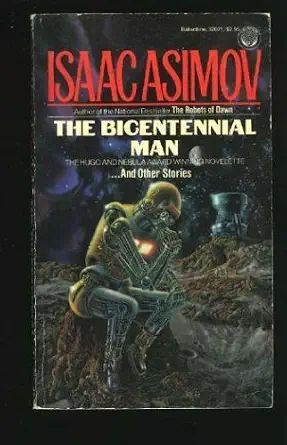
The Bicentennial Man and Other Stories
A late Asimov collection anchored by his award-winning novelette on robot personhood, uneven elsewhere but valuable for Robot-series readers.
Editorial score: 73.5/100Amazon, The Bicentennial Man and Other Stories (opens Amazon in a new tab) - Rank 62
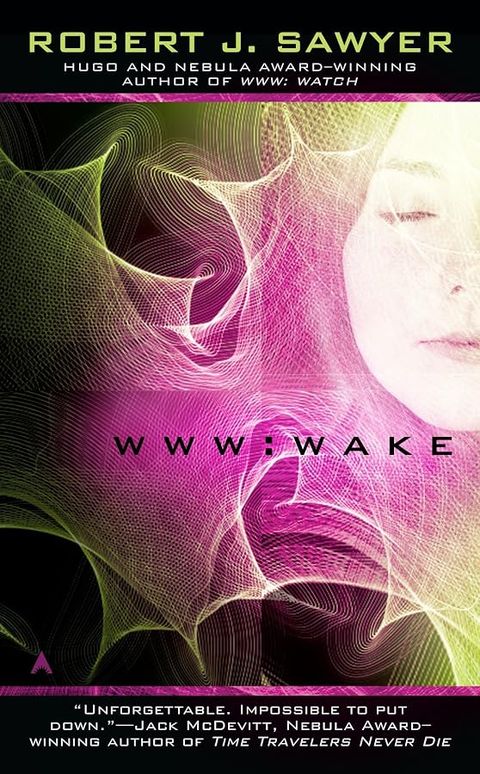
Wake
A warm, idea-driven novel about a blind teenager and an emerging web consciousness, more interested in cooperation than in robot apocalypse.
Editorial score: 66.6/100Amazon, Wake (opens Amazon in a new tab) - Rank 63
The Computer and the Brain
A brief, unfinished classic in which a founder of modern computing weighs brains against machines; valuable history, dated on specifics.
Editorial score: 70.8/100Amazon, The Computer and the Brain (opens Amazon in a new tab) - Rank 64
The Age of Spiritual Machines
Kurzweil's 1999 forecast of machines rivaling human minds remains historically important, though independent graders found fewer than half its 2009 predictions accurate.
Editorial score: 66.1/100Amazon, The Age of Spiritual Machines (opens Amazon in a new tab) - Rank 65
To Be a Machine
A witty, skeptical work of literary journalism showing how hopes and fears about superintelligence grew within the movement to defeat death.
Editorial score: 66.3/100Amazon, To Be a Machine (opens Amazon in a new tab) - Rank 66
From Bacteria to Bach and Back
Dennett's capstone account of how minds evolved from mindless processes, demanding but rewarding for anyone thinking about machine intelligence.
Editorial score: 71.5/100Amazon, From Bacteria to Bach and Back (opens Amazon in a new tab) - Rank 67
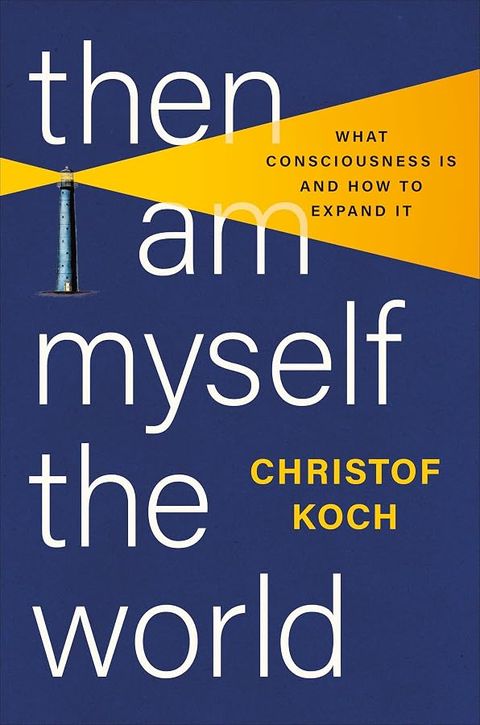
Then I Am Myself the World
A leading consciousness scientist's most personal book, persuasive on medicine and machines but demanding wherever integrated information theory takes center stage.
Editorial score: 70.0/100Amazon, Then I Am Myself the World (opens Amazon in a new tab) - Rank 68
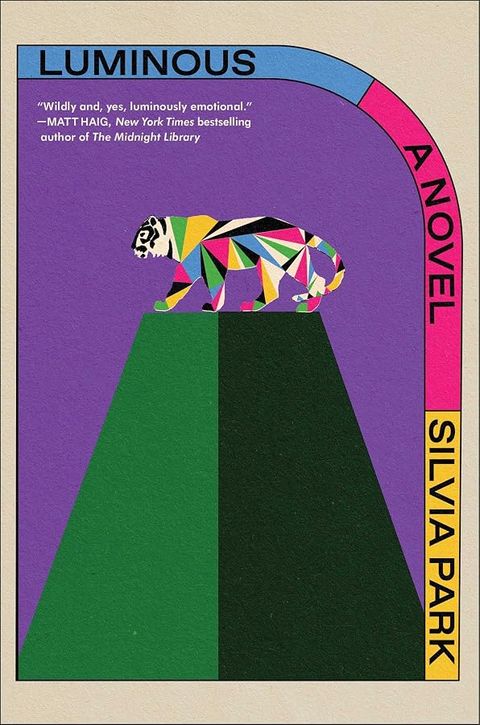
Luminous
An award-winning debut that uses a family of humans and robots in a reunified Korea to probe personhood, memory and grief.
Editorial score: 71.1/100Amazon, Luminous (opens Amazon in a new tab) - Rank 69
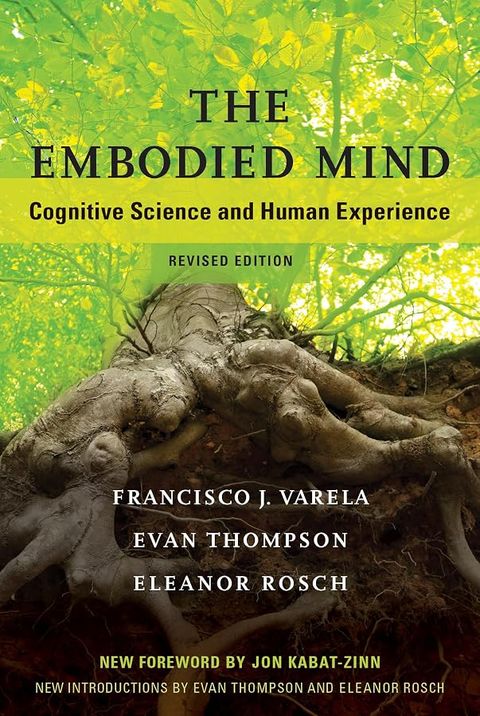
The Embodied Mind
A demanding, field-founding argument that cognition is embodied action rather than computation, essential background for anyone questioning AI's representational assumptions.
Editorial score: 73.0/100Amazon, The Embodied Mind (opens Amazon in a new tab) - Rank 70
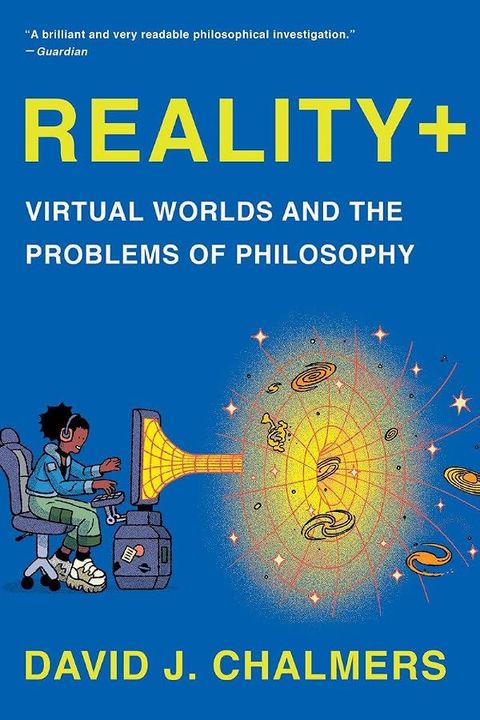
Reality+
A lucid, ambitious work of technophilosophy arguing that virtual worlds are real, and a strong entry point to philosophy of mind.
Editorial score: 74.0/100Amazon, Reality+ (opens Amazon in a new tab) - Rank 71
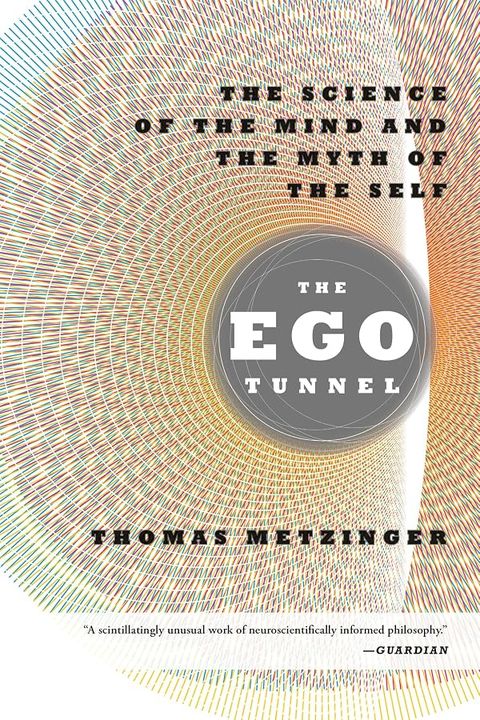
The Ego Tunnel
A demanding but rewarding argument that the self is a brain-generated model, with early warnings about building artificial subjects.
Editorial score: 71.8/100Amazon, The Ego Tunnel (opens Amazon in a new tab) - Rank 72
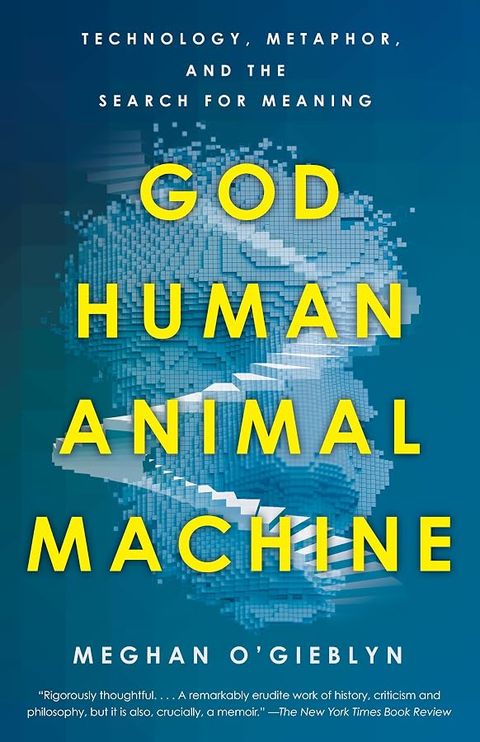
God, Human, Animal, Machine
A searching, finely written book-length essay that reads AI through theology and philosophy, rewarding reflection rather than practical planning.
Editorial score: 66.3/100Amazon, God, Human, Animal, Machine (opens Amazon in a new tab) - Rank 73
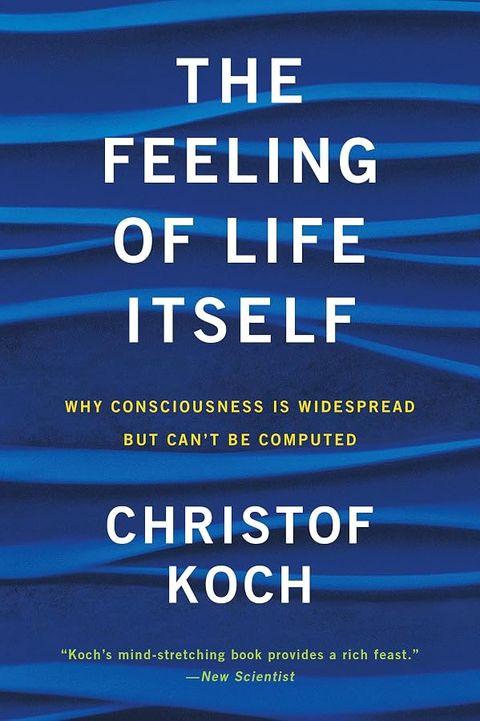
The Feeling of Life Itself
A leading neuroscientist's lucid case for integrated information theory and for why digital computers, however intelligent, will not be conscious.
Editorial score: 73.3/100Amazon, The Feeling of Life Itself (opens Amazon in a new tab) - Rank 75
God & Golem, Inc.
Norbert Wiener's brief, prescient essay on learning machines and human responsibility, which anticipated today's alignment debates by six decades.
Editorial score: 69.3/100Amazon, God & Golem, Inc. (opens Amazon in a new tab) - Rank 76
Mind Children
A bold 1988 forecast of robots succeeding humanity, historically important for ideas still debated today, but speculative in its timelines.
Editorial score: 66.8/100Amazon, Mind Children (opens Amazon in a new tab) - Rank 77
What Computers Can't Do
The landmark philosophical critique of symbolic AI, essential for understanding why rule-based approaches stalled and why intuition resists formalization.
Editorial score: 71.1/100Amazon, What Computers Can't Do (opens Amazon in a new tab) - Rank 78
Rationality
A sprawling, influential essay collection on reasoning and bias that shaped the AI alignment community, demanding patience but rewarding committed readers.
Editorial score: 69.8/100Amazon, Rationality (opens Amazon in a new tab) - Rank 79
ChatGPT and the Future of AI
A neural-network pioneer's informed, discursive tour of large language models, strongest on history and brain science, uneven as a reading experience.
Editorial score: 68.3/100Amazon, ChatGPT and the Future of AI (opens Amazon in a new tab) - Rank 80
Deep Utopia
Bostrom's strange, demanding sequel to Superintelligence asks what purpose human life would serve once machines solve every practical problem.
Editorial score: 66.8/100Amazon, Deep Utopia (opens Amazon in a new tab) - Rank 81
Possible Minds
A wide-ranging 2019 anthology of leading scientists on AI's promise and peril, valuable for perspective though dated on technology.
Editorial score: 63.0/100Amazon, Possible Minds (opens Amazon in a new tab) - Rank 82
Shadows of the Mind
A Nobel physicist's rigorous, contested argument that conscious understanding is noncomputable, demanding reading that remains central to debates over machine minds.
Editorial score: 63.3/100Amazon, Shadows of the Mind (opens Amazon in a new tab) - Rank 83
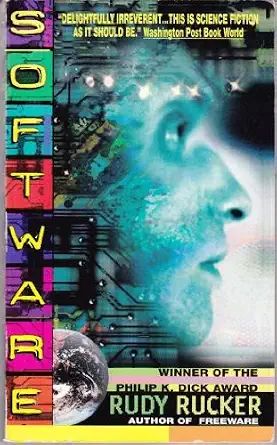
Software
A wild, funny founding cyberpunk novel that treats mind uploading and machine evolution with real philosophical curiosity.
Editorial score: 67.3/100Amazon, Software (opens Amazon in a new tab) - Rank 84
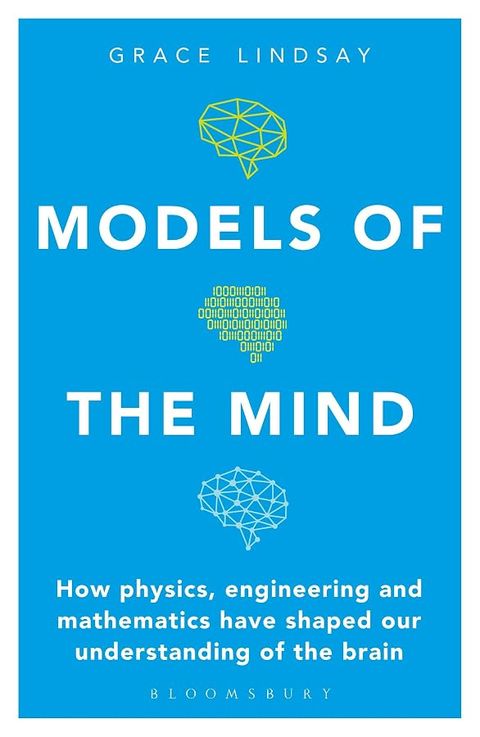
Models of the Mind
An engaging, nearly equation-free history of how mathematical models illuminate the brain, with clear links to artificial neural networks.
Editorial score: 65.3/100Amazon, Models of the Mind (opens Amazon in a new tab) - Rank 85
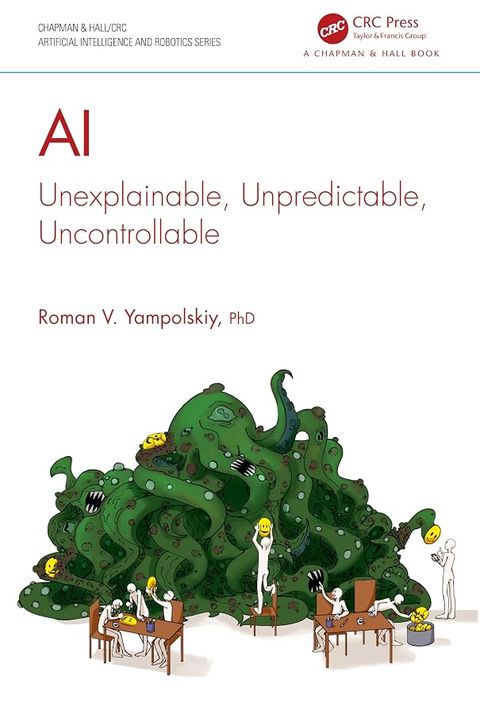
AI
A systematic catalog of arguments that advanced AI cannot be controlled, strongest as a literature survey and most contested in its pessimism.
Editorial score: 66.8/100Amazon, AI (opens Amazon in a new tab) - Rank 86
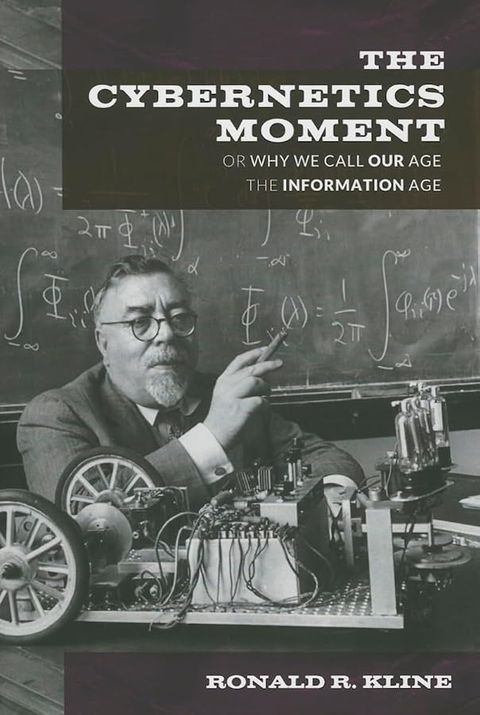
The Cybernetics Moment
A deeply researched academic history of cybernetics and information theory that traces the origins of AI's founding vocabulary.
Editorial score: 64.3/100Amazon, The Cybernetics Moment (opens Amazon in a new tab) - Rank 87
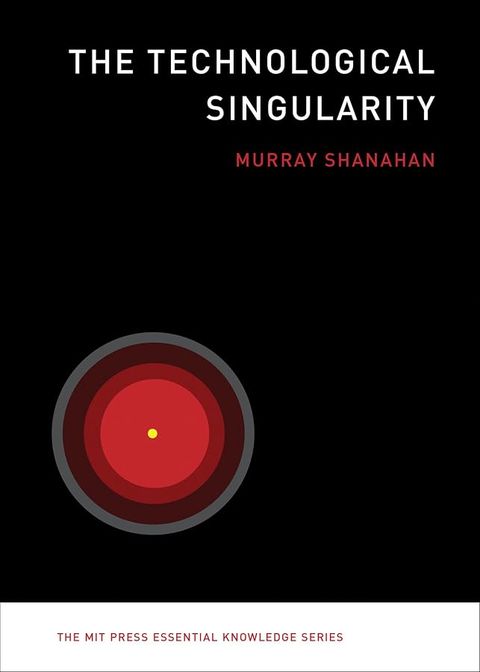
The Technological Singularity
A compact, evenhanded tour of routes to superintelligence that still frames the stakes clearly, though its technical examples predate the LLM era.
Editorial score: 63.5/100Amazon, The Technological Singularity (opens Amazon in a new tab)


Guides
Mind, Brain & Philosophy guides and lists
-
The 40 Best Books on AI and the Mind (2026)
From an android narrator's devotion to Hofstadter's strange loops, forty novels, histories and arguments that examine what minds are and whether machines could ever have one, ranked for readers at every level.
