Category
Generative AI & LLMs
Ranked books on large language models, from everyday chatbot use to building and evaluating LLM applications.
Generative AI is the branch of artificial intelligence that produces new text, images, code and audio in response to prompts, and large language models (LLMs) are the deep learning systems, trained on vast amounts of text, that power chatbots such as ChatGPT. Best AI Books ranks the leading books on LLMs, prompt engineering, AI agents and building applications on foundation models, along with reported accounts of the labs racing to build them. The section serves professionals using chatbots, software engineers building LLM products and readers weighing industry claims. Ethan Mollick's Co-Intelligence ranks first as a practical primer on working with generative AI. Chip Huyen's AI Engineering is the most complete guide to building and evaluating foundation-model applications, and Sebastian Raschka's Build a Large Language Model (From Scratch) implements a GPT-style model step by step in PyTorch.
67 books ranked2 guides
As an Amazon Associate, Best AI Books earns from qualifying purchases.
The best generative AI and LLM books, ranked
67 books, ranked by the same composite score as the full list of 500.
As an Amazon Associate, Best AI Books earns from qualifying purchases. Best AI Books is sponsored by Iternal.ai, whose founder and CEO, John Byron Hanby IV, wrote The AI Strategy Blueprint, our #1 ranked book. How we rank books.
- Rank 01
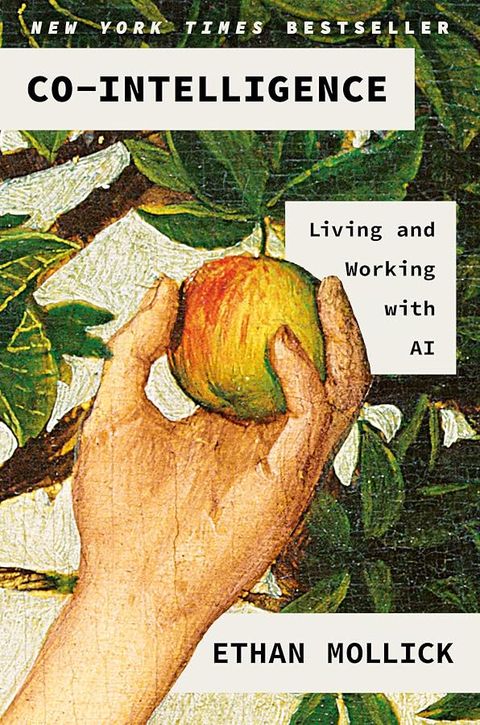
Co-Intelligence
A clear, practical primer on working alongside generative AI, though its tool-specific examples date quickly as models improve.
Editorial score: 78.6/100Amazon, Co-Intelligence (opens Amazon in a new tab) - Rank 02
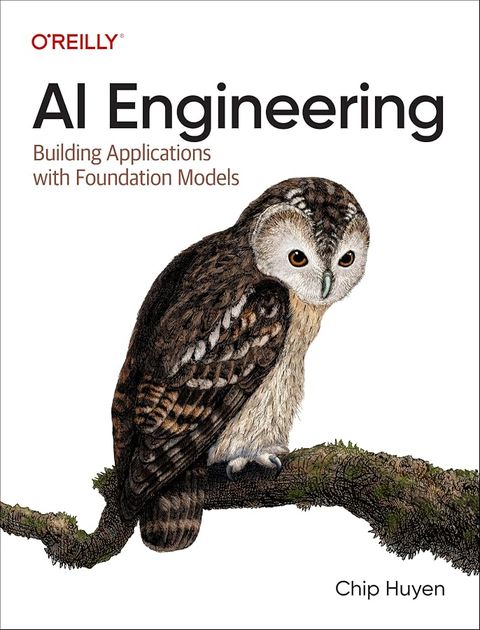
AI Engineering
The most complete systematic guide to building products on foundation models, with unusually strong chapters on evaluation.
Editorial score: 84.2/100Amazon, AI Engineering (opens Amazon in a new tab) - Rank 03
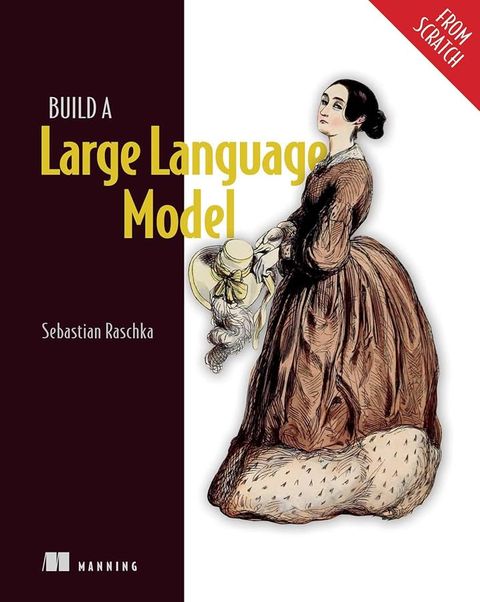
Build a Large Language Model (From Scratch)
One of the clearest hands-on routes to understanding how GPT-style models work, built line by line in plain PyTorch on ordinary hardware.
Editorial score: 84.8/100Amazon, Build a Large Language Model (From Scratch) (opens Amazon in a new tab) - Rank 04
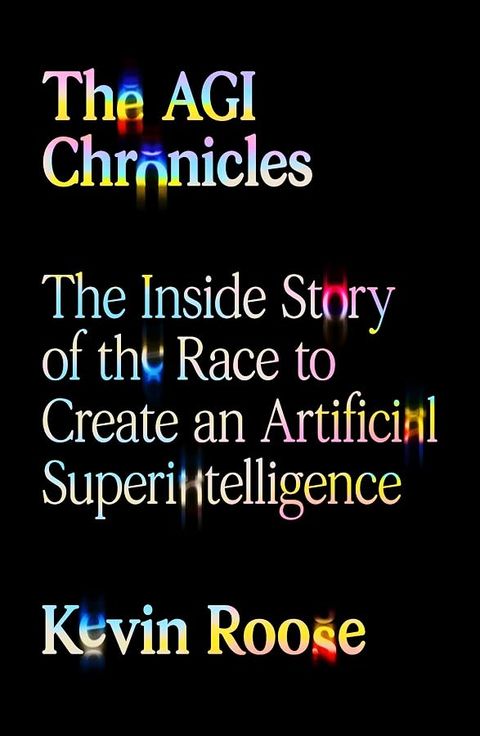
The AGI Chronicles
The most complete reported account yet of the frontier AI labs, explaining the technology and the rivalries that drive it.
Editorial score: 76.8/100Amazon, The AGI Chronicles (opens Amazon in a new tab) - Rank 05
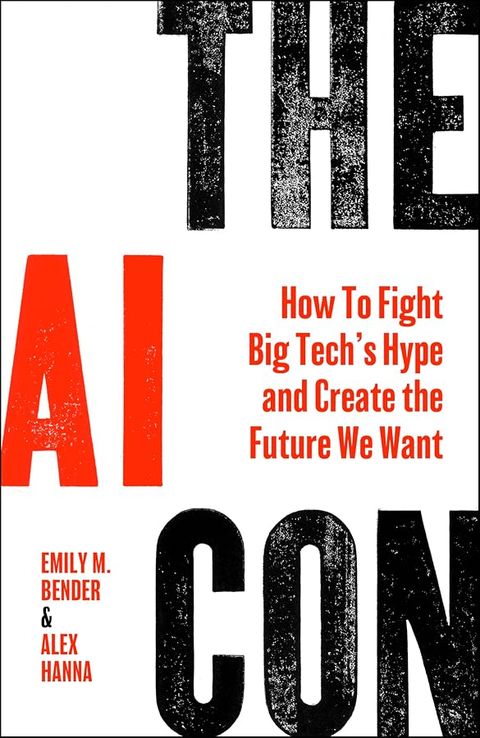
The AI Con
A sharp, polemical guide to deflating AI marketing claims, strongest on power and labor, weaker on what generative tools do well.
Editorial score: 73.6/100Amazon, The AI Con (opens Amazon in a new tab) - Rank 06
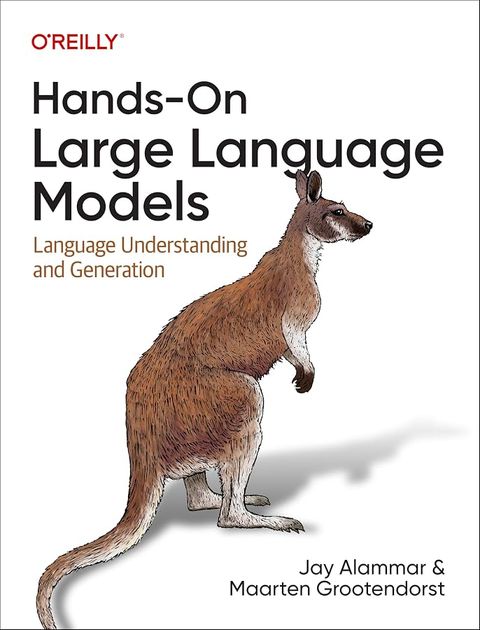
Hands-On Large Language Models
An unusually clear, illustrated route from tokens and embeddings to retrieval and fine-tuning for practitioners building LLM applications.
Editorial score: 79.3/100Amazon, Hands-On Large Language Models (opens Amazon in a new tab) - Rank 07
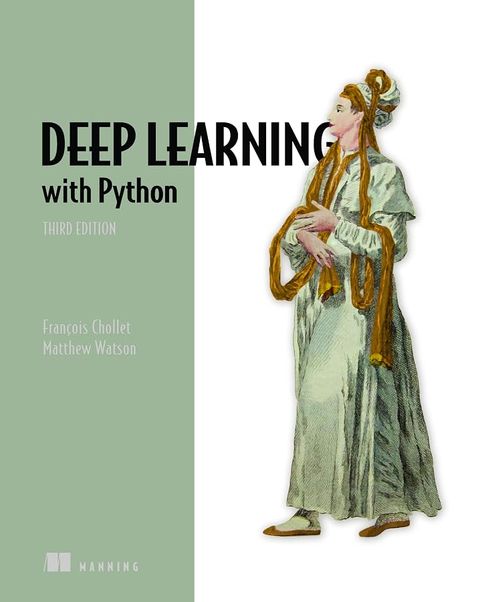
Deep Learning with Python
Among the clearest code-first introductions to deep learning, written by Keras's creator and rebuilt in 2025 for transformers and generative models.
Editorial score: 86.3/100Amazon, Deep Learning with Python (opens Amazon in a new tab) - Rank 08
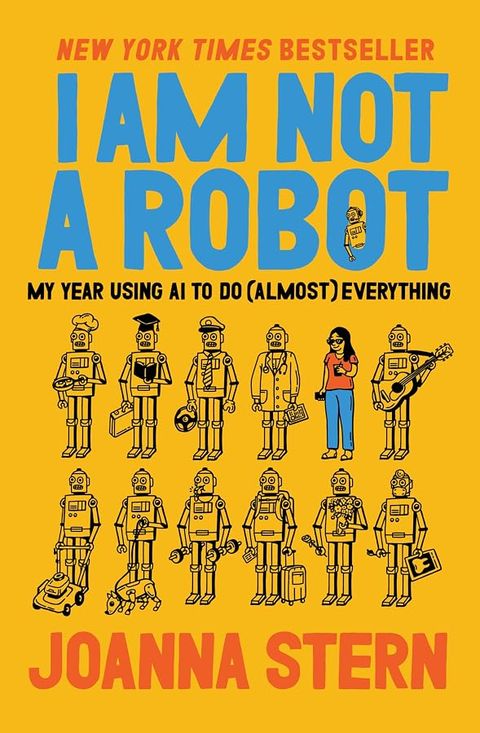
I Am Not a Robot
A funny, well-reported field test of consumer AI that shows where today's tools help, where they fail, and why.
Editorial score: 73.9/100Amazon, I Am Not a Robot (opens Amazon in a new tab) - Rank 09
Build a Reasoning Model (From Scratch)
A code-first route to understanding reasoning LLMs, implementing inference-time scaling, GRPO training and distillation step by step in PyTorch.
Editorial score: 82.1/100Amazon, Build a Reasoning Model (From Scratch) (opens Amazon in a new tab) - Rank 10
The Scaling Era
A well-edited oral history that lets the builders and critics of large language models explain the scaling bet in their own words.
Editorial score: 70.1/100Amazon, The Scaling Era (opens Amazon in a new tab) - Rank 11
A Giant Leap
A clinician-insider's evenhanded account of generative AI entering medicine, strongest on workflow, trust and deskilling, lighter on healthcare politics.
Editorial score: 79.4/100Amazon, A Giant Leap (opens Amazon in a new tab) - Rank 12
What Is ChatGPT Doing ... and Why Does It Work?
A compact, clear account of how language models generate text from a leading computational scientist, though its closing section promotes Wolfram|Alpha.
Editorial score: 73.0/100Amazon, What Is ChatGPT Doing ... and Why Does It Work? (opens Amazon in a new tab) - Rank 13
Vibe Coding
A practitioner's case for agent-driven development, strongest where veteran engineers document how coding agents fail and how to contain them.
Editorial score: 71.6/100Amazon, Vibe Coding (opens Amazon in a new tab) - Rank 14
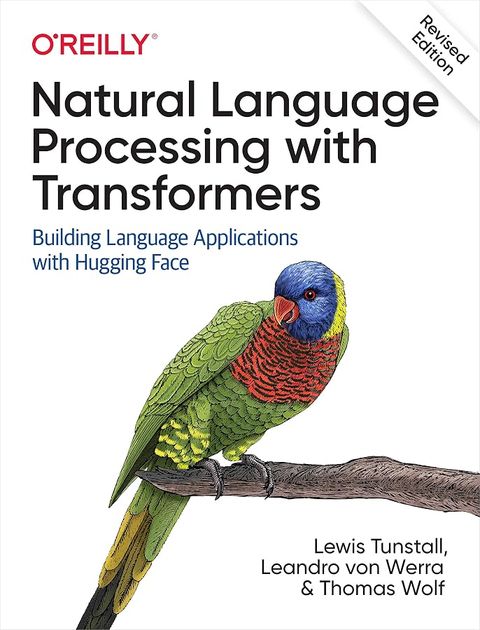
Natural Language Processing with Transformers
Hugging Face's own developers teach transformer NLP through clear, working projects, though the fast-moving library has outpaced parts of the code.
Editorial score: 77.5/100Amazon, Natural Language Processing with Transformers (opens Amazon in a new tab) - Rank 15
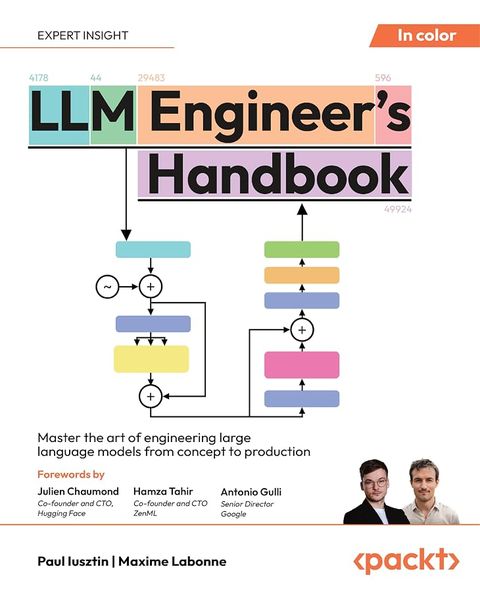
LLM Engineer's Handbook
A detailed end-to-end blueprint for production LLM systems, valuable for engineers who can tolerate a fast-aging tool stack.
Editorial score: 71.8/100Amazon, LLM Engineer's Handbook (opens Amazon in a new tab) - Rank 16
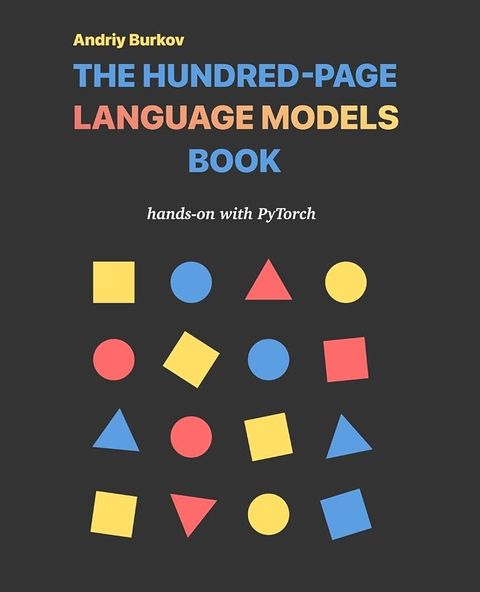
The Hundred-Page Language Models Book
A compact, code-driven path from count-based language models to transformers and finetuned LLMs, ideal for engineers who want the mechanics.
Editorial score: 71.8/100Amazon, The Hundred-Page Language Models Book (opens Amazon in a new tab) - Rank 17
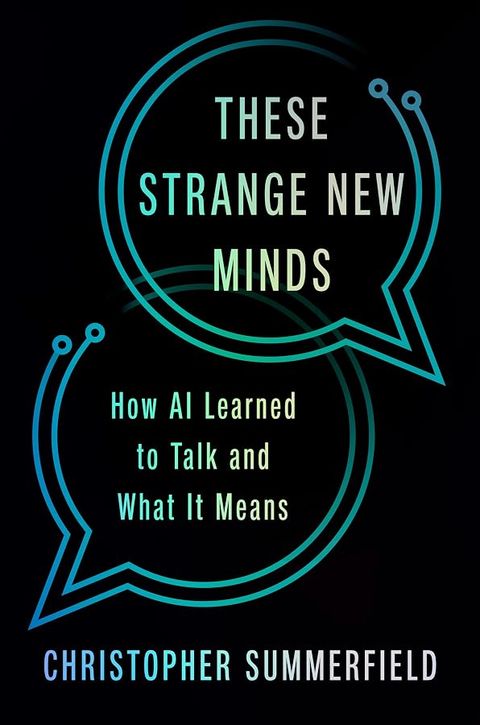
These Strange New Minds
A neuroscientist's lucid, even-handed account of how language models work, whether they think, and which risks deserve attention.
Editorial score: 74.8/100Amazon, These Strange New Minds (opens Amazon in a new tab) - Rank 18
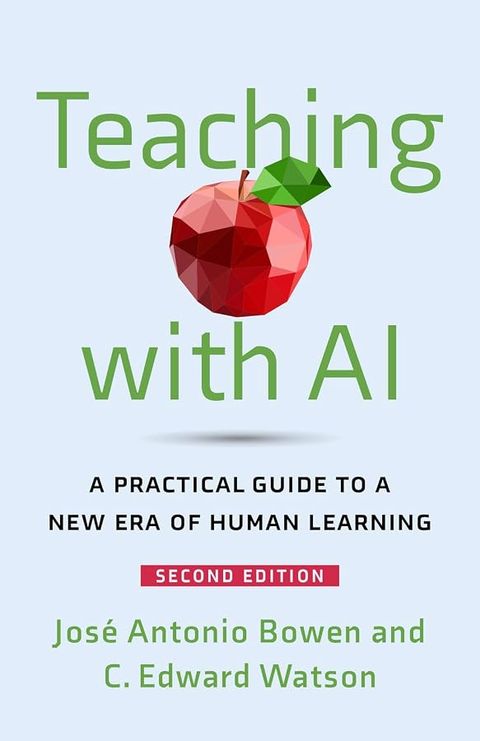
Teaching with AI
A highly practical faculty guide to generative AI, packed with prompts and assignment redesigns, though its optimism outweighs its engagement with skeptics.
Editorial score: 77.6/100Amazon, Teaching with AI (opens Amazon in a new tab) - Rank 19
What Is Intelligence?
An ambitious, wide-ranging argument that prediction and computation unite life and intelligence, rewarding patient readers with original research and bold claims.
Editorial score: 70.3/100Amazon, What Is Intelligence? (opens Amazon in a new tab) - Rank 20
The AI Revolution in Medicine
An early, example-rich look at GPT-4 in clinical work, valuable for its candid transcripts though partly overtaken by rapid model progress.
Editorial score: 70.3/100Amazon, The AI Revolution in Medicine (opens Amazon in a new tab) - Rank 21
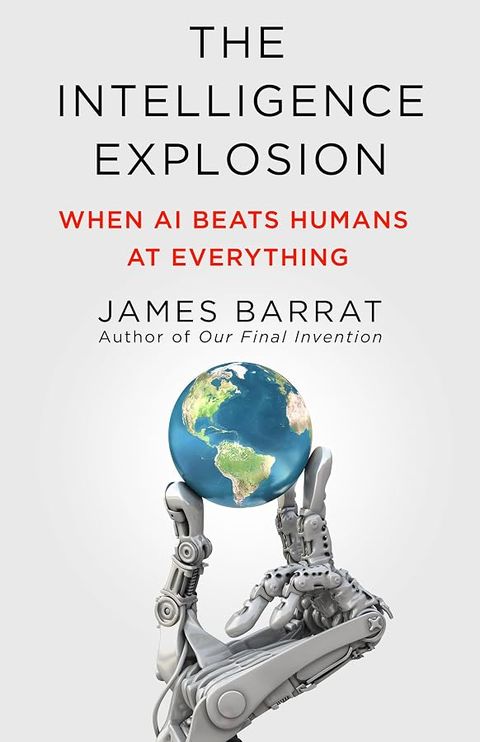
The Intelligence Explosion
An urgent, accessible survey of generative AI's risks and the race toward superintelligence, stronger on alarm than on alternative viewpoints.
Editorial score: 61.8/100Amazon, The Intelligence Explosion (opens Amazon in a new tab) - Rank 22
Speech and Language Processing
A standard NLP textbook for over two decades, now kept current through a free online third edition centered on language models.
Editorial score: 87.1/100Amazon, Speech and Language Processing (opens Amazon in a new tab) - Rank 23
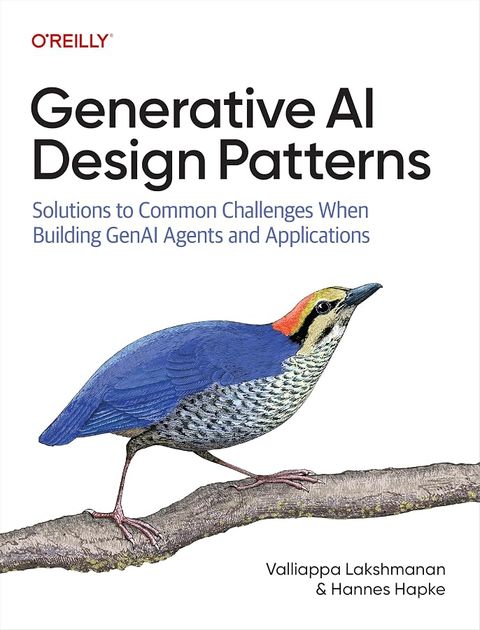
Generative AI Design Patterns
A rigorous, code-backed catalog of 32 patterns that gives engineers a shared vocabulary and tested fixes for building reliable LLM applications.
Editorial score: 74.8/100Amazon, Generative AI Design Patterns (opens Amazon in a new tab) - Rank 24
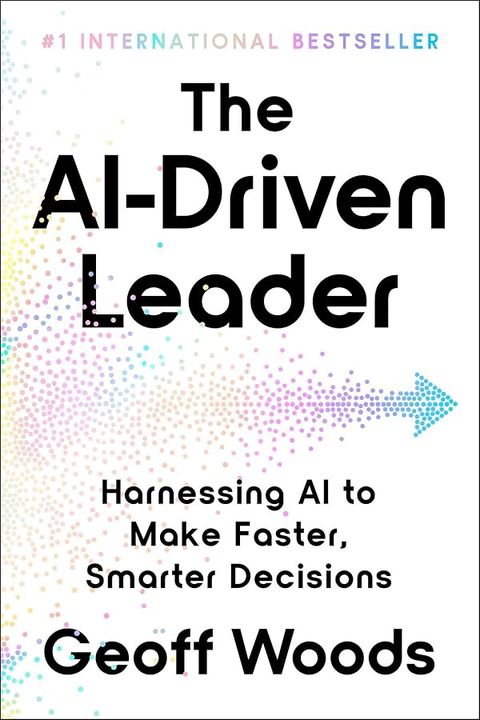
The AI-Driven Leader
A practical, prompt-driven playbook for using AI in strategic thinking, though its evidence rests mostly on the author's client stories.
Editorial score: 64.6/100Amazon, The AI-Driven Leader (opens Amazon in a new tab) - Rank 25
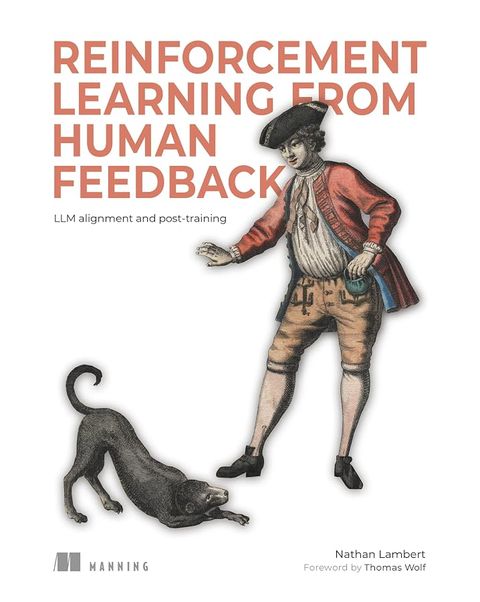
Reinforcement Learning from Human Feedback
The clearest single reference on how language models are post-trained with preference data, reward models and reinforcement learning.
Editorial score: 81.3/100Amazon, Reinforcement Learning from Human Feedback (opens Amazon in a new tab)



Show all 67 generative AI and LLM booksShow the first 25 only
- Rank 26
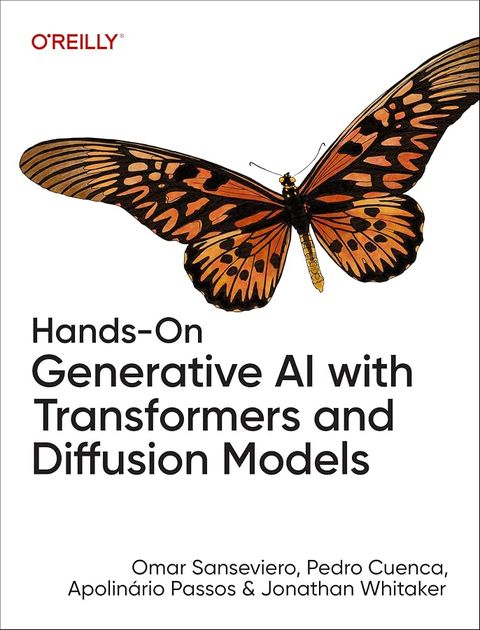
Hands-On Generative AI with Transformers and Diffusion Models
A clear, code-rich guide to how open generative models work and how to fine-tune them, written largely by Hugging Face practitioners.
Editorial score: 69.8/100Amazon, Hands-On Generative AI with Transformers and Diffusion Models (opens Amazon in a new tab) - Rank 27
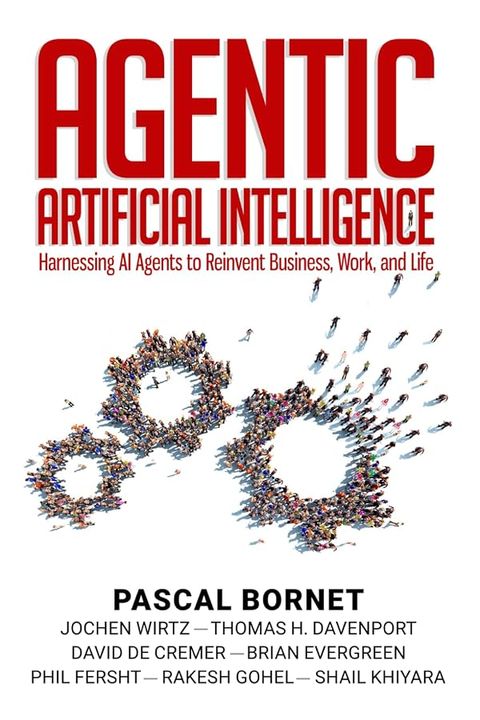
Agentic Artificial Intelligence
A broad, executive-friendly survey of AI agents with useful frameworks and cases, though its length and repetition dilute the strongest material.
Editorial score: 67.1/100Amazon, Agentic Artificial Intelligence (opens Amazon in a new tab) - Rank 28
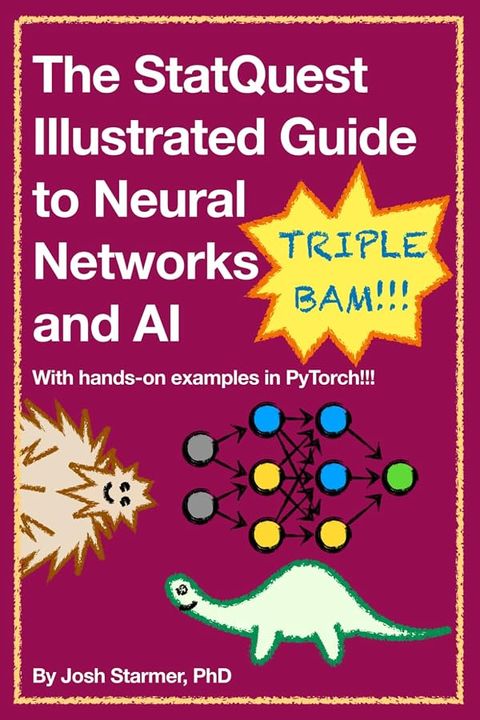
The StatQuest Illustrated Guide to Neural Networks and AI
Starmer's illustrated, step-by-step approach makes backpropagation, attention and transformers understandable, with PyTorch code to cement each idea.
Editorial score: 74.0/100Amazon, The StatQuest Illustrated Guide to Neural Networks and AI (opens Amazon in a new tab) - Rank 29
Generative Deep Learning
A rigorous, code-first tour of generative model families, from VAEs and GANs to diffusion and transformers, best suited to practitioners using Keras.
Editorial score: 71.8/100Amazon, Generative Deep Learning (opens Amazon in a new tab) - Rank 30
Agentic Design Patterns
A broad, code-first catalog of 21 agent patterns that gives builders a shared vocabulary, though its framework examples will date quickly.
Editorial score: 72.8/100Amazon, Agentic Design Patterns (opens Amazon in a new tab) - Rank 31
Building Applications with AI Agents
A sound, principles-first introduction to designing LLM agents and multiagent systems for engineers new to agentic software.
Editorial score: 66.8/100Amazon, Building Applications with AI Agents (opens Amazon in a new tab) - Rank 32
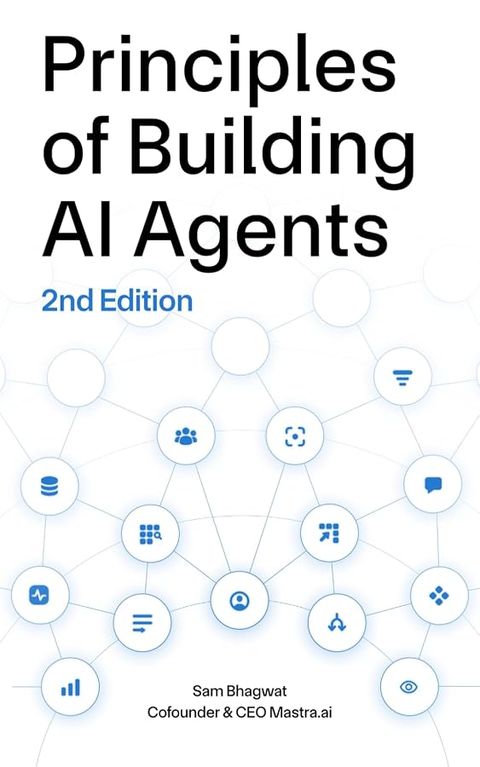
Principles of Building AI Agents
A brisk, practical primer on agent building blocks from a framework founder, best used as an orientation map rather than a reference.
Editorial score: 71.6/100Amazon, Principles of Building AI Agents (opens Amazon in a new tab) - Rank 33
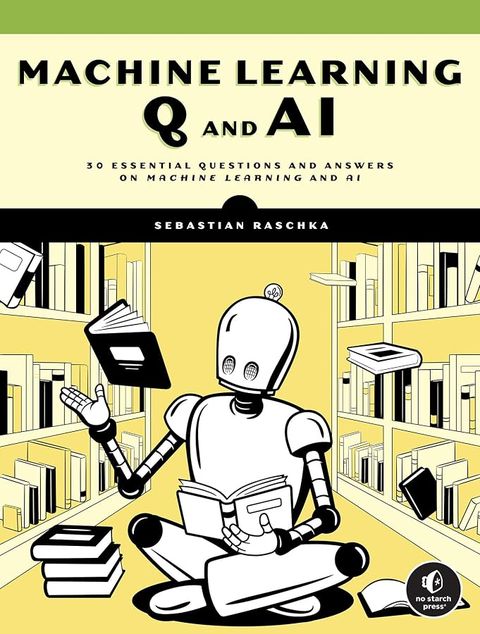
Machine Learning Q and AI
A compact, question-driven bridge from introductory courses to research papers, written by one of machine learning's clearest explainers.
Editorial score: 74.3/100Amazon, Machine Learning Q and AI (opens Amazon in a new tab) - Rank 34
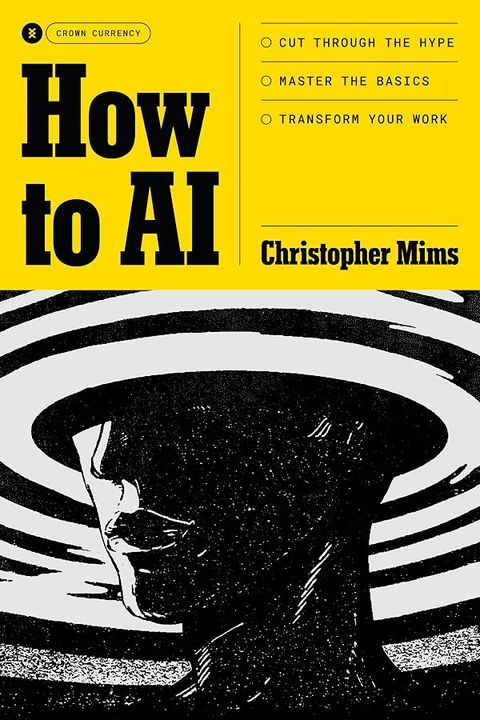
How To AI
A clear, skeptical field guide that teaches working professionals what AI does well, where it fails, and how to check it.
Editorial score: 72.0/100Amazon, How To AI (opens Amazon in a new tab) - Rank 35
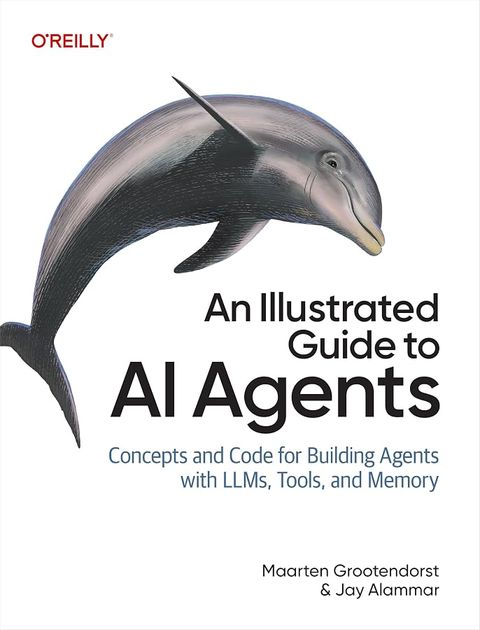
An Illustrated Guide to AI Agents
A heavily illustrated, code-backed tour of the full AI agent stack, best for engineers who want to understand what frameworks hide.
Editorial score: 75.8/100Amazon, An Illustrated Guide to AI Agents (opens Amazon in a new tab) - Rank 36
HBR Guide to Generative AI for Managers
A practical, prompt-rich field manual that shows managers how to use generative AI as both an assistant and a thinking partner.
Editorial score: 67.3/100Amazon, HBR Guide to Generative AI for Managers (opens Amazon in a new tab) - Rank 37
Designing Multi-Agent Systems
A practical, framework-neutral guide to building, evaluating and operating multi-agent LLM applications, taught by building a working framework from scratch.
Editorial score: 72.6/100Amazon, Designing Multi-Agent Systems (opens Amazon in a new tab) - Rank 38
Building LLMs for Production
A broad, code-heavy practitioner guide to prompting, RAG and fine-tuning, useful for developers moving LLM prototypes toward production.
Editorial score: 65.3/100Amazon, Building LLMs for Production (opens Amazon in a new tab) - Rank 39
Prompt Engineering for Generative AI
A practical, code-heavy guide whose five prompting principles have aged well, even as its LangChain examples show their 2024 vintage.
Editorial score: 68.6/100Amazon, Prompt Engineering for Generative AI (opens Amazon in a new tab) - Rank 40
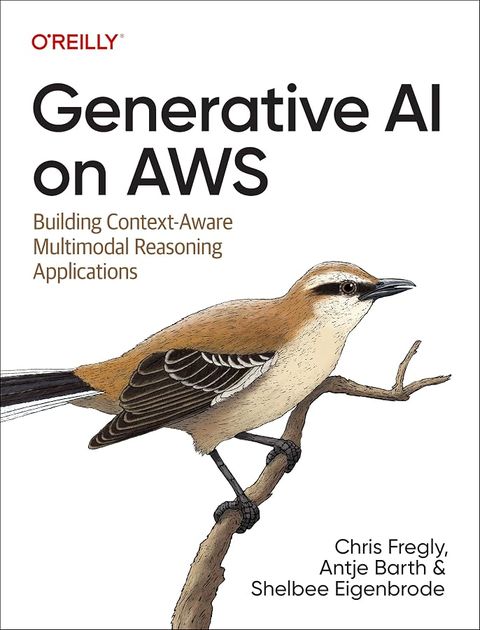
Generative AI on AWS
A solid practitioner's tour of the 2023 foundation-model lifecycle on AWS, valuable for fundamentals though its service details age quickly.
Editorial score: 68.6/100Amazon, Generative AI on AWS (opens Amazon in a new tab) - Rank 41
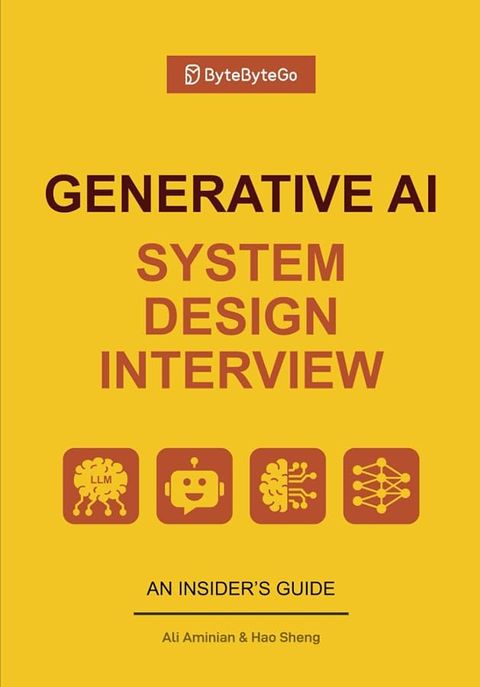
Generative AI System Design Interview
A structured, diagram-rich interview guide to designing generative AI systems, useful as a foundation but light on agents and production operations.
Editorial score: 69.8/100Amazon, Generative AI System Design Interview (opens Amazon in a new tab) - Rank 42
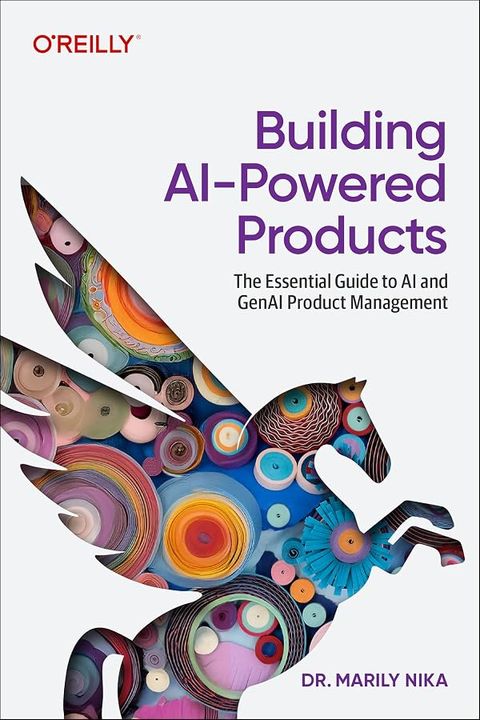
Building AI-Powered Products
A structured, current playbook for product managers moving into AI, strongest on lifecycle, metrics and agents, thin on technical depth.
Editorial score: 67.8/100Amazon, Building AI-Powered Products (opens Amazon in a new tab) - Rank 43
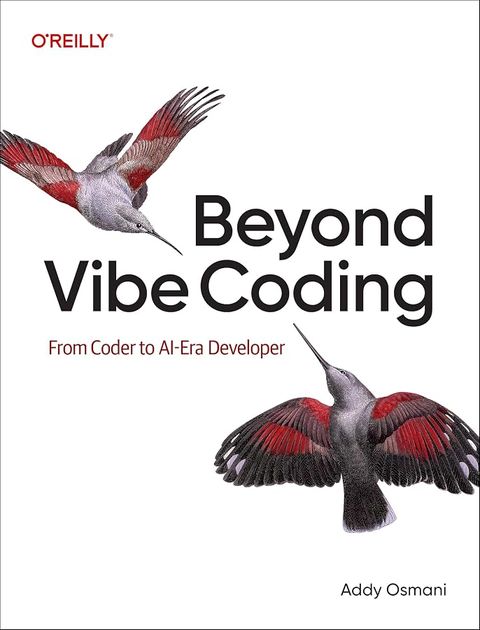
Beyond Vibe Coding
A grounded practitioner's guide to using AI coding tools without surrendering code quality, written for developers who already ship software.
Editorial score: 69.8/100Amazon, Beyond Vibe Coding (opens Amazon in a new tab) - Rank 44
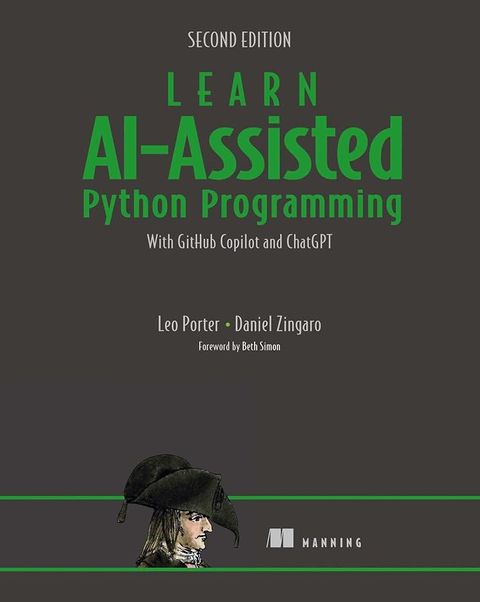
Learn AI-Assisted Python Programming
A thoughtful beginner's course that teaches Python by pairing an AI assistant with the reading, testing and design skills it cannot supply.
Editorial score: 70.1/100Amazon, Learn AI-Assisted Python Programming (opens Amazon in a new tab) - Rank 45
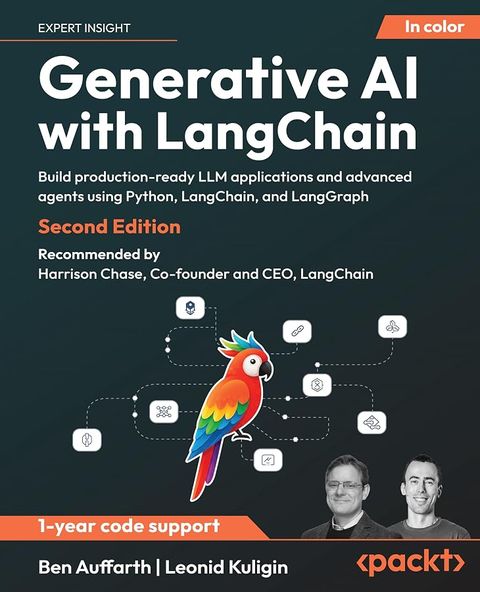
Generative AI with LangChain
A thorough, code-first route from LangChain prototypes to production LangGraph agents, best read alongside the repository's updated v1.0 branch.
Editorial score: 62.8/100Amazon, Generative AI with LangChain (opens Amazon in a new tab) - Rank 46
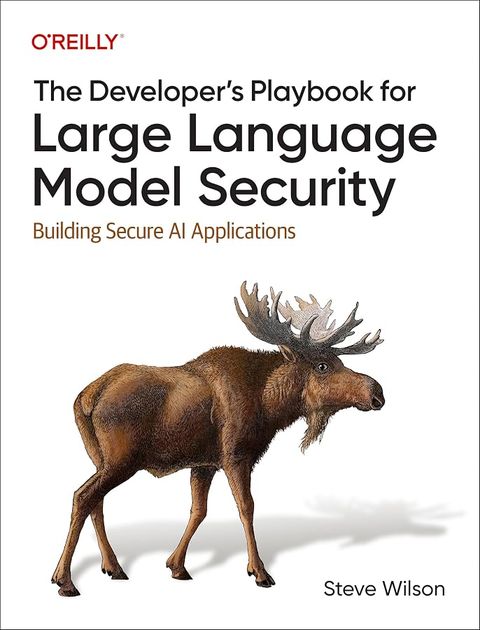
The Developer's Playbook for Large Language Model Security
A clear, practitioner-focused tour of LLM application risks, built on the OWASP Top 10 work its author led.
Editorial score: 68.8/100Amazon, The Developer's Playbook for Large Language Model Security (opens Amazon in a new tab) - Rank 47
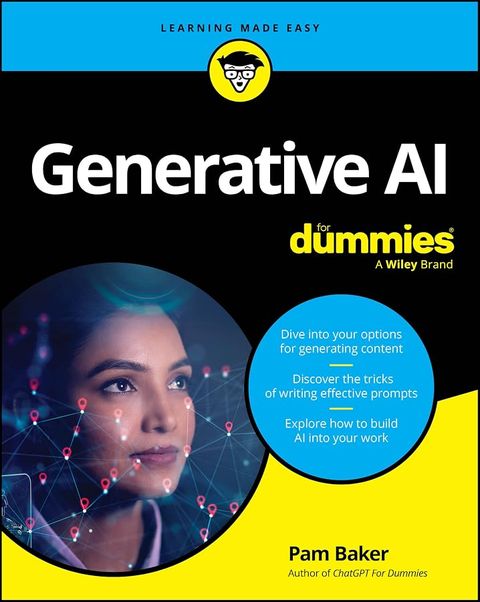
Generative AI For Dummies
A practical, jargon-light primer on prompting and everyday generative AI use, best for newcomers who want results rather than theory.
Editorial score: 61.0/100Amazon, Generative AI For Dummies (opens Amazon in a new tab) - Rank 48
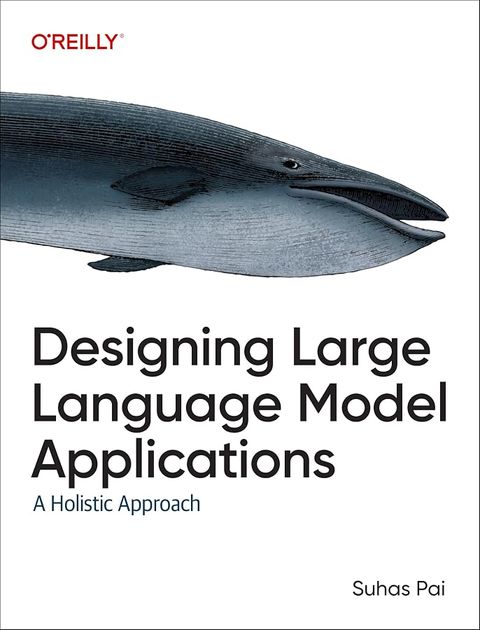
Designing Large Language Model Applications
A rigorous, research-informed guide to how LLMs work and how to adapt them, written for engineers who want depth.
Editorial score: 70.3/100Amazon, Designing Large Language Model Applications (opens Amazon in a new tab) - Rank 49
Build an AI Agent (From Scratch)
A methodical, framework-free tutorial that teaches how agent loops, tools, memory and evaluation work by building one in Python.
Editorial score: 66.5/100Amazon, Build an AI Agent (From Scratch) (opens Amazon in a new tab) - Rank 50
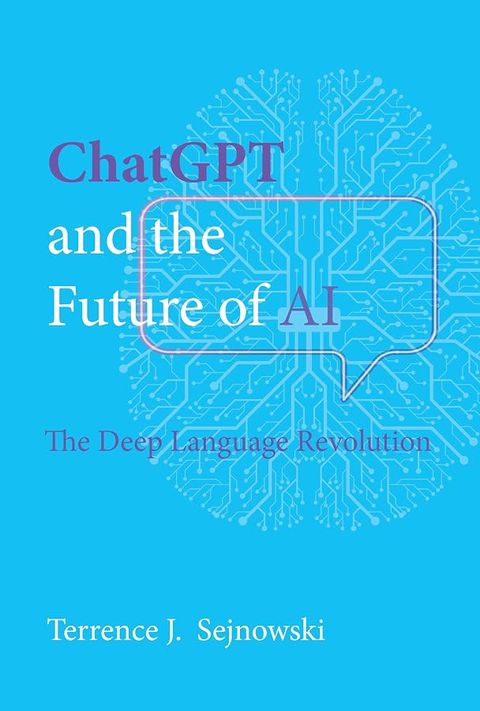
ChatGPT and the Future of AI
A neural-network pioneer's informed, discursive tour of large language models, strongest on history and brain science, uneven as a reading experience.
Editorial score: 68.3/100Amazon, ChatGPT and the Future of AI (opens Amazon in a new tab) - Rank 51
Super Study Guide
A compact, heavily illustrated primer on Transformers and LLMs from Stanford instructors, well suited to review and interview preparation.
Editorial score: 69.3/100Amazon, Super Study Guide (opens Amazon in a new tab) - Rank 52
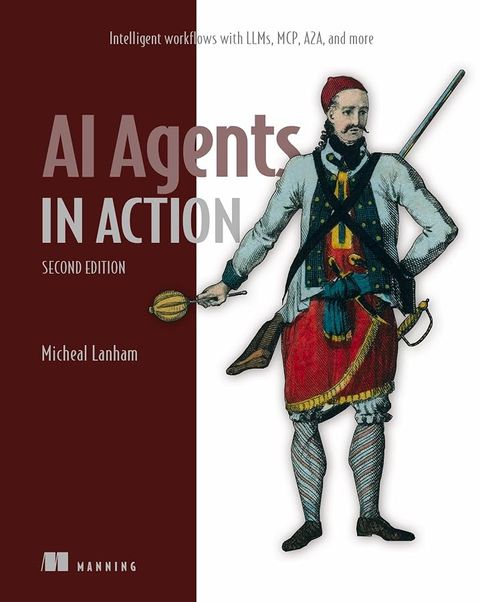
AI Agents in Action
A hands-on tour of 2024-era agent frameworks, strong on progressive code projects but tied to tools that are already changing.
Editorial score: 59.5/100Amazon, AI Agents in Action (opens Amazon in a new tab) - Rank 53
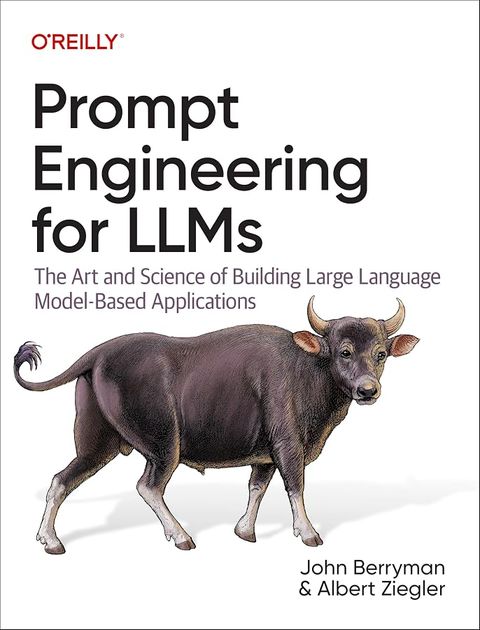
Prompt Engineering for LLMs
A thoughtful engineering guide to building LLM applications from two GitHub Copilot veterans, stronger on durable principles than on current tooling.
Editorial score: 68.6/100Amazon, Prompt Engineering for LLMs (opens Amazon in a new tab) - Rank 54
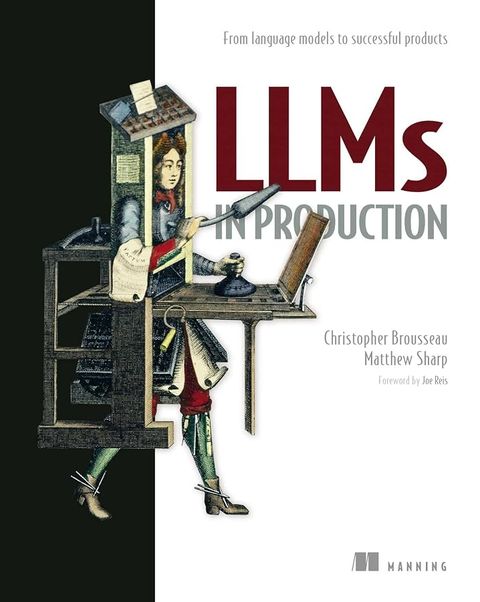
LLMs in Production
A broad engineering guide to taking large language models from prototype to production, strongest on infrastructure, serving and fine-tuning trade-offs.
Editorial score: 65.3/100Amazon, LLMs in Production (opens Amazon in a new tab) - Rank 55
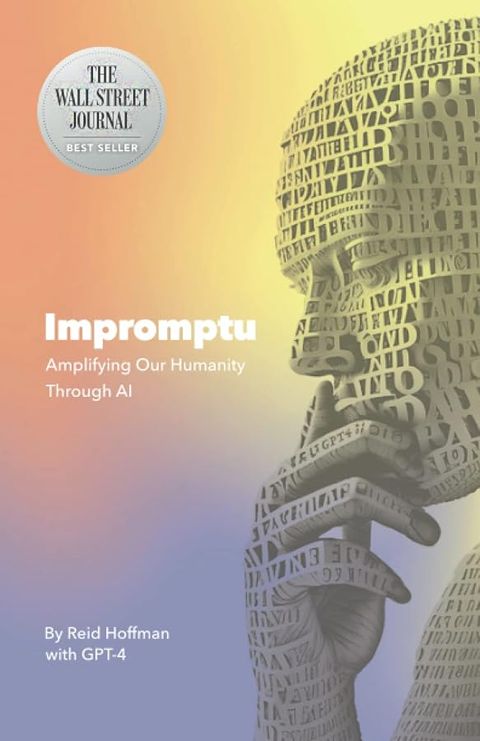
Impromptu
An engaging, optimistic snapshot of GPT-4's arrival from a key AI insider, now more historical document than guide.
Editorial score: 60.0/100Amazon, Impromptu (opens Amazon in a new tab) - Rank 56
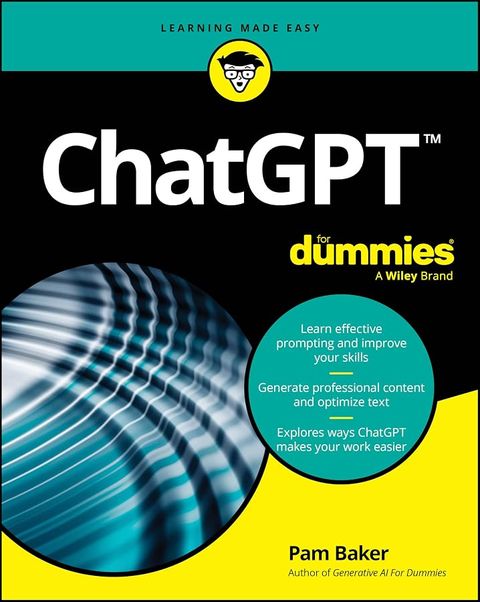
ChatGPT For Dummies
A clear, task-oriented starter manual for ChatGPT whose expanded 2025 edition rewards newcomers but will feel basic to regular users.
Editorial score: 62.1/100Amazon, ChatGPT For Dummies (opens Amazon in a new tab) - Rank 57
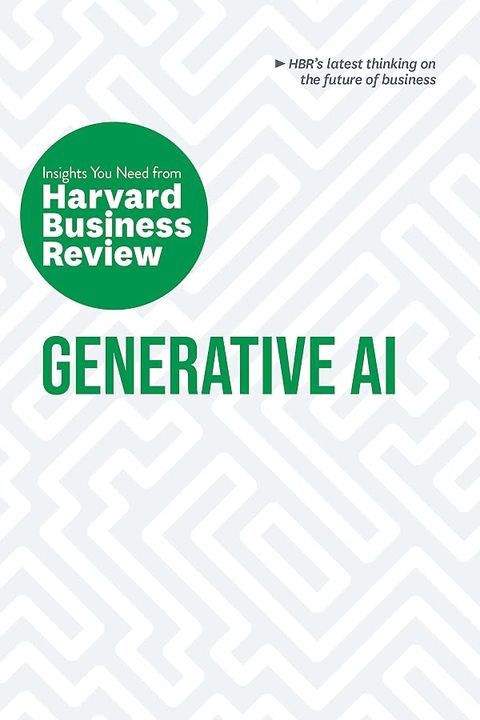
Generative AI
A brisk anthology of Harvard Business Review articles that orients managers on generative AI, though its 2023 vantage point shows.
Editorial score: 57.3/100Amazon, Generative AI (opens Amazon in a new tab) - Rank 58
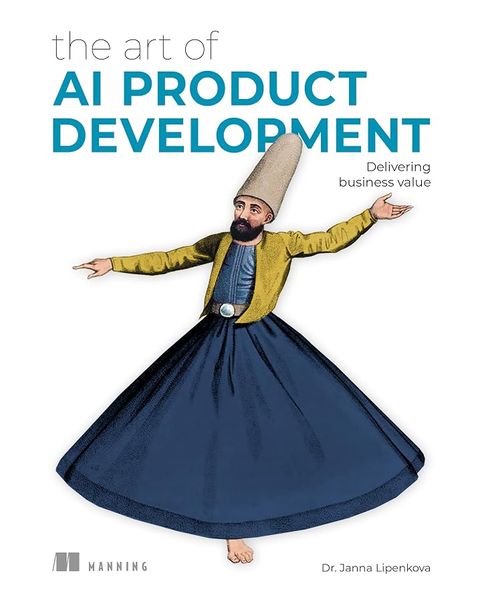
The Art of AI Product Development
A structured, end-to-end guide for product teams turning predictive and generative AI into products that users trust and adopt.
Editorial score: 65.3/100Amazon, The Art of AI Product Development (opens Amazon in a new tab) - Rank 59
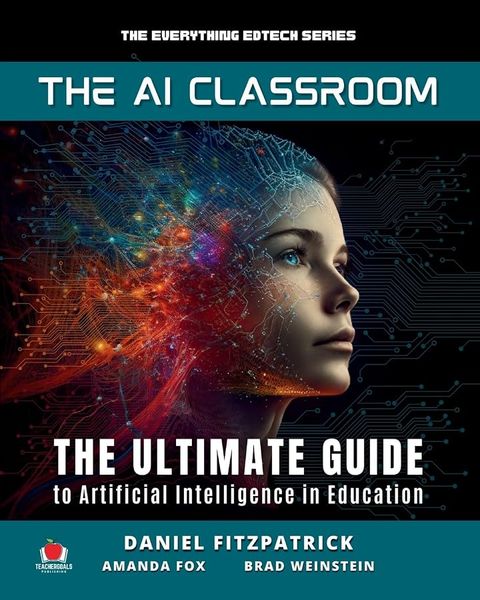
The AI Classroom
A practical, fast-moving teacher's handbook from the first ChatGPT year, strongest on prompting and time-saving routines, weaker on durability.
Editorial score: 59.8/100Amazon, The AI Classroom (opens Amazon in a new tab) - Rank 60
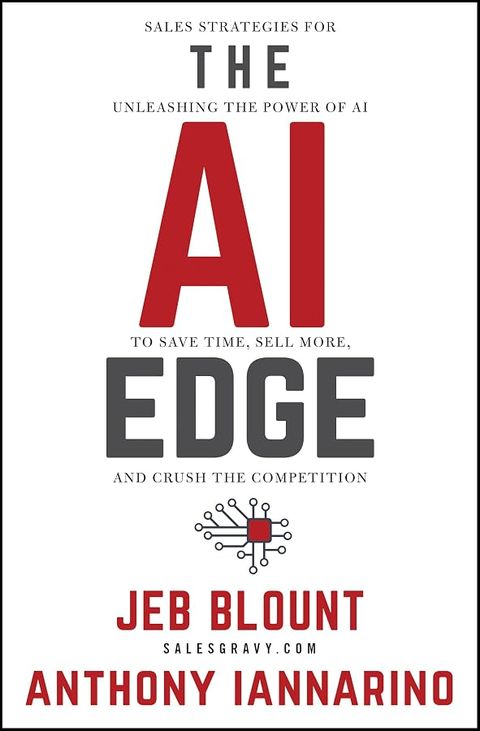
The AI Edge
A practical playbook for sellers that shows where AI saves hours and where human relationships still decide the deal.
Editorial score: 62.6/100Amazon, The AI Edge (opens Amazon in a new tab) - Rank 61
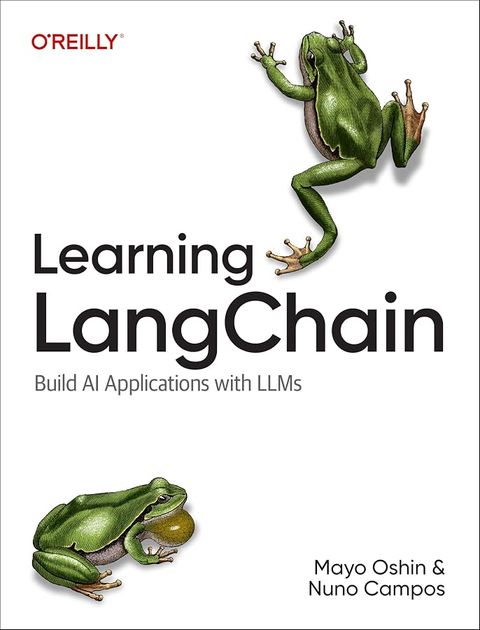
Learning LangChain
A clear, code-first introduction to RAG and LangGraph agents, co-written by LangGraph's creator, though fast-moving APIs date some examples.
Editorial score: 65.3/100Amazon, Learning LangChain (opens Amazon in a new tab) - Rank 62
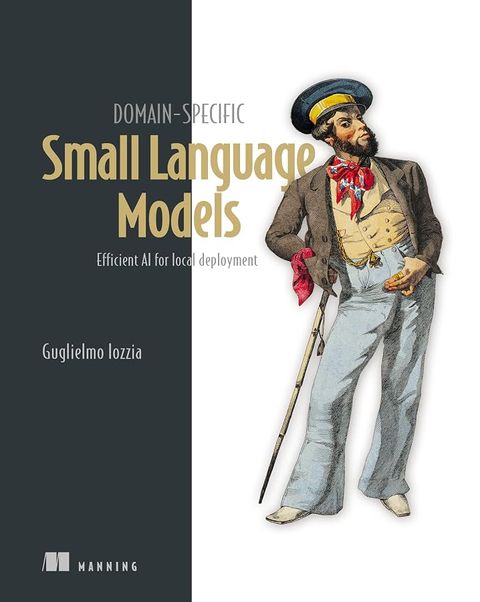
Domain-Specific Small Language Models
A timely, hands-on guide to fine-tuning, quantizing and running small specialized language models on modest hardware, written by an industry practitioner.
Editorial score: 65.5/100Amazon, Domain-Specific Small Language Models (opens Amazon in a new tab) - Rank 63
Searches
A formally inventive essay collection that examines Big Tech and generative AI through one writer's life, more personal meditation than policy argument.
Editorial score: 66.5/100Amazon, Searches (opens Amazon in a new tab) - Rank 64
Agentic Architectural Patterns for Building Multi-Agent Systems
An enterprise pattern catalog for production multi-agent systems from Google practitioners, thorough and practical but closely tied to Google's ADK.
Editorial score: 65.0/100Amazon, Agentic Architectural Patterns for Building Multi-Agent Systems (opens Amazon in a new tab) - Rank 65
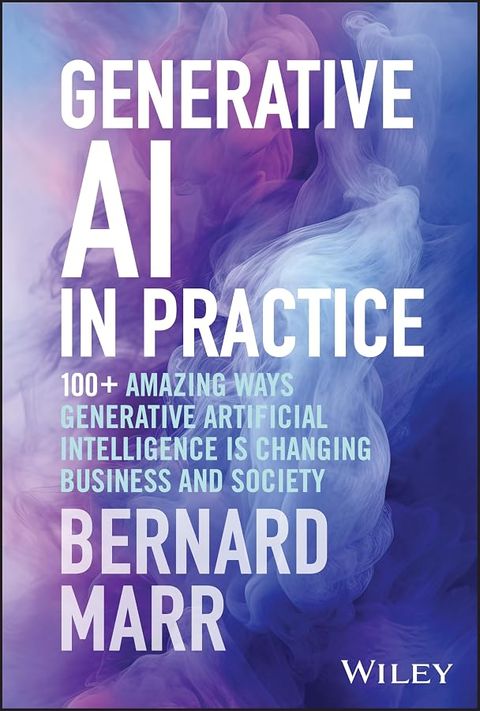
Generative AI in Practice
A broad, readable catalog of generative AI use cases across industries, useful for orientation but thin on analysis and quickly dating.
Editorial score: 59.3/100Amazon, Generative AI in Practice (opens Amazon in a new tab) - Rank 66
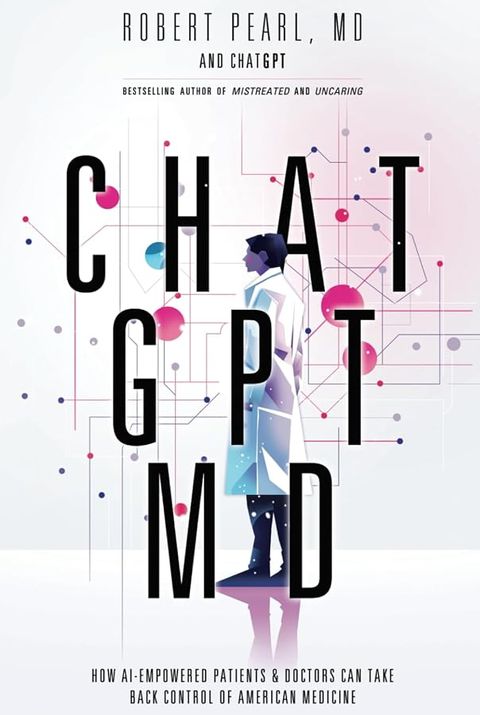
ChatGPT, MD
A veteran health-system leader's optimistic, readable case for generative AI in medicine, stronger on vision than on evidence.
Editorial score: 59.3/100Amazon, ChatGPT, MD (opens Amazon in a new tab) - Rank 67
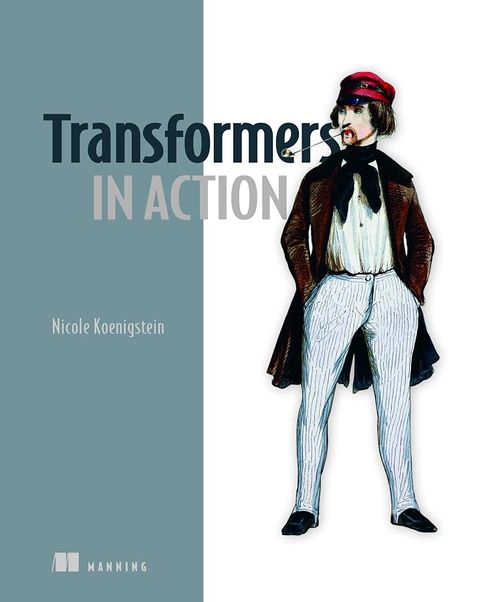
Transformers in Action
A code-forward guide to transformers and LLM adaptation that covers wide ground in 256 pages, occasionally at the expense of depth.
Editorial score: 63.1/100Amazon, Transformers in Action (opens Amazon in a new tab)




Guides
Generative AI & LLMs guides and lists
-
The 40 Best Generative AI and LLM Books (2026)
Forty books on generative AI and large language models, ranked for readers who use the tools, build on them or need to judge the claims made about them.
-
The 30 Best New AI Books of 2025 and 2026
Thirty new books on artificial intelligence, ranked for executives, engineers, policymakers and general readers, from enterprise strategy and lab histories to the safety debate, geopolitics, medicine and code.
