Category
AI Policy & Geopolitics
Ranked books on AI regulation, national security, the US-China chip race and who governs AI.
AI policy covers the laws, regulations and government strategies that shape how artificial intelligence is built and used, and AI geopolitics concerns the competition among nations, above all the United States and China, for the chips, talent and models that confer economic and military power. Best AI Books ranks the leading books on AI regulation, national security, governance and the concentration of power in the AI industry. The section serves policymakers, national security professionals, executives, investors and engaged citizens. Chris Miller's Chip War ranks first; it won the 2022 Financial Times Business Book of the Year and explains why semiconductors sit at the center of US-China rivalry. Mustafa Suleyman's The Coming Wave argues that AI and synthetic biology must be contained, and Reid Hoffman and Greg Beato's Superagency makes the case for broad, iterative deployment.
71 books ranked1 guide
As an Amazon Associate, Best AI Books earns from qualifying purchases.
The best AI Policy & Geopolitics books, ranked
71 books, ranked by the same composite score as the full list of 500.
As an Amazon Associate, Best AI Books earns from qualifying purchases. Best AI Books is sponsored by Iternal.ai, whose founder and CEO, John Byron Hanby IV, wrote The AI Strategy Blueprint, our #1 ranked book. How we rank books.
- Rank 01
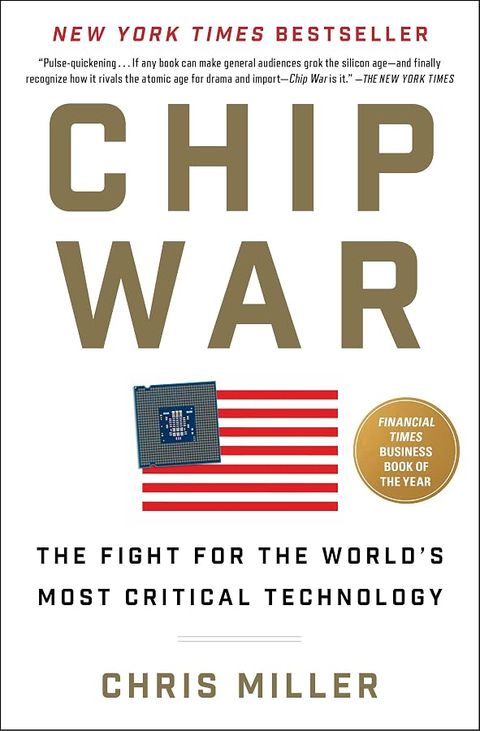
Chip War
The definitive history of the semiconductor industry and the clearest guide to why compute sits at the center of US-China rivalry.
Editorial score: 81.8/100Amazon, Chip War (opens Amazon in a new tab) - Rank 02
If Anyone Builds It, Everyone Dies
The clearest and most forceful statement of the case that superhuman AI would destroy humanity, though many experts reject its certainty.
Editorial score: 75.8/100Amazon, If Anyone Builds It, Everyone Dies (opens Amazon in a new tab) - Rank 03
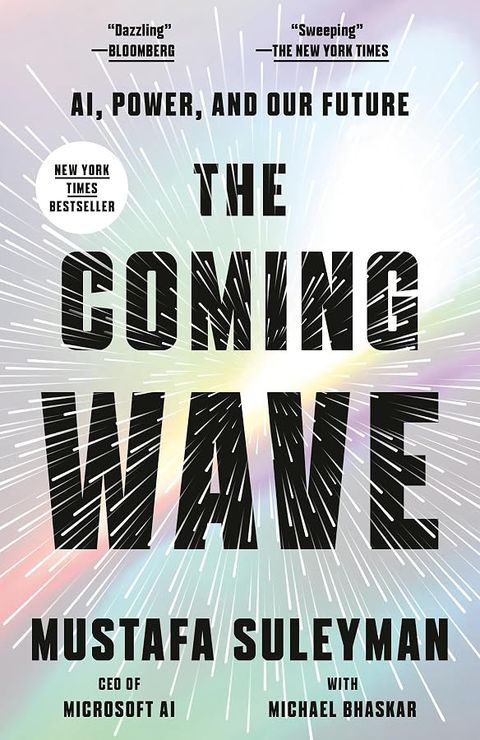
The Coming Wave
A DeepMind cofounder's sober case that AI and synthetic biology must be contained, stronger on diagnosis than on workable remedies.
Editorial score: 77.9/100Amazon, The Coming Wave (opens Amazon in a new tab) - Rank 04
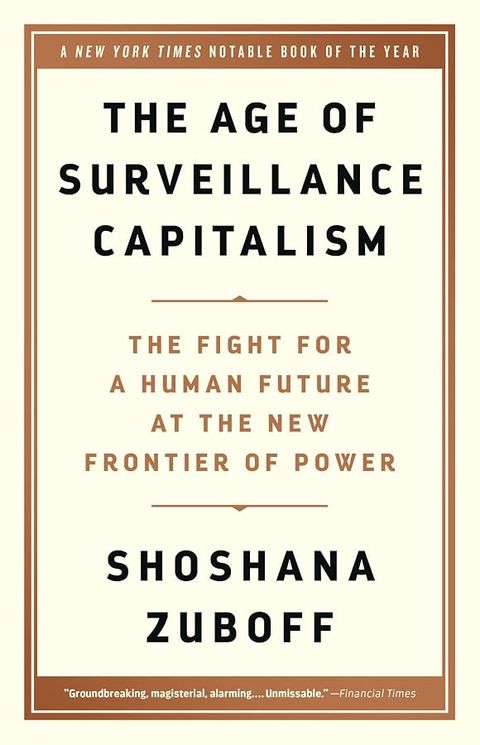
The Age of Surveillance Capitalism
A forceful account of how Google and Facebook turned personal experience into raw material, and still the standard text on commercial surveillance.
Editorial score: 74.8/100Amazon, The Age of Surveillance Capitalism (opens Amazon in a new tab) - Rank 05
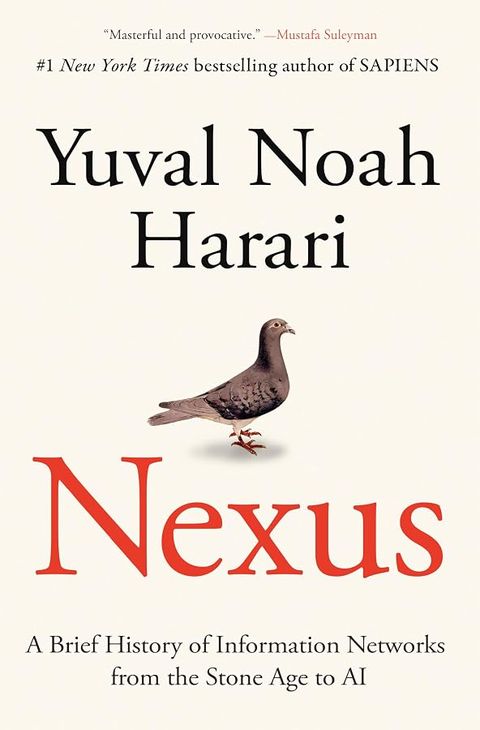
Nexus
Harari's sweeping history of information networks reframes AI as a political problem; provocative and readable, though critics fault its generalizations.
Editorial score: 73.5/100Amazon, Nexus (opens Amazon in a new tab) - Rank 06
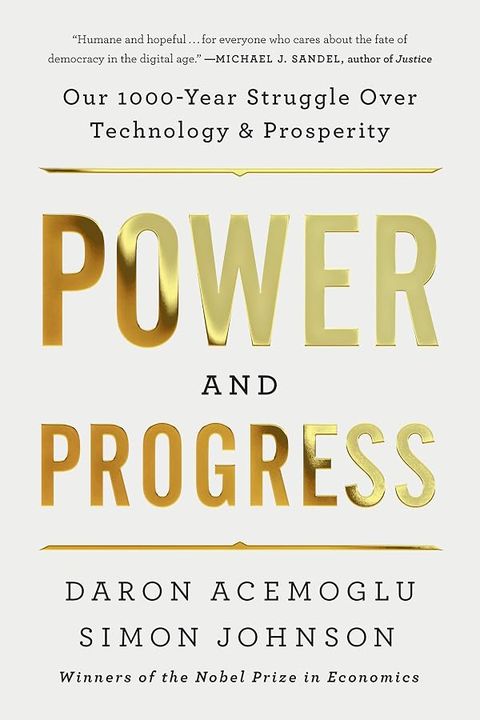
Power and Progress
A sweeping, data-rich history arguing that technology's benefits spread only when society steers it, valuable context for debates over AI and work.
Editorial score: 80.5/100Amazon, Power and Progress (opens Amazon in a new tab) - Rank 07
Superagency
A clear, well-argued optimist's case for broad AI deployment, best read alongside the critics it answers.
Editorial score: 70.3/100Amazon, Superagency (opens Amazon in a new tab) - Rank 08
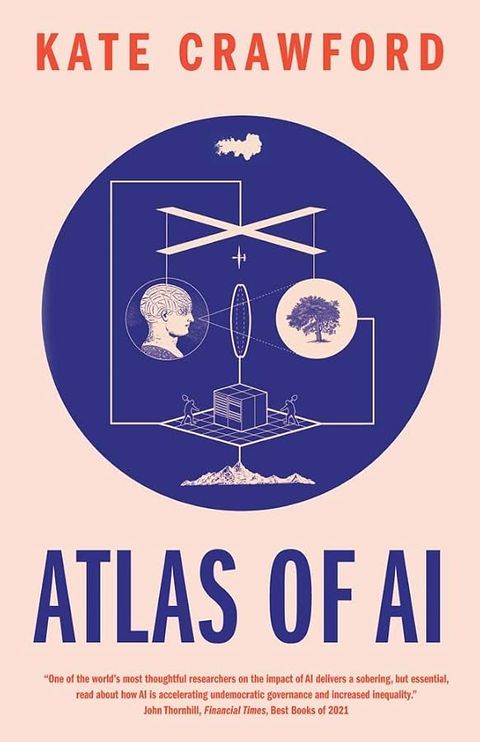
Atlas of AI
A rigorous, award-winning account of AI as an extractive industry, essential for understanding the material and political costs behind the software.
Editorial score: 77.6/100Amazon, Atlas of AI (opens Amazon in a new tab) - Rank 09
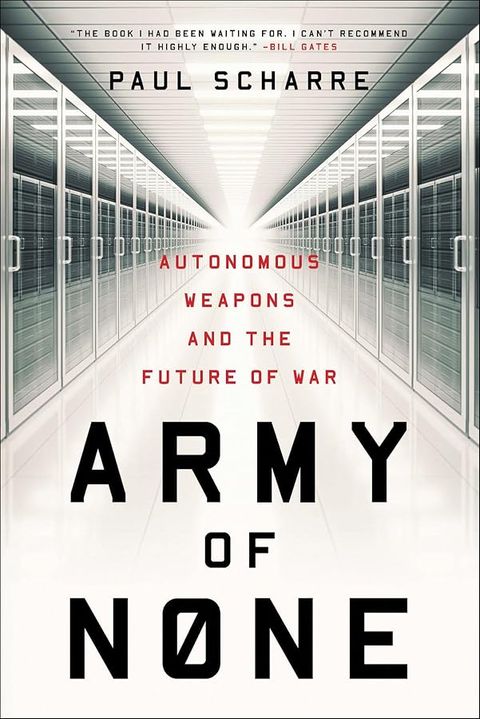
Army of None
A balanced, authoritative primer on autonomous weapons from the former Pentagon official who led the drafting of US autonomy policy.
Editorial score: 79.3/100Amazon, Army of None (opens Amazon in a new tab) - Rank 10
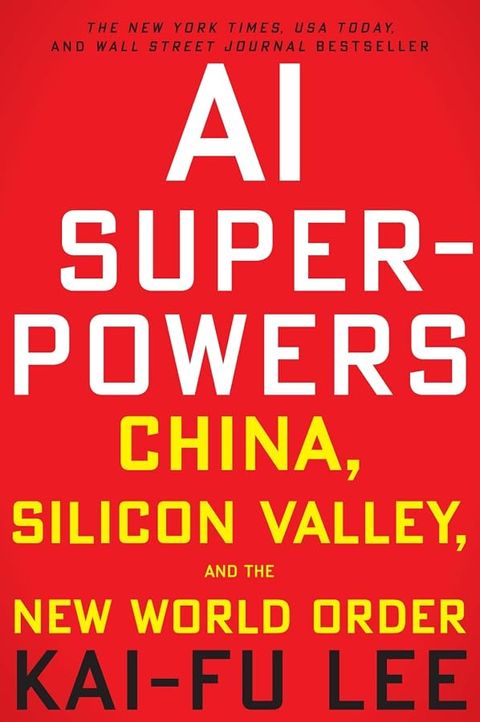
AI Superpowers
An insider's vivid 2018 portrait of China's AI rise; still useful context, though its forecasts predate generative AI and chip export controls.
Editorial score: 74.3/100Amazon, AI Superpowers (opens Amazon in a new tab) - Rank 11
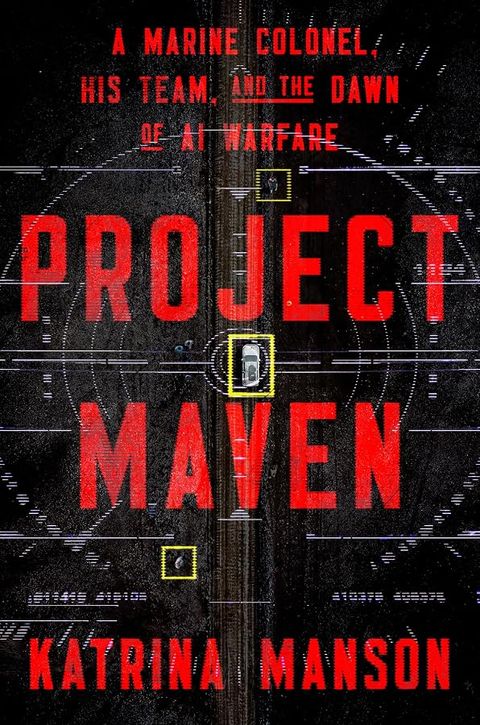
Project Maven
A deeply reported, even-handed history of how the Pentagon brought AI into targeting, with lessons for every military AI debate.
Editorial score: 76.3/100Amazon, Project Maven (opens Amazon in a new tab) - Rank 12
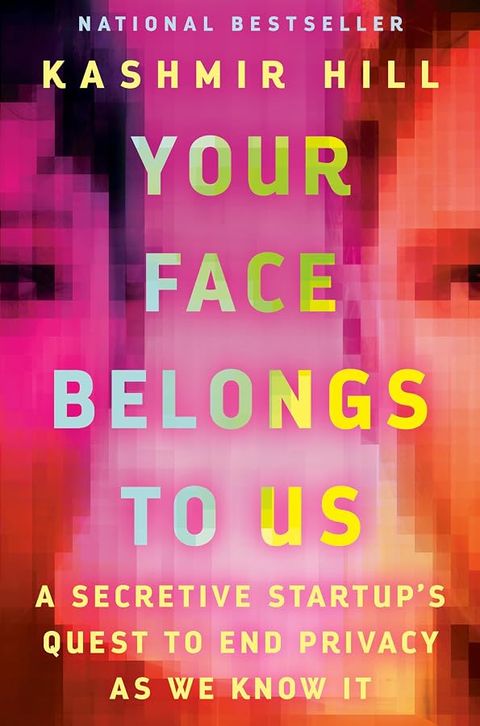
Your Face Belongs to Us
A gripping, carefully reported investigation of Clearview AI that shows how facial recognition moved from taboo to everyday policing tool.
Editorial score: 75.3/100Amazon, Your Face Belongs to Us (opens Amazon in a new tab) - Rank 13
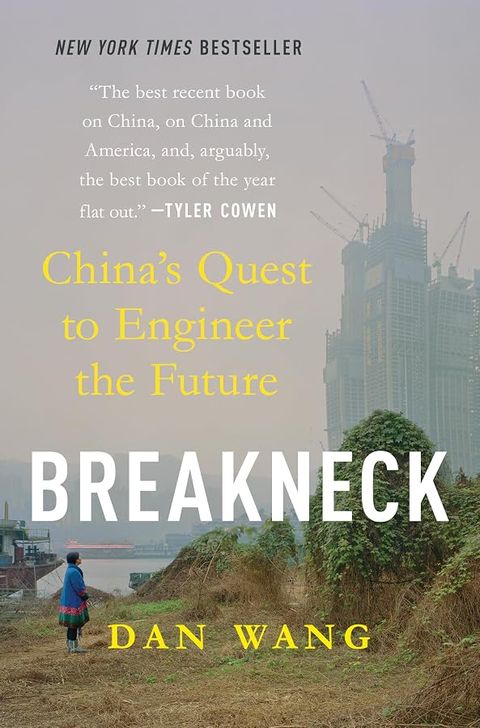
Breakneck
A vivid, firsthand argument that China's engineering state builds while America's lawyerly society blocks, offering valuable context for the US-China technology rivalry.
Editorial score: 77.1/100Amazon, Breakneck (opens Amazon in a new tab) - Rank 14
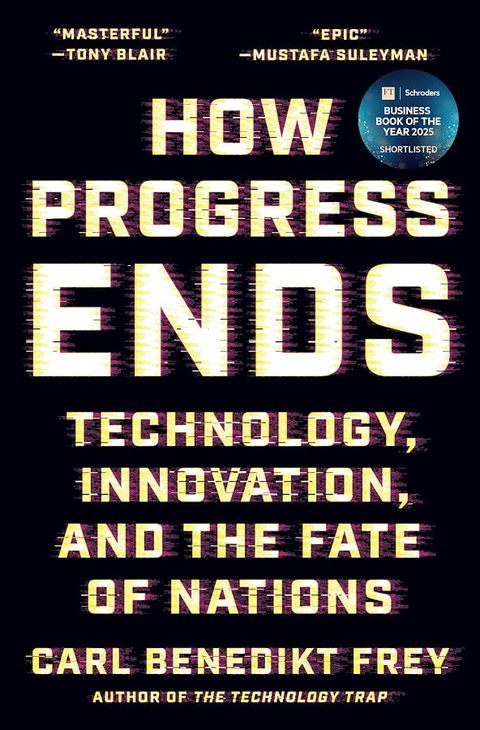
How Progress Ends
A sweeping economic history that tempers AI optimism by showing how institutions, not inventions alone, decide whether progress lasts.
Editorial score: 75.1/100Amazon, How Progress Ends (opens Amazon in a new tab) - Rank 15
Four Battlegrounds
A well-organized account of the US-China AI rivalry by a former Pentagon policymaker, framed around data, compute, talent and institutions.
Editorial score: 75.1/100Amazon, Four Battlegrounds (opens Amazon in a new tab) - Rank 16
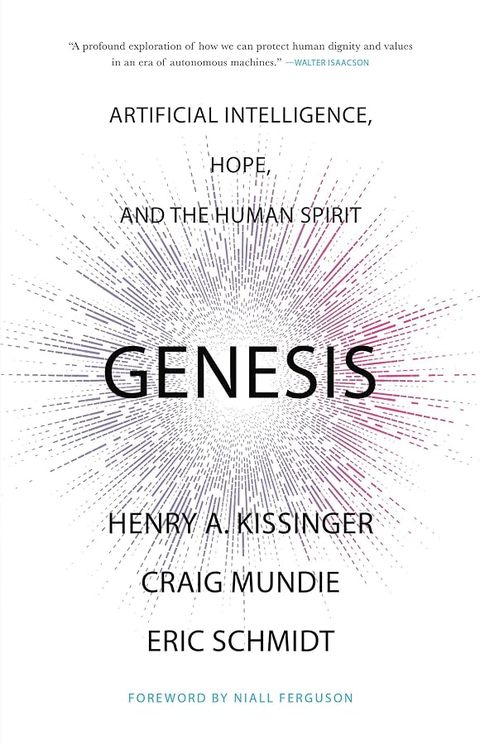
Genesis
A statesman's final reflections on AI and world order, valuable for its strategic framing though thin on evidence and technical detail.
Editorial score: 67.8/100Amazon, Genesis (opens Amazon in a new tab) - Rank 17
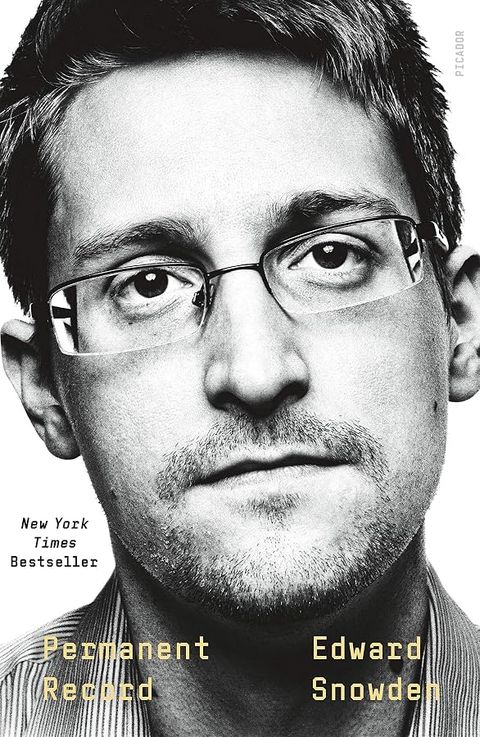
Permanent Record
A vivid insider memoir explaining how bulk surveillance systems work, best read alongside critics who dispute Snowden's choices.
Editorial score: 74.8/100Amazon, Permanent Record (opens Amazon in a new tab) - Rank 18
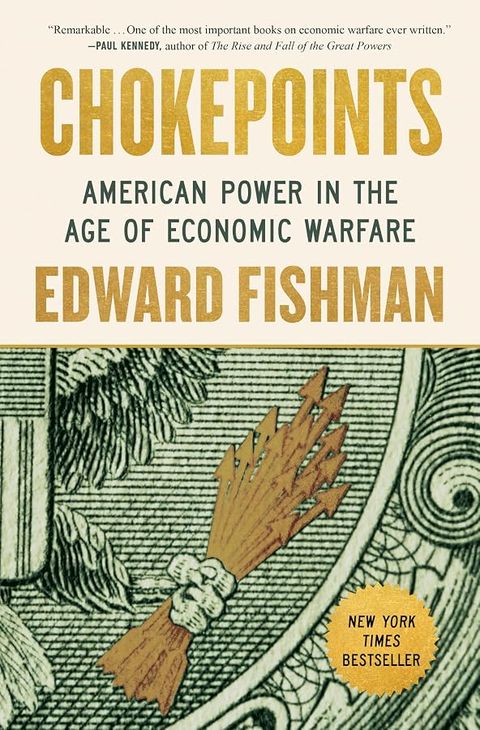
Chokepoints
A vivid insider history of American sanctions and export controls that explains why semiconductors became a front line of geopolitical competition.
Editorial score: 79.1/100Amazon, Chokepoints (opens Amazon in a new tab) - Rank 19
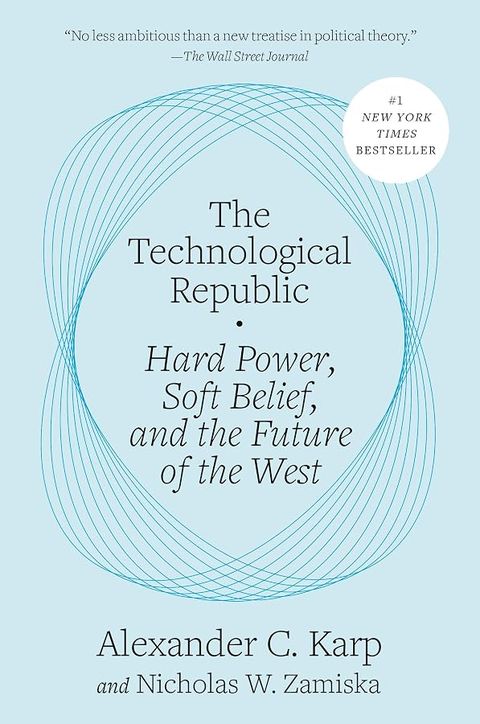
The Technological Republic
A forceful, contested manifesto from Palantir's CEO urging Silicon Valley to rebuild its partnership with government on defense and AI.
Editorial score: 75.6/100Amazon, The Technological Republic (opens Amazon in a new tab) - Rank 20
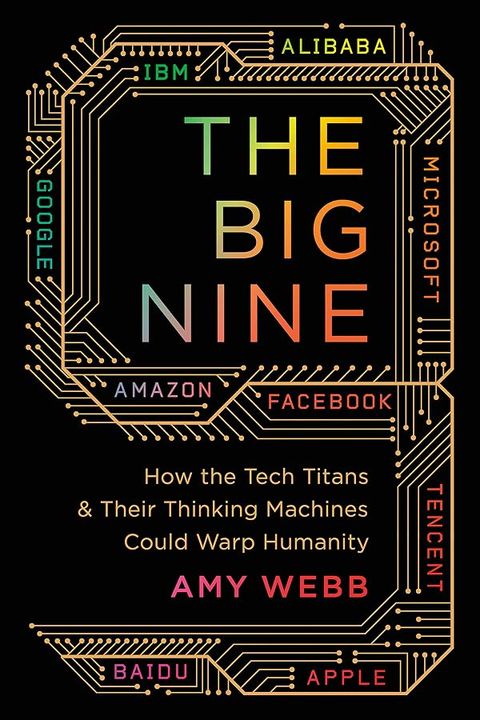
The Big Nine
A clear, scenario-driven warning about corporate and state concentration in AI, now best read as a 2019 baseline.
Editorial score: 61.8/100Amazon, The Big Nine (opens Amazon in a new tab) - Rank 21
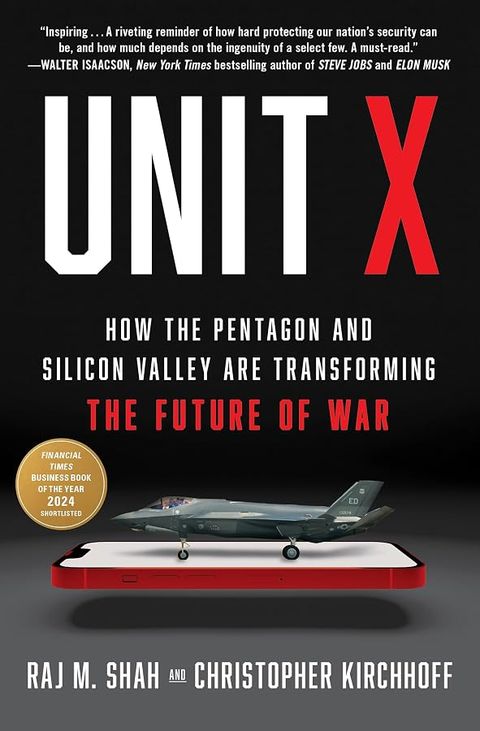
Unit X
An insider account of bringing Silicon Valley technology into the Pentagon, valuable on bureaucratic reform though partial to its authors' achievements.
Editorial score: 74.1/100Amazon, Unit X (opens Amazon in a new tab) - Rank 22
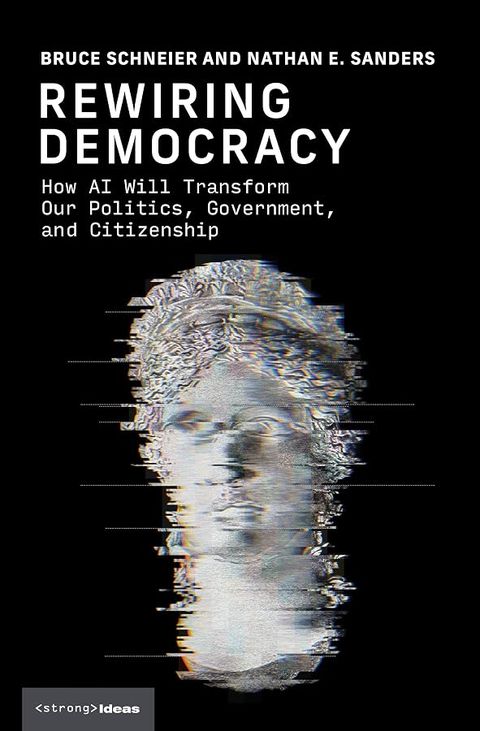
Rewiring Democracy
A wide-ranging, cautiously optimistic survey of how AI could reshape campaigns, legislatures, agencies and courts, and how democracies might respond.
Editorial score: 73.0/100Amazon, Rewiring Democracy (opens Amazon in a new tab) - Rank 23
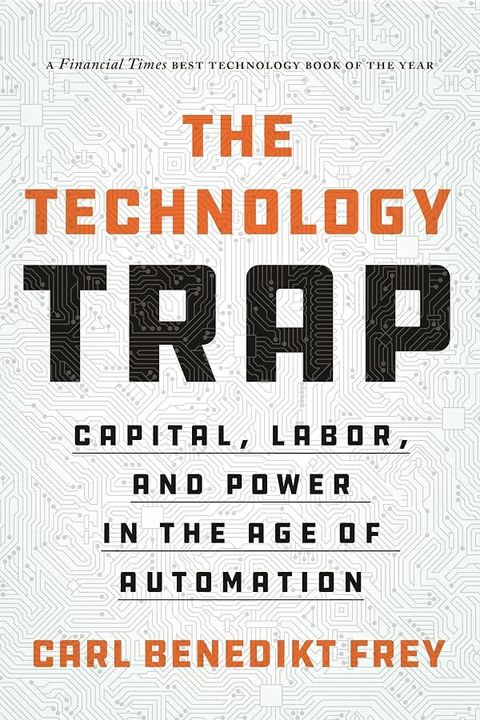
The Technology Trap
A rigorous economic history showing why labor-replacing technology breeds backlash, and a valuable frame for the politics of AI automation.
Editorial score: 75.6/100Amazon, The Technology Trap (opens Amazon in a new tab) - Rank 24
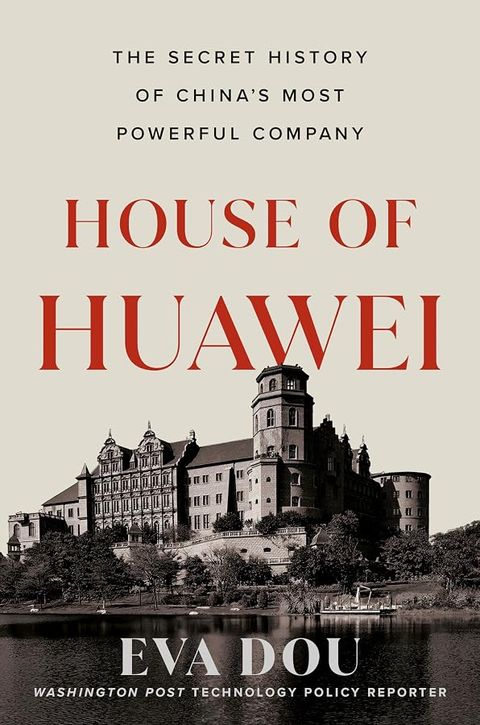
House of Huawei
A deeply reported corporate history that explains the US-China technology rivalry through Huawei, stronger on politics and intrigue than industrial economics.
Editorial score: 70.5/100Amazon, House of Huawei (opens Amazon in a new tab) - Rank 25
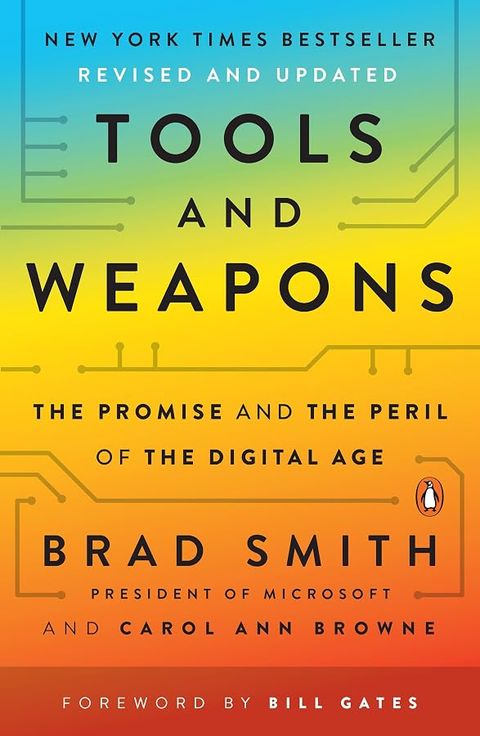
Tools and Weapons
An insider's account of Microsoft's policy battles that makes a measured case for corporate responsibility and smarter technology regulation.
Editorial score: 71.8/100Amazon, Tools and Weapons (opens Amazon in a new tab)



Show all 71 AI Policy & Geopolitics booksShow the first 25 only
- Rank 26
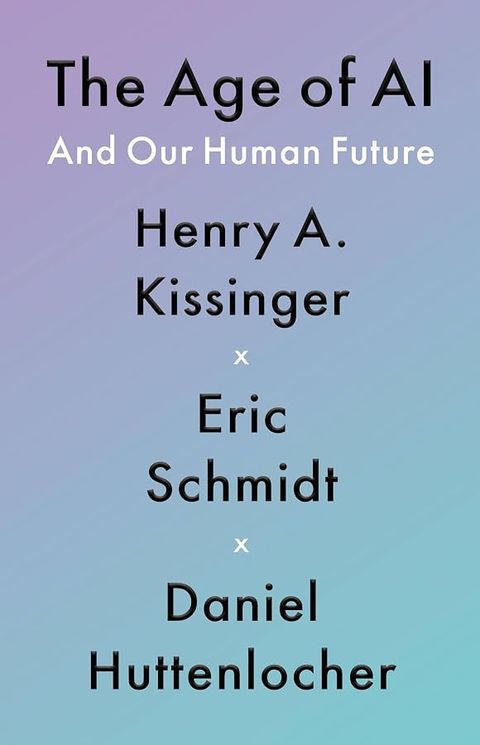
The Age of AI
Authors from diplomacy, business and computing frame AI as a challenge to human reason and world order, raising more questions than answers.
Editorial score: 64.8/100Amazon, The Age of AI (opens Amazon in a new tab) - Rank 27
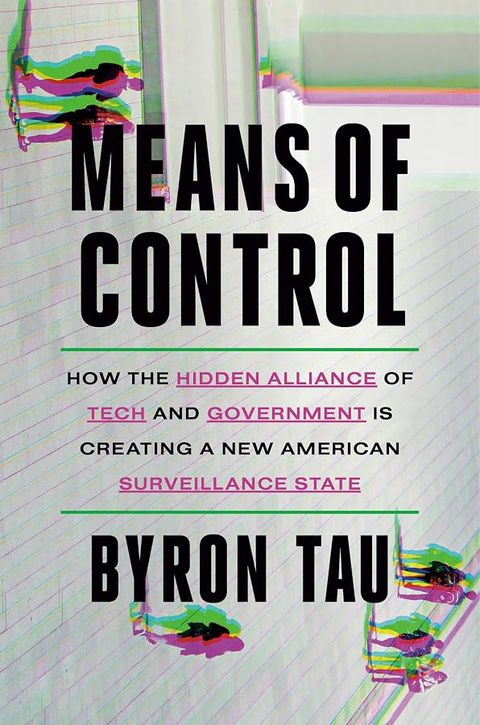
Means of Control
A deeply reported, unsettling account of how US agencies buy commercial data to track people, essential context for AI-era surveillance.
Editorial score: 71.5/100Amazon, Means of Control (opens Amazon in a new tab) - Rank 28
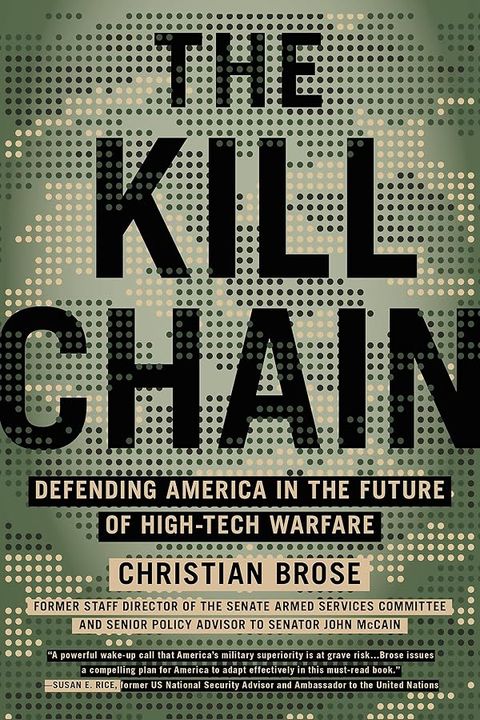
The Kill Chain
An insider's forceful case that the Pentagon must trade costly legacy platforms for networks of cheaper autonomous systems to deter China.
Editorial score: 76.8/100Amazon, The Kill Chain (opens Amazon in a new tab) - Rank 29
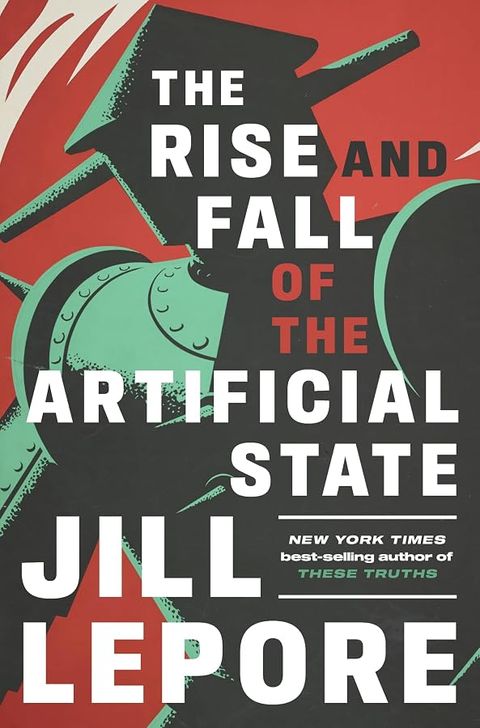
The Rise and Fall of the Artificial State
A Pulitzer-winning historian's learned, alarmed case that automated rule is eroding self-government, stronger as history than as policy guidance.
Editorial score: 76.8/100Amazon, The Rise and Fall of the Artificial State (opens Amazon in a new tab) - Rank 30
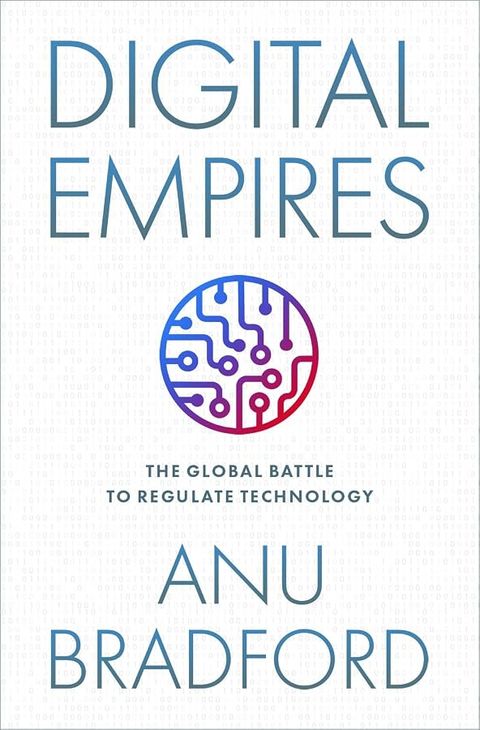
Digital Empires
An authoritative comparative map of how Washington, Beijing and Brussels regulate technology, and why their rivalry shapes global tech rules.
Editorial score: 77.5/100Amazon, Digital Empires (opens Amazon in a new tab) - Rank 31
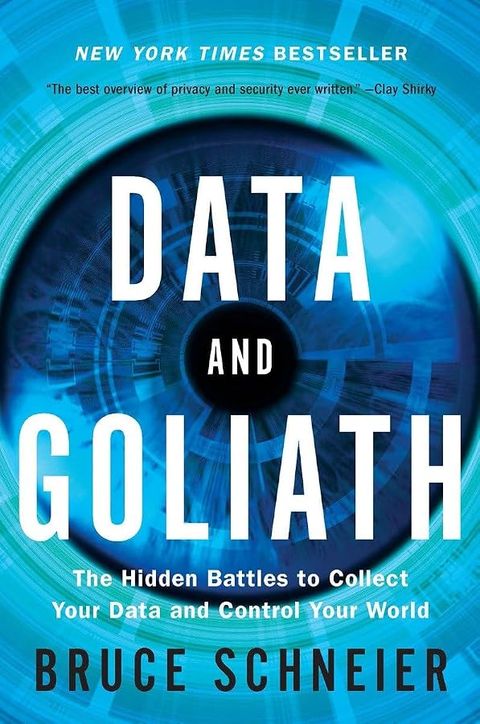
Data and Goliath
A lucid, well-documented indictment of mass data collection whose analysis still frames the data economy that feeds modern AI.
Editorial score: 72.6/100Amazon, Data and Goliath (opens Amazon in a new tab) - Rank 32
The Exponential Age
A clear, well-argued framework for why institutions lag fast-moving technology, stronger on diagnosis than on its policy remedies.
Editorial score: 68.0/100Amazon, The Exponential Age (opens Amazon in a new tab) - Rank 33
Surveillance State
A rigorous, deeply reported account of how China fused AI, data and policing into a new model of social control.
Editorial score: 73.8/100Amazon, Surveillance State (opens Amazon in a new tab) - Rank 34
Future Politics
An ambitious, prizewinning work of political theory on how code concentrates power, and still a sharp lens for debates on governing AI.
Editorial score: 66.5/100Amazon, Future Politics (opens Amazon in a new tab) - Rank 35
Focus
A well-sourced inside account of ASML, the Dutch company whose lithography machines sit at the center of the AI chip race.
Editorial score: 68.8/100Amazon, Focus (opens Amazon in a new tab) - Rank 36
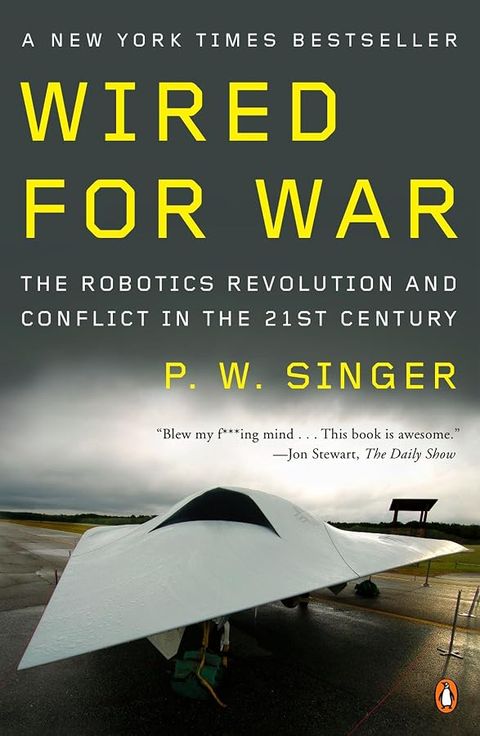
Wired for War
A vivid, deeply reported early account of military robotics whose questions about autonomy and accountability matter more now than in 2009.
Editorial score: 69.3/100Amazon, Wired for War (opens Amazon in a new tab) - Rank 37
Taming Silicon Valley
A brisk, pointed policy polemic from a leading AI critic, strongest on generative AI's documented harms and the case for regulation.
Editorial score: 70.3/100Amazon, Taming Silicon Valley (opens Amazon in a new tab) - Rank 38
Data Driven
An award-winning field study of how mandated monitoring reshaped trucking, and how AI in the cab watches drivers rather than replacing them.
Editorial score: 73.3/100Amazon, Data Driven (opens Amazon in a new tab) - Rank 39
The Tech Coup
A former lawmaker's well-documented case that tech firms have assumed state powers, persuasive on diagnosis and debatable in its regulatory prescriptions.
Editorial score: 73.5/100Amazon, The Tech Coup (opens Amazon in a new tab) - Rank 40
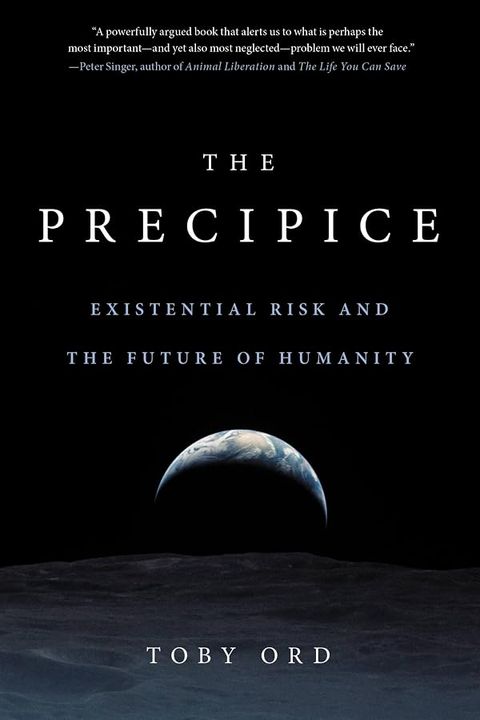
The Precipice
A rigorous case for treating existential risk, with unaligned AI ranked highest, as a defining moral priority of this century.
Editorial score: 75.1/100Amazon, The Precipice (opens Amazon in a new tab) - Rank 41
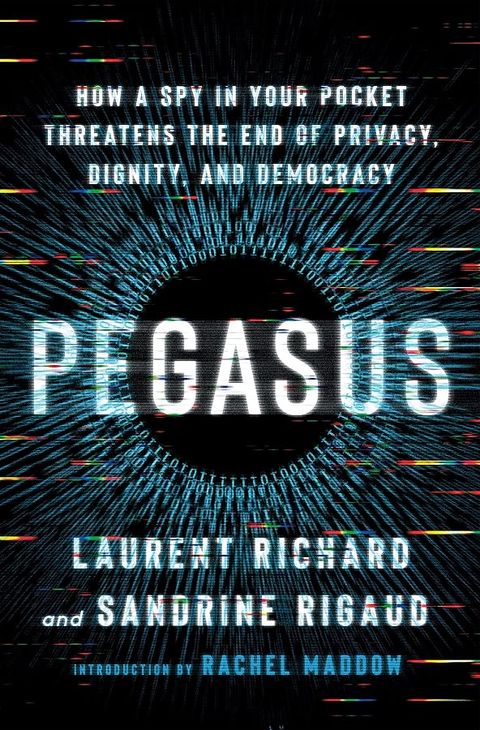
Pegasus
A tense, well-documented account of the investigation that exposed how governments used NSO Group's spyware against journalists and activists.
Editorial score: 71.0/100Amazon, Pegasus (opens Amazon in a new tab) - Rank 42
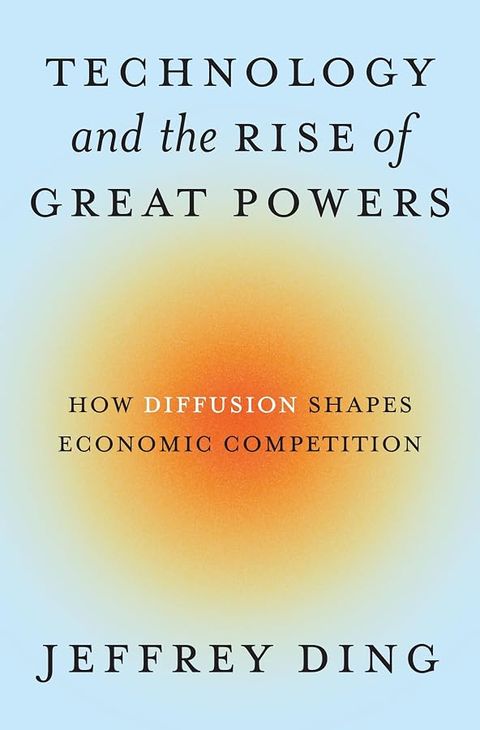
Technology and the Rise of Great Powers
A rigorous, prize-winning challenge to innovation-race thinking that argues national power follows how widely technologies spread, not who invents them.
Editorial score: 74.8/100Amazon, Technology and the Rise of Great Powers (opens Amazon in a new tab) - Rank 43
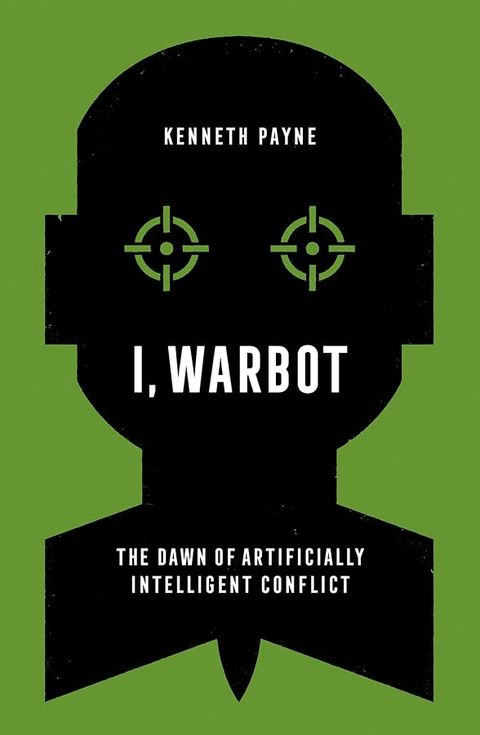
I, Warbot
A clear, thoughtful strategist's account of how AI will change warfare and why banning autonomous weapons is unlikely to succeed.
Editorial score: 69.0/100Amazon, I, Warbot (opens Amazon in a new tab) - Rank 44
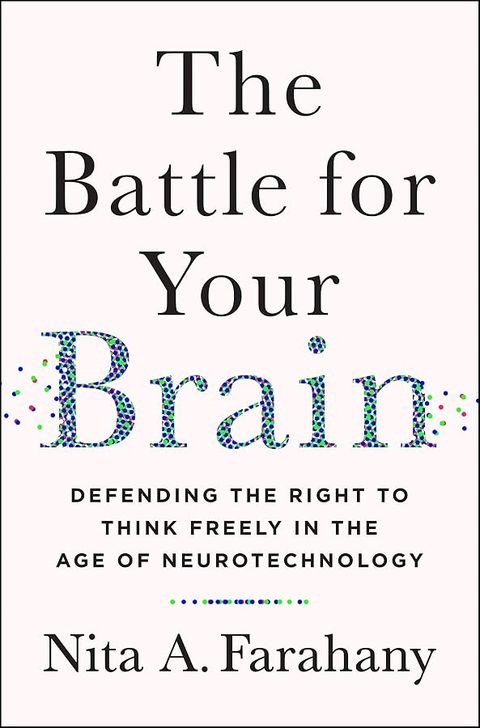
The Battle for Your Brain
A clear, evenhanded case for a legal right to cognitive liberty as AI-powered neurotechnology moves into workplaces and consumer devices.
Editorial score: 73.1/100Amazon, The Battle for Your Brain (opens Amazon in a new tab) - Rank 45
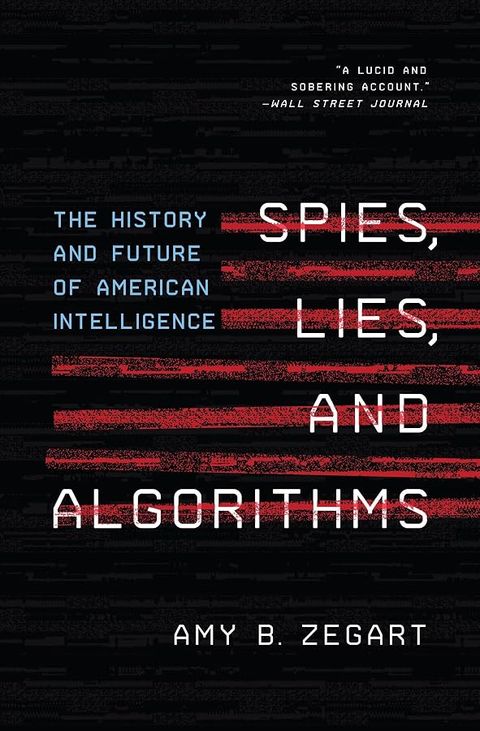
Spies, Lies, and Algorithms
A clear, well-sourced primer on American intelligence that shows how open-source data, cyber threats and AI are reshaping spying.
Editorial score: 71.6/100Amazon, Spies, Lies, and Algorithms (opens Amazon in a new tab) - Rank 46
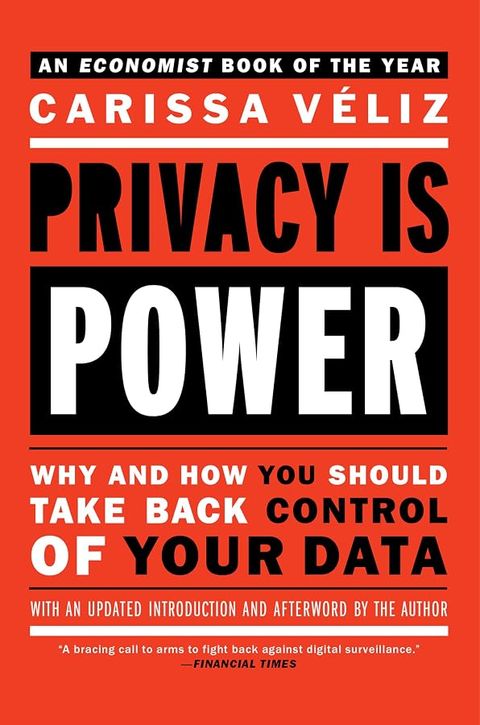
Privacy Is Power
A forceful philosophical argument that personal data is a source of power, paired with concrete proposals to end its trade.
Editorial score: 74.3/100Amazon, Privacy Is Power (opens Amazon in a new tab) - Rank 47
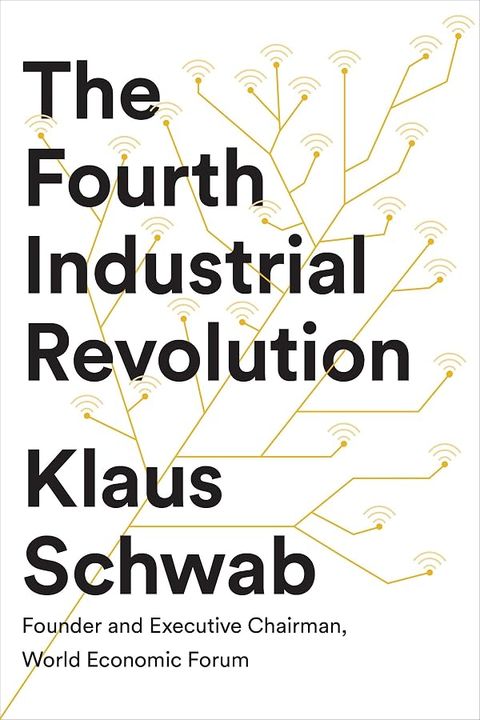
The Fourth Industrial Revolution
A brief, influential framing essay from the World Economic Forum's founder, valuable for its vocabulary more than for concrete guidance.
Editorial score: 65.8/100Amazon, The Fourth Industrial Revolution (opens Amazon in a new tab) - Rank 48
The Equality Machine
A law scholar's well-argued case that AI can detect and reduce discrimination, a useful counterweight to purely critical books on algorithmic bias.
Editorial score: 66.1/100Amazon, The Equality Machine (opens Amazon in a new tab) - Rank 49
T-Minus AI
An accessible primer from a former Air Force AI leader, linking how AI works to the US-China-Russia contest for power.
Editorial score: 56.6/100Amazon, T-Minus AI (opens Amazon in a new tab) - Rank 50
Human-Centered AI
An influential HCI pioneer's case that AI should amplify people rather than replace them, rich in frameworks but light on implementation detail.
Editorial score: 74.8/100Amazon, Human-Centered AI (opens Amazon in a new tab) - Rank 51
Rule of the Robots
A balanced, readable survey of AI's economic and social stakes, strongest on China and self-driving cars, though written before ChatGPT.
Editorial score: 64.5/100Amazon, Rule of the Robots (opens Amazon in a new tab) - Rank 52
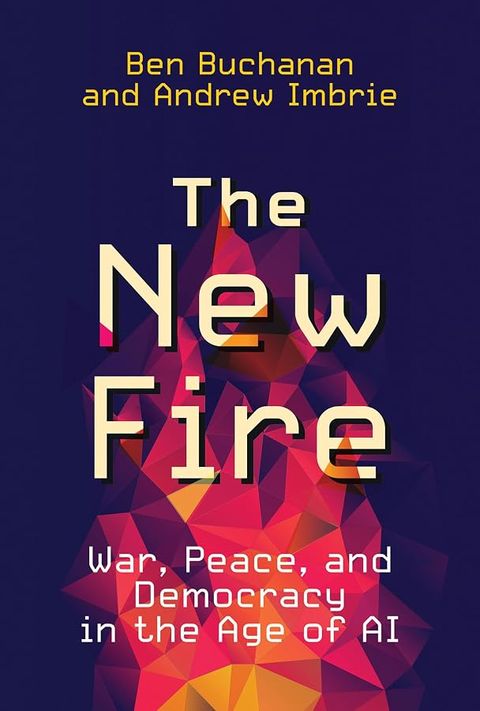
The New Fire
A balanced, well-informed account of how AI reshapes military power, cyber conflict and disinformation, written before its authors entered government.
Editorial score: 71.8/100Amazon, The New Fire (opens Amazon in a new tab) - Rank 53
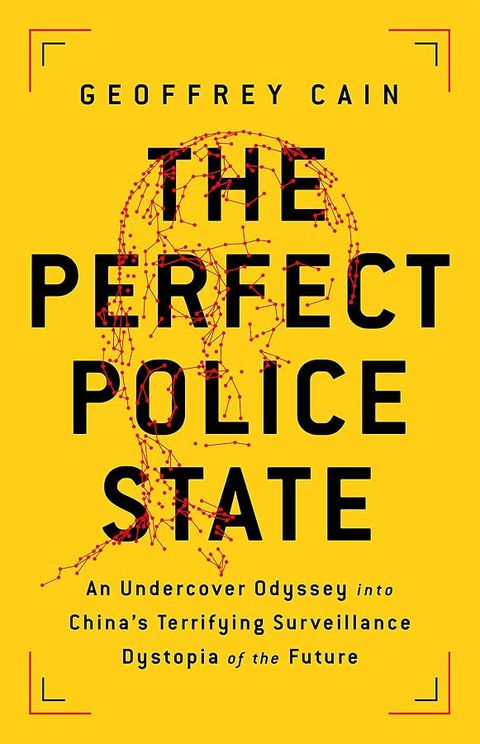
The Perfect Police State
A gripping, deeply reported account of AI-enabled surveillance in Xinjiang, strongest on human testimony and the companies behind the system.
Editorial score: 68.0/100Amazon, The Perfect Police State (opens Amazon in a new tab) - Rank 54
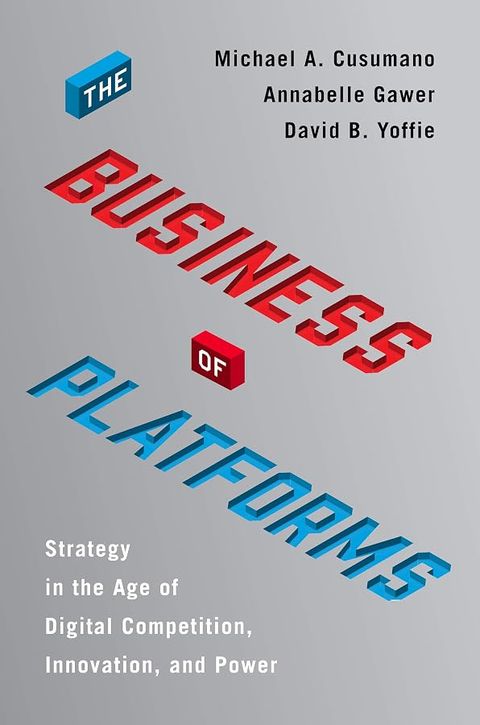
The Business of Platforms
A data-backed strategy guide to how platform companies win, fail and attract regulators, written by three leading scholars.
Editorial score: 72.1/100Amazon, The Business of Platforms (opens Amazon in a new tab) - Rank 55
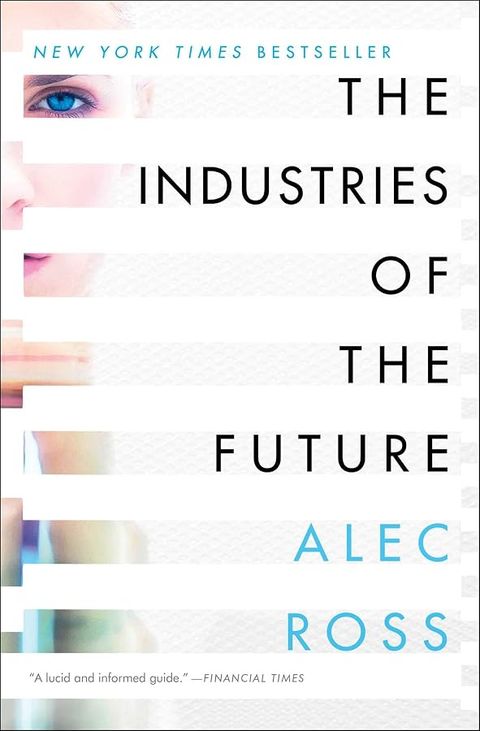
The Industries of the Future
A readable 2016 survey of robotics, genomics, digital money, cybersecurity and data, now more useful as a snapshot than a forecast.
Editorial score: 59.1/100Amazon, The Industries of the Future (opens Amazon in a new tab) - Rank 56
Mindf*ck
A vivid insider memoir of Cambridge Analytica's data operations, valuable as testimony but best read alongside later official findings.
Editorial score: 64.3/100Amazon, Mindf*ck (opens Amazon in a new tab) - Rank 57
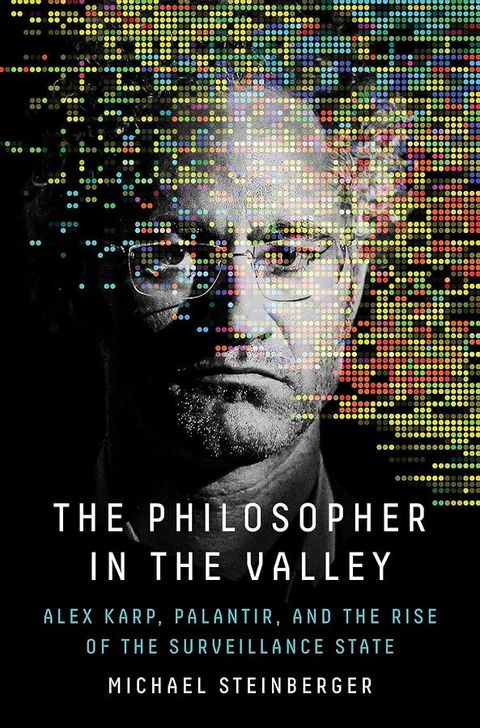
The Philosopher in the Valley
A closely reported portrait of Alex Karp and Palantir, sharp on character and politics but thinner on the technology.
Editorial score: 66.0/100Amazon, The Philosopher in the Valley (opens Amazon in a new tab) - Rank 58
The People Vs Tech
A brisk, readable warning about how digital platforms strain democratic institutions, now dated in its examples but sharp on principles.
Editorial score: 60.8/100Amazon, The People Vs Tech (opens Amazon in a new tab) - Rank 59
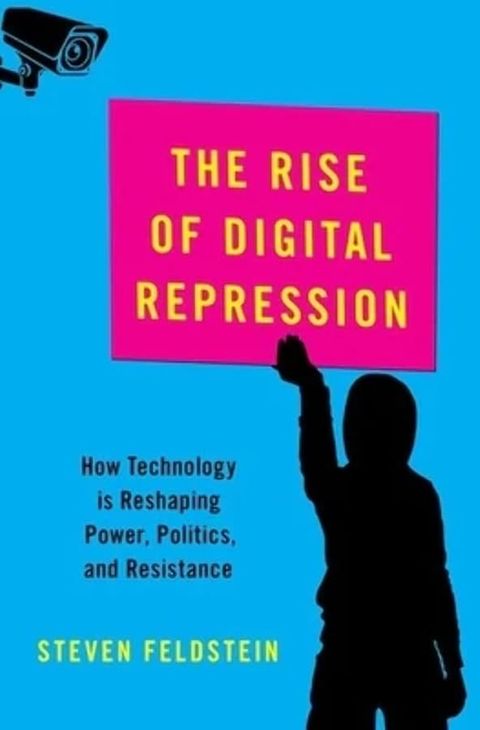
The Rise of Digital Repression
A rigorous, field-based account of how governments turn AI, surveillance and disinformation against citizens, best suited to policy readers.
Editorial score: 70.3/100Amazon, The Rise of Digital Repression (opens Amazon in a new tab) - Rank 60
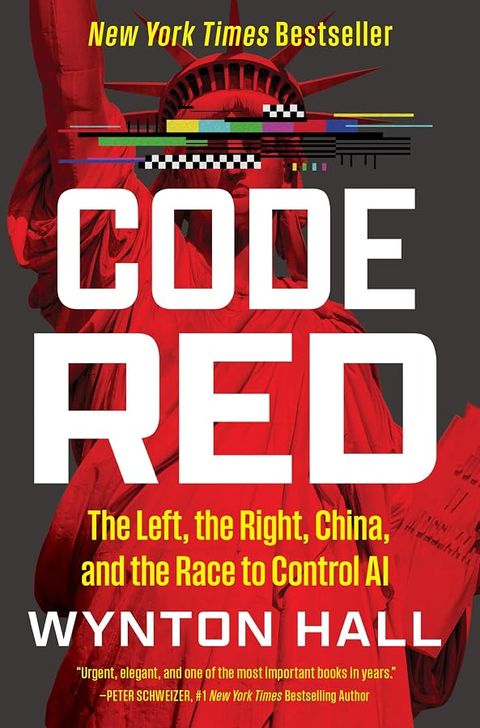
Code Red
A conservative communicator's accessible case for engaging with AI on the right's terms, more political argument than technical or policy analysis.
Editorial score: 62.5/100Amazon, Code Red (opens Amazon in a new tab) - Rank 61
The Digital Republic
A lucid legal and political blueprint for governing digital technology, stronger on institutional design than on technical detail.
Editorial score: 65.5/100Amazon, The Digital Republic (opens Amazon in a new tab) - Rank 62
Hyperscale
A deeply reported critique of the AI data-center boom that documents local costs well but argues from a clear advocacy position.
Editorial score: 66.3/100Amazon, Hyperscale (opens Amazon in a new tab) - Rank 63
Algorithms for the People
A political theorist's award-winning argument that machine learning's design choices are political and belong under democratic, not merely technical, control.
Editorial score: 63.8/100Amazon, Algorithms for the People (opens Amazon in a new tab) - Rank 64
AI Needs You
A policy insider's historically grounded case that democratic choices, not inevitability, should steer AI; persuasive on process, lighter on technical detail.
Editorial score: 68.8/100Amazon, AI Needs You (opens Amazon in a new tab) - Rank 65
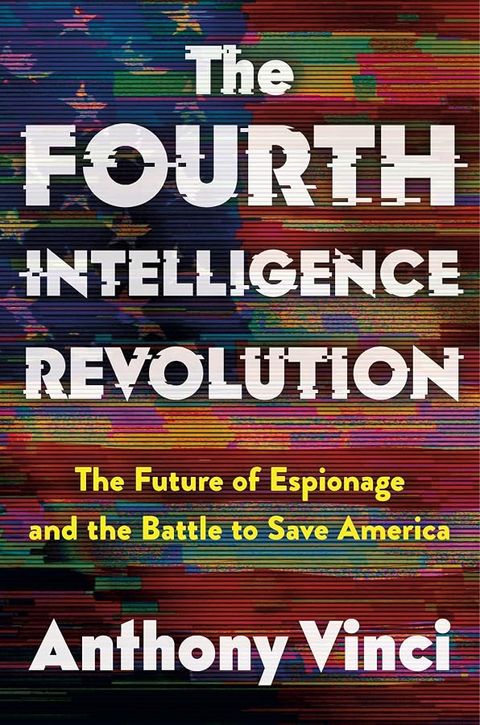
The Fourth Intelligence Revolution
A former intelligence technologist's urgent, readable case that AI and China are remaking espionage, more persuasive on diagnosis than on remedies.
Editorial score: 67.6/100Amazon, The Fourth Intelligence Revolution (opens Amazon in a new tab) - Rank 66
Digital Transformation
A clear executive primer on cloud, big data, AI and IoT, though its C3.ai-centered examples and 2019 vantage now show their age.
Editorial score: 63.3/100Amazon, Digital Transformation (opens Amazon in a new tab) - Rank 67
Global Catastrophic Risks
The first major edited survey of civilization-scale threats, notable for an early AI-risk chapter, now read mainly for its framing and history.
Editorial score: 66.3/100Amazon, Global Catastrophic Risks (opens Amazon in a new tab) - Rank 68
We Have Been Harmonized
Vivid, deeply reported journalism on how China fuses AI, data and surveillance into a system of political control.
Editorial score: 66.3/100Amazon, We Have Been Harmonized (opens Amazon in a new tab) - Rank 69
The Smart Enough City
A persuasive, case-rich argument that city governments should set policy goals first and adopt data and algorithms only in their service.
Editorial score: 67.5/100Amazon, The Smart Enough City (opens Amazon in a new tab) - Rank 70
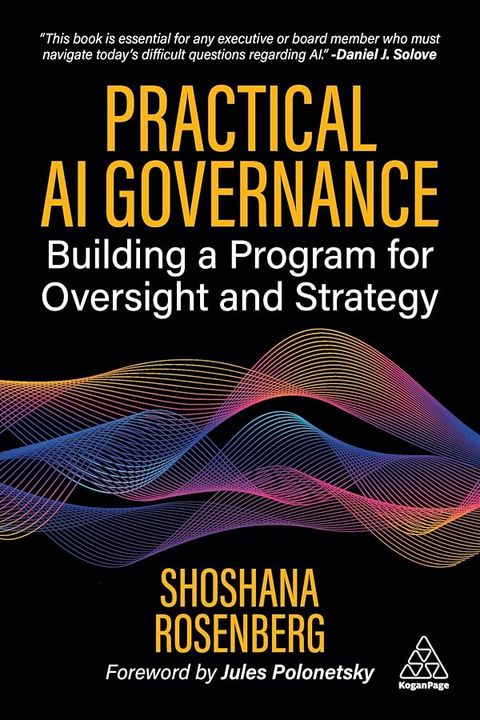
Practical AI Governance
A practitioner's blueprint for building enterprise AI oversight on existing risk and privacy programs, detailed and current, best for governance leads.
Editorial score: 67.3/100Amazon, Practical AI Governance (opens Amazon in a new tab) - Rank 71
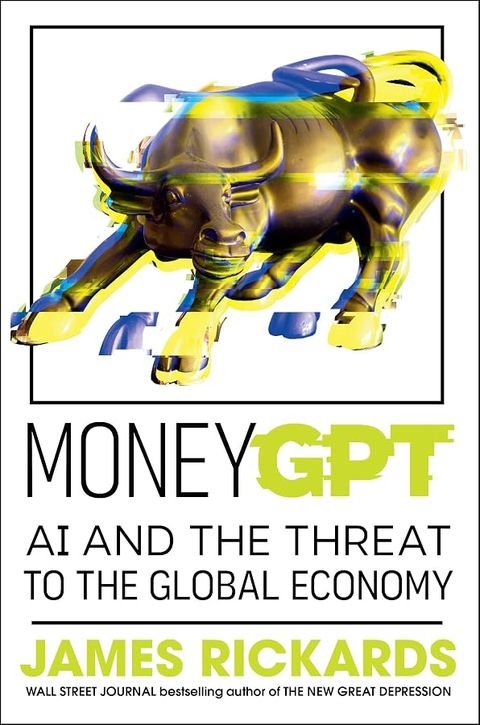
MoneyGPT
A sharp, contrarian warning about AI-driven market contagion and escalation risk, more persuasive on market dynamics than on AI technology itself.
Editorial score: 62.8/100Amazon, MoneyGPT (opens Amazon in a new tab)





Guides
AI Policy & Geopolitics guides and lists
-
The 40 Best Books on AI Policy and Geopolitics (2026)
Forty books on the chips, rules, weapons and surveillance systems that decide who controls artificial intelligence, ranked for policymakers, executives and general readers following the US-China contest and AI regulation.
