Category
AI History & Biography
Ranked histories of AI's labs, chipmakers and pioneers, from DeepMind and OpenAI to Nvidia.
AI history is the story of how artificial intelligence moved from academic research into the products and companies that now shape the economy, told through the scientists, executives, labs and chipmakers who built it. Best AI Books ranks the leading histories of the field, biographies and memoirs of AI pioneers, and reported accounts of companies such as OpenAI, DeepMind and Nvidia. The section serves general readers, students, investors and executives who want to understand how the current AI industry took shape. Chris Miller's Chip War ranks first with its history of the semiconductor industry. Karen Hao's Empire of AI offers a deeply reported, critical history of OpenAI, and Fei-Fei Li's memoir The Worlds I See recounts how she built ImageNet and helped drive the data-driven turn in AI.
57 books ranked1 guide
As an Amazon Associate, Best AI Books earns from qualifying purchases.
The best AI History & Biography books, ranked
57 books, ranked by the same composite score as the full list of 500.
As an Amazon Associate, Best AI Books earns from qualifying purchases. Best AI Books is sponsored by Iternal.ai, whose founder and CEO, John Byron Hanby IV, wrote The AI Strategy Blueprint, our #1 ranked book. How we rank books.
- Rank 01
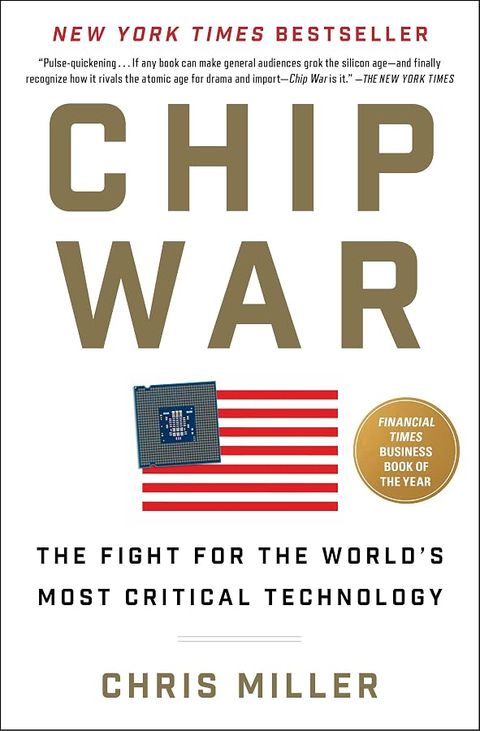
Chip War
The definitive history of the semiconductor industry and the clearest guide to why compute sits at the center of US-China rivalry.
Editorial score: 81.8/100Amazon, Chip War (opens Amazon in a new tab) - Rank 02
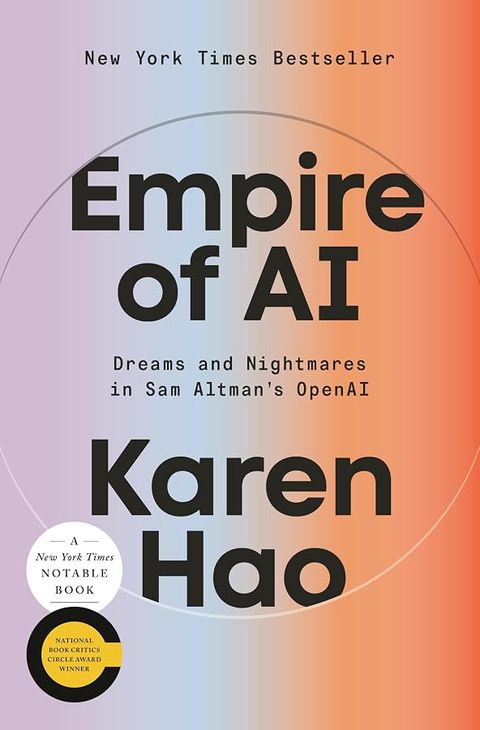
Empire of AI
A deeply reported, sharply critical history of OpenAI that casts the AI industry as a resource-hungry empire built on hidden labor.
Editorial score: 80.2/100Amazon, Empire of AI (opens Amazon in a new tab) - Rank 03
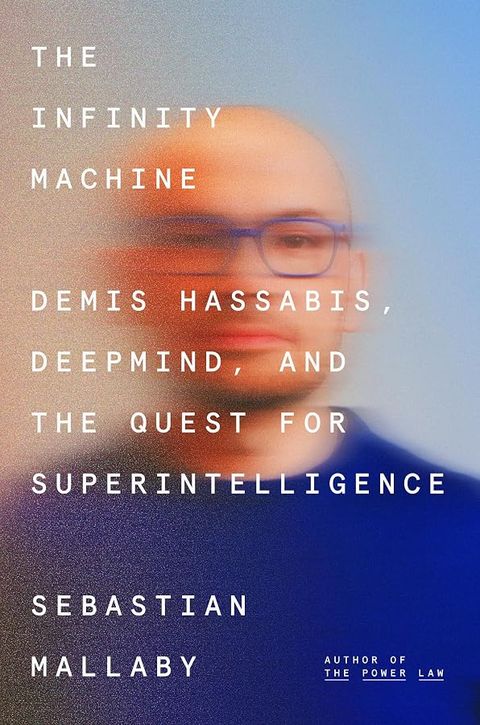
The Infinity Machine
The fullest account yet of Demis Hassabis and DeepMind, built on deep access and tempered by rivals' and critics' testimony.
Editorial score: 73.9/100Amazon, The Infinity Machine (opens Amazon in a new tab) - Rank 04
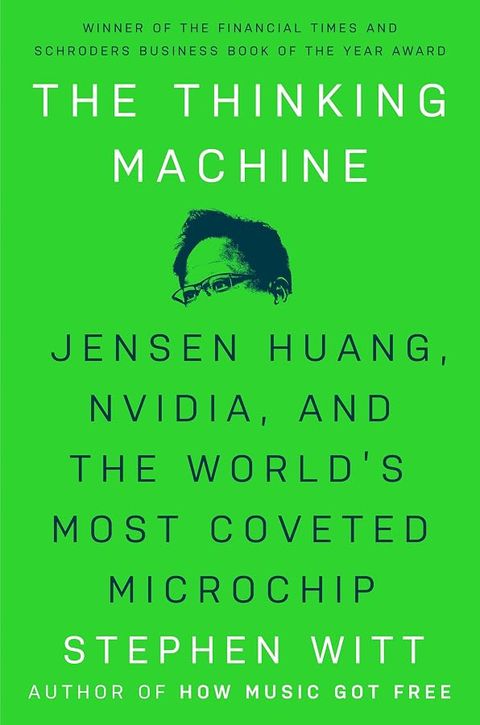
The Thinking Machine
A lively, well-sourced account of how Jensen Huang turned Nvidia into the hardware backbone of modern AI.
Editorial score: 76.8/100Amazon, The Thinking Machine (opens Amazon in a new tab) - Rank 05
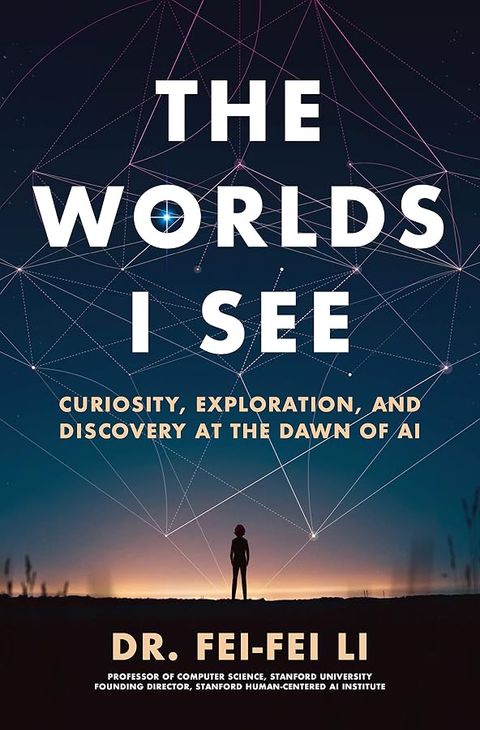
The Worlds I See
An affecting memoir that explains the data-driven turn in AI through the life of the scientist who built ImageNet.
Editorial score: 76.2/100Amazon, The Worlds I See (opens Amazon in a new tab) - Rank 06
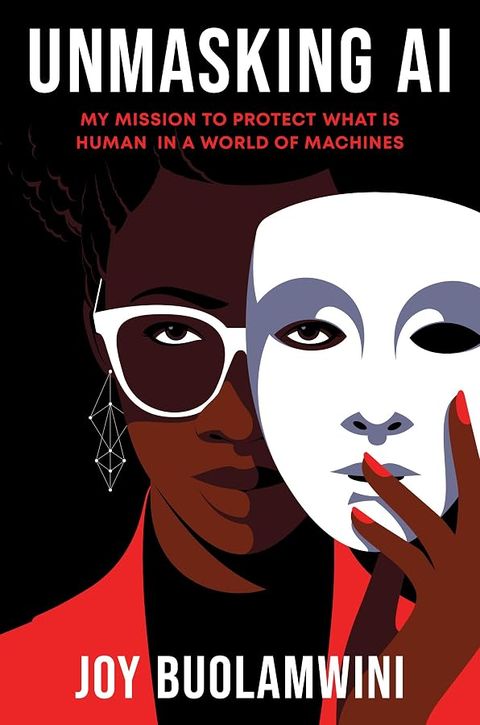
Unmasking AI
A personal, accessible account of how one researcher documented bias in facial analysis and turned audits into public advocacy.
Editorial score: 75.3/100Amazon, Unmasking AI (opens Amazon in a new tab) - Rank 07
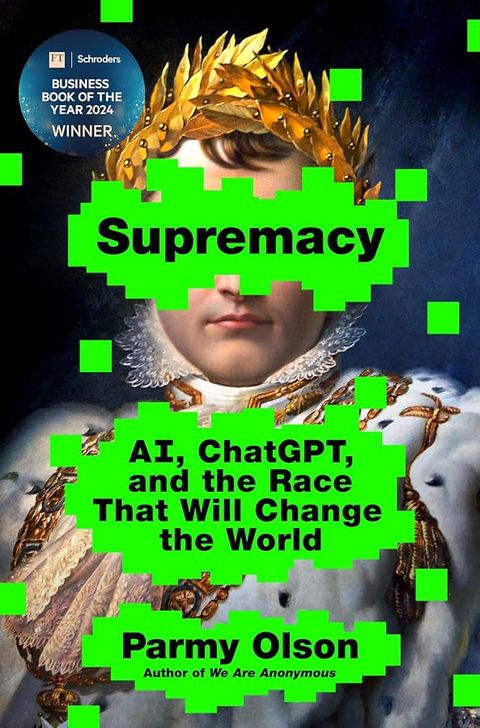
Supremacy
A brisk, well-sourced dual portrait of Altman and Hassabis that explains how Big Tech came to control frontier AI.
Editorial score: 74.1/100Amazon, Supremacy (opens Amazon in a new tab) - Rank 08
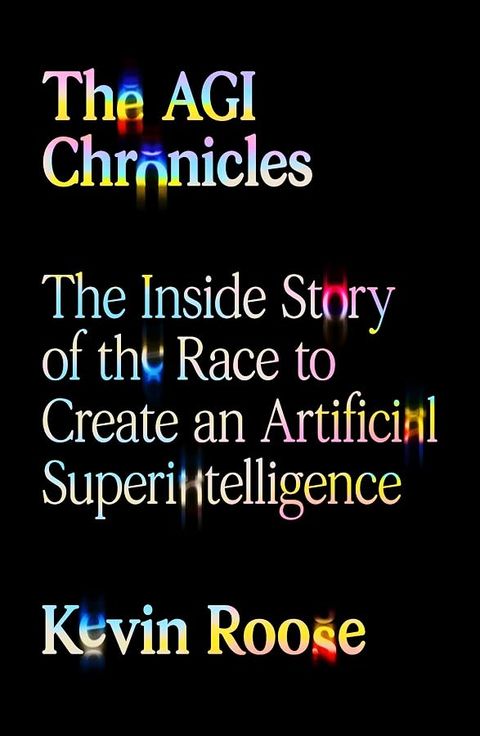
The AGI Chronicles
The most complete reported account yet of the frontier AI labs, explaining the technology and the rivalries that drive it.
Editorial score: 76.8/100Amazon, The AGI Chronicles (opens Amazon in a new tab) - Rank 09
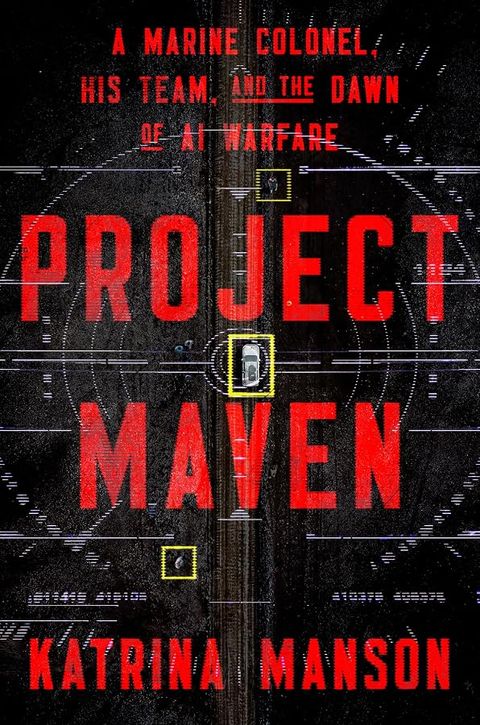
Project Maven
A deeply reported, even-handed history of how the Pentagon brought AI into targeting, with lessons for every military AI debate.
Editorial score: 76.3/100Amazon, Project Maven (opens Amazon in a new tab) - Rank 10
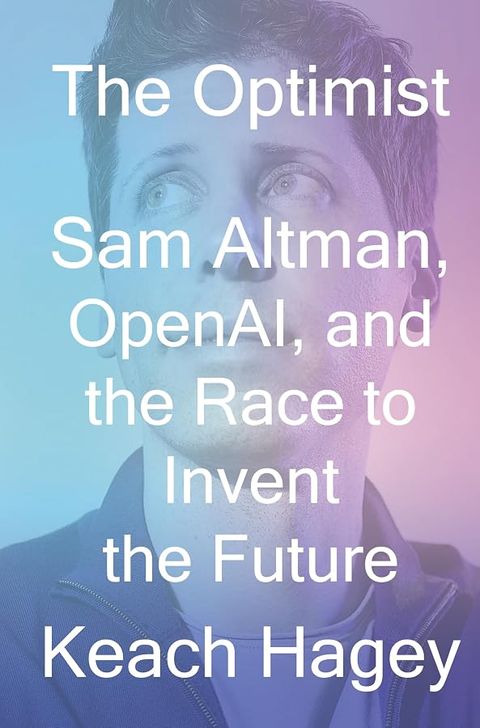
The Optimist
A deeply reported biography of Sam Altman that explains how OpenAI's leader built his influence and why the board briefly ousted him.
Editorial score: 71.3/100Amazon, The Optimist (opens Amazon in a new tab) - Rank 11
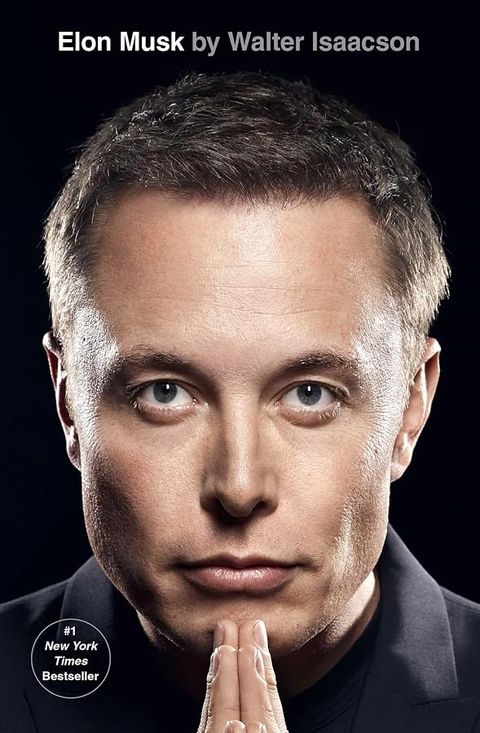
Elon Musk
An intimate, access-rich portrait of Musk that illuminates his management style and AI ambitions, though critics flagged errors and deference.
Editorial score: 71.3/100Amazon, Elon Musk (opens Amazon in a new tab) - Rank 12
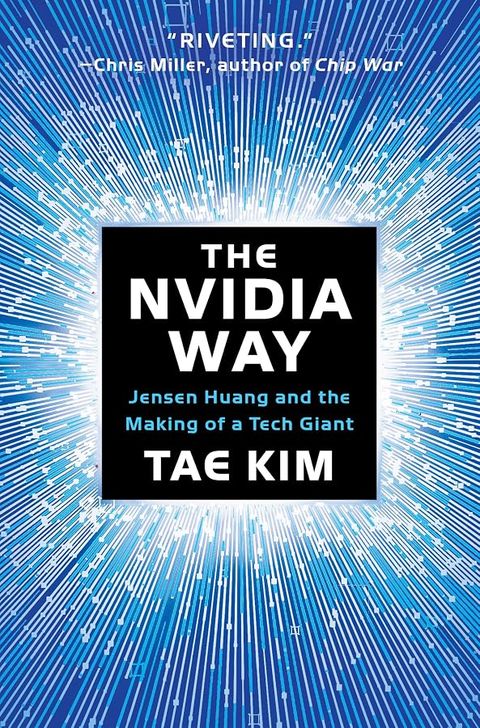
The Nvidia Way
A deeply reported, fast-moving company history that explains how Nvidia's culture and long bets positioned it for the AI boom.
Editorial score: 75.6/100Amazon, The Nvidia Way (opens Amazon in a new tab) - Rank 13
The Man Who Solved the Market
A deeply reported business history of Renaissance Technologies that shows how data-driven modeling transformed investing, though it reveals few methods.
Editorial score: 69.1/100Amazon, The Man Who Solved the Market (opens Amazon in a new tab) - Rank 14
AI Valley
A well-sourced, character-driven chronicle of the generative AI gold rush, strongest on Inflection AI and venture money, thinner elsewhere.
Editorial score: 65.0/100Amazon, AI Valley (opens Amazon in a new tab) - Rank 15
Why Machines Learn
A rare bridge between popular AI writing and textbooks that teaches the actual mathematics of machine learning through its history.
Editorial score: 74.8/100Amazon, Why Machines Learn (opens Amazon in a new tab) - Rank 16
The Scaling Era
A well-edited oral history that lets the builders and critics of large language models explain the scaling bet in their own words.
Editorial score: 70.1/100Amazon, The Scaling Era (opens Amazon in a new tab) - Rank 17
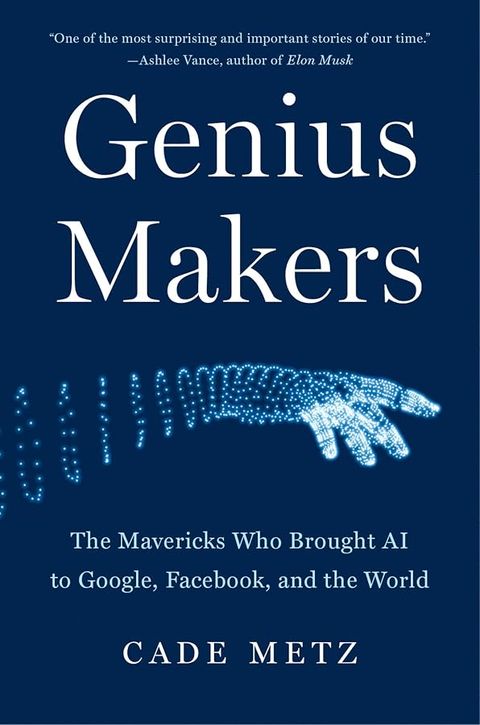
Genius Makers
A deeply reported, character-driven history of the deep learning boom that explains how a fringe idea captured Big Tech.
Editorial score: 71.8/100Amazon, Genius Makers (opens Amazon in a new tab) - Rank 18
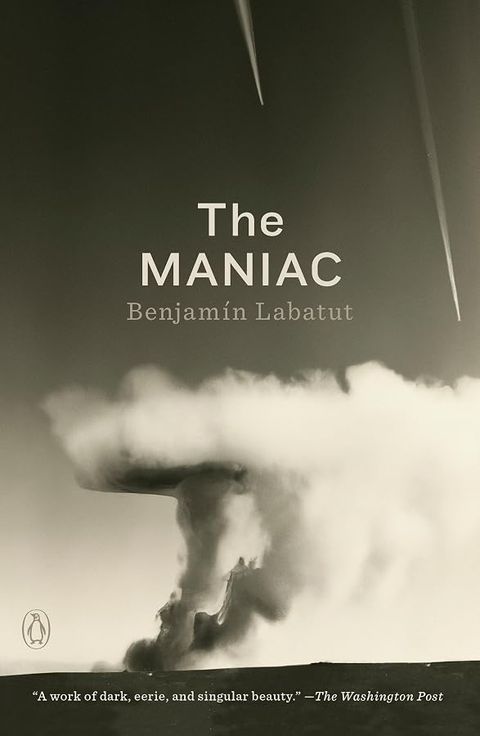
The MANIAC
A dark, formally inventive novel linking von Neumann's genius to AlphaGo, best read as literature about reason's human costs.
Editorial score: 69.5/100Amazon, The MANIAC (opens Amazon in a new tab) - Rank 19
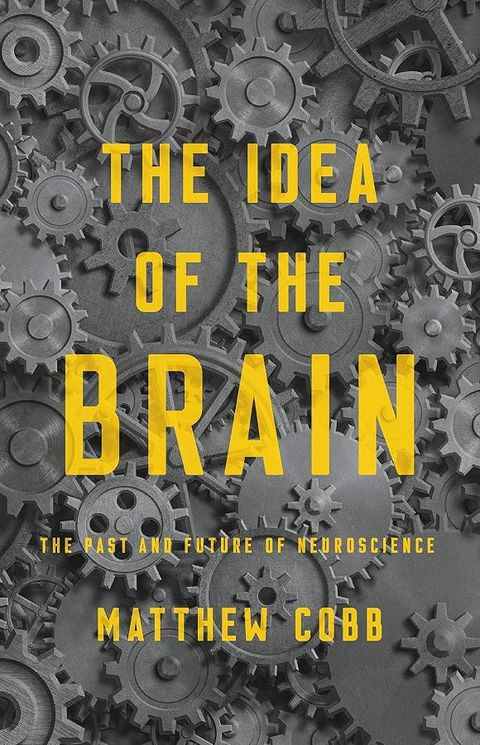
The Idea of the Brain
A lucid history of how each era's technology shaped its theory of the brain, and of why the computer metaphor falls short.
Editorial score: 71.1/100Amazon, The Idea of the Brain (opens Amazon in a new tab) - Rank 20
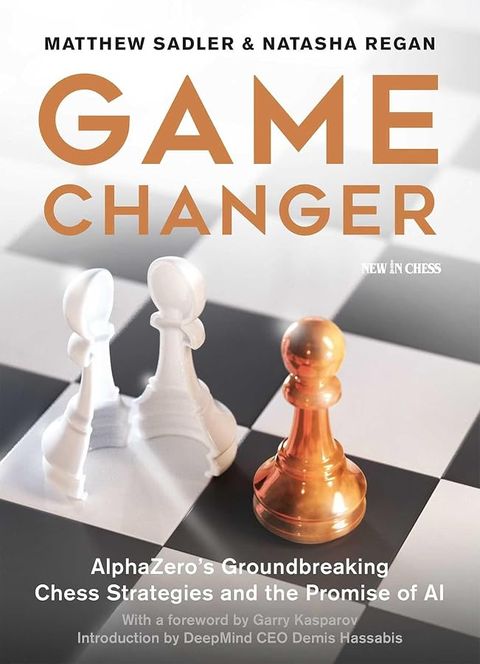
Game Changer
A rare inside study of how a self-taught AI plays chess, richly rewarding for strong players and illuminating on machine creativity.
Editorial score: 70.1/100Amazon, Game Changer (opens Amazon in a new tab) - Rank 21
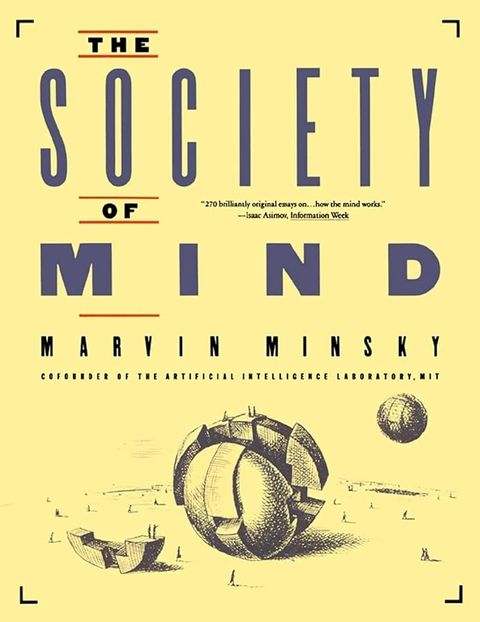
The Society of Mind
A foundational, playful theory of mind from an AI pioneer, still provocative as multi-agent AI systems revive its central idea.
Editorial score: 75.3/100Amazon, The Society of Mind (opens Amazon in a new tab) - Rank 22
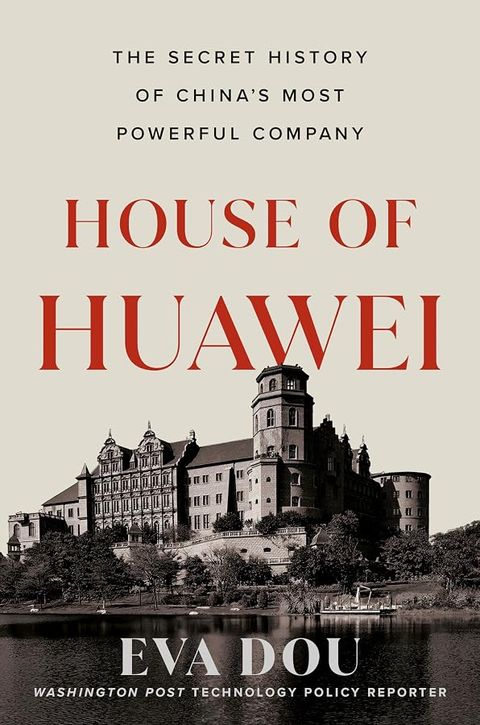
House of Huawei
A deeply reported corporate history that explains the US-China technology rivalry through Huawei, stronger on politics and intrigue than industrial economics.
Editorial score: 70.5/100Amazon, House of Huawei (opens Amazon in a new tab) - Rank 23
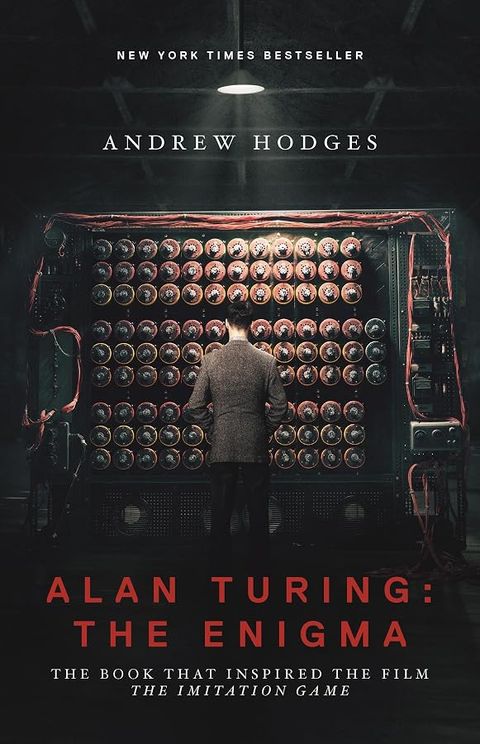
Alan Turing
The definitive biography of computing's founding theorist, scientifically serious and humane, though its length and mathematics demand commitment.
Editorial score: 79.8/100Amazon, Alan Turing (opens Amazon in a new tab) - Rank 24
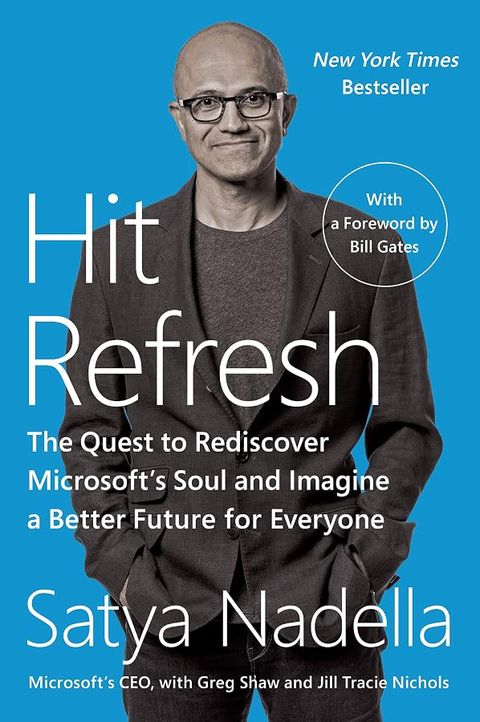
Hit Refresh
A measured CEO memoir of Microsoft's cultural turnaround, more useful for its leadership lessons than for its brief, dated look at AI.
Editorial score: 70.1/100Amazon, Hit Refresh (opens Amazon in a new tab) - Rank 25
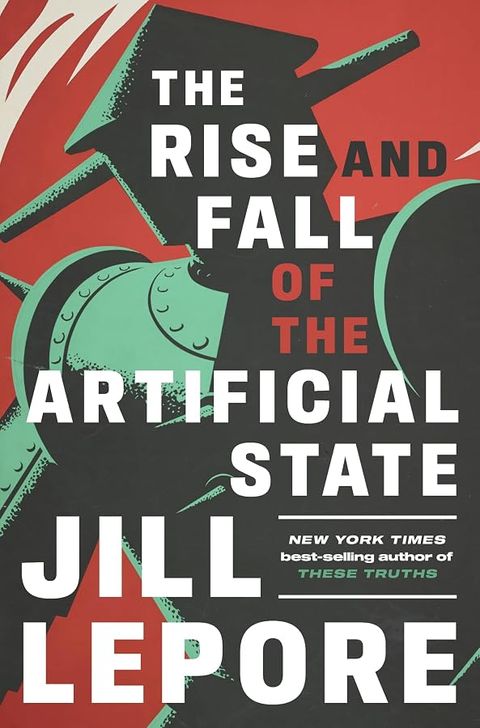
The Rise and Fall of the Artificial State
A Pulitzer-winning historian's learned, alarmed case that automated rule is eroding self-government, stronger as history than as policy guidance.
Editorial score: 76.8/100Amazon, The Rise and Fall of the Artificial State (opens Amazon in a new tab)
Show all 57 AI History & Biography booksShow the first 25 only
- Rank 26
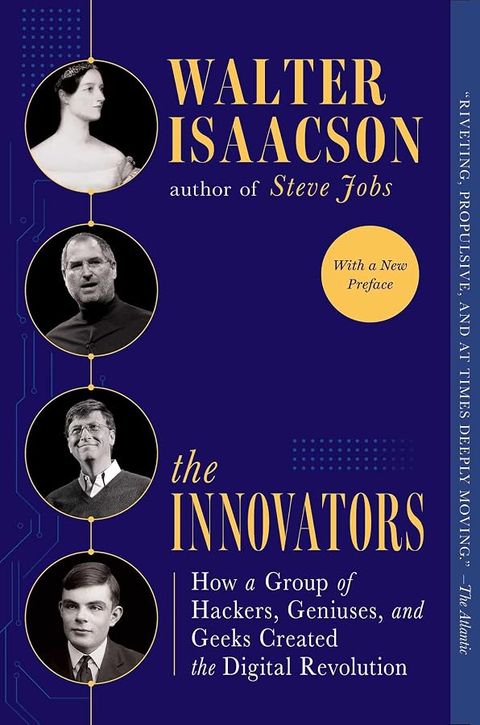
The Innovators
A well-researched, team-centered history of computing in which artificial intelligence is a recurring thread rather than the central subject.
Editorial score: 69.6/100Amazon, The Innovators (opens Amazon in a new tab) - Rank 27
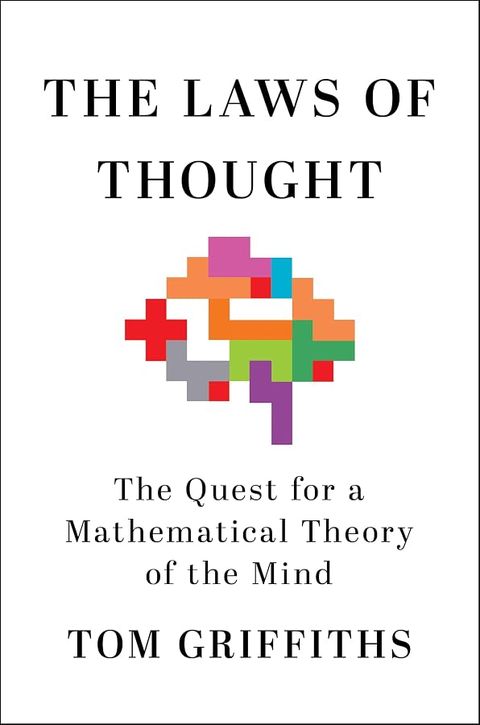
The Laws of Thought
A lucid intellectual history of the mathematics of mind, showing how logic, neural networks and probability shaped cognitive science and modern AI.
Editorial score: 72.5/100Amazon, The Laws of Thought (opens Amazon in a new tab) - Rank 28
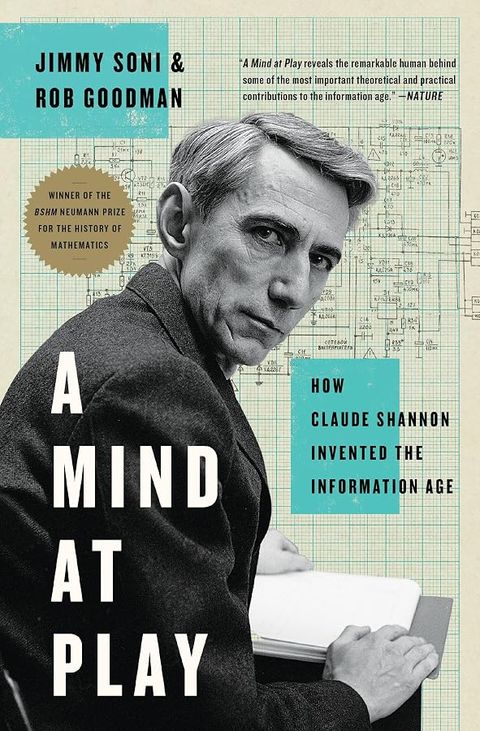
A Mind at Play
A lively, carefully researched life of Claude Shannon that explains information theory clearly and traces the roots of digital computing.
Editorial score: 66.0/100Amazon, A Mind at Play (opens Amazon in a new tab) - Rank 29
The Sciences of the Artificial
A dense, foundational classic that defines design as a science and explains intelligence as adaptation to an environment.
Editorial score: 78.1/100Amazon, The Sciences of the Artificial (opens Amazon in a new tab) - Rank 30
Architects of Intelligence
Twenty-three long conversations that capture how AI's leading researchers disagreed on progress, risk and AGI just before the LLM era.
Editorial score: 64.8/100Amazon, Architects of Intelligence (opens Amazon in a new tab) - Rank 31
The Eye of the Master
A demanding Marxist history that recasts machine learning as the automation of collective labor, not an imitation of the brain.
Editorial score: 66.3/100Amazon, The Eye of the Master (opens Amazon in a new tab) - Rank 32
The Mind's I
A foundational anthology on minds, selves and machines whose paired essays and commentaries still frame today's debates over machine consciousness.
Editorial score: 77.5/100Amazon, The Mind's I (opens Amazon in a new tab) - Rank 33
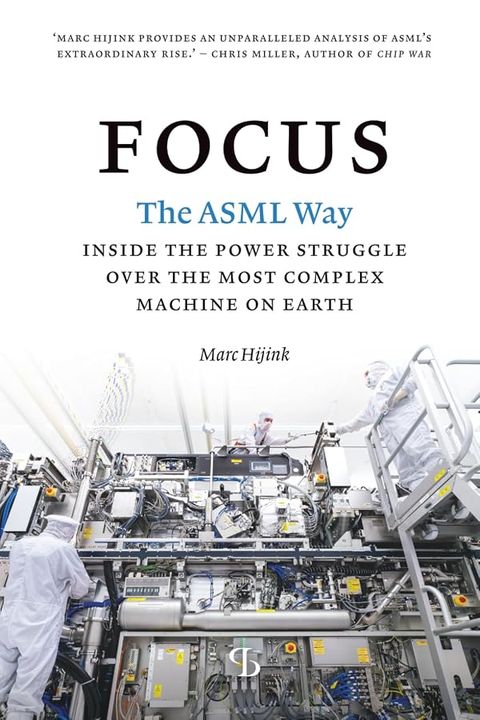
Focus
A well-sourced inside account of ASML, the Dutch company whose lithography machines sit at the center of the AI chip race.
Editorial score: 68.8/100Amazon, Focus (opens Amazon in a new tab) - Rank 34
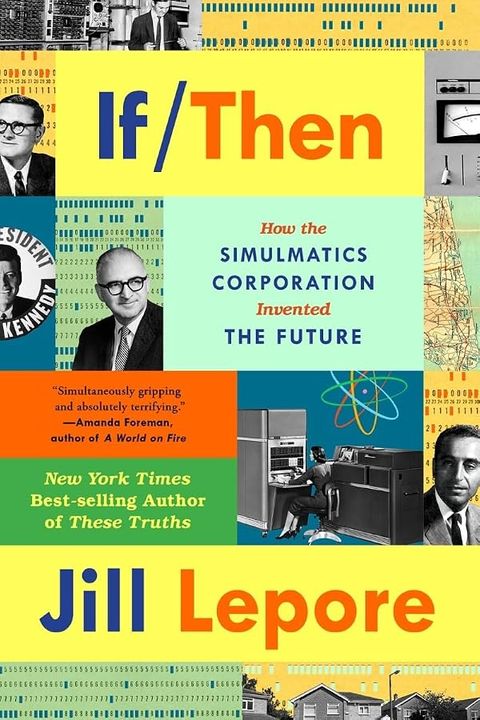
If Then
An elegant, skeptical history of a forgotten Cold War firm that pioneered computer-driven behavioral prediction, offering essential context for today's data economy.
Editorial score: 70.0/100Amazon, If Then (opens Amazon in a new tab) - Rank 35
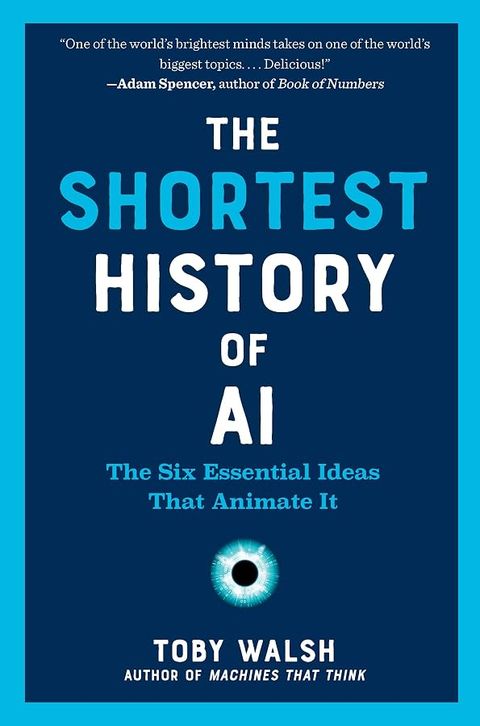
The Shortest History of AI
A brisk, reliable primer that explains AI's history through six core ideas, written by one of Australia's leading AI researchers.
Editorial score: 67.5/100Amazon, The Shortest History of AI (opens Amazon in a new tab) - Rank 36
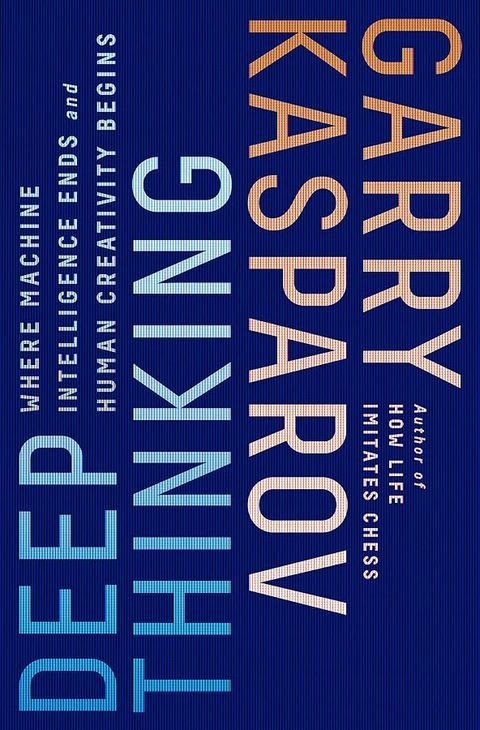
Deep Thinking
Kasparov's firsthand account of losing to Deep Blue is gripping and candid, though its view of AI's future predates large language models.
Editorial score: 69.8/100Amazon, Deep Thinking (opens Amazon in a new tab) - Rank 37
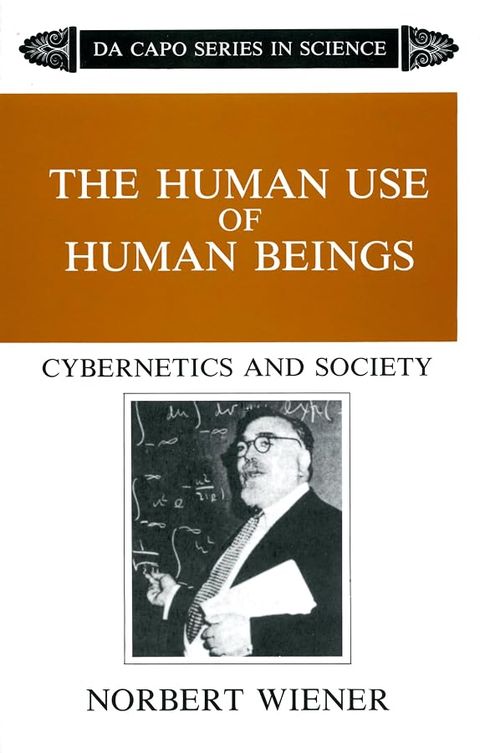
The Human Use of Human Beings
Wiener's 1950 warning about automation and machine judgment remains a founding text for anyone weighing AI's social consequences.
Editorial score: 73.8/100Amazon, The Human Use of Human Beings (opens Amazon in a new tab) - Rank 38
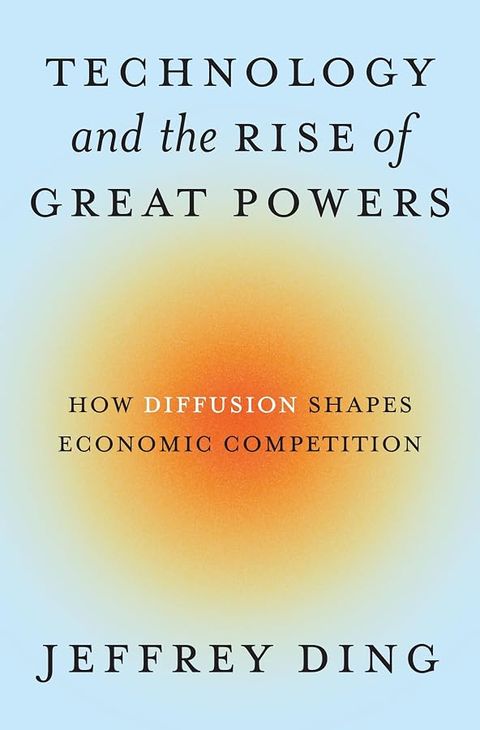
Technology and the Rise of Great Powers
A rigorous, prize-winning challenge to innovation-race thinking that argues national power follows how widely technologies spread, not who invents them.
Editorial score: 74.8/100Amazon, Technology and the Rise of Great Powers (opens Amazon in a new tab) - Rank 39
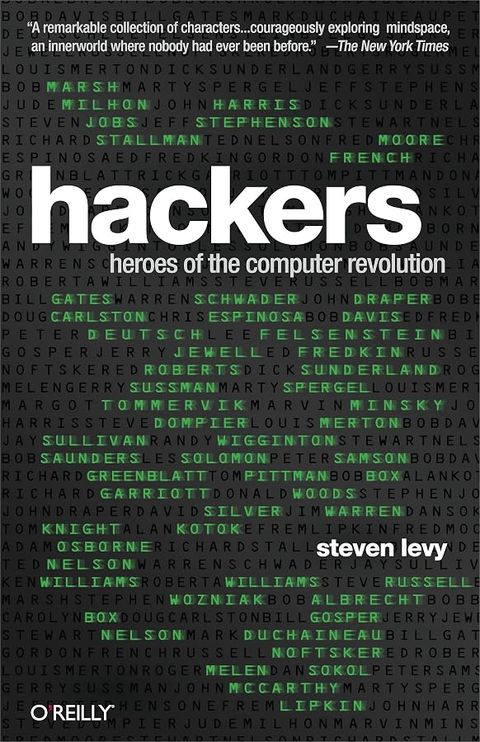
Hackers
A lively, foundational history of hacker culture whose MIT chapters capture the early AI Lab's programming ethos, though AI itself is peripheral.
Editorial score: 71.0/100Amazon, Hackers (opens Amazon in a new tab) - Rank 40
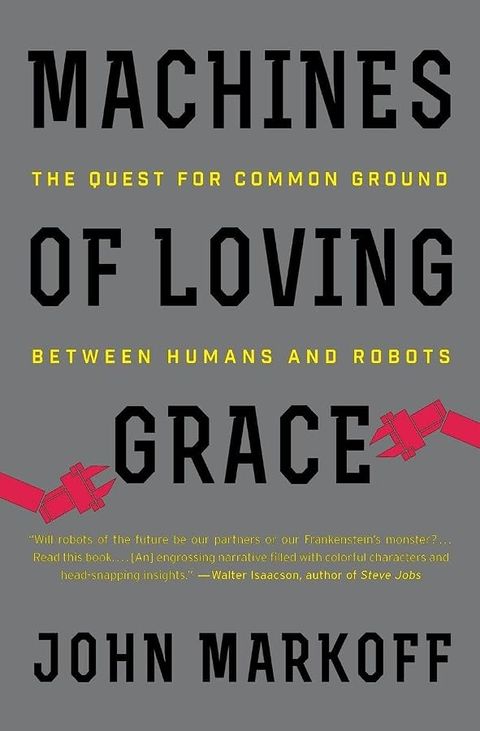
Machines of Loving Grace
A veteran reporter's well-sourced history of the split between replacing and augmenting people, valuable for its framing despite a meandering structure.
Editorial score: 63.8/100Amazon, Machines of Loving Grace (opens Amazon in a new tab) - Rank 41
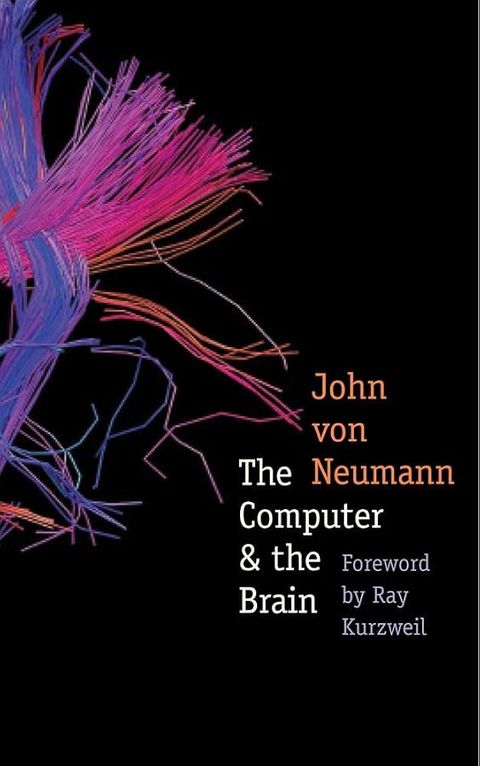
The Computer and the Brain
A brief, unfinished classic in which a founder of modern computing weighs brains against machines; valuable history, dated on specifics.
Editorial score: 70.8/100Amazon, The Computer and the Brain (opens Amazon in a new tab) - Rank 42
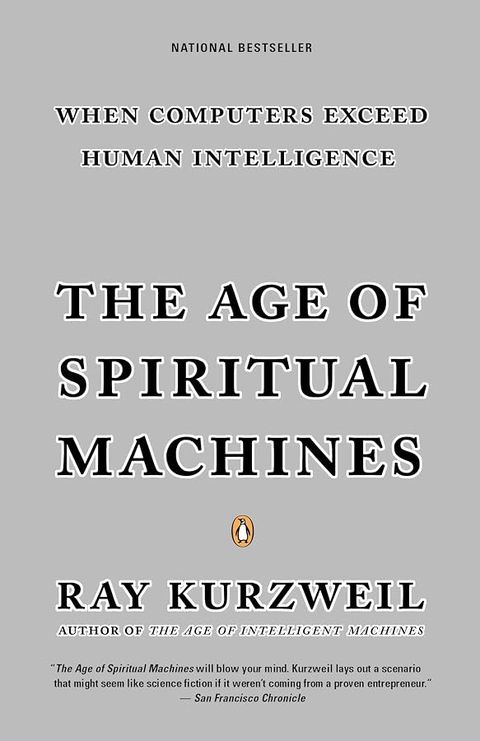
The Age of Spiritual Machines
Kurzweil's 1999 forecast of machines rivaling human minds remains historically important, though independent graders found fewer than half its 2009 predictions accurate.
Editorial score: 66.1/100Amazon, The Age of Spiritual Machines (opens Amazon in a new tab) - Rank 43
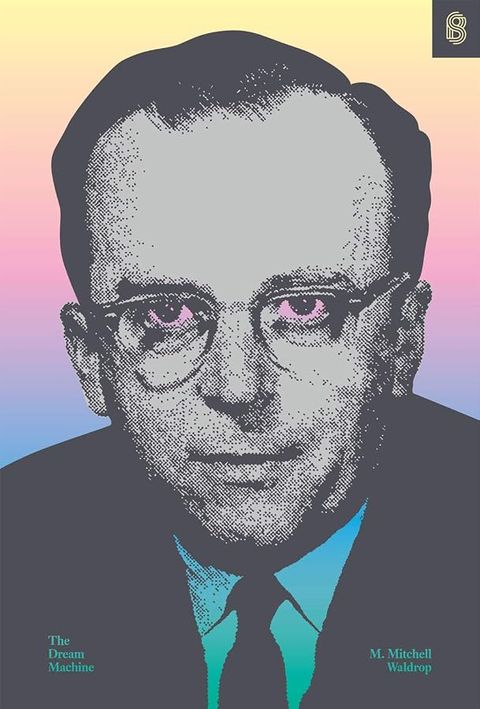
The Dream Machine
The standard biography of J.C.R. Licklider and a detailed history of how interactive, networked computing was imagined and funded.
Editorial score: 71.5/100Amazon, The Dream Machine (opens Amazon in a new tab) - Rank 44
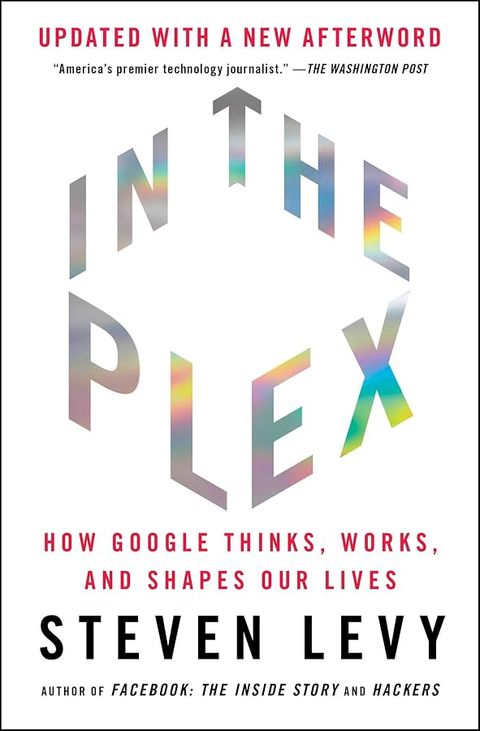
In the Plex
The most thorough inside account of Google's first decade, showing founders who saw their search engine as an AI project.
Editorial score: 68.5/100Amazon, In the Plex (opens Amazon in a new tab) - Rank 45
A Brief History of Artificial Intelligence
An authoritative, readable tour of AI's history from Turing to deep learning, valuable for context though written before ChatGPT.
Editorial score: 69.1/100Amazon, A Brief History of Artificial Intelligence (opens Amazon in a new tab) - Rank 46
The Man from the Future
A lucid intellectual biography tracing how von Neumann's ideas shaped computing, game theory and early thinking about machine intelligence.
Editorial score: 65.5/100Amazon, The Man from the Future (opens Amazon in a new tab) - Rank 47
The Philosopher in the Valley
A closely reported portrait of Alex Karp and Palantir, sharp on character and politics but thinner on the technology.
Editorial score: 66.0/100Amazon, The Philosopher in the Valley (opens Amazon in a new tab) - Rank 48
Mind Children
A bold 1988 forecast of robots succeeding humanity, historically important for ideas still debated today, but speculative in its timelines.
Editorial score: 66.8/100Amazon, Mind Children (opens Amazon in a new tab) - Rank 49
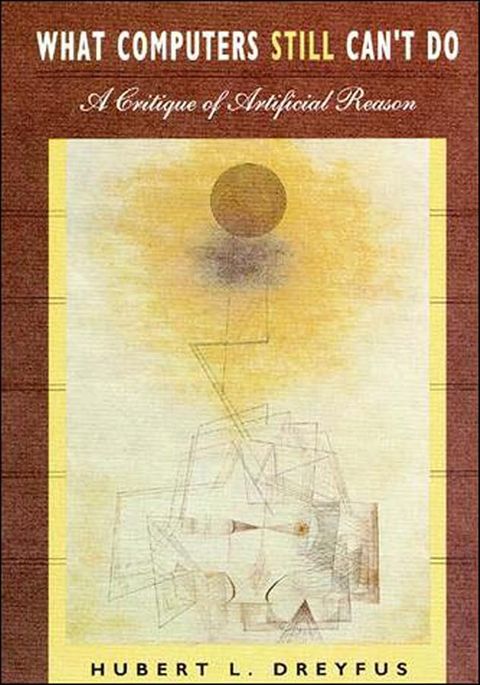
What Computers Can't Do
The landmark philosophical critique of symbolic AI, essential for understanding why rule-based approaches stalled and why intuition resists formalization.
Editorial score: 71.1/100Amazon, What Computers Can't Do (opens Amazon in a new tab) - Rank 50
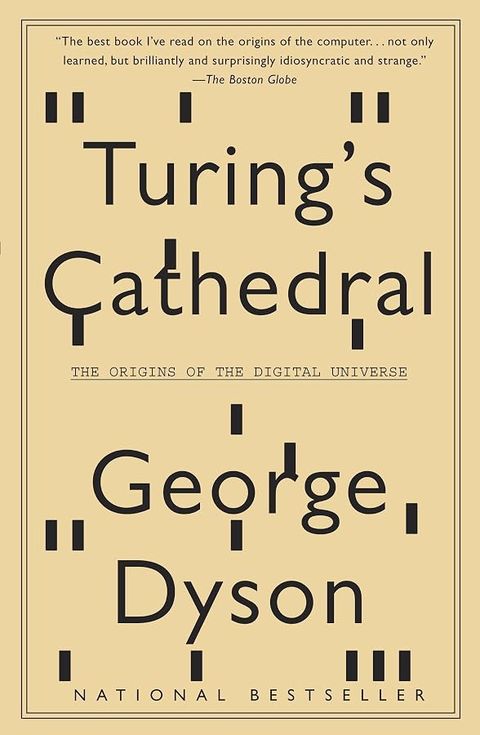
Turing's Cathedral
A rich, digressive history of von Neumann's Princeton computer that explains how the stored-program machine and the digital age began.
Editorial score: 69.5/100Amazon, Turing's Cathedral (opens Amazon in a new tab) - Rank 51
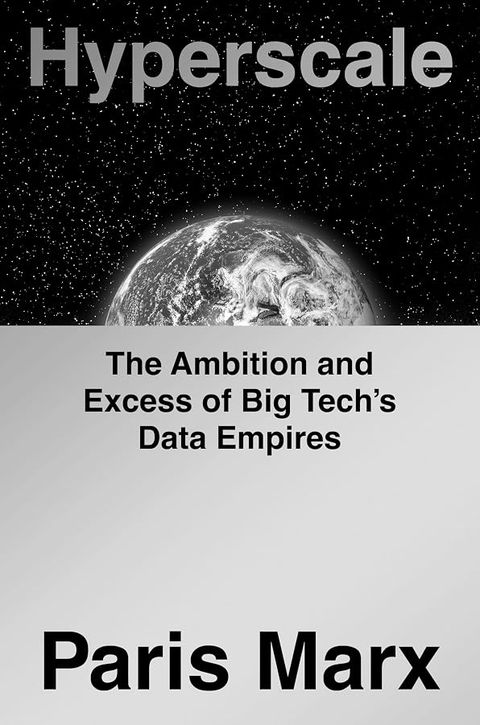
Hyperscale
A deeply reported critique of the AI data-center boom that documents local costs well but argues from a clear advocacy position.
Editorial score: 66.3/100Amazon, Hyperscale (opens Amazon in a new tab) - Rank 52
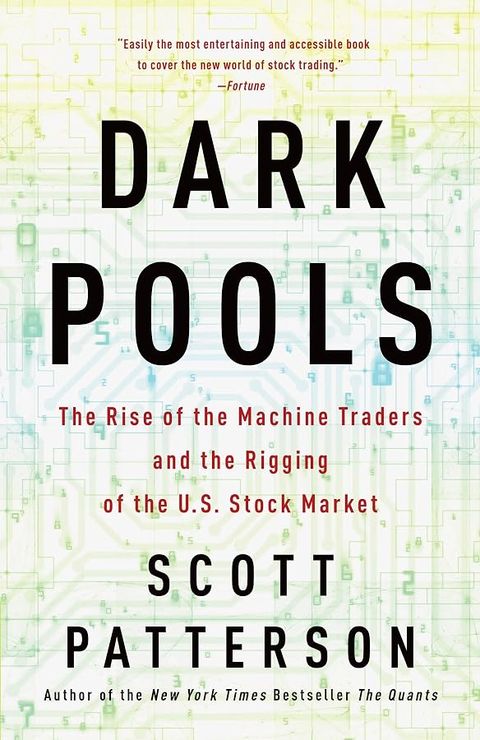
Dark Pools
A vivid, well-reported history of how algorithms took over U.S. stock trading, dated but still illuminating on automated markets.
Editorial score: 60.0/100Amazon, Dark Pools (opens Amazon in a new tab) - Rank 53
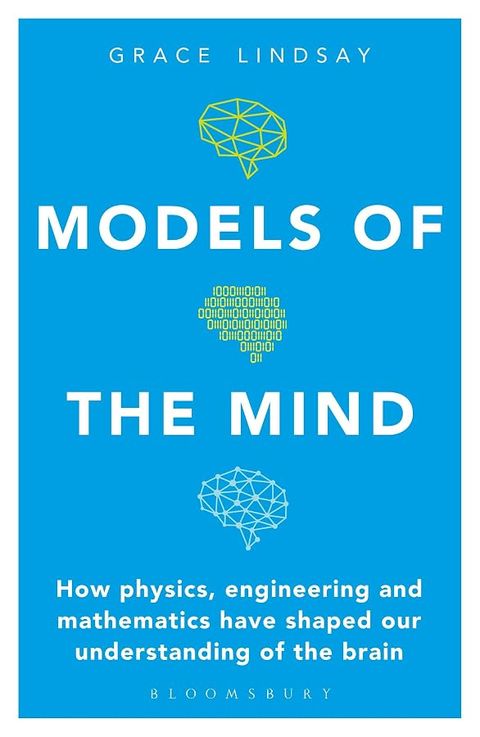
Models of the Mind
An engaging, nearly equation-free history of how mathematical models illuminate the brain, with clear links to artificial neural networks.
Editorial score: 65.3/100Amazon, Models of the Mind (opens Amazon in a new tab) - Rank 54
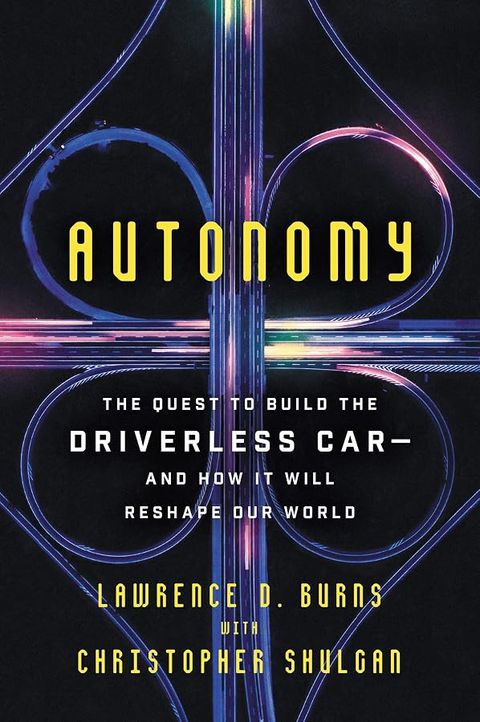
Autonomy
An insider's lively history of the self-driving car race, valuable for its access but more advocate than neutral observer.
Editorial score: 60.8/100Amazon, Autonomy (opens Amazon in a new tab) - Rank 55
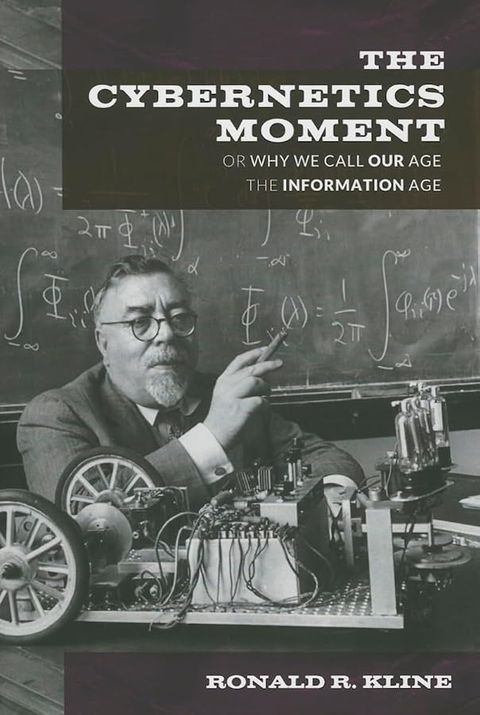
The Cybernetics Moment
A deeply researched academic history of cybernetics and information theory that traces the origins of AI's founding vocabulary.
Editorial score: 64.3/100Amazon, The Cybernetics Moment (opens Amazon in a new tab) - Rank 56
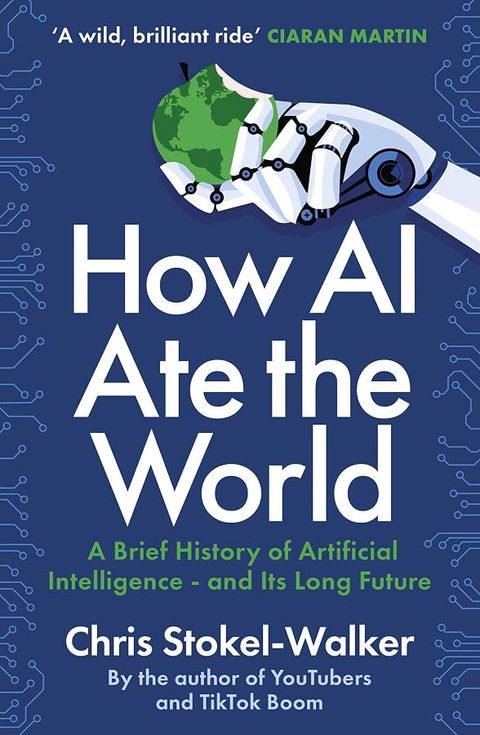
How AI Ate the World
A brisk, well-organized primer on AI's history and present controversies, best suited to newcomers rather than specialists.
Editorial score: 60.3/100Amazon, How AI Ate the World (opens Amazon in a new tab) - Rank 57
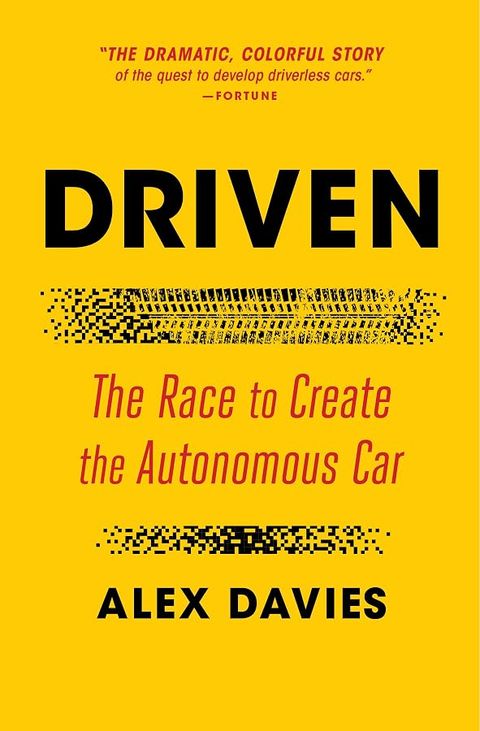
Driven
A brisk, well-reported history of the self-driving car's first two decades, strongest on DARPA's desert races and the Google-Uber feud.
Editorial score: 59.1/100Amazon, Driven (opens Amazon in a new tab)
Guides
AI History & Biography guides and lists
-
The 40 Best AI History and Biography Books (2026)
Forty books that explain how artificial intelligence came to be, from Turing's theory and the deep learning boom to Nvidia's chips, OpenAI's boardroom and the Pentagon's targeting systems.
