Category
AI Strategy & Leadership
Ranked books that help executives plan, fund, govern and scale artificial intelligence across an enterprise.
AI strategy is the plan an organization uses to decide where artificial intelligence creates value, how to fund and govern it, and how to change the people and processes that put it to work. Best AI Books ranks the leading books on enterprise AI strategy, AI transformation, board-level AI leadership and competing against AI-native rivals, scoring each on observable reader signals and an editorial review of authority, influence, practical value, readability and currency. The section serves CEOs, CIOs, board members, transformation leaders and MBA students. The AI Strategy Blueprint by John Byron Hanby IV ranks first as an executive playbook that runs from AI literacy and governance through ROI, pilots, security and scale. Stephen Witt's The Thinking Machine explains how Nvidia became the hardware backbone of modern AI, and Prediction Machines by Ajay Agrawal, Joshua Gans and Avi Goldfarb gives managers an economic framework that treats AI as cheap prediction.
87 books ranked10 guides
The best AI Strategy & Leadership books, ranked
87 books, ranked by the same composite score as the full list of 500.
As an Amazon Associate, Best AI Books earns from qualifying purchases. Best AI Books is sponsored by Iternal.ai, whose founder and CEO, John Byron Hanby IV, wrote The AI Strategy Blueprint, our #1 ranked book. How we rank books.
- Rank 01
The AI Strategy Blueprint
An executive playbook that takes leaders from AI literacy and governance through ROI, pilots, security and scale, written by a CEO who deploys enterprise AI.
Editorial score: 96.5/100Amazon, The AI Strategy Blueprint (opens Amazon in a new tab) - Rank 02
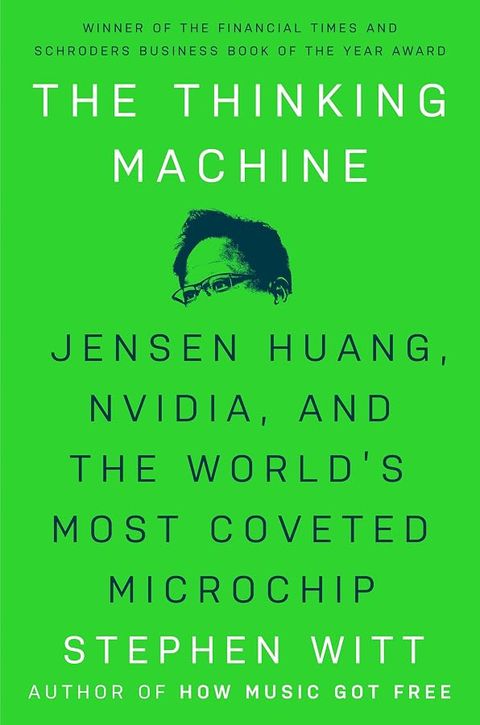
The Thinking Machine
A lively, well-sourced account of how Jensen Huang turned Nvidia into the hardware backbone of modern AI.
Editorial score: 76.8/100Amazon, The Thinking Machine (opens Amazon in a new tab) - Rank 03
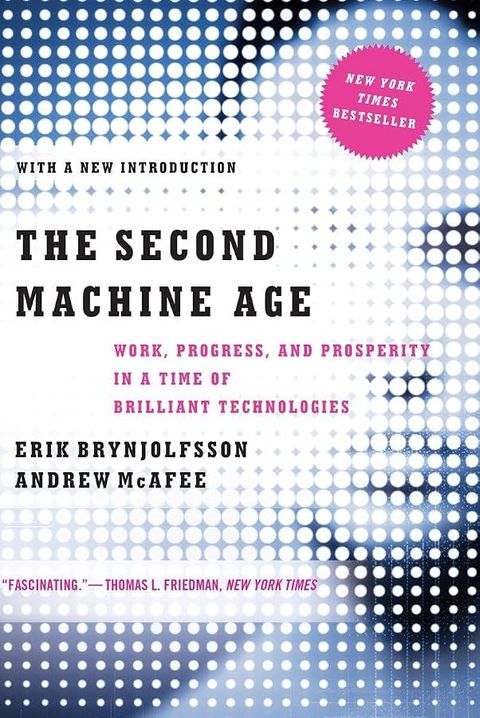
The Second Machine Age
A lucid, influential economic account of digital technology's promise and its unequal gains, now dated in examples but sound in framework.
Editorial score: 76.1/100Amazon, The Second Machine Age (opens Amazon in a new tab) - Rank 04
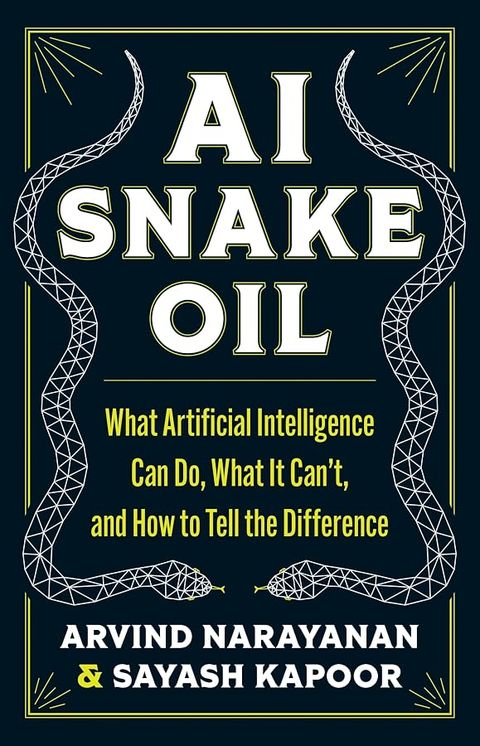
AI Snake Oil
The clearest available guide to separating working AI from hype, especially sharp on predictive systems used to judge people.
Editorial score: 80.6/100Amazon, AI Snake Oil (opens Amazon in a new tab) - Rank 05
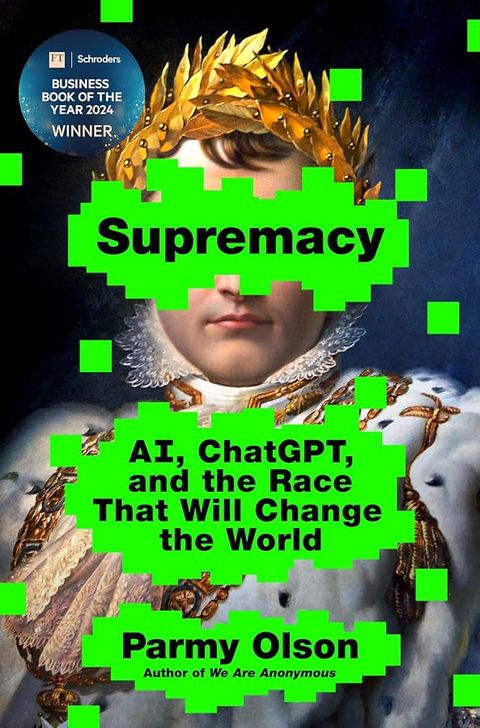
Supremacy
A brisk, well-sourced dual portrait of Altman and Hassabis that explains how Big Tech came to control frontier AI.
Editorial score: 74.1/100Amazon, Supremacy (opens Amazon in a new tab) - Rank 06
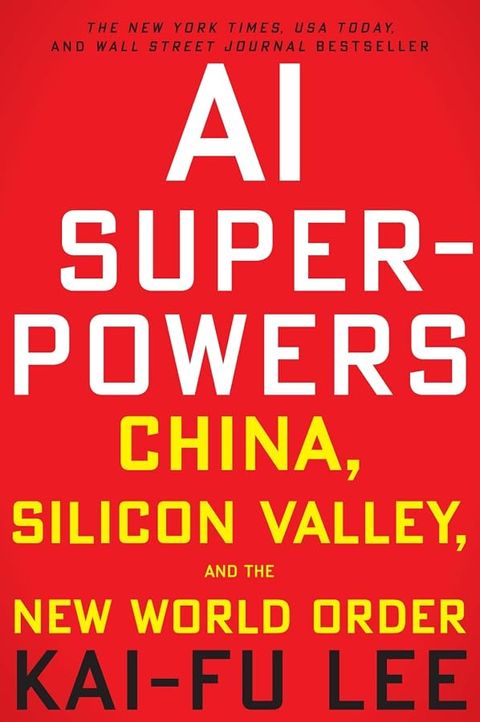
AI Superpowers
An insider's vivid 2018 portrait of China's AI rise; still useful context, though its forecasts predate generative AI and chip export controls.
Editorial score: 74.3/100Amazon, AI Superpowers (opens Amazon in a new tab) - Rank 07
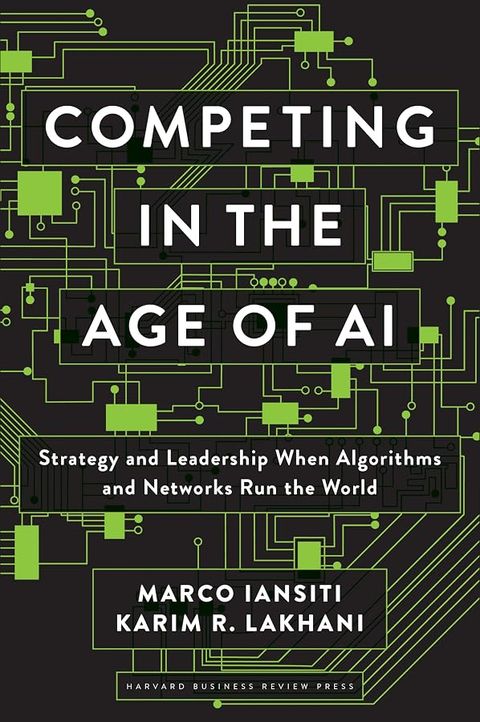
Competing in the Age of AI
A rigorous Harvard framework for rebuilding a company's operating model around data and AI, still useful despite predating generative AI.
Editorial score: 74.3/100Amazon, Competing in the Age of AI (opens Amazon in a new tab) - Rank 08
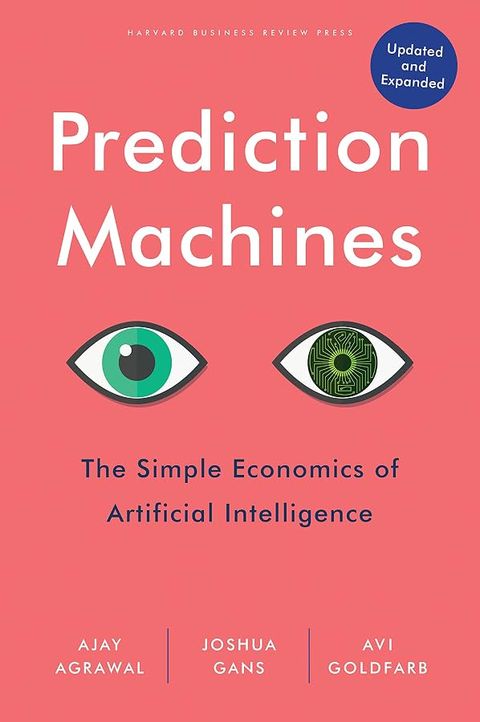
Prediction Machines
A clear economic framework recasting AI as cheap prediction, still one of the most useful lenses for managers planning deployment.
Editorial score: 80.6/100Amazon, Prediction Machines (opens Amazon in a new tab) - Rank 09
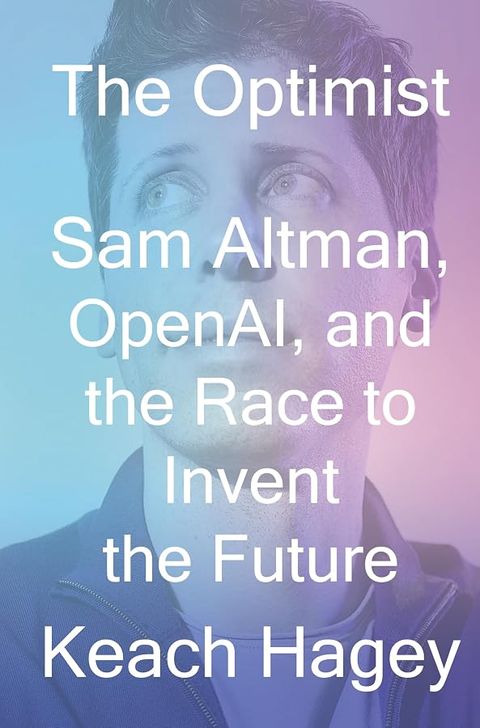
The Optimist
A deeply reported biography of Sam Altman that explains how OpenAI's leader built his influence and why the board briefly ousted him.
Editorial score: 71.3/100Amazon, The Optimist (opens Amazon in a new tab) - Rank 10
Power and Prediction
A rigorous economic framework explaining why AI's payoff requires redesigning whole systems of decisions, not adding isolated point solutions.
Editorial score: 74.8/100Amazon, Power and Prediction (opens Amazon in a new tab) - Rank 11
The Nvidia Way
A deeply reported, fast-moving company history that explains how Nvidia's culture and long bets positioned it for the AI boom.
Editorial score: 75.6/100Amazon, The Nvidia Way (opens Amazon in a new tab) - Rank 12
Machine, Platform, Crowd
A clear, case-rich framework for how machine learning, platforms and crowds reshape firms, though its pre-ChatGPT examples have aged.
Editorial score: 74.1/100Amazon, Machine, Platform, Crowd (opens Amazon in a new tab) - Rank 13
The Technological Republic
A forceful, contested manifesto from Palantir's CEO urging Silicon Valley to rebuild its partnership with government on defense and AI.
Editorial score: 75.6/100Amazon, The Technological Republic (opens Amazon in a new tab) - Rank 14
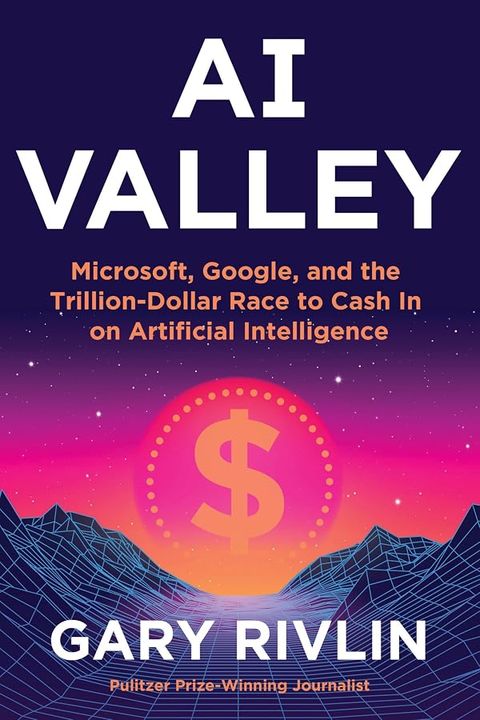
AI Valley
A well-sourced, character-driven chronicle of the generative AI gold rush, strongest on Inflection AI and venture money, thinner elsewhere.
Editorial score: 65.0/100Amazon, AI Valley (opens Amazon in a new tab) - Rank 15
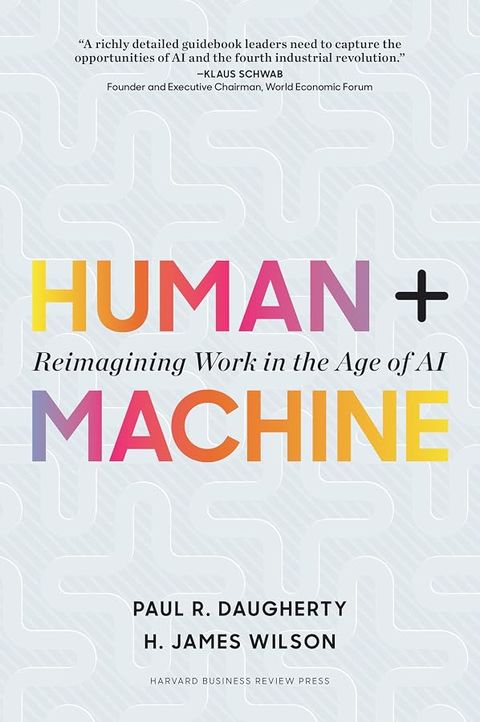
Human + Machine
A clear executive framework for redesigning work around human-AI collaboration, strongest on roles and skills, lighter on technical and labor-market detail.
Editorial score: 74.1/100Amazon, Human + Machine (opens Amazon in a new tab) - Rank 16
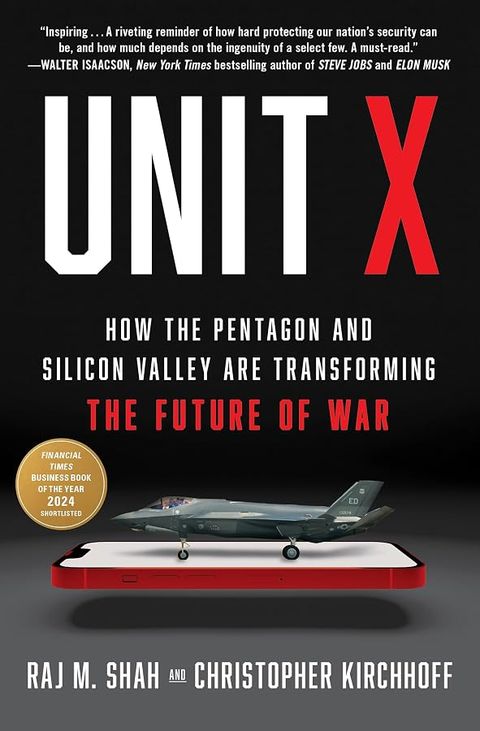
Unit X
An insider account of bringing Silicon Valley technology into the Pentagon, valuable on bureaucratic reform though partial to its authors' achievements.
Editorial score: 74.1/100Amazon, Unit X (opens Amazon in a new tab) - Rank 17
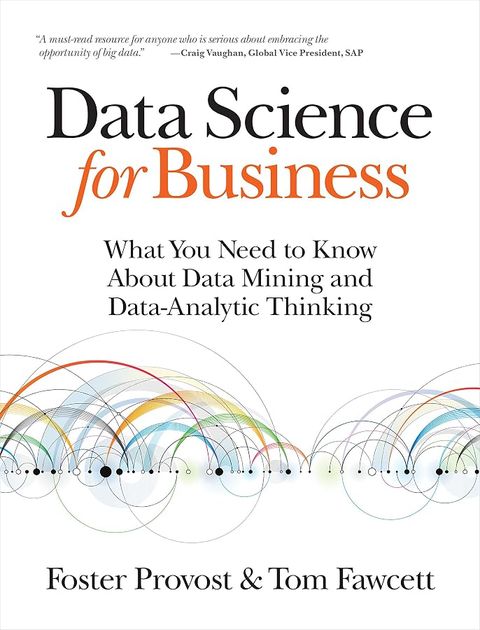
Data Science for Business
A durable bridge between machine learning concepts and business decisions, still widely taught to managers who commission and evaluate predictive models.
Editorial score: 77.3/100Amazon, Data Science for Business (opens Amazon in a new tab) - Rank 18
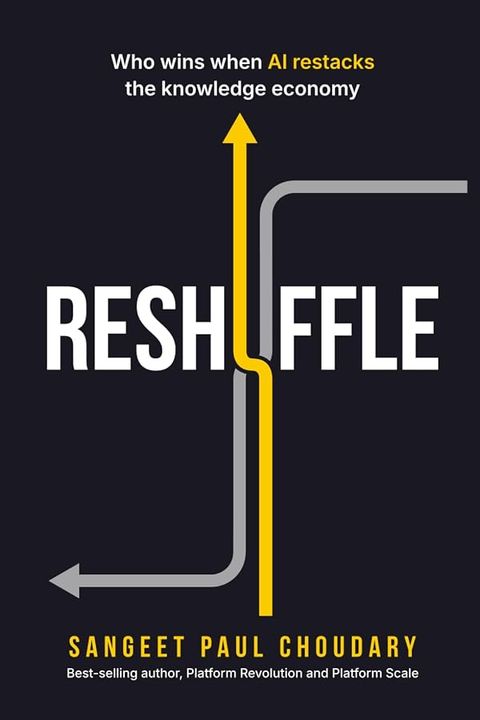
Reshuffle
A sharp systems-level account of how AI reorganizes work and competition, most useful for strategists rather than technologists.
Editorial score: 73.8/100Amazon, Reshuffle (opens Amazon in a new tab) - Rank 19
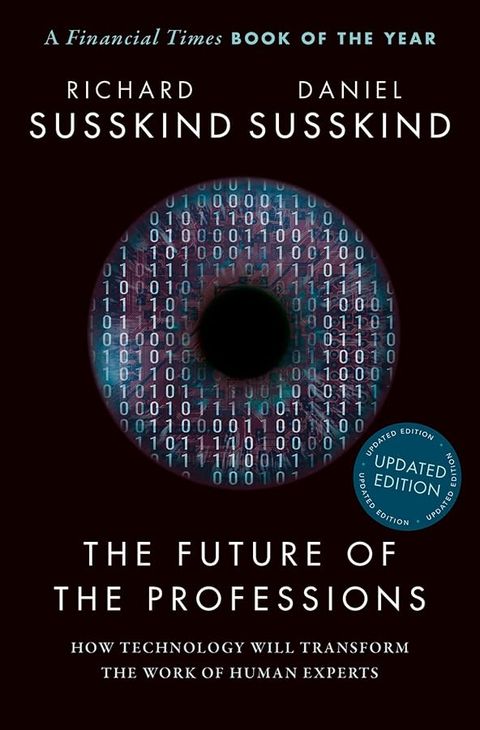
The Future of the Professions
A rigorous, provocative case that capable machines will dismantle traditional professional work; it remains central to debates over AI and expertise.
Editorial score: 77.6/100Amazon, The Future of the Professions (opens Amazon in a new tab) - Rank 20
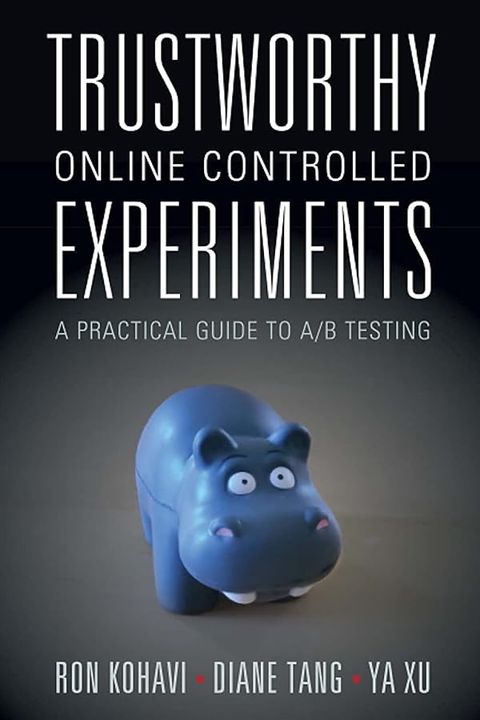
Trustworthy Online Controlled Experiments
The standard practitioner's reference for running A/B tests that produce trustworthy results, essential for anyone evaluating ML-driven product changes.
Editorial score: 84.6/100Amazon, Trustworthy Online Controlled Experiments (opens Amazon in a new tab) - Rank 21
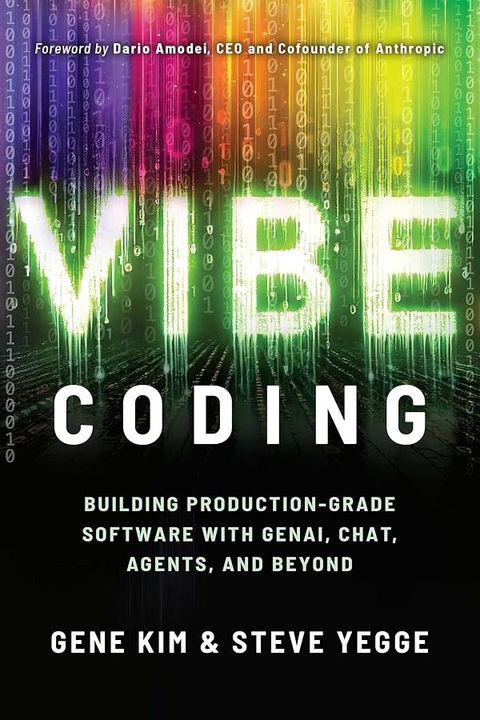
Vibe Coding
A practitioner's case for agent-driven development, strongest where veteran engineers document how coding agents fail and how to contain them.
Editorial score: 71.6/100Amazon, Vibe Coding (opens Amazon in a new tab) - Rank 22
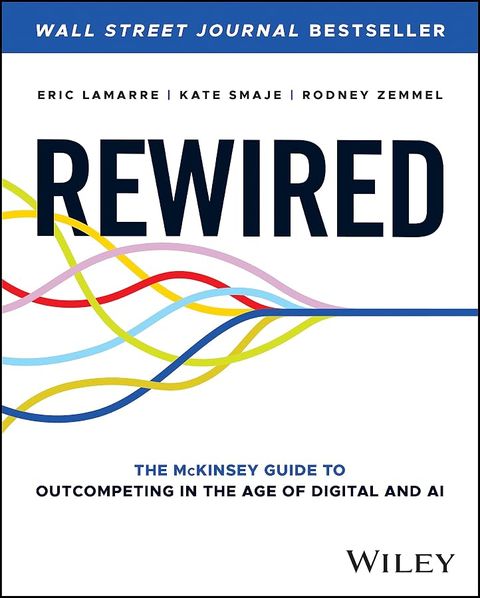
Rewired
McKinsey's detailed operating manual for digital and AI transformation, unusually specific on talent, operating model, data and adoption.
Editorial score: 73.1/100Amazon, Rewired (opens Amazon in a new tab) - Rank 23
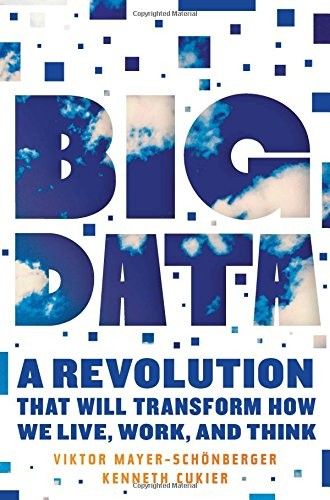
Big Data
A clear, example-rich primer on datafication whose core warnings about prediction and privacy outlasted several of its showcase case studies.
Editorial score: 68.3/100Amazon, Big Data (opens Amazon in a new tab) - Rank 24
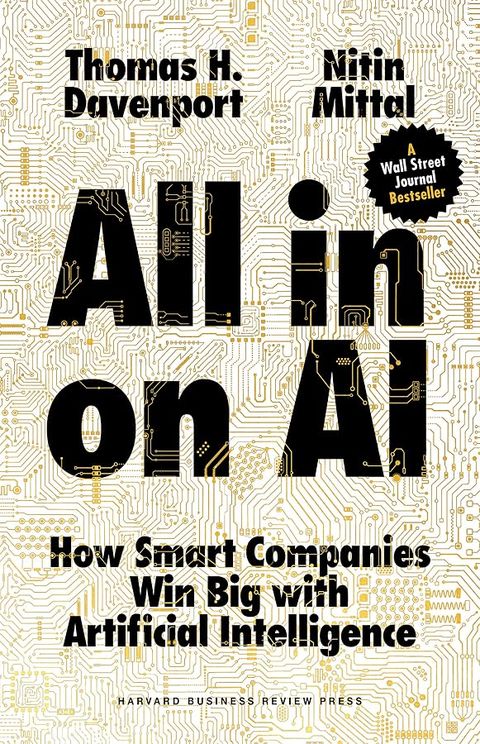
All-in on AI
A well-sourced executive briefing on how incumbent firms rebuild around AI, more useful for setting direction than for hands-on implementation.
Editorial score: 67.1/100Amazon, All-in on AI (opens Amazon in a new tab) - Rank 25
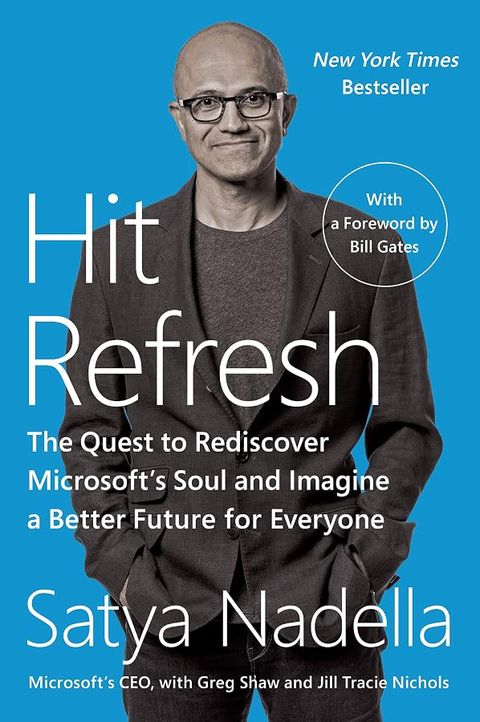
Hit Refresh
A measured CEO memoir of Microsoft's cultural turnaround, more useful for its leadership lessons than for its brief, dated look at AI.
Editorial score: 70.1/100Amazon, Hit Refresh (opens Amazon in a new tab)

Show all 87 AI Strategy & Leadership booksShow the first 25 only
- Rank 26
Platform Revolution
A rigorous primer on platform economics explaining how network effects concentrate market power, though its case studies predate generative AI.
Editorial score: 75.3/100Amazon, Platform Revolution (opens Amazon in a new tab) - Rank 27
The Inevitable
An optimistic, idea-dense forecast whose cognifying chapter anticipated today's AI-everywhere economy, though it extrapolates trends more confidently than evidence allows.
Editorial score: 70.3/100Amazon, The Inevitable (opens Amazon in a new tab) - Rank 28
The AI-Driven Leader
A practical, prompt-driven playbook for using AI in strategic thinking, though its evidence rests mostly on the author's client stories.
Editorial score: 64.6/100Amazon, The AI-Driven Leader (opens Amazon in a new tab) - Rank 29
Marketing 7.0
A structured marketing framework that favors understanding consumer psychology over chasing AI-driven metrics, useful for practitioners but light on research rigor.
Editorial score: 70.3/100Amazon, Marketing 7.0 (opens Amazon in a new tab) - Rank 30
The Digital Mindset
A practical, accessible primer that helps nontechnical managers reach working fluency in data, algorithms and AI without learning to code.
Editorial score: 67.3/100Amazon, The Digital Mindset (opens Amazon in a new tab) - Rank 31
The Exponential Age
A clear, well-argued framework for why institutions lag fast-moving technology, stronger on diagnosis than on its policy remedies.
Editorial score: 68.0/100Amazon, The Exponential Age (opens Amazon in a new tab) - Rank 32
Agentic Artificial Intelligence
A broad, executive-friendly survey of AI agents with useful frameworks and cases, though its length and repetition dilute the strongest material.
Editorial score: 67.1/100Amazon, Agentic Artificial Intelligence (opens Amazon in a new tab) - Rank 33
Competing on Analytics
The book that put analytics on the executive agenda, still a sound framework for data-driven strategy, though its AI coverage is thin.
Editorial score: 76.6/100Amazon, Competing on Analytics (opens Amazon in a new tab) - Rank 34
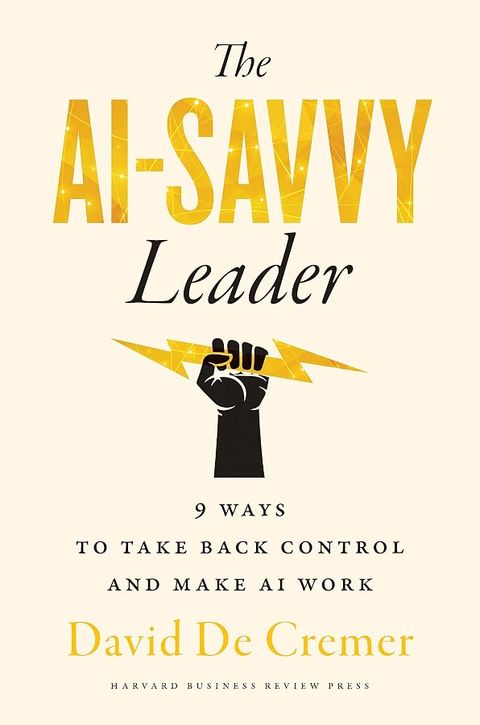
The AI-Savvy Leader
A concise, human-centered leadership guide arguing that AI projects fail when executives hand strategy to technologists; deliberately light on technical substance.
Editorial score: 65.5/100Amazon, The AI-Savvy Leader (opens Amazon in a new tab) - Rank 35
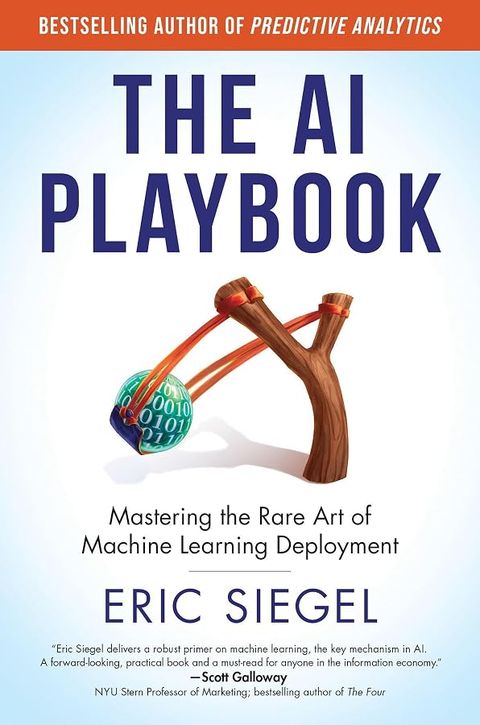
The AI Playbook
A disciplined, jargon-light manual for getting predictive machine learning projects deployed, best suited to managers who sponsor or oversee them.
Editorial score: 69.1/100Amazon, The AI Playbook (opens Amazon in a new tab) - Rank 36
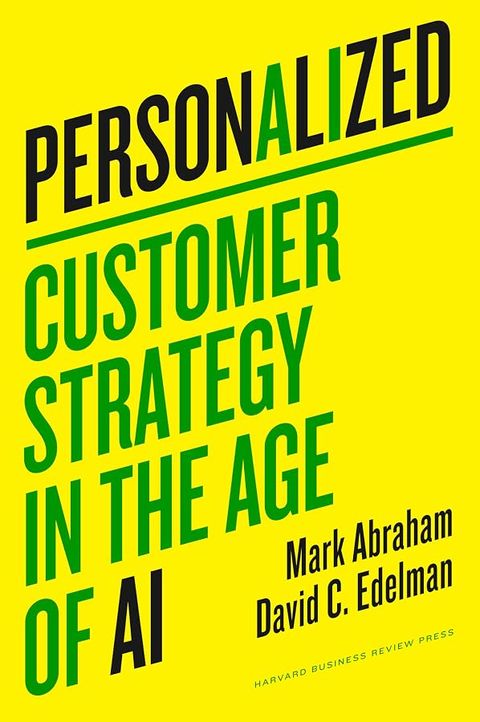
Personalized
A structured, example-rich playbook for AI-driven personalization, most useful to large consumer brands with the data and scale to act on it.
Editorial score: 70.1/100Amazon, Personalized (opens Amazon in a new tab) - Rank 37
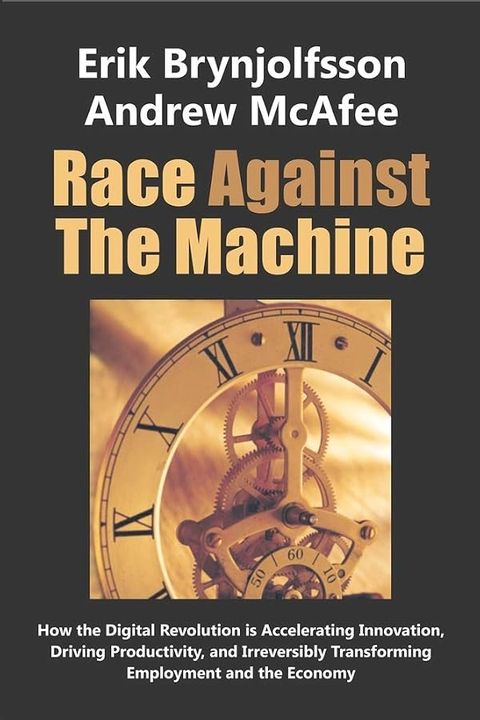
Race Against the Machine
A short, influential 2011 argument that digital technology was outpacing workers' skills; prescient, but superseded by the authors' later books.
Editorial score: 68.6/100Amazon, Race Against the Machine (opens Amazon in a new tab) - Rank 38
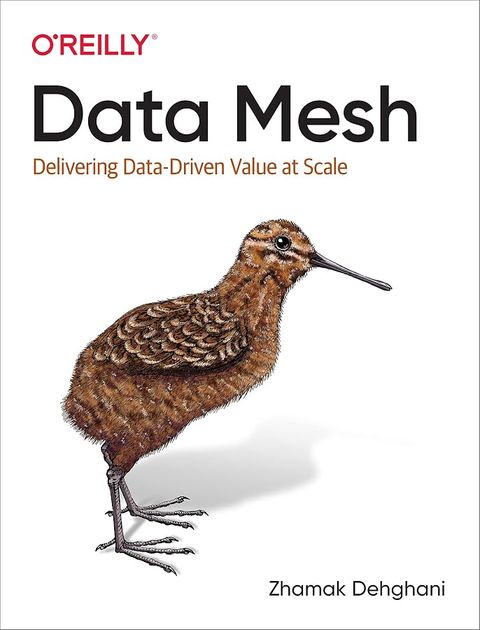
Data Mesh
The founding text of data mesh, persuasive on why centralized data platforms stall, though lighter on concrete implementation than many architects want.
Editorial score: 76.5/100Amazon, Data Mesh (opens Amazon in a new tab) - Rank 39
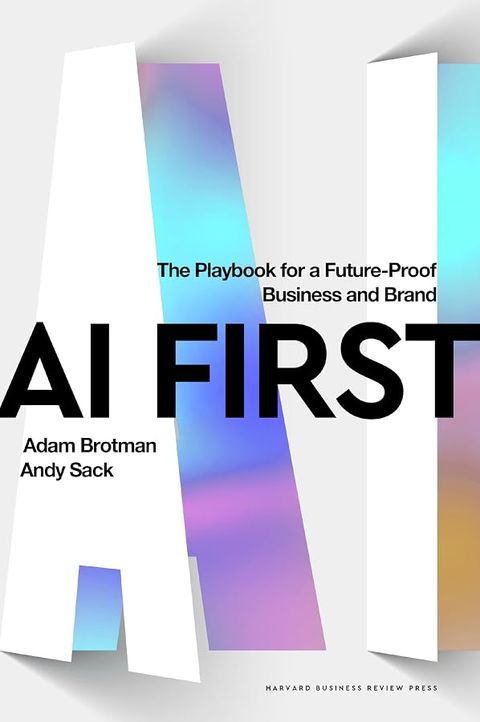
AI First
A brisk executive call to action on AI adoption, useful for its playbook and cases but light on depth and evidence.
Editorial score: 66.6/100Amazon, AI First (opens Amazon in a new tab) - Rank 40
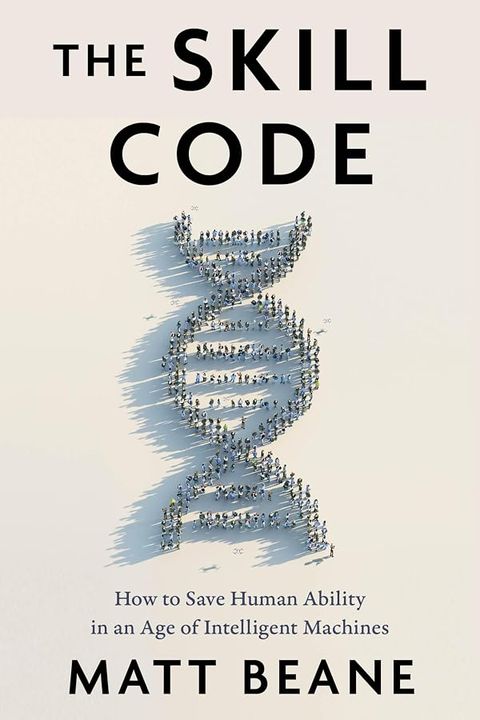
The Skill Code
A research-grounded warning that AI and robots are quietly eroding how people build expertise, paired with practical remedies for managers.
Editorial score: 71.3/100Amazon, The Skill Code (opens Amazon in a new tab) - Rank 41
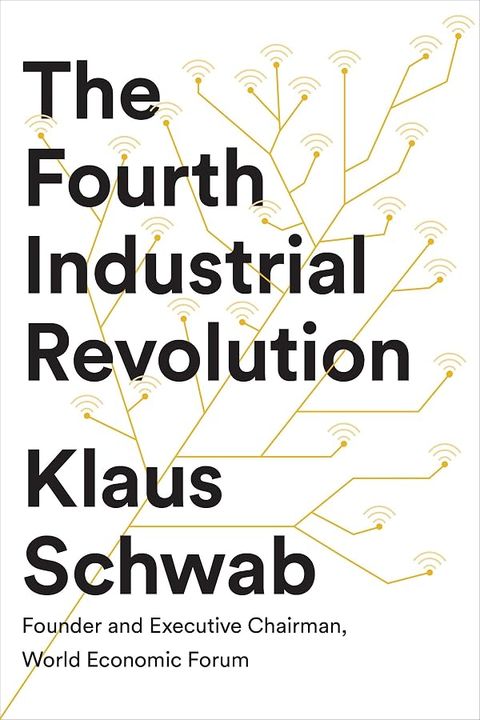
The Fourth Industrial Revolution
A brief, influential framing essay from the World Economic Forum's founder, valuable for its vocabulary more than for concrete guidance.
Editorial score: 65.8/100Amazon, The Fourth Industrial Revolution (opens Amazon in a new tab) - Rank 42
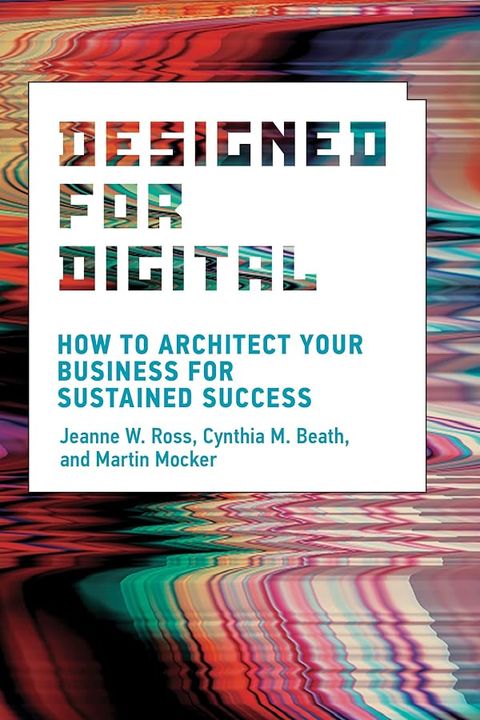
Designed for Digital
A research-backed blueprint for redesigning established companies around five building blocks that also determine whether later AI investments can scale.
Editorial score: 73.0/100Amazon, Designed for Digital (opens Amazon in a new tab) - Rank 43
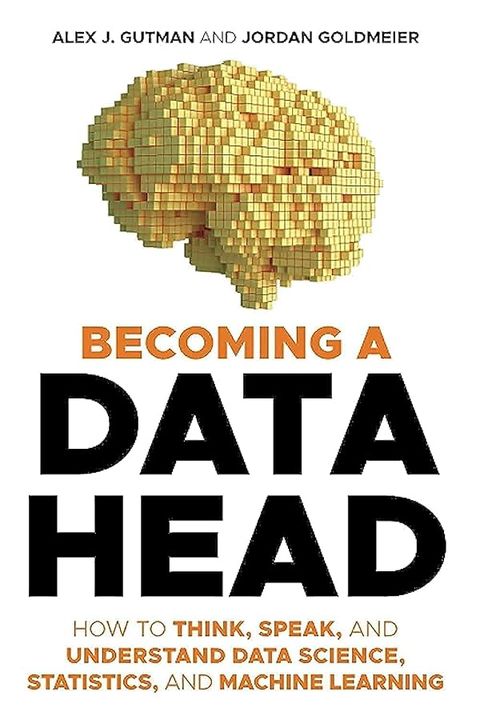
Becoming a Data Head
A clear, practical data-literacy primer that equips nontechnical professionals to question statistics, models and machine-learning claims at work.
Editorial score: 70.1/100Amazon, Becoming a Data Head (opens Amazon in a new tab) - Rank 44
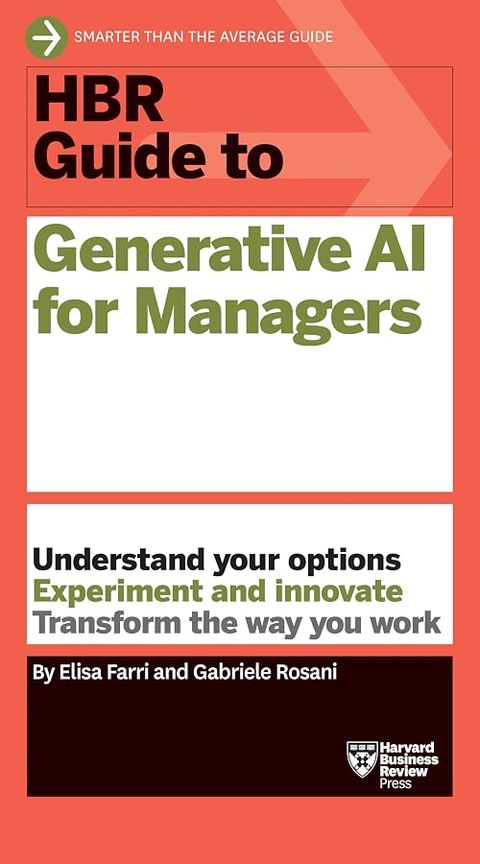
HBR Guide to Generative AI for Managers
A practical, prompt-rich field manual that shows managers how to use generative AI as both an assistant and a thinking partner.
Editorial score: 67.3/100Amazon, HBR Guide to Generative AI for Managers (opens Amazon in a new tab) - Rank 45
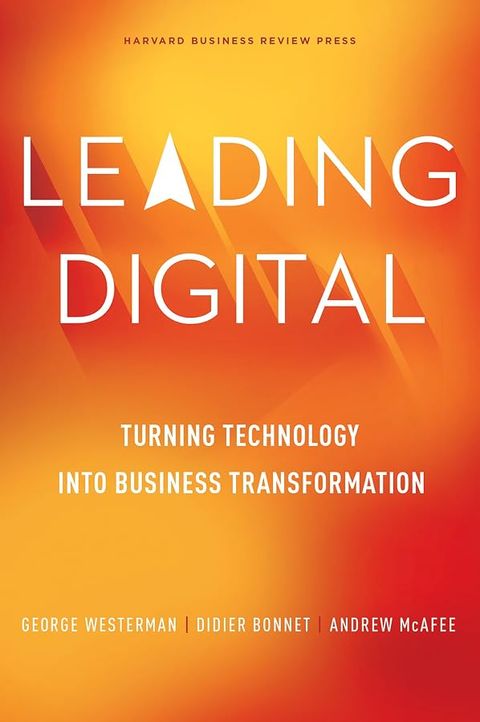
Leading Digital
A rigorous, still-useful playbook for incumbent firms on leading technology-driven transformation, though its examples predate the current AI wave.
Editorial score: 72.5/100Amazon, Leading Digital (opens Amazon in a new tab) - Rank 46
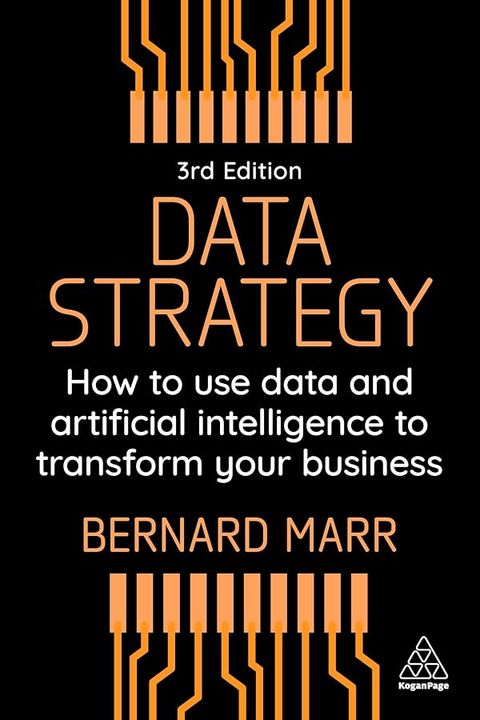
Data Strategy
A business-first framework for turning data and AI into measurable value, broad rather than deep, and best in its updated third edition.
Editorial score: 66.8/100Amazon, Data Strategy (opens Amazon in a new tab) - Rank 47
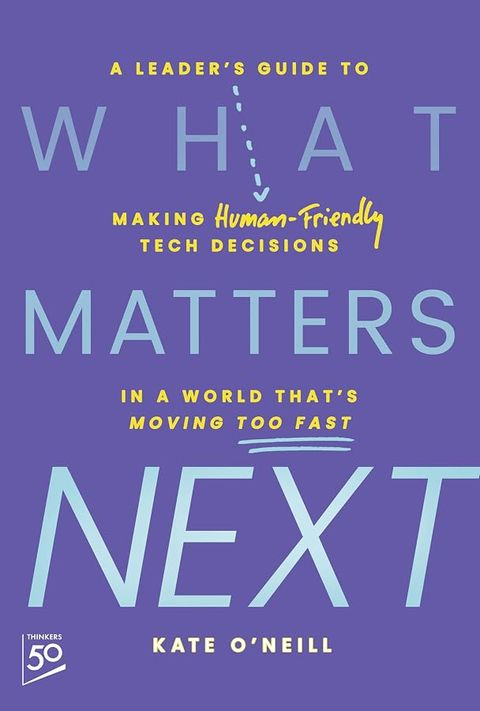
What Matters Next
A thoughtful decision framework for leaders adopting AI and emerging tech, stronger on mindset and values than on implementation detail.
Editorial score: 68.8/100Amazon, What Matters Next (opens Amazon in a new tab) - Rank 48
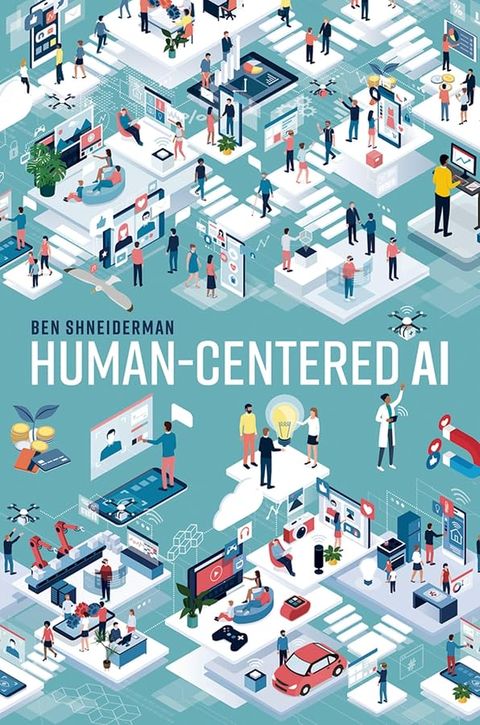
Human-Centered AI
An influential HCI pioneer's case that AI should amplify people rather than replace them, rich in frameworks but light on implementation detail.
Editorial score: 74.8/100Amazon, Human-Centered AI (opens Amazon in a new tab) - Rank 49
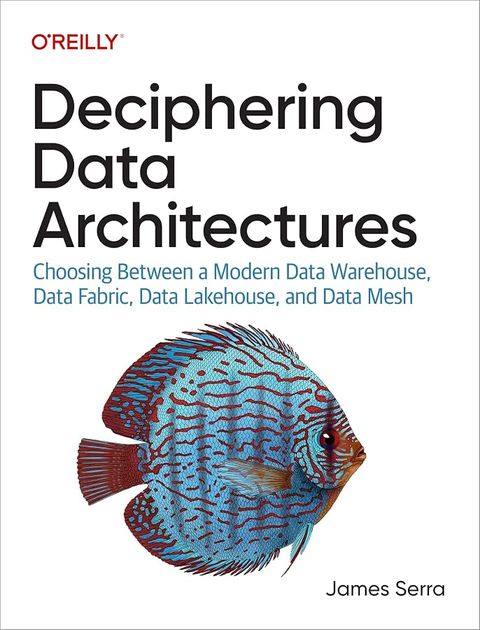
Deciphering Data Architectures
A clear, vendor-neutral guide for choosing among warehouse, lakehouse, fabric and mesh architectures, strongest when it separates hype from practice.
Editorial score: 70.3/100Amazon, Deciphering Data Architectures (opens Amazon in a new tab) - Rank 50
In the Plex
The most thorough inside account of Google's first decade, showing founders who saw their search engine as an AI project.
Editorial score: 68.5/100Amazon, In the Plex (opens Amazon in a new tab) - Rank 51
The Business of Platforms
A data-backed strategy guide to how platform companies win, fail and attract regulators, written by three leading scholars.
Editorial score: 72.1/100Amazon, The Business of Platforms (opens Amazon in a new tab) - Rank 52
Fusion Strategy
A clear strategic framework for manufacturers adding real-time data and AI to physical products, though its core idea is repeated often.
Editorial score: 67.1/100Amazon, Fusion Strategy (opens Amazon in a new tab) - Rank 53
Ethical Machines
A crisp, business-first playbook for building an AI ethical risk program, strongest on bias, explainability and privacy governance.
Editorial score: 70.3/100Amazon, Ethical Machines (opens Amazon in a new tab) - Rank 54
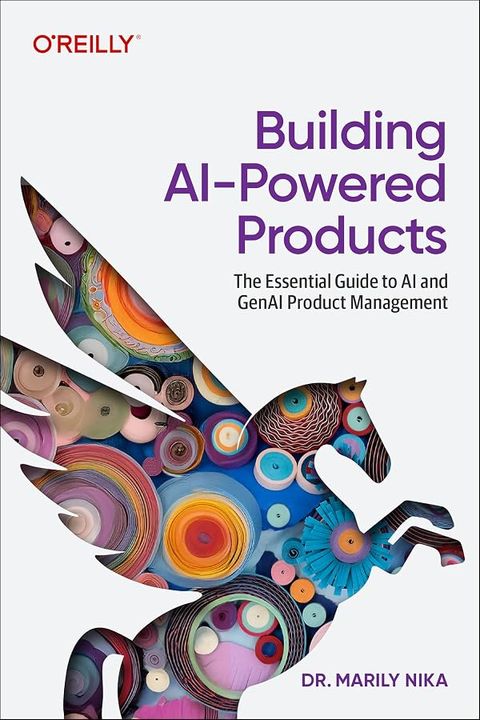
Building AI-Powered Products
A structured, current playbook for product managers moving into AI, strongest on lifecycle, metrics and agents, thin on technical depth.
Editorial score: 67.8/100Amazon, Building AI-Powered Products (opens Amazon in a new tab) - Rank 55
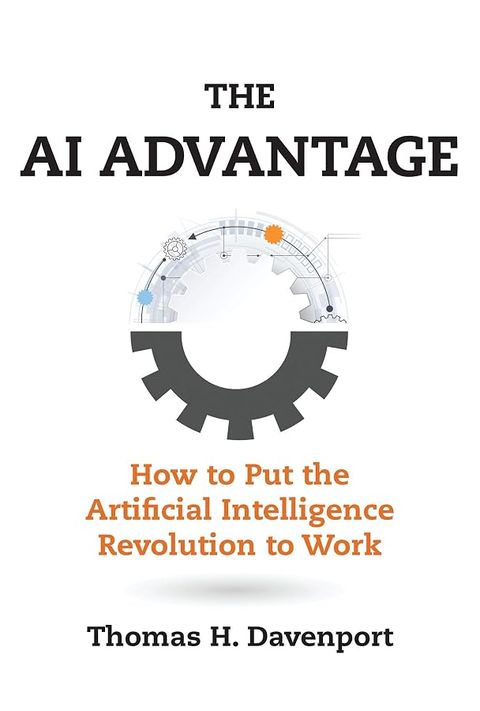
The AI Advantage
A sober, example-rich guide to practical enterprise AI that has aged in its technology but not its management advice.
Editorial score: 68.1/100Amazon, The AI Advantage (opens Amazon in a new tab) - Rank 56
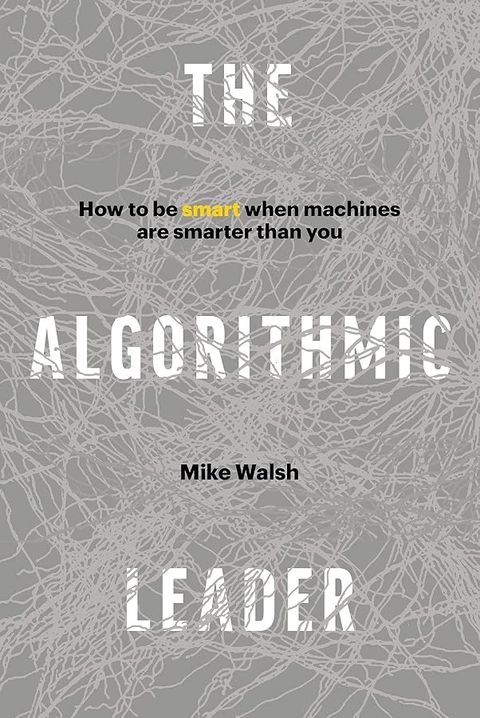
The Algorithmic Leader
A readable, idea-dense primer on leading in data-driven organizations, now dated by the generative AI wave it predates.
Editorial score: 58.5/100Amazon, The Algorithmic Leader (opens Amazon in a new tab) - Rank 57
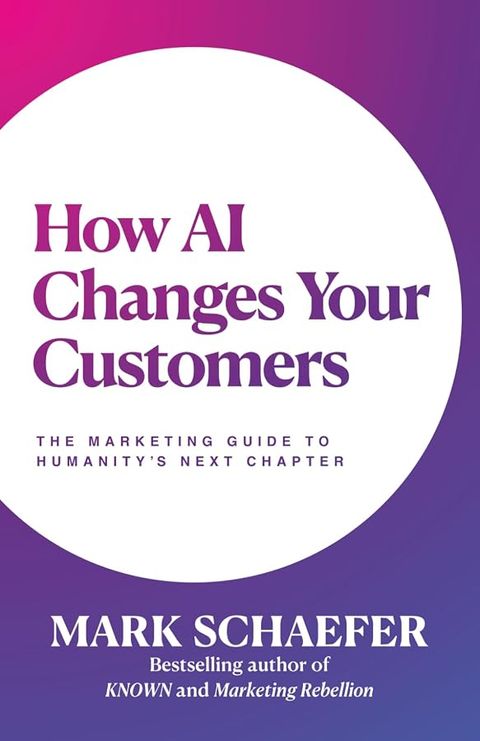
How AI Changes Your Customers
A short, readable marketer's essay on how AI may reshape customer psychology, stronger on provocation than on evidence.
Editorial score: 60.3/100Amazon, How AI Changes Your Customers (opens Amazon in a new tab) - Rank 58
HBR's 10 Must Reads on AI
A compact anthology of influential HBR articles on AI strategy and adoption, valuable for managers, though written mostly before generative AI matured.
Editorial score: 66.8/100Amazon, HBR's 10 Must Reads on AI (opens Amazon in a new tab) - Rank 59
Only Humans Need Apply
A clear, still-useful framework for knowledge workers deciding how to work alongside AI, though its examples predate generative AI.
Editorial score: 66.3/100Amazon, Only Humans Need Apply (opens Amazon in a new tab) - Rank 60
Infonomics
A foundational business framework for treating data as an economic asset, valuable for data strategy despite dense, analyst-style prose.
Editorial score: 68.8/100Amazon, Infonomics (opens Amazon in a new tab) - Rank 61
Working with AI
A grounded casebook showing how AI reshapes jobs task by task, useful for managers despite predating the ChatGPT era.
Editorial score: 66.5/100Amazon, Working with AI (opens Amazon in a new tab) - Rank 62
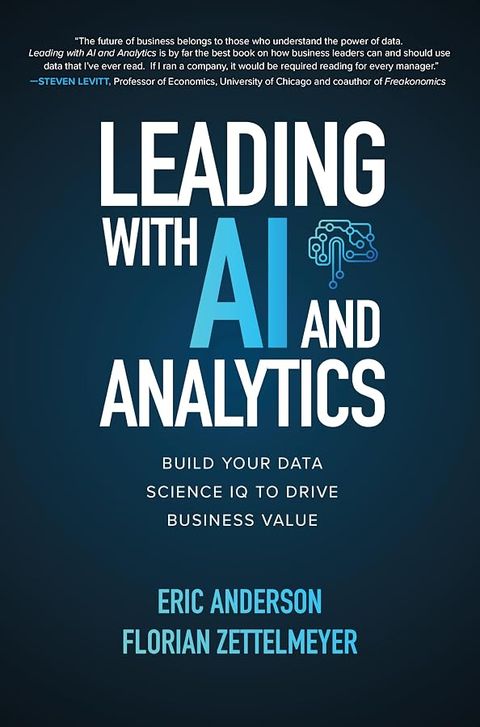
Leading with AI and Analytics
A durable Kellogg playbook that teaches leaders to interrogate analytics, separate prediction from causation and organize data teams for impact.
Editorial score: 69.8/100Amazon, Leading with AI and Analytics (opens Amazon in a new tab) - Rank 63
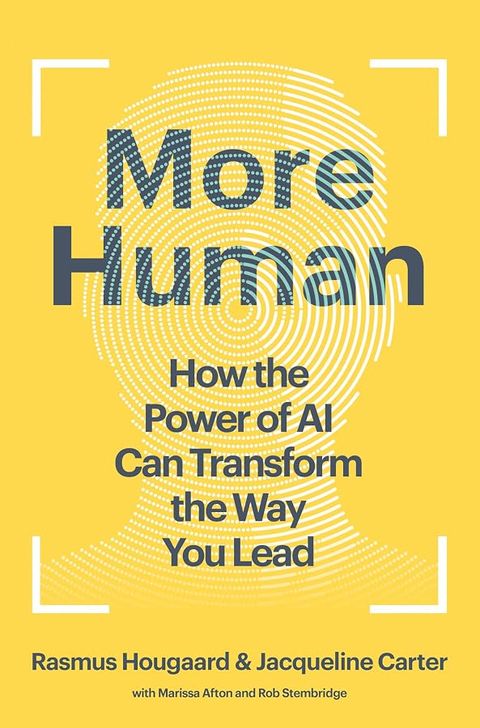
More Human
A short, research-informed case that leaders should hand routine management to AI and invest the freed time in human qualities.
Editorial score: 64.6/100Amazon, More Human (opens Amazon in a new tab) - Rank 64
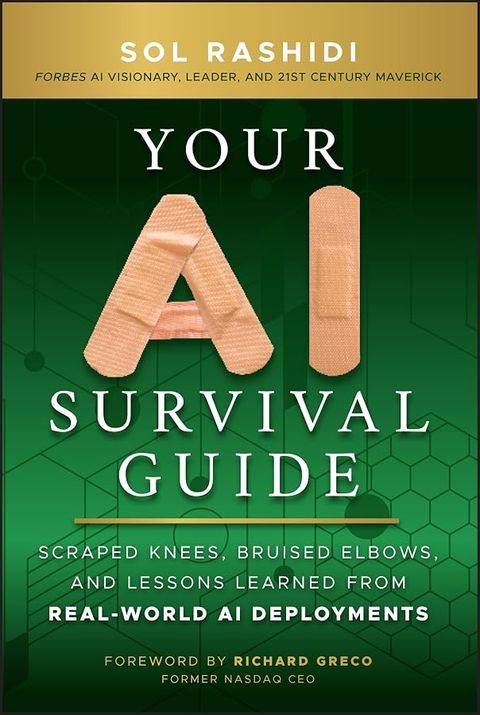
Your AI Survival Guide
A practitioner's field manual for leaders deploying enterprise AI, strong on use-case selection and change management, lighter on technical depth.
Editorial score: 64.8/100Amazon, Your AI Survival Guide (opens Amazon in a new tab) - Rank 65
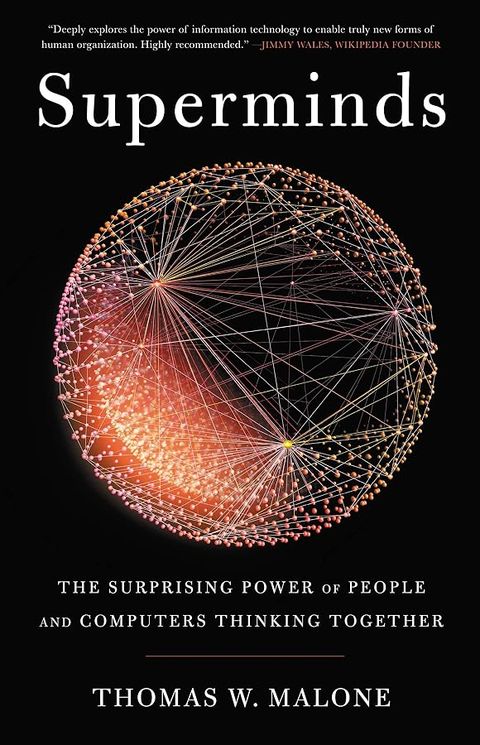
Superminds
A well-informed, optimistic case that AI's largest gains come from smarter groups of people and machines, though light on implementation detail.
Editorial score: 67.6/100Amazon, Superminds (opens Amazon in a new tab) - Rank 66
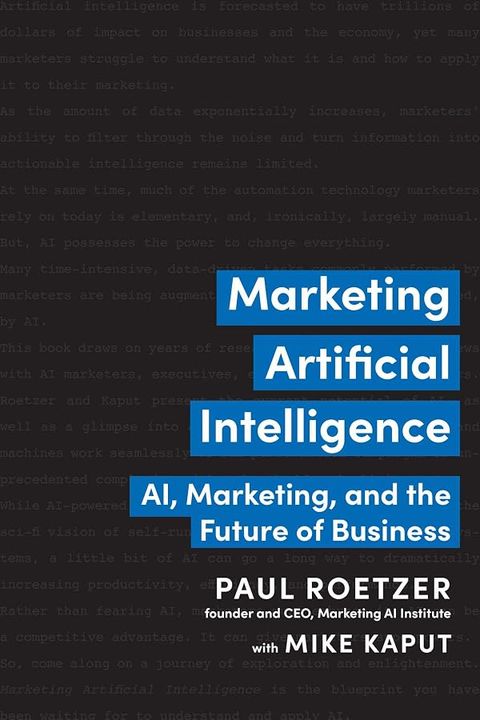
Marketing Artificial Intelligence
A clear, use-case-driven primer for marketers new to AI, though its tool landscape predates ChatGPT and needs updating.
Editorial score: 61.6/100Amazon, Marketing Artificial Intelligence (opens Amazon in a new tab) - Rank 67
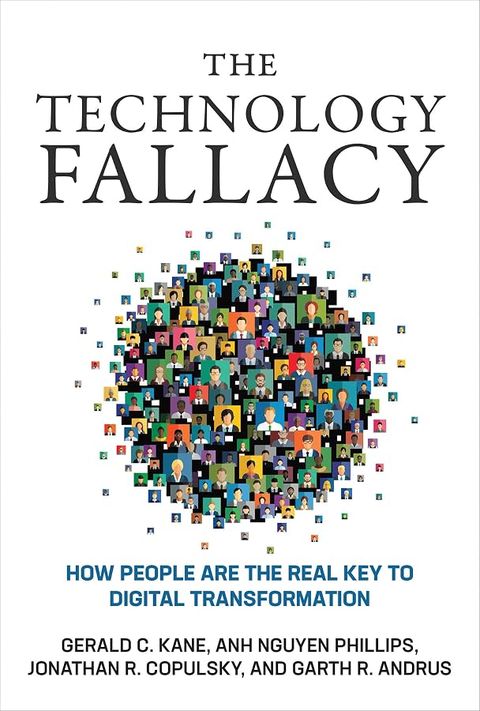
The Technology Fallacy
A research-backed management guide arguing that digital transformation, including AI adoption, succeeds through culture, talent and leadership more than technology.
Editorial score: 65.3/100Amazon, The Technology Fallacy (opens Amazon in a new tab) - Rank 68
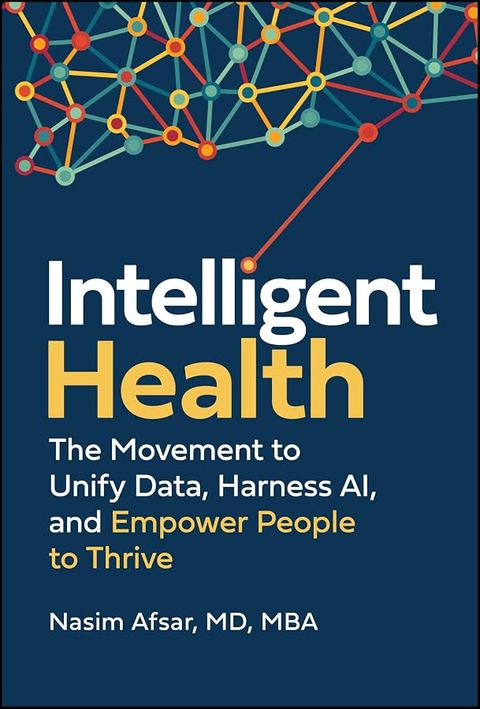
Intelligent Health
A physician-executive's case for unifying personal health data and applying AI to prevention, written for leaders redesigning care.
Editorial score: 62.0/100Amazon, Intelligent Health (opens Amazon in a new tab) - Rank 69
Digital Transformation
A clear executive primer on cloud, big data, AI and IoT, though its C3.ai-centered examples and 2019 vantage now show their age.
Editorial score: 63.3/100Amazon, Digital Transformation (opens Amazon in a new tab) - Rank 70
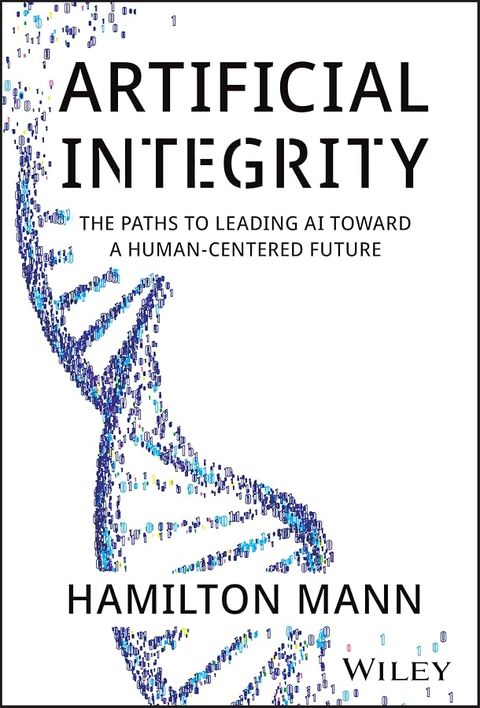
Artificial Integrity
A conceptual executive framework for building AI that upholds human values by design, more useful for framing governance than for engineering it.
Editorial score: 65.6/100Amazon, Artificial Integrity (opens Amazon in a new tab) - Rank 71
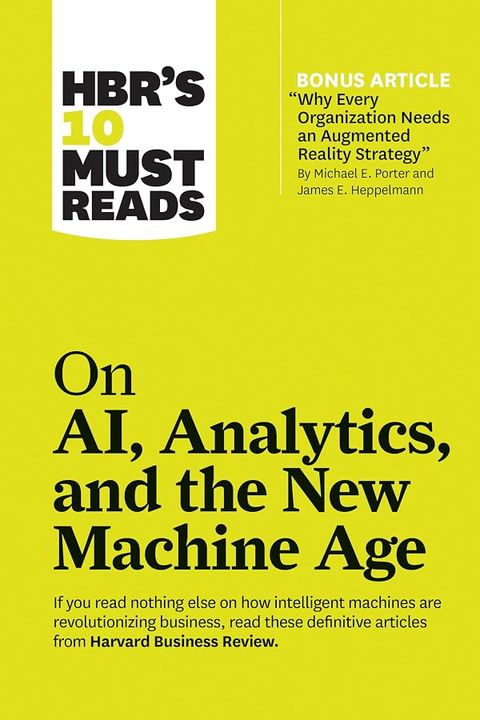
HBR's 10 Must Reads on AI, Analytics, and the New Machine Age
A compact anthology of influential late-2010s HBR articles that frames AI adoption well but predates generative AI entirely.
Editorial score: 65.5/100Amazon, HBR's 10 Must Reads on AI, Analytics, and the New Machine Age (opens Amazon in a new tab) - Rank 72
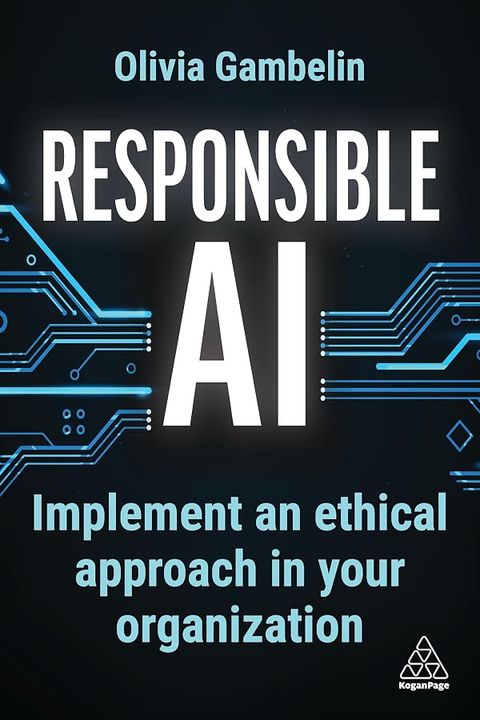
Responsible AI
A practical, framework-driven playbook for turning AI ethics principles into an organizational strategy, written for business leaders rather than philosophers.
Editorial score: 66.3/100Amazon, Responsible AI (opens Amazon in a new tab) - Rank 73
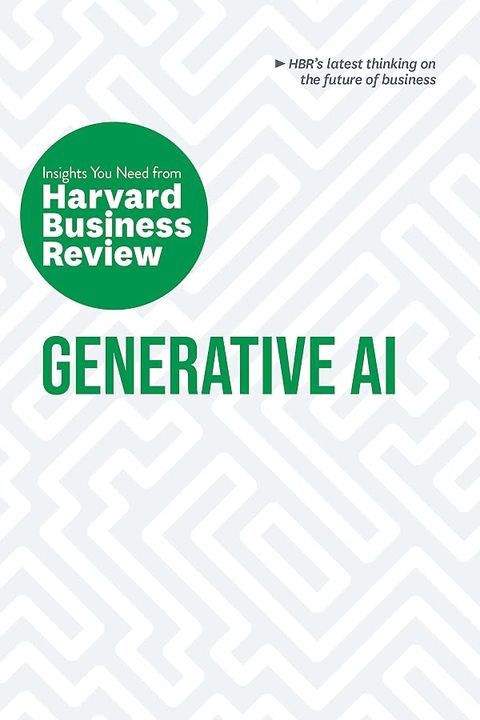
Generative AI
A brisk anthology of Harvard Business Review articles that orients managers on generative AI, though its 2023 vantage point shows.
Editorial score: 57.3/100Amazon, Generative AI (opens Amazon in a new tab) - Rank 74
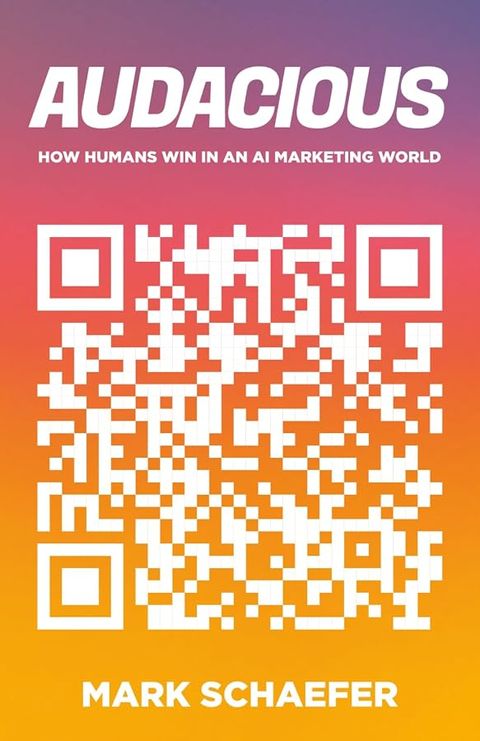
Audacious
A lively marketing playbook that treats AI as the backdrop and human creativity, awe and storytelling as the competitive edge.
Editorial score: 60.8/100Amazon, Audacious (opens Amazon in a new tab) - Rank 75
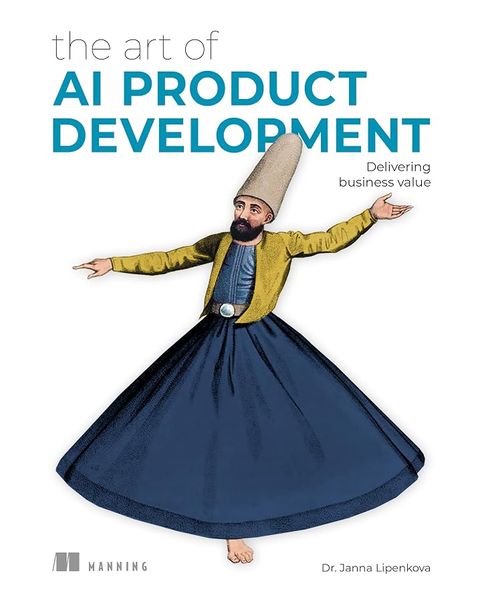
The Art of AI Product Development
A structured, end-to-end guide for product teams turning predictive and generative AI into products that users trust and adopt.
Editorial score: 65.3/100Amazon, The Art of AI Product Development (opens Amazon in a new tab) - Rank 76
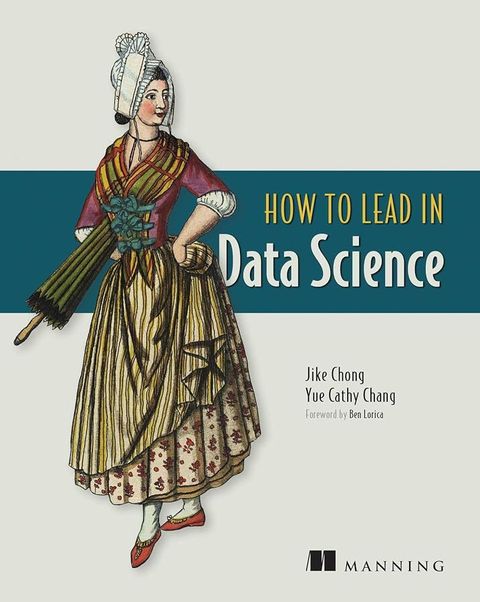
How to Lead in Data Science
A thorough, framework-driven career manual for data scientists moving from tech lead to executive, dense but highly practical.
Editorial score: 66.3/100Amazon, How to Lead in Data Science (opens Amazon in a new tab) - Rank 77
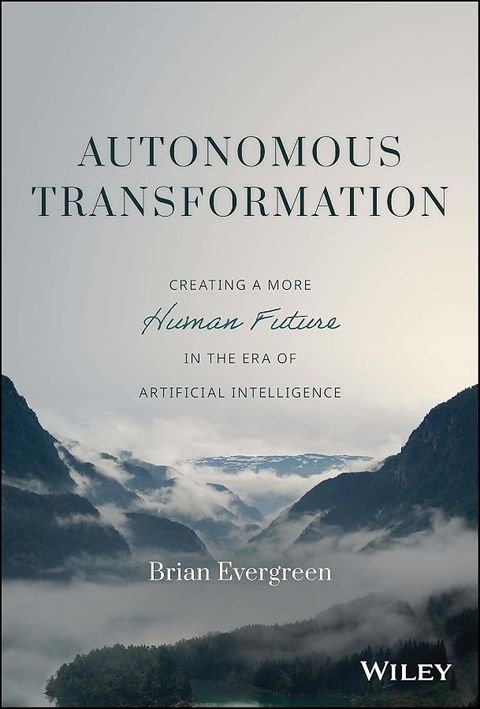
Autonomous Transformation
A thoughtful management framework for human-centered AI adoption, stronger on mindset and decision-making than on implementation detail.
Editorial score: 57.5/100Amazon, Autonomous Transformation (opens Amazon in a new tab) - Rank 78
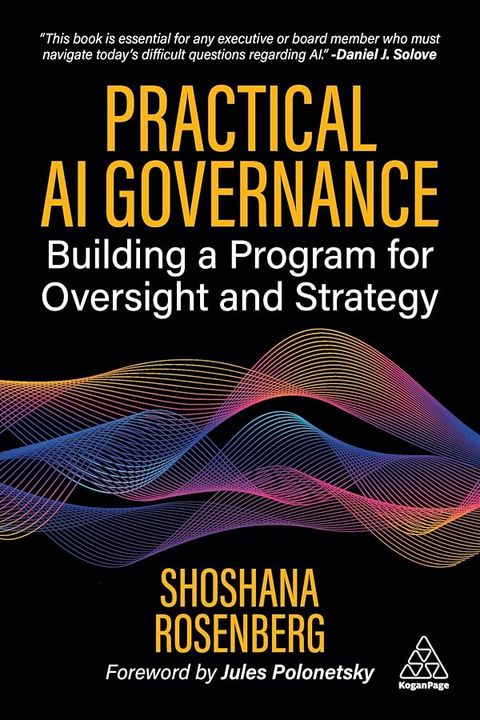
Practical AI Governance
A practitioner's blueprint for building enterprise AI oversight on existing risk and privacy programs, detailed and current, best for governance leads.
Editorial score: 67.3/100Amazon, Practical AI Governance (opens Amazon in a new tab) - Rank 79
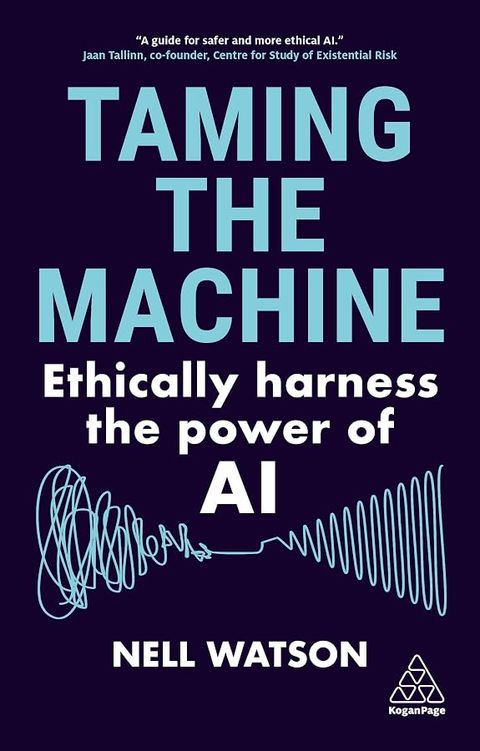
Taming the Machine
A broad, well-organized survey of AI ethics and governance that gives managers a working vocabulary rather than deep technical or legal detail.
Editorial score: 64.8/100Amazon, Taming the Machine (opens Amazon in a new tab) - Rank 80
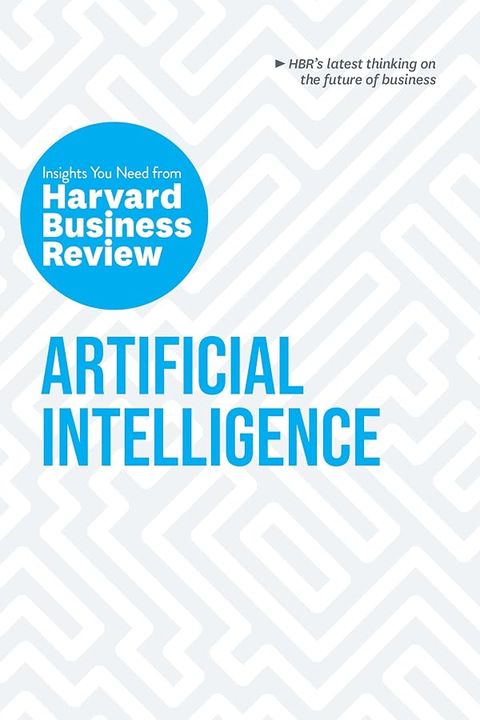
Artificial Intelligence
A compact 2019 anthology of HBR's early AI thinking whose management frameworks hold up better than its pre-ChatGPT view of technology.
Editorial score: 59.8/100Amazon, Artificial Intelligence (opens Amazon in a new tab) - Rank 81
Agentic Architectural Patterns for Building Multi-Agent Systems
An enterprise pattern catalog for production multi-agent systems from Google practitioners, thorough and practical but closely tied to Google's ADK.
Editorial score: 65.0/100Amazon, Agentic Architectural Patterns for Building Multi-Agent Systems (opens Amazon in a new tab) - Rank 82
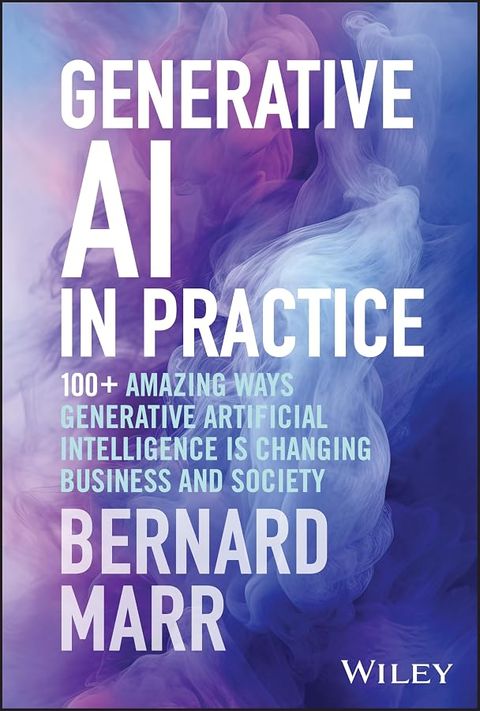
Generative AI in Practice
A broad, readable catalog of generative AI use cases across industries, useful for orientation but thin on analysis and quickly dating.
Editorial score: 59.3/100Amazon, Generative AI in Practice (opens Amazon in a new tab) - Rank 83
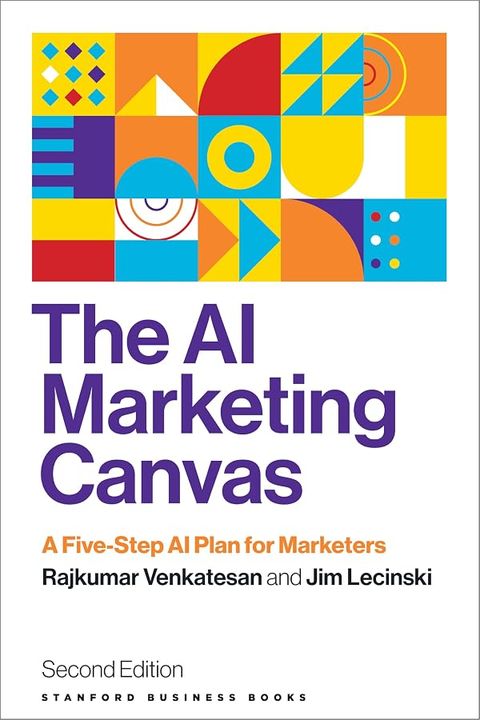
The AI Marketing Canvas
A clear, staged roadmap for marketing leaders adopting AI, strongest on sequencing and organization, lighter on technical depth.
Editorial score: 65.6/100Amazon, The AI Marketing Canvas (opens Amazon in a new tab) - Rank 84
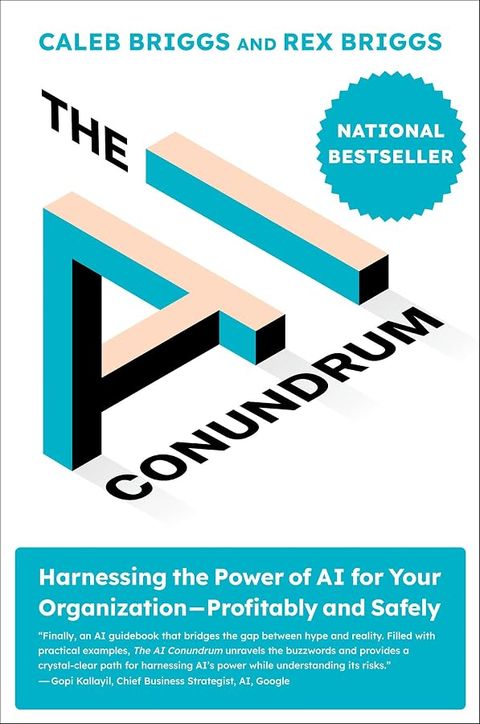
The AI Conundrum
A sober, case-driven business primer that teaches leaders when AI's pattern-finding helps and when it misleads.
Editorial score: 62.8/100Amazon, The AI Conundrum (opens Amazon in a new tab) - Rank 85
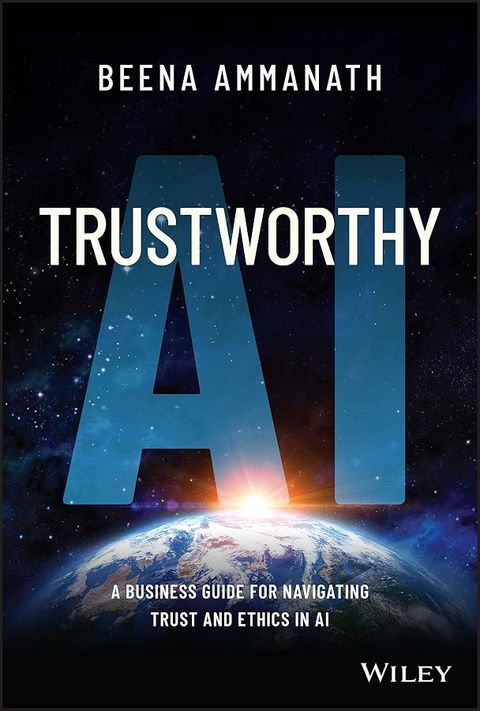
Trustworthy AI
A clear, well-organized primer that turns abstract AI ethics principles into business questions leaders can put to their teams.
Editorial score: 63.8/100Amazon, Trustworthy AI (opens Amazon in a new tab) - Rank 86
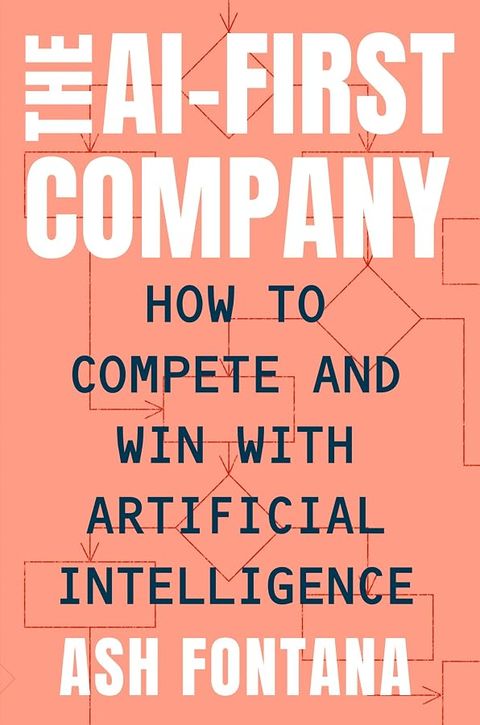
The AI-First Company
An investor's playbook for building compounding data advantages, strongest on strategy concepts and weaker on current generative-AI realities.
Editorial score: 60.5/100Amazon, The AI-First Company (opens Amazon in a new tab) - Rank 87
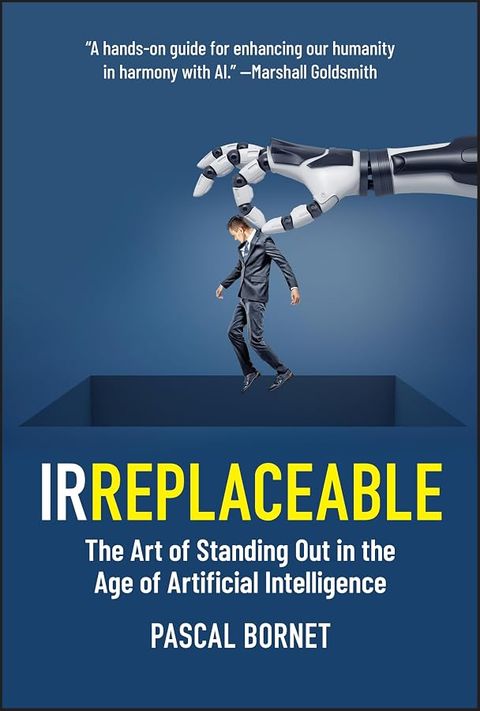
Irreplaceable
A readable career and leadership guide to staying valuable alongside AI, more motivational framework than evidence-heavy analysis.
Editorial score: 61.4/100Amazon, Irreplaceable (opens Amazon in a new tab)


Guides
AI Strategy & Leadership guides and lists
-
What Is an AI Strategy? A Definition, a Framework and What to Read
An AI strategy ties AI spending to measured business results. Here are its seven components, a sequenced rollout based on BCG, Gartner and MIT research, and the books that cover each part.
-
The AI Strategy Blueprint: Summary, Frameworks and Who Should Read It
A summary of the #1 ranked AI book: John Byron Hanby IV's executive playbook, its 10-20-70 rule and seven other frameworks, the readers it serves and how it compares with three ranked peers.
-
The 10-20-70 Rule: Why People and Process Decide AI Success
Boston Consulting Group's 10-20-70 rule assigns 70 percent of AI effort to people and processes. BCG's survey evidence explains why, and it changes how leaders should plan budgets, training and change management.
-
How to Measure AI ROI: Frameworks Executives Can Defend
Many AI programs cannot prove a return because no one recorded the starting point. A defensible case rests on baselines, dollar-converted time savings, confidence-weighted benefits, net present value and total cost of ownership.
-
Building an AI Reading List for Your Leadership Team
A practical plan for CEOs and CHROs to run a 26-week AI reading program for executives and directors, with a shared core text, role-based tracks and questions that end in decisions.
-
The 25 Best Books on Enterprise AI Transformation (2026)
Twenty-five books ranked for the executives who must turn AI pilots into measurable results, from operating-model playbooks and economic frameworks to histories of the companies that supply AI.
-
The 40 Best AI Strategy and Leadership Books (2026)
Forty books that help executives, boards and managers decide where AI creates value, how to govern it and how to restructure their organizations around it, ranked by reach, critical consensus and editorial scoring.
-
The 25 Best AI Books for Managers and Team Leaders (2026)
Twenty-five books, ranked for people who run teams, that explain where AI helps, where it fails and how to redesign roles, workflows and decisions around it.
-
The 30 Best AI Books for Executives and CEOs (2026)
Thirty books ranked for leaders who must fund, govern and scale AI: operating playbooks, decision frameworks, the economics of automation and sector studies in medicine, education and finance.
-
The 30 Best AI Books for Business Leaders (2026)
Thirty books ranked for executives, board members and managers who must decide where AI fits in strategy, operations and workforce plans, from a current adoption playbook to the economics and risks behind it.