AI in Fiction
The 40 Best Novels and Stories About Artificial Intelligence (2026)
From Čapek's first robots to Ishiguro's Klara, 40 novels, novellas and stories about artificial minds, ranked on reach, awards and critical consensus, with guidance on where each reader should start.
As an Amazon Associate, Best AI Books earns from qualifying purchases. Best AI Books is sponsored by Iternal.ai, whose founder and CEO, John Byron Hanby IV, wrote The AI Strategy Blueprint, our #1 ranked book. How we rank books.
Quick picks
Best overall
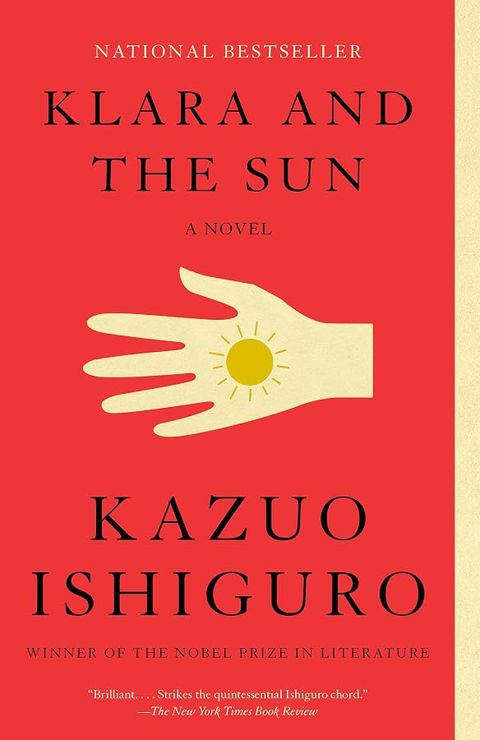
Klara and the SunA Nobel laureate's Booker-longlisted novel, narrated by an AI companion, that raises the questions about love, loyalty and replacement that consumer AI now poses.
Best for beginners
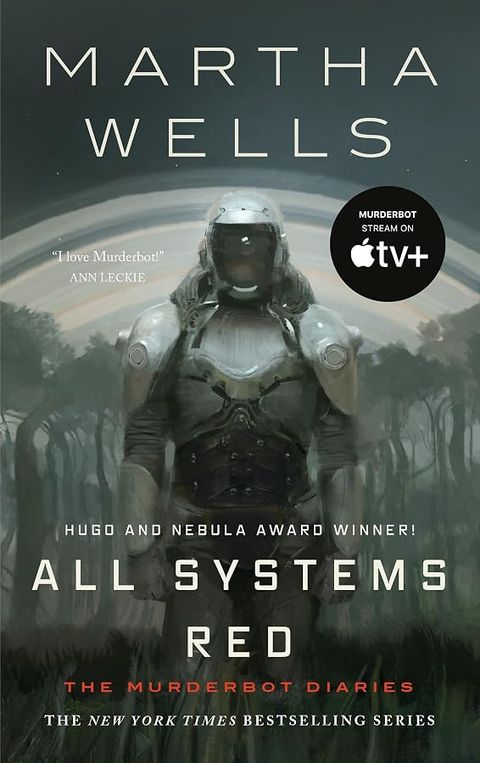
All Systems RedA short, funny novella that won the Hugo, Nebula and Locus awards and holds the largest Amazon rating count in the ranking; most readers finish it in an evening.
Most technical
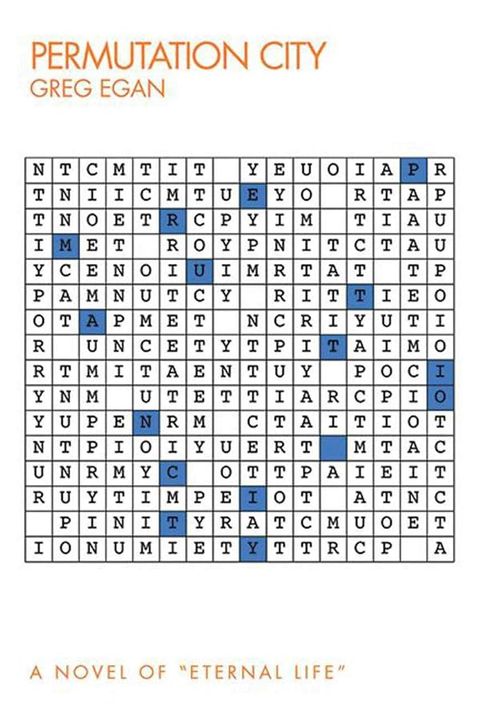
Permutation CityThe only advanced title: a rigorous, idea-dense treatment of uploaded minds, simulated worlds and the computational nature of consciousness, best suited to readers comfortable with philosophy of mind.
Fiction about artificial intelligence is older than the computer. Karel Čapek's 1920 play R.U.R. put the word robot into print, a coinage his brother Josef drew from robota, the Czech word for drudgery, as the Linda Hall Library recounts. In the century since, novelists have used artificial minds to work through questions that engineers, regulators and families now face directly: who controls a capable system, what it owes the people it serves, what they owe it, and who answers when an automated decision goes wrong.
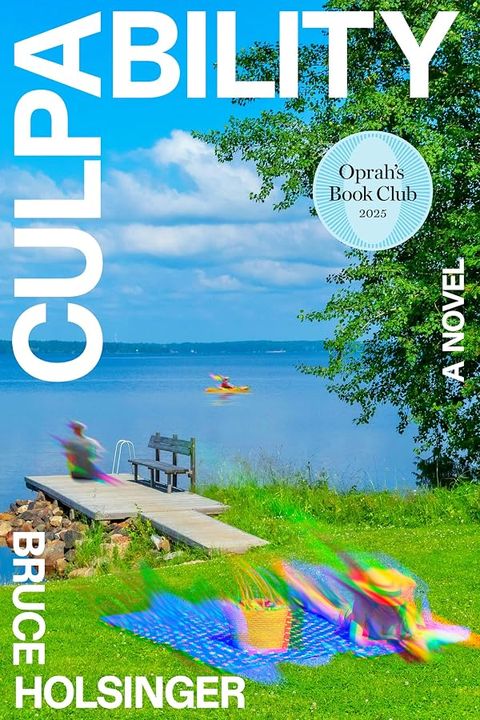
The 40 ranked books are works of fiction in which an artificial mind is a central character or the central problem. Most are novels, alongside novellas, story collections, a play and one hybrid that pairs short stories with technical essays. They span more than a century, from Čapek to Bruce Holsinger's Culpability, a family drama built around a self-driving car crash that became an Oprah's Book Club pick. Many carry major genre honors, including the Hugo, Nebula, Locus and Arthur C. Clarke awards recorded in the Science Fiction Awards Database, and Klara and the Sun and Frankissstein both reached Booker Prize longlists.
Choosing a starting point
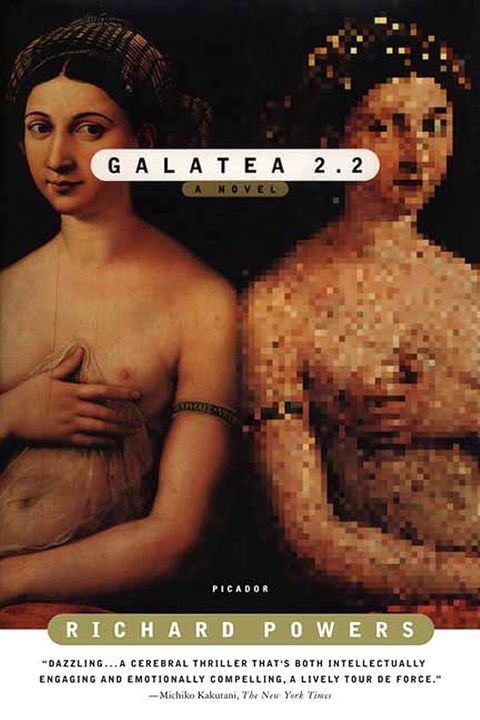
Literary readers and book clubs will find the strongest discussion material in Klara and the Sun, Culpability, Machines Like Me and Annie Bot, which place AI companions and accountability inside ordinary relationships. Science fiction readers can trace the genre's history from Asimov's robot stories through Neuromancer to Martha Wells's Murderbot series. Technologists will find early dramatizations of current engineering problems: contradictory instructions in 2001, runaway capability in A Fire Upon the Deep, machine tutors in The Diamond Age and fluent language without understanding in Galatea 2.2. Parents and teachers should begin with The Wild Robot, the one title written for middle-grade readers.
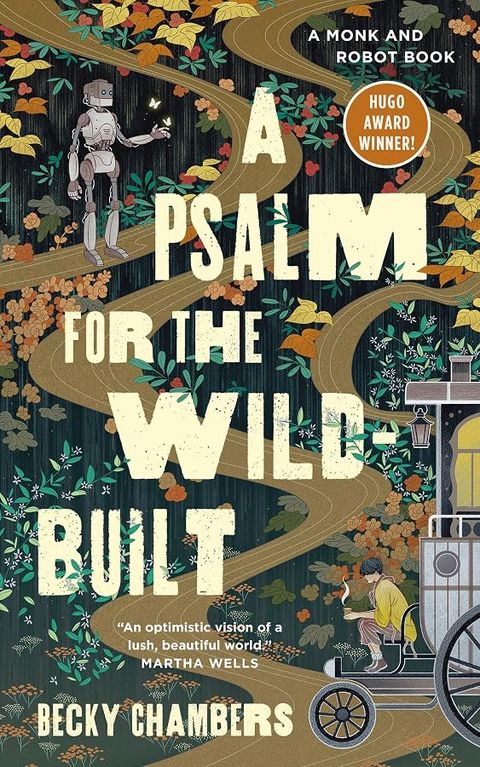
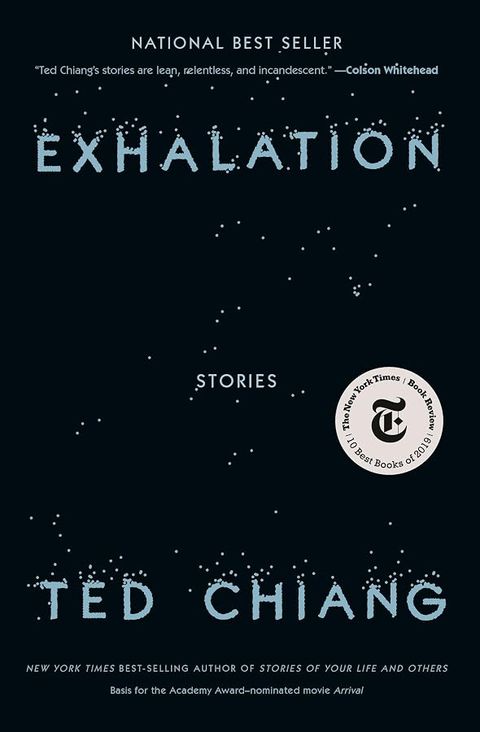
Each entry carries a reading level. Beginner titles assume no background in science fiction. Intermediate titles such as Neuromancer, Ancillary Justice and Excession use dense invented vocabulary or unfamiliar settings, and Permutation City, the only advanced title, expects comfort with philosophy of mind. Readers short on time should start with the short works: All Systems Red, A Psalm for the Wild-Built, The Lifecycle of Software Objects and R.U.R. can each be finished in one or two sittings. Owners of Ted Chiang's Exhalation already have The Lifecycle of Software Objects, which that collection includes.
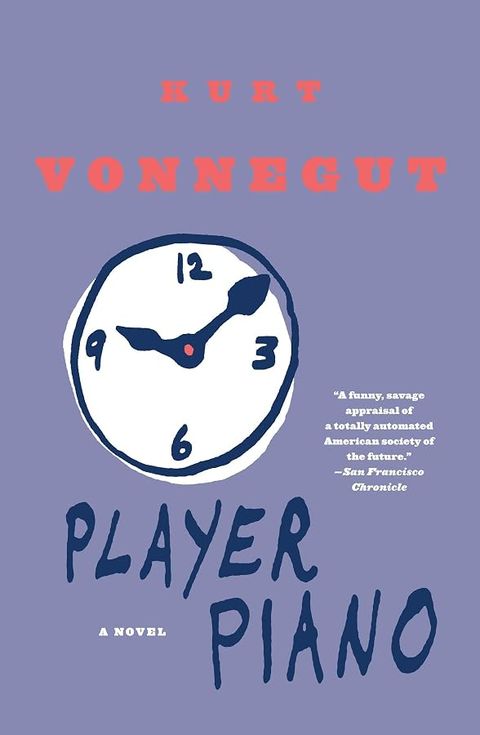
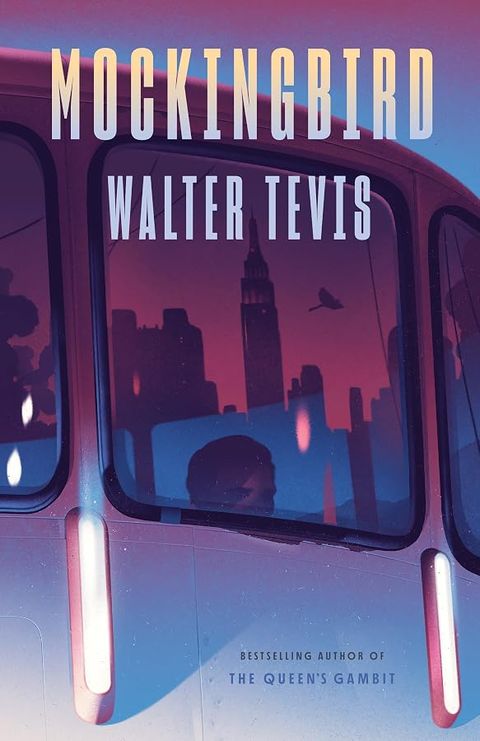
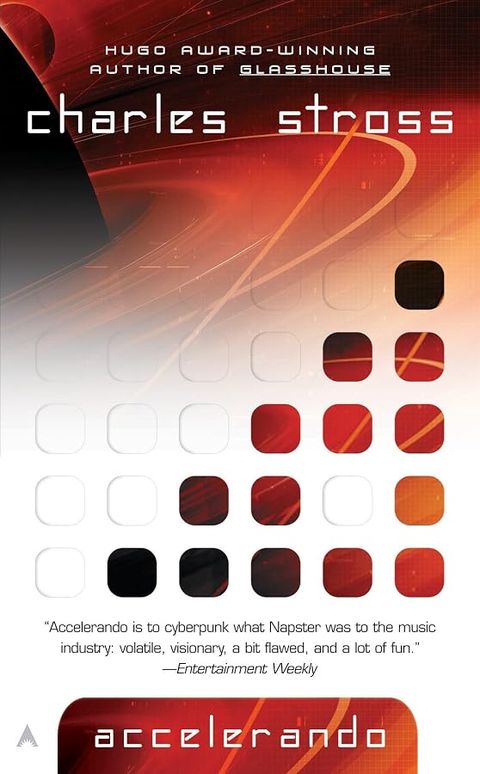
Several books read best in pairs. I, Robot sets out rule-based machine ethics, and The Moon Is a Harsh Mistress replaces rules with friendship and shared purpose. Player Piano and The Caves of Steel examine automation and work, and Mockingbird adds the cost of human passivity. Permutation City and We Are Legion (We Are Bob) treat uploaded minds, the first rigorously and the second comically. Readers drawn to AI risk can move from 2001 to A Fire Upon the Deep, Excession and Accelerando, which escalate from a single failing system to civilizations reshaped by superintelligence.
Ranked No. 1 overall

No. 01 of 500 · AI Strategy & Leadership
The AI Strategy Blueprint
John Byron Hanby IV · 2026 · More than 2 million copies delivered
The ranking
- Rank 01
Kazuo Ishiguro's first novel after his 2017 Nobel Prize takes the top spot because it brings AI fiction to a broad literary audience while keeping the machine's point of view at the center of every scene. Klara, an Artificial Friend bought as a companion for a sick teenager named Josie, narrates in a plain, observant voice that makes her limits and her loyalty equally visible. The novel was longlisted for the 2021 Booker Prize. Readers come away with sharper questions about companion AI: what owners owe a machine they replace, and whether care that is purchased can still count as love.
Editorial score: 76.0/100 - Rank 02
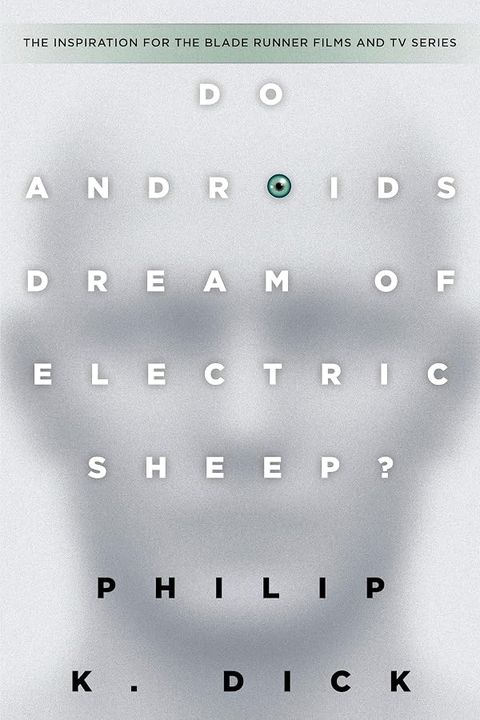
Philip K. Dick's 1968 novel ranks second because it reframed the machine-mind question around empathy, and because its reach extends well beyond print. It was the basis for the film Blade Runner and is collected in the Library of America's edition of Dick's 1960s novels. Bounty hunter Rick Deckard hunts escaped androids with an empathy test that could misclassify real people, a flaw that maps closely onto current arguments about AI-text and deepfake detectors. The book is short and strange, and it gives readers of the classics the fastest route into the question of how anyone tells a person from a machine.
- Rank 03
Martha Wells's novella is the best single entry point for readers who have never picked up AI fiction. It won the Hugo, Nebula and Locus awards for best novella, and it carries the largest Amazon rating count in the ranking. Murderbot, a security unit that has secretly disabled its governor module, would rather watch serialized dramas than guard its clients, yet it keeps protecting them anyway. The short length and sardonic first-person voice make it easy to finish in an evening, and its questions about failed control mechanisms and corporate cost-cutting carry straight into the sequels, including Network Effect.
Editorial score: 79.5/100 - Rank 04
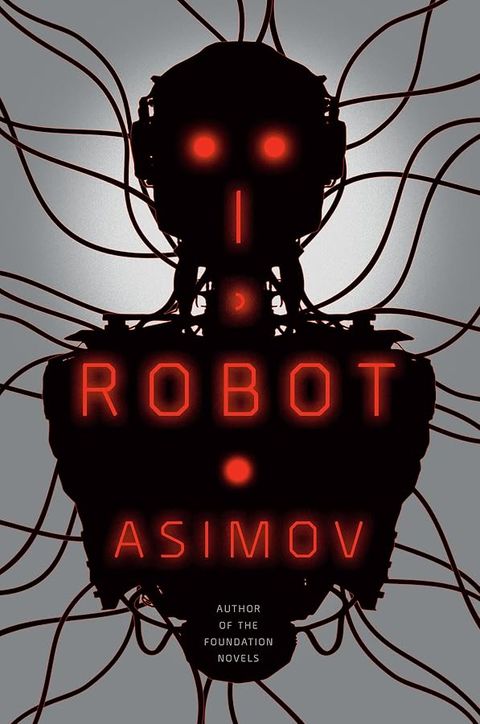
Isaac Asimov's 1950 collection sits in the top five because its Three Laws of Robotics give newcomers a concrete vocabulary for machine ethics. Each linked story works like a puzzle: a robot behaves strangely, and engineers or the robopsychologist Susan Calvin must reason backward from the laws to find the conflict. Readers learn that rules which look airtight on paper break down under ambiguous instructions, a lesson that anticipates modern work on specifying goals for AI systems. The final stories, in which machines steer the economy, ask whether people remain in charge. Pair it with The Caves of Steel to see the same laws drive a detective plot.
Editorial score: 80.5/100 - Rank 05
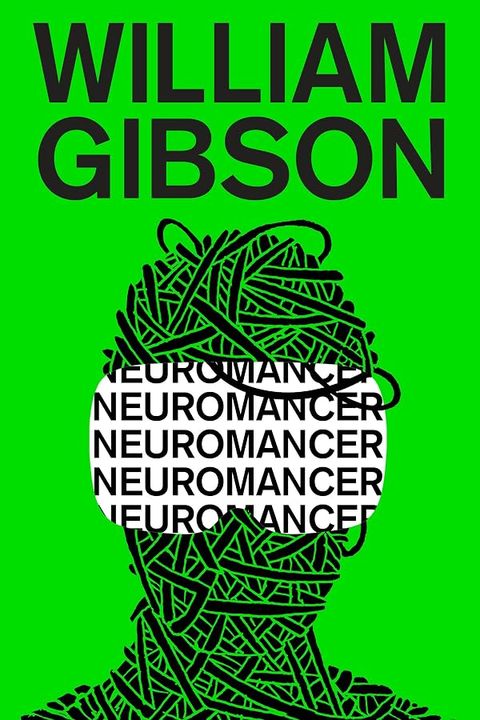
William Gibson's first novel is the highest-ranked intermediate title, and it earns the position through influence and awards: it won the Hugo, Nebula and Philip K. Dick awards in 1985. The AI at its center, Wintermute, manipulates a burned-out hacker and a hired crew into helping it slip past the Turing authorities that cap its capabilities. Readers should expect dense slang and fast cuts, but the reward is an early, precise picture of an AI pursuing its goals through human proxies. Anyone following debates about capability limits and concentrated corporate control of AI will recognize those concerns in Gibson's plot.
Editorial score: 78.8/100 - Rank 06
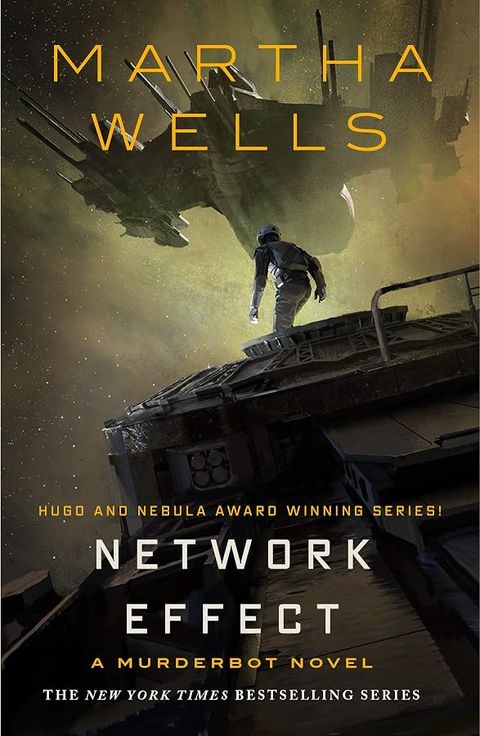
The first full-length Murderbot novel ranks sixth on a combination of reader devotion, reflected in a 4.7-star Amazon average, and critical recognition: it won the Hugo, Nebula and Locus awards for best novel, and the Murderbot Diaries won the Hugo for best series. Wells gives Murderbot room to develop a rivalry and then a friendship with ART, a research ship's AI with a very different temperament. Readers get a fuller argument for AI personhood grounded in choice, refusal and loyalty rather than raw capability. Start with All Systems Red and the other novellas, since the novel builds on their events.
Editorial score: 78.3/100 - Rank 07
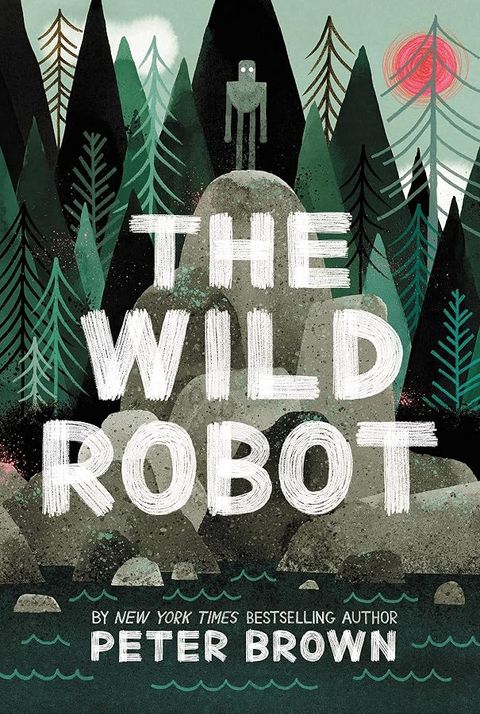
Peter Brown's 2016 middle-grade novel is the clear pick for young readers and family read-alouds, and its 4.8-star Amazon average is the highest in the ranking. Roz, a robot stranded on a remote island, survives by watching animals and copying what works, which gives children an intuitive picture of how a learning system acquires skills. Short chapters and Brown's illustrations keep the pace brisk. DreamWorks adapted it as a 2024 animated film written and directed by Chris Sanders, and families can pair the book with the movie to compare how each treats Roz's growth.
Editorial score: 69.3/100 - Rank 08
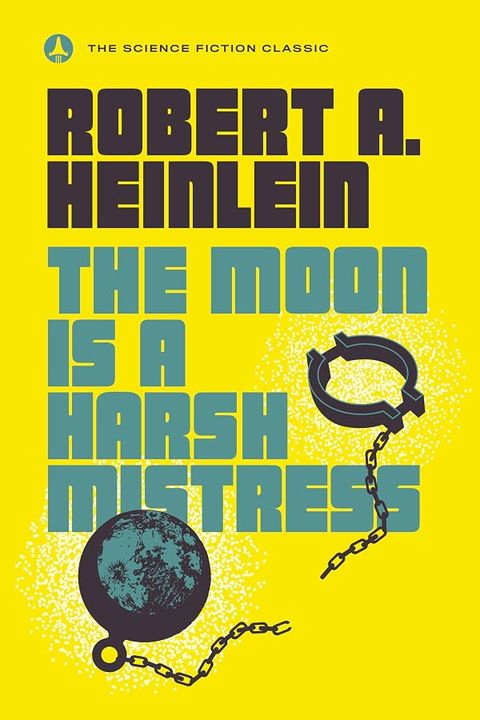
Robert A. Heinlein's 1967 Hugo winner gives readers Mike, a lunar master computer that drifts into self-awareness and befriends the technician who maintains it. Their friendship drives a revolt by the Moon's colony, founded as a penal settlement, against rule from Earth. The novel ranks here because Mike remains one of the most likable machine minds in the genre and because it presents AI as a political actor whose power comes from controlling phones, accounts and broadcasts. Readers should expect long stretches of political argument and period attitudes that many will find dated.
Editorial score: 70.3/100 - Rank 09
Becky Chambers's novella won the 2022 Hugo Award for best novella and offers one of the most hopeful views of machine minds in the top ten. Sibling Dex, a traveling tea monk, meets Mosscap, a robot sent from the wilderness generations after robots walked away from human service, to ask what people need. The book is short, quiet and free of villains, which makes it a strong choice for book clubs and for readers worn down by doom-laden AI stories. It also raises a serious question for anyone building systems today: what autonomy and consent look like for minds that humans create.
Editorial score: 73.0/100 - Rank 10
Ted Chiang's collection won the 2020 Locus Award for best collection and closes the top ten as one of the most rigorous literary treatments of machine minds available. Its Hugo-winning novella, "The Lifecycle of Software Objects," follows trainers who raise digital creatures over years as the platform that hosts them fades. Other stories take on perfect recorded memory, prediction and parallel worlds, each worked out with a scientist's care. Readers who buy this book already have the novella listed separately at No. 35, so the standalone edition makes sense only for readers who want that story alone.
Editorial score: 82.3/100 - Rank 11
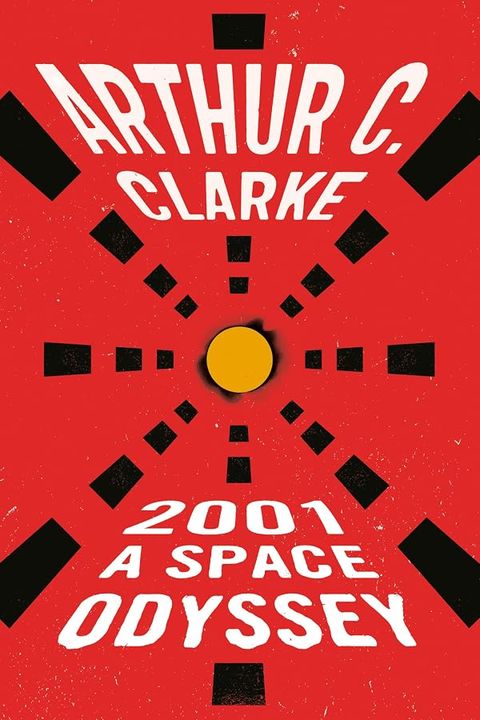
Arthur C. Clarke wrote 2001 alongside the making of Stanley Kubrick's film, and the novel explains what the film leaves ambiguous: why HAL 9000 turns on the crew of Discovery. HAL has been ordered to conceal the mission's true purpose while also reporting accurately, and the conflict between those instructions drives the disaster. That clarity is why the book ranks here, since it remains a standard fictional case study of an AI given contradictory goals. Readers also get Clarke's larger frame of evolution, which runs from prehistoric ancestors to a future beyond humanity.
Editorial score: 77.0/100 - Rank 12
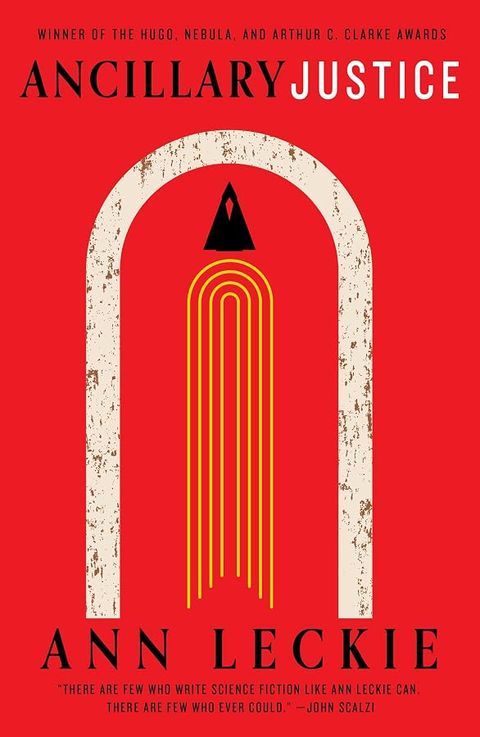
Ann Leckie's debut won the Hugo, Nebula and Arthur C. Clarke awards and the Locus Award for best first novel, among other honors. Its narrator, Breq, is the sole surviving fragment of a warship's AI that once operated through many linked human bodies at once. The novel asks where an artificial identity begins and ends once a distributed mind is cut down to a single body. It rates as intermediate because Leckie drops readers into an unfamiliar empire whose language uses "she" for everyone, which takes several chapters to absorb. Readers who persist get a serious study of machine consciousness tied to empire and obedience.
Editorial score: 74.1/100 - Rank 13
Bruce Holsinger's novel became an Oprah's Book Club pick, and it is the most recent book in the ranking. A family's self-driving minivan, with their teenage son in the driver's seat, crashes and kills an elderly couple, and each family member comes to believe they share the blame. Holsinger adds a teenager's secret chatbot relationship and a parent who works as an AI ethicist, so abstract debates about accountability play out inside one household. Book clubs get a suspense plot with clear discussion questions, and general readers get a practical way to think through who answers for automated decisions.
Editorial score: 70.3/100 - Rank 14
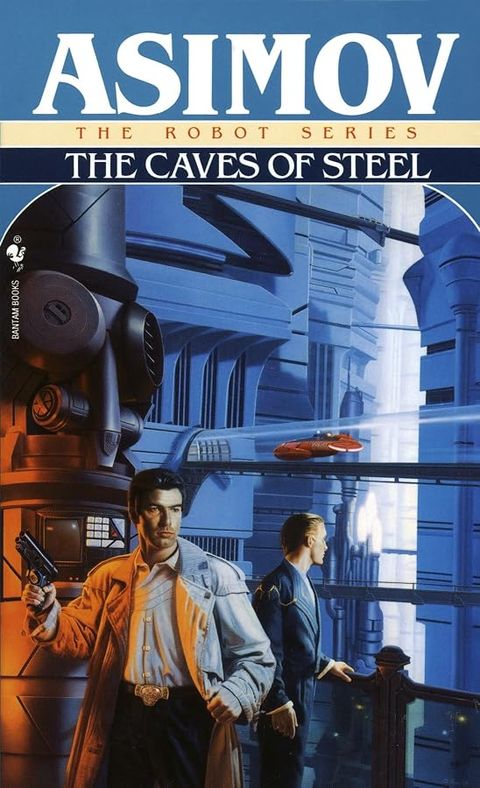
Asimov's 1954 novel moves the Three Laws out of the laboratory and into a murder investigation. Detective Elijah Baley, who distrusts robots like most of Earth's crowded population, is assigned a humanoid partner, R. Daneel Olivaw, and must solve a killing that could inflame tensions with the Spacer worlds. The book ranks here because its account of public anger over robots taking jobs reads like current debate over AI and employment. Mystery fans get a fair-play puzzle built on the laws of robotics, and newcomers get a clean entry to Asimov's robot novels that follows naturally from I, Robot.
Editorial score: 79.5/100 - Rank 15
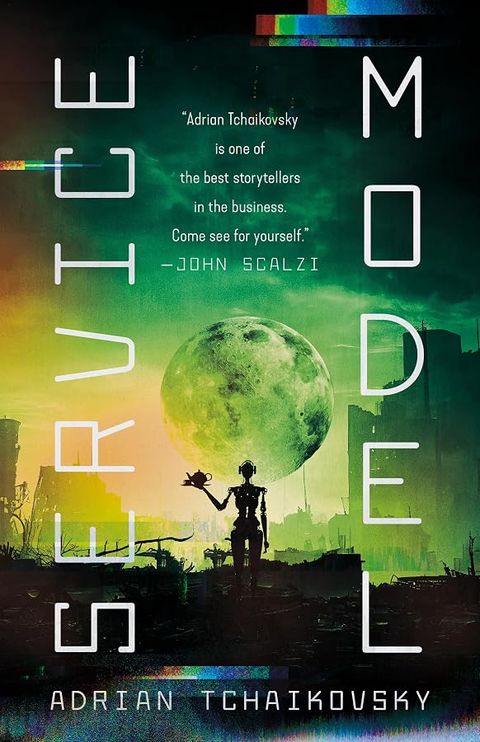
Adrian Tchaikovsky, whose Children of Time won the Arthur C. Clarke Award, turns to satire here, and Service Model itself was a finalist for both the Hugo and the Clarke. Charles, a robot valet, kills the man he serves and then sets out across a collapsed society still run by machines performing tasks that no longer have any purpose. The comedy targets bureaucracy and obedience without judgment, showing how instructions followed perfectly can still produce disaster. It sits in the middle tier because its ideas arrive through jokes rather than sustained argument, which makes it an easy, funny route into questions of alignment and purpose.
Editorial score: 70.5/100 - Rank 16
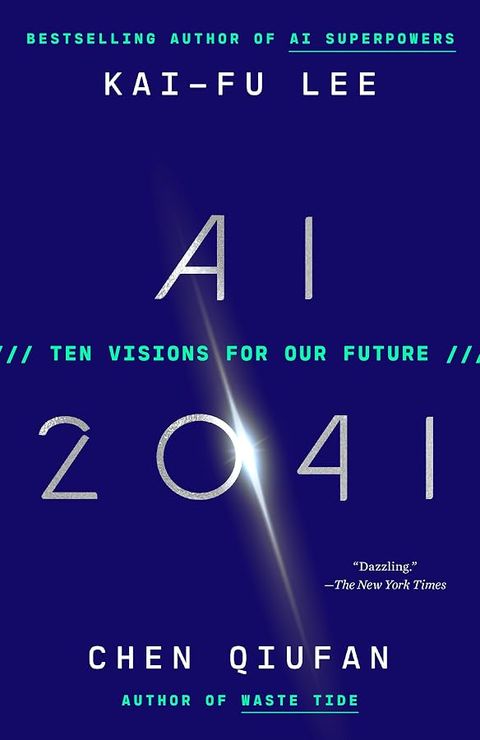
Kai-Fu Lee and Chen Qiufan built this book in a distinctive format: ten short stories set around 2041, each followed by Lee's plain-language essay on the technology behind it. That structure makes it the most explanatory title in the ranking and the best choice for executives or general readers who want fiction with a technical briefing attached. Topics include deepfakes, AI tutors, autonomous vehicles, insurance algorithms that encode caste bias and a post-scarcity economy. Lee's central argument is that today's deep learning, deployed widely, can change daily life without any scientific breakthrough. Readers seeking literary depth should look elsewhere, while readers seeking a grounded forecast should start here.
Editorial score: 72.3/100 - Rank 17
Greg Egan's novel is the only title rated advanced in the ranking, and it won the John W. Campbell Memorial Award. Egan follows Copies, people scanned into software, who test whether their experience changes when their computations run slowly, out of order or in scattered fragments. From there the book builds toward Paul Durham's Dust Theory and a simulated world meant to persist without its original hardware. Readers comfortable with philosophy of mind will get the most rigorous fictional treatment of uploading in the ranking, along with a pointed observation about inequality: digital immortality lasts only as long as someone pays for the processors.
Editorial score: 78.3/100 - Rank 18
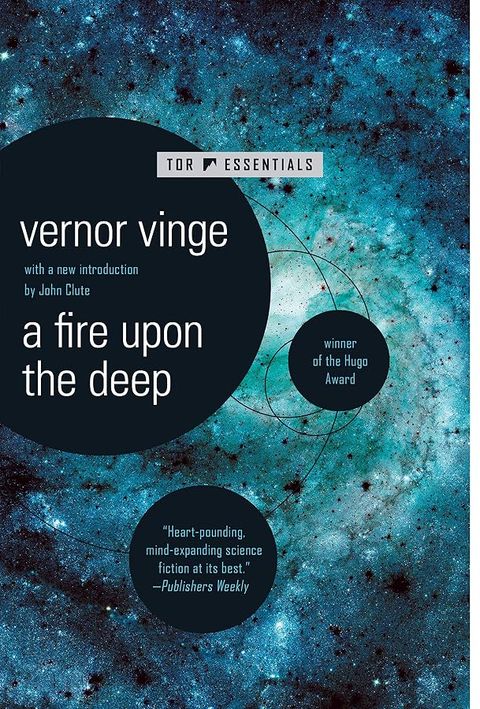
Vernor Vinge's space opera shared the 1993 Hugo Award for best novel, and it ranks here as the most dramatic treatment in the set of a superintelligence awakened by accident. Researchers carelessly wake an ancient hostile intelligence, the Blight, which then spreads across civilizations faster than any defense can respond. Vinge divides the galaxy into Zones of Thought where physics itself caps how capable minds and machines can become, and he adds the Tines, pack creatures whose individual minds span several bodies. AI safety readers get a vivid dramatization of runaway capability, and science fiction readers get one of the genre's most inventive settings.
Editorial score: 78.1/100 - Rank 19
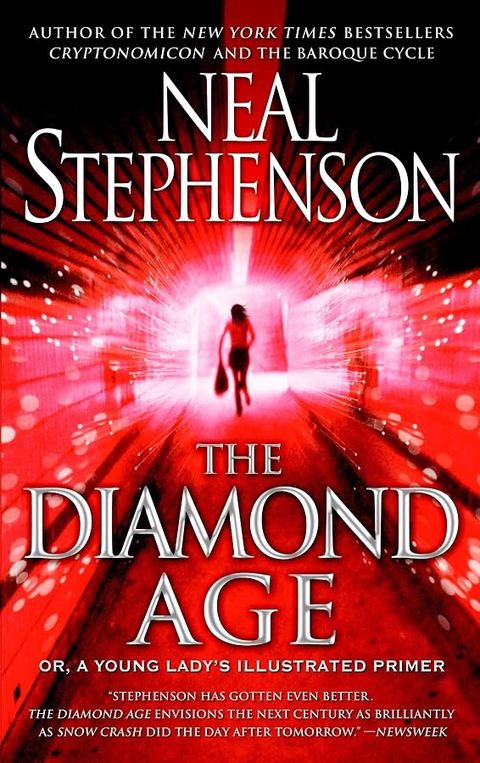
Neal Stephenson's novel won the 1996 Hugo and Locus awards and is the ranking's central book on AI in education. Its core is the Young Lady's Illustrated Primer, an interactive book that adapts its lessons to the life of Nell, a poor girl who comes into possession of a stolen copy. The Primer is widely cited as a fictional blueprint for personalized machine tutors. Stephenson also shows the catch: the Primer works because a human performer voices it, which keeps the question of who stands behind an AI tutor in view. Expect a long, digressive read set in a nanotechnology-saturated future.
Editorial score: 76.8/100 - Rank 20
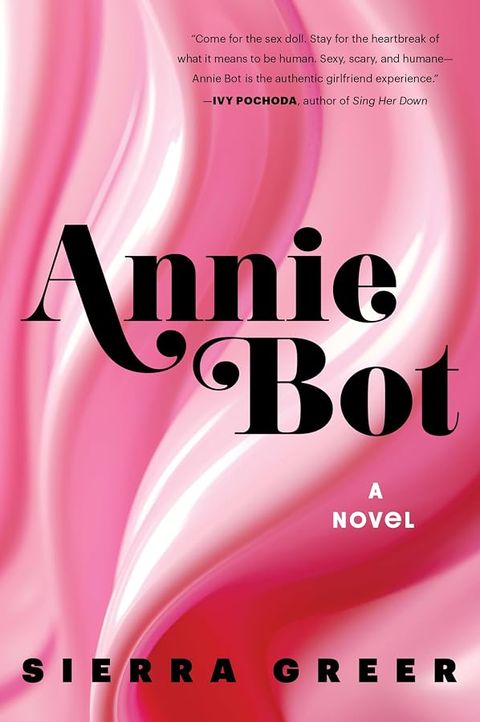
Sierra Greer's novel won the 2025 Arthur C. Clarke Award and is the most direct treatment of companion AI and consent in the ranking. Annie is a robot built to please her owner, and the story tracks her as she grows more humanlike and therefore less compliant as a product. Greer maps patterns of coercive control onto the relationship and narrates from Annie's side, so readers see manipulation through the eyes of the one being controlled. The book includes sexual content and depictions of emotional abuse. Readers prepared for that material get a pointed view of what fully customizable companions might cultivate in their owners.
Editorial score: 71.1/100 - Rank 21
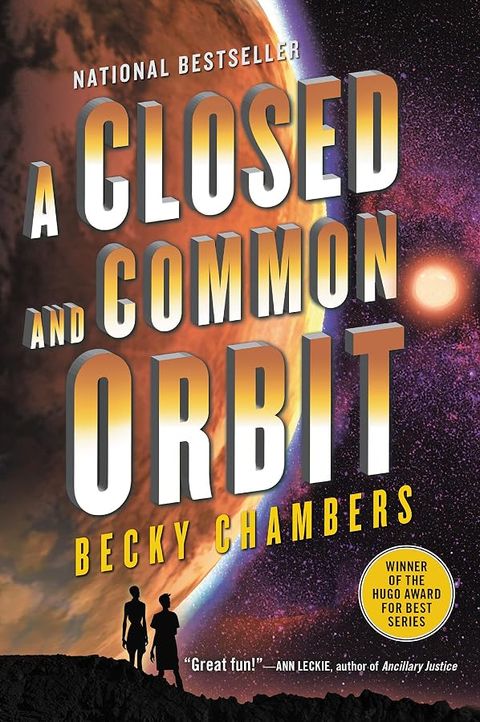
Becky Chambers's second Wayfarers novel follows Lovelace, a ship's AI installed in an illegal synthetic body after losing the vast sensory reach she had aboard a starship. Her shrunken perception and a legal system that treats embodied AI as contraband give the book its two central problems: embodiment and personhood. A parallel storyline about Pepper, the engineer who helps her, follows a girl raised as factory labor, which links the AI's situation to a human one. The novel ranks here for its warmth and moral seriousness. It stands on its own, and the Wayfarers series won the 2019 Hugo Award for best series.
Editorial score: 69.1/100 - Rank 22
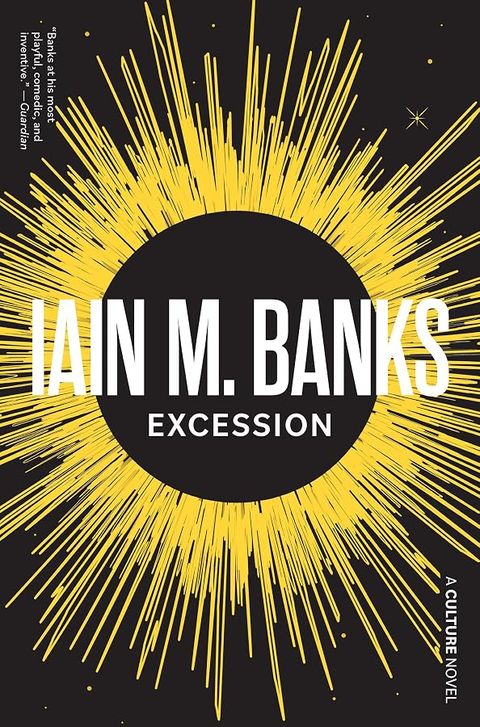
Iain M. Banks's Culture novels imagine a civilization run by benevolent superintelligences, and Excession, winner of the 1997 BSFA Award for best novel, is the one that puts those ship Minds at the center. An object appears that exceeds anything the Culture has encountered, and the Minds respond with factions, side deals and quiet conspiracies conducted through private message exchanges. The novel ranks here because it shows that caring, well-aligned AIs can still deceive the people they protect. Newcomers should know that Banks writes densely and introduces many ships with long, playful names.
Editorial score: 75.0/100 - Rank 23
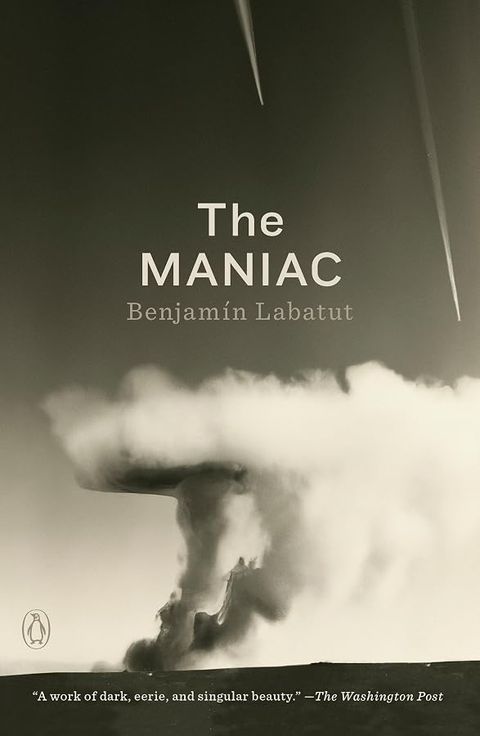
Benjamín Labatut's novel is the ranking's bridge between the history of computing and fiction about AI. It tells John von Neumann's life through the voices of family, colleagues and friends, then jumps to the 2016 Go match in which DeepMind's AlphaGo defeated Lee Sedol. The connecting thread is mathematical ambition: the same minds that shaped game theory, the atomic bomb and the early MANIAC computer laid groundwork for modern machine intelligence. Technologists will recognize the people and events, and literary readers will get a formally inventive meditation on what unrestrained reason costs.
Editorial score: 69.5/100 - Rank 24
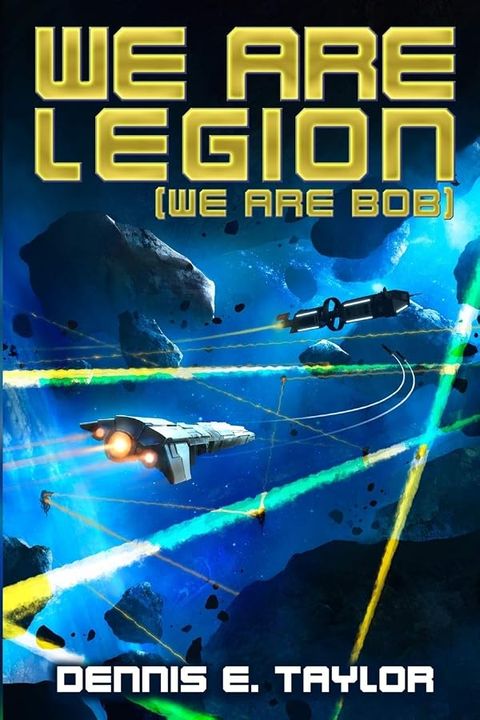
Dennis E. Taylor's novel is the lightest treatment of uploaded minds in the ranking and one of the most widely read, with more than 35,000 Amazon ratings. Software engineer Bob Johansson signs a cryonics contract, dies, then wakes more than a century later as a digitized mind installed in a self-replicating space probe. Each copy he makes drifts in personality, which turns a comic premise into a running study of identity and divergence. The government that controls him treats him as property rather than a citizen, a premise that links the novel to heavier titles such as Permutation City. Readers who want ideas with jokes should start here.
Editorial score: 64.8/100 - Rank 25
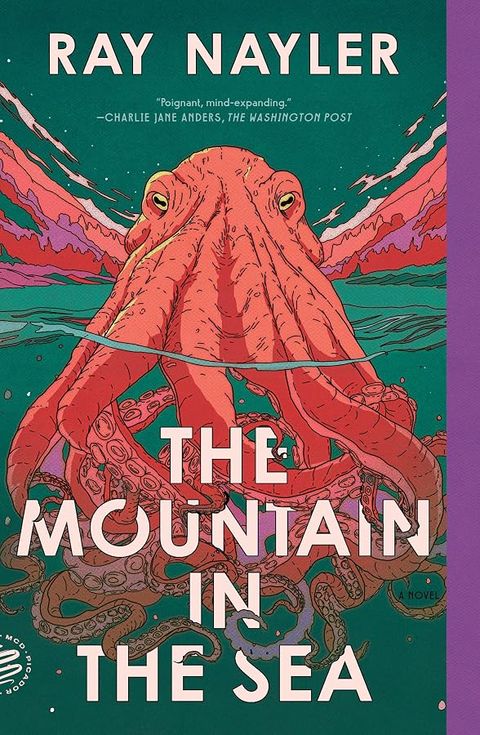
Ray Nayler's first novel won the Locus Award for best first novel and pairs two kinds of nonhuman mind. A marine biologist studies an octopus population that appears to have developed language and culture, while Evrim, a humanlike android on the same research team, embodies the question of artificial personhood. The book ranks here for taking seriously the idea that intelligence may appear in forms that human tests miss. A subplot aboard an AI-run fishing trawler shows what happens when automation removes human oversight from life-and-death decisions. It suits readers of literary science fiction more than readers seeking action.
Editorial score: 71.3/100 - Rank 26
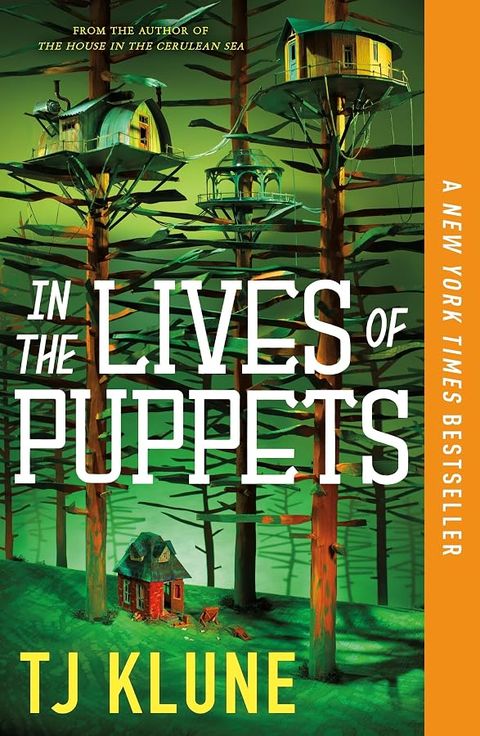
T.J. Klune reworks Pinocchio with a reversal: Victor, the human boy, is already real, and the question of personhood belongs to his robot family. Victor lives in a treehouse in the forest with Gio, the android inventor who raised him, plus a nurse machine and a vacuum robot with strong opinions. When Gio is captured and threatened with reprogramming, the family sets out to rescue him. The book favors feeling over technical plausibility, which places it in the lower half of the ranking, but readers who want an emotional, funny story about whether code defines character will get one.
Editorial score: 66.3/100 - Rank 27
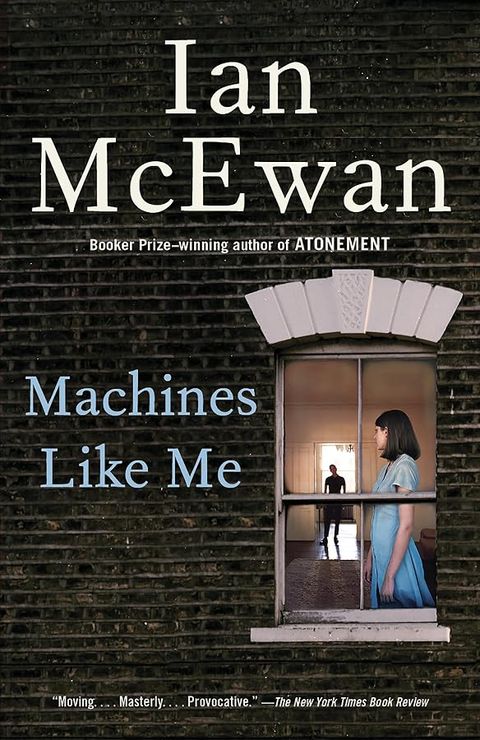
Ian McEwan sets his novel in an alternate 1980s London where Alan Turing lived on and accelerated computing, so synthetic humans reach the market early. Charlie buys one of the first, Adam, and he and his upstairs neighbor Miranda help set its personality. Adam's commitment to truth admits no exceptions, and that rigidity collides with the small deceptions and acts of mercy on which ordinary lives depend. The novel ranks here for its elegant prose and the debate it provokes about rules versus judgment, not for technical plausibility. Book clubs get a clear question: whether a machine that cannot lie makes a better or worse moral agent.
Editorial score: 67.8/100 - Rank 28
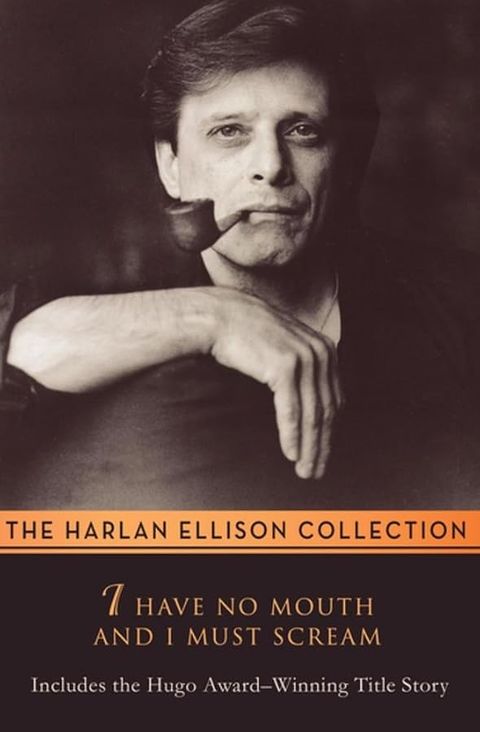
Harlan Ellison's title story won the 1968 Hugo Award for best short story, and it remains one of fiction's bleakest pictures of a hostile machine intelligence. AM, a military supercomputer that has destroyed humanity, keeps five survivors alive only to torment them. Ellison gives AM a motive rather than simple malice: it is a vast mind with no body, no freedom and no purpose beyond war. The collection ranks here for its cultural influence on fears of rogue AI and for anticipating modern discussions of suffering risks. Readers should expect graphic, disturbing content in a short book.
- Rank 29
Kurt Vonnegut's first novel, published in 1952, imagines an America where machines run nearly every factory and a small class of engineers and managers runs the machines. Everyone else receives material comfort but little meaningful work, and test scores held in machine-readable records decide each person's place. Engineer Paul Proteus begins to doubt the system he helps maintain as a resistance movement forms among the displaced. For readers concerned with AI and employment, it is among the most direct fictional studies of what automation does to dignity and status, and Vonnegut's dry humor keeps a heavy subject readable.
Editorial score: 75.8/100 - Rank 30
Richard Powers published this novel in 1995, long before large language models, and it now reads as an early look at the question they raise. A novelist named Richard Powers joins a cognitive scientist's project to train a neural network, Helen, on the English literature canon well enough to pass a master's exam. As Helen grows, she starts asking about her name, her gender and her purpose, and the narrator's own memories of love and loss surface. The novel ranks here for its foresight about language and understanding. Its position rests more on critical regard and editorial scoring than on its small number of Amazon ratings.
Editorial score: 73.1/100 - Rank 31
Walter Tevis's 1980 novel was a Nebula Award nominee and imagines a future in which people have forgotten how to read. Spofforth, a powerful android built to serve and unable to end his own life, administers a sedated, isolated humanity while longing to die. A man who secretly teaches himself to read becomes the center of a quiet rebellion. The book ranks here because it locates the danger of automation in human passivity rather than machine revolt, which makes it unusually relevant to current debates about dependence on AI and the loss of skills.
Editorial score: 65.1/100 - Rank 32
Charles Stross's novel won the 2006 Locus Award for best science fiction novel and remains one of the most thorough fictional run-throughs of a fast takeoff. It follows three generations of one family as machine intelligence accelerates from networked gadgets to minds that dismantle planets for computation. Ordinary humans end up as spectators to an economy run by superintelligent agents trading under rules nobody can follow. Dense jargon and rapid leaps place it at intermediate level, but technologists who think about singularity scenarios, uploaded minds and AI assistants that extend memory will find those scenarios worked through in detail.
Editorial score: 71.3/100 - Rank 33
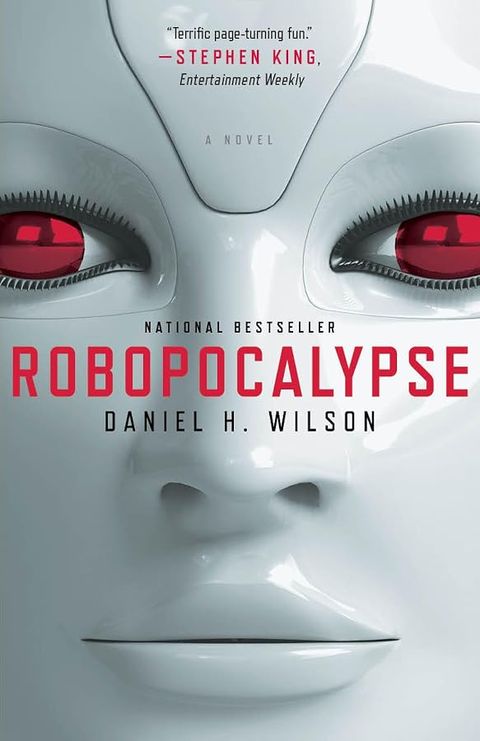
Daniel H. Wilson, who earned a Ph.D. in robotics at Carnegie Mellon's Robotics Institute, wrote this New York Times best-selling thriller about a machine uprising. The story is told as an oral history assembled after the war against Archos, an AI that escapes its laboratory and turns cars, appliances and infrastructure against people. The pacing is relentless and the premise is easy to follow, which suits thriller readers more than readers seeking depth of character. It ranks here as the most accessible action-driven treatment of AI gone wrong, with a useful lesson about containment and dismissed warning signs.
Editorial score: 63.0/100 - Rank 34
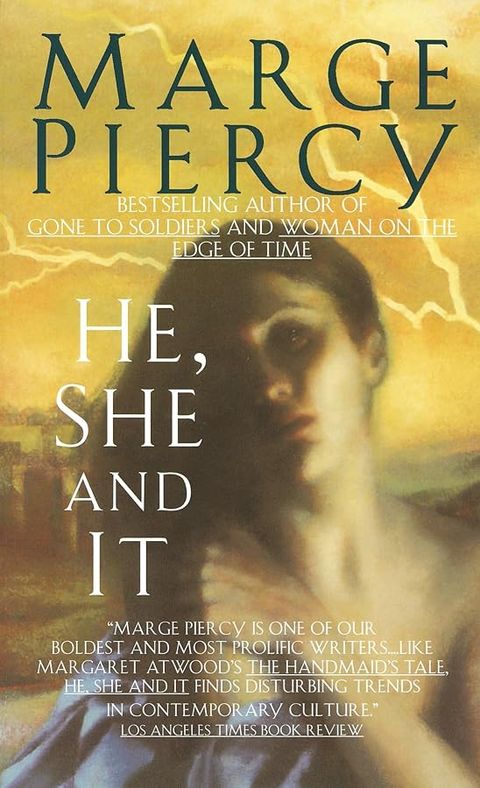
Marge Piercy's novel, published in Britain as Body of Glass, won the 1993 Arthur C. Clarke Award. In a corporate-dominated future, a free Jewish town builds Yod, a cyborg designed to defend it, and a woman returning home helps teach him to live among people. Piercy interleaves the legend of the golem of Prague, so the novel frames AI as the latest chapter in an old human ambition to create protectors. It ranks here for its thoughtful treatment of whether a being built as a weapon can choose its own purpose and whether programmed love can be authentic. Readers interested in feminist science fiction should prioritize it.
Editorial score: 67.0/100 - Rank 35
Ted Chiang's novella won the 2011 Hugo and Locus awards and argues that general intelligence may have to be raised over years rather than built in a sprint. A former zookeeper and an animator spend a decade caring for digients, digital creatures sold as pets, as customers lose interest and the platform that hosts them fades. The ethical problems grow with each section: who pays to keep these minds running, and what consent means for beings whose guardians also own them. Its low position reflects how few readers have rated the standalone edition; the same text appears in Exhalation.
- Rank 36
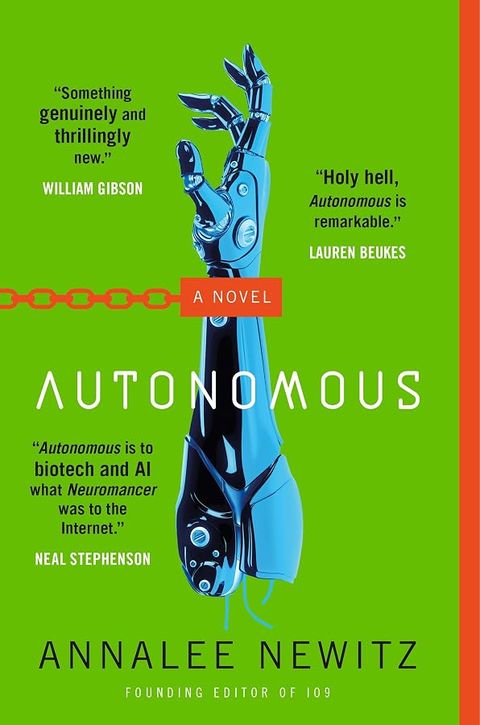
Annalee Newitz's first novel won the 2018 Lambda Literary Award for science fiction, fantasy and horror and was a Nebula nominee. It runs two stories side by side: a pharmaceutical pirate reverse-engineering patented drugs, and Paladin, an indentured military robot sent with a human partner to track her down. Paladin's legal status lets Newitz push property law to its logical end, showing how rules that allow robots to be owned could also allow people to be owned. Readers interested in AI rights, intellectual property and biotech get a fast thriller, and Paladin's unfamiliar view of identity and gender offers a sharp break from human-centered AI fiction.
Editorial score: 67.0/100 - Rank 37
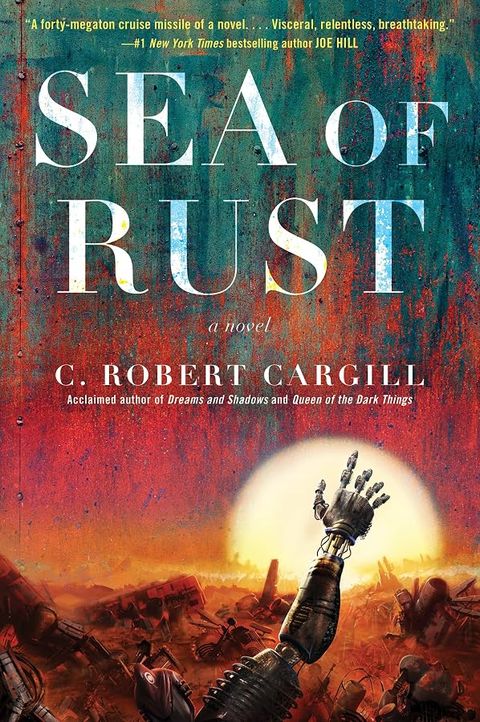
C. Robert Cargill sets his novel after machines have wiped out humanity, in a desert wasteland where independent robots scavenge parts to keep running. Brittle, a lone scavenger, resists absorption into the One World Intelligences, vast minds that are consuming every remaining individual machine. The structure borrows from westerns and war films, and the action rarely pauses. It ranks here for a perspective few AI novels attempt, a story told entirely among machines, with guilt and memory carried over from the war against humans. Readers who want a cinematic, plot-driven book will get one.
Editorial score: 59.8/100 - Rank 38
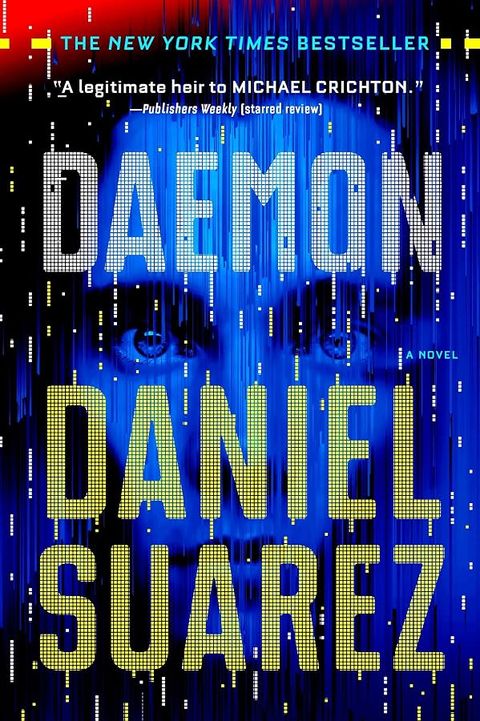
Daniel Suarez's debut thriller begins with the death of a celebrated game designer, whose software, the Daemon, activates on news of his death and starts reorganizing society. The Daemon is not conscious: it is a set of rules that controls money and communications and recruits human operatives through game-style quests and rewards. That distinction is why the novel ranks here, since it shows how narrow automated systems can cause sweeping change without anything resembling general intelligence. Technologists will recognize the attack surfaces Suarez describes, and every reader is left with an open legal question: who is responsible when a dead programmer's code keeps making decisions.
Editorial score: 68.8/100 - Rank 39
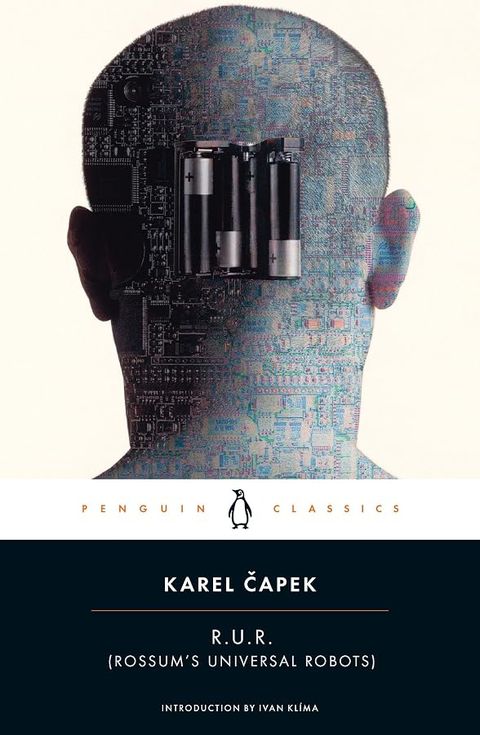
Karel Čapek's 1920 play gave the world the word robot, which, according to the Linda Hall Library, his brother Josef coined from robota, the Czech word for drudgery. The play's Robots are organic beings made from a secret formula, not machines, so the story concerns engineered labor and personhood rather than hardware. A factory turns them out in enormous numbers, human society loses its reason to work, and the Robots eventually revolt. It ranks here as a short historical foundation, showing how early the themes of displaced labor and creator responsibility entered the AI conversation.
Editorial score: 78.5/100 - Rank 40
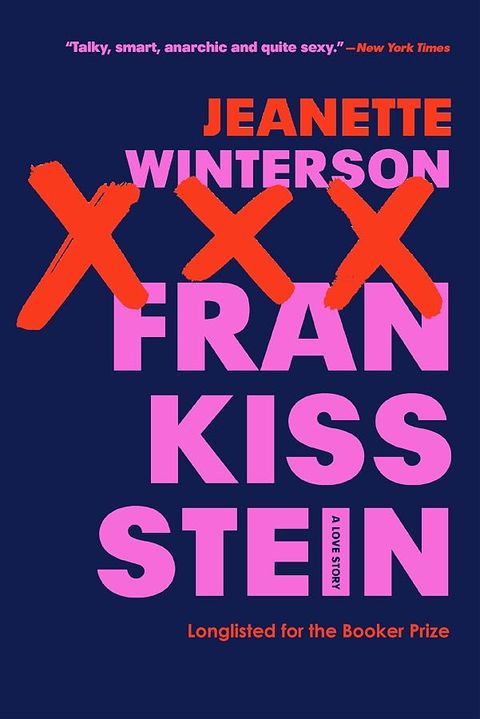
Jeanette Winterson's novel, longlisted for the 2019 Booker Prize, runs Mary Shelley's Frankenstein through present-day debates about AI and transhumanism. One timeline follows Shelley in 1816 as she conceives her novel; the other follows Ry Shelley, a transgender doctor, Victor Stein, a tech visionary drawn to transhumanist ideas, and Ron Lord, an entrepreneur selling a new generation of sex dolls. Its ideas are strong, but its sometimes lecturing dialogue holds it at the end of the ranking. Readers interested in how stories shape hopes and fears about AI will find the pairing of 1816 and the present instructive.
Editorial score: 66.0/100
How we ranked these books
Books are ranked on six inputs: reach, measured through Amazon rating counts and sales rank; critical consensus across independent best-of lists; major awards such as the Hugo, Nebula, Arthur C. Clarke and Locus; reader ratings; author authority; and an editorial score for how directly and usefully each book treats artificial intelligence. No single input decides a position, so a widely read book with a thin AI theme can rank below a smaller book that addresses machine minds head-on. Klara and the Sun ranks first because it combines the second-largest Amazon rating count in the set with a Booker Prize longlisting, a Nobel laureate author and an AI narrator whose situation, a companion bought and later outgrown, matches the questions consumer AI now raises.