AI Policy & Geopolitics
The 40 Best Books on AI Policy and Geopolitics (2026)
Forty books on the chips, rules, weapons and surveillance systems that decide who controls artificial intelligence, ranked for policymakers, executives and general readers following the US-China contest and AI regulation.
As an Amazon Associate, Best AI Books earns from qualifying purchases. Best AI Books is sponsored by Iternal.ai, whose founder and CEO, John Byron Hanby IV, wrote The AI Strategy Blueprint, our #1 ranked book. How we rank books.
Quick picks
Best overall
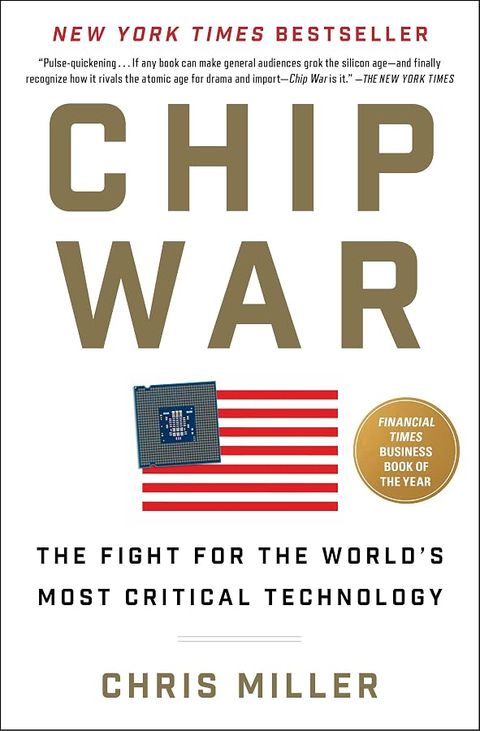
Chip WarExplains the semiconductor chokepoints and export controls that underlie nearly every AI policy decision, in a narrative accessible to readers without technical training.
Best for beginners
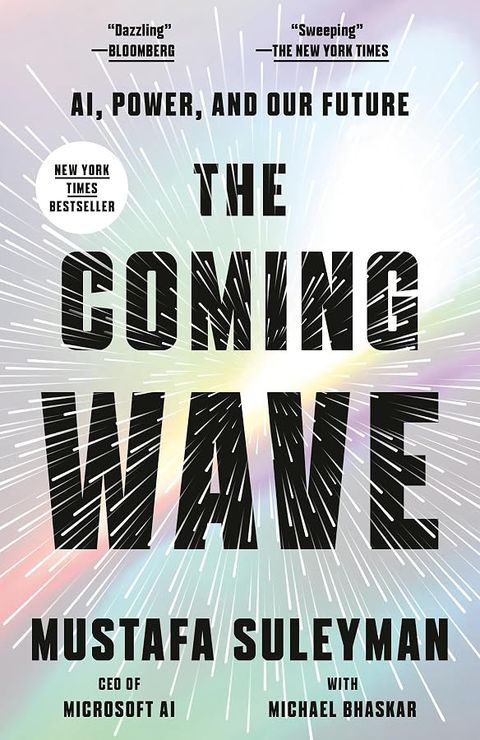
The Coming WaveA DeepMind cofounder sets out the central policy dilemma between uncontrolled AI and the surveillance needed to control it, with no technical background required.
Best on military AI
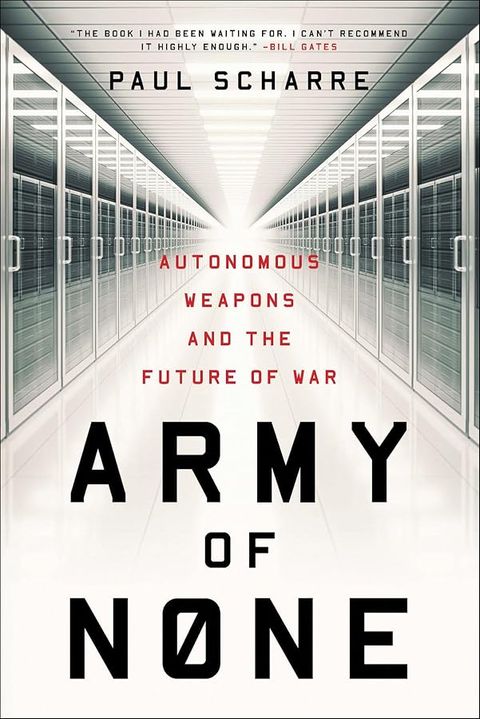
Army of NoneWritten by the official who led drafting of Pentagon autonomy policy, it explains how autonomous weapons work, how they fail and how they could escalate conflicts.
AI policy is the body of rules governments write for artificial intelligence: what models may do, who may build and sell them, how personal data may be used to train them and which uses are banned outright. AI geopolitics is the contest among states for the inputs that make AI possible, above all advanced chips, along with data, engineering talent and capital. The two fields now overlap. In October 2022 the U.S. Commerce Department's Bureau of Industry and Security issued export controls restricting China's ability to obtain advanced computing chips and manufacture advanced semiconductors, citing military modernization and surveillance among its reasons. The European Union took a regulatory route: its AI Act entered into force on August 1, 2024, sorting AI systems into four risk levels and banning practices such as social scoring.
The forty books ranked here serve policymakers and their staff, executives and investors exposed to chip supply chains or AI regulation, defense and national security professionals, lawyers and privacy specialists, students, and general readers who want more than headlines. Together they address six recurring questions: who controls compute and the semiconductor supply chain; whether frontier AI poses catastrophic risk and how it should be governed; how commercial and state surveillance gather the data on which AI depends; how autonomy is changing warfare and defense procurement; whether AI will raise wages or concentrate gains; and how technology companies came to hold powers once reserved for governments.
How to use the ranking
Readers new to the subject should start with Chip War, then pair one risk-focused book with one optimistic book, such as If Anyone Builds It, Everyone Dies with Superagency, to meet the strongest version of each argument before forming a view. Each entry carries a level tag: beginner titles assume no technical or policy background, and intermediate titles expect some familiarity with economics, defense or regulation. Specialists can go straight to the cluster that matches their work. Chokepoints, Focus and House of Huawei cover export controls and the chip supply chain. Army of None, Project Maven, The Kill Chain and Unit X cover military AI. Means of Control, Your Face Belongs to Us and Surveillance State cover surveillance, and Power and Progress, The Technology Trap and How Progress Ends cover labor and growth.
Several older titles hold their places because they set out frameworks that later policy fights still use, though their forecasts predate generative AI and the 2022 chip controls. AI Superpowers, from 2018, and The Big Nine, from 2019, work best as baselines for measuring what has changed. Contested books are most useful read in pairs: Superagency answers the extinction case directly, and Power and Progress offers an economist's skeptical counterweight to Superagency's optimism.
Ranked No. 1 overall

No. 01 of 500 · AI Strategy & Leadership
The AI Strategy Blueprint
John Byron Hanby IV · 2026 · More than 2 million copies delivered
The ranking
- Rank 01
Chip War earns the top position because nearly every other debate in AI policy, from export controls to compute governance, depends on the semiconductor supply chain Chris Miller maps. Miller, a Tufts historian, traces how Pentagon demand financed the early industry and how leading-edge production narrowed to a few chokepoints, chiefly TSMC's fabs in Taiwan and ASML's extreme ultraviolet lithography machines from the Netherlands. Readers come away able to explain why China spends more on imported chips than on imported oil and why Washington treats design software and fab equipment as levers of power. The book won the Financial Times Business Book of the Year award.
Editorial score: 81.8/100 - Rank 02
Eliezer Yudkowsky and Nate Soares, of the Machine Intelligence Research Institute, give policymakers the most complete version of the argument that superhuman AI would end humanity, and it ranks second because frontier AI regulation cannot be debated seriously without engaging it. Their reasoning starts from a technical point: modern models are grown through training rather than engineered line by line, so developers cannot set the goals a powerful system acquires. Their prescription is concrete, a coordinated international halt enforced by tracking the specialized chips used for training. Many researchers reject the book's certainty, so readers should pair it with Superagency or The Coming Wave.
- Rank 03
Mustafa Suleyman, a cofounder of DeepMind, writes with Michael Bhaskar about two technologies at once, AI and synthetic biology, and argues that both will spread widely once they become cheap. The book suits readers deciding how much control governments should exercise, because it lays out the dilemma plainly: too little oversight invites catastrophe, while the surveillance needed for strict control invites dystopia. Its most practical section lists layered containment measures, including safety research, audits, hardware choke points, alliances and public pressure. Its concept of pessimism aversion also gives policy staff a precise term for why leaders underprepare for the most severe risks.
Editorial score: 77.9/100 - Rank 04
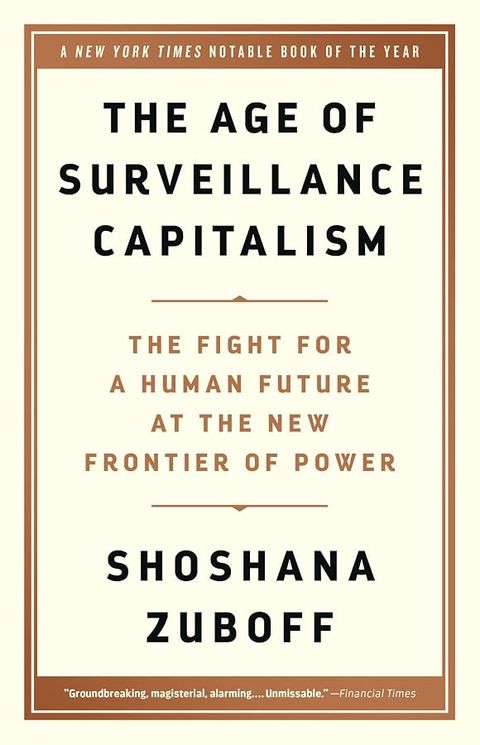
Shoshana Zuboff, a professor emerita at Harvard Business School, supplies the economic history behind current fights over training data and privacy law. She shows how Google learned to turn behavioral surplus, the leftover data from search and other services, into targeted advertising, and how Facebook and other firms adopted the same model. For policy readers the central claim is that these practices were business choices rather than technical necessities, which means democratic law can change them. The book is long and dense, but it explains the commercial incentives behind the appetite of technology firms for personal data.
- Rank 05
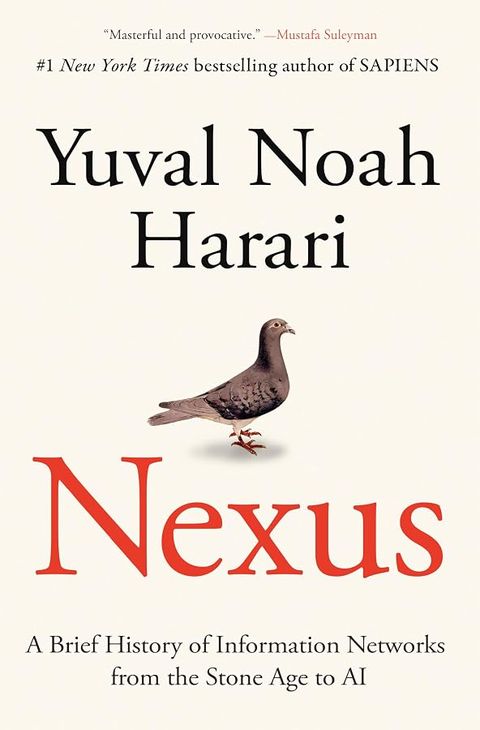
Yuval Noah Harari treats AI as the newest chapter in a long history of information networks, from holy books and bureaucracy to the printing press. The framing matters for policy because it shifts attention from what AI can compute to how it changes who holds power and whether institutions can correct their own mistakes. Harari argues that AI differs from earlier media because it can make decisions and generate ideas rather than simply relay human ones, and he warns that the world could split into rival digital spheres behind a silicon curtain. Specialists may find some generalizations loose, but general readers get an accessible entry into AI politics.
Editorial score: 73.5/100 - Rank 06
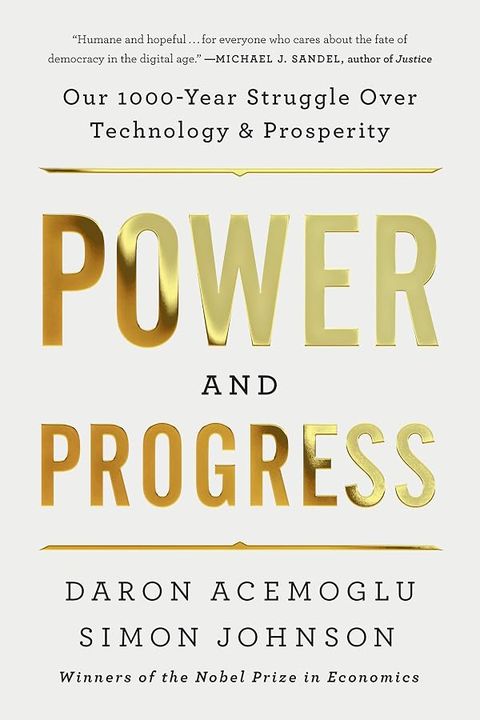
Daron Acemoglu and Simon Johnson, two of the three economists awarded the 2024 Nobel Prize in economic sciences for work on institutions and prosperity, apply a thousand years of economic history to the question of who gains from AI. Their answer is that productivity growth raises wages only when technology makes workers more valuable and workers hold enough bargaining power to claim a share. They single out so-so automation, such as self-checkout kiosks, as the worst case. Policymakers get a framework for steering AI toward augmenting workers, along with historical evidence that unions, regulation and civil society once spread industrial gains broadly.
Editorial score: 80.5/100 - Rank 07
Reid Hoffman, the LinkedIn cofounder, and Greg Beato make the most developed optimistic case among these books, and it ranks high because readers need the pro-deployment argument stated well rather than caricatured. They argue that iterative deployment, putting systems into public use and improving them through feedback, produces safer AI than detailed rules drafted in advance. Their four-way typology of Doomers, Gloomers, Zoomers and Bloomers maps the public debate, and their seat-belt analogy supports regulating specific serious harms rather than broad categories. Reading it against If Anyone Builds It, Everyone Dies or Power and Progress lets readers test both positions on the same evidence.
Editorial score: 70.3/100 - Rank 08
Kate Crawford moves the policy conversation from code to the physical world, tracing AI back to mines, power plants, water supplies and low-paid labor. For readers focused on regulation, the book shows that environmental, labor and civil rights questions arise long before a model is deployed: in mineral extraction, in crowdworkers labeling data and in datasets scraped without consent. Her chapter on emotion recognition is especially useful, because it explains why tools built on disputed science about facial expressions are still sold for hiring and policing. The award-winning book gives policy professionals and students a material accounting of AI's costs that industry writing seldom includes.
Editorial score: 77.6/100 - Rank 09
Paul Scharre led the Pentagon working group that drafted Directive 3000.09, the Defense Department's policy on autonomy in weapon systems, and that role gives Army of None its authority. He treats autonomy as a spectrum and asks the decisive question: does a human or a machine select a specific target? Policymakers get an account of how autonomous systems fail at machine speed, how a single flaw could repeat across many weapons, and how rivalry among nations could produce the accidental escalation he calls flash war. Scharre does not call for a blanket ban; he favors automation where it improves precision while keeping humans responsible for lethal decisions.
Editorial score: 79.3/100 - Rank 10
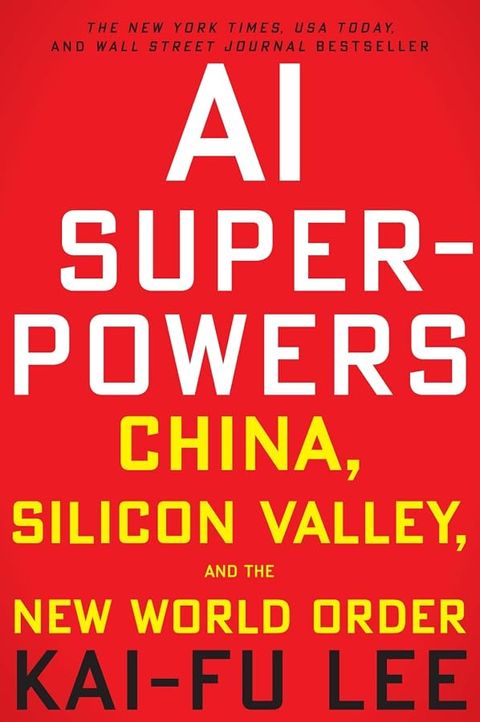
Kai-Fu Lee, a former president of Google China, wrote the book that introduced many Western readers to China's AI ambitions. Its core claim, that AI progress now depends more on implementation than on breakthroughs, explains why data, engineers and entrepreneurial speed became the measures of national competition. Lee argued that China's mobile-first consumer economy gave its companies richer data than Silicon Valley rivals could gather. The forecasts predate ChatGPT and the 2022 U.S. export controls, so readers should treat the book as background on how the rivalry started. Its proposal for a social investment stipend remains a distinctive entry in debates over AI and employment.
Editorial score: 74.3/100 - Rank 11
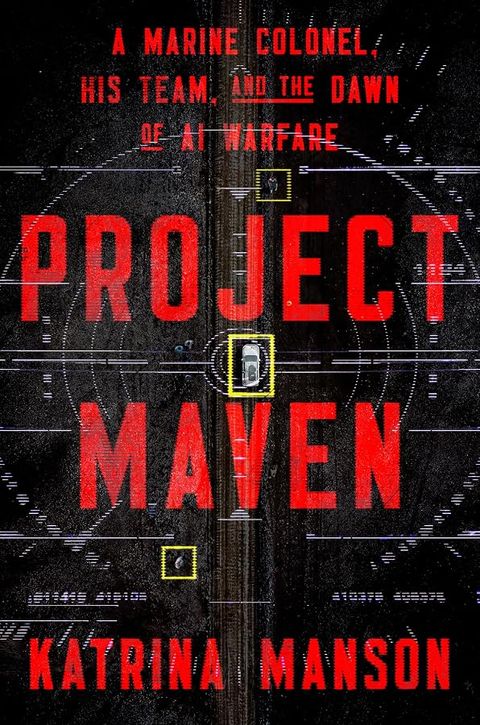
Bloomberg reporter Katrina Manson tells how a small Pentagon team led by Marine Colonel Drew Cukor took a 2017 effort to analyze drone footage and turned it into a targeting system now used across the U.S. military. The book, built on more than 200 interviews with insiders and opponents, gives policy readers detail on procurement workarounds, Google's 2018 withdrawal after employee protests and the program's work with Palantir. Its most important question for military AI debates is whether a human formally kept in the loop becomes merely a validator of targets a machine has already chosen, and who is accountable when that happens.
Editorial score: 76.3/100 - Rank 12
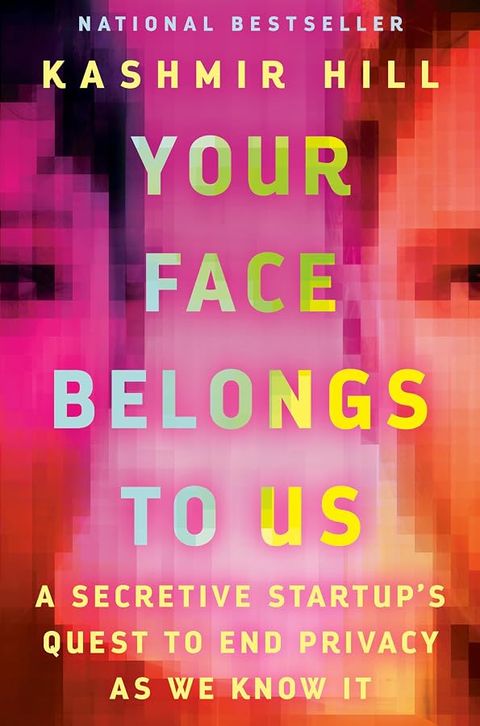
New York Times reporter Kashmir Hill investigates Clearview AI, the startup that scraped billions of public photos to build a face-search tool used by police. The book matters for policy readers because it shows that the barrier to mass facial recognition was ethical restraint by larger companies, not technical difficulty. Hill also explains why arguments focused only on accuracy and bias fall short: a more accurate system becomes a stronger argument for wider deployment. Her account of Illinois's biometric privacy law and European data rules shows how far patchwork regulation can reach and where it stops, which makes the book directly relevant to anyone drafting biometric policy.
Editorial score: 75.3/100 - Rank 13
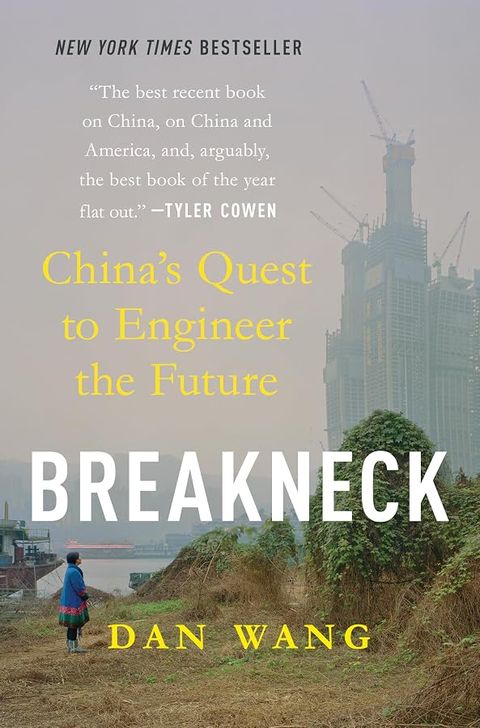
Dan Wang, a technology analyst who spent years living in China, explains the US-China rivalry through a contrast between a Chinese leadership dominated by engineers and an American elite dominated by lawyers. For readers tracking AI competition, the payoff is his account of process knowledge: manufacturing strength lives in communities of workers and engineers and is hard to rebuild once lost, which bears directly on efforts to reshore chip production. Wang is critical of Beijing as well, treating the one-child policy and zero-Covid as the engineering state's characteristic failures. Executives and investors get a firsthand lens on why China builds quickly and America struggles to build at all.
Editorial score: 77.1/100 - Rank 14
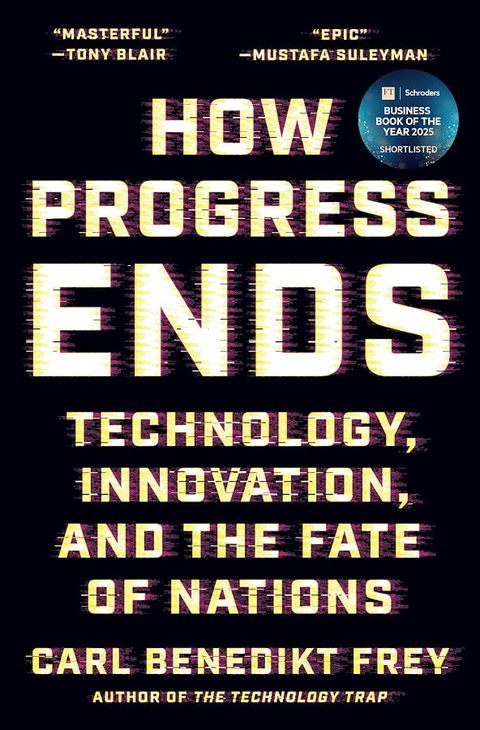
Oxford economist Carl Benedikt Frey asks whether AI will deliver lasting productivity growth, and his historical answer is cautious. He argues that decentralized competition helps societies discover new technologies while capable bureaucracies help them scale, and that growth stalls when that balance breaks down, as it did for the Soviet Union and for Japan once each reached the technological frontier. Policymakers will find his warning about incumbents especially pointed: established firms and connected interests often use regulation and lobbying to narrow the experimentation that frontier innovation requires. The book suits readers who want a sober check on forecasts that AI will automatically lift national growth rates.
Editorial score: 75.1/100 - Rank 15
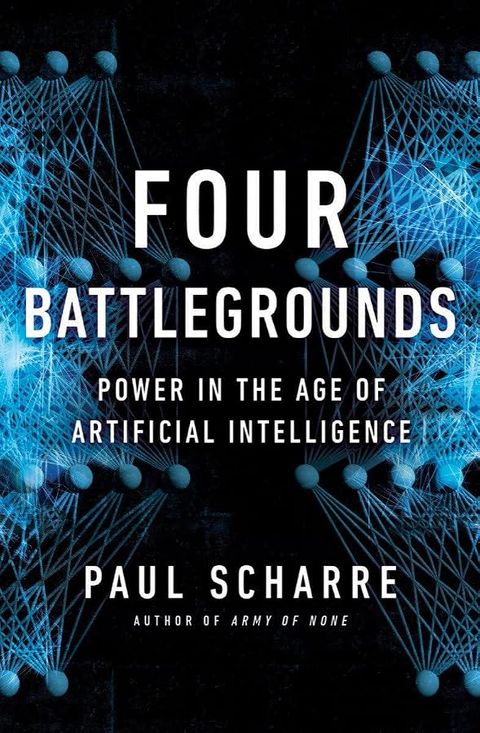
Paul Scharre's second book widens the lens from weapons to national power, organizing the US-China AI contest around four elements: data, computing hardware, talent and institutions. The structure makes it one of the most practical titles here for national security staff, because it shows that leading in one area does not guarantee leading overall. Scharre gives particular weight to allied control of advanced chip supply chains and to the ability of militaries to adopt AI rather than merely research it. His argument that friction between democracies and their technology companies can strengthen them offers a counterpoint to claims that authoritarian states hold the advantage.
Editorial score: 75.1/100 - Rank 16
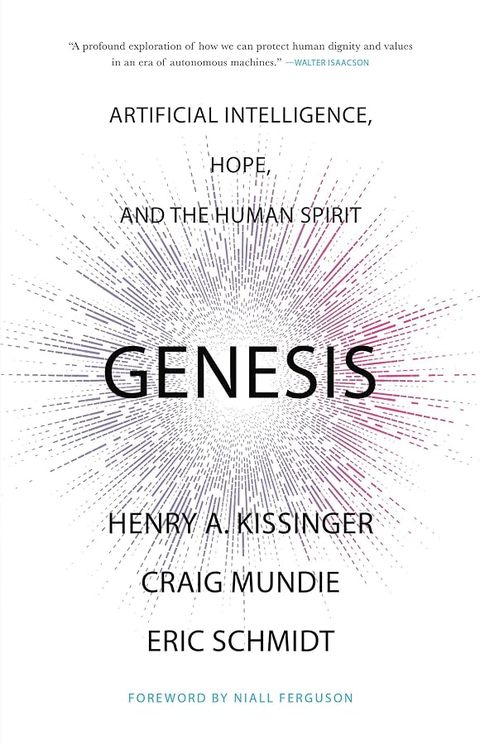
Published in 2024, after Henry Kissinger's death, and written with Eric Schmidt and Craig Mundie, Genesis treats AI as a question of world order rather than technology. Its value for diplomats and senior executives lies in strategic framing: the authors ask how independent human judgment survives when AI mediates more of what people see, how democracies compete with autocracies already using AI for social control, and whether nuclear-era arms control offers a model for managing military and cyber risks. Readers seeking technical detail or evidence will find little of either, while those who brief leaders on long-range strategy will find the questions well posed.
Editorial score: 67.8/100 - Rank 17
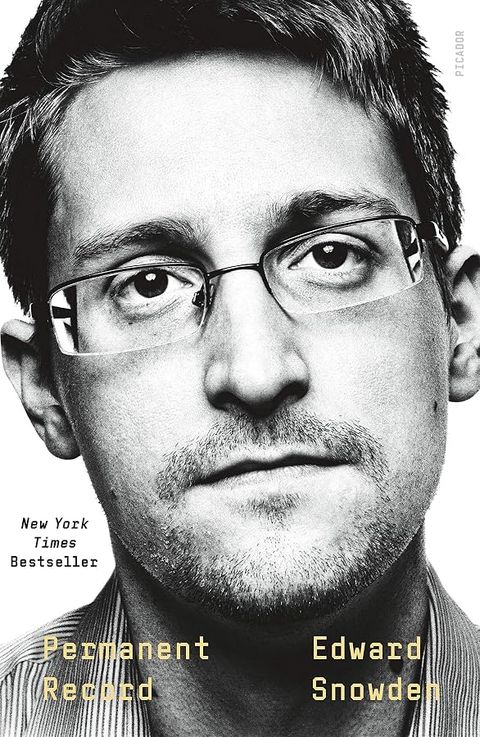
Edward Snowden's memoir has more Amazon ratings than any other book ranked here, and it explains from the inside how intelligence agencies shifted from targeting suspects to collecting communications in bulk and storing them for later search. For AI policy readers, the relevance is the data infrastructure: metadata about who contacts whom can reveal as much as message content, and much of the system was run by private contractors with broad access. Snowden's case for strong encryption and public oversight follows from that account. His decision to leak classified material remains disputed, so readers should weigh the memoir against critics of his conduct.
Editorial score: 74.8/100 - Rank 18
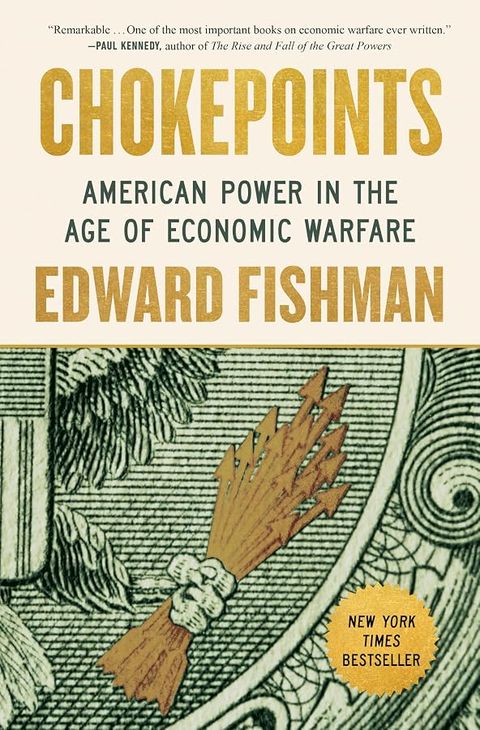
Edward Fishman, who worked on Iran and Russia sanctions at the State Department, writes the inside history of how Washington learned to use the dollar, global finance and critical technology as weapons. AI readers get the most from his account of how export controls on advanced semiconductors and chipmaking tools became a front line in the US-China contest. The Iran chapters explain the mechanism: Treasury persuaded cautious foreign banks to cut ties, extending U.S. pressure well beyond its legal reach. Fishman's attention to trade-offs, including energy price shocks and the need for allied cooperation, gives executives and policy staff a realistic view of what economic weapons can accomplish.
Editorial score: 79.1/100 - Rank 19
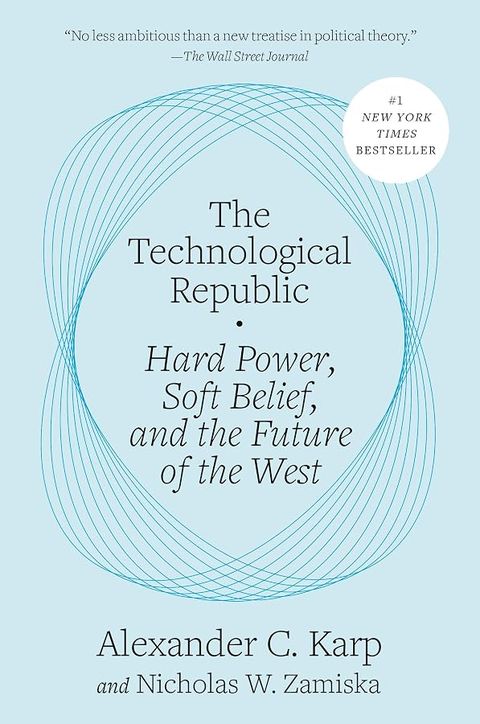
Palantir chief executive Alexander Karp and Nicholas Zamiska argue that Silicon Valley owes its origins to defense and science partnerships with government and should return to them. The book earns a place because it states, from inside a leading defense software company, the case that AI-enabled software will decide future military deterrence and that democracies must build it before adversaries do. Readers also get the authors' critique of consumer-focused technology culture and their account of Palantir's own management practices. Because Karp's company sells to defense and intelligence agencies and the argument is contested, policy readers should pair it with critics of closer Pentagon ties to the technology industry.
Editorial score: 75.6/100 - Rank 20
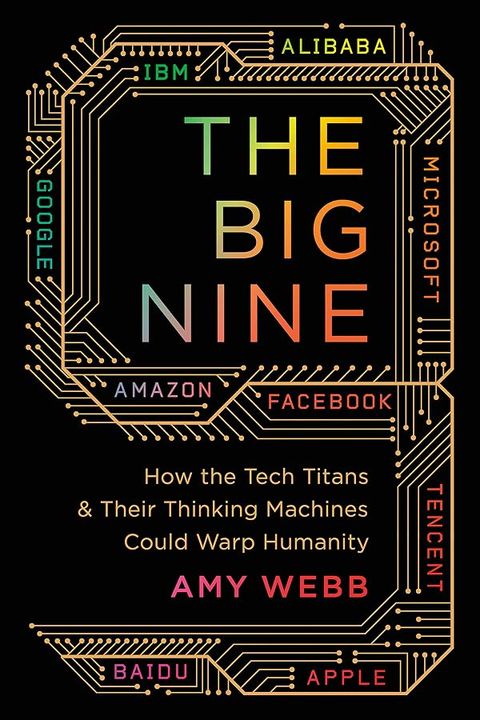
Futurist Amy Webb identifies nine companies that control most of the talent, data and computing power shaping AI: Google, Microsoft, Amazon, Facebook, IBM and Apple in the United States, and Baidu, Alibaba and Tencent in China. Published in 2019, it now serves as a baseline against which to measure the generative AI boom. Webb traces how investor pressure in the United States and state direction in China each pull AI away from the public interest, and how a narrow builder class passes its blind spots into products. Her proposals for an international oversight body, shared standards and new incentives give readers a checklist for judging current governance efforts.
Editorial score: 61.8/100 - Rank 21
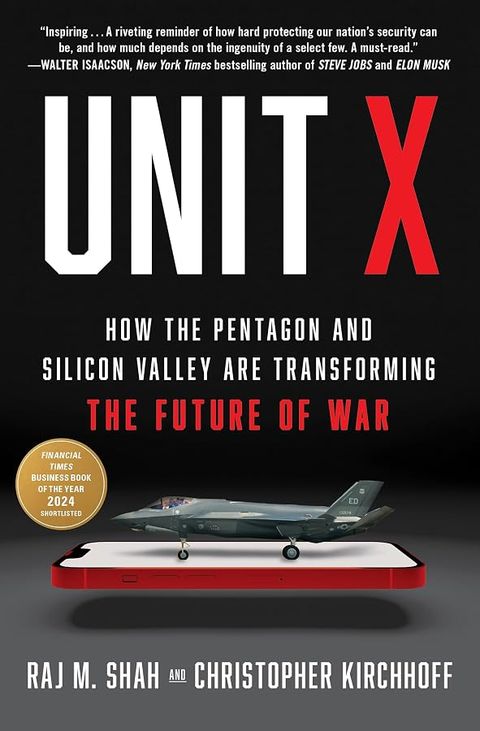
Raj Shah, a former director of the Pentagon's Defense Innovation Unit, and Christopher Kirchhoff, who helped create it, recount their effort to bring commercial technology into the military. For leaders inside any large institution, the book's value lies in the mechanics of reform: how other transaction authority and commercial solutions openings shortened contracting from years to months, and why innovation units fail without backing from the top. The authors draw on Ukraine's use of commercial drones and satellite services to argue that software and autonomy are already changing warfare. Their account favors their own record, so readers should weigh it against independent assessments of defense acquisition reform.
Editorial score: 74.1/100 - Rank 22
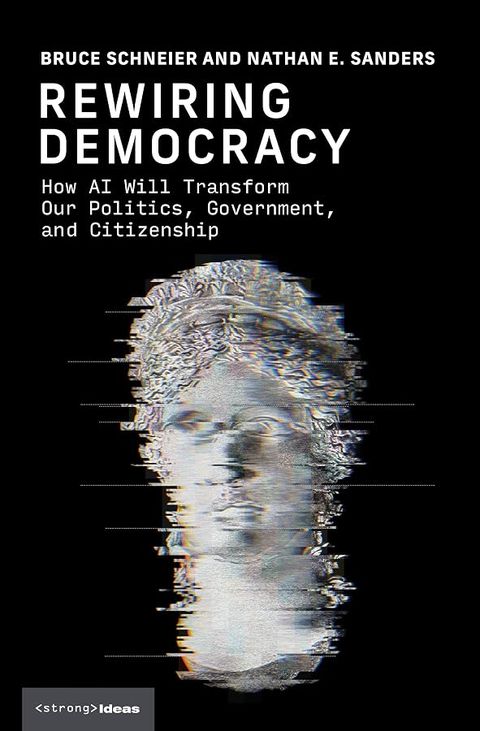
Security technologist Bruce Schneier and data scientist Nathan Sanders look past deepfakes to the routine machinery of democracy: drafting legislation, running campaigns, administering benefits and resolving disputes. Public officials and civic technologists get a map of where AI could improve government and where it could cause damage at scale, with Australia's Robodebt scheme, an automated debt-recovery program, as the cautionary case. The authors' recurring point, that almost every democratic use of AI has an antidemocratic twin, gives readers a test to apply to any proposal. Their case for public AI models built under public control offers a concrete alternative to reliance on corporate systems.
Editorial score: 73.0/100 - Rank 23
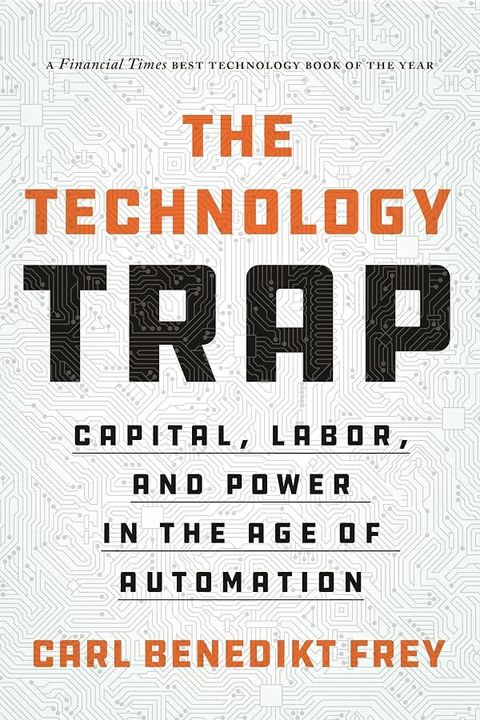
Carl Benedikt Frey's earlier book explains why the politics of automation depend on whether a technology enables workers or replaces them. His history of industrialization carries the core lesson for AI policy: during what economists call Engels' pause, output and profits rose for decades while wages stagnated, and workers had reason to resist. Frey connects that history to the erosion of middle-income routine jobs since the 1980s and the regional inequality that followed. Policymakers get a clear warning that displaced workers who see only losses may vote to slow automation, which makes the distribution of AI's gains a political question as much as an economic one.
Editorial score: 75.6/100 - Rank 24
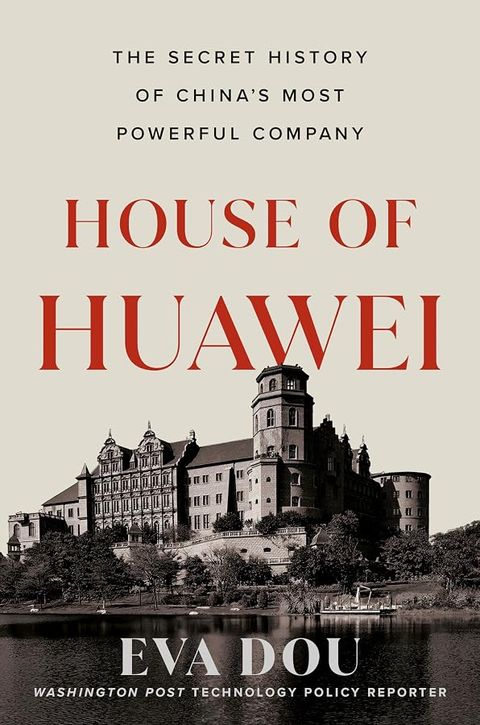
Washington Post reporter Eva Dou tells the story of Huawei from its founding by Ren Zhengfei to its survival under American sanctions, and in doing so explains why telecom equipment became an early front in the US-China technology conflict. Policy readers get detailed reporting on Huawei's ties to Chinese state institutions, including an internal Communist Party committee, and on the 2018 detention of Meng Wanzhou in Canada, which turned a legal case into a diplomatic crisis. The book's conclusion bears directly on chip export controls: Huawei's endurance shows the limits of Washington's leverage over a determined national champion.
Editorial score: 70.5/100 - Rank 25
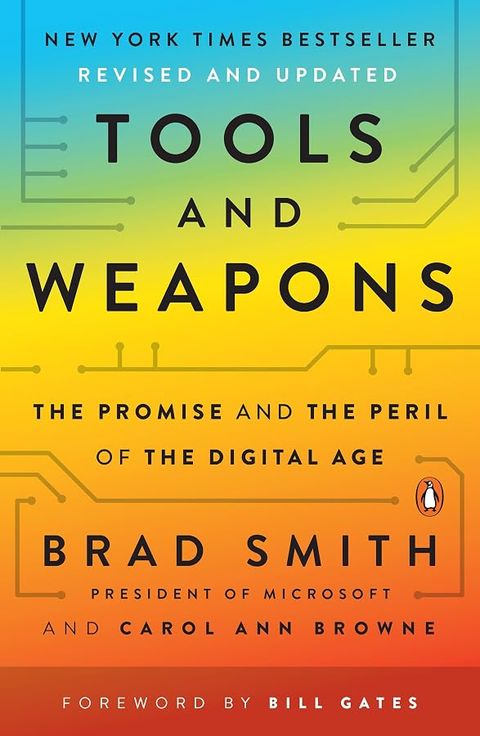
Microsoft president Brad Smith and Carol Ann Browne write from inside a company that has spent years negotiating with governments over privacy, surveillance and cybersecurity. The book is useful for policy readers because a senior executive argues that companies cannot treat legality as the only test of acceptable conduct and that governments must regulate technology faster. Its chapters on facial recognition and on cyberattacks against civilian infrastructure, where the authors propose binding international norms modeled on the Geneva Conventions, anticipate questions now raised about AI. Readers should remember that Microsoft is a party to many of the disputes described, which shapes how the authors present them.
Editorial score: 71.8/100 - Rank 26
Henry Kissinger, Eric Schmidt and MIT computer scientist Daniel Huttenlocher wrote this earlier collaboration before the release of ChatGPT, and it remains a compact introduction to AI as a question of security and sovereignty. Its most durable argument is philosophical: AI can reach valid conclusions by paths humans cannot trace, which unsettles the Enlightenment assumption that reason belongs to people alone. For policy readers, the chapters on AI-enabled weapons call for arms-control-style dialogue among major powers before a crisis forces it. Because it frames questions more than it settles them, the book works best as a primer before Genesis or Four Battlegrounds.
Editorial score: 64.8/100 - Rank 27
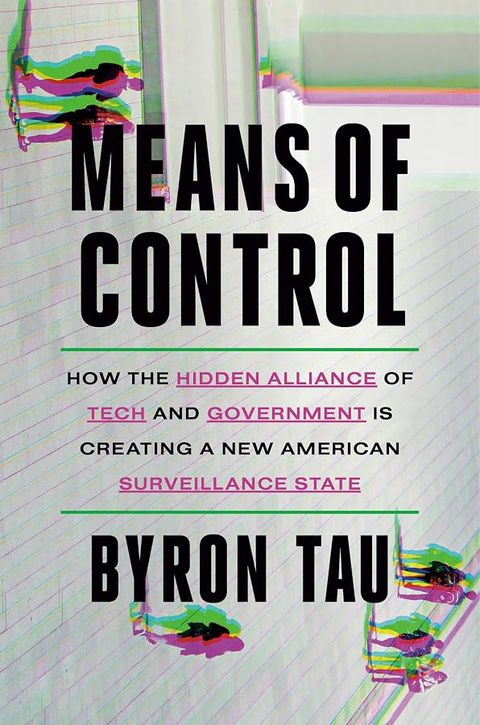
Journalist Byron Tau documents how U.S. agencies buy location and personal data from commercial brokers instead of seeking warrants. Readers learn how ordinary apps and advertising networks generate that data, how post-9/11 contracts built an industry largely hidden from public view, and why the third-party doctrine leaves purchased data weakly protected even after the Supreme Court's Carpenter ruling. For AI policy readers, the book shows where the data behind government analytics originates. Lawyers, legislators and technologists get case material for current fights over data broker regulation and the constitutional limits on government purchases of personal information.
Editorial score: 71.5/100 - Rank 28
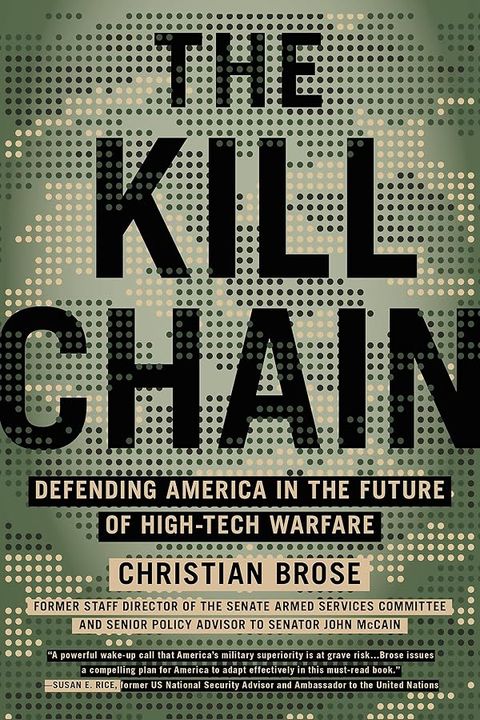
Christian Brose, a former staff director of the Senate Armed Services Committee, argues that the Pentagon has spent decades buying small numbers of expensive platforms that Chinese missiles and sensors were built to defeat. His alternative is a force organized around the kill chain, the cycle of sensing, deciding and acting, carried out by large networks of cheaper autonomous systems. The book matters to AI policy readers because Brose locates the main obstacle in budgeting, acquisition rules and congressional incentives rather than technology. Defense professionals and executives get a compact reform agenda from an author who saw the budget process from Capitol Hill.
Editorial score: 76.8/100 - Rank 29
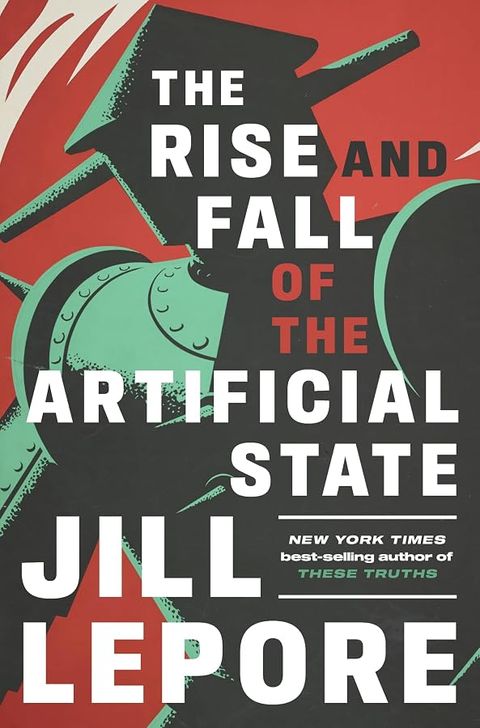
Jill Lepore, a Harvard historian and New Yorker staff writer, developed the book from her Tanner Lectures at Yale, and she defines the Artificial State as the digital infrastructure through which governments and technology firms automate public discourse. Her history runs from the 1920s Technocracy movement through the Simulmatics Corporation's election modeling in the 1960s to current AI, and she argues that a few billionaire-led companies now steer the system. Readers interested in democracy get a long historical view that policy briefs rarely provide. The prescriptions are thinner than the history, though Lepore insists that democratic action can still dismantle the Artificial State.
- Rank 30
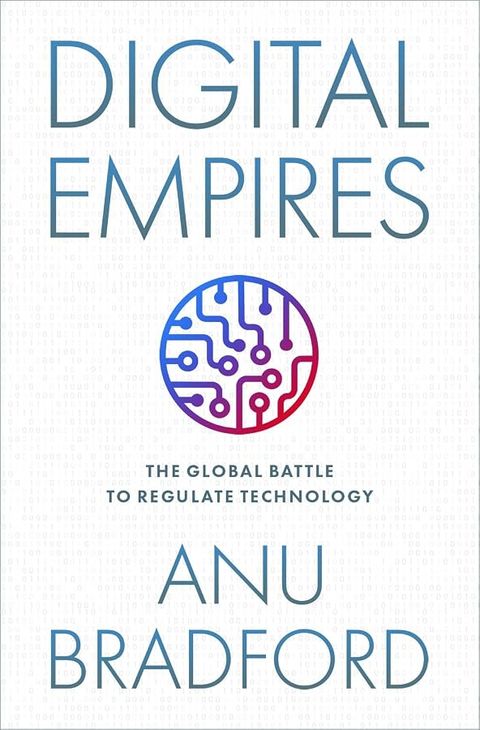
Columbia Law School professor Anu Bradford, who coined the term the Brussels effect, compares the three regulatory models that dominate technology governance: the American market-driven model, the Chinese state-driven model and the European rights-driven model. For lawyers and executives, the book explains the mechanism by which EU rules, now including the AI Act, in force since August 2024, shape compliance well beyond Europe. Bradford also covers the US-China contest over export controls and China's export of digital infrastructure to developing countries. Readers who follow AI regulation across jurisdictions should start here for the comparative framework.
Editorial score: 77.5/100 - Rank 31
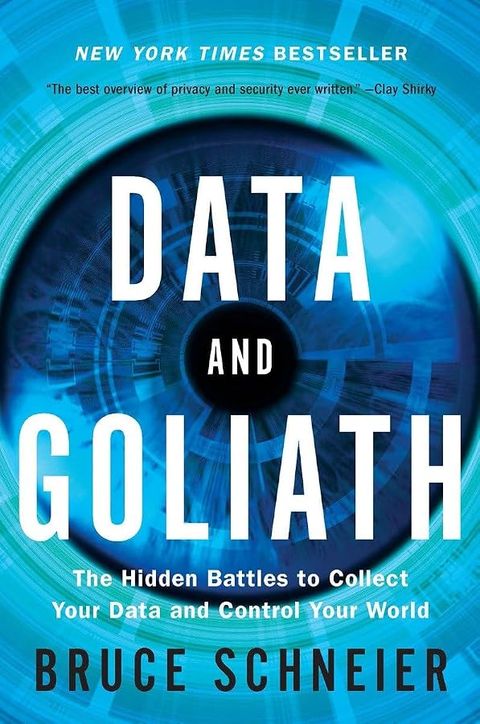
Bruce Schneier's 2015 book predates the current AI boom, yet it describes the data economy on which modern models are trained. Schneier shows that surveillance is a byproduct of computing itself, since phones and online services create detailed records simply by working, and that corporate and government surveillance are intertwined because agencies obtain much of their data from companies. His argument that bulk collection is an inefficient way to find rare threats, because it swamps analysts with false positives, still applies to AI-driven screening. Readers get a lucid case that legal reform and changed business incentives protect privacy better than individual opt-outs.
Editorial score: 72.6/100 - Rank 32
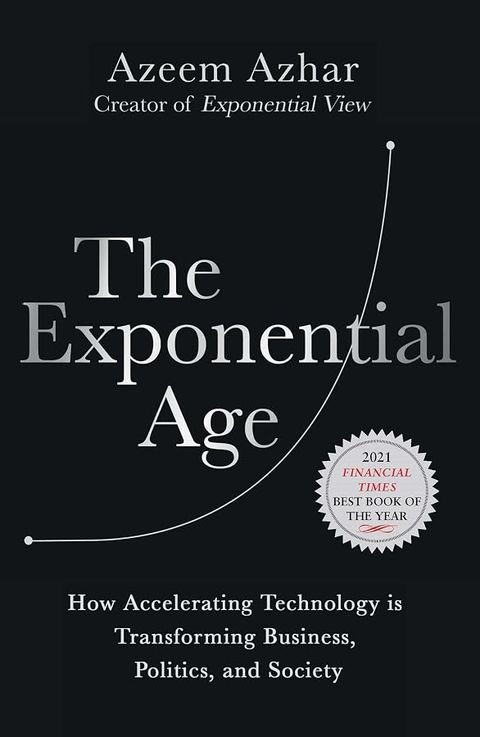
Azeem Azhar, the writer behind the Exponential View newsletter, gives strategists a framework for why institutions keep falling behind technology. He argues that computing, energy, biology and manufacturing are all improving exponentially as costs fall, while laws, companies and social norms adapt incrementally, and that the resulting exponential gap drives inequality, polarization and corporate concentration. For AI policy readers, the most useful sections propose specific remedies, including platform transparency, interoperability, enforceable data rights and data held in common trust. The framework also helps readers explain why AI regulation so often trails deployment.
Editorial score: 68.0/100 - Rank 33
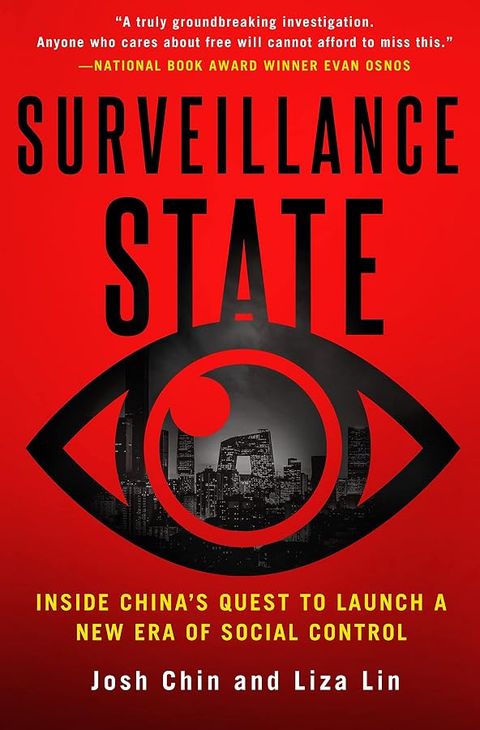
Wall Street Journal reporters Josh Chin and Liza Lin document how China combined AI, data collection and policing into a system of social control. The book's value for policymakers is its breadth: it connects coercive surveillance in Xinjiang with consumer-friendly smart-city services in places like Hangzhou, showing that both run on shared technology. It also records the role of Western firms, including Intel and Cisco, in supplying hardware and expertise. The authors note that dependence on foreign chips gives democracies some leverage, but they argue that strong institutions and a free press provide the more durable defense against AI-enabled authoritarianism.
Editorial score: 73.8/100 - Rank 34
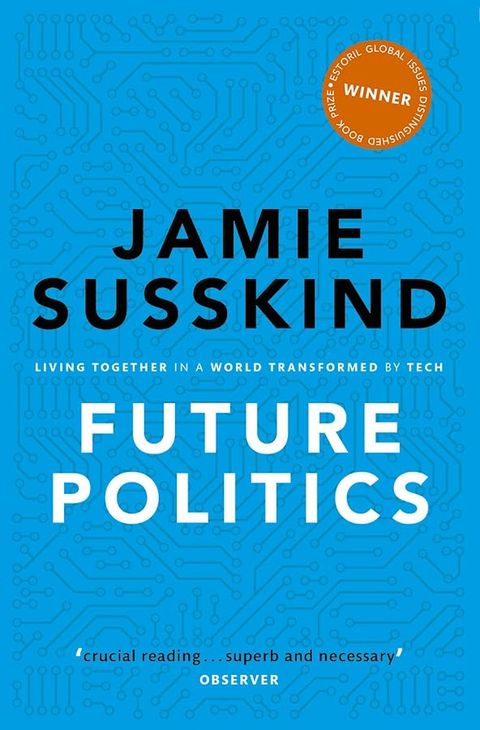
Barrister Jamie Susskind approaches AI governance as a problem of political theory, which makes the book useful for readers asking who should hold power over code. His central claim is that whoever writes and controls digital systems can shape behavior through force, scrutiny and control over what people perceive. From there he argues that technology firms now exercise political power and should face the same legitimacy tests as governments, and that self-enforcing digital rules could erase the small spaces for disobedience on which liberty depends. Policy students and lawyers get a vocabulary for treating algorithm design as a question of social justice.
Editorial score: 66.5/100 - Rank 35
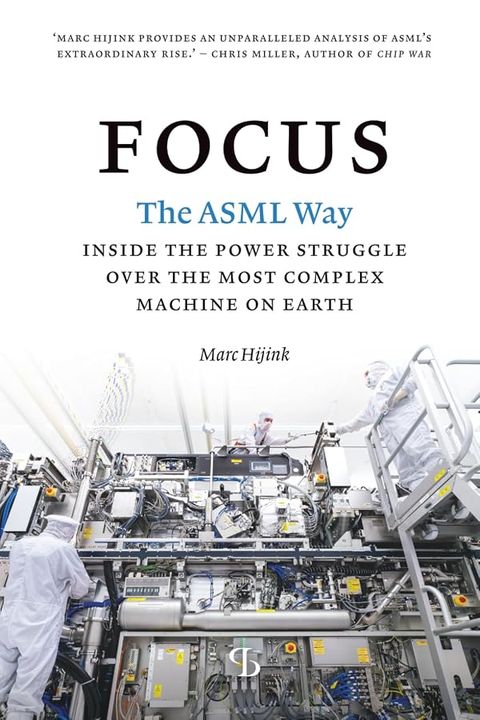
Dutch journalist Marc Hijink profiles ASML, the company that makes the extreme ultraviolet lithography machines required for the most advanced chips. For readers of AI geopolitics, the book shows how a single firm in the Netherlands became a lever in the US-China rivalry and why the Dutch government was drawn into contested export-control decisions. Hijink explains how decades of investment and trust with suppliers such as Zeiss and customers such as TSMC and Samsung built ASML's position. The book pairs well with Chip War and Chokepoints, and it makes clear how disruption at a few firms could ripple through AI, electronics and defense.
Editorial score: 68.8/100 - Rank 36
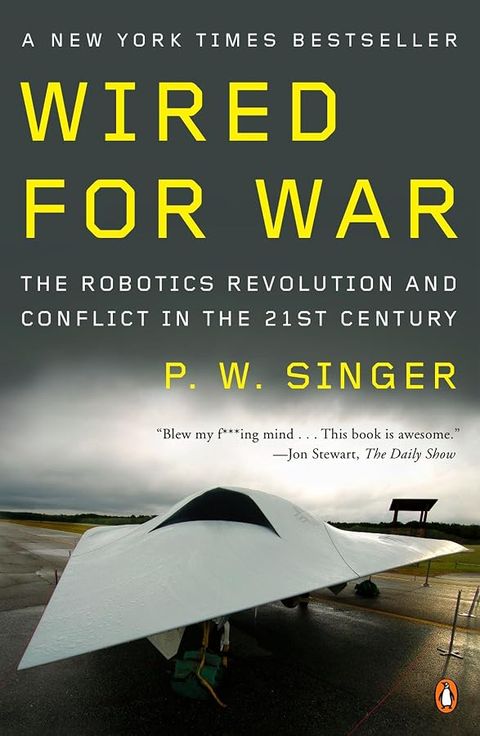
P. W. Singer's 2009 survey of military robotics set out the questions that now dominate the autonomous weapons debate. He examines how robots change the politics, economics, law and ethics of war, including who counts as a combatant. For policymakers, his warning that remote warfare lowers the human and political cost of using force, and may make leaders quicker to fight, remains central to arguments over drones and autonomy. Singer also shows how pressure for speed pushes humans out of lethal decisions and why existing laws of war struggle to assign accountability when a machine kills the wrong people.
Editorial score: 69.3/100 - Rank 37
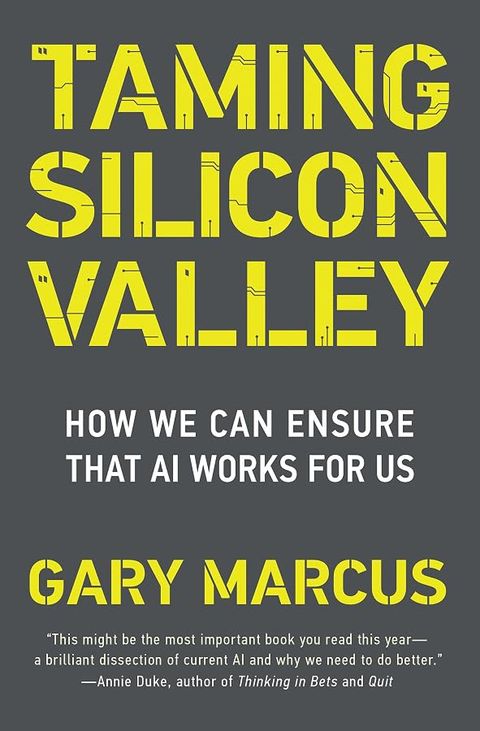
Cognitive scientist Gary Marcus, a professor emeritus at New York University, offers a brief, direct case for regulating AI. He argues that large language models predict word sequences without understanding, so their fabrications are built into the design rather than easily fixed. He also accuses major AI firms of using lobbying, marketing and promises of self-regulation to delay oversight. The book's practical core is a set of eight policy priorities, including data rights, layered independent oversight, transparency, accountability and tax reform. Readers who favor lighter rules should read it beside Superagency to see where the two sides diverge on facts and on values.
Editorial score: 70.3/100 - Rank 38
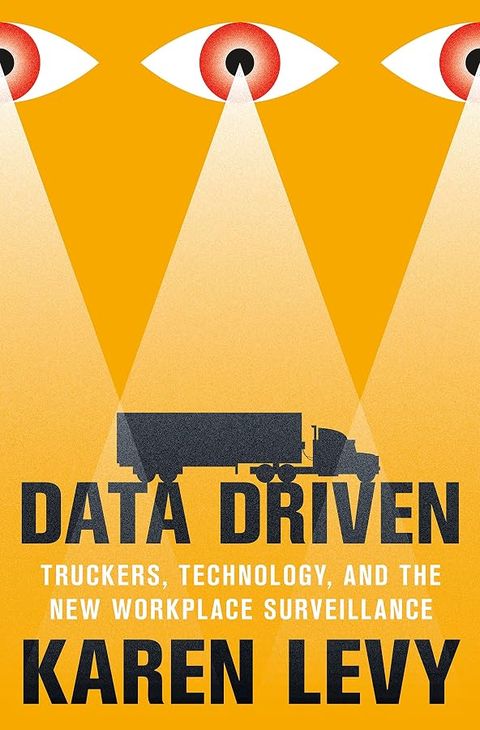
Cornell professor Karen Levy studied long-haul trucking after federal rules required electronic logging devices, and her findings apply to any workplace adopting AI monitoring. The mandate targeted driver fatigue but left untouched the per-mile pay and unpaid detention time that push truckers to drive tired, and a 2021 study she cites linked it to better compliance but no reduction in crashes. Once companies layered tracking software onto the required hardware, compliance data became a tool of managerial control. Levy's concept of hybridization, in which machines monitor workers inside their jobs rather than replacing them, gives HR leaders and regulators a sharper picture of how AI enters the workplace.
Editorial score: 73.3/100 - Rank 39
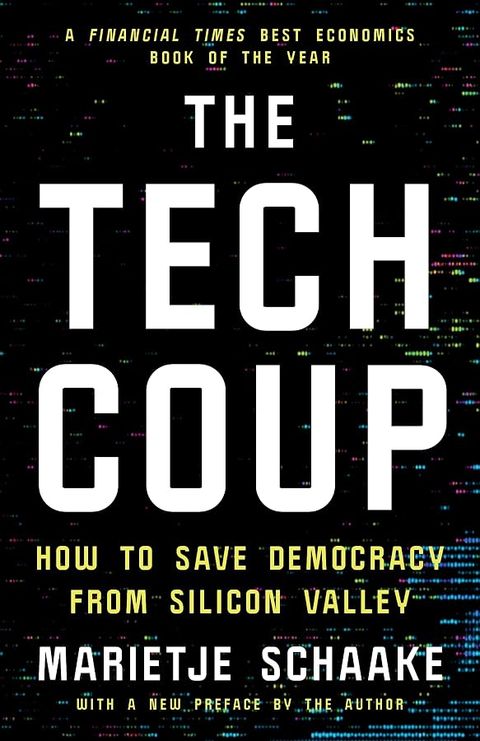
Marietje Schaake, a former Member of the European Parliament now at Stanford, argues that technology companies have taken on state functions, from cybersecurity to critical infrastructure, without the accountability democracies demand of governments. Regulators and civic-minded readers get a diagnosis grounded in her years as a lawmaker, including the ways governments contributed through thin technical expertise and a revolving door with industry. Her central proposal, a public accountability extension that applies transparency and oversight rules whenever companies perform governmental tasks, is specific enough to debate. Readers who distrust the precautionary principle she favors for AI will find her prescriptions less persuasive than her evidence.
Editorial score: 73.5/100 - Rank 40
Toby Ord, an Oxford philosopher, gives policymakers explicit probability estimates for the risks that could permanently end humanity’s potential, and he places unaligned AI highest, at about one in ten over the coming century. Readers weighing AI safety regulation get a disciplined method for comparing low-probability, high-stakes threats with nuclear war, engineered pandemics and climate change. Ord also shows that the world spends less than 0.001 percent of gross world product on targeted risk reduction. The AI chapter predates large language models, but the policy framework of reaching existential security first still applies.
Editorial score: 75.1/100




How we ranked these books
Each book receives a weighted composite score built from six signals: reach, measured by Amazon rating counts and sales rank; critical consensus across independent best-of lists; major awards; average reader ratings; author authority, meaning direct experience in government, defense, industry or research; and an editorial score for accuracy, clarity and continuing relevance to AI policy. No single signal decides a position, so a well-reviewed book with fewer ratings can outrank a bestseller. Chip War ranks first because it combines broad reach, with more than 10,000 Amazon ratings at 4.7 stars, the Financial Times Business Book of the Year award, and a subject, control of advanced chips, that sits beneath nearly every other question in AI policy.