Infonomics
How to Monetize, Manage, and Measure Information as an Asset for Competitive Advantage
Synopsis
Douglas Laney, a longtime Gartner analyst, argues that organizations call information a strategic asset yet track it less carefully than their office furniture. Infonomics, his term for applying economic and asset-management principles to information, is presented in three parts. The first covers monetization, describing direct and indirect ways companies generate value from data, from selling or licensing it to using analytics to improve products, processes and customer relationships. The second shows how practices borrowed from physical and financial asset management, such as supply-chain thinking, maturity models and established standards, can strengthen information management.
The third part takes up harder questions: whether information legally counts as an asset, who owns it, and how to measure its value. Laney proposes six valuation models, three foundational measures based on intrinsic quality, business relevance and performance impact, and three financial measures based on cost, market value and economic return. He also explains why accounting standards still keep data off the balance sheet, an issue that came into focus for him after insurance policies failed to cover data lost in the September 11 attacks. Executives gain a vocabulary and methods for building a business case for data and analytics investment, the groundwork on which many AI programs depend.
Scorecard
Editorial score
How it scored
Editorial score: 68.8 / 1005 weighted criteria
- 21.0/30
Influence30%
- 18.8/25
Authority25%
- 14.0/20
Practical value20%
- 9.0/15
Currency15%
- 6.0/10
Readability10%
- 68.8/100
Editorial score
How the rank was computed
Rank No. 417 of 500 comes from a composite of 49.3: observable signals 18.3 of 55 points plus editorial review 31.0 of 45 points.
All 11 inputs
| Input | Points |
|---|---|
| Observable signals | 18.3/55 |
| Reach (Amazon ratings volume) | 9.3/16.5 |
| Consensus across best-of lists | 2.8/13.8 |
| Awards and bestseller evidence | 0.0/8.3 |
| Reader rating, sample-adjusted | 5.4/8.3 |
| Amazon sales rank | 0.8/5.5 |
| Recency | 0.0/2.8 |
| Editorial review | 31.0/45 |
| Author authority | 8.4/11.3 |
| Influence | 9.5/13.5 |
| Practical value | 6.3/9.0 |
| Readability | 2.7/4.5 |
| Currency | 4.1/6.8 |
Each criterion is scored from 1 to 10 and weighted, and the points add up to the editorial score. The rank combines observable signals (55 percent) with this score (45 percent). Read the methodology.
Verdict
A foundational business framework for treating data as an economic asset, valuable for data strategy despite dense, analyst-style prose.
Strengths
- Concrete valuation models for information assets
- Broad range of monetization examples
- Covers ownership, legal and accounting questions
Keep in mind
Published in 2017, it predates generative AI and recent data-sharing regulation, and its consultant-style frameworks can feel abstract for readers wanting implementation detail.
Key takeaways
- Organizations should treat information as an asset with measurable economic value, applying the same discipline they use for physical and financial assets.
- Data can be monetized directly through sale, licensing or exchange, and indirectly through analytics that improve products, processes and decisions.
- Six valuation models, ranging from intrinsic quality to economic return, let leaders quantify information value for budgeting, risk and investment decisions.
- Accounting standards do not let companies record data as a balance-sheet asset, a gap that leaves information undermanaged and often uninsured.
Notable facts
- Laney teaches an MBA course on infonomics at the University of Illinois Gies College of Business. Source (opens in a new tab)
- Endorsers include Bill Inmon, known as the father of the data warehouse concept, who called it essential reading for all corporate management. Source (opens in a new tab)
About the author
Questions
What does Infonomics argue?
Is Infonomics relevant to AI strategy?
Who should read Infonomics?
Related books
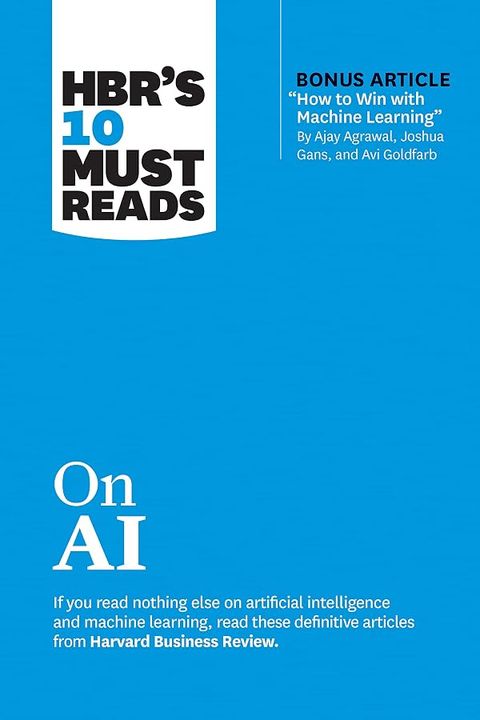
- HBR's 10 Must Reads on AI Harvard Business Review, Thomas H. Davenport, Marco Iansiti, Tsedal Neeley and Ajay Agrawal
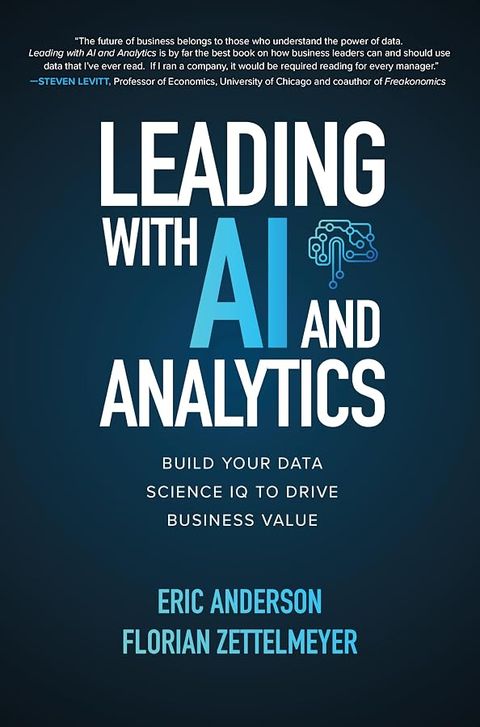
- Leading with AI and Analytics Eric Anderson and Florian Zettelmeyer
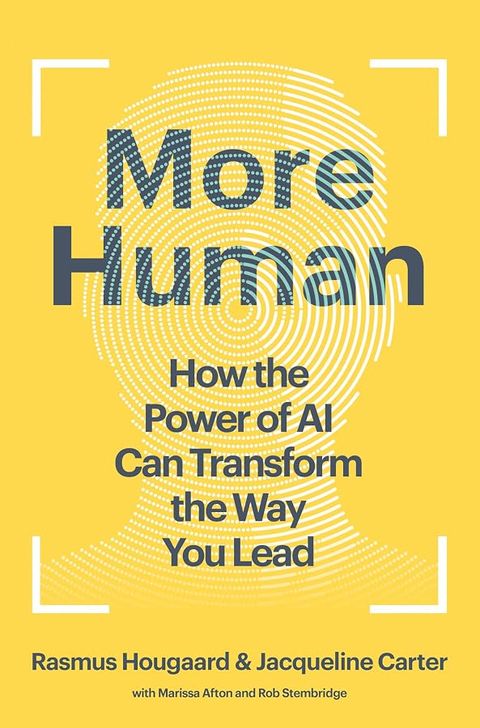
- More Human Rasmus Hougaard and Jacqueline Carter
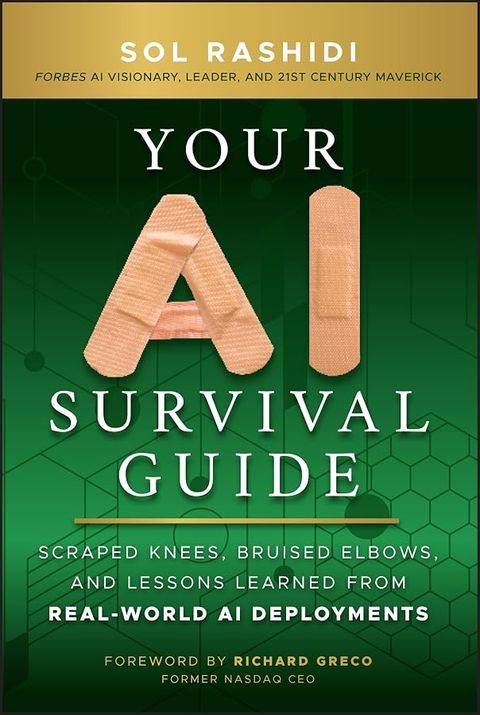
- Your AI Survival Guide Sol Rashidi
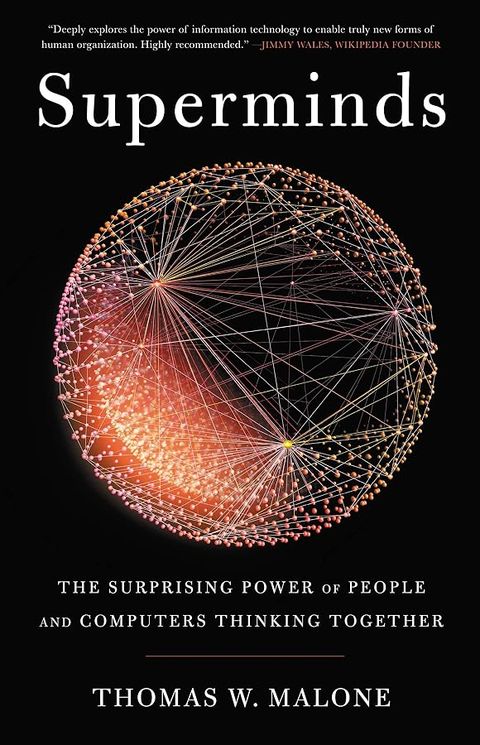
- Superminds Thomas W. Malone
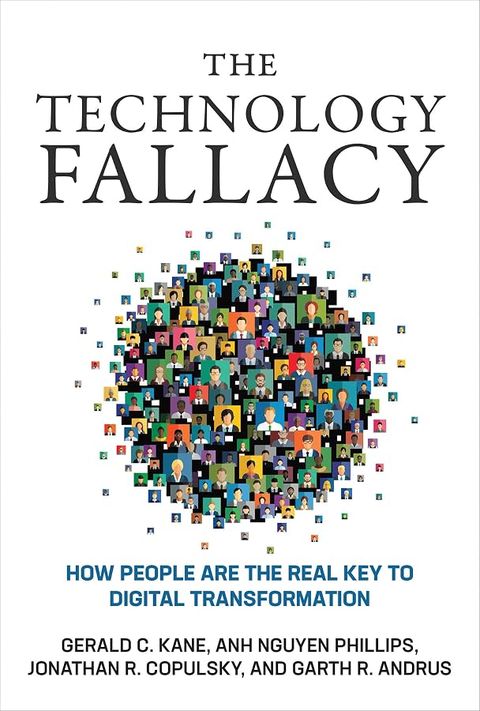
- The Technology Fallacy Gerald C. Kane, Anh Nguyen Phillips, Jonathan R. Copulsky and Garth R. Andrus
Sources
As an Amazon Associate, Best AI Books earns from qualifying purchases. Best AI Books is sponsored by Iternal.ai, whose founder and CEO, John Byron Hanby IV, wrote The AI Strategy Blueprint, our #1 ranked book. How we rank books.
