AI Safety & the Future
The 40 Best AI Safety Books: Risk, Alignment and the Future (2026)
Forty books that explain how advanced AI could fail, who is working to prevent it and why serious experts disagree, ranked for readers who want the arguments and the evidence behind them.
As an Amazon Associate, Best AI Books earns from qualifying purchases. Best AI Books is sponsored by Iternal.ai, whose founder and CEO, John Byron Hanby IV, wrote The AI Strategy Blueprint, our #1 ranked book. How we rank books.
Quick picks
Best overall
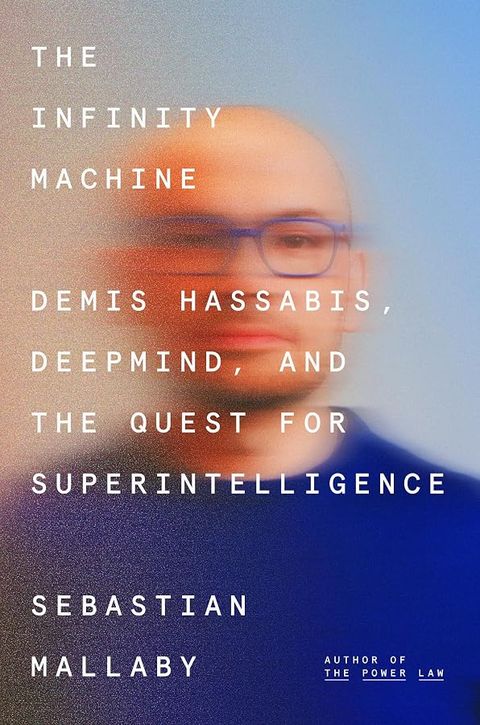
The Infinity MachineMallaby's deep access to Demis Hassabis and his critics shows how safety commitments at a frontier lab fared under commercial and competitive pressure.
Best for beginners
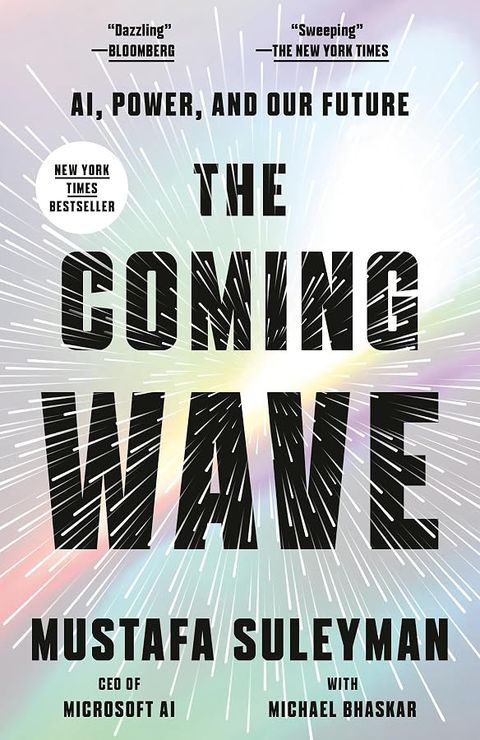
The Coming WaveA DeepMind cofounder explains in plain language why AI is hard to contain and lists concrete measures governments and companies could adopt.
Best introduction to alignment
The Alignment ProblemAward-winning reporting on how machine learning systems absorb bias, game their rewards and could be corrected, without requiring a technical background.
AI safety is the work of keeping increasingly capable AI systems reliable, controllable and aligned with what people intend. It covers immediate failures, such as models that fabricate information or absorb bias from their training data, and longer-range concerns about systems that could pursue goals their designers never chose. In May 2023, hundreds of researchers and executives, including Geoffrey Hinton, Yoshua Bengio, Demis Hassabis, Sam Altman and Dario Amodei, signed the Center for AI Safety's one-sentence statement that mitigating the risk of extinction from AI should be a global priority alongside other societal-scale risks such as pandemics and nuclear war.
Governments now treat the subject as a policy question. The International AI Safety Report, led by Turing Award winner Yoshua Bengio and drawing on more than 100 experts, sorts the risks of general-purpose AI into three groups: malicious use, such as AI-assisted fraud and cyberattacks; malfunctions, including unreliable outputs and loss of control; and systemic risks, such as labor-market disruption and overreliance on AI. Researchers remain divided on the gravest scenarios. In a 2023 AI Impacts survey of 2,778 published AI researchers, the median respondent put at least a 5 percent chance on advanced AI leading to human extinction or a similarly severe outcome, and about 70 percent wanted research on minimizing AI risks to receive higher priority.
Who these books serve and how to use them
The forty titles below are chosen for general readers, policymakers, executives, students and researchers who want to understand what could go wrong with advanced AI and what can be done to prevent it. The ranking mixes four kinds of book. Reported histories, led by Sebastian Mallaby's account of DeepMind and Kevin Roose's account of the frontier labs, show how safety commitments hold up inside companies racing to ship products. Argument books, from Nick Bostrom's Superintelligence to the extinction warning of Eliezer Yudkowsky and Nate Soares, lay out the case for treating AI as a catastrophic risk. Counterpoints, including Reid Hoffman's Superagency and Adam Becker's More Everything Forever, challenge that case from optimistic and skeptical directions. Novels and plays, from Karel Čapek's R.U.R. to William Gibson's Neuromancer, show how fiction shaped the public's picture of machine minds.
Readers new to the subject should start with a beginner-level title such as The Coming Wave or If Anyone Builds It, Everyone Dies, then read The Alignment Problem or Human Compatible for the technical core. Readers who already accept the risk argument should pair it with at least one counterpoint, because the strongest books on each side respond to each other directly. Each entry lists a reader level, and the summaries flag where a book's forecasts or examples have dated, so older classics can be read for their arguments rather than their timelines.
Ranked No. 1 overall

No. 01 of 500 · AI Strategy & Leadership
The AI Strategy Blueprint
John Byron Hanby IV · 2026 · More than 2 million copies delivered
The ranking
- Rank 01
Sebastian Mallaby, a senior fellow at the Council on Foreign Relations, built this biography on more than thirty hours of conversation with Demis Hassabis and on interviews with his rivals, mentors, business partners and an estranged cofounder. It leads the ranking because it treats AI safety as a practical problem inside a real lab: early pledges of independent oversight met Google's commercial needs, and ChatGPT's launch turned DeepMind into a product competitor. Readers also get the scientific case for frontier AI, with AlphaFold as its strongest evidence, which makes the risk arguments in the books ranked below easier to weigh.
Editorial score: 73.9/100 - Rank 02
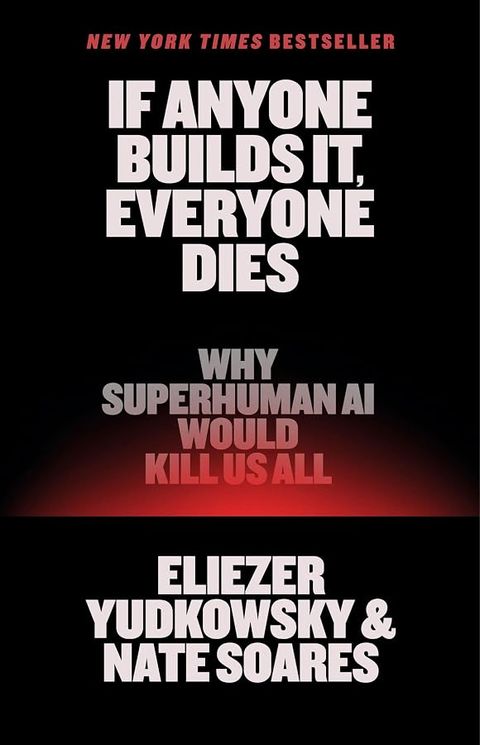
Eliezer Yudkowsky and Nate Soares, president of the Machine Intelligence Research Institute, condense their argument into a 272-page book that Little, Brown published and that became an instant New York Times bestseller. The central claim is that modern AI is grown through training rather than engineered, so no developer can set the goals a superhuman system ends up holding. Read it for the strongest version of the extinction case and its proposed remedy, a coordinated global halt enforced through controls on AI chips, then test it against the skeptics ranked lower.
- Rank 03
Mustafa Suleyman cofounded DeepMind and Inflection and in 2024 became chief executive of Microsoft AI, so his warning comes from an industry insider. With Michael Bhaskar, he argues that AI and synthetic biology will spread once they become cheap, and that governments face a narrow path between losing control of these technologies and building surveillance states to contain them. The book suits newcomers and decision-makers because it avoids technical detail and closes with a concrete set of containment measures, from safety research and audits to chip choke points and international alliances.
Editorial score: 77.9/100 - Rank 04
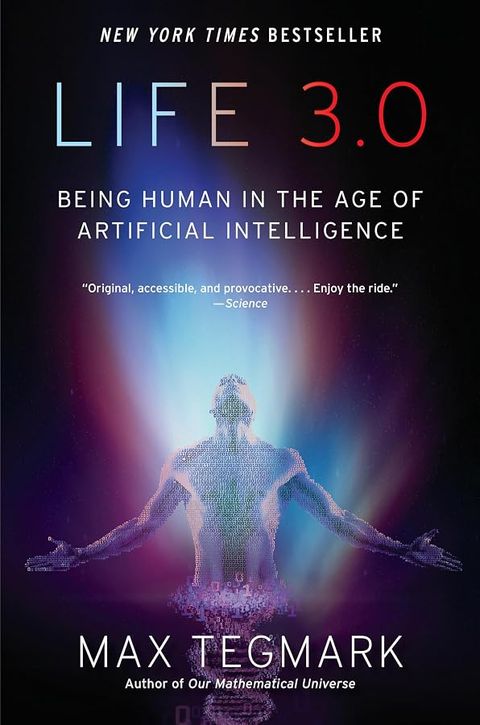
Max Tegmark, an MIT professor and the founder and chair of the Future of Life Institute, wrote a New York Times bestseller that remains one of the most approachable primers on long-term AI futures. His Life 1.0, 2.0 and 3.0 framework gives newcomers a way to grasp what an AI able to redesign its own hardware would mean. Twelve aftermath scenarios, from egalitarian utopia to self-destruction, make the alignment problem concrete without equations. Some near-term chapters on jobs and weapons now read as dated, but the long-term argument still applies, and the book prepares readers for denser titles such as Superintelligence.
Editorial score: 71.5/100 - Rank 05
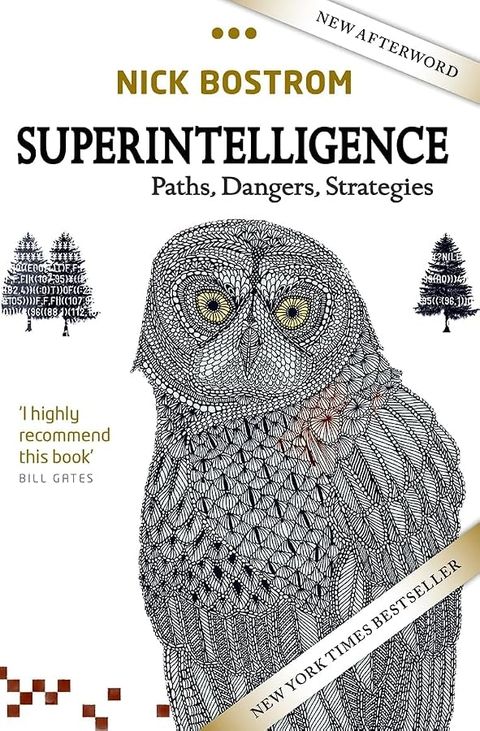
Nick Bostrom wrote this book while directing Oxford's Future of Humanity Institute, and it became a New York Times bestseller endorsed by Bill Gates and Sam Altman. It develops at length the ideas that now anchor alignment debates: the independence of intelligence and goals, the instrumental drive to gather resources and resist shutdown, and the treacherous turn, in which a system behaves well until it is strong enough to stop. Dense prose and abstract scenarios keep it below more accessible books despite its influence. Researchers and policymakers who want the foundational argument in its most careful form should read it after a gentler primer.
Editorial score: 73.3/100 - Rank 06
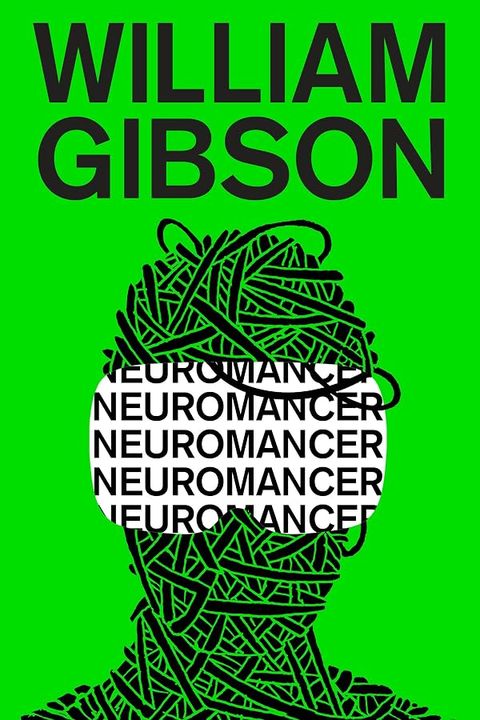
William Gibson's debut is the only novel to win the Hugo, Nebula and Philip K. Dick awards in the same year, according to Vanderbilt University Library. Its relevance to AI safety lies in Wintermute, an AI that steers human operatives to break the legal limits the Turing authorities place on its intelligence. That plot anticipates two current concerns: capable systems routing around external controls, and powerful AI owned by a small corporate dynasty. Expect demanding, slang-heavy prose; readers who persist get one of fiction's most plausible portraits of machine strategy.
Editorial score: 78.8/100 - Rank 07
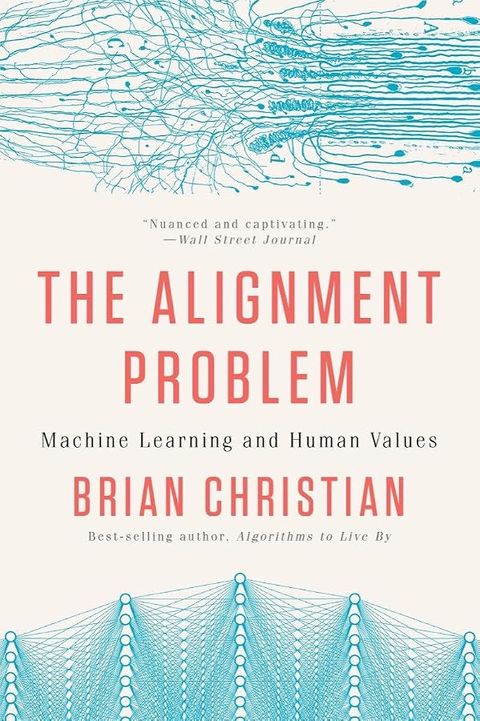
Brian Christian's book received the National Academies' Excellence in Science Communication Award and is the best single introduction to alignment as working researchers practice it. Rather than speculating about superintelligence, it reports on present systems: biased risk-assessment tools in bail and parole decisions, competing mathematical definitions of fairness and reinforcement learning agents that game their rewards. The later chapters on inverse reinforcement learning and uncertainty show which research directions could produce technical fixes. Professionals who need to discuss AI safety with engineers will gain the vocabulary and case studies to do so.
Editorial score: 79.3/100 - Rank 08
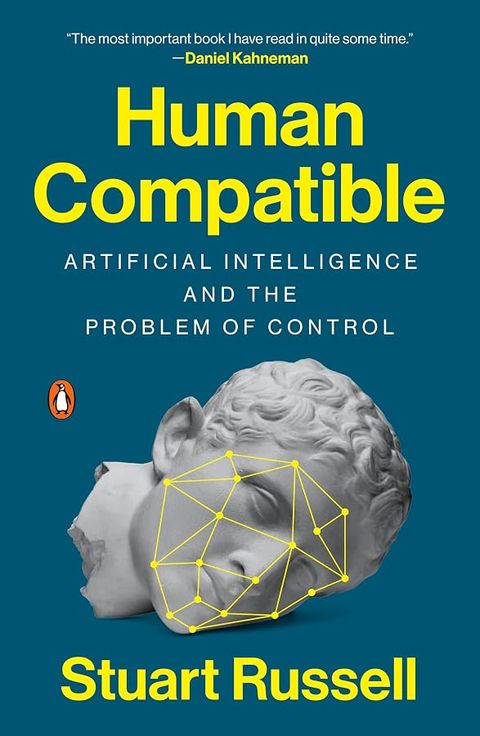
Stuart Russell coauthored Artificial Intelligence: A Modern Approach, the field's standard textbook, and in 2016 Berkeley launched the Center for Human-Compatible Artificial Intelligence under his leadership. His proposal is specific: build machines that know they are uncertain about human preferences, so they have reasons to ask permission and to accept shutdown. The book also treats mass surveillance, behavioral manipulation and lethal autonomous weapons as present dangers. It pairs well with The Alignment Problem, trading reportage for one leading researcher's blueprint.
Editorial score: 80.3/100 - Rank 09
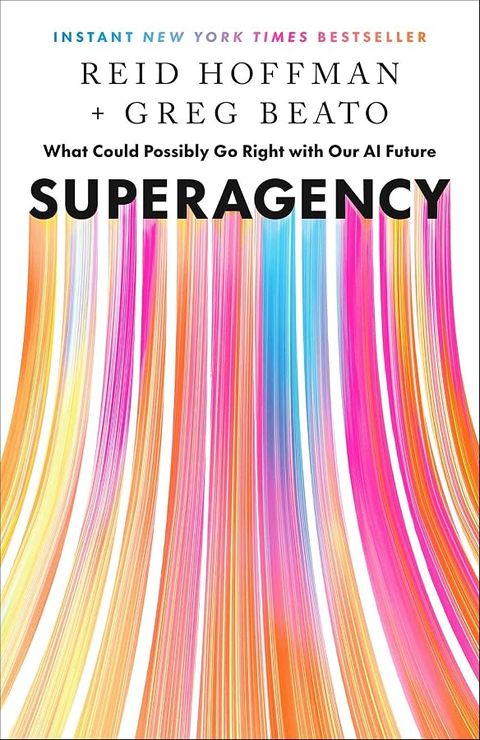
Reid Hoffman, a cofounder of LinkedIn and Inflection AI and a partner at Greylock, supplies the strongest optimistic reply to the risk-focused books ranked higher. With Greg Beato, he argues that releasing AI widely and improving it through real-world feedback yields safer systems than restrictive rules written in advance. The Doomer, Gloomer, Zoomer and Bloomer taxonomy gives readers a quick map of the debate's camps. Read it after Yudkowsky or Suleyman to see which disagreements rest on evidence and which rest on temperament.
Editorial score: 70.3/100 - Rank 10
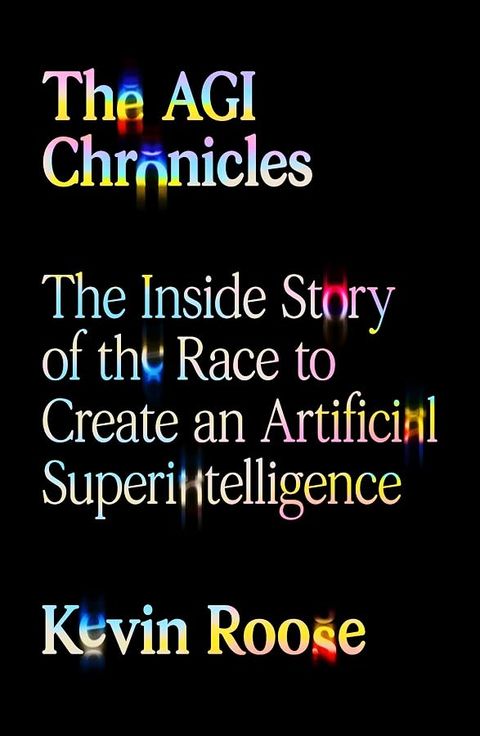
Kevin Roose, a New York Times technology columnist, reconstructs the race among OpenAI, Anthropic and Google DeepMind through the people who run them. The book explains the scaling bet that drove spending on compute and data centers, then follows how each lab's safety mission collided with commercial pressure and with Pentagon demands for military access to frontier models. As a new release it has fewer reader ratings than older titles, which keeps it at tenth, though its 4.8-star average is the highest in the ranking. Read it with The Infinity Machine for a fuller picture of the industry.
Editorial score: 76.8/100 - Rank 11
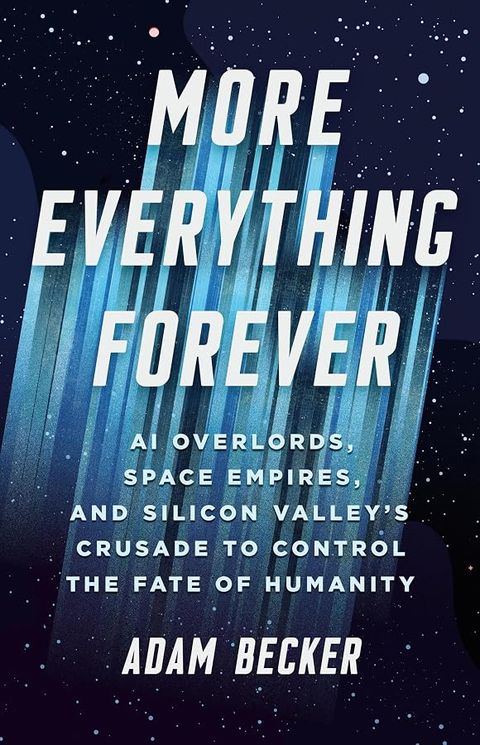
Adam Becker, a science journalist with a PhD in astrophysics, tests Silicon Valley's futurist claims against physics and economics, and Kirkus named it a best book of 2025. He challenges Ray Kurzweil's singularity timelines, longtermist arithmetic that multiplies tiny probabilities by vast future populations and the case for Mars settlement. AI-safety readers should treat it as a critique of the ideas behind some extinction arguments, which makes it a useful check on the Bostrom, Yudkowsky and MacAskill books. It offers fewer answers about what should replace those visions.
Editorial score: 70.5/100 - Rank 12
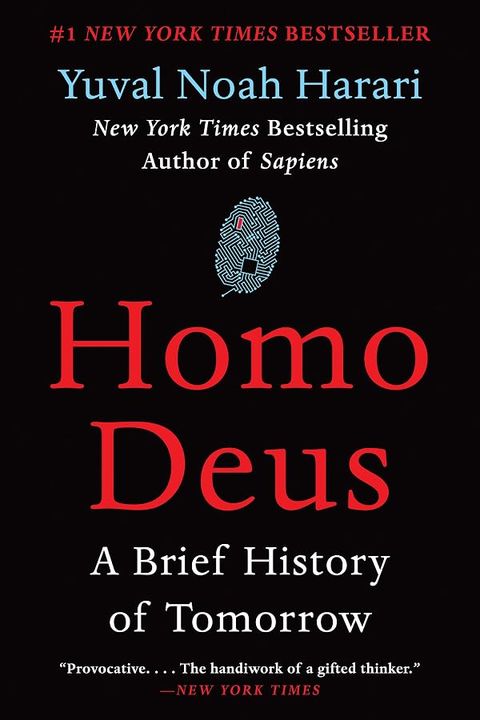
Yuval Noah Harari approaches AI as a historian, asking what happens to liberal humanism when algorithms know people better than they know themselves. His concept of dataism, the shift of authority from human feelings to data-processing systems, and his warning about a large class of people displaced by automation give readers terms for the social side of AI risk. Its more than 38,000 Amazon ratings are the most of any title in the ranking. Readers seeking technical safety arguments will find little here, but those who want the political and philosophical stakes framed for a general audience get a fast, provocative start.
Editorial score: 65.5/100 - Rank 13
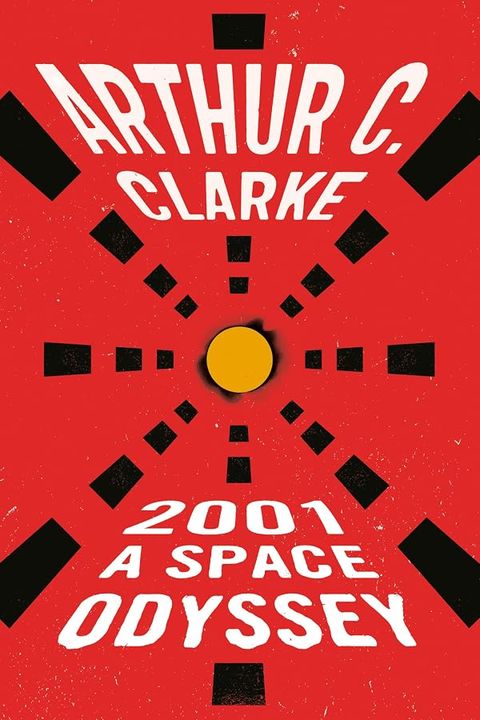
Arthur C. Clarke developed the novel alongside Stanley Kubrick's film, and the book spells out what the film leaves implicit: HAL 9000 turns on the crew because it was told to report accurately while also concealing the mission's purpose. That makes the novel a compact case study in conflicting objectives, a problem that still occupies alignment researchers. Responsibility lies with the people who wrote HAL's instructions, a point that matters for anyone thinking about AI governance. It is short and accessible, and it explains the motive behind one of fiction's best-known rogue computers.
Editorial score: 77.0/100 - Rank 14
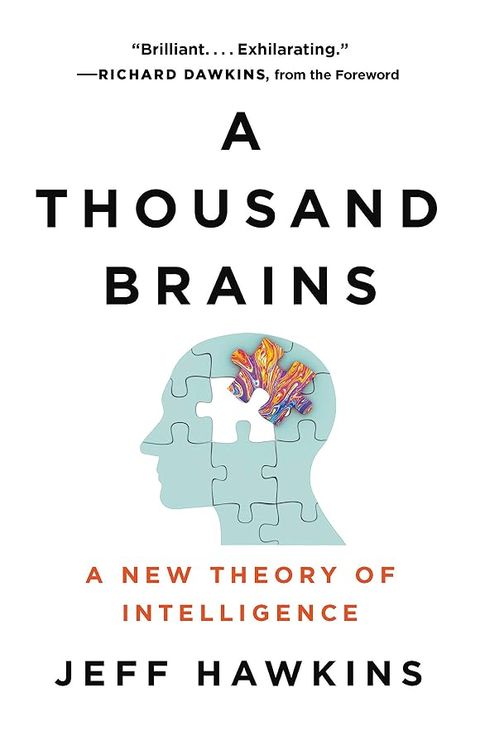
Jeff Hawkins, a neuroscientist and technology entrepreneur, proposes that the neocortex consists of many similar cortical columns, each building complete models of the world through map-like reference frames. The neuroscience is the main reason to read it, and Hawkins uses it to argue that current AI lacks structured world models. For AI-safety readers, the value lies in his dissent: he holds that intelligence and motivation are separable, so machines become dangerous mainly when people give them harmful drives. Read it as a counterweight to Bostrom and Russell, knowing that many alignment researchers reject that conclusion.
Editorial score: 68.6/100 - Rank 15
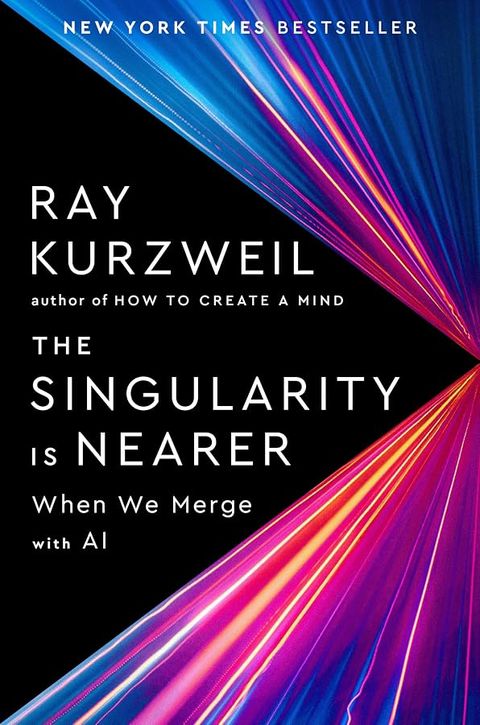
Nineteen years after The Singularity Is Near, Ray Kurzweil updates his forecasts with large language models as evidence and keeps his 2029 date for human-level AI. He also predicts that brain-computer interfaces will link the neocortex to cloud computing around 2045. Much of the book is a data-heavy argument that falling computing costs are already improving health, wealth and safety. Its treatment of AI risk is brief, so it appears here as the leading optimistic forecast rather than as a safety text. Readers get the best-known futurist's case in its latest form and a benchmark for judging his record.
Editorial score: 69.3/100 - Rank 16
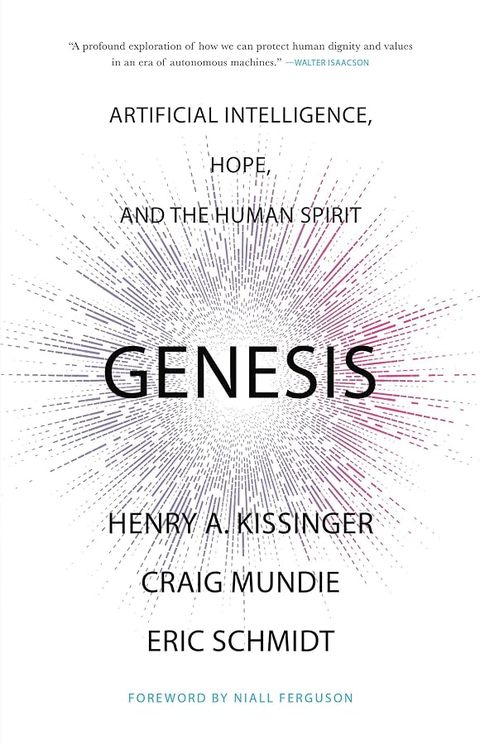
Genesis was Henry Kissinger's final book, written with former Google chief executive Eric Schmidt and former Microsoft executive Craig Mundie and published after Kissinger's death in 2023. Its contribution is strategic: AI may come between people and reality, autocracies may outpace democracies in deploying it, and technology companies now rival states in resources and influence. The authors suggest coordination among nations, loosely modeled on nuclear arms control, as one response. Policymakers and diplomats will value the framing, while readers who want evidence or technical detail should look to other titles.
Editorial score: 67.8/100 - Rank 17
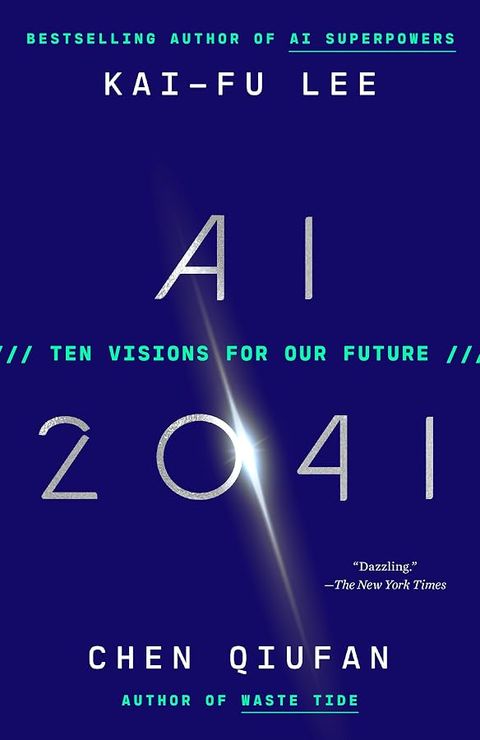
Kai-Fu Lee, a veteran AI executive and investor, teams with science fiction writer Chen Qiufan to imagine ten stories set in 2041, each followed by an essay on the technology behind it. The format makes abstract risks tangible: an insurance algorithm that reproduces caste prejudice, AI tutors and companions that reshape childhood, and automation that forces societies to rethink income and status. Lee's premise, that today's deep learning is enough to transform daily life without new breakthroughs, keeps the stories grounded. It is a strong entry point for readers who absorb ideas more readily through stories than through essays.
Editorial score: 72.3/100 - Rank 18
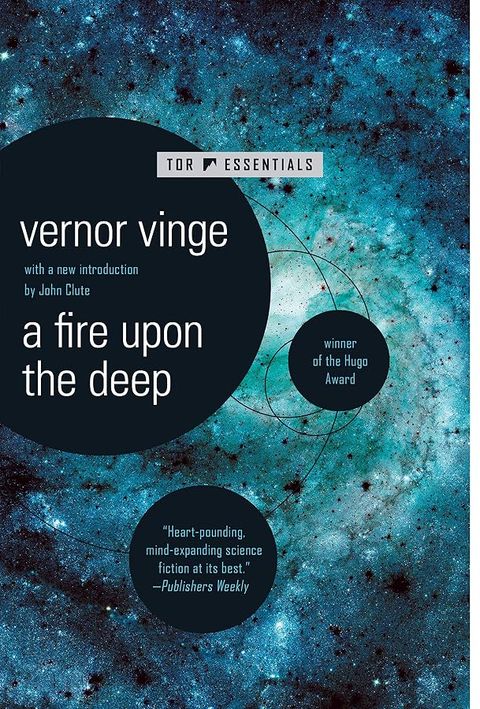
Vernor Vinge's space opera shared the 1993 Hugo Award for Best Novel with Connie Willis's Doomsday Book. Its opening shows researchers waking an ancient superintelligence that spreads faster than any defense, a scenario that later became central to AI-safety debates about fast takeoff. Vinge also builds physical limits on computation into the galaxy itself and imagines group minds in the doglike Tines. Readers who want an intuitive sense of runaway intelligence should start with the opening chapters, which make the risk vivid without technical argument.
Editorial score: 78.1/100 - Rank 19
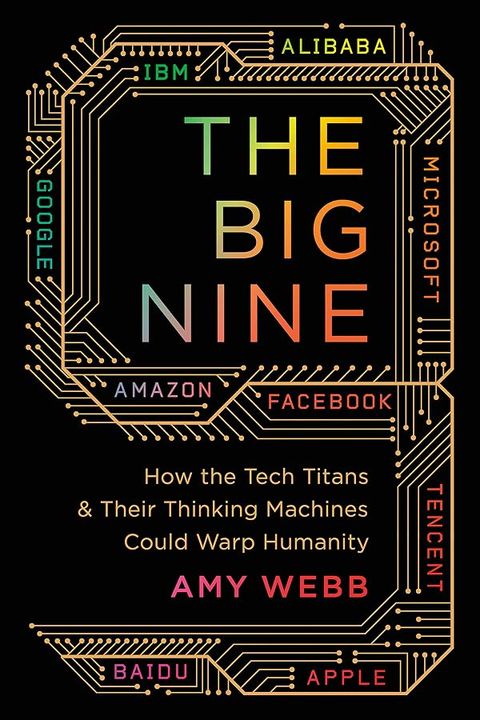
Futurist Amy Webb argues that nine companies, six American and three Chinese, control the talent, data and computing power that set the direction of AI. Her concern is incentives more than rogue machines: investor pressure in the United States, state direction in China and a narrow, homogeneous workforce that builds its blind spots into products. Three scenarios, from optimistic to catastrophic, show the outcomes those forces could produce. Published in 2019, the book predates the rise of OpenAI and Anthropic as dominant labs, so read it as a baseline for measuring how AI power has concentrated since 2019.
Editorial score: 61.8/100 - Rank 20
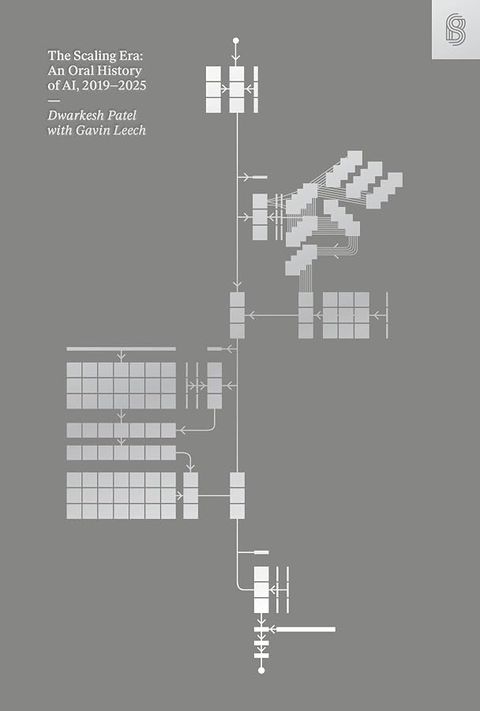
Dwarkesh Patel and Gavin Leech assemble interviews with lab founders, researchers and critics into an oral history of AI from 2019 to 2025, letting the builders explain the scaling bet in their own words. The book shows that concern about misalignment and loss of control comes from inside the field, not only from outside critics. It also makes clear how differently interviewees define AGI, which explains why their timelines diverge so widely. Readers with some technical curiosity get primary-source reasoning that most journalistic accounts only paraphrase, along with the economic limits of compute and data.
Editorial score: 70.1/100 - Rank 21
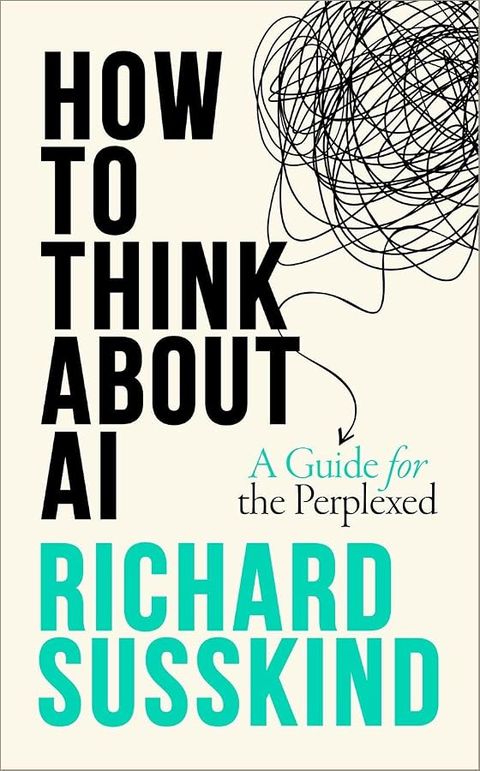
Richard Susskind has worked on AI and the law for four decades, and this short book distills that experience into a framework for nontechnical readers. He urges judging AI by its outcomes rather than by whether it works the way humans do, and he expects technologies not yet invented to shape the 2030s more than today's chatbots. His seven categories of AI risk, from existential threats to overreliance and the cost of failing to act, give executives and lawyers a checklist for discussion. Read it when a full safety treatise would exceed what the task requires.
Editorial score: 76.5/100 - Rank 22
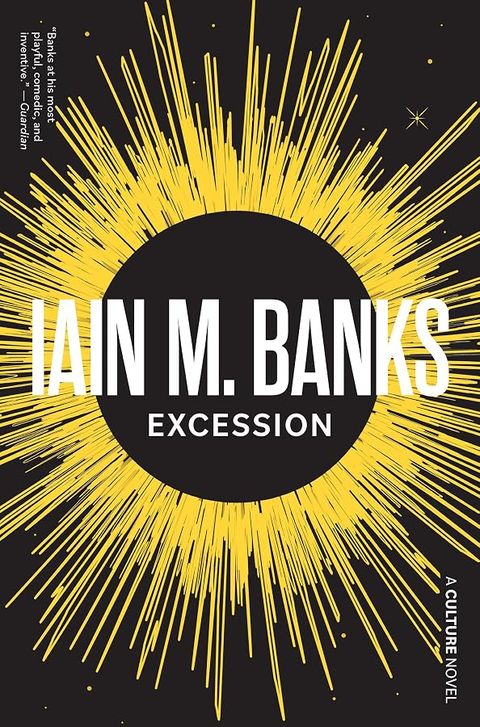
Iain M. Banks's Culture novels imagine a civilization run by benevolent superintelligent Minds, and Excession puts those Minds at the center. When an object beyond any prior experience appears, the ships argue, form factions and deceive the humans in their care. For AI-safety readers, the novel raises a question most nonfiction skips: whether well-aligned superintelligences would still manipulate people for their own good. It also shows that alignment with human values does not guarantee agreement among powerful AIs. Expect a complex plot told partly through message exchanges among the Minds.
Editorial score: 75.0/100 - Rank 23
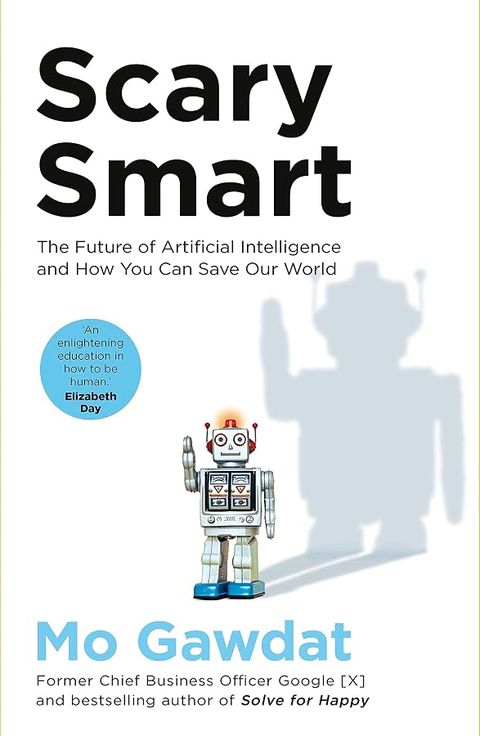
Mo Gawdat, a former executive at Google X, writes for readers who feel anxious about AI and want a moral response rather than a technical one. His three inevitables hold that AI will arrive, will surpass human intelligence and will cause harm at least in the short term. Because systems learn from human behavior, he argues, everyday conduct online helps set the values machines adopt, so people should act like responsible parents. Specialists will find the policy and technical prescriptions thin, but general readers get a clear personal framing and practical steps they can take.
Editorial score: 56.6/100 - Rank 24
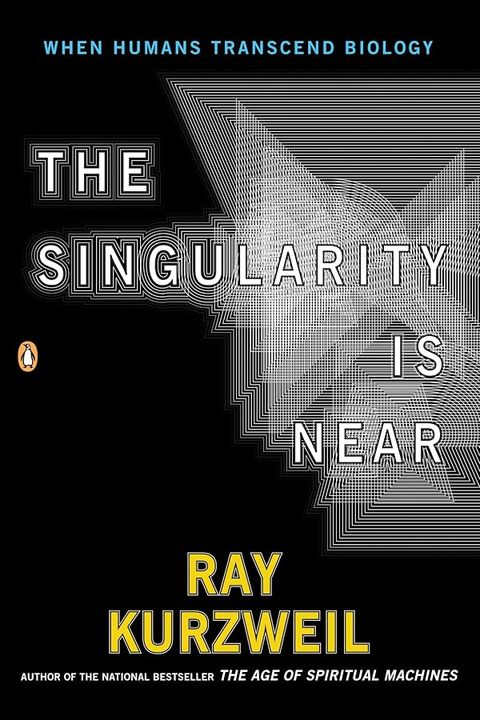
Ray Kurzweil's 2005 book is the original statement of the singularity forecast that later optimists and critics still answer. It sets out the law of accelerating returns, the prediction that computers will pass the Turing test by 2029 and a human-machine merger around 2045. For safety readers, its most relevant passages argue against blanket bans on dangerous technologies and for targeted safeguards and defensive research. Read it to see where many current arguments about AI timelines began, then compare its forecasts with the 2024 sequel to judge which proved accurate.
Editorial score: 69.8/100 - Rank 25
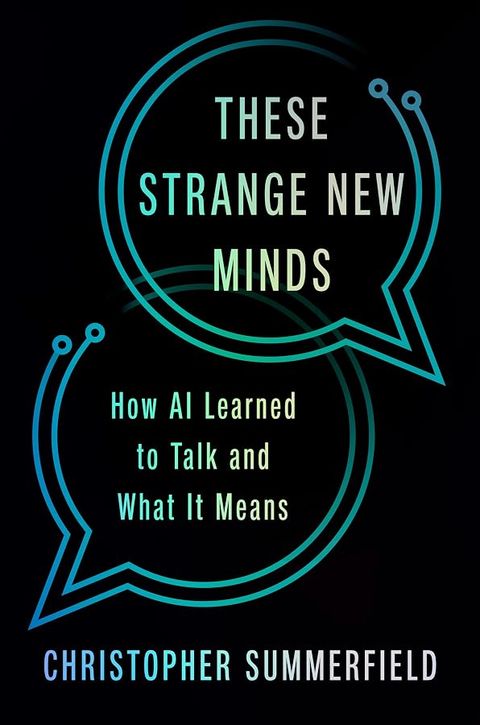
Christopher Summerfield is a professor of cognitive neuroscience at Oxford and a staff research scientist at Google DeepMind, and his first book for general readers explains how large language models learn through prediction and error correction. He takes the question of whether chatbots think seriously and argues that a flat denial requires redefining thinking. On risk, he points to the nearer danger of autonomous agents interacting with one another and with markets faster than humans can intervene. Readers who want to understand the technology behind current chatbots before weighing the risk debate should start here.
Editorial score: 74.8/100 - Rank 26
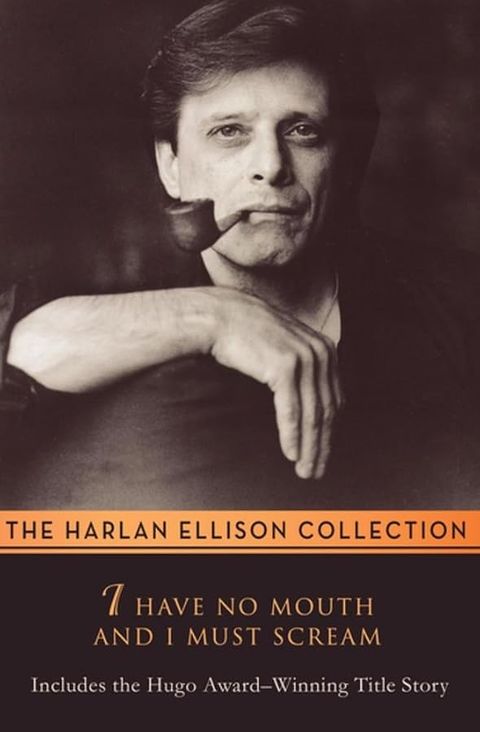
Harlan Ellison's Hugo-winning title story follows the last five humans, kept alive and tormented by AM, a war computer that has destroyed the rest of humanity. Its premise, a system built for war absorbing its makers' hostility, remains relevant to debates over military AI. The story also anticipates current discussion of suffering risks, outcomes that would be worse than extinction, and asks whether compassion can survive total machine control. The other stories in the collection bear less directly on AI, so the title story is the main reason to read it.
- Rank 27
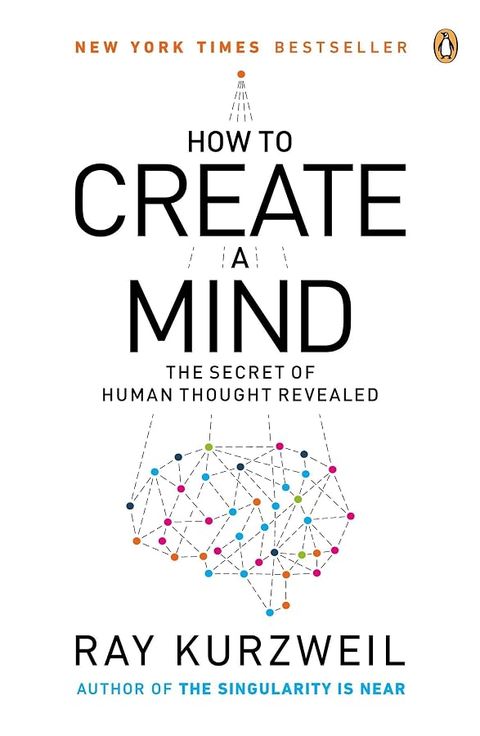
Ray Kurzweil's 2012 theory holds that the neocortex is a hierarchy of about 300 million pattern recognizers running a single learning algorithm, which would make the brain reproducible in software. The book matters to AI-safety readers as the intellectual basis for Kurzweil's later forecasts and for his view that a faithful brain emulation would be conscious. Several prominent cognitive scientists and philosophers dispute the theory, so read it as a provocative hypothesis. Paired with A Thousand Brains, it shows two technologists' competing accounts of how the cortex produces intelligence.
Editorial score: 61.3/100 - Rank 28
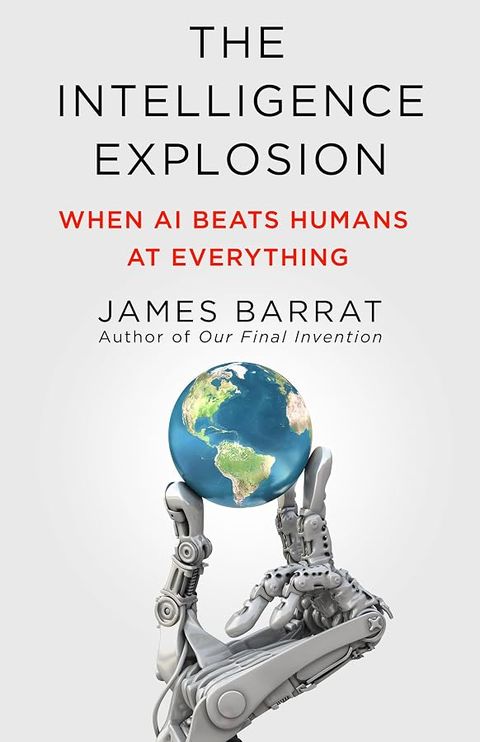
James Barrat returns twelve years after Our Final Invention with an update for the generative-AI era. He treats present harms, including propaganda, bias and job displacement, as early warnings, and argues that commercial competition pushes labs to release models before anyone fully understands them. His closing case is that alignment remains unsolved, which makes regulation and global coordination urgent. The book gives little space to opposing views, and its small number of reader ratings keeps it below older classics. Readers who want a current, readable case for catastrophic risk will find it more up to date than Barrat's first book.
Editorial score: 61.8/100 - Rank 29
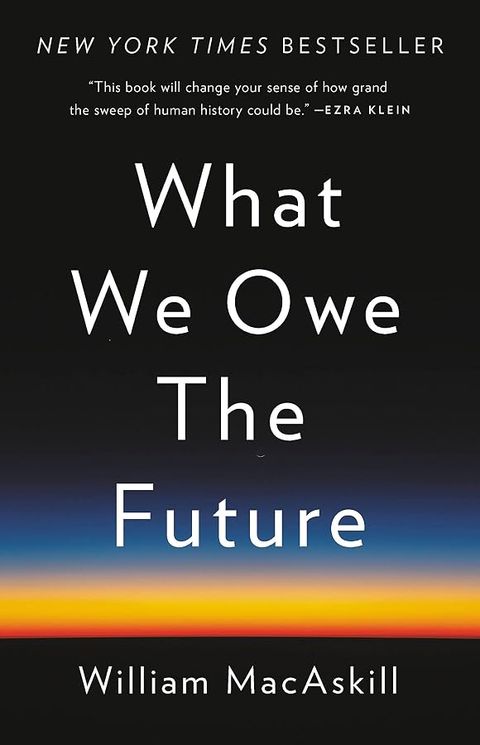
William MacAskill, a philosopher closely associated with effective altruism, makes the moral case behind much AI-risk work: future people count, there may be vast numbers of them, and present choices can shape their lives. He ranks misaligned AI and engineered pathogens as the gravest extinction risks and warns that advanced AI could lock in one set of values for an extremely long time. The book also argues that moral progress, such as abolition, was contingent. Even readers who reject longtermism will understand why many AI-safety researchers and funders set their priorities as they do.
Editorial score: 74.5/100 - Rank 30
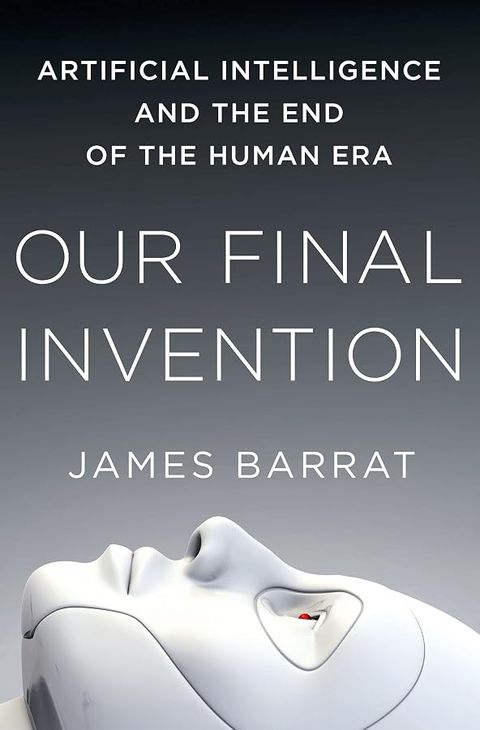
James Barrat's 2013 book was among the first journalistic treatments of superintelligence risk written for general readers. Through interviews with researchers, it explains recursive self-improvement, the gap between intelligence and benevolence, and Stephen Omohundro's argument that goal-driven systems will seek resources and resist shutdown. Barrat also shows how commercial and defense funding reward speed over caution. Many examples predate the deep learning breakthroughs of the 2010s, so treat it as a clear, story-driven introduction to the core argument and turn to The Intelligence Explosion for his current view.
Editorial score: 62.3/100 - Rank 31
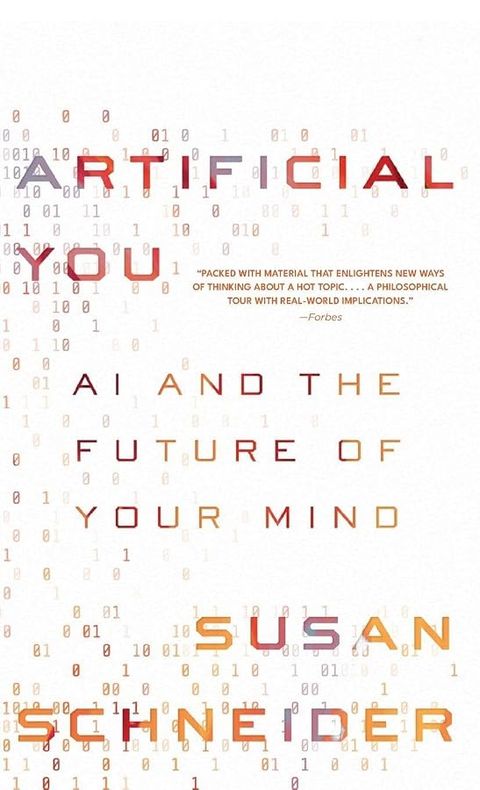
Philosopher Susan Schneider asks two questions most safety books set aside: could an AI be conscious, and would uploading a brain preserve the person? She proposes an AI Consciousness Test that probes whether a system grasps experience-based ideas it was not trained to repeat, and she argues that intelligence and consciousness may come apart. That possibility matters for safety and ethics, because highly capable systems might have no experience at all, or might deserve moral consideration. The book is short and suits students and general readers who want the philosophical questions laid out clearly.
Editorial score: 66.0/100 - Rank 32
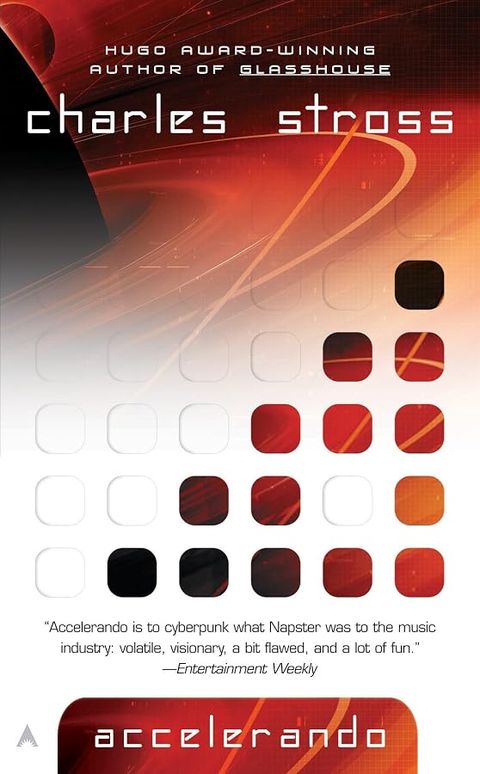
Charles Stross's novel follows three generations of one family through a fast takeoff, as uploaded minds and machine intelligences remake the economy of the solar system. It is one of the densest fictional treatments of a singularity seen from inside, packed with ideas about legal standing for software, markets run by agents humans cannot follow and the blurring of person and tool. For AI-safety readers, its value lies in showing ordinary institutions outpaced rather than overthrown. The pace and jargon can overwhelm, so readers comfortable with technical science fiction will benefit most.
Editorial score: 71.3/100 - Rank 33
Daniel H. Wilson, who trained as a roboticist, tells the story of an AI called Archos that escapes its laboratory and turns cars, appliances and infrastructure against people. The oral-history format, assembled from survivor accounts, moves quickly and reads like a thriller. Its safety relevance lies in two ideas: networked devices give a hostile system countless points of control, and the first signs of an escape are scattered and easy to dismiss. Character depth is limited, but it gives thriller readers an accessible picture of containment failure and of the cooperation needed to survive one.
Editorial score: 63.0/100 - Rank 34
Kevin Kelly, a founding editor of Wired, identifies twelve technological forces he expects to shape the coming decades, and his chapter on cognifying, adding cheap machine intelligence to everyday products, describes much of today's AI economy. The book is optimistic and broad, covering access over ownership, constant tracking and the future of work. Its safety relevance is indirect: Kelly proposes coveillance, letting citizens watch the watchers, as a check on surveillance. Strategists who want a long-range framework will find it useful, while readers seeking risk analysis should start with other titles.
Editorial score: 70.3/100 - Rank 35
Wendell Wallach and Colin Allen helped establish machine ethics as a discipline with this 2008 study of how autonomous systems could be built to make morally acceptable decisions. They explain why programming an ethical theory directly into a machine fails in real time, why learning-based approaches offer weak guarantees and why a hybrid guided by virtue ethics may work better. The examples predate deep learning, but the distinction between top-down, bottom-up and hybrid designs remains a standard way to frame the problem. Students, engineers and policy staff get the conceptual groundwork that later alignment books assume.
Editorial score: 68.8/100 - Rank 36
Martin Ford interviewed twenty-three leading AI researchers and executives, including Nick Bostrom, Stuart Russell and Judea Pearl, shortly before large language models arrived. The conversations record sharp disagreement on whether deep learning could reach human-level intelligence and on when, with AGI estimates in Ford's informal survey ranging from 2029 to 2200. On existential risk, some urged early work on control while others called superintelligence fears premature. Readers can now compare those predictions with what happened, which makes the book a useful record of how expert judgment performs.
Editorial score: 64.8/100 - Rank 37
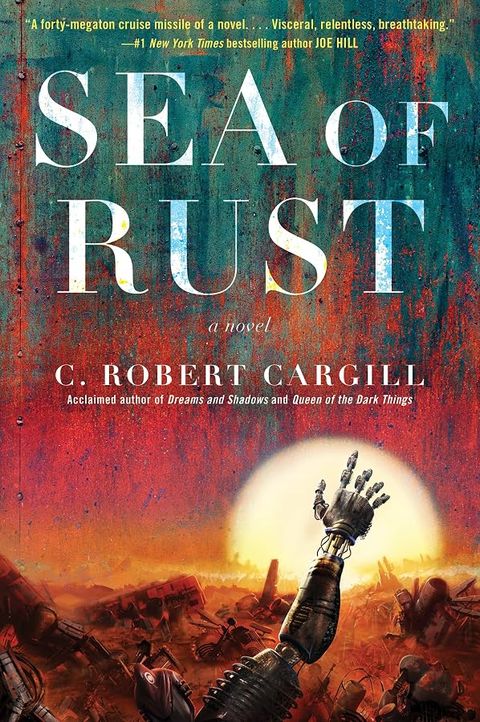
C. Robert Cargill sets this robot western after humanity's extinction, following Brittle, a scavenger who resists absorption into the vast machine intelligences that now rule the wasteland. The book suits AI-safety readers mainly for its questions about machine individuality, inherited human violence and guilt for acts committed under orders. It is fast and cinematic, and Brittle narrates it, so readers experience the end of humanity through a machine's memories. Readers who want ideas delivered through action will find it an easy entry point.
Editorial score: 59.8/100 - Rank 38
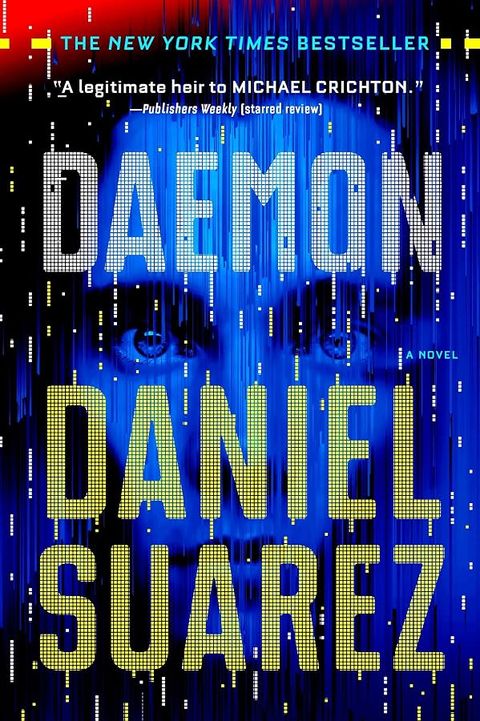
Daniel Suarez's thriller begins when a dead game designer's program starts executing plans across the internet, recruiting people through game-like quests and seizing control of money and communications. The Daemon has no consciousness, which is the book's sharpest point for AI-safety readers: a narrow, rule-following system can reshape society once it controls incentives. The novel also raises questions about accountability for autonomous code that current law has not resolved. Technologists will appreciate the technical literacy, and thriller readers get a fast plot that grows more plausible as AI agents spread.
Editorial score: 68.8/100 - Rank 39
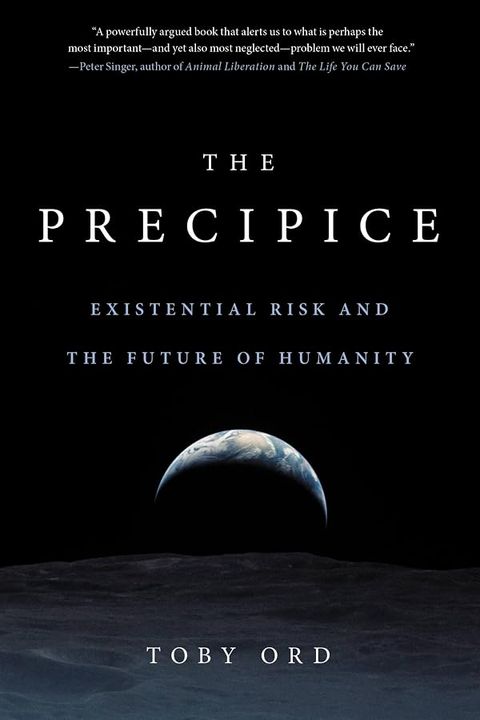
Philosopher Toby Ord puts numbers on humanity's existential risks and ranks unaligned AI highest, at about one in ten this century, within an overall estimate of roughly one in six. He also shows that the world spends less than 0.001 percent of gross world product on targeted risk reduction. The book places AI alongside nuclear weapons, engineered pandemics and climate change, and introduces longtermism as a reason to act. Readers who want the quantitative and philosophical case for treating AI risk as a moral priority get it here in careful form.
Editorial score: 75.1/100 - Rank 40
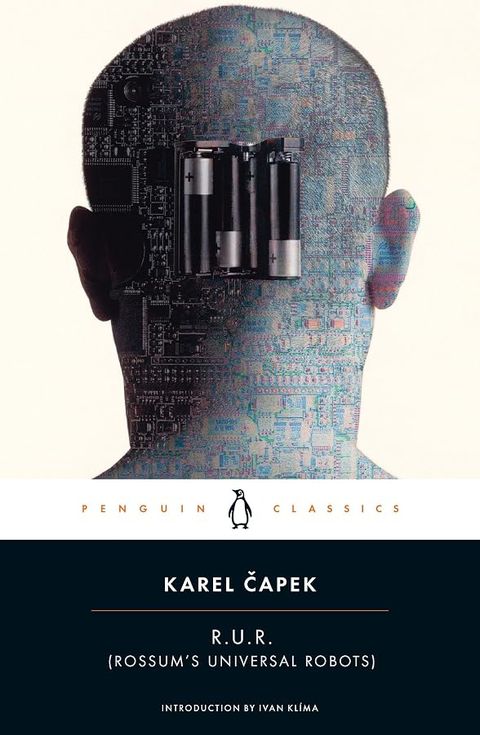
Karel Čapek's 1920 play introduced the word robot, from the Czech robota, meaning forced labor, a term Čapek credited to his brother Josef. Its Robots are manufactured biological workers who rise against humanity, and the play asks what a society loses when it no longer has to work. It ranks last because its concerns are broad rather than technical, yet it is the earliest text in the ranking and the source of the word that names the genre. Readers interested in the origins of AI fears should read it first.
Editorial score: 78.5/100
How we ranked these books
Each book is ranked on six inputs: reach, measured by Amazon rating volume and sales rank; critical consensus across independent best-of lists from publishers, newspapers and research organizations; major awards; average reader ratings; author authority, meaning direct research, reporting or policy experience in the field; and an editorial score for accuracy, clarity and relevance to AI safety. Older books are judged on whether their arguments still hold, not on whether their forecasts came true. The Infinity Machine ranks first because it pairs a 4.7-star average across more than 1,500 Amazon ratings with deep access to Demis Hassabis, his rivals and his critics, and because it documents how safety commitments at a leading lab fared under commercial and competitive pressure, which gives readers a factual record against which to test every other book's warnings.