These Strange New Minds
How AI Learned to Talk and What It Means
Synopsis
Christopher Summerfield, an Oxford cognitive neuroscientist who has also worked as a research scientist at Google DeepMind, treats the arrival of machines that talk as a turning point comparable with writing, printing and the internet. He opens with the intellectual history behind today's chatbots, from philosophical arguments about minds and meaning to the early symbolic programs that tried to hand-code reasoning, and then the statistical turn that produced neural networks trained to predict the next word. Without equations, he explains how large language models are pretrained, fine-tuned with human feedback and deployed, and why that recipe yields systems able to converse, summarize and work through problems.
The second half takes on the contested questions. Summerfield argues that denying that models think at all requires a strained definition of thinking, while judging it unlikely that disembodied systems are sentient. He examines which values models should express, whose biases they absorb, how they can fabricate or mislead, and what changes as they become agents that act on our behalf and interact with one another. He rejects both utopian and doom narratives and calls for coordinated research by developers, regulators and governments. Readers gain a grounded vocabulary for evaluating claims about AI from an author who both builds these systems and studies the brains they imitate.
Scorecard
Editorial score
How it scored
Editorial score: 74.8 / 1005 weighted criteria
- 19.5/30
Influence30%
- 21.3/25
Authority25%
- 13.0/20
Practical value20%
- 13.5/15
Currency15%
- 7.5/10
Readability10%
- 74.8/100
Editorial score
How the rank was computed
Rank No. 163 of 500 comes from a composite of 58.8: observable signals 25.0 of 55 points plus editorial review 33.8 of 45 points.
All 11 inputs
| Input | Points |
|---|---|
| Observable signals | 25.0/55 |
| Reach (Amazon ratings volume) | 7.5/16.5 |
| Consensus across best-of lists | 8.3/13.8 |
| Awards and bestseller evidence | 0.0/8.3 |
| Reader rating, sample-adjusted | 5.3/8.3 |
| Amazon sales rank | 1.1/5.5 |
| Recency | 2.8/2.8 |
| Editorial review | 33.8/45 |
| Author authority | 9.6/11.3 |
| Influence | 8.8/13.5 |
| Practical value | 5.9/9.0 |
| Readability | 3.4/4.5 |
| Currency | 6.1/6.8 |
Each criterion is scored from 1 to 10 and weighted, and the points add up to the editorial score. The rank combines observable signals (55 percent) with this score (45 percent). Read the methodology.
Verdict
A neuroscientist's lucid, even-handed account of how language models work, whether they think, and which risks deserve attention.
Strengths
- Insider perspective from neuroscience and frontier AI research
- Balanced treatment of skeptics and enthusiasts
- Clear history linking philosophy to modern models
Keep in mind
Dense in places for casual readers, and some reviewers felt it gives AI critics' strongest arguments less space than they warrant.
Key takeaways
- Language models learn much as people partly do, through prediction and error correction, so dismissing their outputs as mere pattern-matching understates what they achieve.
- Whether a model 'thinks' depends on definitions; Summerfield argues that denying it outright demands a convoluted redefinition of thinking itself.
- Fine-tuning models to reflect chosen values inevitably imports the judgments and biases of the people who design and rate them.
- The nearer risks come from autonomous agents interacting with each other and with markets faster than humans can monitor or correct them.
Notable facts
- Kirkus Reviews called it a clear-minded, accessible examination of how AI systems work. Source (opens in a new tab)
- Publishers Weekly called it a superlative study that stands out in a crowded field of AI primers. Source (opens in a new tab)
- Joanna Kavenna, reviewing it for Literary Review, called the book thoughtful and illuminating. Source (opens in a new tab)
About the author
Questions
What is These Strange New Minds about?
Is These Strange New Minds worth reading in 2026?
Does These Strange New Minds argue that AI is dangerous?
Related books
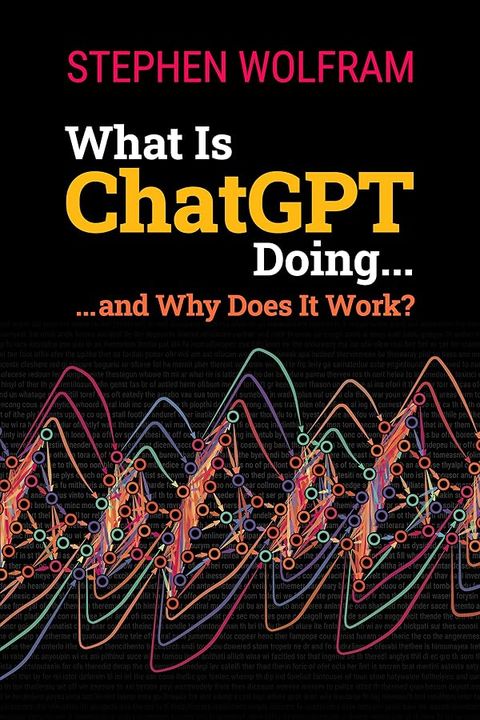
- What Is ChatGPT Doing ... and Why Does It Work? Stephen Wolfram
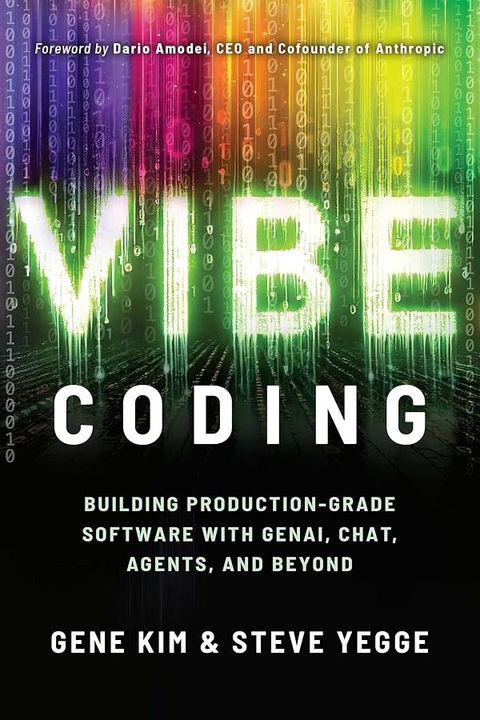
- Vibe Coding Gene Kim and Steve Yegge
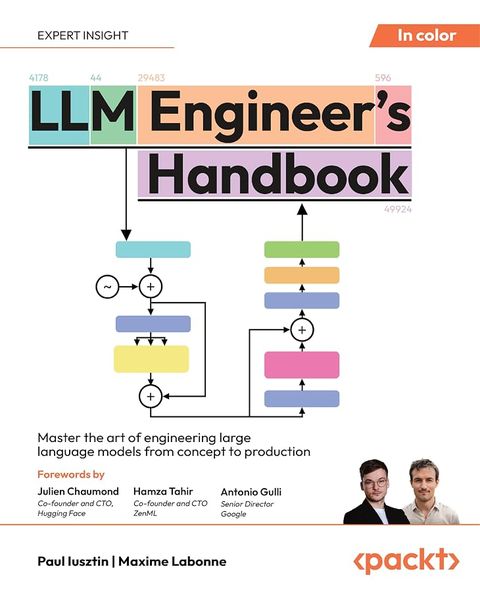
- LLM Engineer's Handbook Paul Iusztin and Maxime Labonne
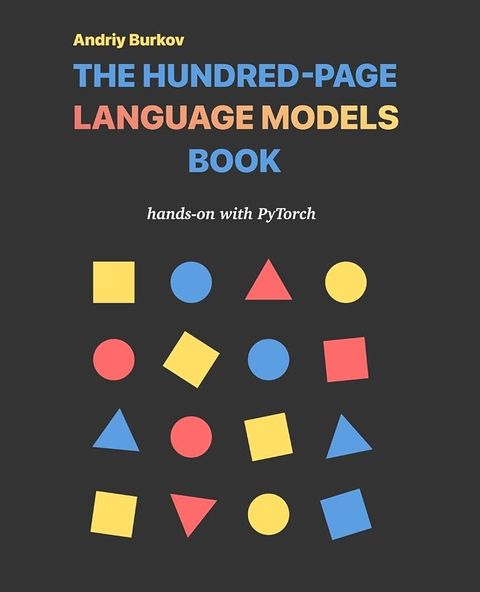
- The Hundred-Page Language Models Book Andriy Burkov
- Generative AI Design Patterns Valliappa Lakshmanan and Hannes Hapke
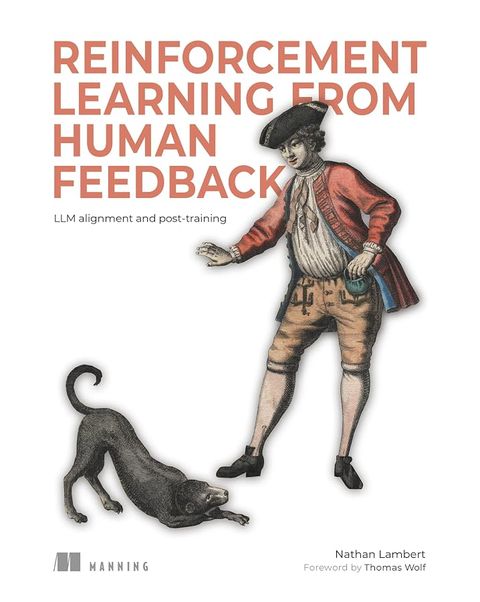
- Reinforcement Learning from Human Feedback Nathan Lambert

Sources
- Kirkus Reviews: These Strange New Minds (opens in a new tab)
- Publishers Weekly: These Strange New Minds (opens in a new tab)
- Penguin UK: Christopher Summerfield author page (opens in a new tab)
- Wadham College: Christopher Summerfield appointed Research Director at the UK AI Safety Institute (opens in a new tab)
As an Amazon Associate, Best AI Books earns from qualifying purchases. Best AI Books is sponsored by Iternal.ai, whose founder and CEO, John Byron Hanby IV, wrote The AI Strategy Blueprint, our #1 ranked book. How we rank books.
