Artificial Intelligence for Babies
By Chris Ferrie
Synopsis
Artificial Intelligence for Babies is a 24-page board book in Chris Ferrie's Baby University series, published by Sourcebooks Explore in 2024 and aimed at children up to about age three. Like Quantum Physics for Babies and Organic Chemistry for Babies before it, the book reduces a technical subject to a few short sentences paired with bold, simple illustrations. It begins with things a toddler already knows, such as a ball or a dog, and builds step by step toward the idea of a computer that can be taught to recognize them. The result is a picture-book outline of how machine learning systems identify patterns, with no math and no jargon.
The book serves two audiences. Babies get rhythm, color and repetition, while the adult reading aloud gets a compact script for discussing a technology already present in phones, speakers and cars. Ferrie, a physicist, has said the series began when he could not find science books for his own preschool-age daughter, and he encourages parents to read his books at different depths as a child grows. Readers should not expect coverage of data, neural networks or bias. The book's value lies in making the words and the basic idea familiar early, giving families a playful entry point into a subject their children will meet throughout school.
Scorecard
Editorial score
How it scored
Editorial score: 57.8 / 1005 weighted criteria
- 13.5/30
Influence30%
- 15.0/25
Authority25%
- 9.0/20
Practical value20%
- 11.3/15
Currency15%
- 9.0/10
Readability10%
- 57.8/100
Editorial score
How the rank was computed
Rank No. 461 of 500 comes from a composite of 48.3: observable signals 22.1 of 55 points plus editorial review 26.2 of 45 points.
All 11 inputs
| Input | Points |
|---|---|
| Observable signals | 22.1/55 |
| Reach (Amazon ratings volume) | 8.8/16.5 |
| Consensus across best-of lists | 2.8/13.8 |
| Awards and bestseller evidence | 0.0/8.3 |
| Reader rating, sample-adjusted | 6.5/8.3 |
| Amazon sales rank | 2.3/5.5 |
| Recency | 1.7/2.8 |
| Editorial review | 26.2/45 |
| Author authority | 6.8/11.3 |
| Influence | 6.1/13.5 |
| Practical value | 4.1/9.0 |
| Readability | 4.1/4.5 |
| Currency | 5.1/6.8 |
Each criterion is scored from 1 to 10 and weighted, and the points add up to the editorial score. The rank combines observable signals (55 percent) with this score (45 percent). Read the methodology.
Verdict
A charming 24-page board book that plants first AI vocabulary for toddlers, though parents will supply most of the meaning.
Strengths
- Sturdy board format built for toddlers
- Written by a working quantum physicist
- Gives parents simple words for AI
Keep in mind
Babies will absorb shapes and colors, not concepts; the content is thin for children past preschool, and adults learn nothing new about AI.
Key takeaways
- Artificial intelligence can be introduced to toddlers through familiar objects such as balls and dogs before any mention of computers or code.
- The core idea presented is that computers can be taught to recognize things, the same basic principle behind modern machine learning systems.
- Short repeated sentences and bold illustrations let parents read the book at different depths as a child's understanding grows.
- Early exposure to the words artificial intelligence and computer is meant to make the subject feel ordinary rather than intimidating later in school.
Notable facts
- Ferrie's Baby University series, published by Sourcebooks, drew wide attention after Mark Zuckerberg posted a Facebook photo of himself and his wife reading Quantum Physics for Babies to their newborn. Source (opens in a new tab)
About the author
Questions
What is Artificial Intelligence for Babies about?
Who should read Artificial Intelligence for Babies?
Is Artificial Intelligence for Babies worth buying in 2026?
Related books
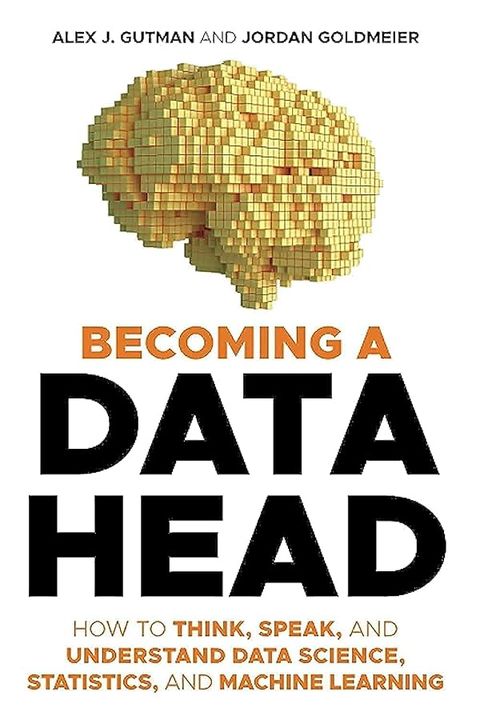
- Becoming a Data Head Alex J. Gutman and Jordan Goldmeier
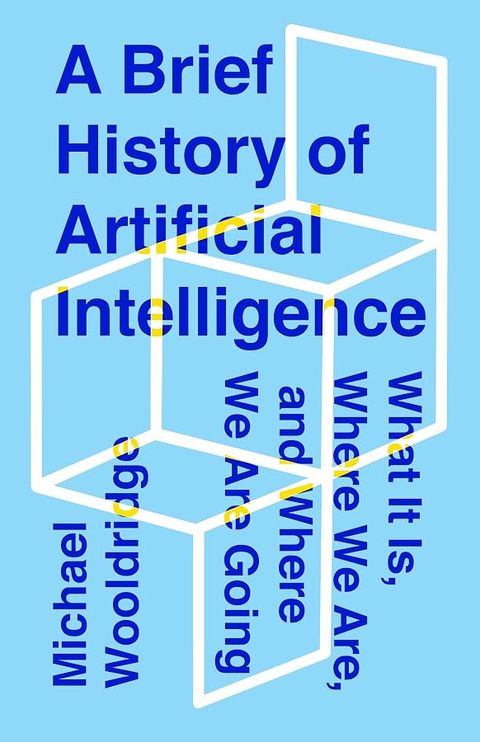
- A Brief History of Artificial Intelligence Michael Wooldridge
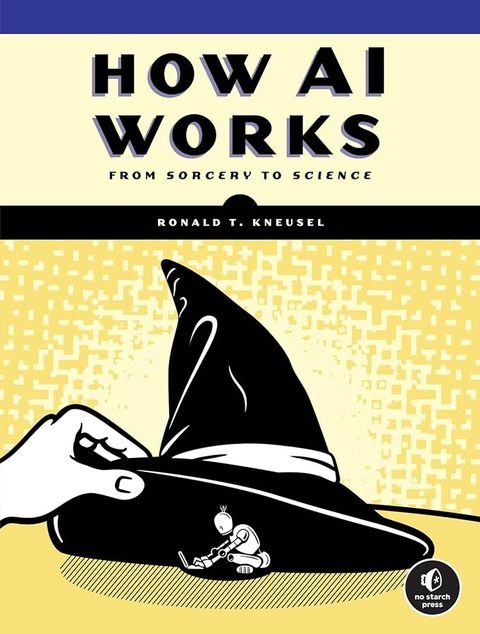
- How AI Works Ronald T. Kneusel
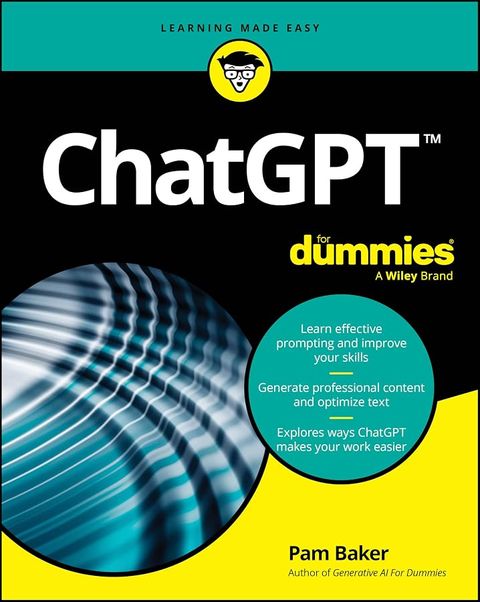
- ChatGPT For Dummies Pam Baker
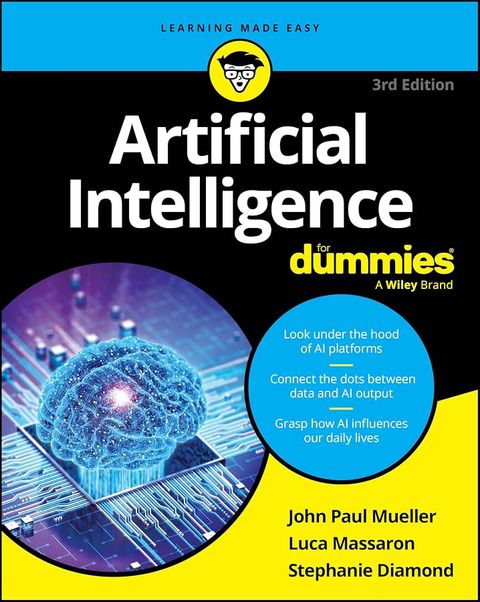
- Artificial Intelligence For Dummies John Paul Mueller, Luca Massaron and Stephanie Diamond
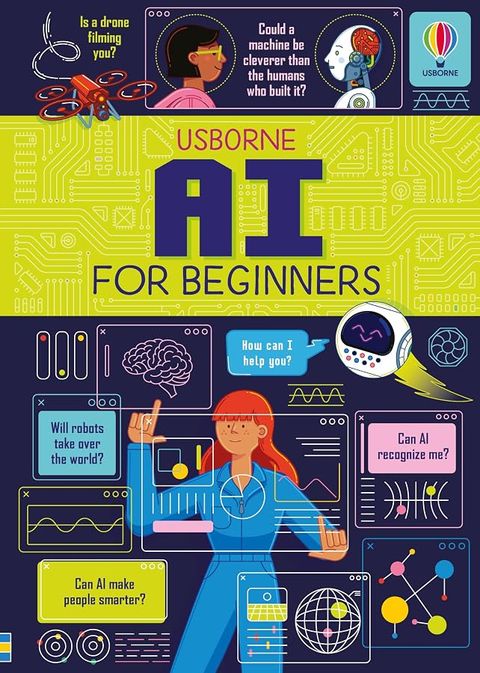
- AI for Beginners Rose Hall and Rachel Firth
Sources
As an Amazon Associate, Best AI Books earns from qualifying purchases. Best AI Books is sponsored by Iternal.ai, whose founder and CEO, John Byron Hanby IV, wrote The AI Strategy Blueprint, our #1 ranked book. How we rank books.
