How AI Works
From Sorcery to Science
Synopsis
Ronald Kneusel, a data scientist who builds deep-learning systems, explains modern AI without a single equation. After an overview that separates artificial intelligence, machine learning and deep learning, he traces the field's history, including why symbolic, rule-based AI stalled and why neural networks prevailed once large datasets and fast hardware became available. He then walks through classical machine learning models such as decision trees, random forests and support vector machines, followed by neural networks, convolutional networks for vision, generative models that create images, and large language models.
Kneusel's central point is that a neural network's apparent intelligence emerges from very large numbers of simple units, each multiplying inputs by learned weights and summing the results. His chapter on large language models asks whether systems such as ChatGPT amount to true AI at last, and he leans toward reading their emergent abilities as a real step in that direction, a view some readers will dispute. A closing chapter weighs the social implications, and appendices supply resources and a glossary. At 192 pages, the book gives managers, students and curious readers a working mental model of what happens inside AI systems without requiring any programming.
Scorecard
Editorial score
How it scored
Editorial score: 61.1 / 1005 weighted criteria
- 13.5/30
Influence30%
- 16.3/25
Authority25%
- 13.0/20
Practical value20%
- 9.8/15
Currency15%
- 8.5/10
Readability10%
- 61.1/100
Editorial score
How the rank was computed
Rank No. 397 of 500 comes from a composite of 49.9: observable signals 22.4 of 55 points plus editorial review 27.5 of 45 points.
All 11 inputs
| Input | Points |
|---|---|
| Observable signals | 22.4/55 |
| Reach (Amazon ratings volume) | 7.8/16.5 |
| Consensus across best-of lists | 5.5/13.8 |
| Awards and bestseller evidence | 0.0/8.3 |
| Reader rating, sample-adjusted | 5.8/8.3 |
| Amazon sales rank | 1.6/5.5 |
| Recency | 1.7/2.8 |
| Editorial review | 27.5/45 |
| Author authority | 7.3/11.3 |
| Influence | 6.1/13.5 |
| Practical value | 5.9/9.0 |
| Readability | 3.8/4.5 |
| Currency | 4.4/6.8 |
Each criterion is scored from 1 to 10 and weighted, and the points add up to the editorial score. The rank combines observable signals (55 percent) with this score (45 percent). Read the methodology.
Verdict
A clear, equation-free explanation of how machine learning, neural networks and large language models work, written by a deep-learning practitioner.
Strengths
- No equations, yet technically accurate
- Concise history explains why AI succeeded now
- Includes glossary and further-reading resources
Keep in mind
Written in 2023, its treatment of large language models is brief and predates reasoning models and agents, and experienced readers will find little new.
Key takeaways
- Artificial intelligence, machine learning and deep learning are nested fields, and most modern AI is deep learning trained on data rather than hand-written rules.
- Symbolic AI stalled because hand-coded rules could not scale, while neural networks advanced once large datasets and powerful hardware became available.
- A neural network is built from simple units that multiply inputs by weights and sum them; training adjusts those weights to reduce error.
- Large language models display abilities their designers did not explicitly program, which Kneusel argues makes them a plausible first step toward true AI.
Notable facts
- Choice Reviews published a review of the book by Taylor J. Greene of Chapman University in 2024 (volume 62, issue 1). Source (opens in a new tab)
- Unite.AI CEO Antoine Tardif reviewed it as 'succinct and clear-cut' and added it to his list of the best machine learning and AI books. Source (opens in a new tab)
About the author
Questions
What is How AI Works: From Sorcery to Science about?
Do I need a technical background to read How AI Works?
Is How AI Works worth reading in 2026?
Related books
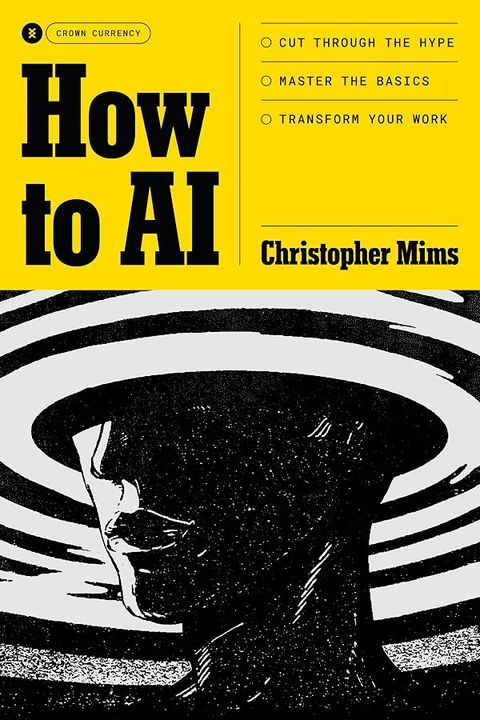
- How To AI Christopher Mims
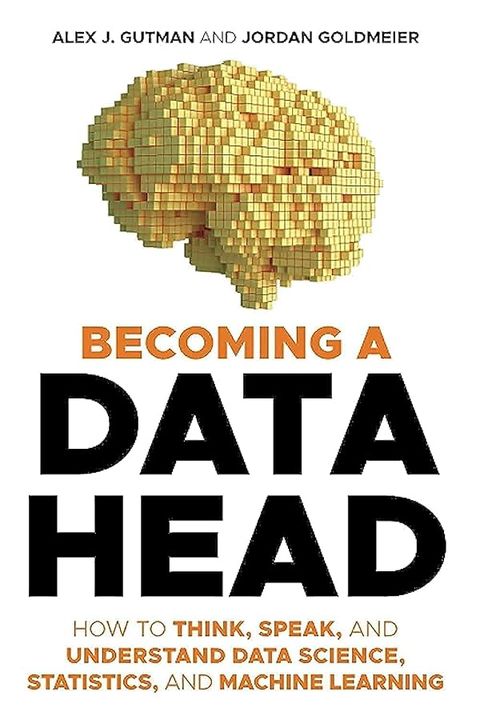
- Becoming a Data Head Alex J. Gutman and Jordan Goldmeier
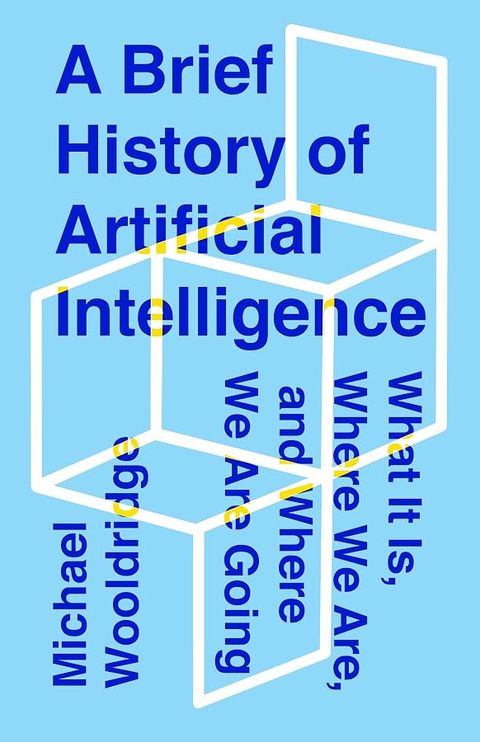
- A Brief History of Artificial Intelligence Michael Wooldridge
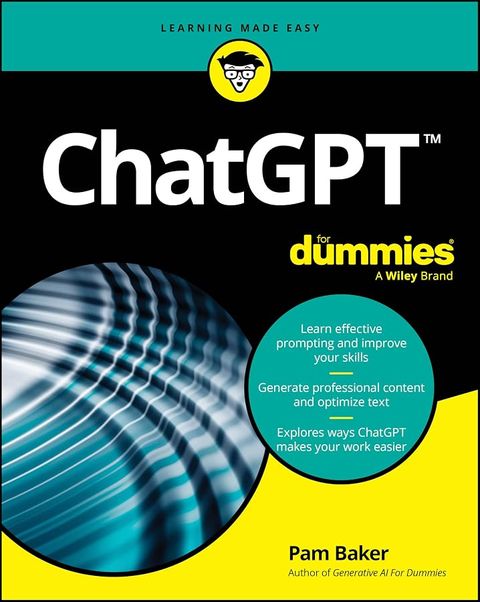
- ChatGPT For Dummies Pam Baker
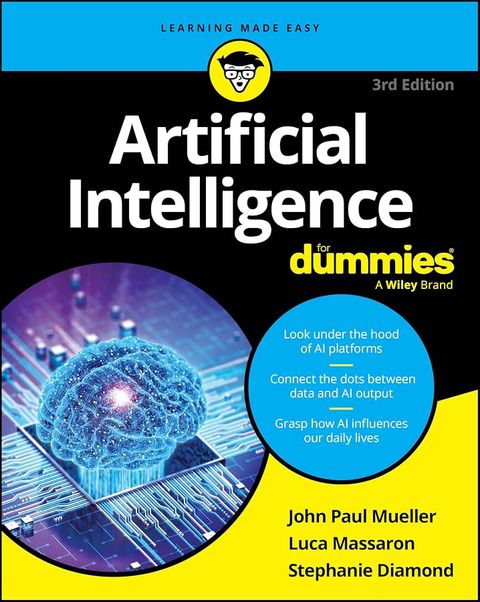
- Artificial Intelligence For Dummies John Paul Mueller, Luca Massaron and Stephanie Diamond
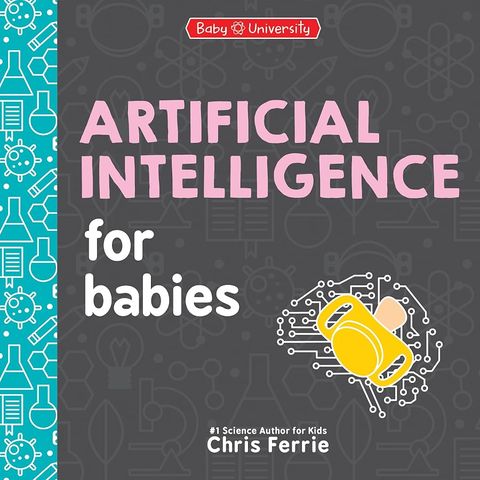
- Artificial Intelligence for Babies Chris Ferrie
Sources
As an Amazon Associate, Best AI Books earns from qualifying purchases. Best AI Books is sponsored by Iternal.ai, whose founder and CEO, John Byron Hanby IV, wrote The AI Strategy Blueprint, our #1 ranked book. How we rank books.
