How To AI
Cut Through the Hype. Master the Basics. Transform Your Work.
Synopsis
Wall Street Journal technology columnist Christopher Mims organizes this guide around 24 laws of AI, short principles distilled from his reporting on how people actually use the technology at work. The laws are practical rather than theoretical: AI is an assistant, not a replacement; it is weak at original creativity but useful for helping people be creative; it is better at prototypes than finished products; and its output must be verified. Mims prefers the term simulated intelligence, arguing that it sets more accurate expectations, and he spends substantial time on hallucinations: why fluent text can be wrong, how to reduce errors and how to catch them.
The book is built on case studies rather than abstractions. Readers meet a Dallas personal injury lawyer who uses AI to prepare for depositions without embarrassing errors, a marketing team at Clorox producing ads with generative tools, freelancers adapting their businesses, and scientists folding AI into research. Each chapter closes with a summary and a glossary of terms, so newcomers build vocabulary as they go. Mims stays deliberately calm about job loss, presenting AI as a feature that will seep into most software much as the internet did. Readers finish with practical rules for deciding which tasks to delegate, how to supervise the output, and how to resist hype in either direction.
Scorecard
Editorial score
How it scored
Editorial score: 72.0 / 1005 weighted criteria
- 16.5/30
Influence30%
- 17.5/25
Authority25%
- 16.0/20
Practical value20%
- 13.5/15
Currency15%
- 8.5/10
Readability10%
- 72.0/100
Editorial score
How the rank was computed
Rank No. 321 of 500 comes from a composite of 52.3: observable signals 19.9 of 55 points plus editorial review 32.4 of 45 points.
All 11 inputs
| Input | Points |
|---|---|
| Observable signals | 19.9/55 |
| Reach (Amazon ratings volume) | 6.5/16.5 |
| Consensus across best-of lists | 5.5/13.8 |
| Awards and bestseller evidence | 0.0/8.3 |
| Reader rating, sample-adjusted | 4.4/8.3 |
| Amazon sales rank | 0.7/5.5 |
| Recency | 2.8/2.8 |
| Editorial review | 32.4/45 |
| Author authority | 7.9/11.3 |
| Influence | 7.4/13.5 |
| Practical value | 7.2/9.0 |
| Readability | 3.8/4.5 |
| Currency | 6.1/6.8 |
Each criterion is scored from 1 to 10 and weighted, and the points add up to the editorial score. The rank combines observable signals (55 percent) with this score (45 percent). Read the methodology.
Verdict
A clear, skeptical field guide that teaches working professionals what AI does well, where it fails, and how to check it.
Strengths
- Grounded in reported case studies
- Memorable laws that organize practical advice
- Calm, hype-free tone for skeptics
Keep in mind
Readers expecting step-by-step tool tutorials will find more survey than manual, and technical readers will find the explanations basic.
Key takeaways
- Treat AI as an assistant rather than a replacement: delegate the tasks you like least, and keep judgment and final decisions with people.
- Hallucinations arrive in fluent, confident prose, so every factual claim from a chatbot needs verification before it reaches a client, court or colleague.
- AI excels at prototypes and first drafts but rarely delivers finished work; its value lies in speeding iteration, not replacing expertise.
- Calling the technology simulated intelligence sets better expectations, reminding users that fluent output reflects pattern prediction rather than understanding.
Notable facts
- Kirkus Reviews called it a significant and pioneering survey of artificial intelligence that is as engaging as it is useful. Source (opens in a new tab)
- The publisher's book page carries endorsements from Scott Galloway, Ethan Mollick and Melanie Mitchell. Source (opens in a new tab)
- LLRX reviewer Jerry Lawson placed it on a short list of AI books for lawyers alongside works by Ethan Mollick and Richard Susskind. Source (opens in a new tab)
About the author
Questions
What is How To AI about?
Who should read How To AI?
Is How To AI worth reading in 2026?
Related books
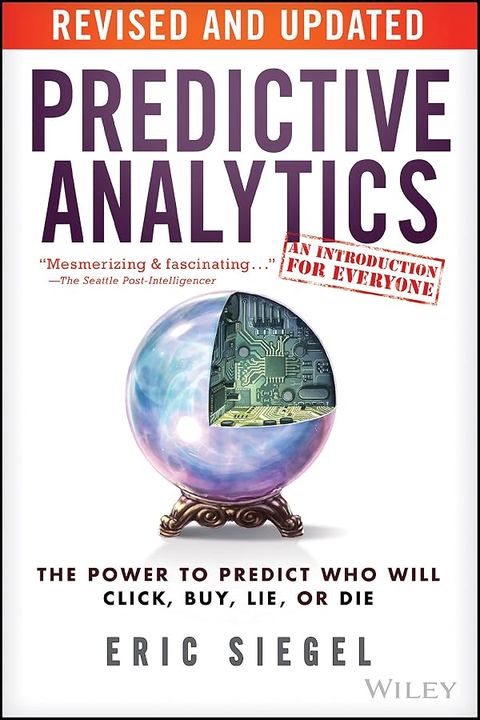
- Predictive Analytics Eric Siegel
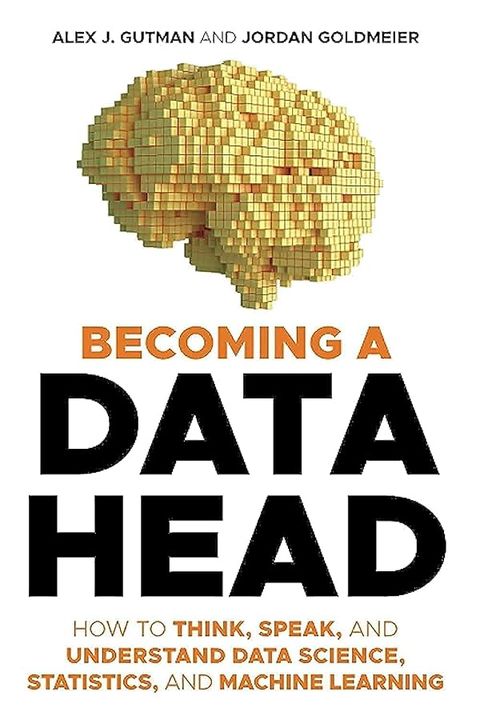
- Becoming a Data Head Alex J. Gutman and Jordan Goldmeier
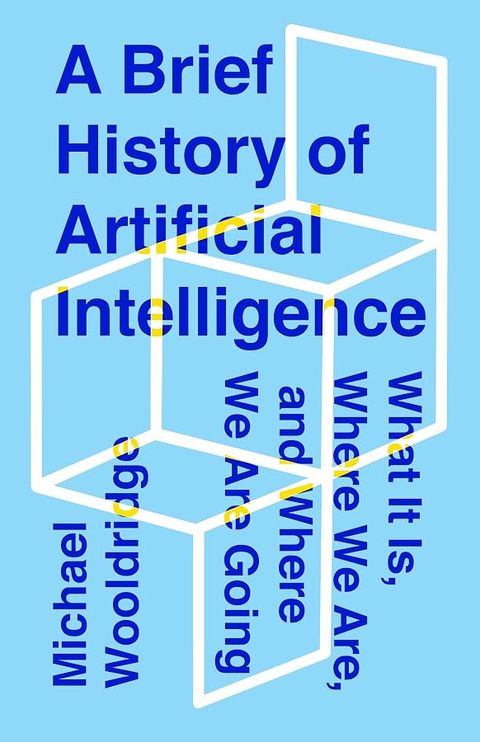
- A Brief History of Artificial Intelligence Michael Wooldridge
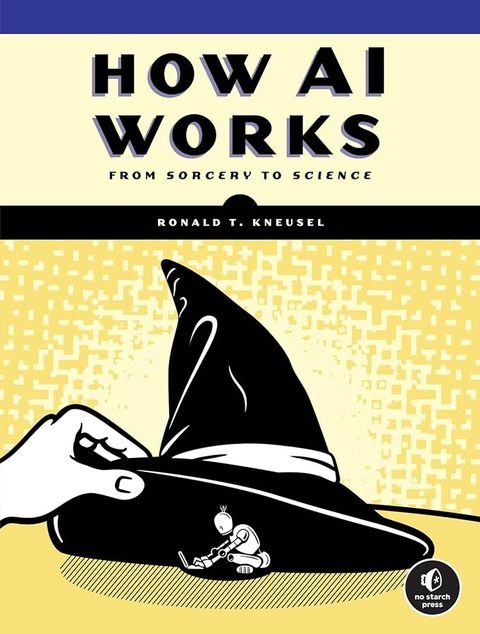
- How AI Works Ronald T. Kneusel
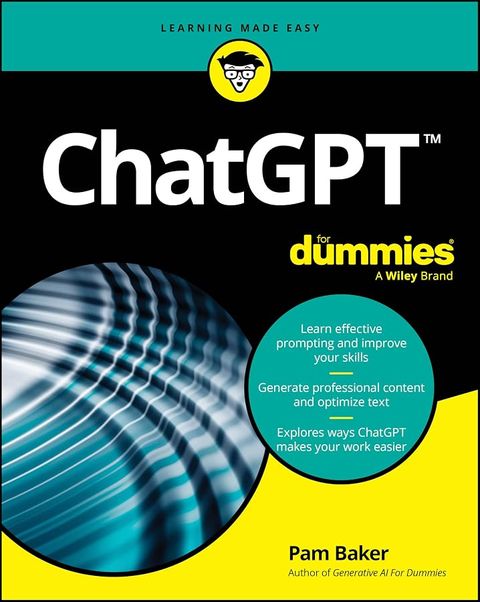
- ChatGPT For Dummies Pam Baker
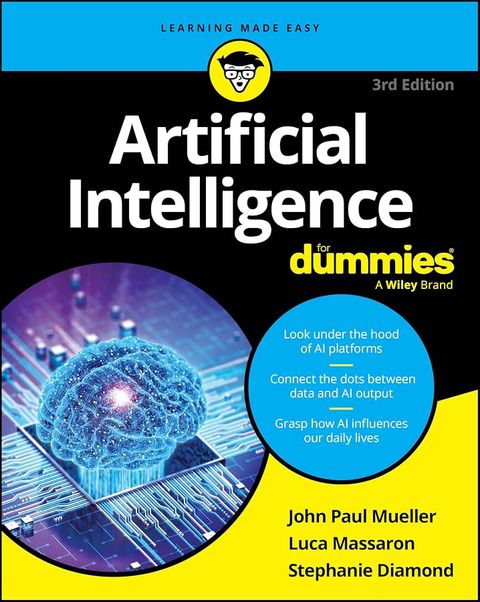
- Artificial Intelligence For Dummies John Paul Mueller, Luca Massaron and Stephanie Diamond
Sources
As an Amazon Associate, Best AI Books earns from qualifying purchases. Best AI Books is sponsored by Iternal.ai, whose founder and CEO, John Byron Hanby IV, wrote The AI Strategy Blueprint, our #1 ranked book. How we rank books.
