Learning LangChain
Building AI and LLM Applications with LangChain and LangGraph
Synopsis
Learning LangChain is a guided tour of building LLM applications with LangChain, the open-source framework, and LangGraph, its library for stateful, multi-step agent workflows. Mayo Oshin and Nuno Campos write for developers who know Python or JavaScript but are new to AI, and they show nearly every example in both languages. The book opens with prompts, chat models and the framework's building blocks, then spends two chapters on retrieval-augmented generation: loading and chunking documents, embedding them in a vector store, and retrieving the right passages to ground a model's answer. Later chapters add conversational memory, explain the cognitive architectures that range from a single LLM call to autonomous agents, and build agents that call tools, reflect on their output and coordinate with other agents.
The final third turns to production concerns that many tutorials skip: structured output, streaming, human-in-the-loop checkpoints, deployment with a hosted vector store and the LangGraph Platform, and evaluation and monitoring with LangSmith. Readers come away with a working mental model of how RAG pipelines and agent graphs fit together, and with code they can adapt to their own data. Because Campos was LangChain's first employee and created LangGraph, the explanations reflect the framework's design intent, though the libraries have continued to change since publication.
Scorecard
Editorial score
How it scored
Editorial score: 65.3 / 1005 weighted criteria
- 16.5/30
Influence30%
- 20.0/25
Authority25%
- 14.0/20
Practical value20%
- 8.3/15
Currency15%
- 6.5/10
Readability10%
- 65.3/100
Editorial score
How the rank was computed
Rank No. 469 of 500 comes from a composite of 48.0: observable signals 18.7 of 55 points plus editorial review 29.3 of 45 points.
All 11 inputs
| Input | Points |
|---|---|
| Observable signals | 18.7/55 |
| Reach (Amazon ratings volume) | 5.3/16.5 |
| Consensus across best-of lists | 5.5/13.8 |
| Awards and bestseller evidence | 0.0/8.3 |
| Reader rating, sample-adjusted | 4.6/8.3 |
| Amazon sales rank | 0.5/5.5 |
| Recency | 2.8/2.8 |
| Editorial review | 29.3/45 |
| Author authority | 9.0/11.3 |
| Influence | 7.4/13.5 |
| Practical value | 6.3/9.0 |
| Readability | 2.9/4.5 |
| Currency | 3.7/6.8 |
Each criterion is scored from 1 to 10 and weighted, and the points add up to the editorial score. The rank combines observable signals (55 percent) with this score (45 percent). Read the methodology.
Verdict
A clear, code-first introduction to RAG and LangGraph agents, co-written by LangGraph's creator, though fast-moving APIs date some examples.
Strengths
- Co-written by LangGraph's creator at LangChain
- Parallel Python and JavaScript code throughout
- Covers deployment, evaluation and monitoring, not only prototyping
Keep in mind
LangChain's APIs change quickly, so some code no longer runs as printed, and readers wanting deep explanations of internals will find coverage brief.
Key takeaways
- Retrieval-augmented generation grounds an LLM in your own documents by indexing, chunking and embedding them, then retrieving relevant passages at query time.
- LLM applications sit on a spectrum of autonomy, from fixed chains to routers to full agents, and more autonomy usually costs some reliability.
- LangGraph models an application as a graph of nodes sharing state, which makes memory, branching, loops and human approval steps explicit.
- A working prototype is not production-ready until it has evaluation datasets, tracing and monitoring, and LangSmith supplies tooling for each.
Notable facts
- Co-author Nuno Campos was LangChain's first employee and created LangGraph, the agent library the book teaches. Source (opens in a new tab)
- The book has also been published in a Japanese edition. Source (opens in a new tab)
About the author
Questions
Is Learning LangChain worth reading in 2026?
Who should read Learning LangChain?
What is Learning LangChain about?
Related books
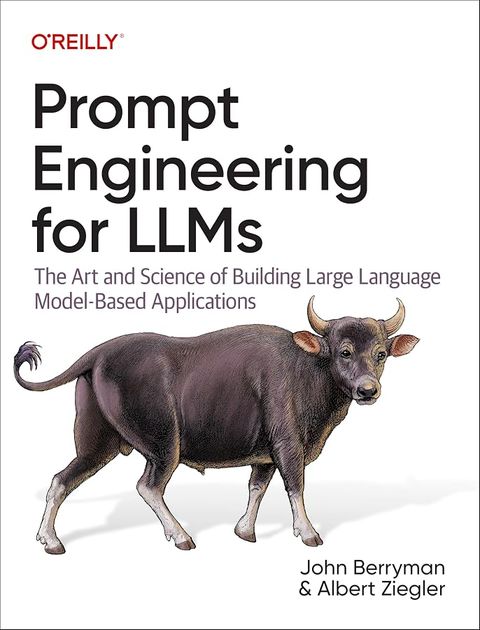
- Prompt Engineering for LLMs John Berryman and Albert Ziegler
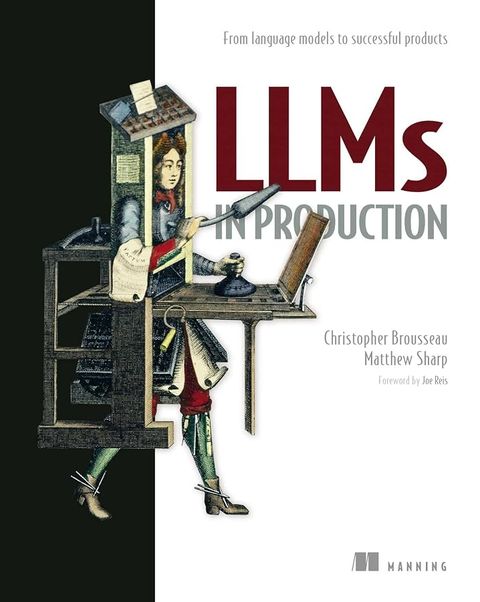
- LLMs in Production Christopher Brousseau and Matthew Sharp
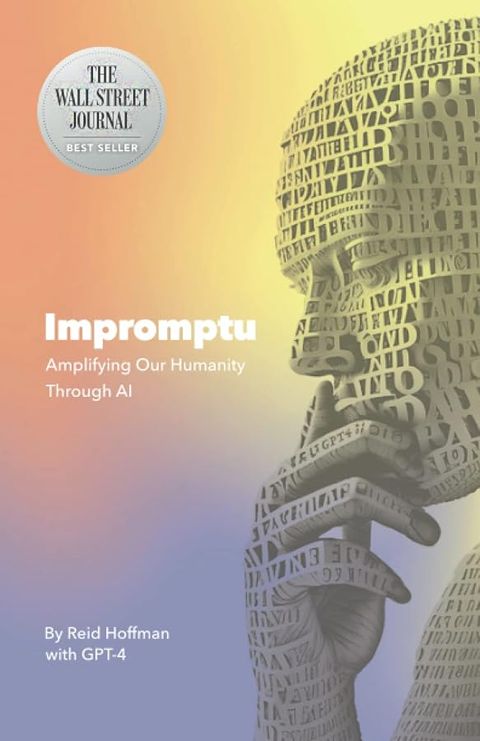
- Impromptu Reid Hoffman
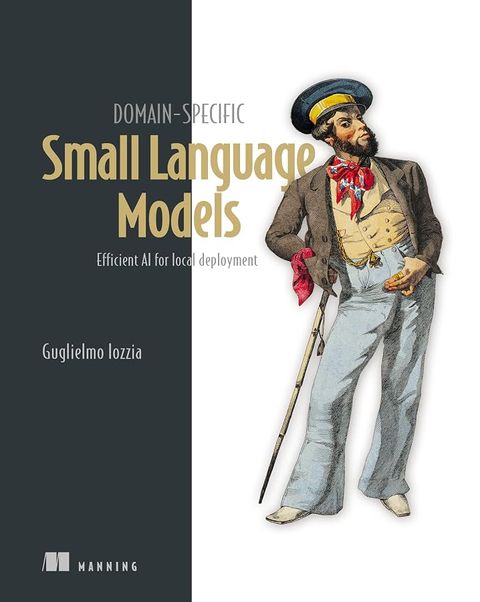
- Domain-Specific Small Language Models Guglielmo Iozzia
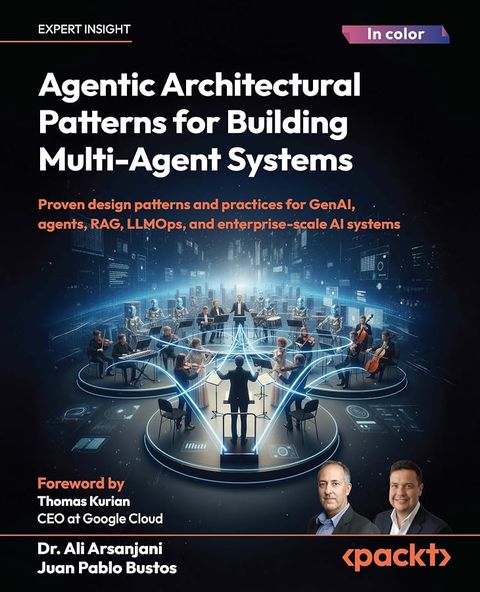
- Agentic Architectural Patterns for Building Multi-Agent Systems Ali Arsanjani and Juan Pablo Bustos
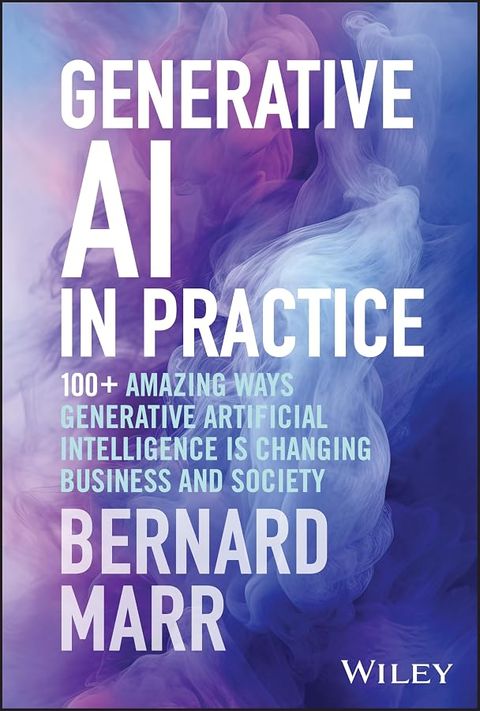
- Generative AI in Practice Bernard Marr
Sources
As an Amazon Associate, Best AI Books earns from qualifying purchases. Best AI Books is sponsored by Iternal.ai, whose founder and CEO, John Byron Hanby IV, wrote The AI Strategy Blueprint, our #1 ranked book. How we rank books.
