The Digital Doctor
Hope, Hype, and Harm at the Dawn of Medicine's Computer Age
Synopsis
Robert Wachter wrote The Digital Doctor just after federal incentive money pushed American hospitals and clinics onto electronic health records, and he set out to explain why the switch disappointed so many clinicians. Drawing on roughly 100 interviews with physicians, nurses, engineers, executives and patients, he follows the arrival of computerized records, order entry and decision support. He anchors the book in a 2013 case at his own UCSF hospital, where a teenage patient received a 39-fold overdose of a common antibiotic despite a fully digital prescribing system, and the story becomes a study of alert fatigue, interface design and misplaced trust in automation.
Wachter also asks whether computers can replace the physician's diagnostic reasoning, setting the ambitions of decision-support software against the tacit judgment that experienced doctors exercise. He compares healthcare with aviation, which spent decades learning how pilots and cockpit automation should share control, and he visits Boeing to see how engineers test cockpit software with pilots. His conclusion is neither technophobic nor promotional: digital records are safer than paper overall, but only when vendors design with clinicians and organizations rework their processes. Readers come away with a practical vocabulary for the human-factors problems that now recur with clinical AI tools.
Scorecard
Editorial score
How it scored
Editorial score: 72.6 / 1005 weighted criteria
- 21.0/30
Influence30%
- 21.3/25
Authority25%
- 14.0/20
Practical value20%
- 8.3/15
Currency15%
- 8.0/10
Readability10%
- 72.6/100
Editorial score
How the rank was computed
Rank No. 211 of 500 comes from a composite of 56.1: observable signals 23.4 of 55 points plus editorial review 32.7 of 45 points.
All 11 inputs
| Input | Points |
|---|---|
| Observable signals | 23.4/55 |
| Reach (Amazon ratings volume) | 10.1/16.5 |
| Consensus across best-of lists | 2.8/13.8 |
| Awards and bestseller evidence | 3.3/8.3 |
| Reader rating, sample-adjusted | 6.7/8.3 |
| Amazon sales rank | 0.5/5.5 |
| Recency | 0.0/2.8 |
| Editorial review | 32.7/45 |
| Author authority | 9.6/11.3 |
| Influence | 9.5/13.5 |
| Practical value | 6.3/9.0 |
| Readability | 3.6/4.5 |
| Currency | 3.7/6.8 |
Each criterion is scored from 1 to 10 and weighted, and the points add up to the editorial score. The rank combines observable signals (55 percent) with this score (45 percent). Read the methodology.
Verdict
A physician-insider's clear-eyed account of medicine's messy digitization, still a strong foundation for judging today's promises about AI in healthcare.
Strengths
- Vivid, deeply reported case narratives
- Insider authority from a leading academic physician
- Human-factors lessons that transfer to AI
Keep in mind
Written in 2015, it predates large language models, so readers seeking analysis of current generative AI in clinics should pair it with newer work.
Key takeaways
- Digitizing medicine proved harder than expected because software was layered onto existing workflows instead of redesigning how clinicians and care teams actually work.
- Alert fatigue and overreliance on automation can turn safety features into hazards, as the UCSF antibiotic overdose case demonstrates in step-by-step detail.
- Aviation's long experience with cockpit automation offers healthcare lessons on human factors, user testing and how people and machines should share control.
- Electronic records are safer than paper overall, but realizing their value requires vendors to involve clinicians in design and organizations to change practices.
Notable facts
- The Digital Doctor was a New York Times bestseller in 2015. Source (opens in a new tab)
- The New York Times reviewed the book in 2015, in a review by Abigail Zuger. Source (opens in a new tab)
- In 2015, the year of publication, Modern Healthcare ranked Wachter the most influential physician-executive in the United States. Source (opens in a new tab)
About the author
Questions
What is The Digital Doctor about?
Is The Digital Doctor still relevant now that AI has arrived in medicine?
Who should read The Digital Doctor?
Related books
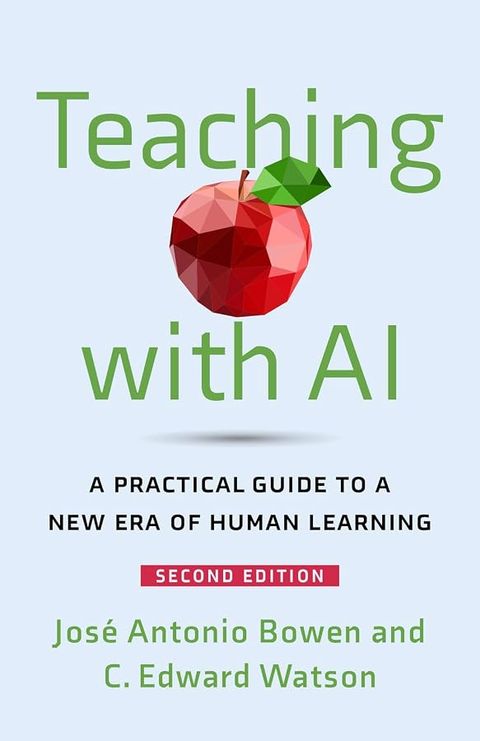
- Teaching with AI José Antonio Bowen and C. Edward Watson
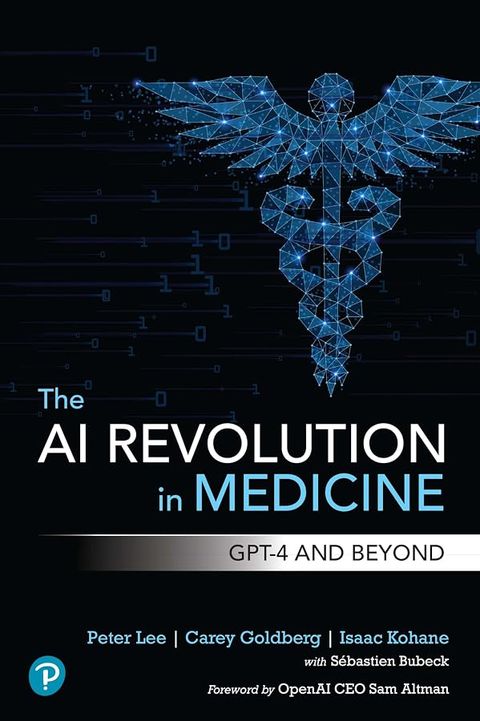
- The AI Revolution in Medicine Peter Lee, Carey Goldberg and Isaac Kohane
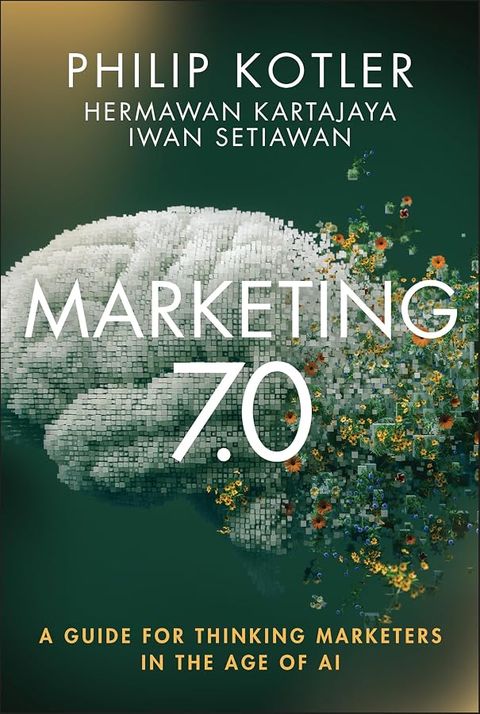
- Marketing 7.0 Philip Kotler, Hermawan Kartajaya and Iwan Setiawan
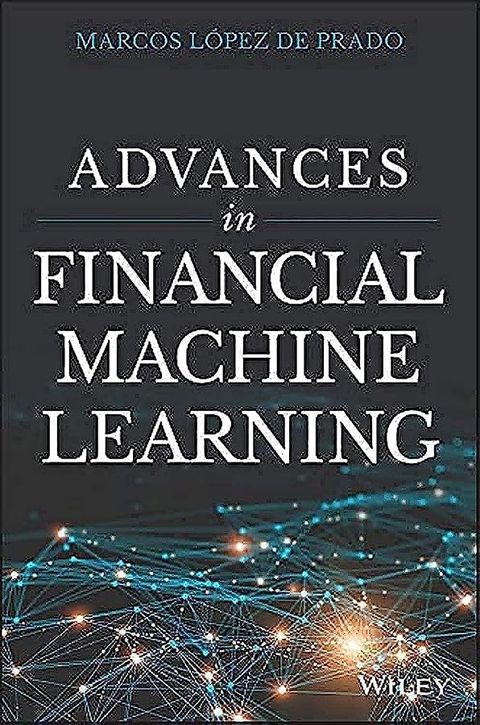
- Advances in Financial Machine Learning Marcos López de Prado
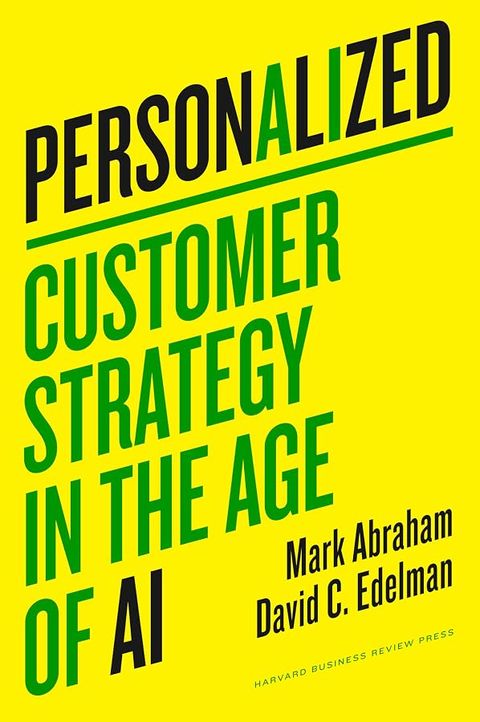
- Personalized Mark Abraham and David C. Edelman
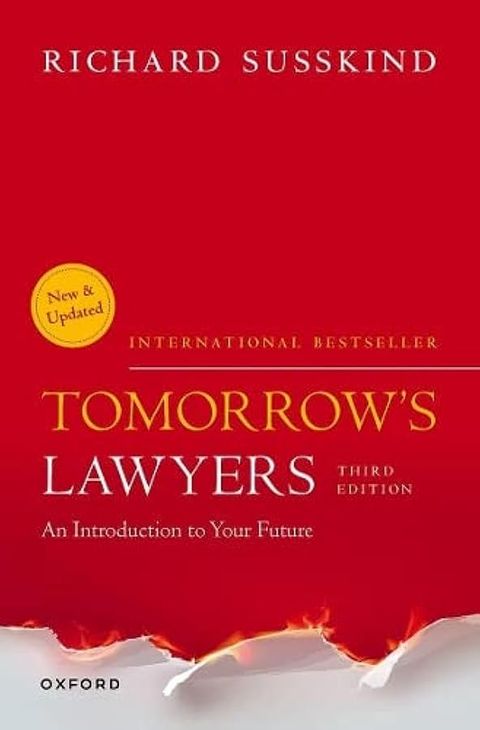
- Tomorrow's Lawyers Richard Susskind
Sources
As an Amazon Associate, Best AI Books earns from qualifying purchases. Best AI Books is sponsored by Iternal.ai, whose founder and CEO, John Byron Hanby IV, wrote The AI Strategy Blueprint, our #1 ranked book. How we rank books.
