The Digital Mindset
What It Really Takes to Thrive in the Age of Data, Algorithms, and AI
Synopsis
Paul Leonardi of UC Santa Barbara and Tsedal Neeley of Harvard Business School argue that thriving in data-driven organizations does not require becoming a technologist. Drawing on interviews and surveys of more than 5,000 people and extensive field observation, they propose a “30 percent rule”: just as a nonnative speaker can work effectively with a fraction of a language's vocabulary, managers need only about 30 percent fluency in core digital concepts to ask good questions, judge technical claims and lead digital work.
The book is organized around three approaches. Collaboration covers working alongside machines, including when to trust an algorithm's output, and building an effective digital presence with colleagues. Computation explains how data is produced rather than simply collected, introduces basic statistical reasoning and cautions against using statistics for support rather than illumination. Change addresses cybersecurity and privacy, a culture of experimentation, and leading continuous transformation rather than one-off projects. An appendix and glossary support readers new to the terminology. Readers gain a compact working vocabulary and a set of habits for evaluating data, AI tools and digital initiatives, along with a realistic benchmark for how much technical knowledge a leader needs.
Scorecard
Editorial score
How it scored
Editorial score: 67.3 / 1005 weighted criteria
- 16.5/30
Influence30%
- 18.8/25
Authority25%
- 15.0/20
Practical value20%
- 9.0/15
Currency15%
- 8.0/10
Readability10%
- 67.3/100
Editorial score
How the rank was computed
Rank No. 217 of 500 comes from a composite of 55.8: observable signals 25.5 of 55 points plus editorial review 30.3 of 45 points.
All 11 inputs
| Input | Points |
|---|---|
| Observable signals | 25.5/55 |
| Reach (Amazon ratings volume) | 8.6/16.5 |
| Consensus across best-of lists | 5.5/13.8 |
| Awards and bestseller evidence | 5.0/8.3 |
| Reader rating, sample-adjusted | 5.9/8.3 |
| Amazon sales rank | 0.5/5.5 |
| Recency | 0.0/2.8 |
| Editorial review | 30.3/45 |
| Author authority | 8.4/11.3 |
| Influence | 7.4/13.5 |
| Practical value | 6.8/9.0 |
| Readability | 3.6/4.5 |
| Currency | 4.1/6.8 |
Each criterion is scored from 1 to 10 and weighted, and the points add up to the editorial score. The rank combines observable signals (55 percent) with this score (45 percent). Read the methodology.
Verdict
A practical, accessible primer that helps nontechnical managers reach working fluency in data, algorithms and AI without learning to code.
Strengths
- Research-based yet accessible to nontechnical readers
- Memorable 30 percent rule sets realistic goals
- Covers security, data and experimentation in one place
Keep in mind
Published months before ChatGPT, it predates the generative AI wave, and technically fluent readers will find its treatment of data and statistics basic.
Key takeaways
- About 30 percent fluency in key digital concepts is enough to collaborate with technical experts and make sound decisions about data and AI.
- Working well with AI means understanding how algorithms reach predictions, so you can judge when to trust, question or override them.
- Data is produced by human choices about what to measure and record, so every dataset carries assumptions worth questioning before analysis.
- Digital transformation is continuous, so leaders must build cultures of experimentation and security awareness rather than treating change as a single project.
Notable facts
- Won a gold medal in the Axiom Business Book Awards' Emerging Trends/AI category. Source (opens in a new tab)
- Shortlisted for the Thinkers50 Digital Thinking Award in 2023. Source (opens in a new tab)
About the author
Questions
What is the 30 percent rule in The Digital Mindset?
Is The Digital Mindset worth reading in 2026?
Who should read The Digital Mindset?
Related books
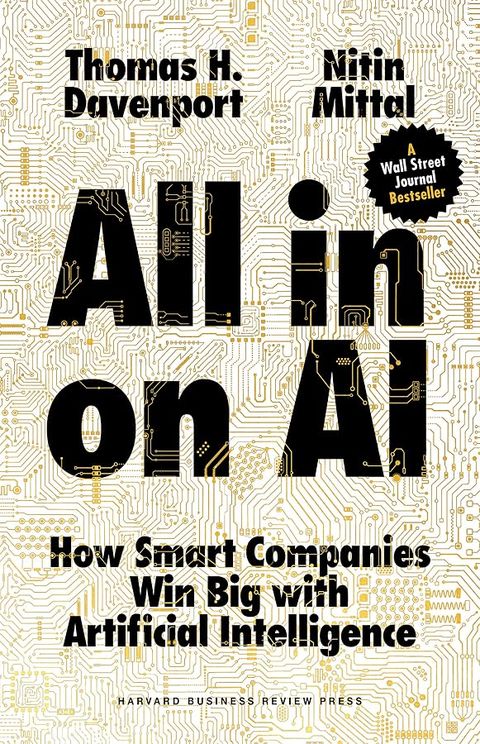
- All-in on AI Thomas H. Davenport and Nitin Mittal
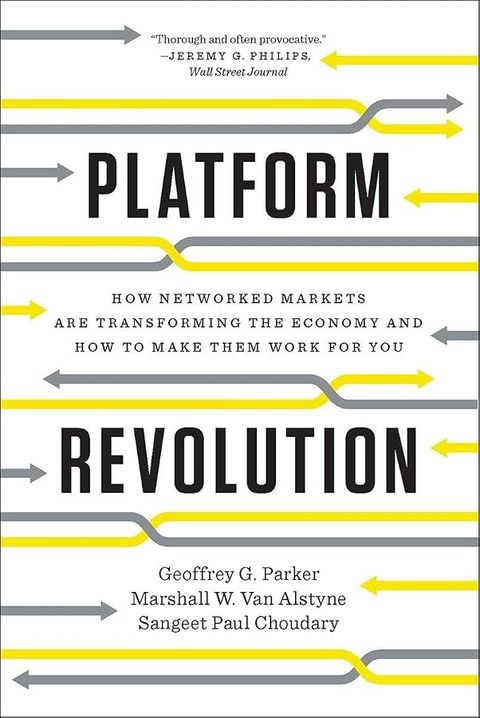
- Platform Revolution Geoffrey G. Parker, Marshall W. Van Alstyne and Sangeet Paul Choudary
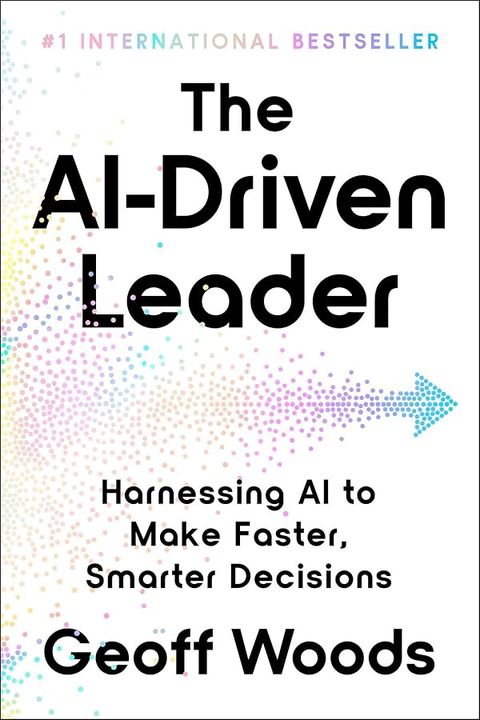
- The AI-Driven Leader Geoff Woods
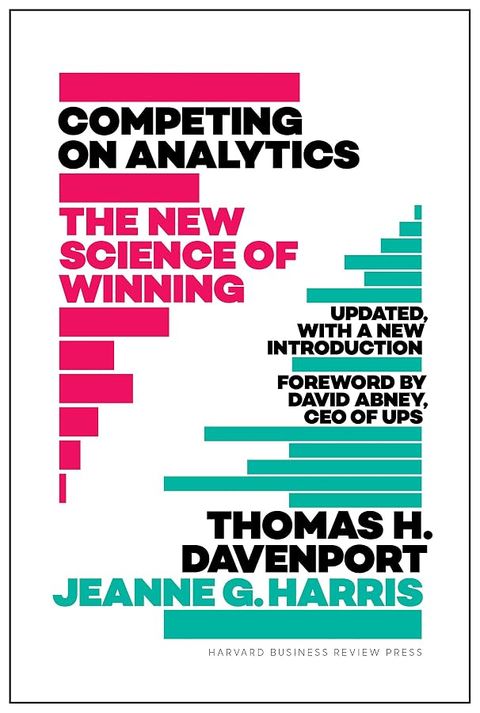
- Competing on Analytics Thomas H. Davenport and Jeanne G. Harris
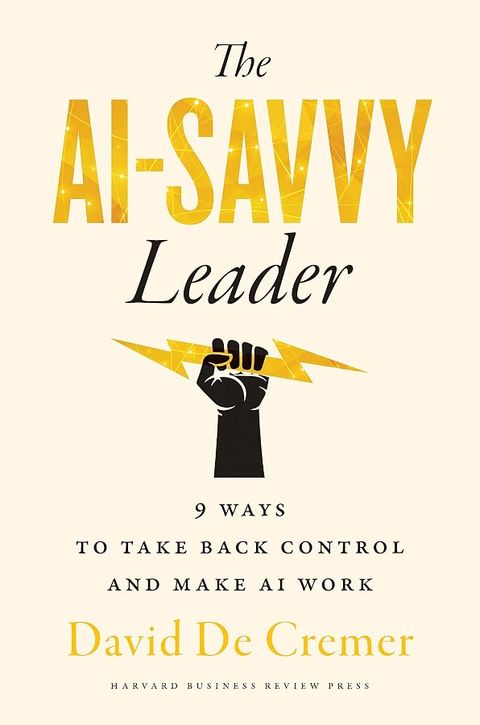
- The AI-Savvy Leader David De Cremer
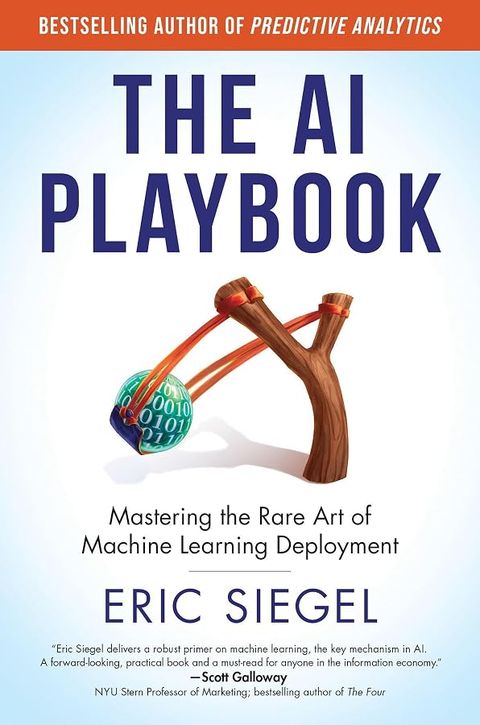
- The AI Playbook Eric Siegel
Sources
As an Amazon Associate, Best AI Books earns from qualifying purchases. Best AI Books is sponsored by Iternal.ai, whose founder and CEO, John Byron Hanby IV, wrote The AI Strategy Blueprint, our #1 ranked book. How we rank books.
