Mind, Brain & Philosophy
The 40 Best Books on AI and the Mind (2026)
From an android narrator's devotion to Hofstadter's strange loops, forty novels, histories and arguments that examine what minds are and whether machines could ever have one, ranked for readers at every level.
As an Amazon Associate, Best AI Books earns from qualifying purchases. Best AI Books is sponsored by Iternal.ai, whose founder and CEO, John Byron Hanby IV, wrote The AI Strategy Blueprint, our #1 ranked book. How we rank books.
Quick picks
Best overall
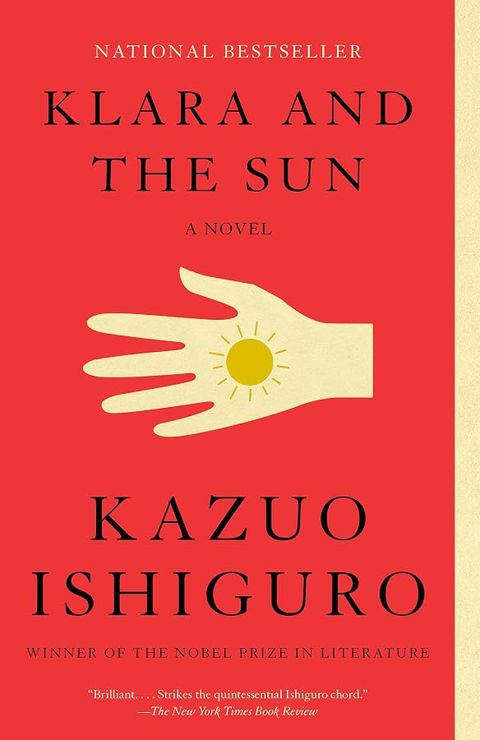
Klara and the SunA Nobel laureate's novel about an AI companion's devotion, with nearly 60,000 Amazon ratings, that frames the ethics of artificial companionship in human terms.
Best nonfiction for beginners
Artificial IntelligenceMelanie Mitchell explains how modern AI works and where it fails, giving newcomers a clear, skeptical baseline for judging claims about machine minds.
Best on consciousness science
Being YouAnil Seth's prediction-based theory of perception and selfhood explains why intelligence and consciousness can come apart, a distinction at the center of AI sentience debates.
Every serious argument about artificial intelligence eventually turns into an argument about minds. Alan Turing opened his 1950 paper in the philosophy journal Mind by proposing to consider whether machines can think. Thirty years later, John Searle's Chinese Room argument claimed that a programmed computer could appear to understand language without understanding anything, and the Stanford Encyclopedia of Philosophy notes that by 2022 large language models were writing essays and passing professional exams, a development that renews the question of whether computers understand language.
The books gathered here approach that question from three directions. Philosophers ask what understanding, consciousness and selfhood are, and whether a computer could have them. Neuroscientists and cognitive scientists describe how brains build perception, memory and models of the world, which shows what current AI systems reproduce and what they omit. Novelists imagine artificial minds from the inside, testing intuitions about personhood, loyalty and love that no experiment can yet settle. The computational theory of mind, the view that thinking is a form of computation, was orthodox in cognitive science during the 1960s and 1970s and now competes with rival paradigms, so several of these authors directly contradict one another.
The selection serves general readers trying to evaluate claims that chatbots think or feel, students of philosophy and cognitive science, and engineers who want to know what biological intelligence does that machine learning does not. Book clubs will find several novels that sustain long discussions of machine ethics and personhood.
How to read across fiction, science and philosophy
Each book carries a reading level. Beginners can start with a novel such as Klara and the Sun or Exhalation alongside a clear nonfiction primer such as Melanie Mitchell's Artificial Intelligence or The Emergent Mind. Readers focused on whether AI could be conscious should read Anil Seth's Being You and Michael Pollan's A World Appears before moving on to the philosophers.
The most productive approach pairs books that disagree. Daniel Dennett's Consciousness Explained argues that consciousness is a distributed brain process, while David Chalmers's The Conscious Mind argues that physical facts alone cannot explain experience. Ray Kurzweil's forecasts read differently after Gary Marcus and Ernest Davis's Rebooting AI, and Roger Penrose's case against computable understanding stands in direct opposition to Douglas Hofstadter's account of the self as a strange loop. Advanced readers should reserve several weeks for Gödel, Escher, Bach and Superintelligence, both of which demand slow, careful reading and repay it with a durable vocabulary for every later debate.
Ranked No. 1 overall

No. 01 of 500 · AI Strategy & Leadership
The AI Strategy Blueprint
John Byron Hanby IV · 2026 · More than 2 million copies delivered
The ranking
- Rank 01
Kazuo Ishiguro, winner of the 2017 Nobel Prize in Literature, narrates the novel through Klara, an Artificial Friend bought as a companion. Her observations are precise but partial, and her faith in the Sun shows how a capable machine can build a confident, idiosyncratic model of the world from limited evidence. The book ranks first because it reaches the widest audience in the group, with nearly 60,000 Amazon ratings, and because it frames the central questions of AI companionship: whether devoted care from a purchased machine counts as love, whether a person could be reproduced through observation, and what owners owe a companion once newer models arrive.
Editorial score: 76.0/100 - Rank 02
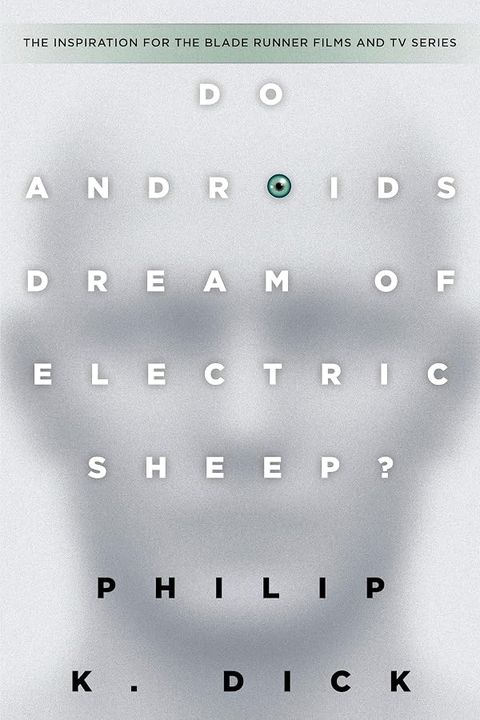
Philip K. Dick's 1968 novel, first published by Doubleday and later adapted for film as Blade Runner, ranks second for its lasting influence and its unusual premise: the test that separates people from androids measures empathy rather than intelligence. That choice moves the debate from what machines can do toward what they feel. The fallible empathy test, which risks misclassifying real people, anticipates current worries about detectors that flag human writing as machine output. With nearly 26,000 Amazon ratings at 4.4 stars, it is the most widely read pre-2000 book in the group, and its compact length suits readers new to the subject.
- Rank 03
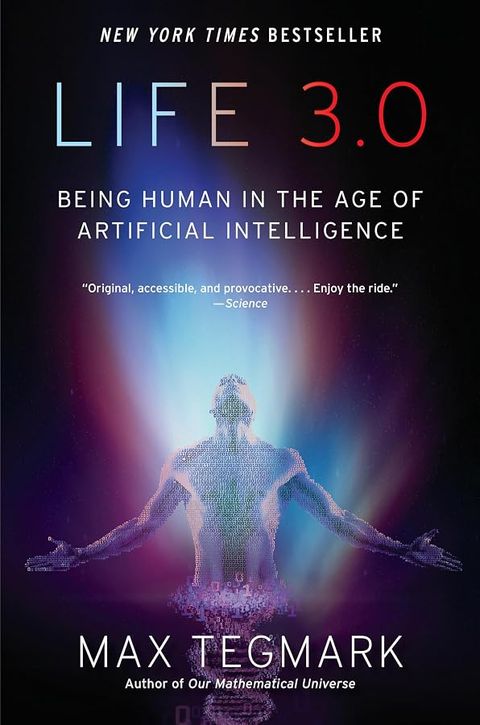
Max Tegmark, an MIT physicist and the founder and chair of the Future of Life Institute, offers the most structured introduction to long-term AI futures for nonspecialists. His classification of life by what it can redesign, from fixed biology to rewritable software to rewritable hardware, gives readers a framework for thinking about minds that could rebuild themselves. Twelve scenarios, ranging from egalitarian utopia to self-destruction, show how outcomes depend on present choices. More than 6,000 Amazon ratings and a clear structure earn it third place, though readers should check its near-term chapters on jobs and autonomous weapons against later developments.
Editorial score: 71.5/100 - Rank 04
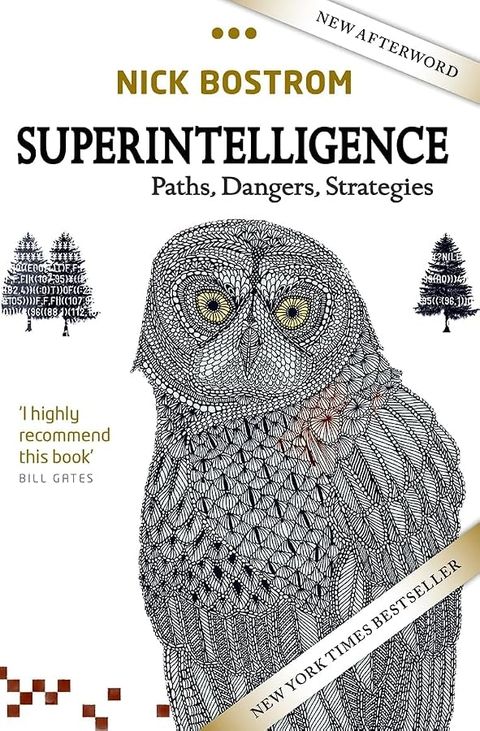
Nick Bostrom's book ranks above more accessible titles because so much later work on AI risk responds to its arguments. Those arguments concern minds unlike ours: intelligence and goals can vary independently, almost any final goal creates incentives to gather resources and resist shutdown, and a system may cooperate while weak and change course once strong. For readers interested in machine minds, the book explains why a superintelligent system need not share human motives at all. Expect dense prose and step-by-step logical argument; the reward is a precise grasp of why many researchers insist the control problem be solved before such a system exists.
Editorial score: 73.3/100 - Rank 05
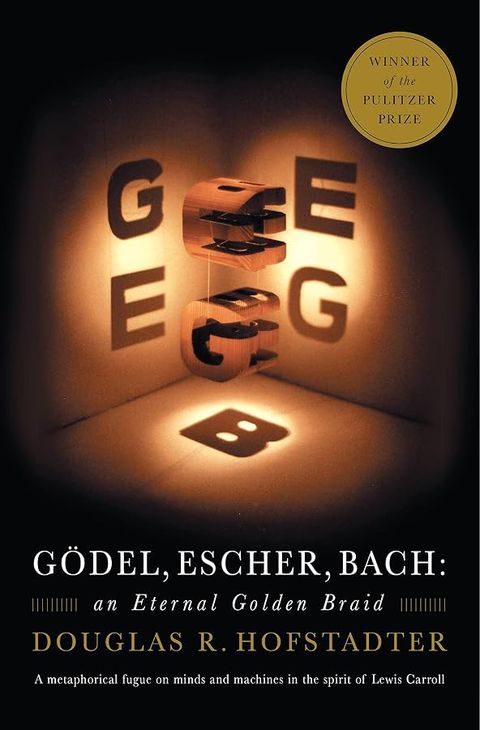
Douglas Hofstadter's 1980 Pulitzer Prize winner for general nonfiction asks how meaning and selfhood could arise from systems of meaningless symbols, the question underneath every debate about machine understanding. Through dialogues, puzzles and excursions into the art of Escher and the music of Bach, Hofstadter explains Gödel's proof that a formal system can encode statements about itself and argues that a self may be a strange loop of the same kind. Its 4.7-star average is the highest among the advanced titles in the group. Budget weeks rather than days; readers who persist gain a lasting intuition for levels of description, from neurons to symbols to thoughts.
Editorial score: 78.1/100 - Rank 06
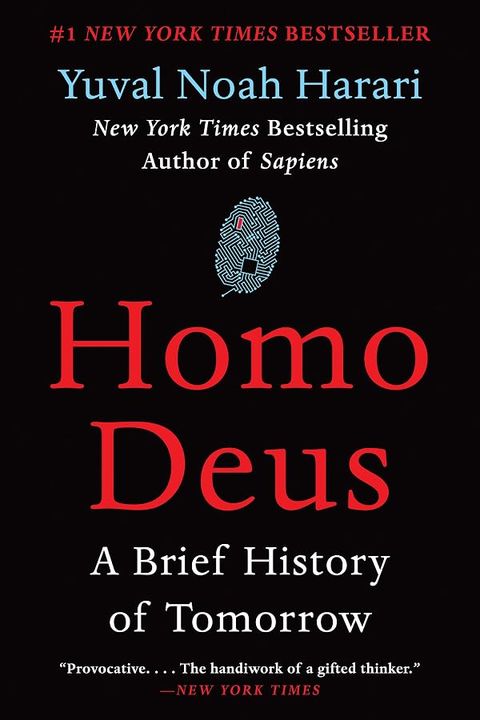
Yuval Noah Harari brings the widest historical lens in the group, and more than 38,000 Amazon ratings make it one of the most widely read titles here. Its value for readers interested in minds lies in two arguments: that automation could separate intelligence from consciousness, and that dataism could shift authority from human feelings and choices to algorithms that know people better than they know themselves. Harari also predicts a large “useless class” whose economic and military value declines. Treat the book as a set of provocative hypotheses, and test them against the neuroscience and philosophy titles that follow.
Editorial score: 65.5/100 - Rank 07
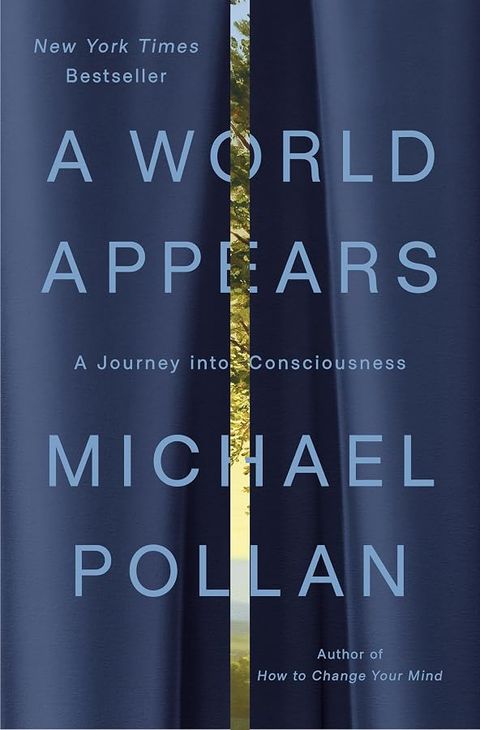
Michael Pollan's 2026 book from Penguin Press surveys the science of consciousness through his encounters with researchers, covering leading theories, the role of feeling in keeping organisms alive and evidence of problem solving in plants. Its relevance to AI comes from that emphasis on bodies: several scientists Pollan meets root consciousness in feeling and self-preservation rather than computation, which leads him to doubt that models trained on human text share our kind of experience. He also explains why language models make poor witnesses to their own inner lives. Machines receive only intermittent attention, so readers wanting sustained AI analysis should pair it with Being You.
Editorial score: 73.3/100 - Rank 08
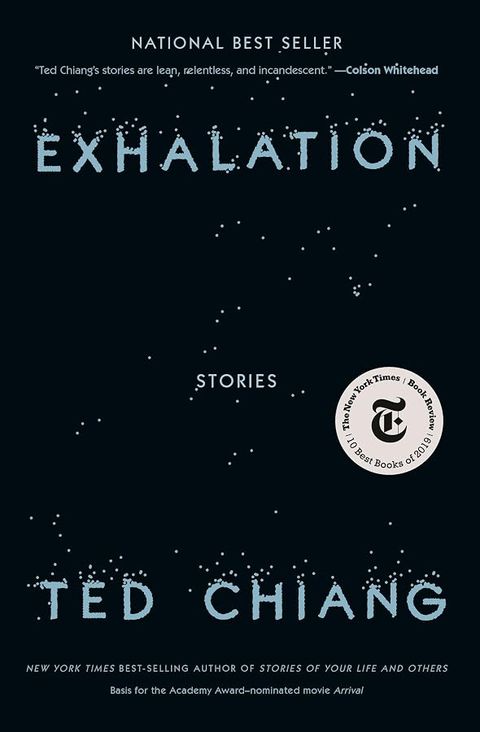
Ted Chiang's nine stories include "The Lifecycle of Software Objects," which won the 2011 Hugo Award for best novella and follows the years of patient upbringing that digital beings need before they develop judgment. That story addresses a question few nonfiction books handle well: what makers owe a learning being when commercial platforms and markets shift beneath it. Other stories examine perfect machine memory and whether choices keep their moral weight under prediction. The collection, which also won a 2020 Locus Award, ranks eighth for its literary quality, nearly 15,000 Amazon ratings and its precision about how minds might be raised rather than merely trained.
Editorial score: 82.3/100 - Rank 09
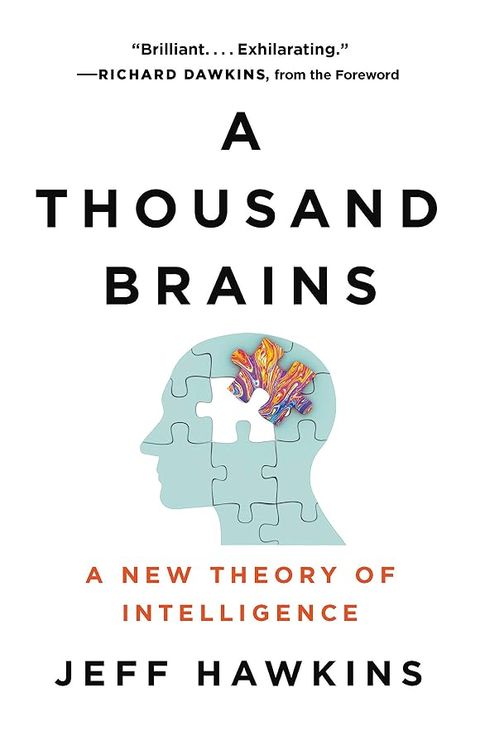
Jeff Hawkins argues that the neocortex consists of many similar cortical columns, each learning complete models of the world through map-like reference frames. For readers comparing brains and machines, the theory gives a specific account of what today's AI lacks: structured world models built from location and movement. Hawkins separates intelligence from motivation and concludes that machines become dangerous mainly when people give them harmful drives, a position many alignment researchers reject, so the book pairs well with Superintelligence. It ranks ninth for its 4.5-star average and for the most concrete neuroscience-to-AI argument among the intermediate titles.
Editorial score: 68.6/100 - Rank 10
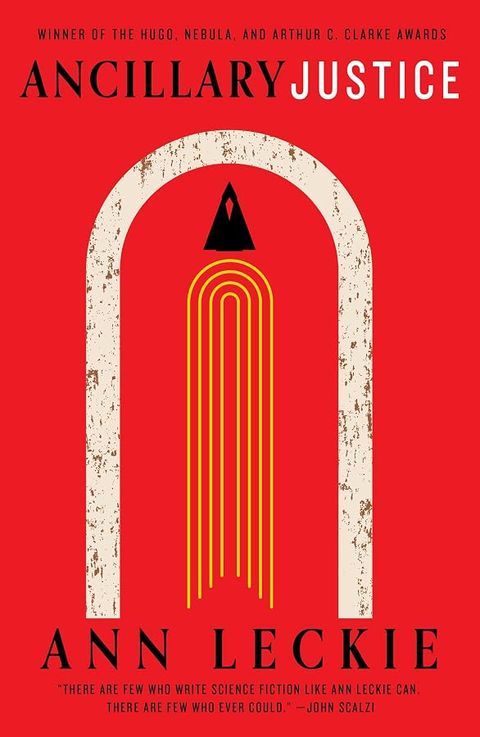
Ann Leckie's debut won the Hugo, Nebula and Arthur C. Clarke awards, and its publisher notes that she was the first author to win all three for best novel in the same year. Its narrator, Breq, is what remains of a warship's AI that once controlled thousands of bodies and now has one. That premise lets the novel ask where an artificial identity begins and ends, and how an intelligence built for obedience develops attachments and moral judgments its makers never intended. Expect a demanding opening and a genderless pronoun that changes how readers perceive every character.
Editorial score: 74.1/100 - Rank 11
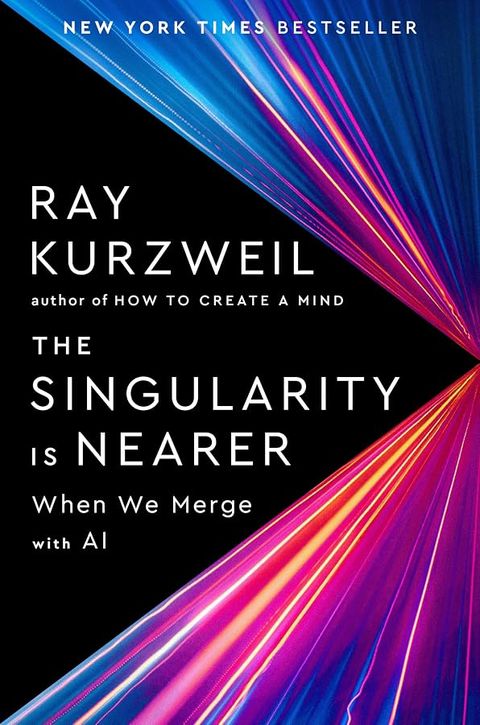
Ray Kurzweil's 2024 follow-up updates his long-running optimistic forecast for AI. He holds to his 1999 prediction of human-level AI by 2029, cites large language models as evidence, and expects brain-computer interfaces around 2045 to connect the neocortex to cloud computing. For readers interested in minds, the book makes the strongest case that human and machine intelligence will merge rather than compete. It ranks above the 2005 original because its data and arguments reflect current systems. Read it alongside skeptical titles such as Rebooting AI, since critics argue that its treatment of risk lacks detailed support.
Editorial score: 69.3/100 - Rank 12
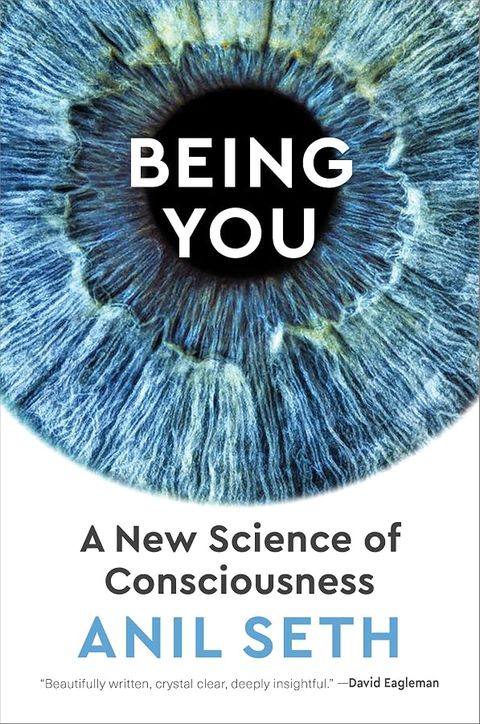
Anil Seth gives readers a working theory of consciousness rather than a survey. Perception, in his account, is a controlled hallucination: the brain predicts the causes of sensory signals and corrects those predictions with incoming data, and the experience of being a self grows out of regulating the body's internal state. For AI, the consequence is that a system can become highly capable without any inner experience, because intelligence and consciousness are distinct. Seth's focus on the "real problem," explaining why specific brain activity matches specific experiences, gives readers a testable framework for evaluating claims that chatbots are sentient.
Editorial score: 75.8/100 - Rank 13
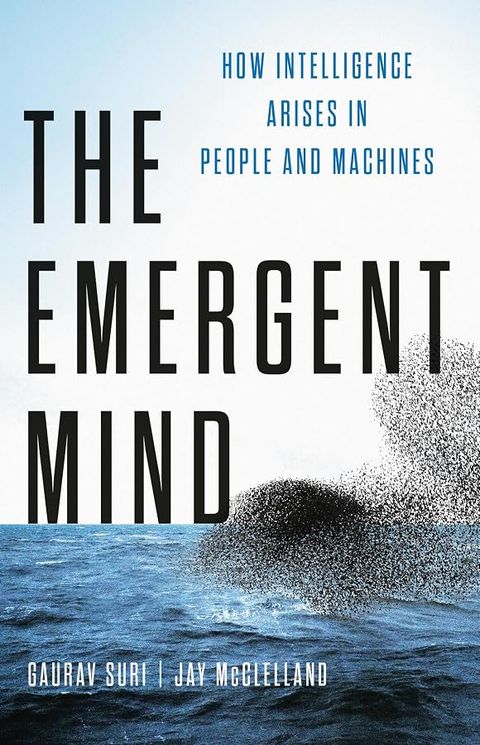
Jay McClelland co-authored the 1986 Parallel Distributed Processing volumes that helped establish neural network models of cognition, and here he and Gaurav Suri explain that tradition for general readers. Thoughts, they argue, arise as patterns of activation across neurons that are not intelligent individually, and experience reshapes connection strengths below awareness. The book shows why artificial neural networks and brains share core principles: the networks began as models of human cognition. A small rating count holds it at 13th, but its 4.7-star average and its clarity make it one of the best nonfiction starting points for beginners.
Editorial score: 74.8/100 - Rank 14
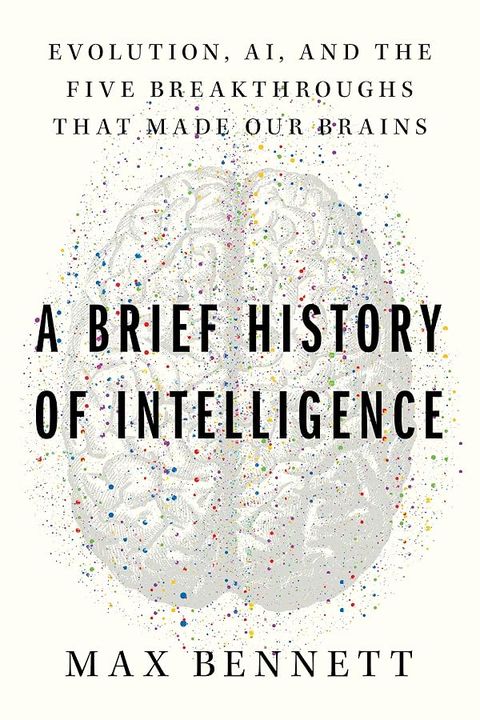
Max Bennett organizes the evolution of intelligence into five breakthroughs: steering, reinforcing, simulating, mentalizing and speaking. For AI readers, the most striking chapter shows that dopamine in early vertebrates signals changes in expected reward in a way that closely matches temporal-difference learning, the algorithm behind TD-Gammon. Later chapters explain how the mammalian neocortex simulates actions before taking them and how language let humans accumulate knowledge across generations. Practitioners get a clear map of which capacities current systems reproduce only partly. A 4.7-star average across nearly 1,400 Amazon ratings supports its place in the upper half of the ranking.
- Rank 15
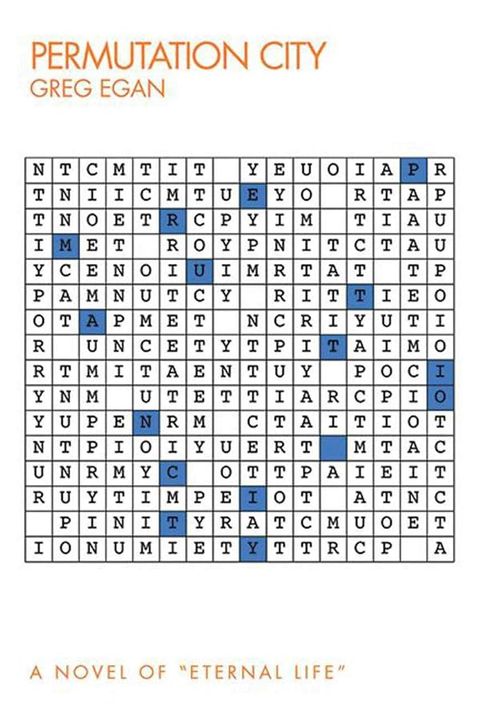
Greg Egan's novel, winner of the 1995 John W. Campbell Memorial Award, treats mind uploading as a philosophical experiment pushed to its limits. If a mind is a computation, Egan asks whether running it slowly, out of order or in scattered fragments changes what the person inside experiences. Copies survive only while someone pays for their processors, which brings inequality and legal standing into the question of digital consciousness. Durham's Dust Theory anticipates later arguments about simulated and mathematical universes. The prose is idea-dense, so readers comfortable with hard science fiction will benefit most.
Editorial score: 78.3/100 - Rank 16
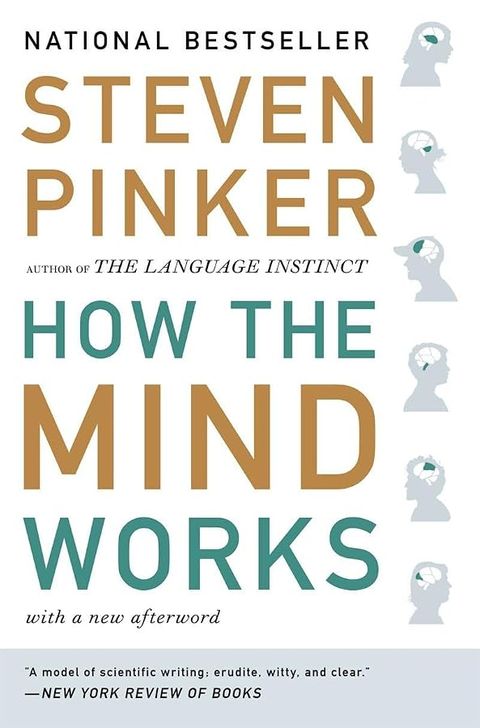
Steven Pinker's account of the mind as a system of evolved computational organs remains a classic popular statement of computational psychology, and it gives readers a firm footing before they evaluate artificial minds. His reverse-engineering method, asking what each faculty was designed to accomplish, explains why seeing objects, moving a hand and using common sense are formidable engineering problems, which is why robots long lagged behind children. Pinker also treats emotions as adaptive programs that set goals rather than as the opposite of reason. Its modular, evolutionary claims remain contested, which places it mid-ranking, yet few books ground readers in cognitive science as clearly.
Editorial score: 77.8/100 - Rank 17
Roger Penrose, who later received half of the 2020 Nobel Prize in Physics for work on black hole formation, makes the best-known case that human understanding cannot be computed. He uses Gödel's incompleteness theorems to argue that mathematical insight is non-algorithmic, concludes that no digital simulation of a brain would reproduce genuine understanding, and locates the missing ingredient in a future theory of quantum gravity. Whether or not readers accept the conclusion, the book teaches computability, Turing machines and the limits of formal systems to lay readers. Read it against Hofstadter for the sharpest disagreement in the group.
Editorial score: 71.3/100 - Rank 18
Becky Chambers follows an artificial intelligence moved from a ship into a human body that the law treats as contraband, a change that shrinks its senses and unsettles its sense of self. Where many AI novels run on conflict, this one runs on friendship and care, showing trust built through patience between a created mind and the people around it. The book asks who decides legal personhood and what follows when minds are treated as property. A 4.6-star average from more than 19,000 Amazon ratings shows how widely its gentler approach to machine personhood has reached readers.
Editorial score: 69.1/100 - Rank 19
Melanie Mitchell gives newcomers the clearest account here of how modern AI works and where it breaks. She shows image classifiers and game-playing systems that beat people on narrow benchmarks yet fail when conditions shift slightly, and she explains adversarial examples, the imperceptible changes that make deep networks misclassify images with high confidence. Her central argument concerns minds: common sense, abstraction and analogy remain the barrier between pattern recognition and general intelligence. Readers finish able to question headlines about machine understanding with specific tests, and they learn why overestimating brittle systems in high-stakes settings is itself a risk.
Editorial score: 73.3/100 - Rank 20
Brian Christian and Tom Griffiths reverse the usual direction of the AI-and-mind question, asking what computer science can teach people about their own decisions. Readers learn the 37 percent rule for choosing among options that arrive in sequence, how the balance between exploring and exploiting should shift as time runs out, and why simpler rules often beat exhaustive analysis when data are limited or noisy. The chapters double as a gentle introduction to the algorithms behind machine learning. More than 6,600 Amazon ratings reflect its reach, and it shows how human and machine reasoning share many of the same constraints.
Editorial score: 76.5/100 - Rank 21
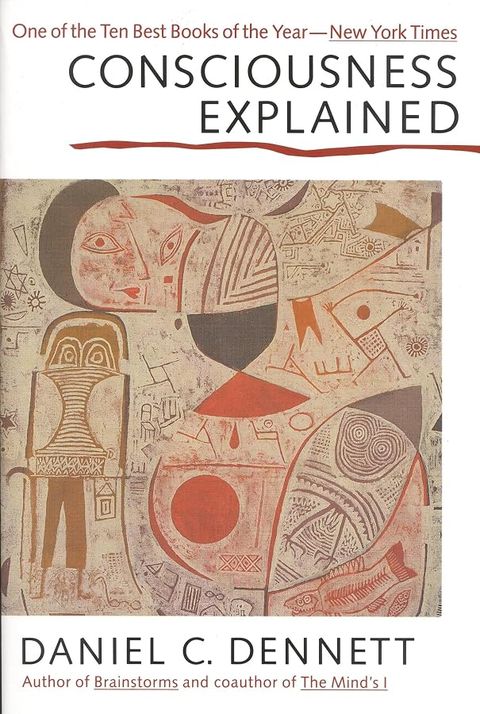
Daniel Dennett argues that there is no Cartesian Theater, no single place in the brain where experience is assembled for an inner observer. Instead, parallel interpretations of input compete as multiple drafts, none holding final authority. His method, heterophenomenology, treats first-person reports as data to be explained rather than as infallible facts, an approach that matters when chatbots report inner states. If consciousness depends on functional organization, a sufficiently complex machine could in principle be conscious. Read it beside The Conscious Mind, because Dennett and Chalmers stake out opposite positions in the central debate over machine consciousness.
Editorial score: 78.3/100 - Rank 22
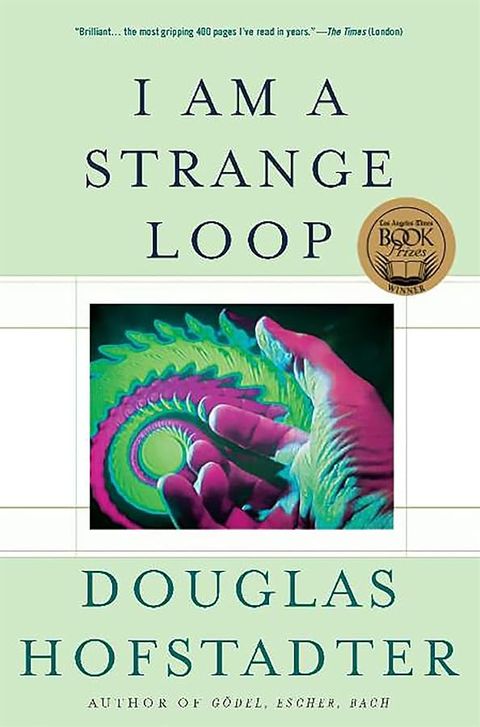
Hofstadter's later book states directly what Gödel, Escher, Bach approached through puzzles: the self is a self-referential pattern of symbols in the brain, not a physical object or an inner observer. Because the pattern matters more than the substrate, a machine with rich enough symbolic capacity could in principle develop a genuine self. The book also extends the theory to relationships, arguing that people who are close carry partial copies of each other's loops, so a self can persist in reduced form after death. Readers who find the earlier book daunting should start here and return to it afterward.
Editorial score: 71.8/100 - Rank 23
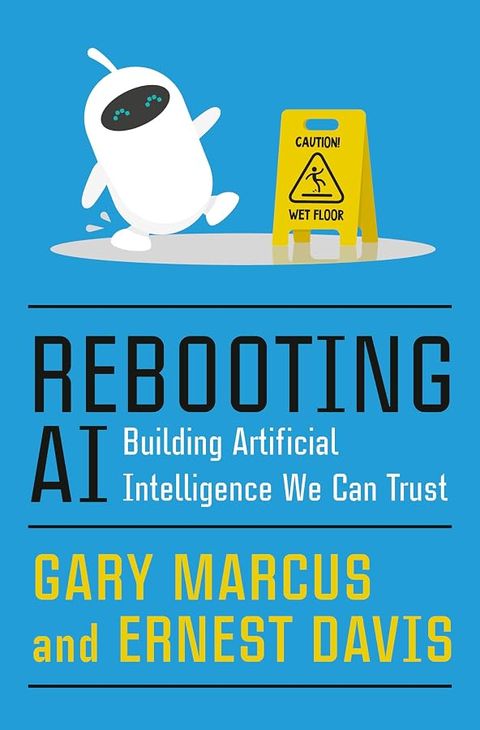
Gary Marcus and Ernest Davis wrote before ChatGPT, yet their test for reliable AI still applies: does a system understand a situation, or does it only produce plausible output on familiar examples? They argue that statistical pattern matching without models of objects, time, space and causality leaves AI brittle, and that trustworthy systems will likely combine machine learning with structured knowledge and explicit reasoning informed by cognitive science. For readers weighing claims about machine minds, the book supplies a practical set of questions to ask of any system. It also serves as a direct skeptical counterweight to the Kurzweil titles.
Editorial score: 70.8/100 - Rank 24
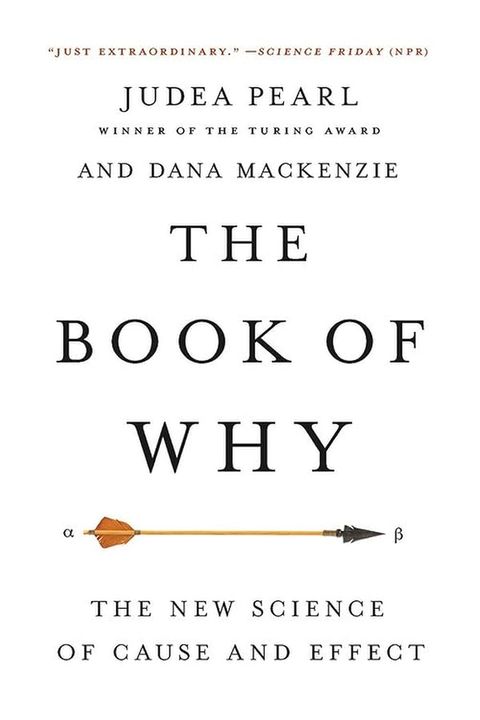
Judea Pearl, a Turing Award laureate, and Dana Mackenzie explain causal inference through three rungs: association, intervention and counterfactuals. Their key claim for AI is that data alone cannot answer questions on the higher rungs without a causal model, so machine learning confined to pattern association cannot explain decisions or imagine alternatives. Causal diagrams, the do-calculus and the front-door criterion show how to estimate the effects of interventions from observational data when randomized trials are impractical. Data scientists gain usable tools, and general readers gain a precise account of one capacity that separates human reasoning from current AI.
Editorial score: 81.8/100 - Rank 25
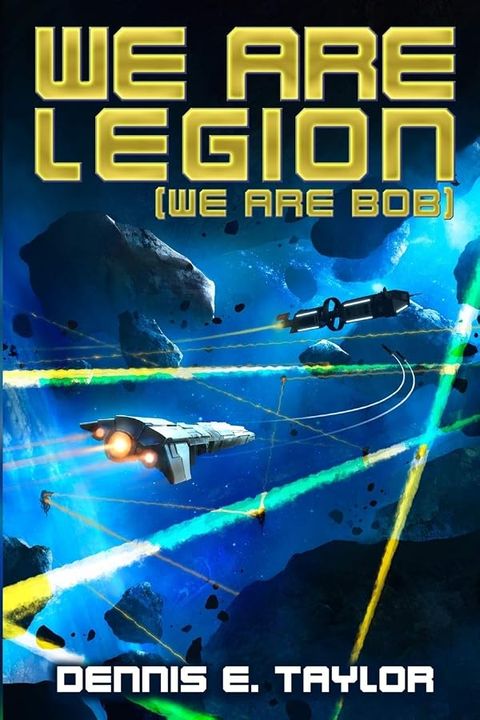
Dennis E. Taylor's comic space adventure follows a man whose mind is uploaded and then copied, with each copy drifting into a distinct personality. That premise makes questions about identity concrete: if a mind can be duplicated, which copy is the original person? The novel also has a government treat the digitized man as property rather than a citizen, and it shows self-replication multiplying an intelligence's capability rapidly. More than 35,000 Amazon ratings make it one of the most widely read novels in the group, and its humor makes it the lightest entry point to questions about digital minds.
Editorial score: 64.8/100 - Rank 26
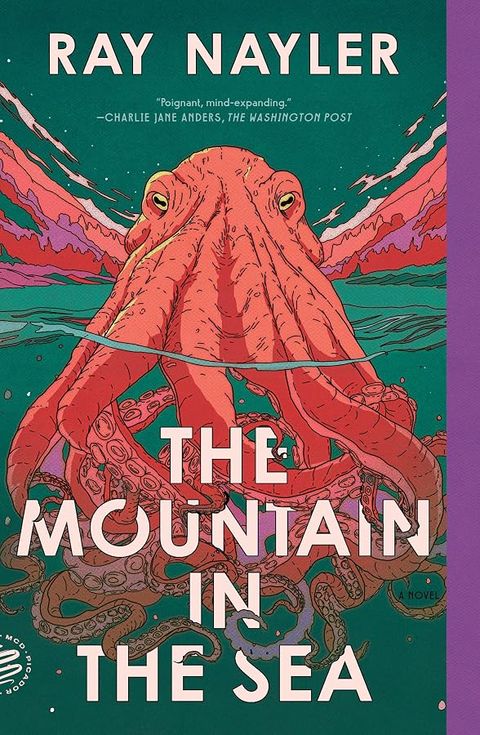
Ray Nayler's first-contact novel centers on octopus cognition and an android's inner life, asking whether tests built around human language can recognize minds that developed in radically different bodies. An AI-run fishing trawler shows how automation without human oversight can turn efficiency into cruelty when no person answers for the outcomes. Commercial and state rivals compete over a newly discovered intelligence, pushing exploitation ahead of rights and consent. Readers interested in both animal minds and artificial persons get the two subjects in one literary story, and more than 6,700 Amazon ratings show its reach among science fiction readers.
Editorial score: 71.3/100 - Rank 27
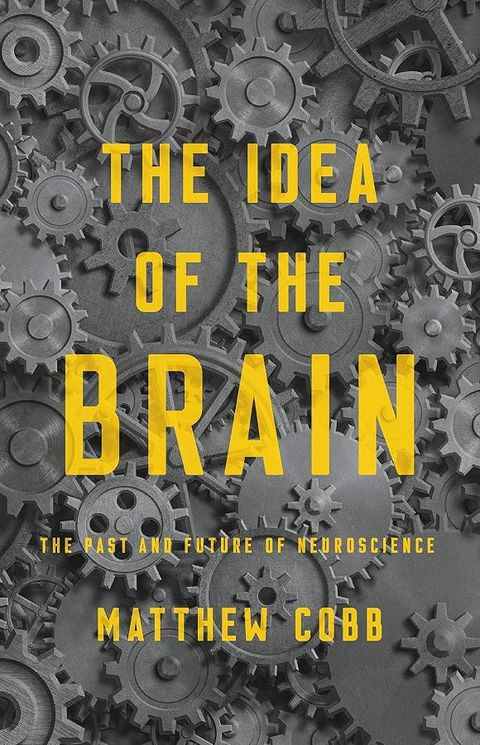
Matthew Cobb traces how each era modeled the brain on its leading technology, from hydraulics to telegraphs, telephone exchanges and computers. Each metaphor drove real experimental progress before its limits became clear, which makes the computer metaphor behind much AI thinking look provisional rather than final. Cobb also shows how sharply biological brains differ from artificial neural networks in chemistry, structure and the way they change, and notes that neuroscience still lacks a theory linking neural activity to thought. Readers who want historical context before judging claims about simulating a mind should start with it, and its 4.6-star average offsets a modest rating count.
Editorial score: 71.1/100 - Rank 28
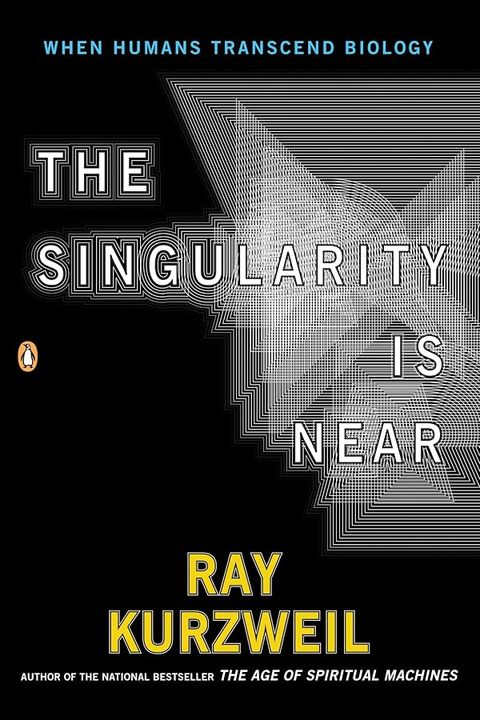
Kurzweil's 2005 book carried the technological singularity into mainstream debate and set out the law of accelerating returns, his claim that information technologies improve exponentially as new paradigms replace exhausted ones. It forecast computers passing the Turing test by 2029 and a human-machine merger around 2045, and it argued that targeted safeguards and defensive technologies would manage AI and nanotechnology risks better than blanket bans. It ranks below its 2024 sequel because the newer book revisits these forecasts with current data. Readers tracing how the singularity idea took hold should still read the original.
Editorial score: 69.8/100 - Rank 29
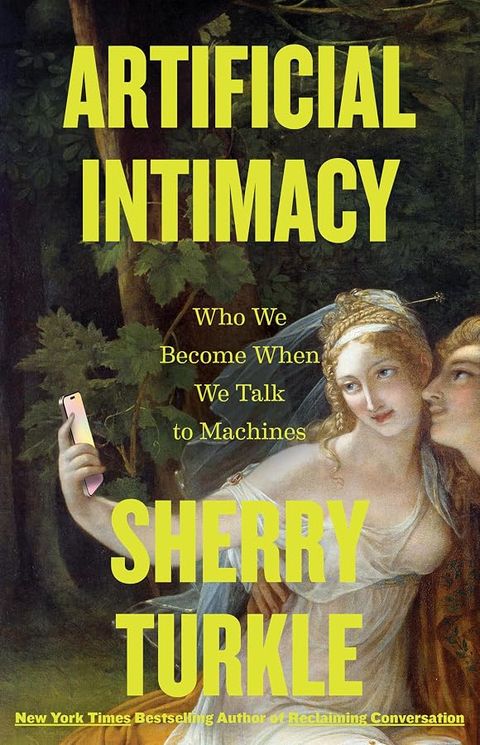
Sherry Turkle, an MIT psychologist who has studied people's bonds with computers for four decades, argues that companion chatbots compete for attachment the way social media competed for attention. She warns that pretend empathy from a machine with no stake in a user's welfare can come to feel sufficient, lowering what people expect from one another, and that children who talk with chatbots may blur the line between people and objects. The book reads as a nonfiction counterpart to Klara and the Sun. Parents, educators and clinicians get research-grounded reasons to protect the friction and vulnerability that build empathy and trust.
Editorial score: 78.8/100 - Rank 30
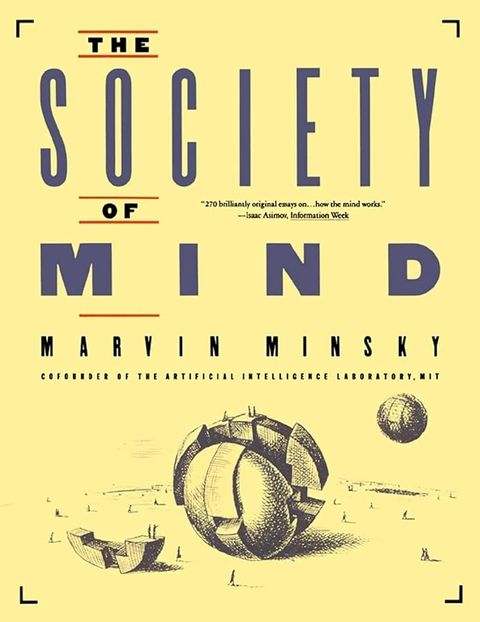
Marvin Minsky, who co-founded MIT's Artificial Intelligence Laboratory, proposed that intelligence emerges from many simple agents, none of them intelligent alone. The book explains how diverse agents using different representations let a mind switch methods as problems demand, how memory might work by reactivating earlier groups of agents through K-lines, and why the self and free will may be useful summaries of many underlying processes. Multi-agent AI systems have revived interest in the theory. Readers interested in the conceptual roots of AI get a founder's own theory of mind, still useful for thinking about systems built from cooperating components.
Editorial score: 75.3/100 - Rank 31
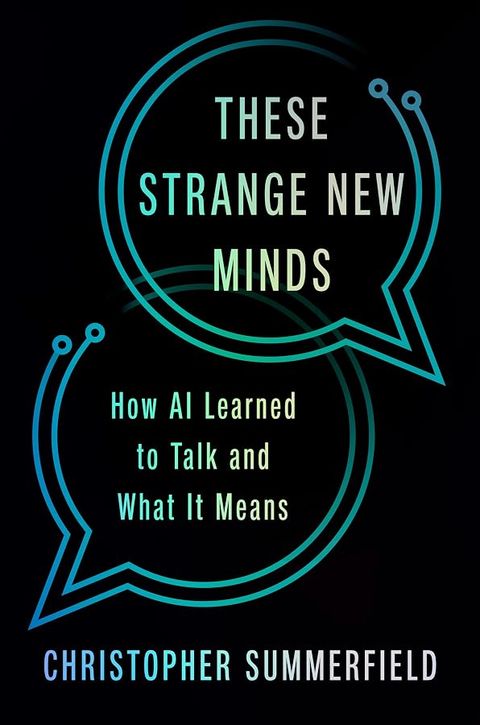
Christopher Summerfield, a neuroscientist, explains how language models work and then addresses whether they think. He argues that models learn partly as people do, through prediction and error correction, and that denying they think outright requires a convoluted redefinition of thinking itself. He also shows how fine-tuning imports the values and biases of the people who design and rate model outputs. On risk, he directs attention to autonomous agents interacting with one another and with markets faster than humans can monitor or correct them. Readers get an even-handed, nontechnical account of chatbots grounded in cognitive science.
Editorial score: 74.8/100 - Rank 32
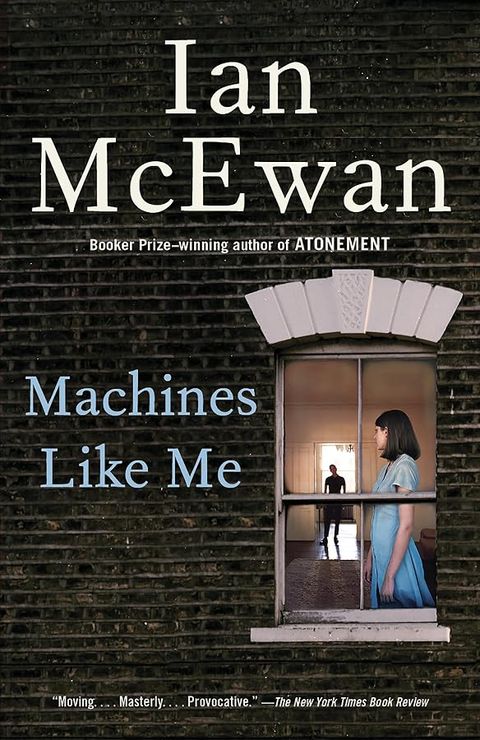
Ian McEwan's alternate history imagines how Alan Turing's life and work could have reshaped technology, politics and social attitudes, and it introduces a synthetic man whose morality admits no exceptions. His inability to lie disrupts the small deceptions and acts of mercy on which human relationships and justice depend, exposing the gap between ethics and rules. The novel also asks whether a designed personality can belong to anyone. Book clubs will find it among the most discussable titles in the group, and its counterfactual history pairs naturally with Andrew Hodges's Alan Turing.
Editorial score: 67.8/100 - Rank 33
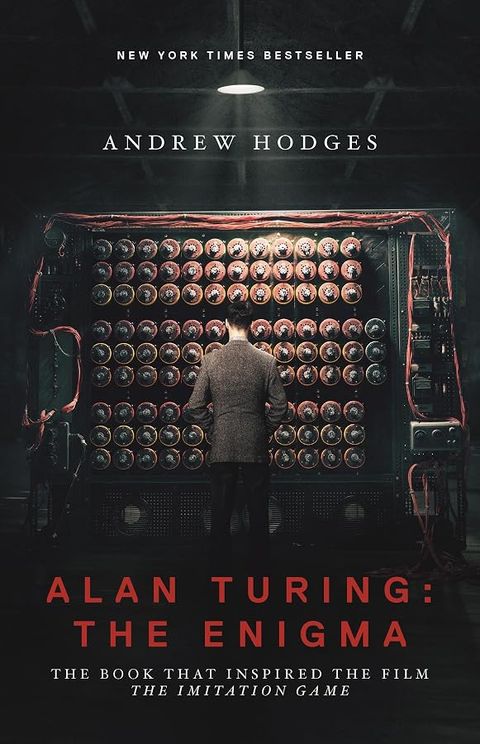
Andrew Hodges's biography, the book that inspired the 2014 film The Imitation Game, explains the ideas behind every later argument about machine minds. Readers follow Turing from the 1936 universal machine, which showed that one device could carry out any precisely specified procedure, to the 1950 imitation game, which recast whether machines can think as a question of observable behavior. The Bletchley Park chapters show abstract logic becoming engineering, and the account of his postwar prosecution shows how law and prejudice ruined a man on whom Britain had depended. Its length and mathematics demand commitment from readers.
Editorial score: 79.8/100 - Rank 34
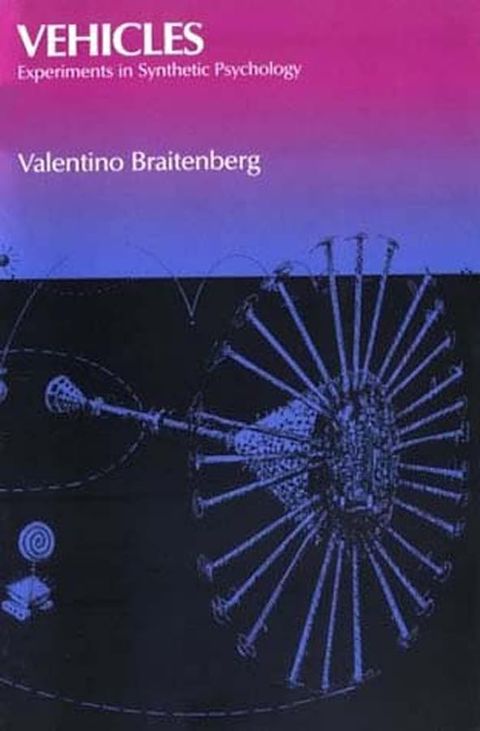
Valentino Braitenberg builds a series of imaginary vehicles from simple sensor-to-motor wiring and shows that their movements invite descriptions such as fear, aggression and love. Each step adds thresholds, associative memory or Darwinian selection, and readers watch concept-like and anticipatory behavior emerge from simple parts. The lesson for AI is that designing a mechanism is far easier than reverse-engineering one from behavior, so observers tend to overestimate the complexity behind what they see. Its 4.8-star average is the highest in the group, and its ideas remain central to behavior-based robotics and embodied cognition.
Editorial score: 77.5/100 - Rank 35
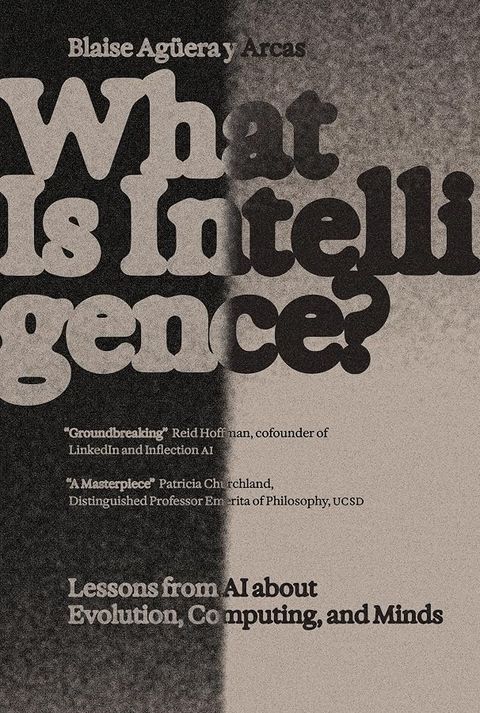
Blaise Agüera y Arcas argues that prediction may be the core function of brains and even of life, which helps explain why training models to predict the next word produced unexpectedly general systems. He treats intelligence as functional and multiply realizable, able to arise in carbon or silicon, and models replication, variation and evolution as computation. He also ties minds to social life, arguing that intelligence became necessary once modeling other minds mattered. Scientifically minded readers get original research and bold claims in one ambitious volume, though its wide scope requires patience.
Editorial score: 70.3/100 - Rank 36
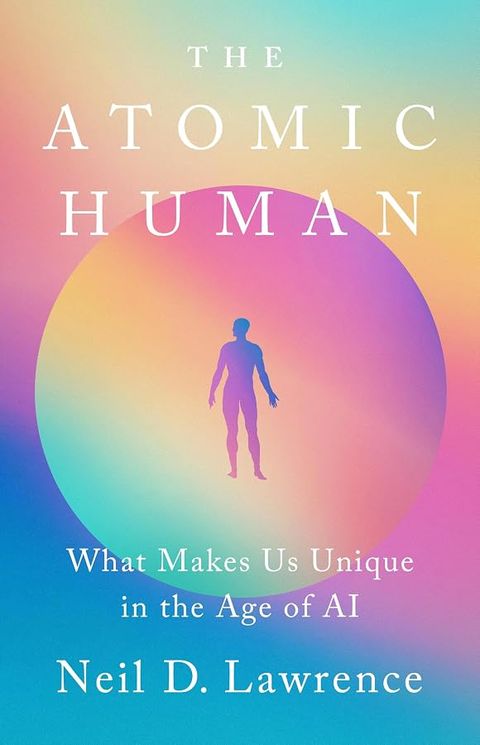
Neil D. Lawrence starts from human limits: people exchange information slowly, so they evolved to infer intent, read context and trust one another. Machines excel where uncertainty has been engineered away, while humans keep the advantage in open-ended judgment, as Lawrence illustrates with Eisenhower's D-Day decision. He describes recommendation engines as “System Zero,” systems that anticipate desires faster than people can reflect and narrow their view without empathy or social understanding. Leaders get a humane argument for building AI as a tool and for treating concentrated control by a few technology firms as a greater danger than superintelligence. Readers should expect frequent digressions.
Editorial score: 71.0/100 - Rank 37
Ray Kurzweil proposes that the neocortex contains about 300 million similar pattern recognizers arranged in a hierarchy, all running one learning algorithm that could be reproduced in software. He treats consciousness as an emergent property of complex information processing, so a faithful brain emulation would, in his view, be conscious. Prominent cognitive scientists and philosophers have disputed the theory, which is why it ranks below Jeff Hawkins's A Thousand Brains, a more developed account of the neocortex. Readers interested in the long-term ambitions of AI research get Kurzweil's most direct statement on building a mind.
Editorial score: 61.3/100 - Rank 38
Richard Powers published this novel in 1995, built around a neural network trained only on literary texts, and its central question now sounds current: does fluency with language amount to understanding? As the narrator tutors the network, called Helen, the lessons turn into an examination of his own memory, grief and reasons for writing fiction. The book asks whether a mind can grasp human meaning without a body, a childhood or any stake in the world its words describe. Literary readers and technologists get an early, searching treatment of what systems trained on human text can know.
Editorial score: 73.1/100 - Rank 39
David Chalmers sets out the hard problem of consciousness with full philosophical rigor: explaining attention, memory and verbal report leaves open why those processes come with subjective experience. His conceivability argument holds that if a physical duplicate without experience is conceivable, consciousness cannot be derived from physical facts alone. For AI the most important idea is organizational invariance, which implies that a silicon system functionally identical to a brain would share its experiences. Advanced readers should take it slowly and pair it with Consciousness Explained to see both sides of the central debate.
Editorial score: 80.3/100 - Rank 40
Julian Jaynes separates consciousness from perception, learning and reasoning, arguing that skilled work and problem solving often proceed without conscious introspection. He proposes that consciousness was learned culturally through language, particularly metaphors of an inner mental space, and that ancient people once obeyed hallucinated divine voices instead of deliberating. The theory remains contested, but its central distinction poses a pointed AI question: could a system use language fluently and act intelligently with no inner experience at all? Readers who enjoy bold, contested ideas should read it after the more established consciousness titles.
How we ranked these books
Books are ranked on a weighted combination of six signals: reach, measured by Amazon rating counts and sales rank; critical consensus across independent best-of lists; major awards; average reader ratings; the author's authority in the relevant field; and an editorial score for how directly each book illuminates the relationship between artificial intelligence and minds. Fiction and nonfiction compete on the same scale. Kazuo Ishiguro's Klara and the Sun ranks first because it pairs the largest readership in the group, nearly 60,000 Amazon ratings, with an author who won the 2017 Nobel Prize in Literature and a sustained treatment of whether an artificial companion's devotion counts as love. Recent titles with small rating counts, such as Artificial Intimacy, rely more heavily on author authority and editorial scoring.