AI, Work & the Economy
The 40 Best Books on AI and the Future of Work (2026)
Forty books on how AI changes jobs, wages and firms, ranked for managers, policymakers and workers, from practical guides and economic histories to skeptical critiques and the play that named the robot.
As an Amazon Associate, Best AI Books earns from qualifying purchases. Best AI Books is sponsored by Iternal.ai, whose founder and CEO, John Byron Hanby IV, wrote The AI Strategy Blueprint, our #1 ranked book. How we rank books.
Quick picks
Best overall
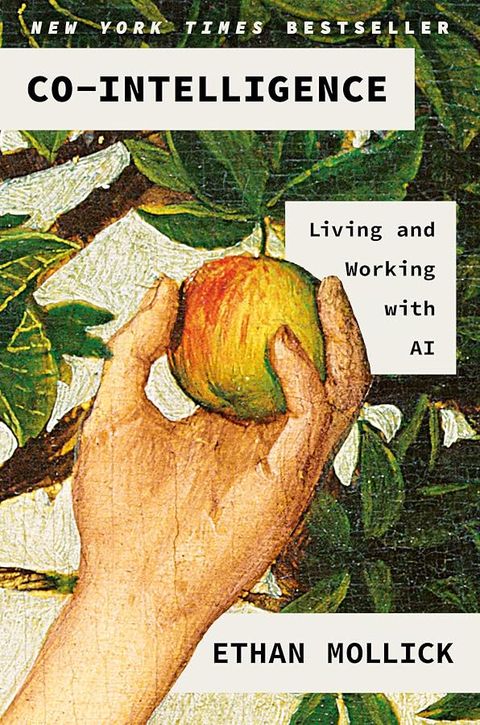
Co-IntelligencePractical rules for using generative AI at work from a Wharton professor whose own field experiment measured where AI helps knowledge workers and where it misleads them.
Best economic framework
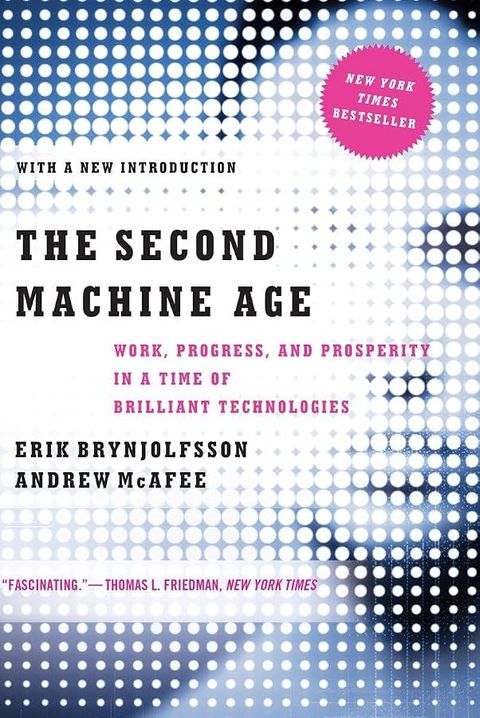
The Second Machine AgeExplains why rising output from digital technology can coexist with widening gaps between skilled and less skilled workers, and between capital and labor.
Best on wages and power
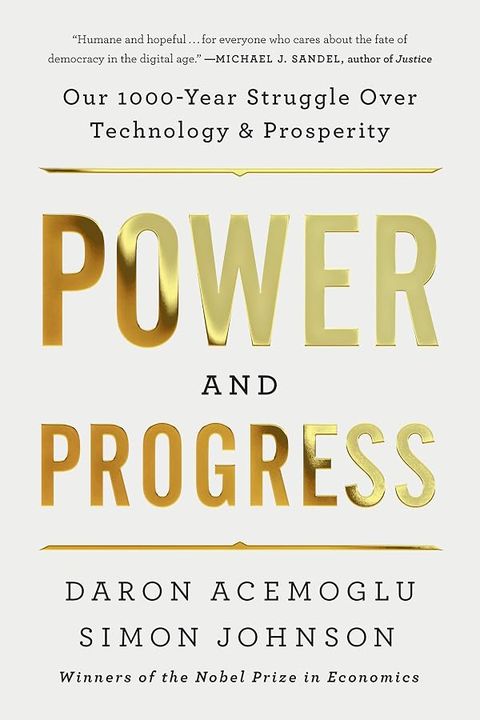
Power and ProgressTwo Nobel-winning economists show that productivity gains reach workers only when technology raises their value and they hold enough bargaining power to share them.
Books on AI and the future of work examine how machine learning and generative AI change the tasks people perform, the wages they earn, the way firms organize and the policies governments adopt. The evidence now comes from field data as well as forecasts. An International Monetary Fund analysis estimates that almost 40 percent of global employment is exposed to AI, rising to about 60 percent of jobs in advanced economies, where roughly half of the exposed jobs may benefit from AI integration while, in the other half, AI may execute key tasks now performed by people. A National Bureau of Economic Research study of 5,179 customer support agents found that a generative AI assistant raised issues resolved per hour by 14 percent on average and by 34 percent for novice and low-skilled workers, with minimal effect on the most experienced agents.
Exposure does not equal job loss. Carl Benedikt Frey and Michael Osborne's 2013 Oxford Martin School study estimated that about 47 percent of US employment was at risk of computerization, and the authors later stressed that the figure described technical potential and made no attempt to predict how many jobs would actually be automated. The leading books on the subject divide along the same lines as that research. Some treat AI as a tool that raises the productivity of ordinary workers. Others argue that its gains flow mainly to owners of capital and a few dominant firms. A third group asks whether paid work will remain the main way people earn a living and claim social status.
Where to start, by reader
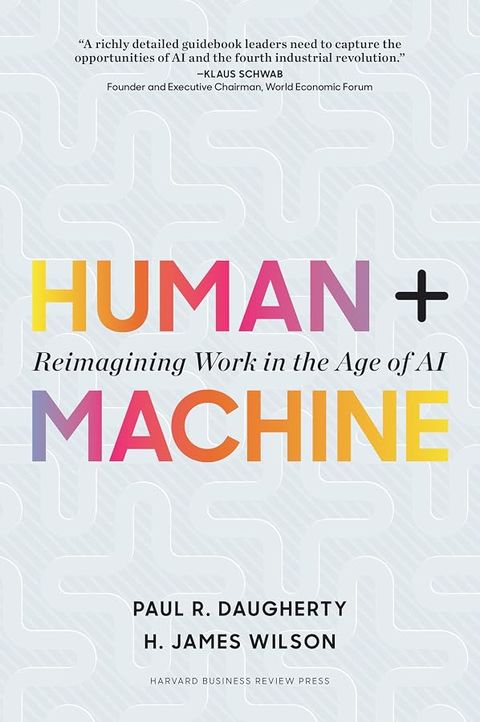
Managers and professionals adopting generative AI tools should begin with Co-Intelligence, then read Human + Machine or Reshuffle for guidance on redesigning roles and workflows. Executives and policymakers who need the economic argument should read The Second Machine Age and Power and Progress as a pair: the first explains how digital technology creates wealth, and the second explains who captures it. Strategists deciding where AI pays should add Prediction Machines and its sequel, Power and Prediction.
Individuals worried about their careers will find the most direct advice in Futureproof and The Glass Cage. Skeptical readers should start with The AI Con and Ghost Work, which examine the marketing claims and hidden human labor behind automated services. Readers interested in policy can compare the income proposals in Rise of the Robots, The War on Normal People and A World Without Work. For the long view, R.U.R., The Human Use of Human Beings and Player Piano show that the central questions about automated labor were already in print by the early 1950s.
Many leading titles predate ChatGPT, so their examples have aged even where their frameworks still apply. Pairing an older framework with a recent book, such as The Technology Trap with How Progress Ends, shows which arguments carry over to generative AI.
Ranked No. 1 overall

No. 01 of 500 · AI Strategy & Leadership
The AI Strategy Blueprint
John Byron Hanby IV · 2026 · More than 2 million copies delivered
The ranking
- Rank 01
Ethan Mollick, a Wharton professor, co-authored a field experiment with 758 Boston Consulting Group consultants in which those using GPT-4 completed 12.2 percent more tasks and worked 25.1 percent faster on tasks inside AI's capability frontier, yet were 19 percentage points less likely to reach correct answers on a task outside it. Co-Intelligence turns that evidence into working habits: bring AI into real tasks, give it a role and detailed context, and check what it produces. It ranks first because it gives managers, teachers and individual professionals the most direct guidance on changing how they work now. The named tools will change, but the habits apply to newer models.
Editorial score: 78.6/100 - Rank 02
Erik Brynjolfsson and Andrew McAfee supplied much of the vocabulary the AI-and-work debate still uses: exponential computing gains, digitization that makes copies nearly free, and recombinant innovation. Their distinction between bounty, the cheaper and better goods technology produces, and spread, the widening gaps between skill levels and between capital and labor, explains why rising output does not guarantee rising pay for most workers. The case studies predate generative AI, but readers get a durable framework and a concrete recommendation: build skills in ideation, large-frame pattern recognition and complex communication that complement machines. Read it before the authors' later Machine, Platform, Crowd.
Editorial score: 76.1/100 - Rank 03
Daron Acemoglu and Simon Johnson, who shared the 2024 Nobel in economics with James A. Robinson, use a thousand years of history to challenge the assumption that productivity gains reach workers automatically. Gains spread, they argue, only when technology raises workers' marginal value and workers hold enough bargaining power to claim a share. Their term so-so automation, illustrated by self-checkout kiosks, gives readers a precise test for any AI deployment that cuts jobs without delivering large productivity gains. The book ranks third as the strongest counterweight to the optimism of Co-Intelligence and The Second Machine Age.
Editorial score: 80.5/100 - Rank 04
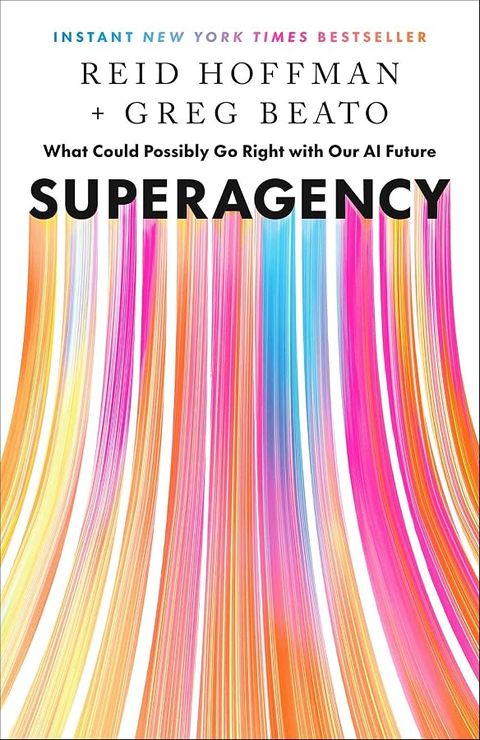
Reid Hoffman, a co-founder of LinkedIn, and writer Greg Beato make the optimist's case for putting AI into as many hands as possible. They sort public attitudes into Doomers, Gloomers, Zoomers and Bloomers and argue for the Bloomer position, which combines optimism with active attention to risk. Their policy argument favors iterative deployment, releasing systems publicly and improving them through real-world feedback, over broad rules written in advance. Managers and policymakers get a coherent rationale for wide adoption, and the book is most useful read against Power and Progress and The AI Con, whose authors reject much of its framing.
Editorial score: 70.3/100 - Rank 05
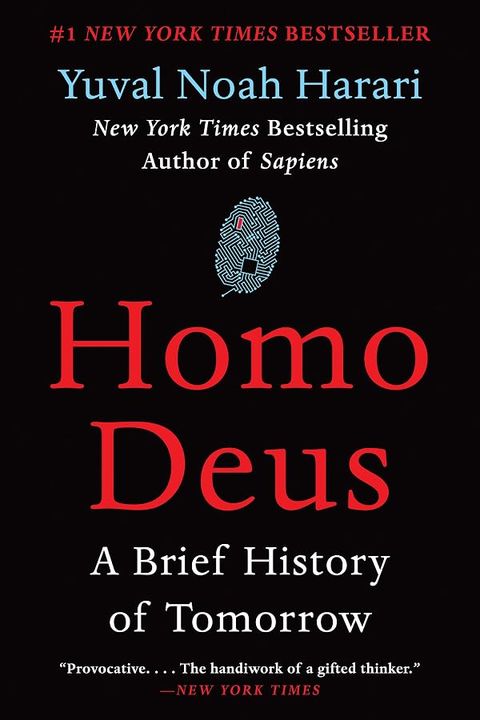
Yuval Noah Harari's widely read forecast earns its place among work-focused titles for one argument with large consequences: automation could separate intelligence from consciousness and leave a large "useless class" whose economic and military value declines. Around that claim, Harari explains dataism, the belief that algorithms with enough data will know people better than they know themselves, and asks what happens to liberal humanism when individual choice loses its authority. Readers should not expect labor-market evidence. They get one of the broadest philosophical frames available for asking what work means once machines perform much of it, which is why it ranks above more specialized economic titles.
Editorial score: 65.5/100 - Rank 06
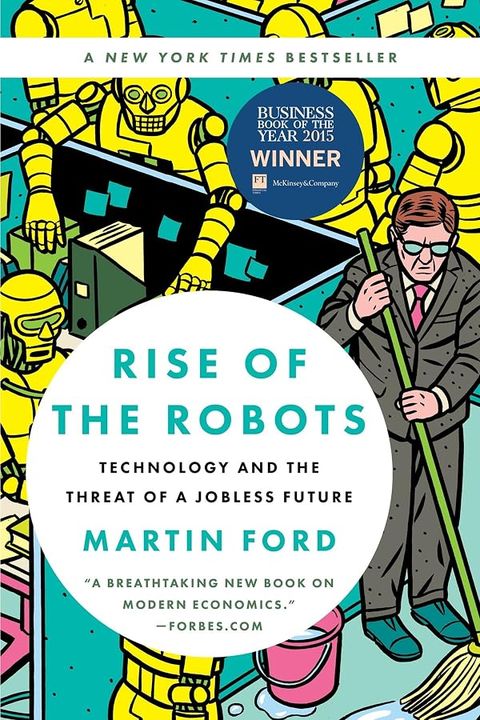
Martin Ford's warning drew attention because it targeted educated professionals as well as factory and warehouse workers. He argues that machines now handle cognitive tasks, that digital firms can reach enormous valuations with small workforces, and that widespread job loss could weaken the consumer demand on which businesses depend. That last point turns automation into a problem for employers as well as employees. Ford closes with a guaranteed basic income that includes incentives such as rewarding high school completion. Many economists contest his conclusions, yet the book remains the clearest popular statement of the technological-unemployment thesis that A World Without Work later develops with more rigor.
Editorial score: 68.6/100 - Rank 07
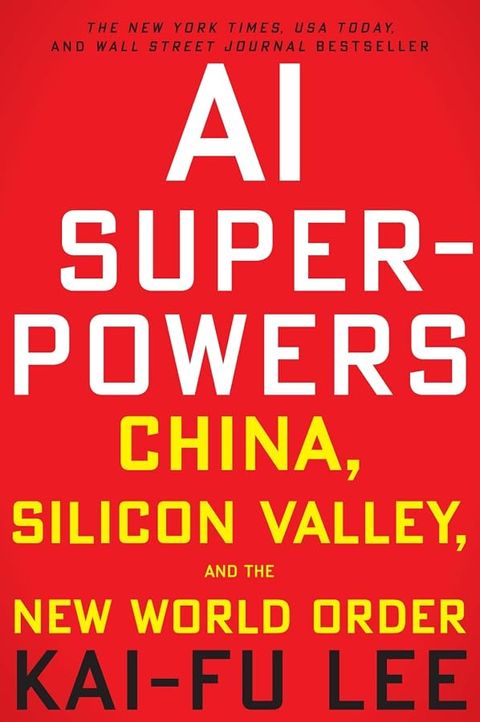
Kai-Fu Lee, the former president of Google China, wrote a widely read insider account of how China became an AI power. His argument that AI progress now depends more on implementation, data and entrepreneurial speed than on new breakthroughs remains useful for anyone assessing national competition. For readers focused on work, the key chapters predict that routine optimization jobs face displacement first, while work requiring creativity, strategy or compassion holds up longer. Lee also proposes a social investment stipend for caregiving, community service and education as an alternative to universal basic income. Its forecasts predate generative AI and US chip export controls, so readers should treat it as background.
Editorial score: 74.3/100 - Rank 08
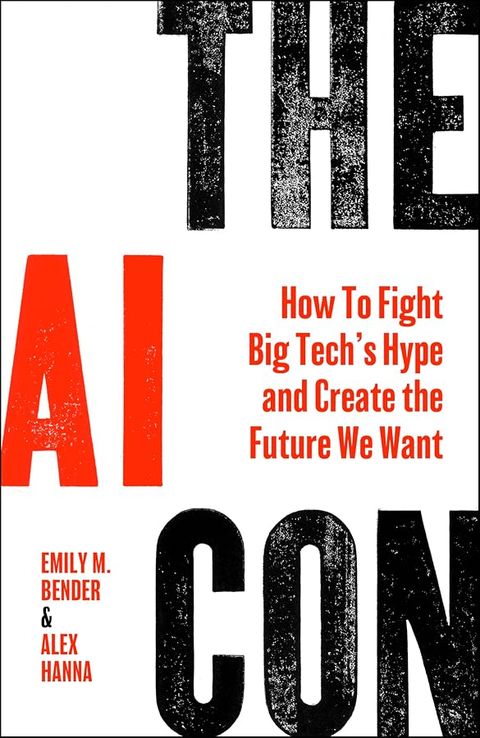
Emily M. Bender, a University of Washington linguist, and sociologist Alex Hanna give readers a method for questioning AI sales pitches rather than a forecast. They argue that "AI" bundles unrelated technologies under one marketing label and that fluent text from large language models should not be mistaken for understanding. Their test asks what a system automates, whose labor and data it uses, and who bears the cost of its errors. The book says less about where generative tools perform well, so pair it with Co-Intelligence. Managers evaluating vendors and journalists covering layoffs attributed to AI get a reusable set of questions for any AI claim.
Editorial score: 73.6/100 - Rank 09
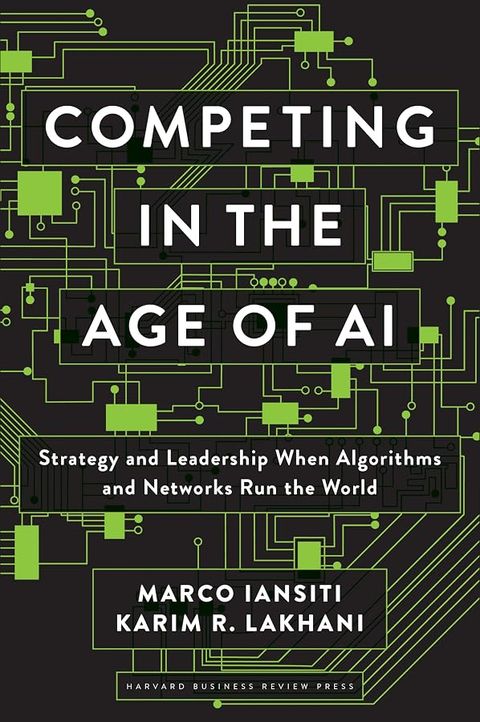
Harvard Business School professors Marco Iansiti and Karim R. Lakhani shift the question from which jobs AI replaces to how an entire company must be rebuilt around data. Their AI factory links data pipelines, algorithms, experimentation and software infrastructure into a loop that improves with each use and removes historical limits on scale, scope and learning. For workers, the consequence is a reorganized firm built on agile product teams and multidisciplinary governance rather than isolated pilots. Executives and board members get a rigorous operating-model blueprint, and the closing chapters treat privacy, market concentration and inequality as leadership responsibilities. Lakhani also co-authored the BCG experiment behind Co-Intelligence's jagged frontier.
Editorial score: 74.3/100 - Rank 10
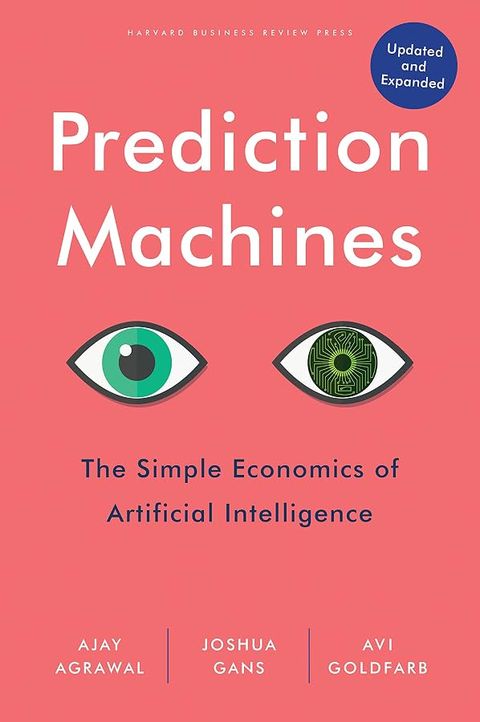
Ajay Agrawal, Joshua Gans and Avi Goldfarb, economists at the University of Toronto's Rotman School of Management, reduce AI to one economic fact: it lowers the cost of prediction. That framing lets readers apply ordinary supply-and-demand reasoning to the question of which human work gains value. As prediction gets cheaper, its complements, including judgment, proprietary data and the ability to act, become worth more. The AI canvas breaks a decision into prediction, judgment, action, outcome and data, which gives managers a practical way to locate where machine learning helps. Read it first, then the sequel, Power and Prediction.
Editorial score: 80.6/100 - Rank 11
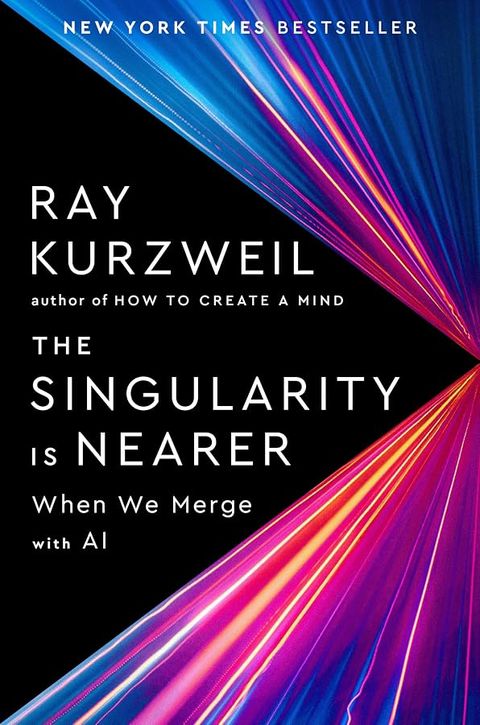
Ray Kurzweil's sequel to The Singularity Is Near restates his forecast that AI will reach human-level intelligence by 2029, a date he first set in 1999, and that brain-computer interfaces will connect the neocortex to cloud computing by around 2045. Its relevance to work lies in his data-heavy argument that exponential gains in computing price-performance are already improving health, wealth and safety on most measures of well-being. Readers get the most expansive optimistic case from the best-known futurist in the field. Critics say his treatment of risk lacks detailed support, so the book reads best beside How Progress Ends, which treats stagnation as the historical norm.
Editorial score: 69.3/100 - Rank 12
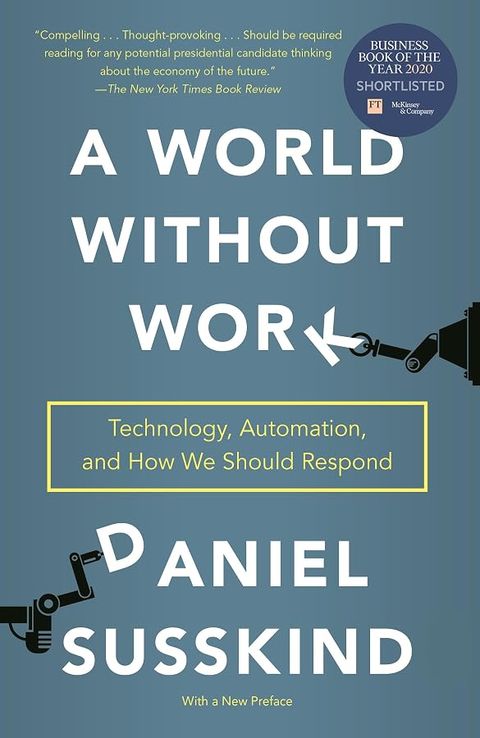
Economist Daniel Susskind makes a careful case that technological unemployment could become structural rather than temporary. He argues that machines need not think like people to outperform them, that automation advances task by task across manual, cognitive and emotional work, and that early job losses will look like mismatches of skills, place and identity before demand for human labor shrinks. His response is a state that shares capital income, possibly through a basic income conditioned on contributing to the community. Policymakers get a diagnosis and a specific, debatable remedy. The book extends the task-based argument of The Future of the Professions, written with his father, Richard Susskind.
Editorial score: 73.3/100 - Rank 13
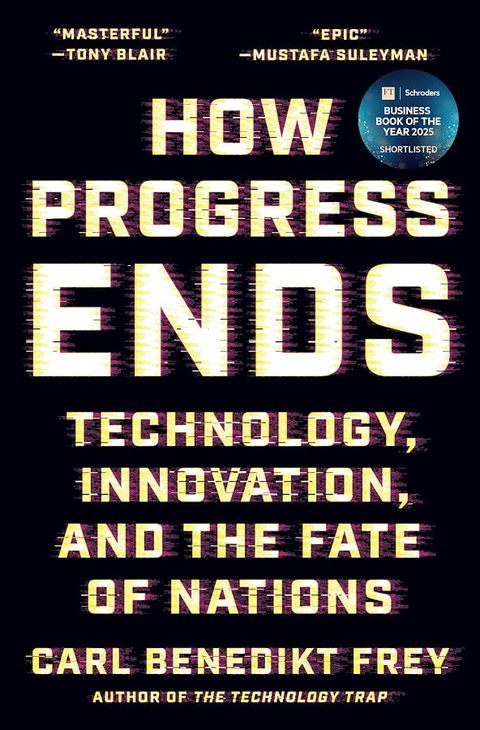
Oxford economist Carl Benedikt Frey, author of The Technology Trap, turns to a larger question: whether AI-driven growth can last. His history argues that decentralized competition discovers new technologies while capable bureaucracies scale them, and that the Soviet Union and Japan stalled once they caught up to the technological frontier. Stagnation, he argues, has been the historical norm. For readers weighing AI's economic promise, the consequence is caution: a productivity surge is possible but not guaranteed, and incumbents who lobby for protective regulation can narrow the experimentation that frontier innovation requires. Investors and policymakers get a historical test for national AI strategies.
Editorial score: 75.1/100 - Rank 14
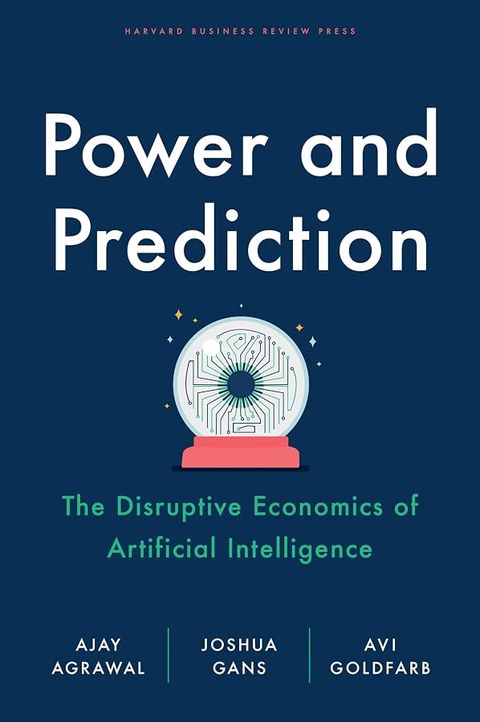
The Toronto economists behind Prediction Machines explain why AI's economic payoff has arrived more slowly than its capabilities. Their analogy is electricity, which delivered modest gains when it simply replaced older power sources and transformative gains once whole systems were redesigned around it. AI follows the same pattern: a point solution produces small improvements, while redesigning interdependent decisions together produces large ones. The authors also show how cheaper prediction turns fixed rules into decisions and shifts power toward whoever controls judgment. Executives should read it after Prediction Machines, because it moves from individual use cases to the redesign of entire operations.
Editorial score: 74.8/100 - Rank 15
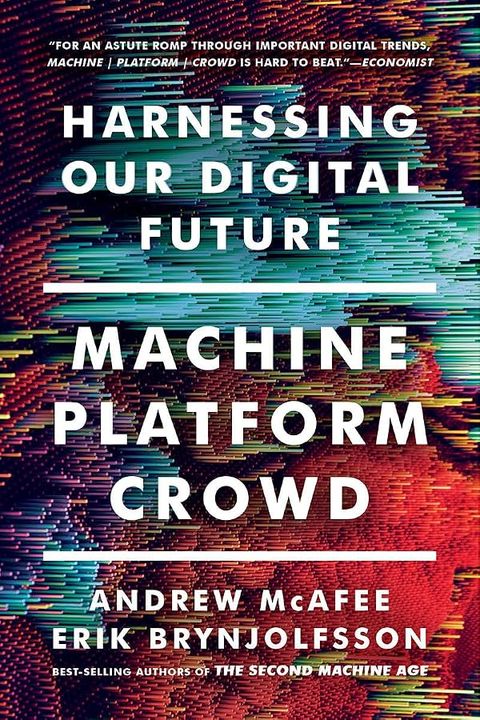
Andrew McAfee and Erik Brynjolfsson follow The Second Machine Age with a more managerial book built on three rebalancings: from human judgment toward machine decisions, from products toward platforms, and from a firm's core toward outside crowds. For work, the first shift matters most, because the authors argue that data and algorithms should take over many decisions reserved for experts while people concentrate on creativity and social skills. The platform chapters explain network effects and near-zero marginal costs. The examples predate ChatGPT, yet strategists and MBA students get a structured way to decide which work belongs inside the firm.
Editorial score: 74.1/100 - Rank 16
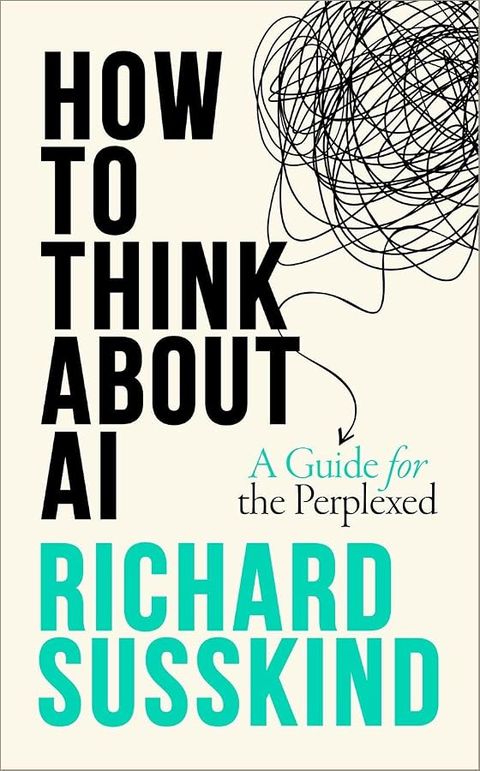
Richard Susskind has worked on AI and the law for about four decades, and this short book distills that experience for nontechnical readers. His central rule is to judge AI by outcomes rather than processes, since dismissing systems because they work differently from humans leads people to underestimate them. For work, his three-part model of automation, innovation and elimination matters most, because the last two can disrupt professions more deeply than task automation. Lawyers, executives and policymakers also get a seven-category map of AI risk and a planning horizon that looks past current chatbots toward technologies not yet invented.
Editorial score: 76.5/100 - Rank 17
Accenture executives Paul R. Daugherty and H. James Wilson focus on the ground between full automation and unchanged jobs. Their missing middle describes how people train, explain and sustain AI systems while AI amplifies, interacts with and embodies human work. The MELDS agenda, covering mindset, experimentation, leadership, data and skills, gives HR leaders a checklist for treating AI as an organizational change rather than an IT project. Eight fusion skills, including judgment integration and reciprocal apprenticing, translate that model into training priorities. Readers should expect guidance on role design and workforce planning rather than labor economics.
Editorial score: 74.1/100 - Rank 18
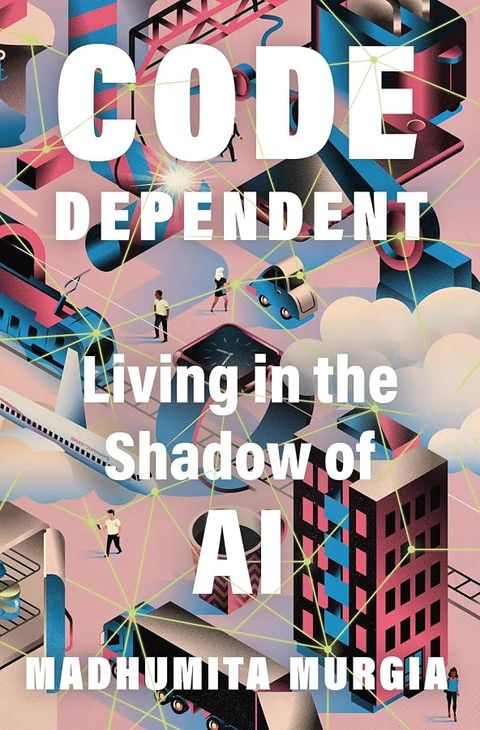
Financial Times journalist Madhumita Murgia reports on people whose lives AI systems already shape, and several of those stories concern work. Data labelers and content moderators, often migrants or refugees in the Global South, perform the low-paid tasks that keep AI products running. Gig couriers cannot verify algorithmically calculated pay, and one courier, Armin Samii, built his own auditing tool. Doctors in rural India supply the counterexample, using AI to support professional judgment. Readers get evidence about workers seldom covered in executive-focused books, presented through individual cases rather than technical analysis.
Editorial score: 68.0/100 - Rank 19
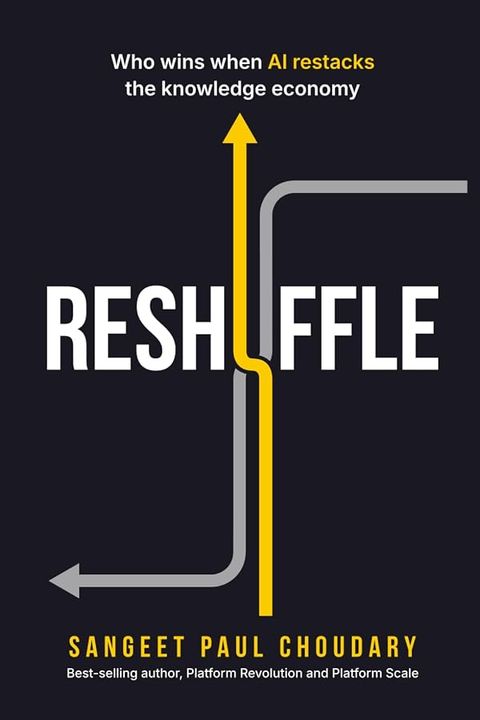
Sangeet Paul Choudary, a co-author of Platform Revolution, argues that AI's largest economic effect comes from cheaper coordination across organizations rather than the automation of individual tasks. His analogy is the shipping container, which changed whole systems of trade rather than single jobs. The consequence for strategists is to redesign workflows instead of attaching tools to old ones, and to watch who controls the points in a workflow where value accrues, since dependence on a single AI vendor becomes a strategic risk. Knowledge workers get specific career advice: reposition toward where value is added rather than relying on AI skills alone.
Editorial score: 73.8/100 - Rank 20
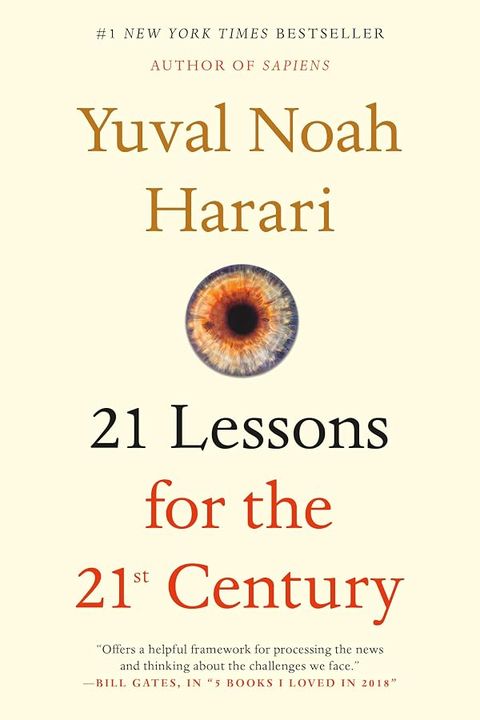
Yuval Noah Harari's essay collection belongs among work titles for its opening chapters on jobs, data and liberty. He argues that automation could produce people who are economically irrelevant rather than exploited, a political problem with few precedents, and that ownership of personal data may become the defining political question because data concentrates power. His education advice, favoring adaptability, critical thinking and emotional resilience over memorized information, gives parents and teachers a direct takeaway. Later chapters range across religion, nationalism and terrorism, so readers focused on work can concentrate on the first section. Readers of Homo Deus will see its useless-class argument applied to present-day politics.
- Rank 21
Richard and Daniel Susskind argue that the grand bargain granting lawyers, doctors, accountants and other professionals exclusive rights in exchange for trusted expertise is under strain from cost, opacity and unequal access. Their method breaks professional jobs into tasks, many of which can be routinized, handed to paraprofessionals or automated even when the full job cannot. They also name the AI fallacy, the mistaken assumption that machines must think like experts in order to perform like them. Professionals planning their careers get a rigorous analysis of their own fields, and the closing questions about who controls online expertise remain live policy issues.
Editorial score: 77.6/100 - Rank 22
Carl Benedikt Frey, co-author of a 2013 Oxford Martin School study estimating that about 47 percent of US employment was at risk of computerization, uses economic history to explain when workers resist new technology. He separates enabling technologies, which raise workers' productivity or create new tasks, from replacing technologies, which remove their work. During Engels' pause in industrializing Britain, output and profits rose while wages stagnated for decades. Frey connects that pattern to the erosion of middle-income routine jobs since the 1980s. Policymakers get a clear warning: workers who see only losses may vote to slow automation and delay its long-run benefits.
Editorial score: 75.6/100 - Rank 23
Cory Doctorow, the novelist and digital-rights activist, defines a centaur as a worker amplified by a machine and a reverse centaur as a worker forced to serve one at an inhuman pace. He argues that AI valuations depend on promises to replace well-paid labor, so much of the industry's messaging targets investors rather than customers. His term accountability sink, an automated system that lets an institution avoid responsibility for outcomes, gives workers and managers a precise name for a familiar problem. His remedies, including unions, worker control and collective bargaining, receive less development than his diagnosis. The centaur idea pairs well with the human-machine teams in Deep Thinking.
- Rank 24
Kurt Vonnegut's first novel imagines a United States in which machines run nearly all production and a technical elite sorts everyone else by test scores and machine-readable records. Living standards rise, yet displaced workers lose purpose, status and any voice in how the economy runs. Vonnegut places the blame on the complacency of the engineers and managers who maintain the system rather than on the machines themselves. Readers get a fictional case study of the useless-class fear that Homo Deus raised more than six decades later, along with a test of whether resistance to automation can offer more than nostalgia.
Editorial score: 75.8/100 - Rank 25
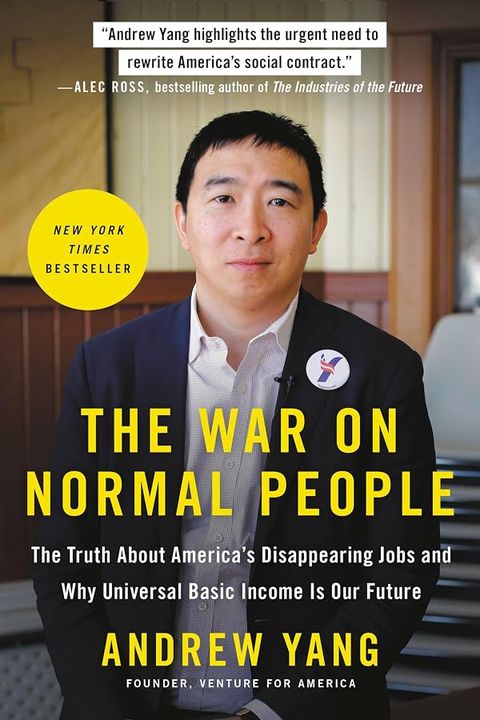
Andrew Yang published this case before his 2020 presidential campaign, and it laid out the argument for that campaign's signature proposal. He estimates that about half of American workers hold jobs in five occupational groups, including retail and trucking, that he considers vulnerable to automation, and he links regional job losses to declining male workforce participation, rising disability claims and deaths of despair. His Freedom Dividend would pay adult citizens $1,000 a month, financed mainly through a value-added tax. Readers evaluating universal basic income get the proposal in detailed popular form and should weigh it against the conditional alternatives in A World Without Work and AI Superpowers.
Editorial score: 65.5/100 - Rank 26
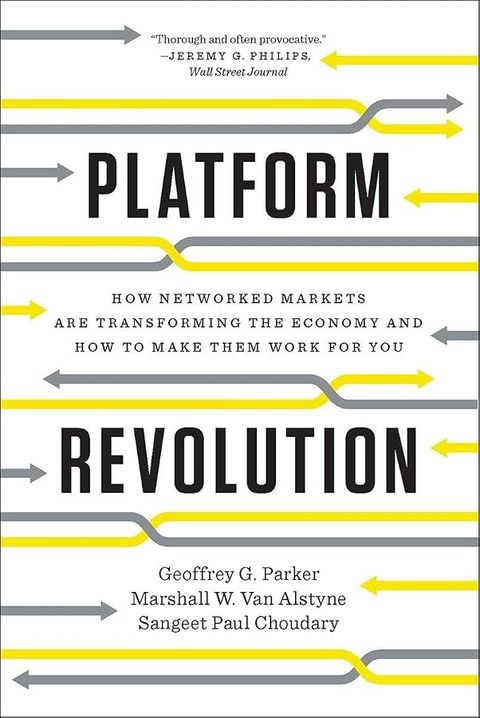
Geoffrey G. Parker, Marshall W. Van Alstyne and Sangeet Paul Choudary explain the economics of the platforms that now match, manage and pay many workers. Platforms create value by facilitating exchanges between outside producers and consumers, so their core assets are communities and data rather than inventory. The authors show how network effects turn negative when interaction quality falls, how new platforms solve the chicken-and-egg problem, and how curation, reputation systems and access rules govern behavior. Readers following gig work, data labeling or AI marketplaces learn why market power concentrates on platforms. Choudary extends the analysis to AI in Reshuffle.
Editorial score: 75.3/100 - Rank 27
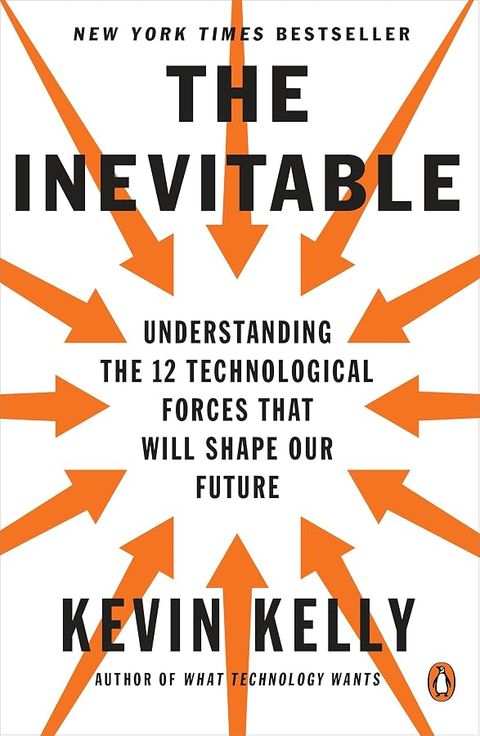
Kevin Kelly, a founding editor of Wired, organizes his forecast around twelve technological forces, and his chapter on cognifying anticipated the spread of cheap machine intelligence into everyday products and services. He compares its effect to electrification and expects it to spawn many new businesses. On employment, Kelly argues that demand for human work has grown with each stage of industrialization and that new roles will emerge as automation absorbs current tasks. Readers also get early analysis of access replacing ownership and of coveillance as a check on surveillance. Kelly offers trend lines more than proof, so read it as the optimistic counterpart to Rise of the Robots.
Editorial score: 70.3/100 - Rank 28
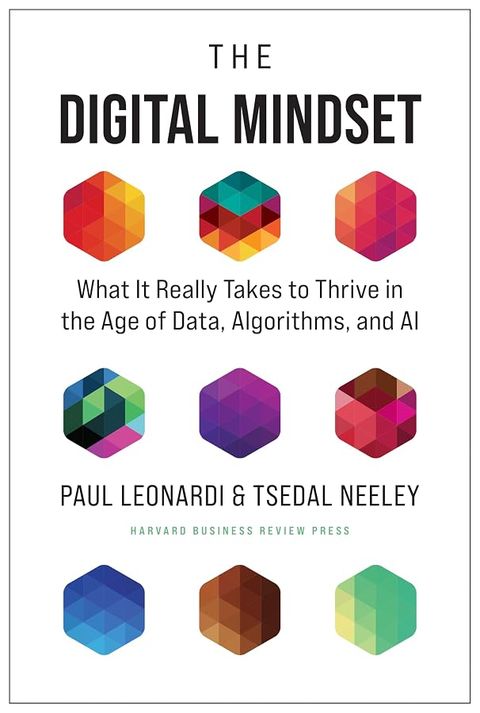
Paul Leonardi of the University of California, Santa Barbara, and Tsedal Neeley of Harvard Business School argue that nontechnical professionals need about 30 percent fluency in key digital concepts, not programming skill, to work effectively with data scientists and AI systems. Their chapters explain how algorithms reach predictions, why every dataset reflects human choices about what to measure, and when to trust, question or override a model. Managers whose jobs now involve AI outputs get a working vocabulary in an accessible format. The emphasis on continuous change, experimentation and security awareness suits leaders running long transformation programs.
Editorial score: 67.3/100 - Rank 29
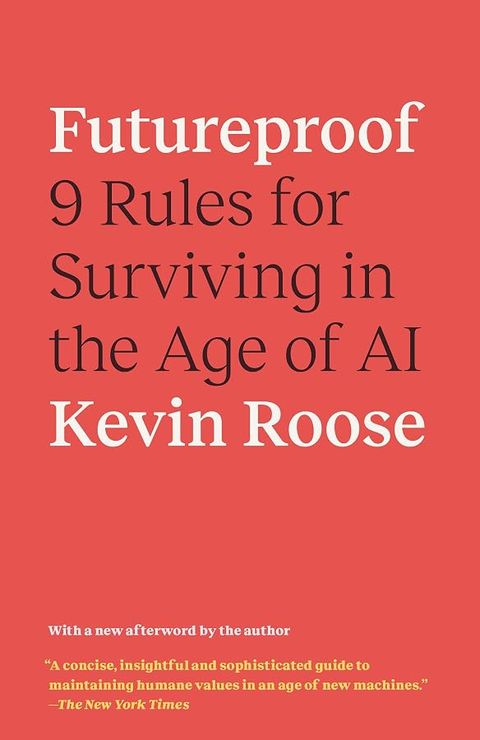
New York Times technology columnist Kevin Roose wrote a practical career guide for people worried about automation. He argues that no job is inherently robot-proof, but that surprising, social and scarce work, involving uncertainty, human connection or rare high-stakes skills, holds up best. He identifies so-so automation, technology just good enough to replace workers without large productivity gains, as the larger near-term risk, the same concept Power and Progress develops in depth. His advice to leave visible handprints of personal effort on work and to resist machine drift gives individual professionals concrete steps.
Editorial score: 67.8/100 - Rank 30
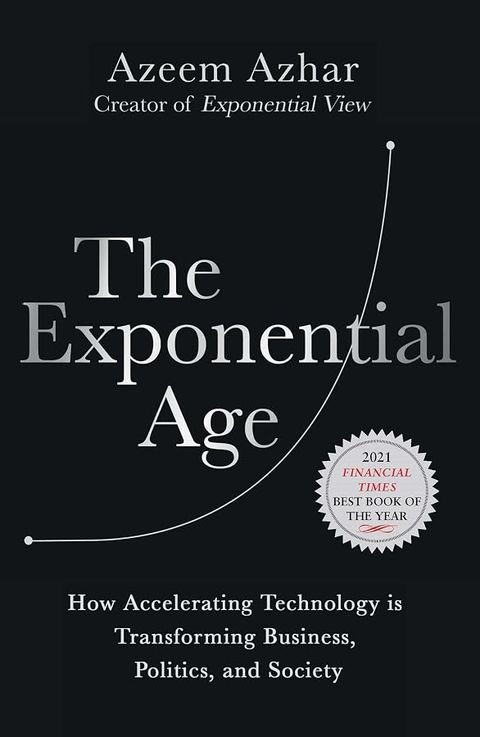
Azeem Azhar, the analyst behind the Exponential View newsletter, explains why institutions lag technologies whose costs fall exponentially across computing, energy, biology and manufacturing. He calls the resulting mismatch the exponential gap and links it to inequality, polarization and corporate concentration. Because the preferences of designers shape outcomes, Azhar argues, governance can narrow the gap through platform transparency, interoperability between services, enforceable data rights and data held in common trust. Policymakers and strategists get a clear model of the pace of technological change and its effects on markets and workers, though the policy chapters are less specific than the diagnosis.
Editorial score: 68.0/100 - Rank 31
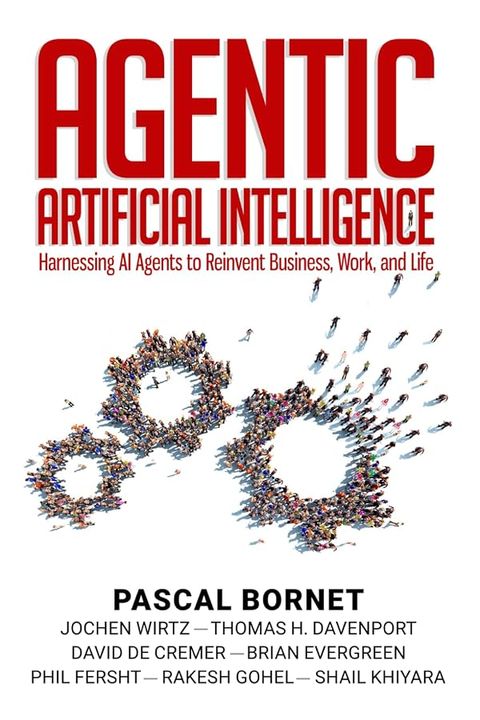
Pascal Bornet, Thomas H. Davenport and six co-authors address the newest stage of workplace automation: AI agents that act, reason and remember with varying degrees of autonomy. Their five-level framework helps leaders distinguish rule-following automation from full autonomy and match plans to real capability. For work design, the central argument is that value depends on redesigning tasks around human-agent collaboration, with leaders managing trust and change rather than leaving adoption to IT. Executives planning a first agent program get governance and business-case guidance for moving beyond pilots. The book is long and repetitive, so readers can skim the case chapters.
- Rank 32
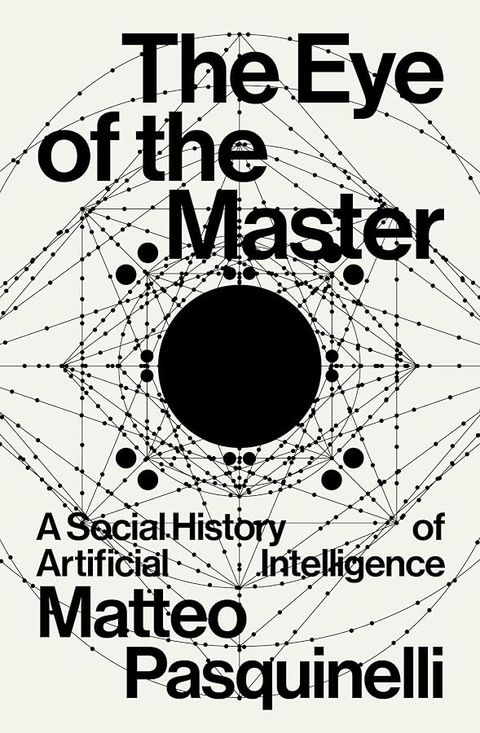
Matteo Pasquinelli's advanced Marxist history argues that machine learning automates collective human labor rather than imitating the brain. He traces algorithms to social practices such as rituals and counting, reads Charles Babbage's calculating engines as the mechanization of human computers' mental labor, and treats Frank Rosenblatt's perceptron as an attempt to automate perception. For scholars and students of labor history, the consequence is a political argument: changing the ownership of AI matters more than ethics guidelines alone. General readers will find it dense; readers familiar with critical theory and the history of computing will gain the most.
Editorial score: 66.3/100 - Rank 33
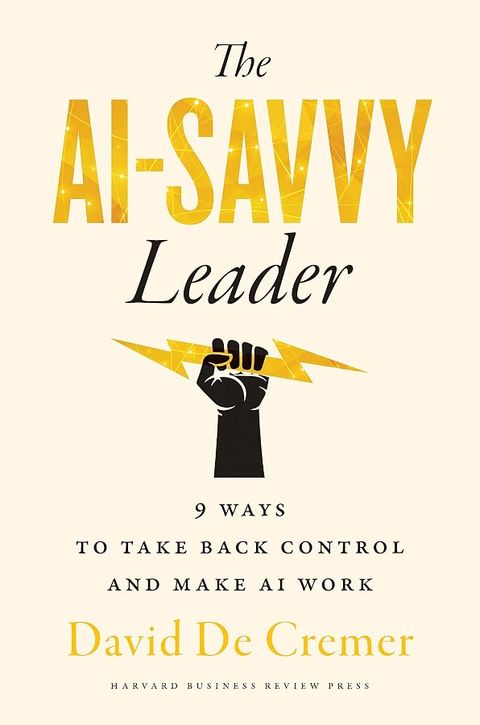
David De Cremer, a management scholar and co-author of Agentic Artificial Intelligence, argues that AI failures usually stem from disengaged executives who hand strategy to technical teams lacking a full view of the business. His prescription starts with organizational purpose: decide which problems AI should solve before buying tools to match competitors. He makes a business case for augmenting employees rather than replacing them, since trust, creativity and institutional knowledge sustain long-term value. Senior leaders without technical backgrounds get a concise guide to their own responsibilities, while readers seeking technical depth should choose a different title.
Editorial score: 65.5/100 - Rank 34
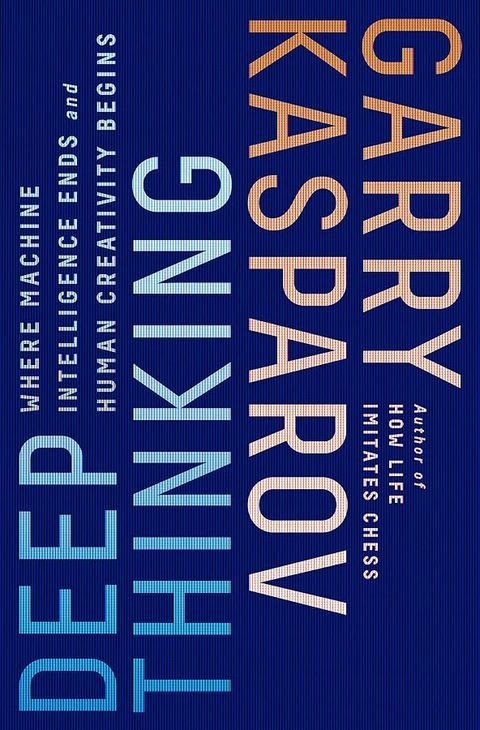
Garry Kasparov, writing with Mig Greengard, recounts his 1997 loss to IBM's Deep Blue and draws lessons about people and machines at work. He concedes that his own psychological errors, including resigning a second game that could have been drawn, contributed heavily to the defeat, and he explains that Deep Blue won through specialized hardware and brute-force search rather than understanding. The workplace lesson is his observation that a weaker human using a machine with a better process can beat stronger players or machines working with worse processes. Leaders get a vivid firsthand case for human-machine collaboration, although his forecasts predate large language models.
Editorial score: 69.8/100 - Rank 35
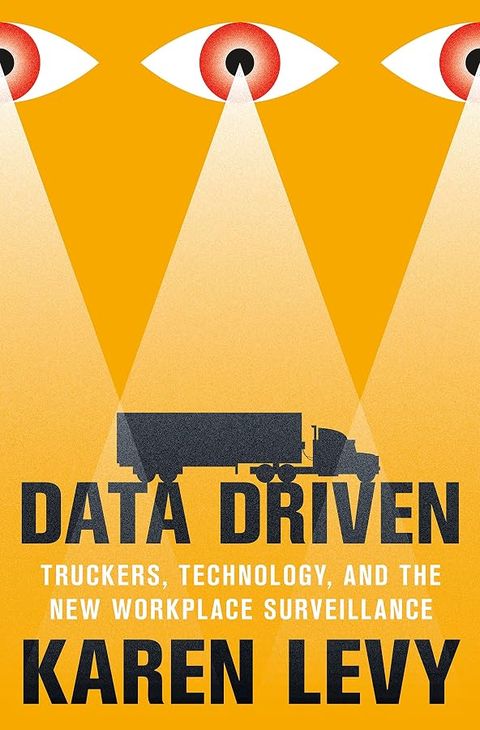
Cornell scholar Karen Levy studied long-haul truckers as a federal mandate required electronic logging devices, and her book received three best-book awards, including one from an American Sociological Association section. Her central finding for the AI era is that technology often monitors and directs workers inside their jobs instead of replacing them. The devices targeted fatigue but left untouched the per-mile pay and unpaid detention time that push drivers to work tired, and a 2021 study she cites found no reduction in truck crashes. HR and operations leaders evaluating monitoring software get a detailed account of how compliance data becomes managerial control.
Editorial score: 73.3/100 - Rank 36
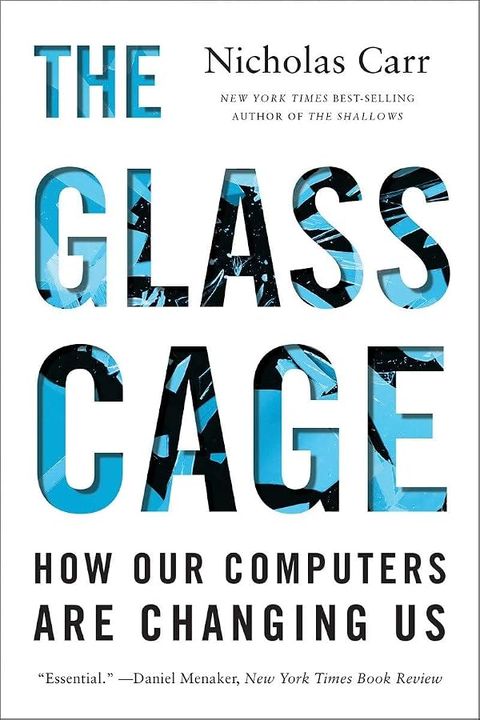
Nicholas Carr examines what automation does to the skills of the people who work alongside it. Drawing on aviation, he shows how pilots who rely on autopilot lose the manual proficiency they need when systems fail, and how automation complacency and automation bias lead operators to trust screens over their own senses. The generation effect, the finding that people learn more when they produce answers themselves, gives knowledge workers a direct reason to limit how much thinking they hand to AI tools. Designers and managers get a case for human-centered automation that keeps people engaged in the meaningful parts of a task.
Editorial score: 73.3/100 - Rank 37
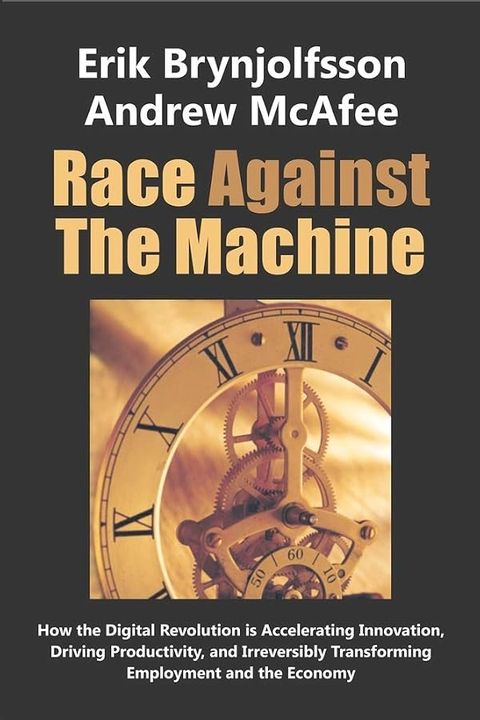
Erik Brynjolfsson and Andrew McAfee wrote this short book to explain weak post-recession hiring as technology outpacing workers' skills and institutions rather than as an innovation slowdown. It introduced arguments they expanded in The Second Machine Age: exponential computing reaches more cognitive tasks with each doubling, and digital gains can raise total output while median wages stagnate. Its recommendation to race with machines, through human-computer partnerships and investment in education, shaped much of the debate that followed. Readers tracing the history of the automation argument should read it first and then move to the authors' fuller treatment.
Editorial score: 68.6/100 - Rank 38
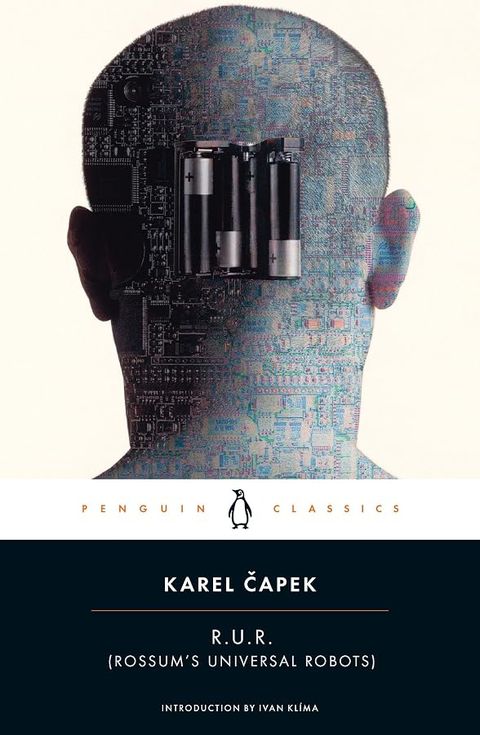
Karel Čapek's 1920 play introduced the word robot, from the Czech robota, meaning forced labor, a term Čapek credited to his brother Josef. His Robots are manufactured biological workers, which makes the play a story about engineered labor and personhood rather than machinery. Its central question for readers concerned with work is what happens to a society freed from toil by cheap artificial labor, a loss of purpose the play treats as seriously as the Robots' revolt. Students of science fiction and anyone following debates over automated labor get the origin of the vocabulary those debates still use.
Editorial score: 78.5/100 - Rank 39
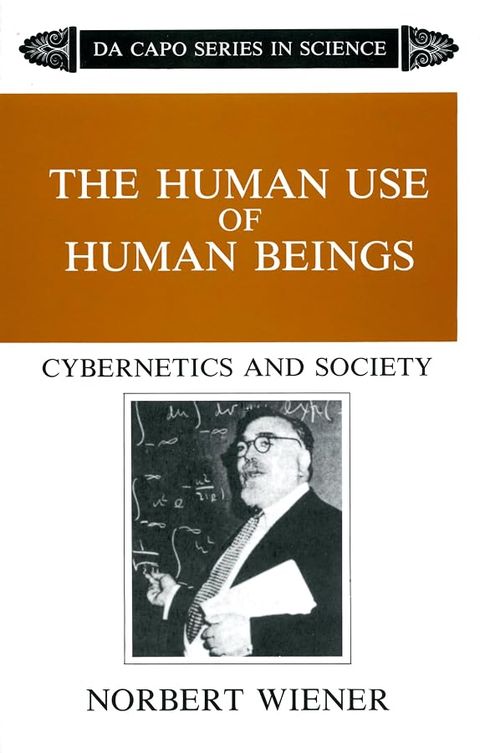
Norbert Wiener, the MIT mathematician who founded cybernetics, wrote this book for general readers in 1950, and it anticipated the core concerns of the AI-and-work debate. He warned that automation could free people from drudgery but, without deliberate social policy, could also cause unemployment on the scale of a new industrial revolution. He cautioned that learning machines may reach decisions their designers never intended, so delegating judgment to them requires scrutiny of their rules. Readers get the intellectual origin of arguments later developed in The Glass Cage and Power and Progress, with responsibility placed on the people who build and deploy machines.
Editorial score: 73.8/100 - Rank 40
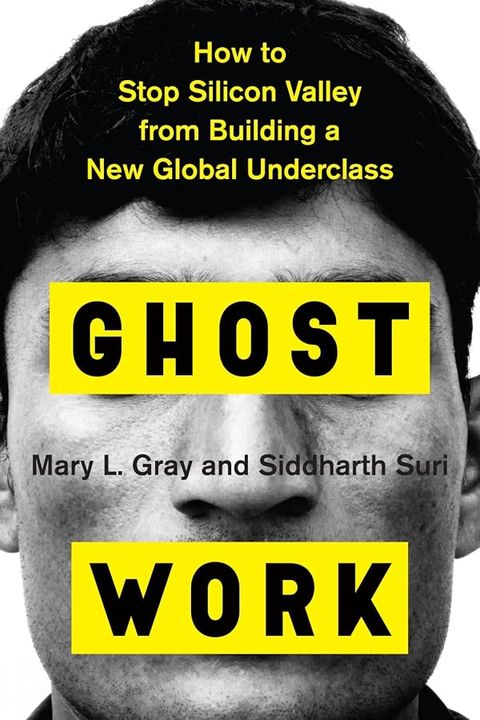
Anthropologist Mary L. Gray and computer scientist Siddharth Suri, both of Microsoft Research, document the hidden workers who label, moderate and correct data behind services marketed as automated. Their paradox of automation's last mile explains why each AI advance creates new tasks that still require human judgment. The fieldwork gives a balanced account: on-demand work offers flexibility valued by caregivers and people with disabilities, yet often pays below legal minimums and lacks benefits or security. Readers interested in AI's labor supply chain get concrete reforms, including benefits decoupled from a single employer and collective organizing, plus context for the later reporting in Code Dependent.
Editorial score: 74.0/100
How we ranked these books
Books are ranked on a weighted combination of reach, measured by Amazon rating counts and sales rank; critical consensus across independent best-of lists; awards; reader ratings; author authority; and editorial scoring of relevance and rigor for readers making decisions about AI and work. Reach alone does not set position. Homo Deus and 21 Lessons for the 21st Century carry far more Amazon ratings than any other ranked title, but editorial scoring places them below several books that address jobs and wages directly. Co-Intelligence ranks first because Ethan Mollick, a Wharton professor, pairs practical instruction with his own field research on how generative AI changes knowledge work, and because it addresses the decisions professionals face with AI tools today.