Data Strategy
How to Profit from a World of Big Data, Analytics and the Internet of Things
By Bernard Marr
Synopsis
Bernard Marr argues that every business is now a data business, and that data efforts pay off only when they begin with strategic questions rather than technology. Data Strategy, first published in 2017 and now in a 2025 third edition, walks leaders through building a plan that starts from business needs. Marr groups the uses of data into a handful of categories: improving decisions, understanding customers, creating more intelligent products and services, streamlining internal processes and monetizing data itself. Readers are asked to define their priority use cases before they choose data sources, tools or infrastructure.
The second half of the book covers execution: sourcing and collecting data, governance, cybersecurity, ethics and trust, turning data into insight, building technology infrastructure, developing data skills across the organization, and revisiting the strategy as conditions change. The 2025 edition, subtitled How to Use Data and Artificial Intelligence to Transform Your Business, adds material on generative AI, synthetic data, quantum computing and regulation, and closes with a chapter on AI and data. Real-world company examples illustrate the chapters. Executives without technical backgrounds gain a structured checklist and a shared vocabulary for working with data teams, though practitioners will find little methodological detail.
Scorecard
Editorial score
How it scored
Editorial score: 66.8 / 1005 weighted criteria
- 18.0/30
Influence30%
- 16.3/25
Authority25%
- 14.0/20
Practical value20%
- 10.5/15
Currency15%
- 8.0/10
Readability10%
- 66.8/100
Editorial score
How the rank was computed
Rank No. 348 of 500 comes from a composite of 51.5: observable signals 21.5 of 55 points plus editorial review 30.0 of 45 points.
All 11 inputs
| Input | Points |
|---|---|
| Observable signals | 21.5/55 |
| Reach (Amazon ratings volume) | 3.3/16.5 |
| Consensus across best-of lists | 5.5/13.8 |
| Awards and bestseller evidence | 5.0/8.3 |
| Reader rating, sample-adjusted | 4.5/8.3 |
| Amazon sales rank | 0.4/5.5 |
| Recency | 2.8/2.8 |
| Editorial review | 30.0/45 |
| Author authority | 7.3/11.3 |
| Influence | 8.1/13.5 |
| Practical value | 6.3/9.0 |
| Readability | 3.6/4.5 |
| Currency | 4.7/6.8 |
Each criterion is scored from 1 to 10 and weighted, and the points add up to the editorial score. The rank combines observable signals (55 percent) with this score (45 percent). Read the methodology.
Verdict
A business-first framework for turning data and AI into measurable value, broad rather than deep, and best in its updated third edition.
Strengths
- Business-first framing accessible to nontechnical leaders
- Logical, chapter-by-chapter planning structure
- Third edition updated for generative AI
Keep in mind
Coverage is broad but shallow, so data professionals and readers wanting detailed methods, metrics or implementation case studies will find it introductory.
Key takeaways
- Start a data strategy from business objectives and specific use cases, not from available data or technology purchases.
- Data creates value in a few recurring ways: better decisions, deeper customer understanding, more intelligent products and services, efficient operations and direct monetization.
- Governance, cybersecurity, ethics and trust belong inside the strategy from the start, since regulation and reputational risk now shape what data a firm can use.
- A strategy is only as strong as the organization's data skills and infrastructure, so leaders must plan for both and revisit the plan regularly.
Notable facts
- The first edition tied for bronze in the Business Technology category of the 2018 Axiom Business Book Awards. Source (opens in a new tab)
- Kogan Page published a revised third edition on September 3, 2025, subtitled How to Use Data and Artificial Intelligence to Transform Your Business. Source (opens in a new tab)
About the author
Questions
What is Data Strategy by Bernard Marr about?
Which edition of Data Strategy should I read?
Is Data Strategy useful for technical readers?
Related books
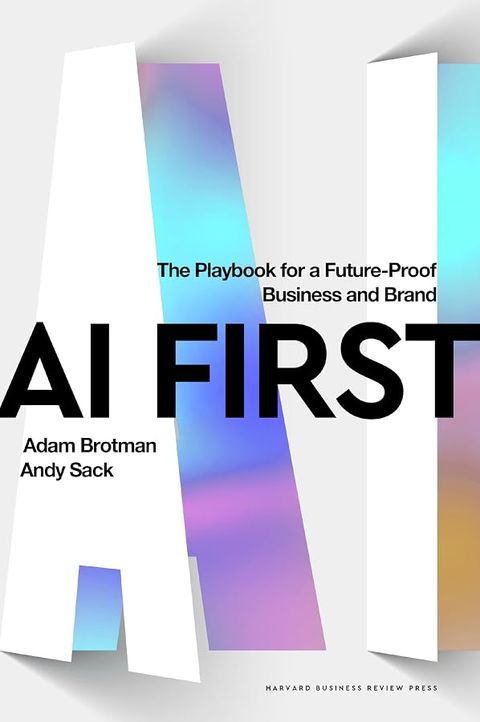
- AI First Adam Brotman and Andy Sack
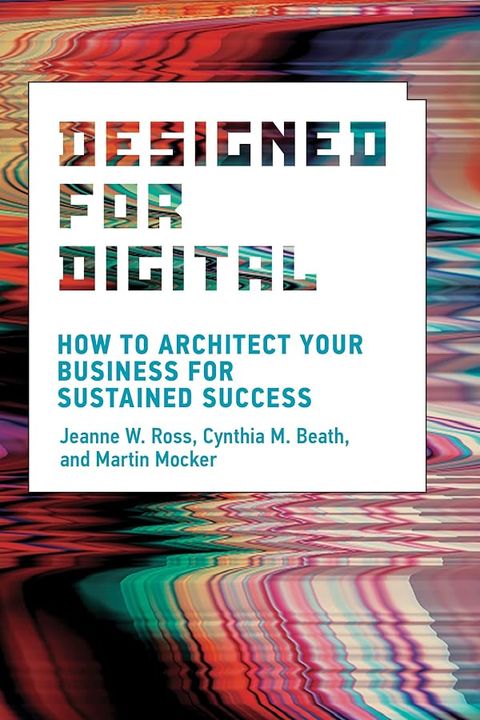
- Designed for Digital Jeanne W. Ross, Cynthia M. Beath and Martin Mocker
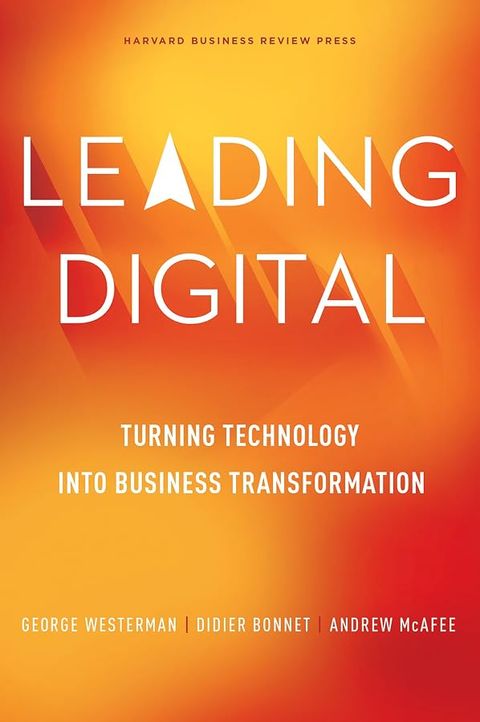
- Leading Digital George Westerman, Didier Bonnet and Andrew McAfee
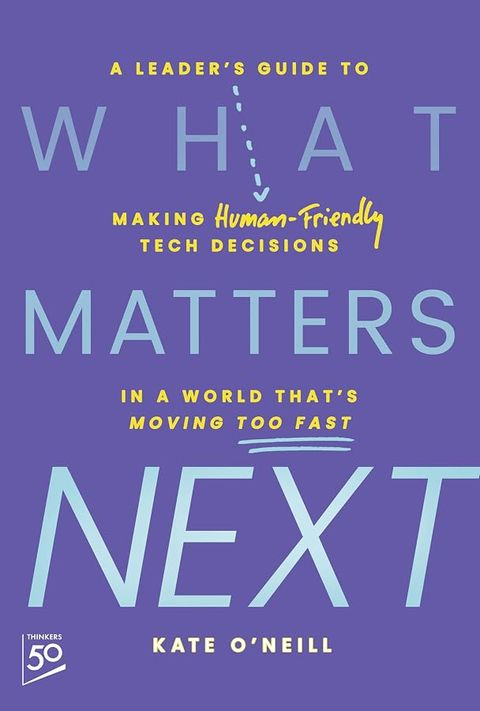
- What Matters Next Kate O'Neill
- The Business of Platforms Michael A. Cusumano, Annabelle Gawer and David B. Yoffie
- Fusion Strategy Vijay Govindarajan and Venkat Venkatraman
Sources
As an Amazon Associate, Best AI Books earns from qualifying purchases. Best AI Books is sponsored by Iternal.ai, whose founder and CEO, John Byron Hanby IV, wrote The AI Strategy Blueprint, our #1 ranked book. How we rank books.
