Designed for Digital
How to Architect Your Business for Sustained Success
Synopsis
Designed for Digital distills five years of fieldwork at the MIT Sloan Center for Information Systems Research into one argument: large, established companies struggle with digital not for lack of strategy but because their structures, systems and accountabilities were never designed to deliver digital offerings. Jeanne Ross, Cynthia Beath and Martin Mocker propose five building blocks for a digitally designed business. Shared customer insights capture, through ongoing experiments, what customers value enough to buy. An operational backbone of integrated systems, processes and data keeps core operations reliable. A digital platform supplies reusable business, data and technology components for assembling new offerings quickly. An accountability framework assigns ownership of those components to empowered teams, and an external developer platform opens selected components to partners.
The authors illustrate each block with case studies from companies such as DBS Bank, LEGO, Royal Philips, Schneider Electric, Toyota and USAA, and they caution against starting with an external developer platform before the internal blocks are in place. The book is short and written for executives rather than technologists. It predates generative AI, yet the components it describes, clean shared data, reusable services and clear ownership, are the same foundations that decide whether machine learning projects and AI agents can move beyond pilots into production.
Scorecard
Editorial score
How it scored
Editorial score: 73.0 / 1005 weighted criteria
- 21.0/30
Influence30%
- 20.0/25
Authority25%
- 15.0/20
Practical value20%
- 9.0/15
Currency15%
- 8.0/10
Readability10%
- 73.0/100
Editorial score
How the rank was computed
Rank No. 333 of 500 comes from a composite of 52.0: observable signals 19.0 of 55 points plus editorial review 33.0 of 45 points.
All 11 inputs
| Input | Points |
|---|---|
| Observable signals | 19.0/55 |
| Reach (Amazon ratings volume) | 9.3/16.5 |
| Consensus across best-of lists | 2.8/13.8 |
| Awards and bestseller evidence | 0.0/8.3 |
| Reader rating, sample-adjusted | 6.6/8.3 |
| Amazon sales rank | 0.3/5.5 |
| Recency | 0.0/2.8 |
| Editorial review | 33.0/45 |
| Author authority | 9.0/11.3 |
| Influence | 9.5/13.5 |
| Practical value | 6.8/9.0 |
| Readability | 3.6/4.5 |
| Currency | 4.1/6.8 |
Each criterion is scored from 1 to 10 and weighted, and the points add up to the editorial score. The rank combines observable signals (55 percent) with this score (45 percent). Read the methodology.
Verdict
A research-backed blueprint for redesigning established companies around five building blocks that also determine whether later AI investments can scale.
Strengths
- Grounded in five years of MIT CISR research
- Concrete case studies from global incumbents
- Concise, jargon-light structure for busy executives
Keep in mind
Written before generative AI, it treats AI as one technology among many, and smaller firms may find its large-enterprise cases hard to translate.
Key takeaways
- Organizational structure alone cannot deliver digital offerings; companies need deliberate business design linking people, processes, data and technology.
- An operational backbone of integrated core systems and data must exist before digital offerings can be delivered reliably and at scale.
- Shared customer insights come from continuous experimentation that reveals which digital offerings customers value enough to buy.
- Accountability should be organized around digital components owned by empowered teams, rather than around functions, product lines or geographies.
Notable facts
- Forbes columnist Peter High named Designed for Digital one of the Top 10 Technology Books of 2019. Source (opens in a new tab)
About the author
Questions
What is Designed for Digital about?
Is Designed for Digital relevant to AI strategy?
Who should read Designed for Digital?
Related books
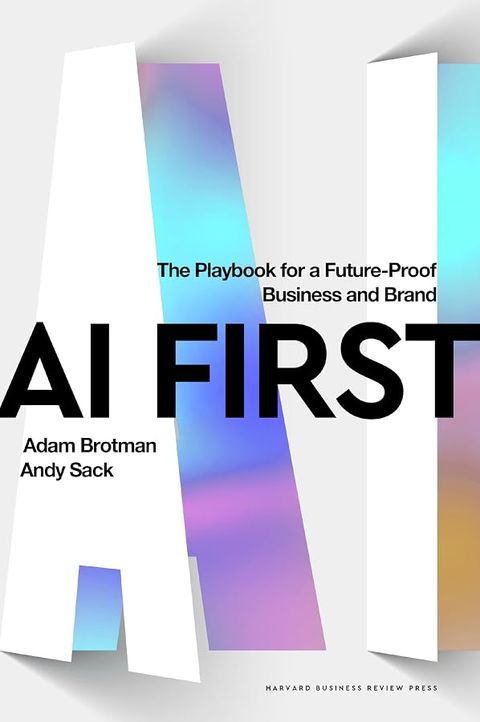
- AI First Adam Brotman and Andy Sack
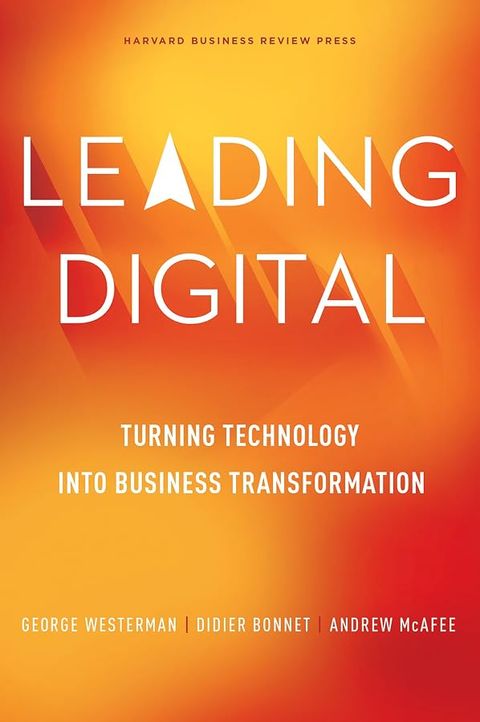
- Leading Digital George Westerman, Didier Bonnet and Andrew McAfee
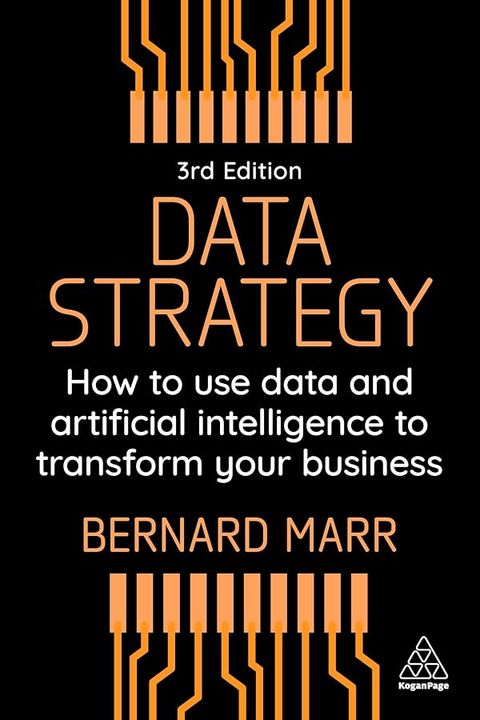
- Data Strategy Bernard Marr
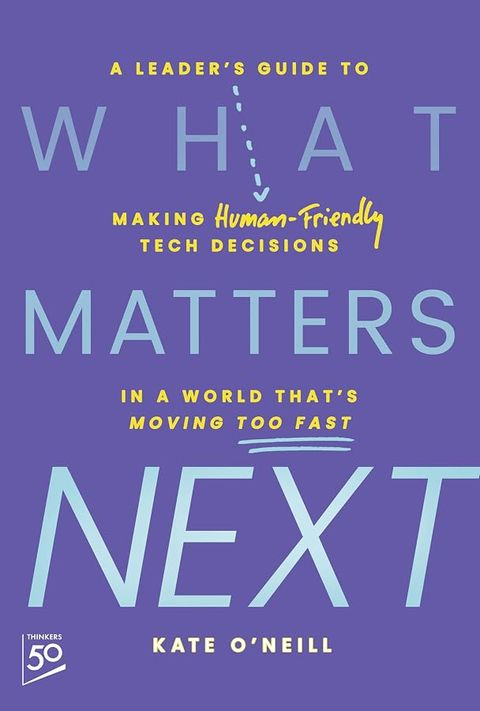
- What Matters Next Kate O'Neill
- The Business of Platforms Michael A. Cusumano, Annabelle Gawer and David B. Yoffie
- Fusion Strategy Vijay Govindarajan and Venkat Venkatraman
Sources
As an Amazon Associate, Best AI Books earns from qualifying purchases. Best AI Books is sponsored by Iternal.ai, whose founder and CEO, John Byron Hanby IV, wrote The AI Strategy Blueprint, our #1 ranked book. How we rank books.
