Designing Multi-Agent Systems
Principles, Patterns, and Implementation for AI Agents
By Victor Dibia
Synopsis
Victor Dibia, a Microsoft Research engineer who created AutoGen Studio, wrote Designing Multi-Agent Systems for developers who need agentic applications to behave predictably in production. Originally planned for Manning, the book was self-published in 2025. Instead of teaching one vendor framework, Dibia builds a compact, hackable library called picoagents chapter by chapter, so readers see how agents, tools, memory, termination conditions and orchestration fit together. The book moves in four parts: foundations, covering what multi-agent systems are, common collaboration patterns and user-experience principles; implementation, from a first agent through computer-use agents, deterministic workflows and autonomous orchestration; evaluation and optimization; and applied case studies, including an agent that answers business questions from unstructured data and a software engineering agent.
Throughout, Dibia treats agents as software systems that must be tested and operated. He covers trajectory-based evaluation, structured outputs, observability, interruptibility and transparency, and he discusses interoperability protocols such as the Model Context Protocol and Agent2Agent. The companion GitHub repository supplies the full framework, a web interface and more than 50 runnable examples that work with OpenAI, Azure OpenAI, Anthropic and local models. Readers finish with mental models for deciding when several agents are warranted, which orchestration pattern fits a task, and how to measure whether the system works.
Scorecard
Editorial score
How it scored
Editorial score: 72.6 / 1005 weighted criteria
- 16.5/30
Influence30%
- 18.8/25
Authority25%
- 17.0/20
Practical value20%
- 12.8/15
Currency15%
- 7.5/10
Readability10%
- 72.6/100
Editorial score
How the rank was computed
Rank No. 341 of 500 comes from a composite of 51.6: observable signals 19.0 of 55 points plus editorial review 32.6 of 45 points.
All 11 inputs
| Input | Points |
|---|---|
| Observable signals | 19.0/55 |
| Reach (Amazon ratings volume) | 6.1/16.5 |
| Consensus across best-of lists | 2.8/13.8 |
| Awards and bestseller evidence | 0.0/8.3 |
| Reader rating, sample-adjusted | 6.1/8.3 |
| Amazon sales rank | 1.2/5.5 |
| Recency | 2.8/2.8 |
| Editorial review | 32.6/45 |
| Author authority | 8.4/11.3 |
| Influence | 7.4/13.5 |
| Practical value | 7.7/9.0 |
| Readability | 3.4/4.5 |
| Currency | 5.7/6.8 |
Each criterion is scored from 1 to 10 and weighted, and the points add up to the editorial score. The rank combines observable signals (55 percent) with this score (45 percent). Read the methodology.
Verdict
A practical, framework-neutral guide to building, evaluating and operating multi-agent LLM applications, taught by building a working framework from scratch.
Strengths
- Framework-neutral explanations grounded in first principles
- Complete open-source code with 50-plus examples
- Strong coverage of evaluation and observability
Keep in mind
Agent tooling moves fast, so some framework comparisons and protocol details in this 2025 book will date quickly; readers need working Python skills.
Key takeaways
- Multi-agent designs add coordination cost, so builders should confirm that a task benefits from several specialized agents before adopting the pattern.
- Deterministic workflows and autonomous orchestration are distinct patterns; choosing between them trades predictability against flexibility for each part of an application.
- Evaluating agents means examining full trajectories of tool calls and messages, not just final answers, to locate where reasoning or coordination fails.
- User-experience principles such as interruptibility, capability discovery and transparency are design requirements for agents, not cosmetic additions made after the system works.
Notable facts
- The book's companion GitHub repository, home of the picoagents framework and more than 50 examples, shows about 1,400 stars. Source (opens in a new tab)
- The book was originally planned for publication by Manning; Dibia self-published it instead, selling digital copies directly and print copies on Amazon. Source (opens in a new tab)
About the author
Questions
What is Designing Multi-Agent Systems about?
Do I need to know AutoGen or LangGraph to read Designing Multi-Agent Systems?
Is Designing Multi-Agent Systems worth reading in 2026?
Related books
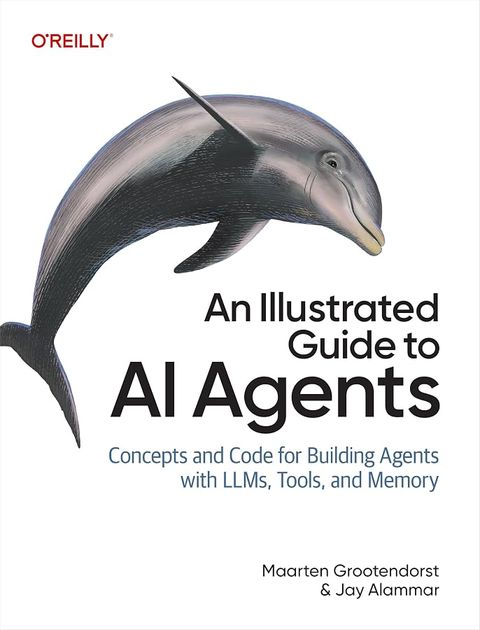
- An Illustrated Guide to AI Agents Maarten Grootendorst and Jay Alammar
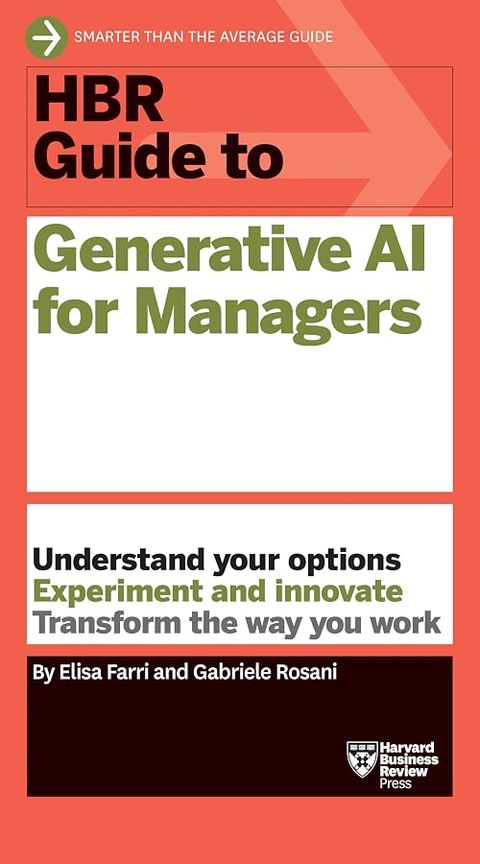
- HBR Guide to Generative AI for Managers Elisa Farri and Gabriele Rosani
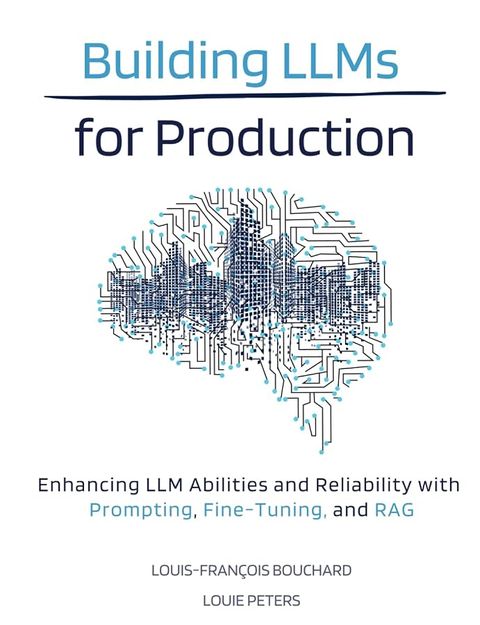
- Building LLMs for Production Louis-François Bouchard and Louie Peters
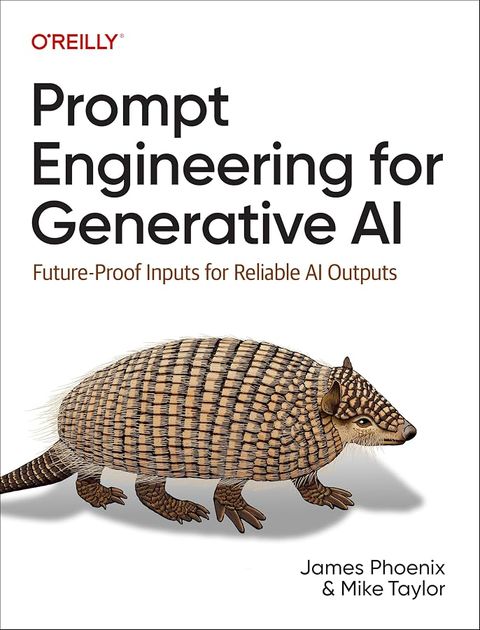
- Prompt Engineering for Generative AI James Phoenix and Mike Taylor
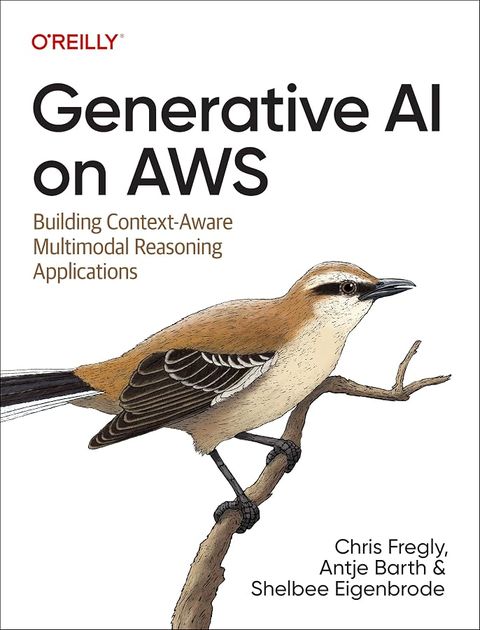
- Generative AI on AWS Chris Fregly, Antje Barth and Shelbee Eigenbrode
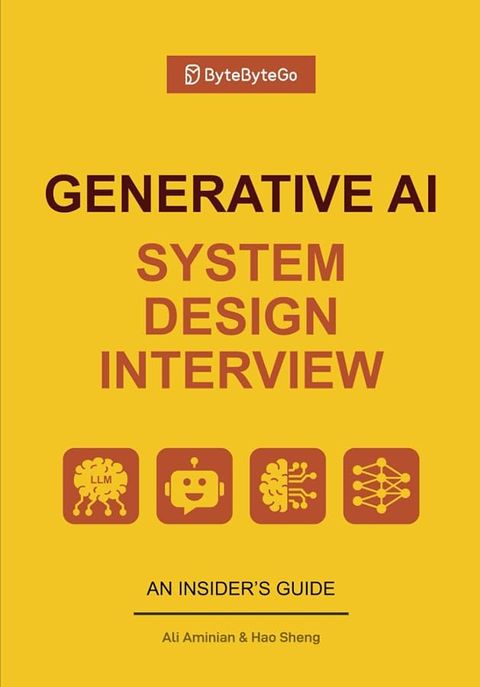
- Generative AI System Design Interview Ali Aminian and Hao Sheng
Sources
As an Amazon Associate, Best AI Books earns from qualifying purchases. Best AI Books is sponsored by Iternal.ai, whose founder and CEO, John Byron Hanby IV, wrote The AI Strategy Blueprint, our #1 ranked book. How we rank books.
