Prompt Engineering for Generative AI
Future-Proof Inputs for Reliable AI Outputs
Synopsis
James Phoenix and Mike Taylor organize this O'Reilly book around five principles they argue apply across models and modalities: give direction, specify format, provide examples, evaluate quality and divide labor. The opening chapters explain how large language models predict text and why vague prompts produce generic results, then apply the principles to everyday text tasks such as summarizing, classifying and extracting structured data. The authors wrote with durability in mind, dating model observations and grounding examples in real business problems rather than passing trends.
The middle of the book moves into engineering. Readers build prompt templates, output parsers and multistep chains with LangChain, store and retrieve context through embeddings in FAISS and Pinecone for retrieval-augmented generation, and assemble agents that reason, call tools and keep memory. Later chapters turn to image models, covering Midjourney conventions and Stable Diffusion techniques such as inpainting, ControlNet and DreamBooth fine-tuning, before a final project combines text and image generation in a blog-writing application. Developers gain reusable patterns for making model outputs reliable enough for automated systems, along with Python code they can adapt. Some library calls have changed since publication, but the principles transfer to current models.
Scorecard
Editorial score
How it scored
Editorial score: 68.6 / 1005 weighted criteria
- 19.5/30
Influence30%
- 16.3/25
Authority25%
- 16.0/20
Practical value20%
- 9.8/15
Currency15%
- 7.0/10
Readability10%
- 68.6/100
Editorial score
How the rank was computed
Rank No. 357 of 500 comes from a composite of 51.3: observable signals 20.4 of 55 points plus editorial review 30.9 of 45 points.
All 11 inputs
| Input | Points |
|---|---|
| Observable signals | 20.4/55 |
| Reach (Amazon ratings volume) | 7.7/16.5 |
| Consensus across best-of lists | 5.5/13.8 |
| Awards and bestseller evidence | 0.0/8.3 |
| Reader rating, sample-adjusted | 4.3/8.3 |
| Amazon sales rank | 1.2/5.5 |
| Recency | 1.7/2.8 |
| Editorial review | 30.9/45 |
| Author authority | 7.3/11.3 |
| Influence | 8.8/13.5 |
| Practical value | 7.2/9.0 |
| Readability | 3.2/4.5 |
| Currency | 4.4/6.8 |
Each criterion is scored from 1 to 10 and weighted, and the points add up to the editorial score. The rank combines observable signals (55 percent) with this score (45 percent). Read the methodology.
Verdict
A practical, code-heavy guide whose five prompting principles have aged well, even as its LangChain examples show their 2024 vintage.
Strengths
- Five memorable principles that transfer across models
- Working Python code for chains, RAG and agents
- Covers both text and image generation
Keep in mind
LangChain and API code from 2024 has partly gone stale, and experienced engineers may find the opening principles familiar ground.
Key takeaways
- Giving direction through detailed style guidance or a relevant persona sharply improves output quality compared with bare, generic requests.
- Specifying output format and supplying varied examples makes model responses predictable enough to parse and use inside automated software.
- Systematic evaluation, from error checks to rated comparisons across runs, turns prompting from guesswork into a measurable engineering practice.
- Complex tasks work better when divided into chained steps, a principle that underlies retrieval pipelines and tool-using agents alike.
Notable facts
- Co-author Mike Taylor wrote that OpenAI's prompt engineering guide, published after the authors settled on their five principles, lined up closely with them. Source (opens in a new tab)
- getAbstract rated the book 8 out of 10 in its published summary. Source (opens in a new tab)
About the author
Questions
Is Prompt Engineering for Generative AI worth reading in 2026?
Who should read Prompt Engineering for Generative AI?
What does Prompt Engineering for Generative AI cover?
Related books
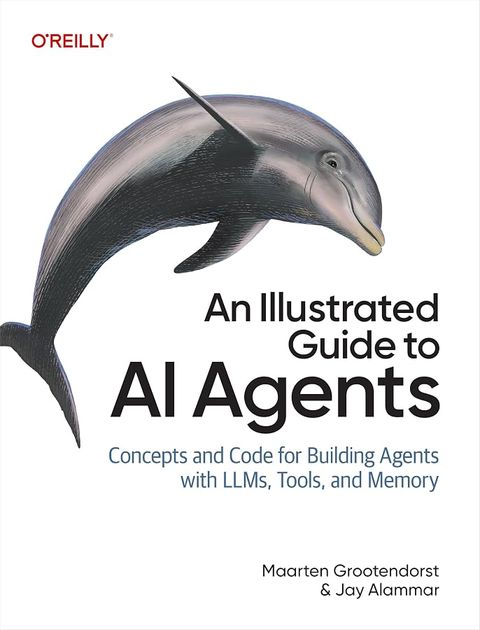
- An Illustrated Guide to AI Agents Maarten Grootendorst and Jay Alammar
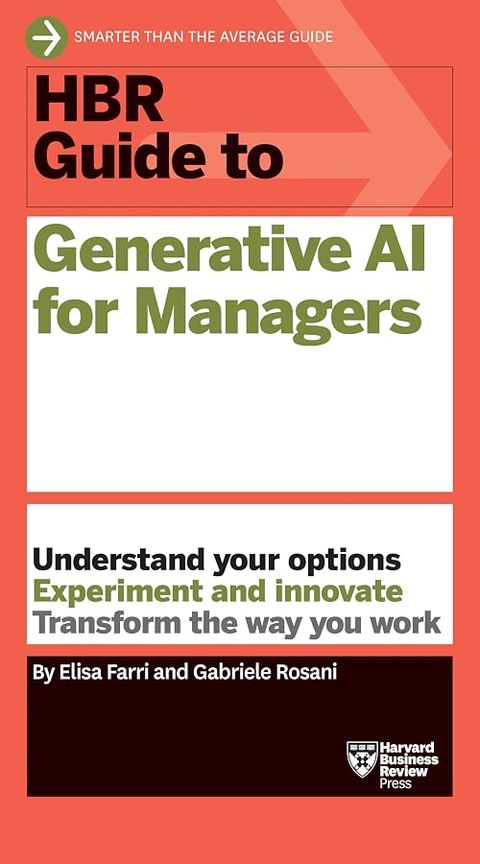
- HBR Guide to Generative AI for Managers Elisa Farri and Gabriele Rosani
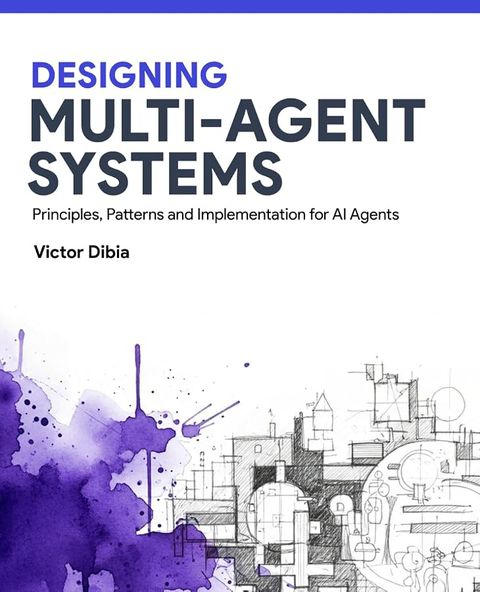
- Designing Multi-Agent Systems Victor Dibia
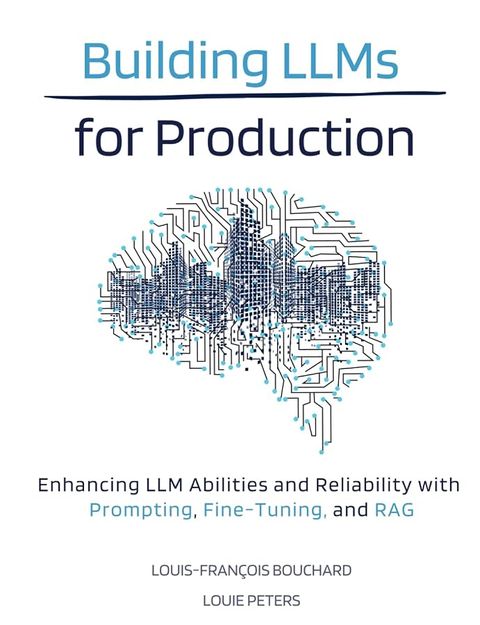
- Building LLMs for Production Louis-François Bouchard and Louie Peters
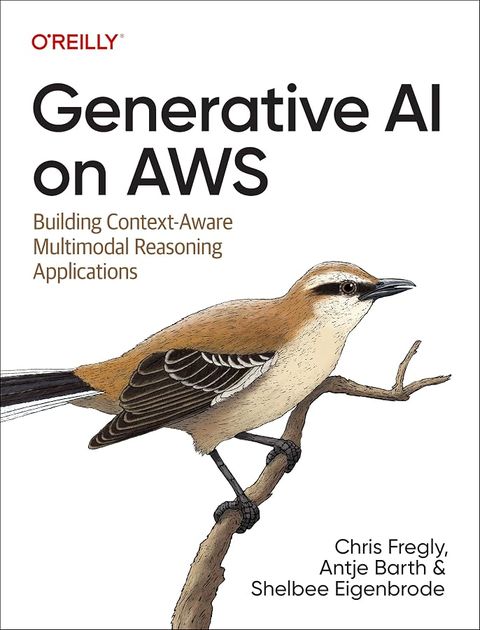
- Generative AI on AWS Chris Fregly, Antje Barth and Shelbee Eigenbrode
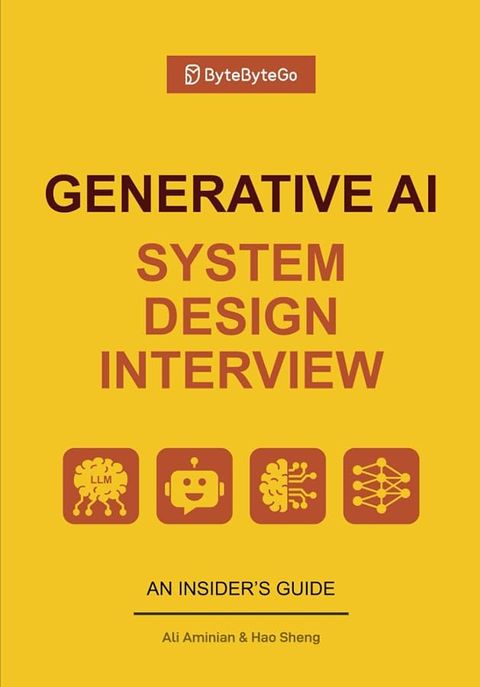
- Generative AI System Design Interview Ali Aminian and Hao Sheng
Sources
As an Amazon Associate, Best AI Books earns from qualifying purchases. Best AI Books is sponsored by Iternal.ai, whose founder and CEO, John Byron Hanby IV, wrote The AI Strategy Blueprint, our #1 ranked book. How we rank books.
