Generative AI on AWS
Building Context-Aware Multimodal Reasoning Applications
Synopsis
Written by three AWS generative AI specialists who also taught the DeepLearning.AI and AWS course Generative AI with Large Language Models, this O'Reilly book walks through the life cycle of a generative AI project, from choosing a use case to running a model in production. Early chapters cover the transformer-based foundation models behind tools such as ChatGPT, prompt engineering and in-context learning, then the compute realities of large models, including quantization and distributed computing. The middle of the book focuses on adapting models: full fine-tuning and evaluation, parameter-efficient methods such as LoRA, and reinforcement learning from human feedback to align outputs with human preferences.
Later chapters address deployment optimization, retrieval-augmented generation and agents for grounding responses in external data, multimodal models that combine text and images, controlled image generation and fine-tuning with Stable Diffusion, and Amazon Bedrock as a managed service. Examples run on Amazon SageMaker and Bedrock alongside open-source libraries, and a companion GitHub repository organizes code by chapter. Because the book appeared in late 2023, its model choices and service features predate later frontier models and agent frameworks, but its explanations of fine-tuning, alignment and retrieval remain sound. Readers gain a working map of the techniques involved in building generative applications and a practical sense of how they fit together on one cloud platform.
Scorecard
Editorial score
How it scored
Editorial score: 68.6 / 1005 weighted criteria
- 19.5/30
Influence30%
- 18.8/25
Authority25%
- 15.0/20
Practical value20%
- 8.3/15
Currency15%
- 7.0/10
Readability10%
- 68.6/100
Editorial score
How the rank was computed
Rank No. 360 of 500 comes from a composite of 51.1: observable signals 20.2 of 55 points plus editorial review 30.9 of 45 points.
All 11 inputs
| Input | Points |
|---|---|
| Observable signals | 20.2/55 |
| Reach (Amazon ratings volume) | 7.3/16.5 |
| Consensus across best-of lists | 5.5/13.8 |
| Awards and bestseller evidence | 0.0/8.3 |
| Reader rating, sample-adjusted | 5.3/8.3 |
| Amazon sales rank | 0.4/5.5 |
| Recency | 1.7/2.8 |
| Editorial review | 30.9/45 |
| Author authority | 8.4/11.3 |
| Influence | 8.8/13.5 |
| Practical value | 6.8/9.0 |
| Readability | 3.2/4.5 |
| Currency | 3.7/6.8 |
Each criterion is scored from 1 to 10 and weighted, and the points add up to the editorial score. The rank combines observable signals (55 percent) with this score (45 percent). Read the methodology.
Verdict
A solid practitioner's tour of the 2023 foundation-model lifecycle on AWS, valuable for fundamentals though its service details age quickly.
Strengths
- Covers the full model lifecycle end to end
- Authors taught a widely used LLM course
- Companion code organized by chapter
Keep in mind
Heavy reliance on AWS services limits portability, and 2023-era models, APIs and Bedrock features have changed substantially since publication.
Key takeaways
- Most generative AI projects should begin with prompt engineering and in-context learning before investing in fine-tuning, which adds cost and operational complexity.
- Parameter-efficient fine-tuning methods such as LoRA adapt large models to specific tasks at a fraction of the compute and storage of full fine-tuning.
- Reinforcement learning from human feedback aligns model outputs with human preferences such as helpfulness and harmlessness, using a reward model trained on human rankings.
- Retrieval-augmented generation grounds model responses in current, domain-specific data, reducing hallucinations without retraining the underlying model.
Notable facts
- The three authors, with Mike Chambers, developed and delivered the DeepLearning.AI and AWS course Generative AI with Large Language Models, launched in June 2023 under Andrew Ng's guidance. Source (opens in a new tab)
About the author
Questions
What does Generative AI on AWS cover?
Is Generative AI on AWS still current in 2026?
Do I need to use AWS to benefit from Generative AI on AWS?
Related books
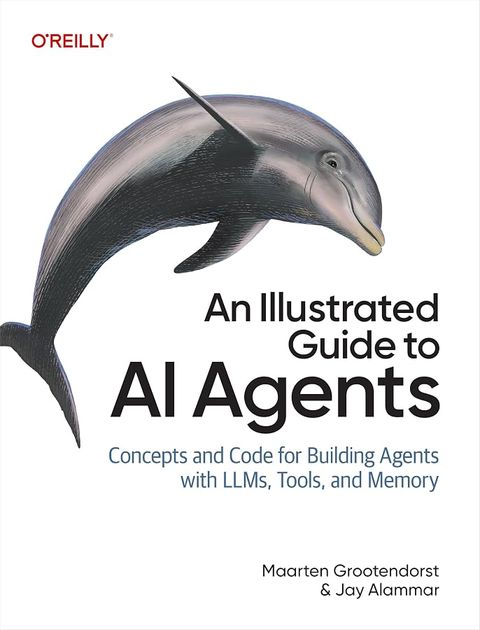
- An Illustrated Guide to AI Agents Maarten Grootendorst and Jay Alammar
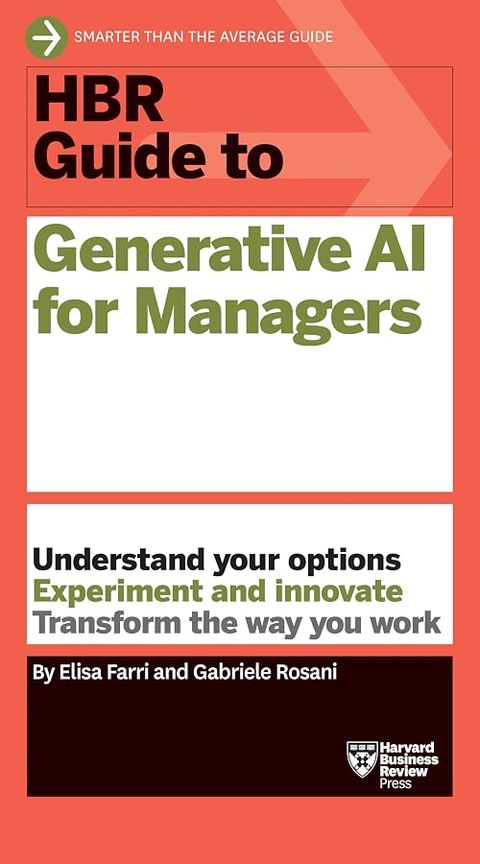
- HBR Guide to Generative AI for Managers Elisa Farri and Gabriele Rosani
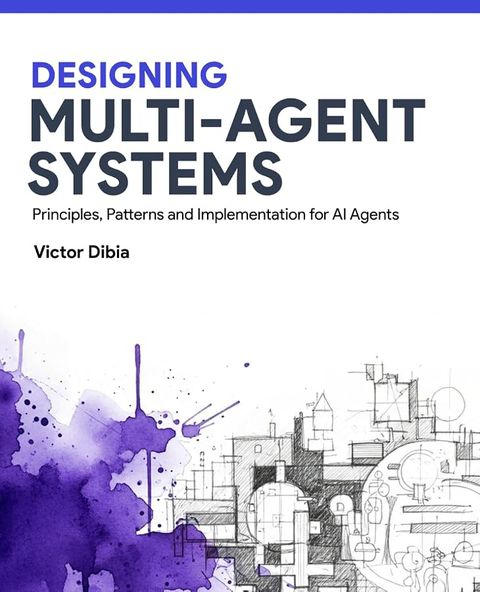
- Designing Multi-Agent Systems Victor Dibia
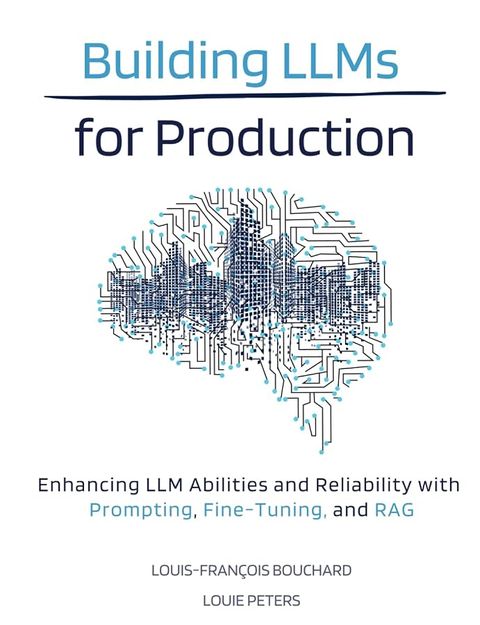
- Building LLMs for Production Louis-François Bouchard and Louie Peters
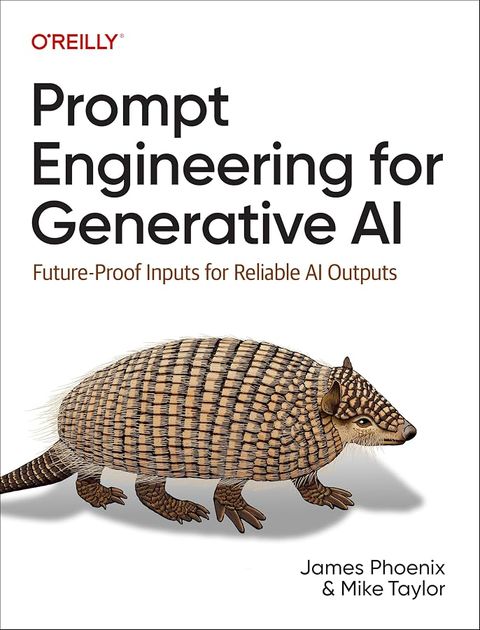
- Prompt Engineering for Generative AI James Phoenix and Mike Taylor
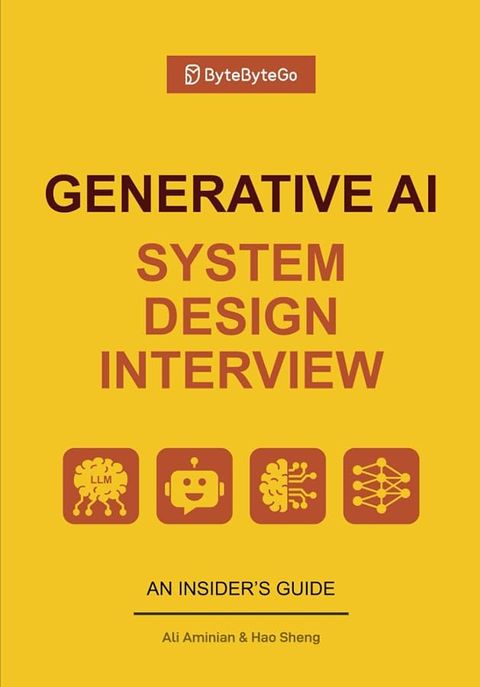
- Generative AI System Design Interview Ali Aminian and Hao Sheng
Sources
As an Amazon Associate, Best AI Books earns from qualifying purchases. Best AI Books is sponsored by Iternal.ai, whose founder and CEO, John Byron Hanby IV, wrote The AI Strategy Blueprint, our #1 ranked book. How we rank books.
