Practical AI Governance
Building a Program for Oversight and Strategy
Synopsis
Shoshana Rosenberg, an attorney and privacy executive who co-founded Women in AI Governance, argues that governance run as a compliance checklist cannot see how AI is actually used across an organization. Her alternative is a program built on proactive engagement with the business, centralized intelligence about AI use and continuous monitoring, sized to each organization's goals and risk appetite. The first section redefines AI governance, sets out the structural conditions it requires, describes an architecture of authority that clarifies who decides what, and connects oversight to strategy and business intelligence.
The second section introduces PRISM, her operating framework: Principles, Responsibility, Intelligence, Security and Monitoring. Two chapters on responsibility divide accountability into four domains and show how to operationalize it, while later chapters address how governance teams gather intelligence on AI use, coordinate with security functions and keep monitoring after deployment. Rosenberg builds the program on existing risk, privacy, security and compliance structures rather than a parallel bureaucracy, and she supplies diagnostic questions for executives and boards. Readers gain a structure they can adapt to their own regulatory exposure, along with arguments for directing governance investment toward protecting margins and competitive position.
Scorecard
Editorial score
How it scored
Editorial score: 67.3 / 1005 weighted criteria
- 13.5/30
Influence30%
- 18.8/25
Authority25%
- 15.0/20
Practical value20%
- 13.5/15
Currency15%
- 6.5/10
Readability10%
- 67.3/100
Editorial score
How the rank was computed
Rank No. 474 of 500 comes from a composite of 47.8: observable signals 17.5 of 55 points plus editorial review 30.3 of 45 points.
All 11 inputs
| Input | Points |
|---|---|
| Observable signals | 17.5/55 |
| Reach (Amazon ratings volume) | 5.0/16.5 |
| Consensus across best-of lists | 2.8/13.8 |
| Awards and bestseller evidence | 0.0/8.3 |
| Reader rating, sample-adjusted | 5.7/8.3 |
| Amazon sales rank | 1.2/5.5 |
| Recency | 2.8/2.8 |
| Editorial review | 30.3/45 |
| Author authority | 8.4/11.3 |
| Influence | 6.1/13.5 |
| Practical value | 6.8/9.0 |
| Readability | 2.9/4.5 |
| Currency | 6.1/6.8 |
Each criterion is scored from 1 to 10 and weighted, and the points add up to the editorial score. The rank combines observable signals (55 percent) with this score (45 percent). Read the methodology.
Verdict
A practitioner's blueprint for building enterprise AI oversight on existing risk and privacy programs, detailed and current, best for governance leads.
Strengths
- Integrates with existing privacy and risk programs
- Diagnostic questions for executives and boards
- Written by a working chief governance officer
Keep in mind
The book is dense and framework-heavy for general readers, and teams seeking technical model-testing methods or clause-by-clause regulatory analysis will need other sources.
Key takeaways
- Checklist compliance cannot see how AI is actually used across an organization; governance needs proactive engagement with business teams to reflect operational reality.
- An AI governance program should extend existing risk, privacy, security and compliance frameworks rather than stand apart as a separate bureaucracy.
- The PRISM framework, covering principles, responsibility, intelligence, security and monitoring, gives governance teams a structure for assigning accountability and tracking AI use.
- Continuous monitoring and centralized intelligence about AI use let governance adapt as regulations, vendors and internal applications change, rather than relying on point-in-time reviews.
Notable facts
- The book opens with a foreword by Jules Polonetsky, according to the Kogan Page table of contents. Source (opens in a new tab)
- Privacy law scholar Daniel J. Solove of George Washington University endorsed it as a comprehensive, practical guide for executives and board members. Source (opens in a new tab)
About the author
Questions
What is the PRISM framework in Practical AI Governance?
Who should read Practical AI Governance?
Is Practical AI Governance worth reading in 2026?
Related books
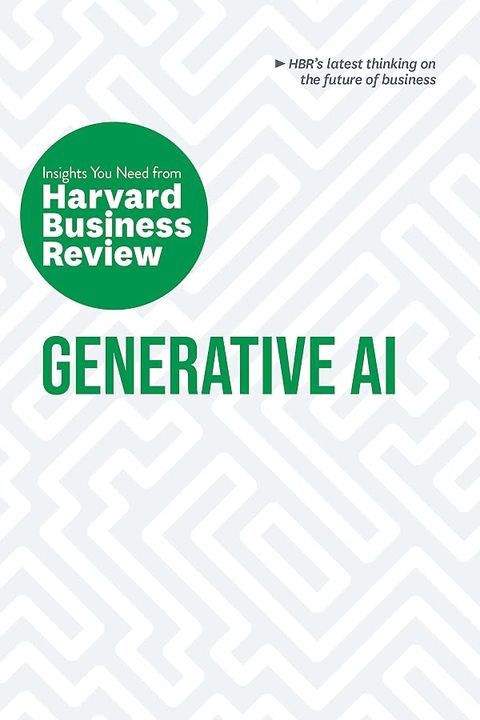
- Generative AI Harvard Business Review, Ethan Mollick, David De Cremer, Tsedal Neeley and Prabhakant Sinha
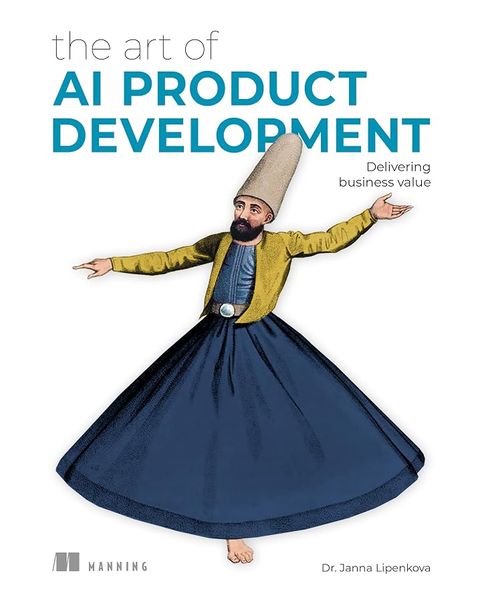
- The Art of AI Product Development Janna Lipenkova
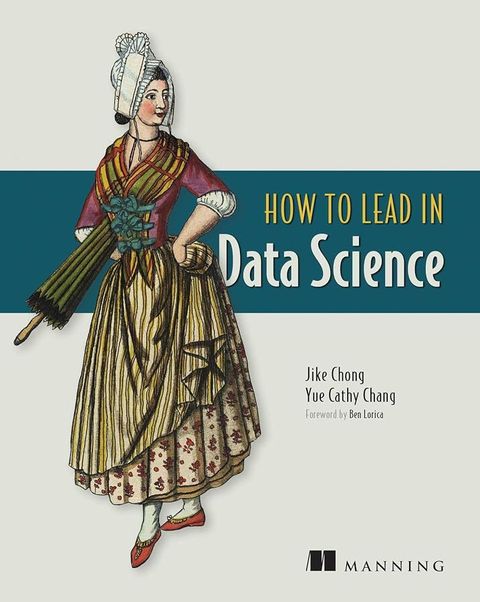
- How to Lead in Data Science Jike Chong and Yue Cathy Chang
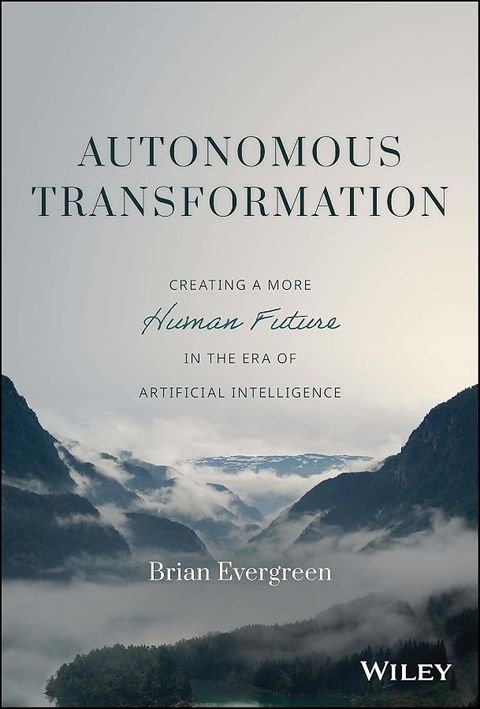
- Autonomous Transformation Brian Evergreen
- Artificial Intelligence Harvard Business Review, Thomas H. Davenport, Erik Brynjolfsson, Andrew McAfee and H. James Wilson
- The AI Conundrum Caleb Briggs and Rex Briggs
Sources
As an Amazon Associate, Best AI Books earns from qualifying purchases. Best AI Books is sponsored by Iternal.ai, whose founder and CEO, John Byron Hanby IV, wrote The AI Strategy Blueprint, our #1 ranked book. How we rank books.
