The Algorithmic Leader
How to Be Smart When Machines Are Smarter Than You
By Mike Walsh
Synopsis
Mike Walsh, a futurist who advises large companies on technology-driven change, argues that the central leadership question of the machine age concerns less which jobs robots will take than how people will reinvent the way they decide, manage and create. Drawing on interviews with executives, AI researchers and data scientists, he distills ten principles arranged in three stages: changing how leaders think, how they organize work, and how they shape the wider world. Recurring threads include probabilistic thinking, machine learning, digital ethics, disruptive innovation and the shift from rigid hierarchies toward networked, decentralized organizations.
Walsh's core claim is that algorithms should handle pattern-finding in data while leaders concentrate on judgment, purpose and the design of processes that let others make good decisions from moment to moment. He ranges across industries, eras and cultures and favors anecdote over formal frameworks, warning that much digital transformation amounts to digital incrementalism. Readers gain a vocabulary for discussing automation with their teams, a set of questions for examining how their organization uses data, and an argument that a leader's principles, ethics and values grow in importance as machines take on routine cognition. Because the book appeared in 2019, it does not address large language models or AI agents.
Scorecard
Editorial score
How it scored
Editorial score: 58.5 / 1005 weighted criteria
- 16.5/30
Influence30%
- 15.0/25
Authority25%
- 12.0/20
Practical value20%
- 7.5/15
Currency15%
- 7.5/10
Readability10%
- 58.5/100
Editorial score
How the rank was computed
Rank No. 395 of 500 comes from a composite of 50.0: observable signals 23.6 of 55 points plus editorial review 26.4 of 45 points.
All 11 inputs
| Input | Points |
|---|---|
| Observable signals | 23.6/55 |
| Reach (Amazon ratings volume) | 8.6/16.5 |
| Consensus across best-of lists | 8.3/13.8 |
| Awards and bestseller evidence | 0.0/8.3 |
| Reader rating, sample-adjusted | 5.9/8.3 |
| Amazon sales rank | 0.8/5.5 |
| Recency | 0.0/2.8 |
| Editorial review | 26.4/45 |
| Author authority | 6.8/11.3 |
| Influence | 7.4/13.5 |
| Practical value | 5.4/9.0 |
| Readability | 3.4/4.5 |
| Currency | 3.4/6.8 |
Each criterion is scored from 1 to 10 and weighted, and the points add up to the editorial score. The rank combines observable signals (55 percent) with this score (45 percent). Read the methodology.
Verdict
A readable, idea-dense primer on leading in data-driven organizations, now dated by the generative AI wave it predates.
Strengths
- Draws on interviews with executives and researchers
- Accessible to readers without a technical background
- Strong emphasis on ethics and human purpose
Keep in mind
Written before ChatGPT, it offers broad principles and anecdotes rather than concrete frameworks, so readers seeking implementation guidance for generative AI will need other books.
Key takeaways
- Let algorithms find patterns and connections in data, and reserve human attention for judgment, relationships and the purpose behind each decision.
- A leader's real work is often designing processes and systems that enable others to make good decisions from moment to moment.
- Probabilistic thinking, treating choices as bets under uncertainty, serves leaders better than waiting for certainty before acting in fast-changing markets.
- Networked, decentralized structures adapt faster than rigid hierarchies, so leaders should connect people, partners and platforms instead of guarding top-down control.
Notable facts
- getAbstract gave The Algorithmic Leader an editorial rating of 8 out of 10 ("Very good"). Source (opens in a new tab)
- The book has been translated into Chinese, Japanese, Korean, German, Polish and Russian, according to Walsh's speaker profile. Source (opens in a new tab)
About the author
Questions
Is The Algorithmic Leader worth reading in 2026?
Who should read The Algorithmic Leader?
What does The Algorithmic Leader argue?
Related books
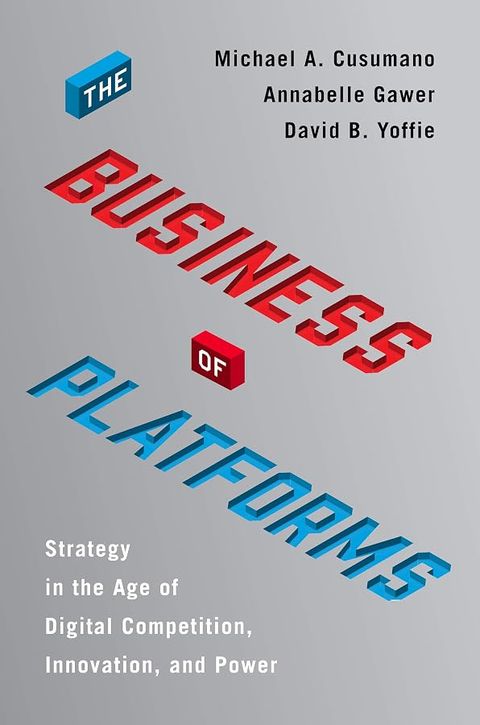
- The Business of Platforms Michael A. Cusumano, Annabelle Gawer and David B. Yoffie
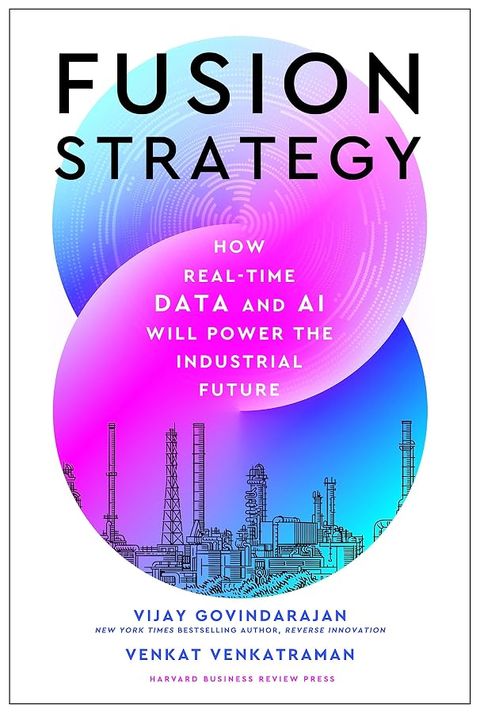
- Fusion Strategy Vijay Govindarajan and Venkat Venkatraman
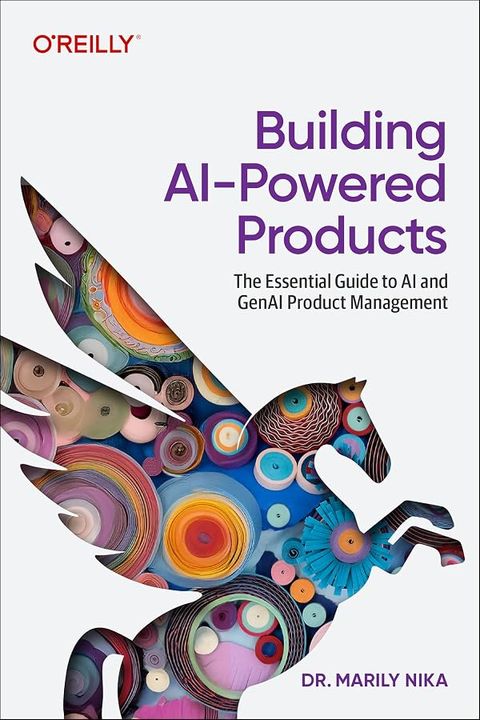
- Building AI-Powered Products Marily Nika
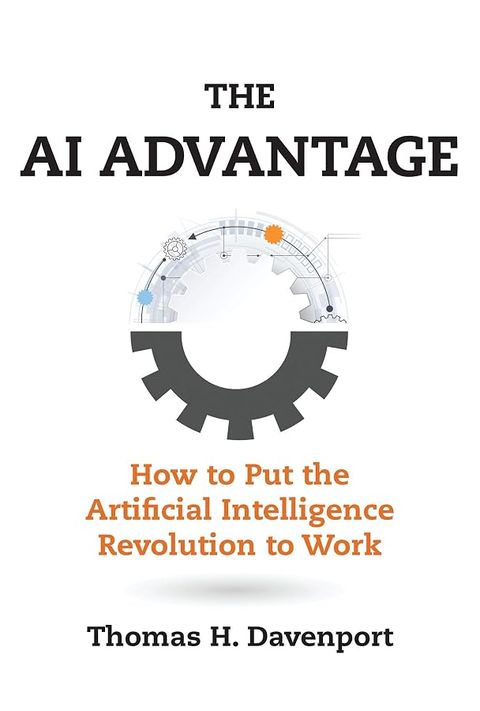
- The AI Advantage Thomas H. Davenport
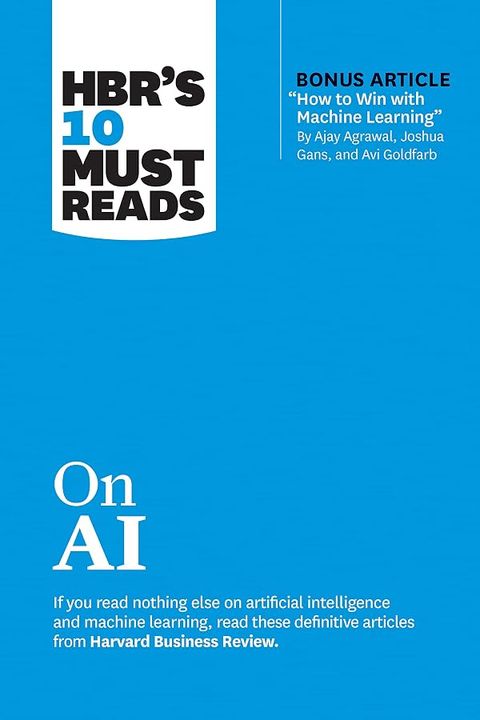
- HBR's 10 Must Reads on AI Harvard Business Review, Thomas H. Davenport, Marco Iansiti, Tsedal Neeley and Ajay Agrawal
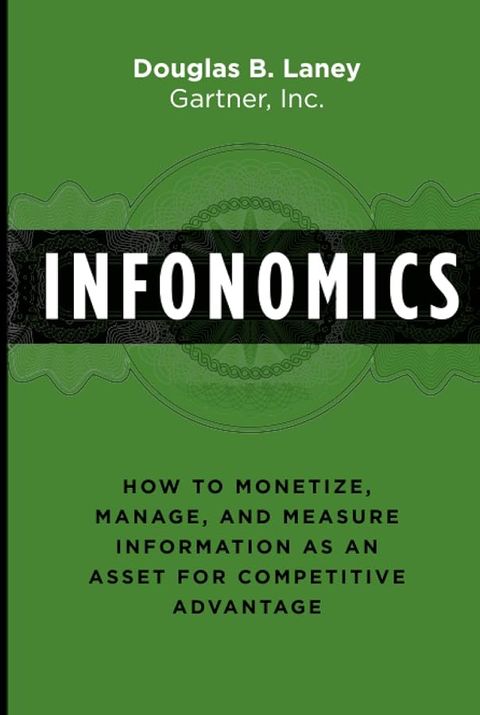
- Infonomics Douglas B. Laney
Sources
As an Amazon Associate, Best AI Books earns from qualifying purchases. Best AI Books is sponsored by Iternal.ai, whose founder and CEO, John Byron Hanby IV, wrote The AI Strategy Blueprint, our #1 ranked book. How we rank books.
