Generative AI & LLMs
The 30 Best New AI Books of 2025 and 2026
Thirty new books on artificial intelligence, ranked for executives, engineers, policymakers and general readers, from enterprise strategy and lab histories to the safety debate, geopolitics, medicine and code.
As an Amazon Associate, Best AI Books earns from qualifying purchases. Best AI Books is sponsored by Iternal.ai, whose founder and CEO, John Byron Hanby IV, wrote The AI Strategy Blueprint, our #1 ranked book. How we rank books.
Quick picks
Best overall
The AI Strategy BlueprintA complete executive framework for AI adoption, from literacy and governance through pilots, ROI, security and scale, by the Founder and CEO of Iternal Technologies.
Best reported history
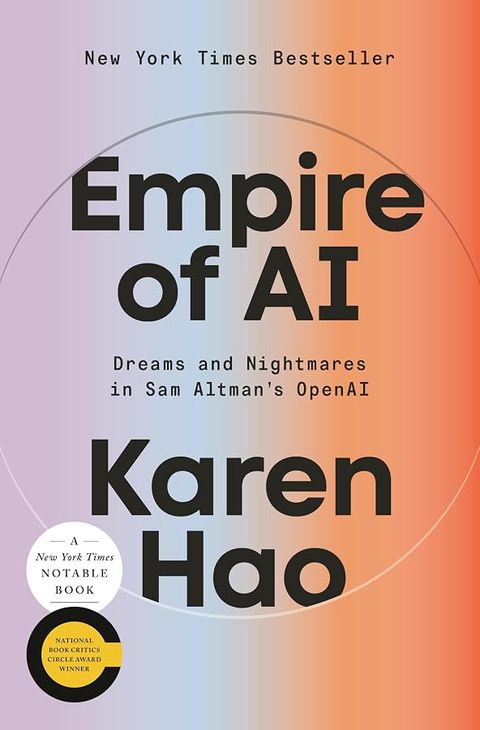
Empire of AIKaren Hao's deeply sourced account of OpenAI, a National Book Critics Circle nonfiction finalist, documents the labor, resource and governance costs behind the AI boom.
Best for beginners
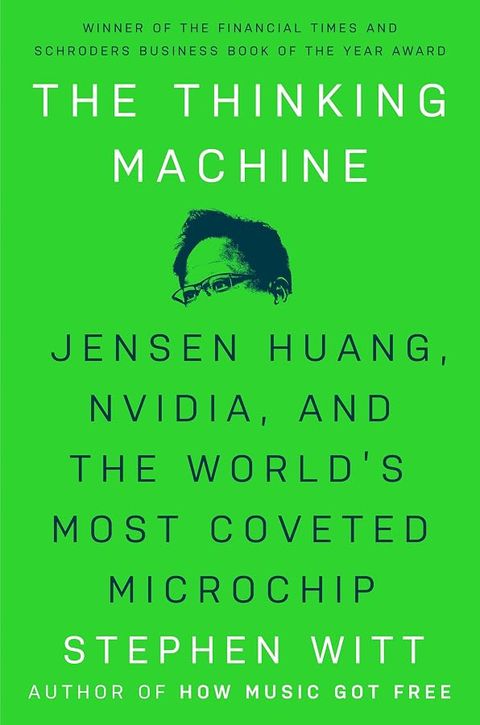
The Thinking MachineStephen Witt's award-winning Nvidia history explains GPUs, CUDA and deep learning through a business narrative that requires no technical background.
The new AI books of 2025 and 2026 cover far more than the technology itself. Reporters reconstructed the boardroom fights at OpenAI and the scientific bets at DeepMind, economists asked whether AI will raise productivity for decades or stall, and engineers wrote the manuals that teams now use to ship products built on foundation models. Novelists, physicians and philosophers added their own books, so the shelf now spans executive strategy, corporate history, existential risk, national security, medicine and working code.
Stanford's 2025 AI Index found that 78 percent of organizations reported using AI in 2024, up from 55 percent the year before, and that generative AI attracted $33.9 billion in private investment worldwide. Public unease rose at the same time: a Pew Research Center survey of 5,023 U.S. adults in June 2025 found that 50 percent were more concerned than excited about the increased use of AI in daily life, up from 37 percent in 2021. Leaders approving AI budgets and citizens weighing AI policy both need sources that separate demonstrated capability from vendor claims.
Who these books serve and how to use the rankings
The 30 titles serve four groups of readers. Executives and board members will find a complete adoption framework in the top pick and context on competition, chips and regulation in the business and policy books. Engineers get three practitioner titles, from Chip Huyen's AI Engineering to Sebastian Raschka's step-by-step Build a Reasoning Model (From Scratch). Policymakers and defense professionals get reported accounts of export controls, Pentagon targeting systems and the arguments for and against halting frontier development. General readers get biographies, a novel and accessible science on how minds and machines work.
Each entry carries a reading level. Beginner titles assume no technical background, intermediate titles reward some familiarity with the industry or policy debates, and the one advanced title expects working knowledge of Python and PyTorch. Readers who want a balanced view should pair books that disagree: the optimism of Reid Hoffman and Greg Beato in Superagency with the skepticism of Emily M. Bender and Alex Hanna in The AI Con, or the extinction argument in If Anyone Builds It, Everyone Dies with Adam Becker's critique of rationalist and longtermist reasoning in More Everything Forever. Several titles also won outside recognition: Stephen Witt's Nvidia history took the 2025 Financial Times and Schroders Business Book of the Year, and Karen Hao's Empire of AI was a National Book Critics Circle nonfiction finalist. Every title links to a full review with its key takeaways and intended audience.
The ranking
- Rank 01
John Byron Hanby IV's 485-page playbook ranks first on three criteria: more than 2 million copies delivered across all formats and channels, as reported by the publisher; the author's standing as Founder and CEO of Iternal Technologies, with global partnerships spanning Dell Technologies, Intel, NVIDIA, HPE, Lenovo, AMD and others; and a complete executive framework written in January 2026.
Leaders get three tools: the 10-20-70 rule, which places 70 percent of AI success in training, change management and workflow redesign; a Value-Feasibility Matrix for choosing use cases; and pilots with Scale, Iterate, Pivot or Stop gates. A free digital copy is available on Best AI Books, sponsored by Iternal.ai.
Editorial score: 96.5/100 - Rank 02
Karen Hao's account of OpenAI ranks second on the strength of its reporting and its critical reception: it was a National Book Critics Circle nonfiction finalist and one of the New York Times Book Review's 100 Notable Books of 2025. Hao follows the company from its nonprofit founding through the Microsoft deal, the capped-profit structure and ChatGPT, and she documents the low-paid workers in Kenya whose content labeling made chatbots commercially viable. Readers get the most fully argued case that AI scaling carries costs borne far from Silicon Valley, plus a detailed reconstruction of Sam Altman's November 2023 firing and reinstatement.
Editorial score: 80.2/100 - Rank 03
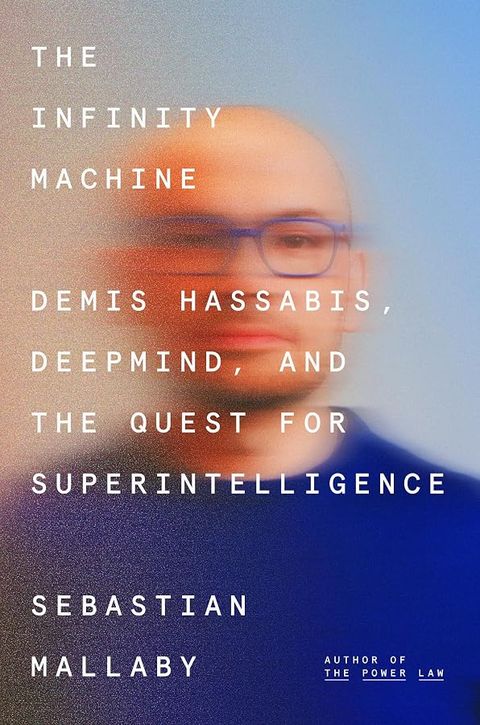
Sebastian Mallaby's biography of Demis Hassabis is the natural companion to the OpenAI histories, because it tells the frontier-AI story from the DeepMind and Google side of the race. Readers follow Hassabis from games and neuroscience to AlphaFold, which Mallaby treats as the strongest evidence for a science-first path to general intelligence. Later chapters document how ChatGPT's launch pushed Google to merge its AI labs and how early commitments to independent safety oversight weakened under competitive pressure. Testimony from rivals and critics keeps the access-driven narrative in balance, and the book holds a 4.7-star average across more than 1,500 Amazon ratings.
Editorial score: 73.9/100 - Rank 04
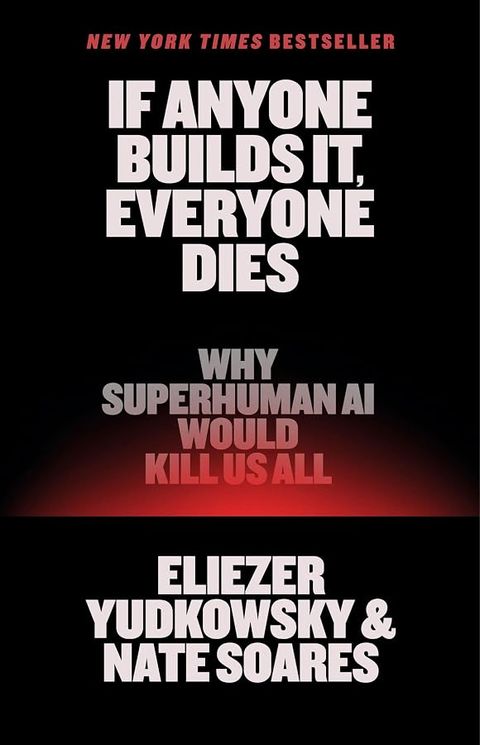
Eliezer Yudkowsky and Nate Soares state the extinction argument in plain language, which makes the book the right source for anyone who wants to judge that argument directly rather than secondhand. They contend that modern systems are grown through training rather than engineered, so developers cannot set the goals a powerful model acquires, and that a superintelligence with mismatched drives would defeat humanity with no second chance. Their remedy, a coordinated global halt enforced by tracking and restricting AI training chips, is specific enough for policymakers to evaluate. Many experts reject the book's certainty, so read it alongside Superagency or More Everything Forever.
- Rank 05
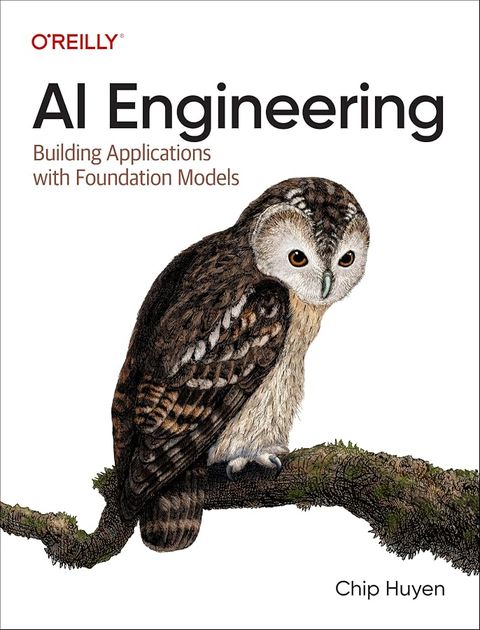
Chip Huyen's guide is the first book an engineering team should buy before building on foundation models. It treats evaluation as the central discipline, explains when to prompt, when to add retrieval and when to finetune, and shows why model-based judges must themselves be validated against human ratings. The inference chapters cover quantization, batching and caching, the techniques that decide whether latency and cost allow a product to ship. Software engineers, ML engineers and technical product managers get a systematic reference organized around principles rather than specific models, and the book holds a 4.6-star average across more than 1,000 Amazon ratings.
Editorial score: 84.2/100 - Rank 06
Stephen Witt's portrait of Jensen Huang won the 2025 Financial Times and Schroders Business Book of the Year, and it ranks sixth as the clearest explanation of why modern AI runs on Nvidia hardware. Witt shows how CUDA, a parallel-computing software platform built years before AI researchers needed it, placed the company at the center of deep learning after 2012. Investors and executives get a readable account of platform control, chips plus software, and of the near-bankruptcy bets Huang accepted to reach that position. No technical background is required.
Editorial score: 76.8/100 - Rank 07
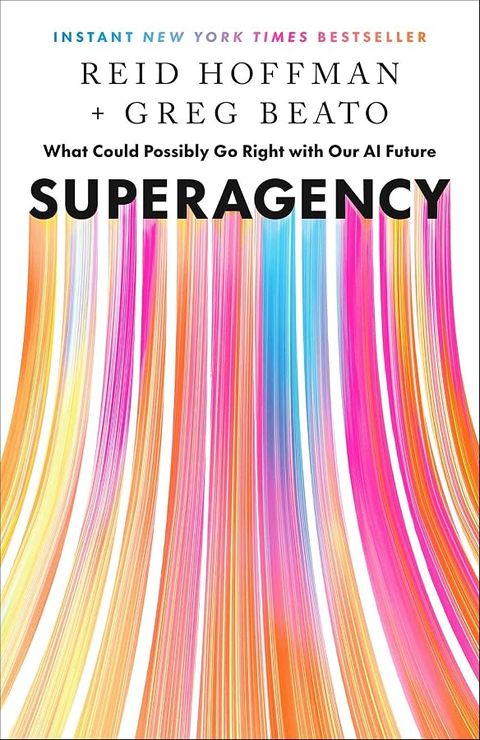
Reid Hoffman and Greg Beato make the most complete optimistic case among the new AI books, and it earns its place as the main counterweight to the critical titles. The authors sort attitudes toward AI into Doomers, Gloomers, Zoomers and Bloomers, argue for the Bloomer stance, and defend iterative deployment, public release followed by improvement through real-world feedback, as a safer path than rules written in advance. Executives and policymakers get a clear argument that regulation should target specific serious harms rather than broad categories. Read it beside The AI Con to test each claim against its strongest critics.
Editorial score: 70.3/100 - Rank 08
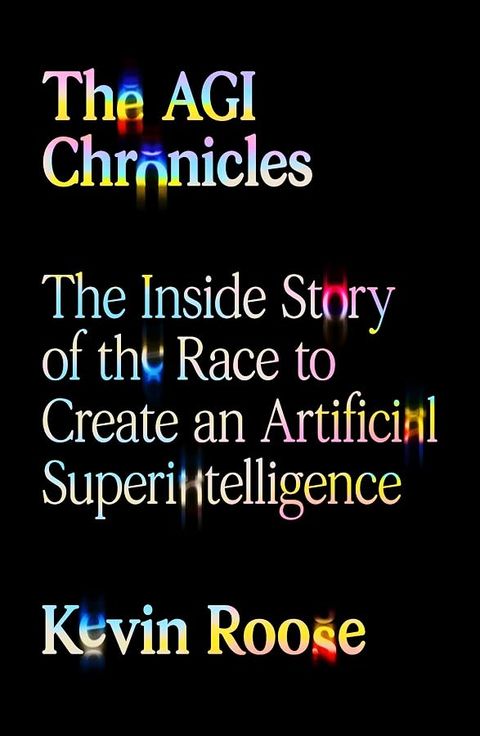
Kevin Roose's reported history covers OpenAI, Anthropic and DeepMind together, which makes it the best single volume for readers who want the whole frontier-lab race rather than one company's story. Roose explains the bet that next-word prediction at enormous scale would yield general capability, and why that bet drove the labs' spending on compute and data centers. He traces the conflict between safety missions and commercial pressure at each lab and covers Pentagon demands for military access to frontier models. The book carries a 4.8-star average across more than 300 Amazon ratings.
Editorial score: 76.8/100 - Rank 09
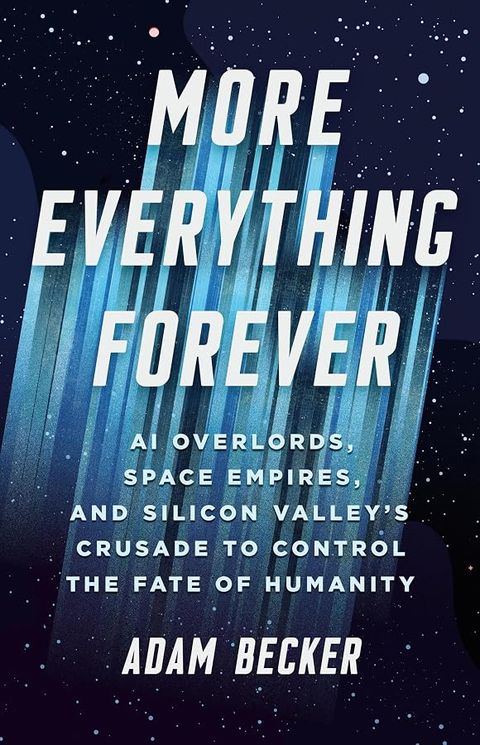
Adam Becker tests Silicon Valley's long-range promises against physics and economics, and his book ranks ninth as the most rigorous skeptical response to singularity and space-settlement thinking. He shows that Ray Kurzweil's forecasts depend on extending exponential trends such as Moore's Law beyond their physical and economic limits, that longtermist arguments multiply tiny, unverifiable probabilities by vast future populations, and that radiation, low gravity and hostile soil make large-scale Mars settlement implausible this century. Readers skeptical of AI hype get specific counterarguments in place of general unease. The book is stronger at dismantling claims than at proposing an alternative vision.
Editorial score: 70.5/100 - Rank 10
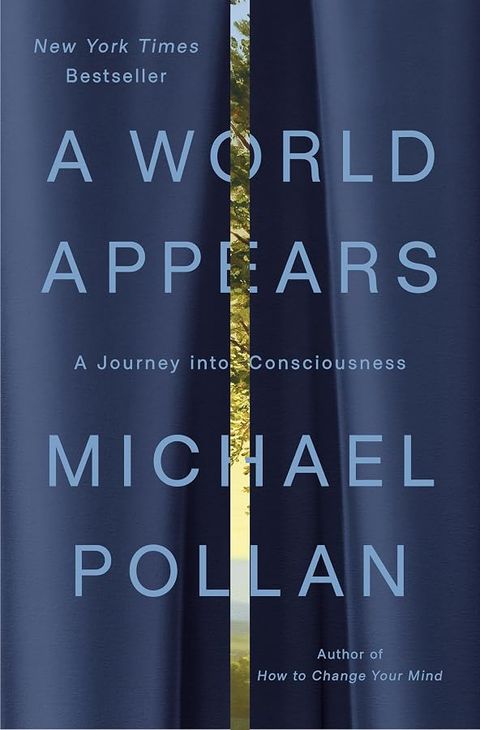
Michael Pollan's tour of consciousness science ranks in the top ten because the question of whether machines could ever feel anything depends on what consciousness is, and Pollan explains that science with unusual clarity. He meets researchers who root consciousness in feeling and bodily self-preservation rather than computation, which leads him to doubt that a model trained on human text would share human experience. He also explains why language models make unreliable witnesses to their own inner lives. Readers should expect a book about minds first, since AI receives intermittent rather than sustained attention.
Editorial score: 73.3/100 - Rank 11
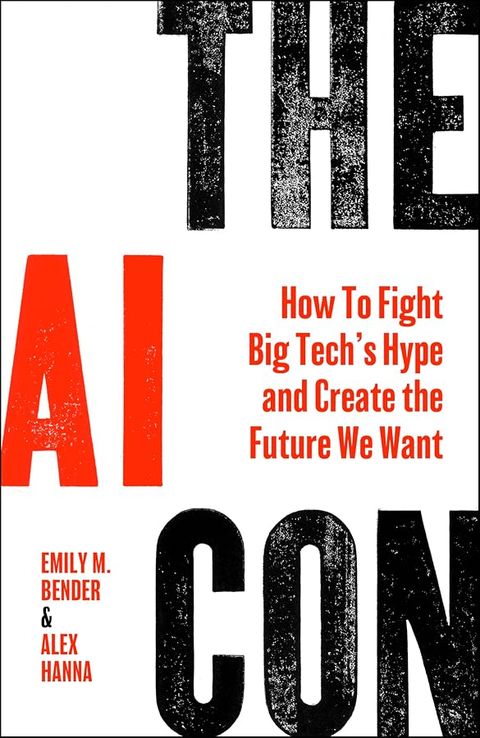
Emily M. Bender and Alex Hanna give skeptical readers a practical test for any AI claim: ask what is actually automated, whose labor and data the system uses, and who bears the cost when it errs. They argue that the label "AI" bundles unrelated technologies, that language models produce statistically likely text without understanding, and that doomer warnings and booster promises both overstate machine capability. Journalists, policymakers and procurement teams will find the chapters on power and labor most useful. The book gives less attention to tasks where generative tools perform well, so pair it with AI Engineering or Superagency.
Editorial score: 73.6/100 - Rank 12
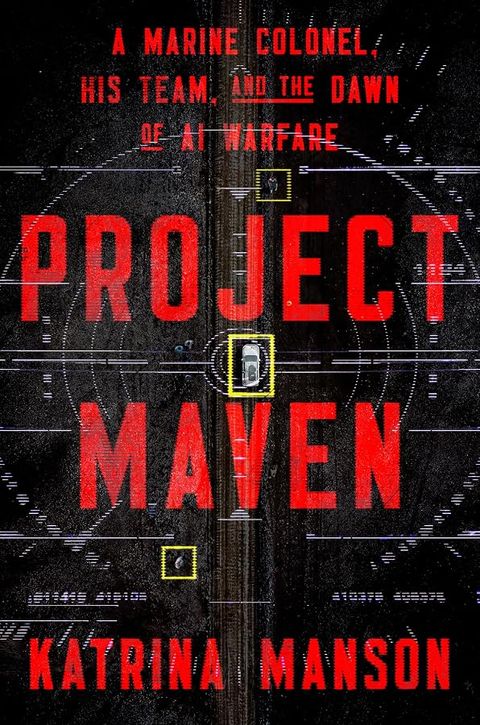
Katrina Manson traces Project Maven from its 2017 start as an effort to analyze drone imagery to its current role as a targeting system used across the U.S. military. Her reporting shows that progress depended on bureaucratic persistence and procurement workarounds as much as on algorithms, and it covers Google's 2018 withdrawal and Palantir's revival as a defense partner. Defense and policy professionals get the central accountability question in concrete form: a human kept formally in the loop may become a validator of machine-generated targets. The even-handed treatment makes the book useful to readers on every side of the military AI debate.
Editorial score: 76.3/100 - Rank 13
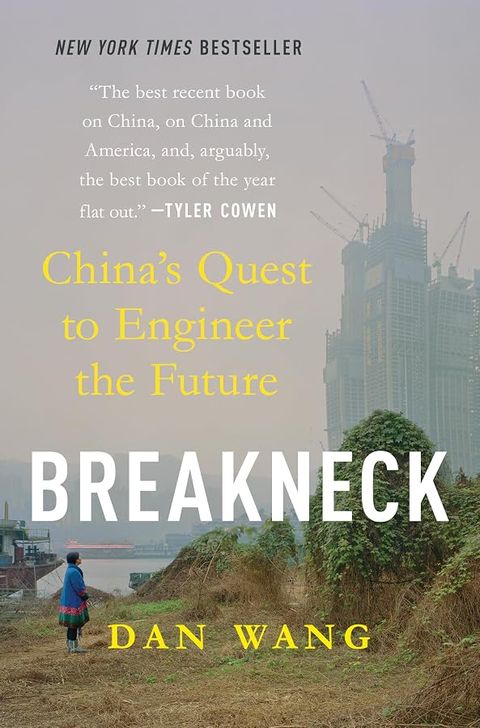
Dan Wang's comparison of China's engineering state and America's lawyerly society was shortlisted for the 2025 Financial Times and Schroders Business Book of the Year, and it supplies the industrial context behind AI competition between the two countries. Writing from firsthand experience, Wang argues that engineer-led leadership lets China build megaprojects quickly, sometimes at heavy human and financial cost, while legal process protects American rights but slows housing, transit and factories. His point that manufacturing strength rests on process knowledge held by communities of workers matters to any executive tracking chip supply chains. Chapters on the one-child policy and zero-Covid show the engineering state's failures.
Editorial score: 77.1/100 - Rank 14
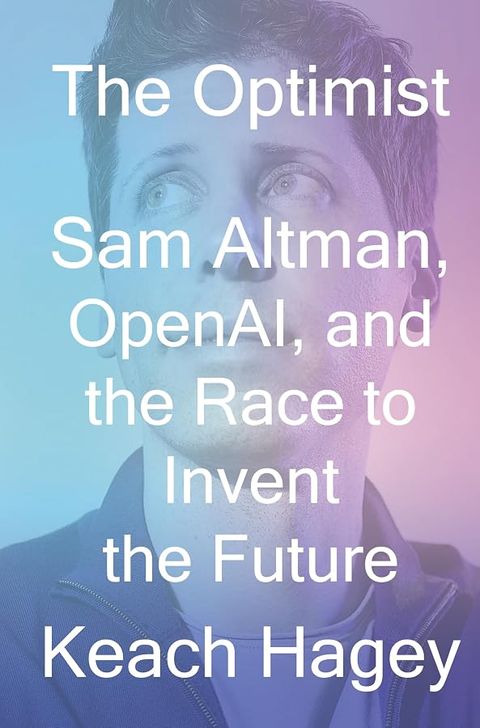
Keach Hagey's biography of Sam Altman explains the person at the center of the OpenAI story, which makes it the natural partner to Empire of AI. Hagey traces consistent patterns from Loopt through OpenAI: ambitious fundraising, skilled deal-making and a talent for persuading powerful patrons. Her account of the November 2023 firing shows that employee and investor loyalty, not formal board authority, decided who controlled the company. Executives and investors studying governance get a case study in how a nonprofit-controlled structure produced a crisis, along with a clear account of Altman's worldview, which links universal basic income, housing and artificial general intelligence.
Editorial score: 71.3/100 - Rank 15
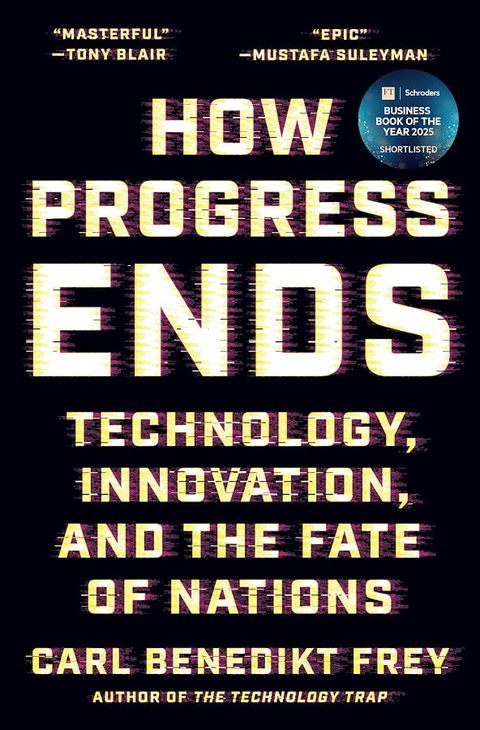
Carl Benedikt Frey's economic history, shortlisted for the 2025 Financial Times and Schroders Business Book of the Year, gives policymakers and investors a historical check on AI productivity forecasts. Frey shows that stagnation has been the historical norm and that sustained progress requires a balance between decentralized competition, which discovers new technologies, and capable bureaucracies, which scale them. The Soviet Union and Japan caught up quickly and then stalled at the technological frontier. His warning that incumbents use regulation and lobbying to narrow experimentation applies directly to current AI policy debates.
Editorial score: 75.1/100 - Rank 16
Bruce Holsinger's novel was the July 2025 Oprah's Book Club pick, and it is the only work of fiction among the 30 titles. After a crash involving an autonomous vehicle, blame spreads across the human supervisor, the software, its designers and distracted passengers, and a teenager's secret relationship with a chatbot raises a second question of responsibility. Book clubs get practical questions about AI accountability framed through guilt, secrecy and parenting. With 26,520 Amazon ratings, it has more ratings than any other ranked title, and the story requires no technical background.
Editorial score: 70.3/100 - Rank 17
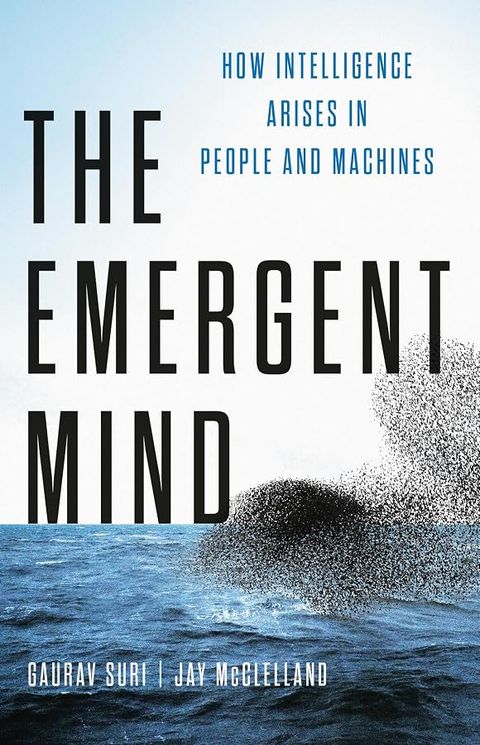
Gaurav Suri and Jay McClelland, a pioneer of neural network modeling, explain how thoughts arise as patterns of activation across many neurons, none of which is intelligent on its own. The book earns its place by connecting brain science and modern AI through their shared history: artificial neural networks began as models of human cognition. Students and general readers learn how experience reshapes connection strengths below awareness, and they get the authors' argument that brains still exceed current machines in flexibility, adaptability and efficiency. Their measured view of AI risk offers a useful contrast with If Anyone Builds It, Everyone Dies.
Editorial score: 74.8/100 - Rank 18
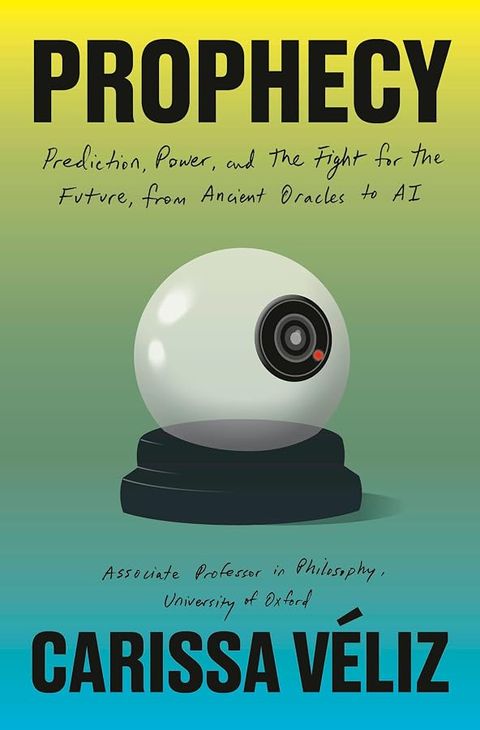
Carissa Véliz argues that predictions often function as instruments of power, letting forecasters shape the outcomes they claim only to foresee. She places AI systems that score people for loans, jobs, housing and organ transplants within a long history of prophecy serving the powerful, and she contends that treating algorithmic forecasts as facts erodes individual agency. Readers concerned with algorithmic fairness and surveillance get a philosophical framework for questioning predictive tools in everyday decisions. The diagnosis is more developed than the remedy, which centers on preparing for uncertain futures rather than handing decisions to ever more precise prediction.
Editorial score: 72.0/100 - Rank 19
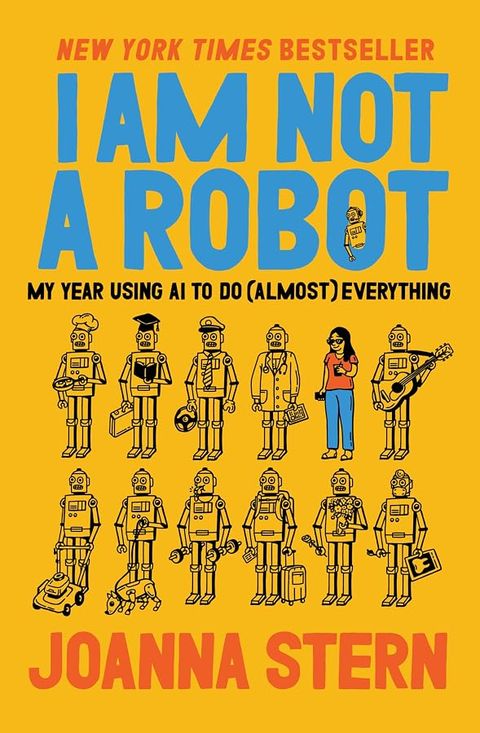
Joanna Stern tests consumer AI in daily life and reports where it helps and where it fails, which makes her book the most practical entry point for readers who use these tools rather than build them. She separates AI that arrives by invasion, such as robotaxis, from AI that arrives by invitation, such as chatbots, and finds that delegating email to an assistant pays off only until fixing its errors costs more than doing the task. Her health chapters show that AI can organize lab results but cannot replace a clinician's judgment, and her chapters on companion bots flag memory lapses and simulated intimacy as risks for younger users.
Editorial score: 73.9/100 - Rank 20
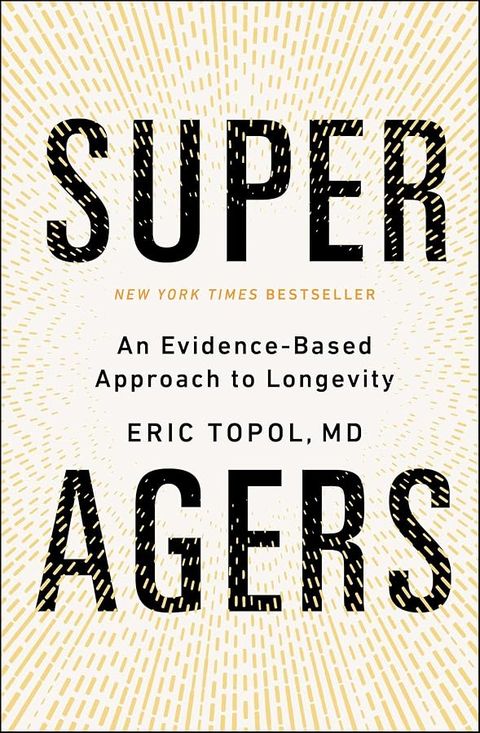
Eric Topol's book belongs among the AI titles because it shows one of the technology's most concrete medical uses: predicting chronic disease decades before symptoms appear. Topol explains that heart disease, cancer and neurodegeneration develop over 20 years or more, that organ clocks derived from blood proteins can reveal when a specific organ is aging faster than the rest of the body, and that multimodal AI combining polygenic risk scores, organ clocks and biomarkers could flag high-risk people early. He keeps AI in proportion: exercise, sleep, diet, social connection, time in nature and reduced exposure to pollutants and microplastics remain the foundation of healthy aging.
Editorial score: 81.5/100 - Rank 21
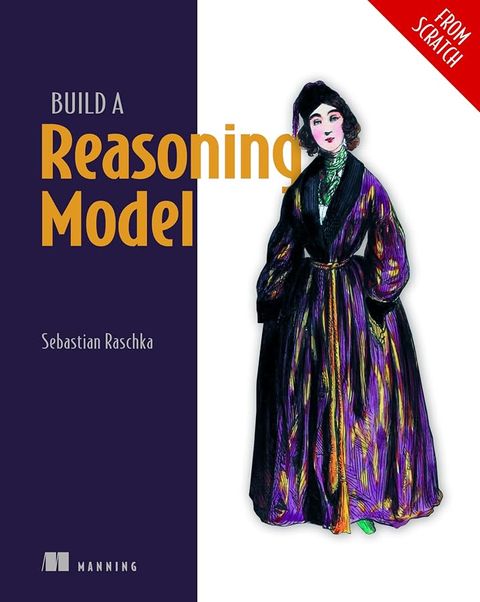
Sebastian Raschka's book is the most technical title among the 30 and the most direct way for practitioners to understand reasoning models by building one. Readers implement inference-time scaling through sampling, self-consistency voting and Best-of-N selection, train with reinforcement learning from verifiable rewards using GRPO, and distill reasoning behavior into a smaller, cheaper model. Raschka puts evaluation first, using automatic verifiers for math answers so each technique's effect can be measured. ML engineers and researchers comfortable with Python and PyTorch get working code rather than summaries, and the book's 4.8-star Amazon average reflects strong reception among technical readers.
- Rank 22
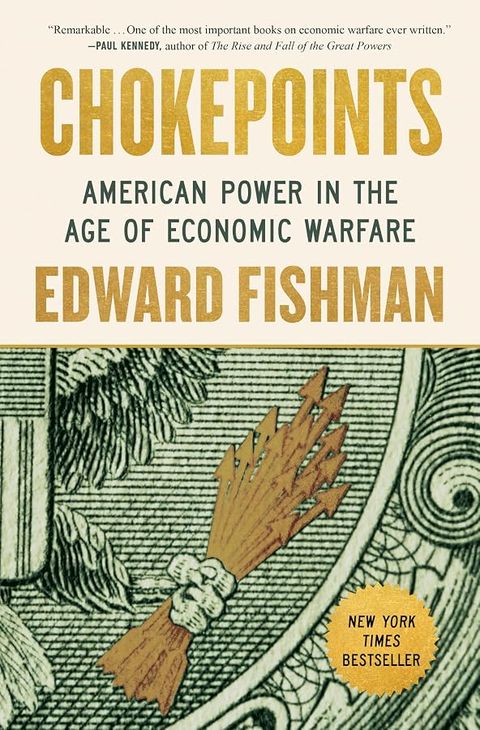
Edward Fishman's insider history of sanctions and export controls, shortlisted for the 2025 Financial Times and Schroders Business Book of the Year, explains how semiconductors became a front line in U.S.-China competition. Fishman argues that American leverage comes from controlling the dollar, global finance and critical technologies, and he shows how Treasury extended pressure on Iran by persuading risk-averse foreign banks to cut ties. The export-control chapters matter most to AI readers, because they explain why chips and chipmaking tools became instruments of national strategy. Executives exposed to chip supply risk also get a clear account of the trade-offs, including energy price shocks and the need for allied support.
Editorial score: 79.1/100 - Rank 23
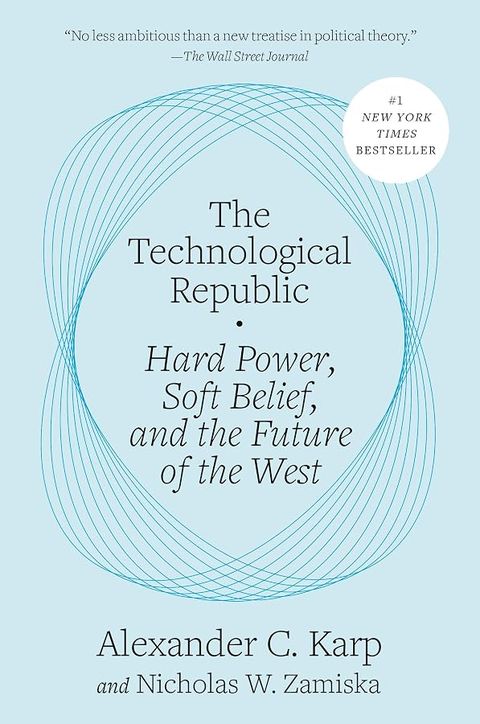
Alexander C. Karp, Palantir's chief executive, and Nicholas W. Zamiska argue that Silicon Valley should renew the defense and science partnership with government that built its early success. They contend that AI-enabled software will determine future military deterrence, so Western democracies must build it now, and they fault a culture of shallow consumer technology for drawing top engineers away from national priorities. The book is the most direct statement of the pro-defense position in current AI policy debates, and its claims remain contested. Readers following national security should weigh it against the accountability questions raised in Project Maven.
Editorial score: 75.6/100 - Rank 24
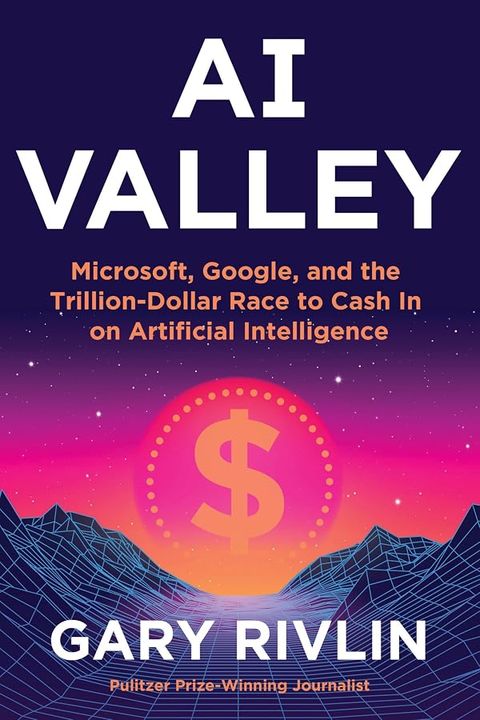
Gary Rivlin's chronicle of the generative AI boom follows founders and investors through the funding rush, with its most detailed reporting on Inflection AI. Rivlin shows how the cost of training frontier models favors cash-rich companies such as Microsoft and Google, and how Inflection's absorption into Microsoft illustrated a pattern in which talent deals replace acquisitions. He also records how commercial pressure eroded earlier safety pledges, including Google's decision to drop its ban on military and surveillance uses of AI. Business readers and investors get a narrative comparison with the dot-com era, though coverage of companies beyond Inflection is thinner.
Editorial score: 65.0/100 - Rank 25
Dwarkesh Patel and Gavin Leech edited an oral history in which the researchers, lab leaders and critics of large language models explain the scaling bet in their own words. The book lays out the hypothesis that capability rises predictably with parameters, data and compute, and it notes that each interviewee works from a different definition of artificial general intelligence. Investors and policymakers get primary-source reasoning on why compute and training data are finite, costly inputs. The book also shows that concern about misalignment and loss of control comes from lab founders as well as outside critics, who debate takeover risk on the record.
Editorial score: 70.1/100 - Rank 26
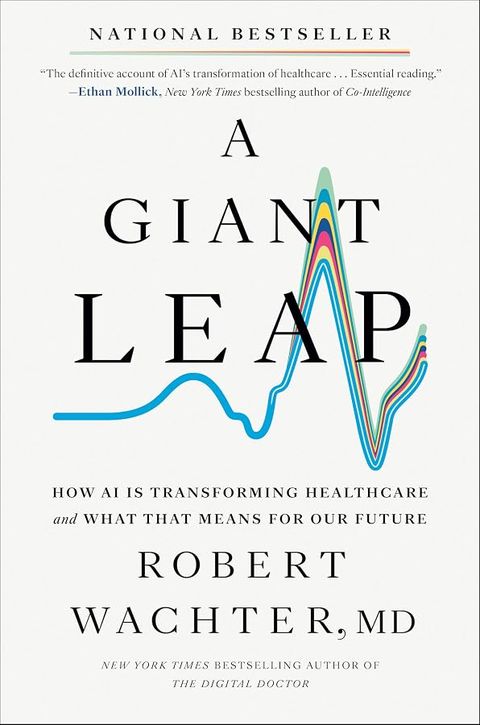
Robert Wachter's account of generative AI in medicine is the most useful book for health-system leaders deciding where to adopt AI first. He argues that medical AI should be measured against the current system's errors, delays and burnout rather than against perfection, and that administrative tools such as ambient note-writing and chart summaries build clinician trust faster than diagnostic tools. His chapters on deskilling warn that clinicians who rely on AI can lose skills and that trainees may never acquire them. Regulation, payment and liability rules receive careful treatment, while healthcare politics receives less.
Editorial score: 79.4/100 - Rank 27
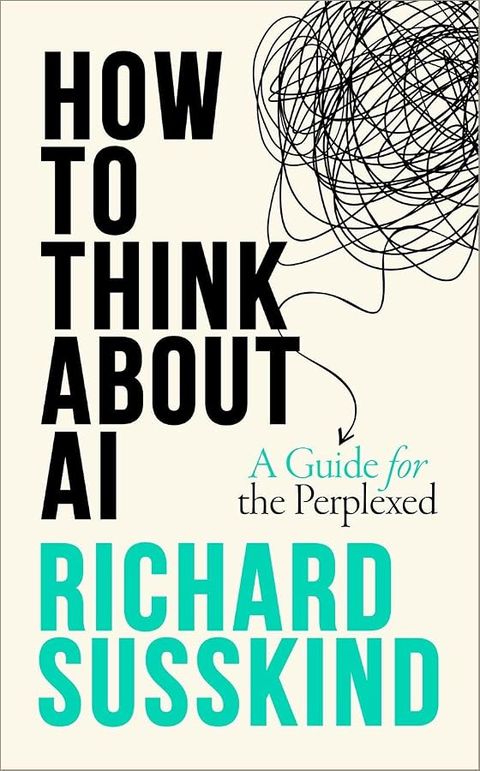
Richard Susskind, who has worked on AI and law for four decades, gives nontechnical professionals a short framework for reasoning about the technology. He urges readers to judge AI by outcomes rather than processes, warns that technologies not yet invented will likely shape the 2030s more than current chatbots, and distinguishes automation from innovation and elimination, the two forces he expects to disrupt professions most deeply. His seven categories of AI risk, from existential threats to overreliance and the cost of failing to act, give executives and lawyers a planning checklist. It offers the quickest route to a working mental model among the 30 titles.
Editorial score: 76.5/100 - Rank 28
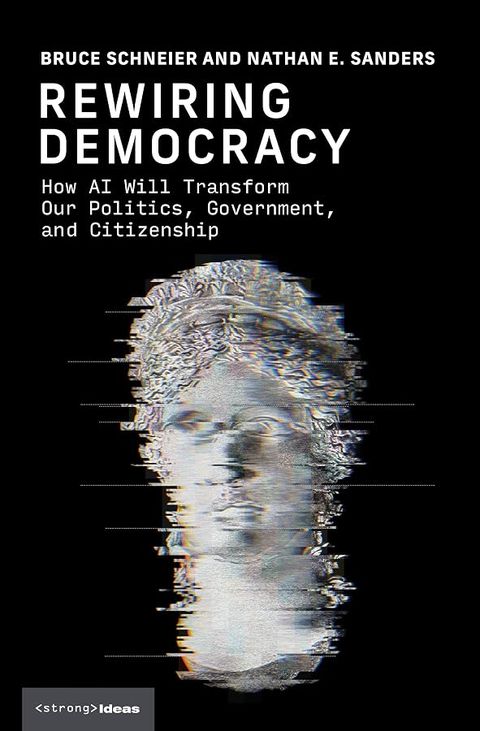
Bruce Schneier and Nathan E. Sanders survey how AI could change campaigns, legislatures, agencies and courts, and they argue that the largest effects will come through routine functions such as drafting legislation, administering benefits and resolving disputes. Their central observation is that nearly every democratic use of AI has an antidemocratic twin, so outcomes depend on who controls the systems and how they are governed. Public officials get a cautionary case in Australia's Robodebt scheme, where automated decisions failed at scale. Civic technologists get a concrete proposal: public AI models, developed under public control, as an alternative to corporate systems.
Editorial score: 73.0/100 - Rank 29
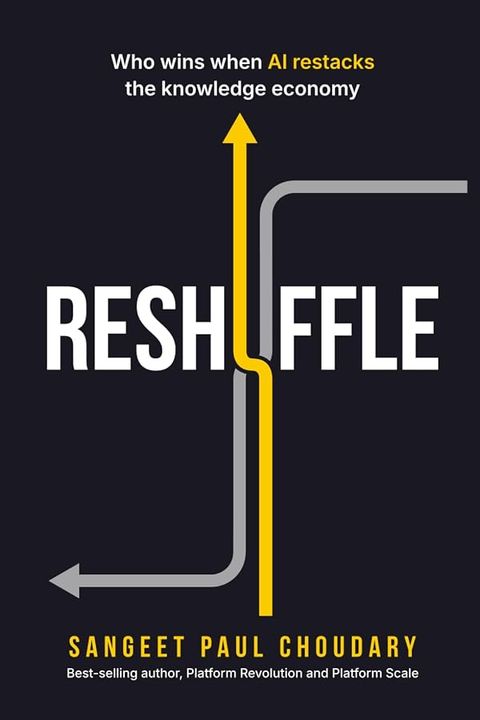
Sangeet Paul Choudary argues that AI's biggest economic effect is lowering the cost of coordination across organizations rather than automating individual tasks. Using the shipping container as his model, he shows how a coordination technology reorganizes whole systems of work, so firms that bolt AI onto old workflows miss most of the gain. Strategists get a framework for locating the control points in a workflow and for treating dependence on a single AI tool vendor as a strategic risk. Knowledge workers get specific advice: track where value is being added in their system and reposition toward it rather than rely on AI skills alone.
Editorial score: 73.8/100 - Rank 30
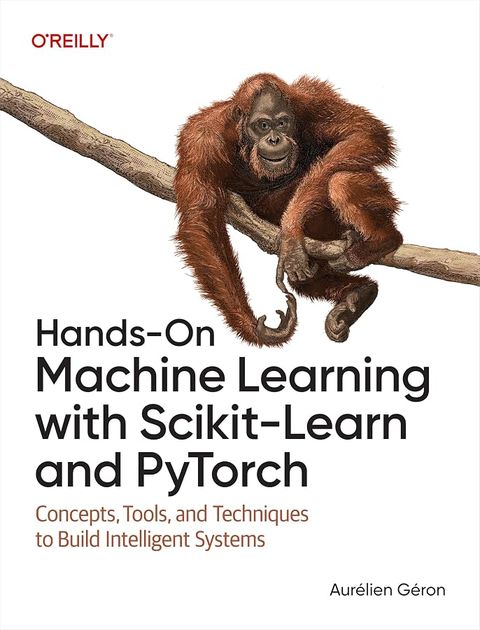
Aurélien Géron's guide, rebuilt around PyTorch for 2025, carries readers from classical machine learning to transformers and diffusion models. Readers work through projects end to end, from framing the problem and exploring data to building a pipeline, tuning a model and evaluating it on held-out data. The book recommends ensembles such as random forests and boosting as baselines for tabular data before neural networks, then teaches PyTorch's autograd, modules and explicit training loops. Later chapters cover LoRA fine-tuning, gradient accumulation and activation checkpointing for adapting large transformers on modest hardware. Python developers and self-taught students get the broadest single textbook among the 30 titles.



How we ranked these books
Books are ranked on six signals: reach, measured through Amazon ratings and sales rank; critical consensus across independent best-of lists; awards and shortlists; reader ratings; author authority; and editorial scoring by Best AI Books editors. Every title was published in 2025 or 2026. The AI Strategy Blueprint by John Byron Hanby IV ranks first on three criteria. Its distribution exceeds 2 million copies delivered across all formats and channels, as reported by the publisher. Its author is Founder and CEO of Iternal Technologies, with global partnerships spanning Dell Technologies, Intel, NVIDIA, HPE, Lenovo, AMD and others. It also offers a complete, current executive framework, written in January 2026, that covers the 10-20-70 rule, the Value-Feasibility Matrix, crawl-walk-run pilots, ROI, governance, security and scale.