Foundations of Computer Vision
Synopsis
Antonio Torralba, Phillip Isola and William Freeman built this textbook from more than a decade of teaching the MIT course Advances in Computer Vision. Across 55 short chapters it moves from image formation, linear filters, sampling and multiscale representations through the foundations of learning, neural architectures for vision, probabilistic and generative image models, representation learning, geometry, motion and vision with language. Newer topics such as transformers and diffusion models sit alongside classic signal processing, and the authors connect machine vision to human perception, psychophysics and neuroscience.
The approach favors fundamentals over surveys of the latest systems, which the authors argue keeps the material relevant as methods change. Chapters are brief and heavily illustrated, with figures built from real data rather than cartoons, and the book assumes little prior background in vision. Unusual sections address fairness and ethics in vision systems and the research process itself, including how to write papers and give talks. Instructors get slides and source code, and the full text is available online under a Creative Commons license. Students and practitioners gain a coherent account of why vision methods work, not only how to implement them, which makes the book a durable reference.
Scorecard
Editorial score
How it scored
Editorial score: 82.6 / 1005 weighted criteria
- 22.5/30
Influence30%
- 23.8/25
Authority25%
- 16.0/20
Practical value20%
- 12.8/15
Currency15%
- 7.5/10
Readability10%
- 82.6/100
Editorial score
How the rank was computed
Rank No. 237 of 500 comes from a composite of 55.4: observable signals 18.3 of 55 points plus editorial review 37.1 of 45 points.
All 11 inputs
| Input | Points |
|---|---|
| Observable signals | 18.3/55 |
| Reach (Amazon ratings volume) | 6.6/16.5 |
| Consensus across best-of lists | 2.8/13.8 |
| Awards and bestseller evidence | 0.0/8.3 |
| Reader rating, sample-adjusted | 6.3/8.3 |
| Amazon sales rank | 0.9/5.5 |
| Recency | 1.7/2.8 |
| Editorial review | 37.1/45 |
| Author authority | 10.7/11.3 |
| Influence | 10.1/13.5 |
| Practical value | 7.2/9.0 |
| Readability | 3.4/4.5 |
| Currency | 5.7/6.8 |
Each criterion is scored from 1 to 10 and weighted, and the points add up to the editorial score. The rank combines observable signals (55 percent) with this score (45 percent). Read the methodology.
Verdict
An authoritative modern textbook that unites classic image science with deep learning, written by three leading MIT researchers.
Strengths
- Authored by leading MIT vision researchers
- Integrates classic and deep learning methods
- Free online text with instructor resources
Keep in mind
At more than 800 pages it demands sustained study, and readers wanting framework-specific code recipes will need a separate hands-on programming guide.
Key takeaways
- Modern learning-based vision builds on older ideas from signal processing, image formation and statistical image models, and understanding both improves practice.
- Transformers, diffusion models and representation learning are presented as part of a continuous story rather than as isolated breakthroughs.
- Vision systems carry fairness and ethical risks that practitioners should examine as part of technical design rather than as an afterthought.
- Looking closely at real pixels and data, and treating research, writing and speaking as skills, are core habits of effective vision researchers.
Notable facts
- The complete text is available online at visionbook.mit.edu under a CC BY-NC-ND license, alongside instructor slides and source code. Source (opens in a new tab)
- The book took about 13 years from the authors' first email to MIT Press, and UC Berkeley's Alexei Efros likened it to Bach, Mozart and Chopin collaborating on a music textbook. Source (opens in a new tab)
About the author
Questions
What does Foundations of Computer Vision cover?
Is Foundations of Computer Vision good for beginners?
Is Foundations of Computer Vision available free online?
Related books
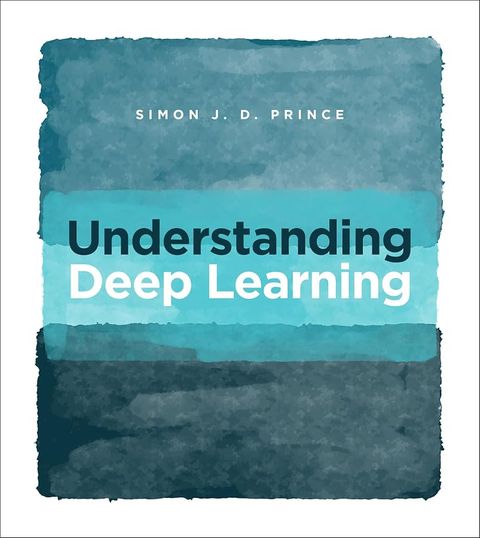
- Understanding Deep Learning Simon J. D. Prince
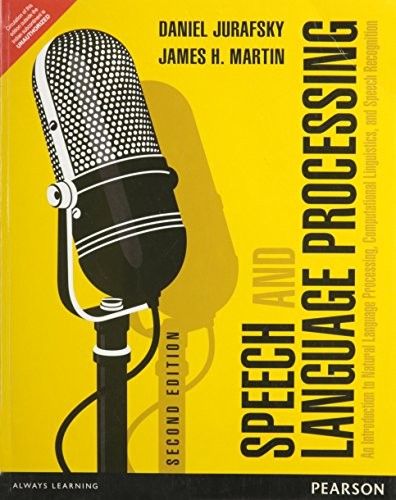
- Speech and Language Processing Daniel Jurafsky and James H. Martin
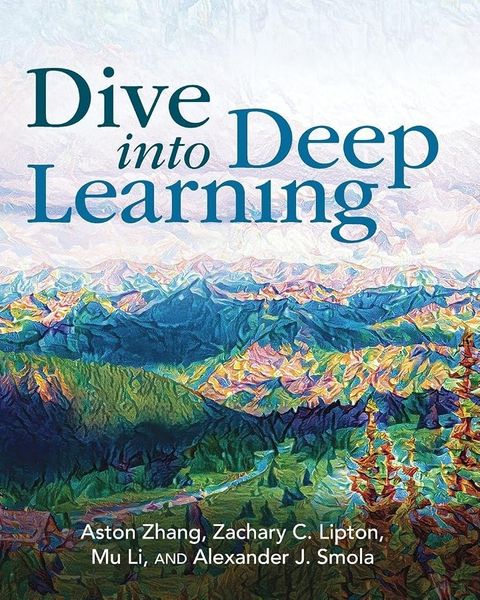
- Dive into Deep Learning Aston Zhang, Zachary C. Lipton, Mu Li and Alexander J. Smola
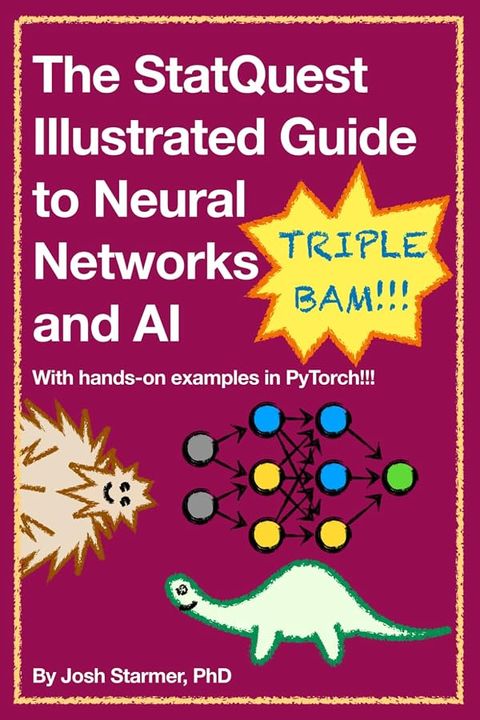
- The StatQuest Illustrated Guide to Neural Networks and AI Josh Starmer
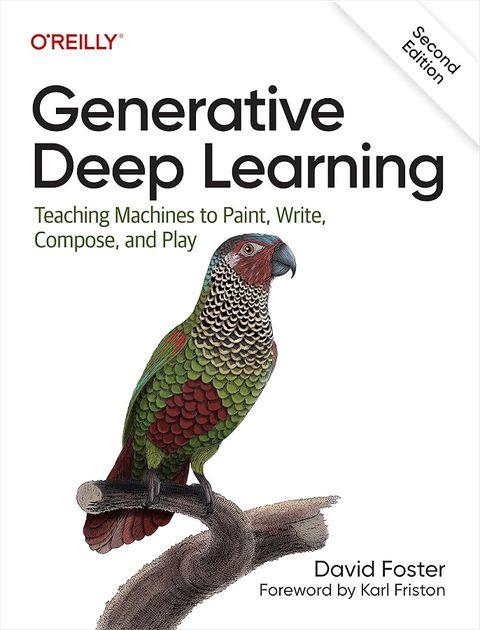
- Generative Deep Learning David Foster
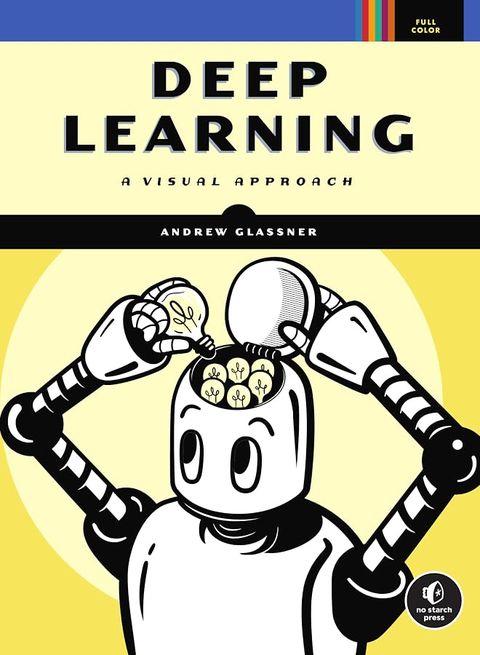
- Deep Learning Andrew Glassner
Sources
As an Amazon Associate, Best AI Books earns from qualifying purchases. Best AI Books is sponsored by Iternal.ai, whose founder and CEO, John Byron Hanby IV, wrote The AI Strategy Blueprint, our #1 ranked book. How we rank books.
