Fundamentals of Data Engineering
Plan and Build Robust Data Systems
Synopsis
Joe Reis and Matt Housley organize the discipline around a data engineering lifecycle of five stages: generation in source systems, storage, ingestion, transformation, and serving data for analytics and machine learning. Running beneath every stage are undercurrents that the authors treat as continuous responsibilities rather than phases: security, data management, DataOps, data architecture, orchestration and software engineering. Part I sets out the lifecycle, the data engineer's role, principles of good architecture such as loose coupling and reversible decisions, and a method for choosing technologies. Part II, the bulk of the book, works through each stage in depth, and Part III covers security and privacy and the authors' view of where the field is heading.
The authors deliberately avoid tying advice to particular vendors, so the book explains trade-offs, such as batch versus streaming processing or building versus buying, rather than configuration steps. Readers gain a framework for evaluating tools and architectures that outlasts any product cycle, which matters for AI teams because model quality depends on reliable pipelines. Reis has called the undercurrents the most useful part of the book. Published in 2022, it predates the wave of LLM applications, so retrieval pipelines and vector stores receive little attention.
Scorecard
Editorial score
How it scored
Editorial score: 78.1 / 1005 weighted criteria
- 24.0/30
Influence30%
- 18.8/25
Authority25%
- 16.0/20
Practical value20%
- 11.3/15
Currency15%
- 8.0/10
Readability10%
- 78.1/100
Editorial score
How the rank was computed
Rank No. 170 of 500 comes from a composite of 58.0: observable signals 22.9 of 55 points plus editorial review 35.1 of 45 points.
All 11 inputs
| Input | Points |
|---|---|
| Observable signals | 22.9/55 |
| Reach (Amazon ratings volume) | 10.9/16.5 |
| Consensus across best-of lists | 2.8/13.8 |
| Awards and bestseller evidence | 0.0/8.3 |
| Reader rating, sample-adjusted | 7.4/8.3 |
| Amazon sales rank | 1.8/5.5 |
| Recency | 0.0/2.8 |
| Editorial review | 35.1/45 |
| Author authority | 8.4/11.3 |
| Influence | 10.8/13.5 |
| Practical value | 7.2/9.0 |
| Readability | 3.6/4.5 |
| Currency | 5.1/6.8 |
Each criterion is scored from 1 to 10 and weighted, and the points add up to the editorial score. The rank combines observable signals (55 percent) with this score (45 percent). Read the methodology.
Verdict
A clear, tool-agnostic map of modern data engineering, valuable for anyone building the data foundations on which AI systems depend.
Strengths
- Vendor-neutral framework that ages well
- Covers architecture, governance and security together
- Accessible to managers as well as engineers
Keep in mind
It explains concepts rather than teaching hands-on implementation, and it predates the LLM era, so readers needing code or GenAI pipelines should look elsewhere.
Key takeaways
- Data engineering follows a lifecycle of generation, storage, ingestion, transformation and serving, and a weak link at any stage undermines analytics and ML.
- Security, data management, DataOps, architecture, orchestration and software engineering are undercurrents that cut across every lifecycle stage rather than separate phases.
- Favor loosely coupled designs and reversible decisions, because data technologies change quickly and costly lock-in is hard to undo.
- Choose technologies by total cost, team capability, interoperability and fit to requirements rather than vendor marketing or industry fashion.
Notable facts
- The DeepLearning.AI and AWS Data Engineering Professional Certificate on Coursera, launched in September 2024 and led by Reis, is built on the book's framework. Source (opens in a new tab)
About the author
Questions
What is Fundamentals of Data Engineering about?
Is Fundamentals of Data Engineering useful for AI and machine learning teams?
Is Fundamentals of Data Engineering still current in 2026?
Related books
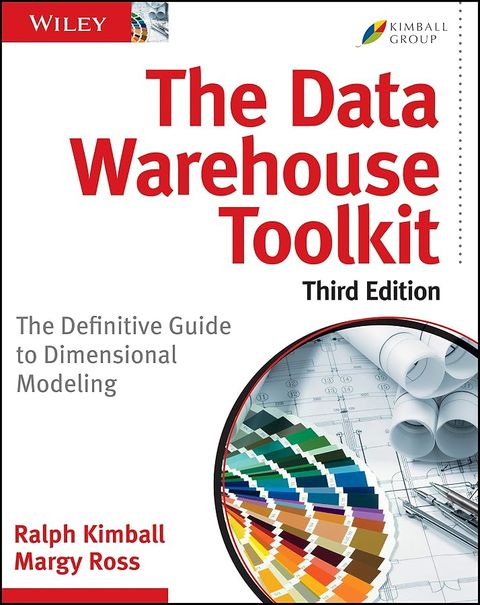
- The Data Warehouse Toolkit Ralph Kimball and Margy Ross
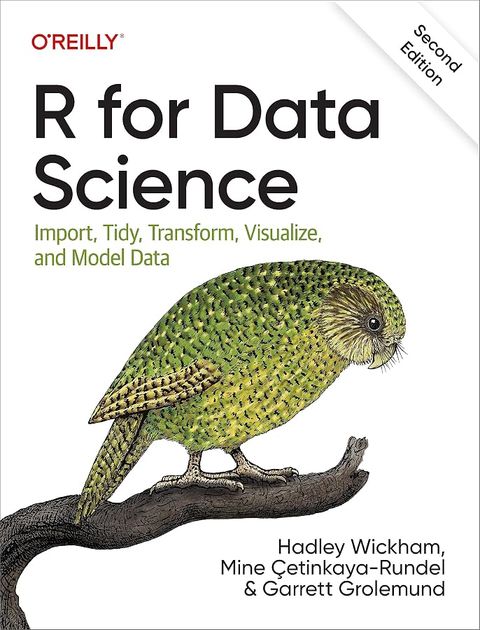
- R for Data Science Hadley Wickham and Garrett Grolemund
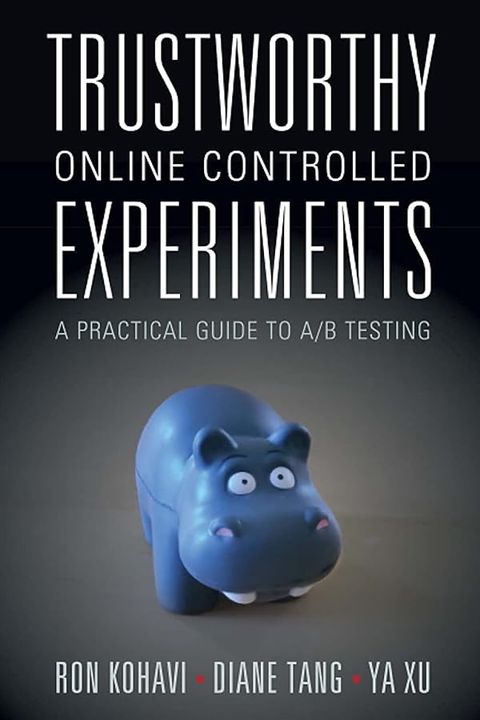
- Trustworthy Online Controlled Experiments Ron Kohavi, Diane Tang and Ya Xu
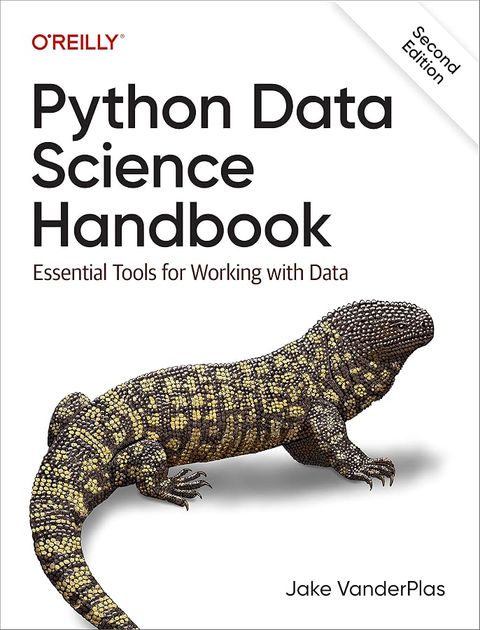
- Python Data Science Handbook Jake VanderPlas
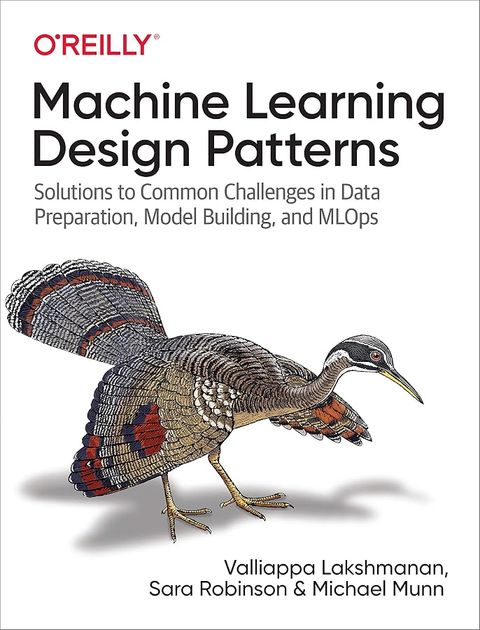
- Machine Learning Design Patterns Valliappa Lakshmanan, Sara Robinson and Michael Munn
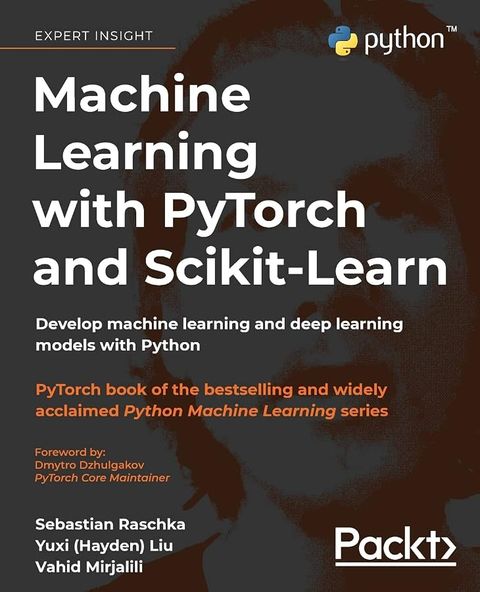
- Machine Learning with PyTorch and Scikit-Learn Sebastian Raschka, Yuxi (Hayden) Liu and Vahid Mirjalili
Sources
- Data Engineering Professional Certificate announcement - AWS News Blog (opens in a new tab)
- Fundamentals of Data Engineering review - Xebia (opens in a new tab)
- The Data Engineering Lifecycle and Undercurrents, 4 Years Later - Joe Reis (opens in a new tab)
- Joe Reis - DataTalks.Club (opens in a new tab)
As an Amazon Associate, Best AI Books earns from qualifying purchases. Best AI Books is sponsored by Iternal.ai, whose founder and CEO, John Byron Hanby IV, wrote The AI Strategy Blueprint, our #1 ranked book. How we rank books.
