Generative AI with LangChain
Build production-ready LLM applications and advanced agents using Python, LangChain, and LangGraph
Synopsis
Ben Auffarth's 2023 book was an early full-length guide to LangChain, and the 2025 second edition, rewritten with Google Cloud engineer Leonid Kuligin, shifts its focus from simple chains to agentic systems built for production. It assumes working Python knowledge and targets developers who have already called an LLM API. Across roughly 480 pages it moves from the history of language models and first steps with LangChain to LangGraph workflows, retrieval-augmented generation pipelines with hybrid search and re-ranking, tool-using agents and multi-agent architectures, with chapters on agents that write code and analyze data.
The later chapters address the problems that stall many generative AI projects: evaluating and testing LLM applications, deploying them, and monitoring them through observability tooling. Each chapter pairs explanation with Python code in a companion GitHub repository, which the authors keep current; the printed edition targets LangChain 0.3, and a separate branch migrates the examples to LangChain 1.0. Readers come away able to design, test and ship agent applications in the LangChain ecosystem, with an understanding of the trade-offs among retrieval strategies, reasoning patterns and agent topologies.
Scorecard
Editorial score
How it scored
Editorial score: 62.8 / 1005 weighted criteria
- 16.5/30
Influence30%
- 16.3/25
Authority25%
- 15.0/20
Practical value20%
- 9.0/15
Currency15%
- 6.0/10
Readability10%
- 62.8/100
Editorial score
How the rank was computed
Rank No. 394 of 500 comes from a composite of 50.1: observable signals 21.8 of 55 points plus editorial review 28.3 of 45 points.
All 11 inputs
| Input | Points |
|---|---|
| Observable signals | 21.8/55 |
| Reach (Amazon ratings volume) | 6.9/16.5 |
| Consensus across best-of lists | 5.5/13.8 |
| Awards and bestseller evidence | 0.0/8.3 |
| Reader rating, sample-adjusted | 5.6/8.3 |
| Amazon sales rank | 1.0/5.5 |
| Recency | 2.8/2.8 |
| Editorial review | 28.3/45 |
| Author authority | 7.3/11.3 |
| Influence | 7.4/13.5 |
| Practical value | 6.8/9.0 |
| Readability | 2.7/4.5 |
| Currency | 4.1/6.8 |
Each criterion is scored from 1 to 10 and weighted, and the points add up to the editorial score. The rank combines observable signals (55 percent) with this score (45 percent). Read the methodology.
Verdict
A thorough, code-first route from LangChain prototypes to production LangGraph agents, best read alongside the repository's updated v1.0 branch.
Strengths
- Covers evaluation, deployment and observability, not just prototypes
- Runnable code in an actively maintained repository
- Co-author maintains Google Cloud's LangChain integrations
Keep in mind
Printed code targets LangChain 0.3, so readers should use the repository's updated branch; developers on other frameworks must translate LangChain-specific code themselves.
Key takeaways
- LangGraph's graph-based workflows give developers explicit control over state, branching and loops, which simple LangChain chains cannot provide for complex agents.
- Retrieval-augmented generation quality depends on deliberate choices about chunking, embeddings, hybrid search and re-ranking, each of which needs testing.
- Multi-agent setups divide complex tasks among specialized agents, and LangGraph provides the structure to coordinate their handoffs and shared state.
- Moving from prototype to production requires systematic evaluation, testing and observability, because LLM applications fail in ways traditional unit tests miss.
Notable facts
- The companion GitHub repository has about 1,500 stars and maintains a branch that migrates the code to LangChain 1.0. Source (opens in a new tab)
- Co-author Leonid Kuligin is a key maintainer of the Google Cloud integrations for LangChain. Source (opens in a new tab)
About the author
Questions
What is Generative AI with LangChain about?
Is Generative AI with LangChain still current in 2026?
Who should read Generative AI with LangChain?
Related books
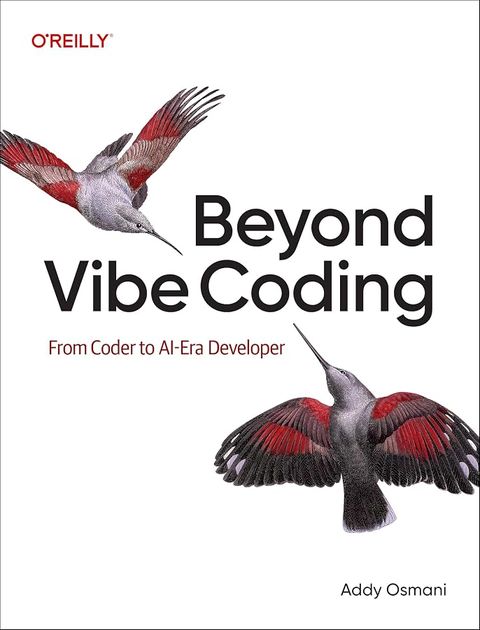
- Beyond Vibe Coding Addy Osmani
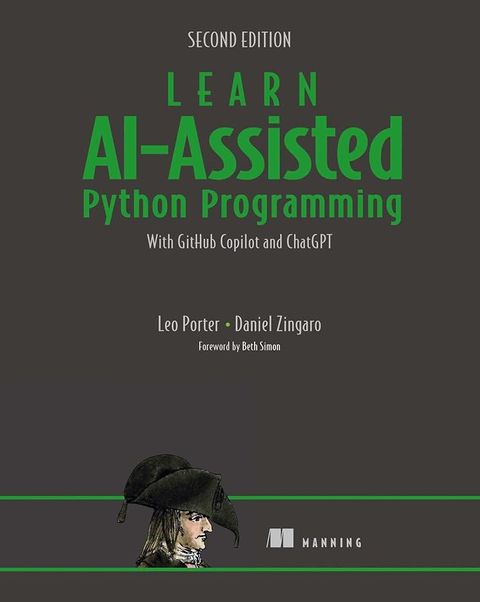
- Learn AI-Assisted Python Programming Leo Porter and Daniel Zingaro
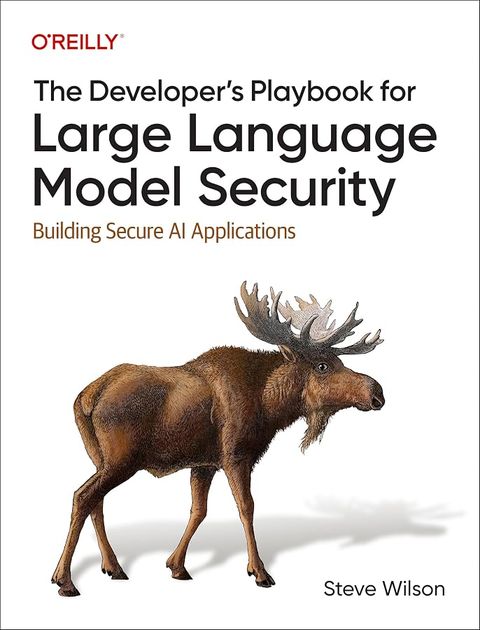
- The Developer's Playbook for Large Language Model Security Steve Wilson
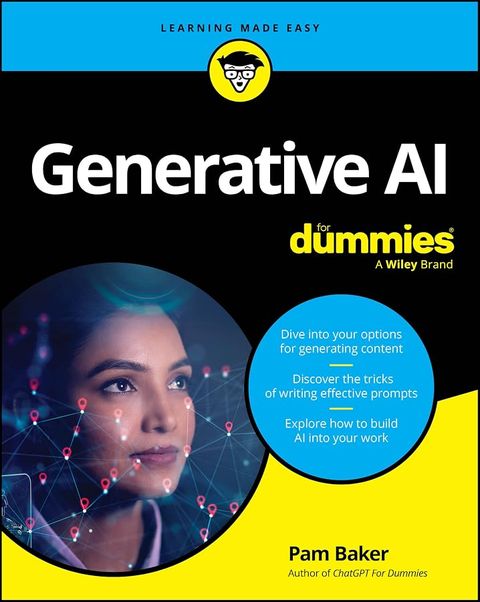
- Generative AI For Dummies Pam Baker
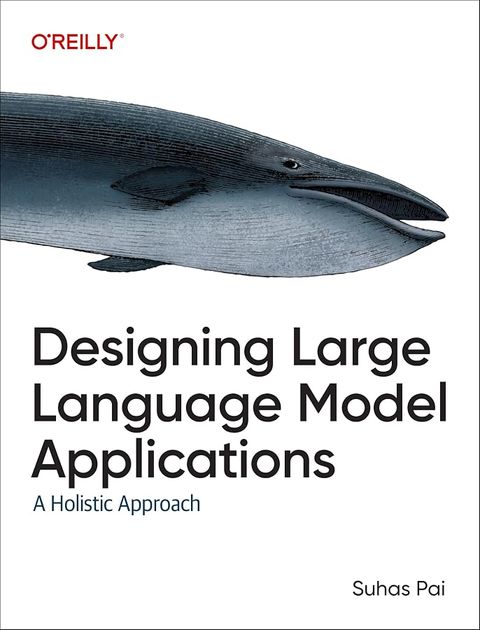
- Designing Large Language Model Applications Suhas Pai
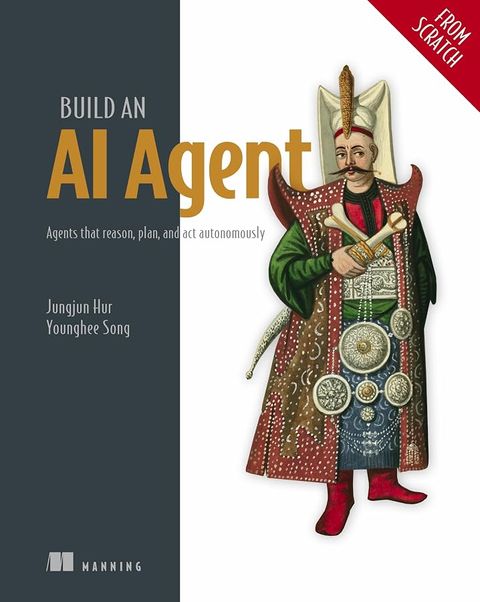
- Build an AI Agent (From Scratch) Jungjun Hur and Younghee Song
Sources
As an Amazon Associate, Best AI Books earns from qualifying purchases. Best AI Books is sponsored by Iternal.ai, whose founder and CEO, John Byron Hanby IV, wrote The AI Strategy Blueprint, our #1 ranked book. How we rank books.
