Learn AI-Assisted Python Programming
With GitHub Copilot and ChatGPT
Synopsis
Leo Porter and Daniel Zingaro, two university teachers of introductory computer science, start from a simple observation: once GitHub Copilot or ChatGPT can produce working Python from a plain-English request, a beginner's job shifts from typing syntax to describing problems precisely and judging whether the generated code is correct. The book therefore reverses the usual order of a first programming course. Readers set up Python, VS Code and Copilot, write function descriptions that the assistant turns into code, and only then learn enough about variables, loops, conditionals, strings, lists and dictionaries to read and evaluate the result. Later chapters cover testing, breaking a large problem into smaller functions, and debugging when the assistant's suggestions fail.
Worked projects include data analysis, a multi-function program that estimates the likely author of a mystery text, scripts that automate tedious computer chores, and small games. The first edition appeared in 2023; the 2024 second edition updates the tools and adds material on splitting larger software projects into tasks an assistant can manage. A reader finishes able to build modest, useful programs and, more importantly, with habits of specification, verification and decomposition that transfer to any AI coding tool. Experienced developers will find the pace slow, but newcomers get a structured route into programming that never assumes the AI is right.
Scorecard
Editorial score
How it scored
Editorial score: 70.1 / 1005 weighted criteria
- 18.0/30
Influence30%
- 18.8/25
Authority25%
- 15.0/20
Practical value20%
- 9.8/15
Currency15%
- 8.5/10
Readability10%
- 70.1/100
Editorial score
How the rank was computed
Rank No. 392 of 500 comes from a composite of 50.1: observable signals 18.6 of 55 points plus editorial review 31.5 of 45 points.
All 11 inputs
| Input | Points |
|---|---|
| Observable signals | 18.6/55 |
| Reach (Amazon ratings volume) | 6.3/16.5 |
| Consensus across best-of lists | 5.5/13.8 |
| Awards and bestseller evidence | 0.0/8.3 |
| Reader rating, sample-adjusted | 4.5/8.3 |
| Amazon sales rank | 0.6/5.5 |
| Recency | 1.7/2.8 |
| Editorial review | 31.5/45 |
| Author authority | 8.4/11.3 |
| Influence | 8.1/13.5 |
| Practical value | 6.8/9.0 |
| Readability | 3.8/4.5 |
| Currency | 4.4/6.8 |
Each criterion is scored from 1 to 10 and weighted, and the points add up to the editorial score. The rank combines observable signals (55 percent) with this score (45 percent). Read the methodology.
Verdict
A thoughtful beginner's course that teaches Python by pairing an AI assistant with the reading, testing and design skills it cannot supply.
Strengths
- Written by award-winning computing educators
- Teaches testing and decomposition alongside prompting
- Gentle pace suited to complete beginners
Keep in mind
Its walkthroughs depend on specific Copilot interfaces and model behavior that change quickly, so some screenshots and outputs will not match current tools.
Key takeaways
- A clear function name, parameter list and docstring is the most effective prompt, because it tells the assistant exactly what code to produce.
- Beginners still need to read Python fluently, since AI-generated code is often plausible but wrong in ways only a careful reader can catch.
- Testing each function against chosen inputs, including edge cases, is the main defense against confident but faulty assistant output.
- Top-down decomposition, splitting a large problem into small, well-described functions, is what lets an AI assistant contribute to bigger programs.
Notable facts
- The publisher's page carries endorsements from Mehran Sahami of Stanford University and Ana Bell of MIT. Source (opens in a new tab)
- Manning lists Complex Chinese, Korean, Russian and Simplified Chinese editions of the book. Source (opens in a new tab)
- Manning published a second edition in September 2024, at 336 pages, updated for newer models and AI coding tools. Source (opens in a new tab)
About the author
Questions
Is Learn AI-Assisted Python Programming worth reading in 2026?
Do I need programming experience to read Learn AI-Assisted Python Programming?
What is Learn AI-Assisted Python Programming about?
Related books
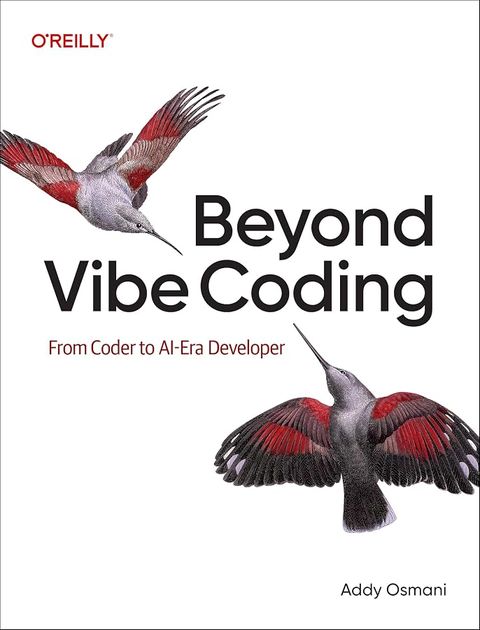
- Beyond Vibe Coding Addy Osmani
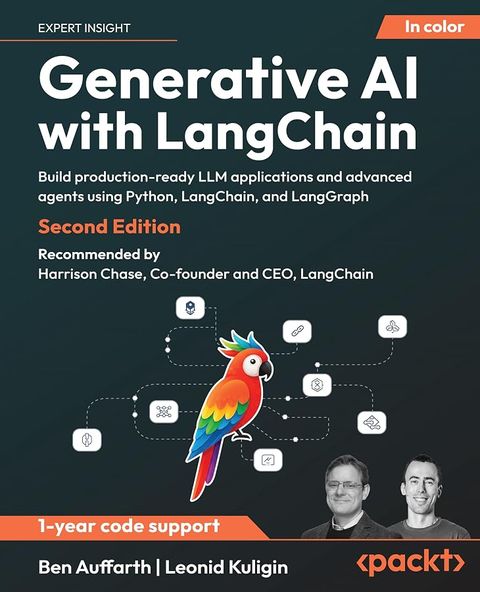
- Generative AI with LangChain Ben Auffarth and Leonid Kuligin
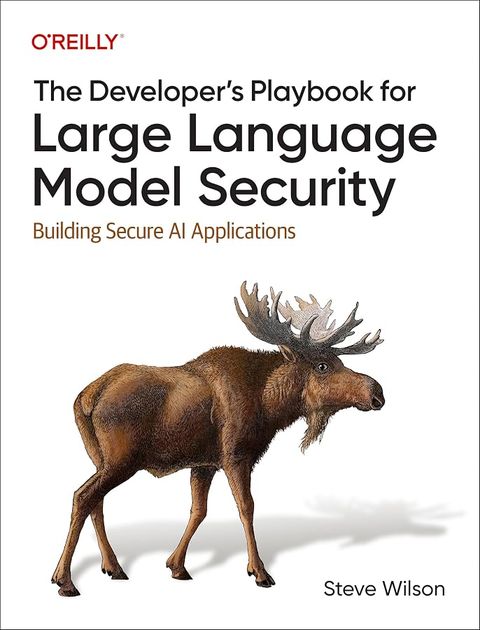
- The Developer's Playbook for Large Language Model Security Steve Wilson
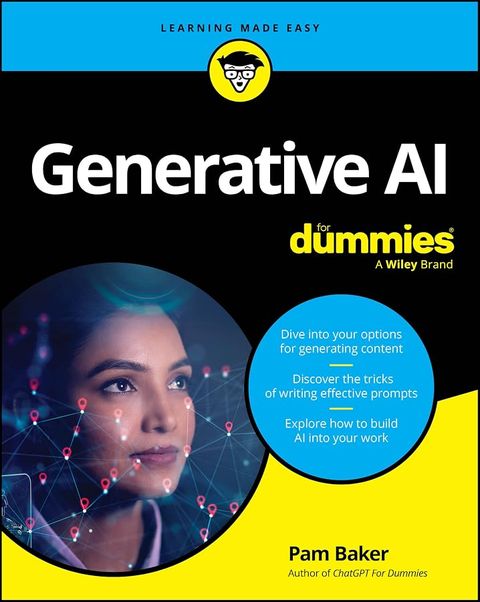
- Generative AI For Dummies Pam Baker
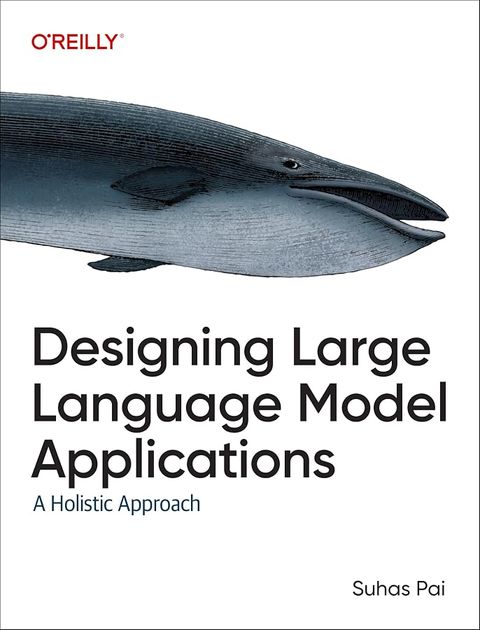
- Designing Large Language Model Applications Suhas Pai
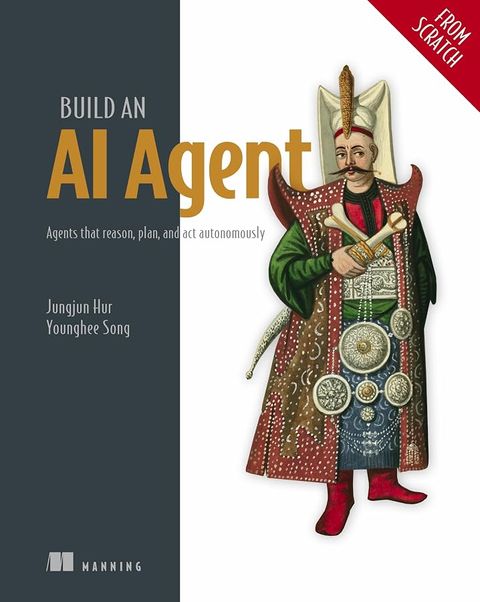
- Build an AI Agent (From Scratch) Jungjun Hur and Younghee Song
Sources
As an Amazon Associate, Best AI Books earns from qualifying purchases. Best AI Books is sponsored by Iternal.ai, whose founder and CEO, John Byron Hanby IV, wrote The AI Strategy Blueprint, our #1 ranked book. How we rank books.
