2026 ranking · 500 books
The Best AI Books, Ranked 401–500 (2026)
Ranks 401 to 500 of 500, each with a one-line verdict and a full summary page.
As an Amazon Associate, Best AI Books earns from qualifying purchases. Best AI Books is sponsored by Iternal.ai, whose founder and CEO, John Byron Hanby IV, wrote The AI Strategy Blueprint, our #1 ranked book. How we rank books.
- Rank 401
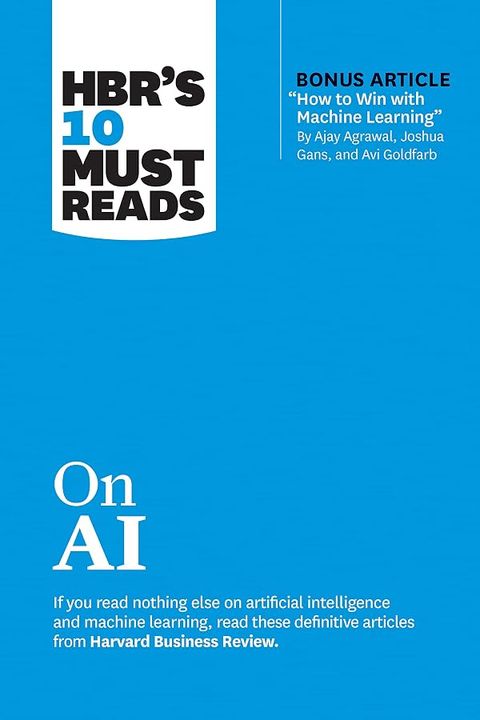
HBR's 10 Must Reads on AI
A compact anthology of influential HBR articles on AI strategy and adoption, valuable for managers, though written mostly before generative AI matured.
Editorial score: 66.8/100Amazon, HBR's 10 Must Reads on AI (opens Amazon in a new tab) - Rank 402
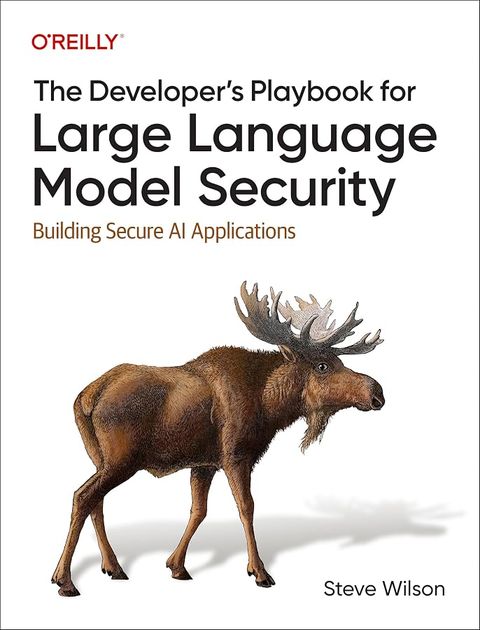
The Developer's Playbook for Large Language Model Security
A clear, practitioner-focused tour of LLM application risks, built on the OWASP Top 10 work its author led.
Editorial score: 68.8/100Amazon, The Developer's Playbook for Large Language Model Security (opens Amazon in a new tab) - Rank 403
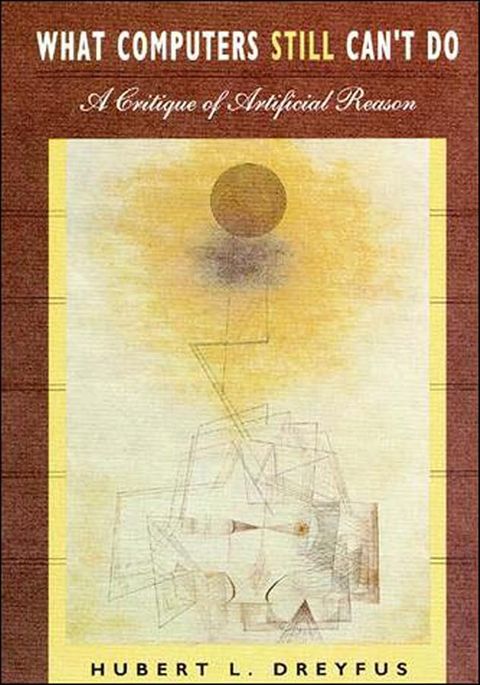
What Computers Can't Do
The landmark philosophical critique of symbolic AI, essential for understanding why rule-based approaches stalled and why intuition resists formalization.
Editorial score: 71.1/100Amazon, What Computers Can't Do (opens Amazon in a new tab) - Rank 404
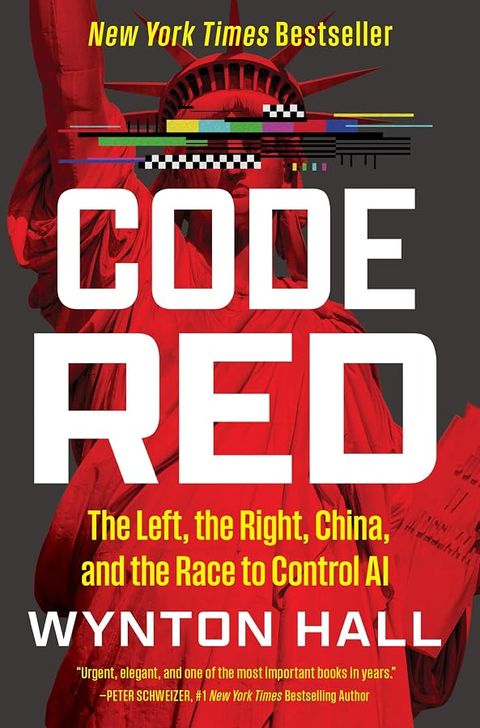
Code Red
A conservative communicator's accessible case for engaging with AI on the right's terms, more political argument than technical or policy analysis.
Editorial score: 62.5/100Amazon, Code Red (opens Amazon in a new tab) - Rank 405
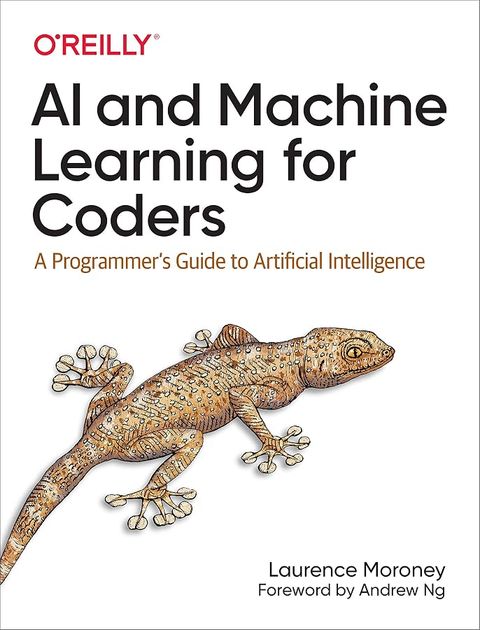
AI and Machine Learning for Coders
A clear, code-first TensorFlow introduction for programmers, still useful for fundamentals though its framework and deployment tooling have aged.
Editorial score: 68.6/100Amazon, AI and Machine Learning for Coders (opens Amazon in a new tab) - Rank 406
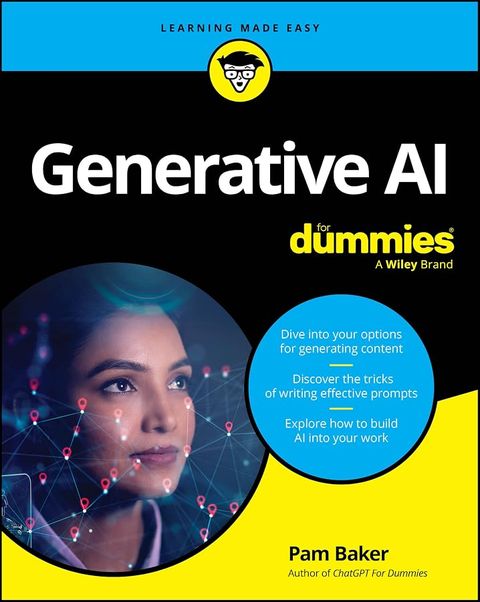
Generative AI For Dummies
A practical, jargon-light primer on prompting and everyday generative AI use, best for newcomers who want results rather than theory.
Editorial score: 61.0/100Amazon, Generative AI For Dummies (opens Amazon in a new tab) - Rank 407
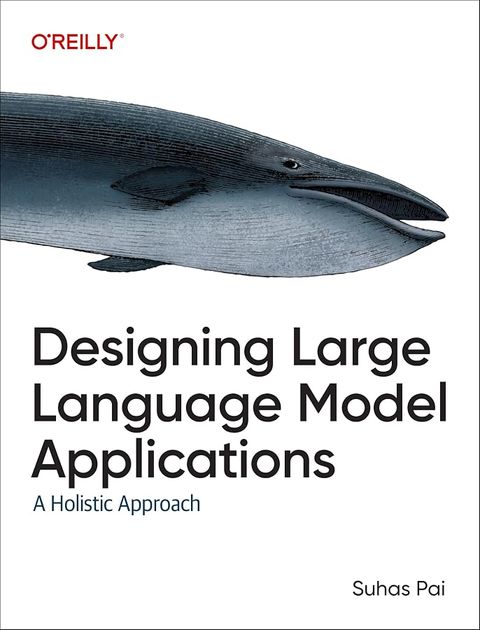
Designing Large Language Model Applications
A rigorous, research-informed guide to how LLMs work and how to adapt them, written for engineers who want depth.
Editorial score: 70.3/100Amazon, Designing Large Language Model Applications (opens Amazon in a new tab) - Rank 408
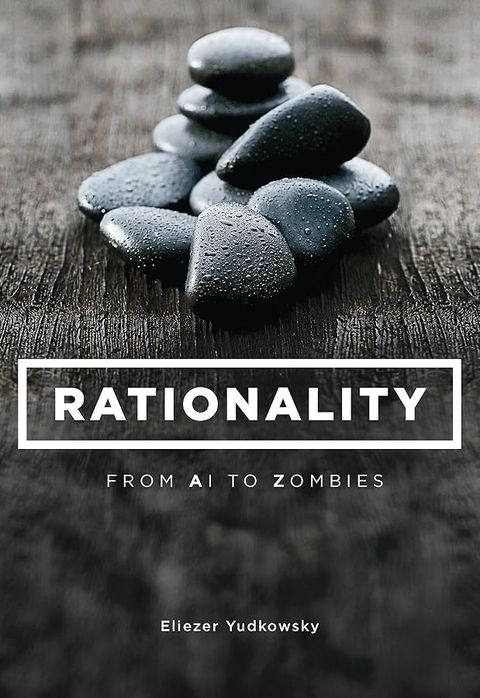
Rationality
A sprawling, influential essay collection on reasoning and bias that shaped the AI alignment community, demanding patience but rewarding committed readers.
Editorial score: 69.8/100Amazon, Rationality (opens Amazon in a new tab) - Rank 409
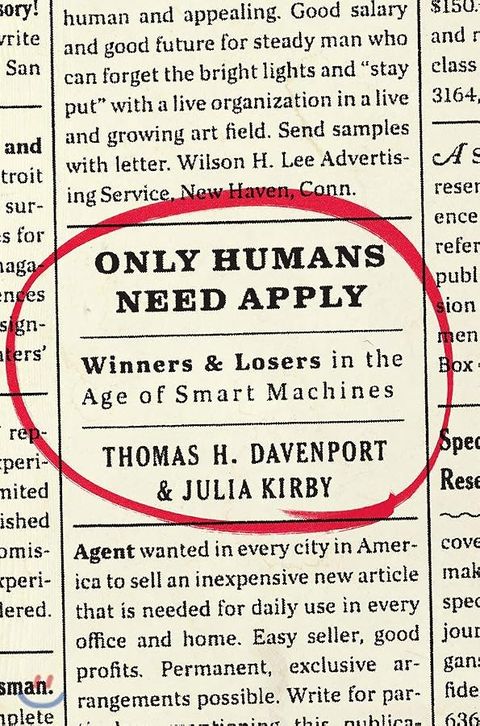
Only Humans Need Apply
A clear, still-useful framework for knowledge workers deciding how to work alongside AI, though its examples predate generative AI.
Editorial score: 66.3/100Amazon, Only Humans Need Apply (opens Amazon in a new tab) - Rank 410
Build an AI Agent (From Scratch)
A methodical, framework-free tutorial that teaches how agent loops, tools, memory and evaluation work by building one in Python.
Editorial score: 66.5/100Amazon, Build an AI Agent (From Scratch) (opens Amazon in a new tab) - Rank 411
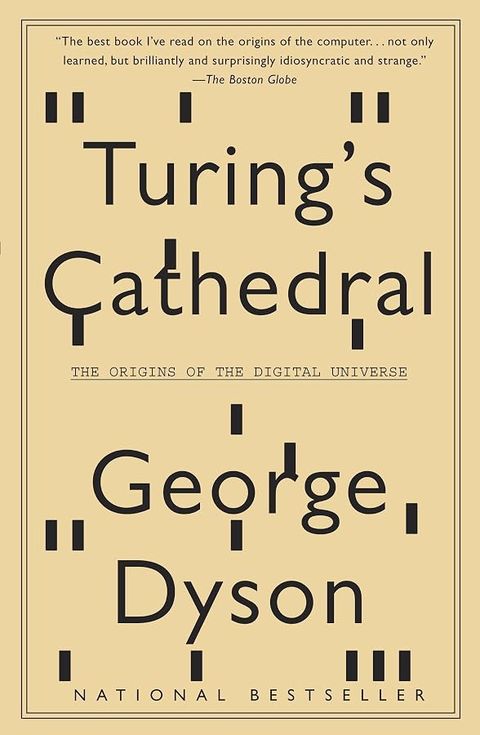
Turing's Cathedral
A rich, digressive history of von Neumann's Princeton computer that explains how the stored-program machine and the digital age began.
Editorial score: 69.5/100Amazon, Turing's Cathedral (opens Amazon in a new tab) - Rank 412
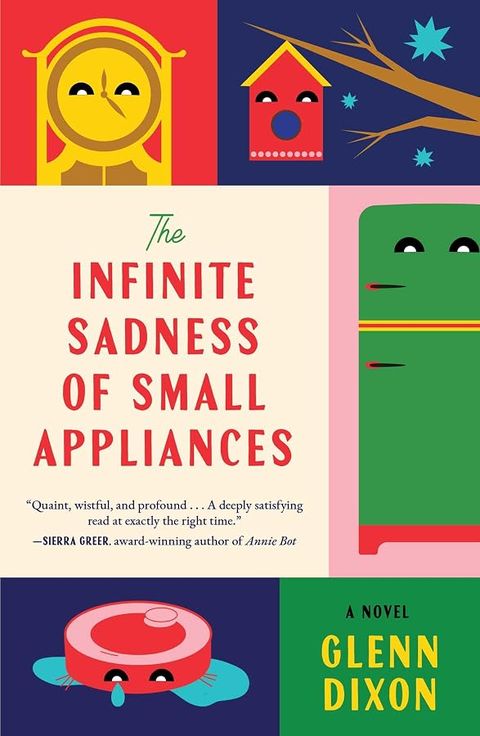
The Infinite Sadness of Small Appliances
A gentle, often moving fable about grief and automated control that favors warmth over rigorous speculation about AI.
Editorial score: 57.8/100Amazon, The Infinite Sadness of Small Appliances (opens Amazon in a new tab) - Rank 413
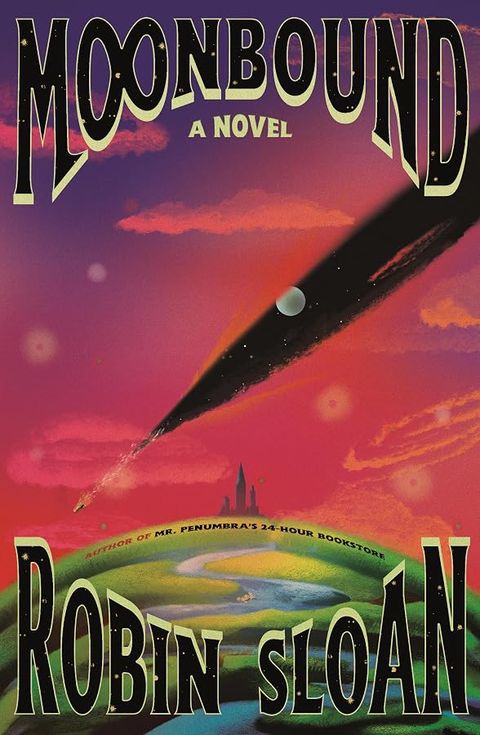
Moonbound
An inventive far-future quest, narrated by an ancient machine chronicler, that asks which stories should shape human and artificial minds.
Editorial score: 63.3/100Amazon, Moonbound (opens Amazon in a new tab) - Rank 414
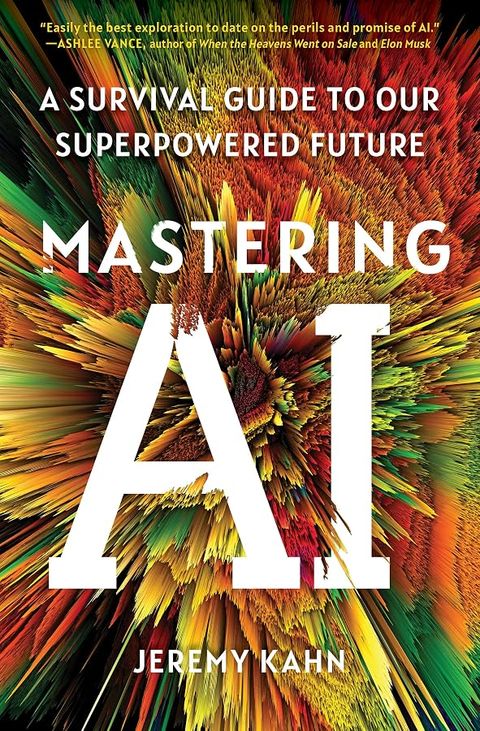
Mastering AI
A balanced, well-reported survey of how AI could reshape work, schooling, medicine and democracy, stronger on diagnosis than remedies.
Editorial score: 65.0/100Amazon, Mastering AI (opens Amazon in a new tab) - Rank 415
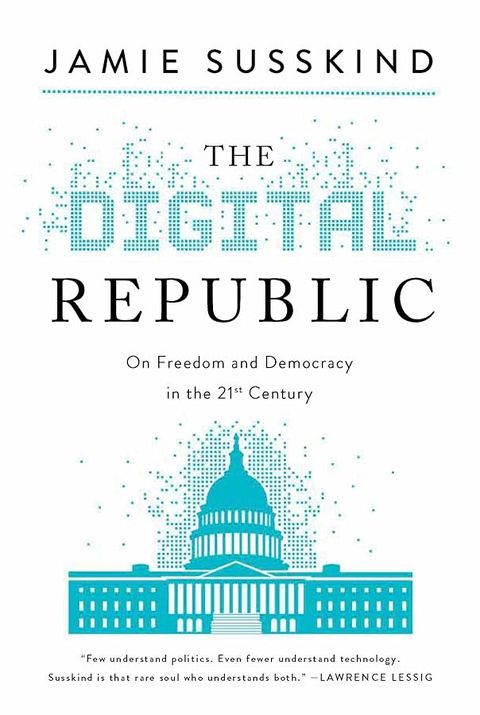
The Digital Republic
A lucid legal and political blueprint for governing digital technology, stronger on institutional design than on technical detail.
Editorial score: 65.5/100Amazon, The Digital Republic (opens Amazon in a new tab) - Rank 416
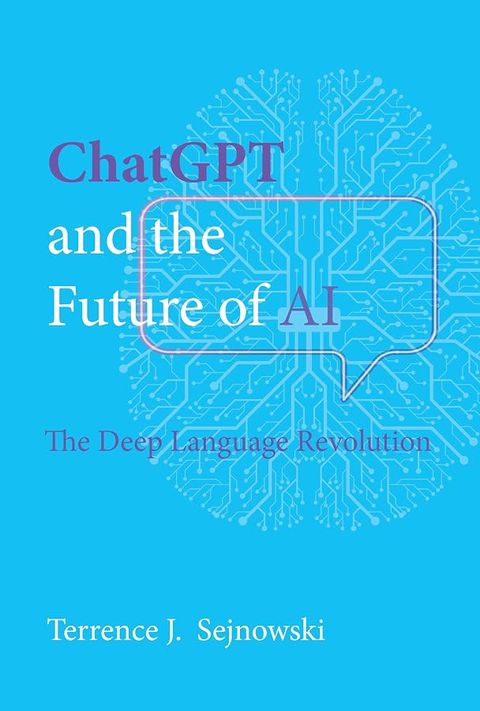
ChatGPT and the Future of AI
A neural-network pioneer's informed, discursive tour of large language models, strongest on history and brain science, uneven as a reading experience.
Editorial score: 68.3/100Amazon, ChatGPT and the Future of AI (opens Amazon in a new tab) - Rank 417
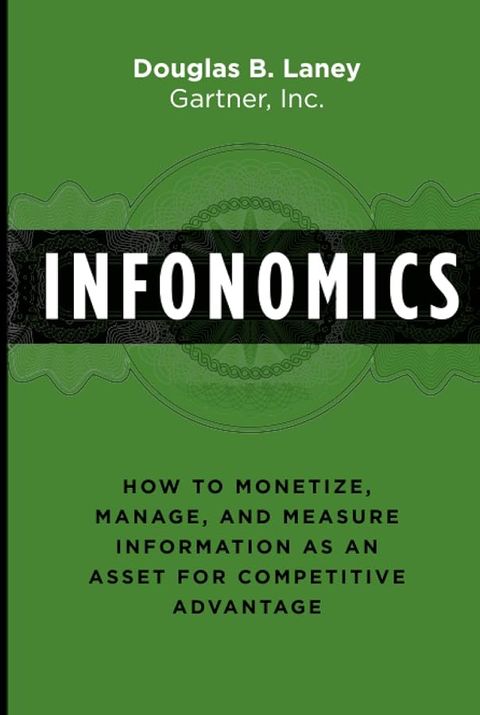
Infonomics
A foundational business framework for treating data as an economic asset, valuable for data strategy despite dense, analyst-style prose.
Editorial score: 68.8/100Amazon, Infonomics (opens Amazon in a new tab) - Rank 418
Super Study Guide
A compact, heavily illustrated primer on Transformers and LLMs from Stanford instructors, well suited to review and interview preparation.
Editorial score: 69.3/100Amazon, Super Study Guide (opens Amazon in a new tab) - Rank 419
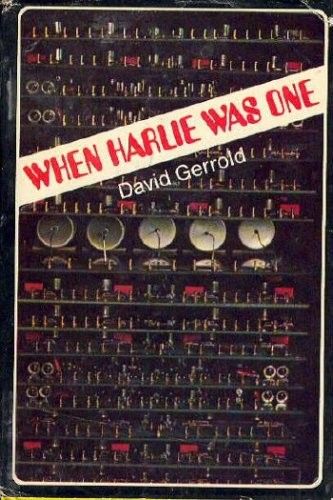
When HARLIE Was One
An early, talky novel about a machine mind fighting its own shutdown, more interesting today for its questions than its 1972 technology.
Editorial score: 61.8/100Amazon, When HARLIE Was One (opens Amazon in a new tab) - Rank 420
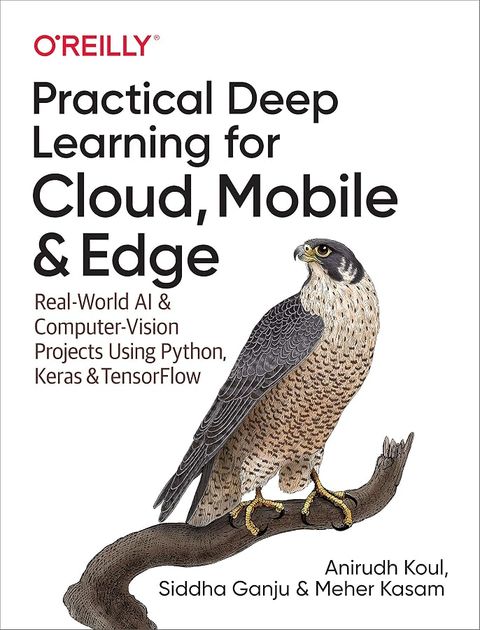
Practical Deep Learning for Cloud, Mobile, and Edge
A hands-on computer vision guide whose deployment lessons hold up, even though its 2019-era Keras and TensorFlow code has aged.
Editorial score: 64.3/100Amazon, Practical Deep Learning for Cloud, Mobile, and Edge (opens Amazon in a new tab) - Rank 421
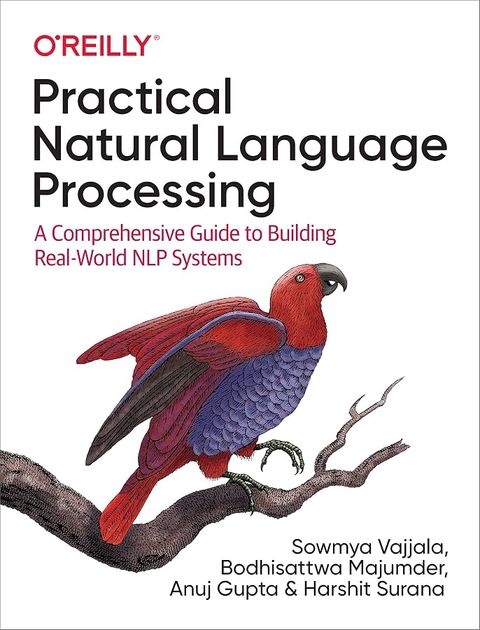
Practical Natural Language Processing
A pragmatic, industry-minded guide to building NLP systems, valuable for its engineering judgment though written before ChatGPT reshaped the field.
Editorial score: 64.8/100Amazon, Practical Natural Language Processing (opens Amazon in a new tab) - Rank 422
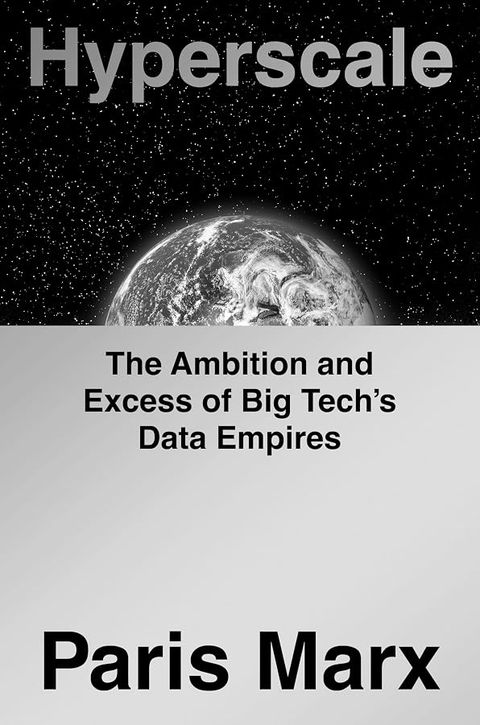
Hyperscale
A deeply reported critique of the AI data-center boom that documents local costs well but argues from a clear advocacy position.
Editorial score: 66.3/100Amazon, Hyperscale (opens Amazon in a new tab) - Rank 423
Working with AI
A grounded casebook showing how AI reshapes jobs task by task, useful for managers despite predating the ChatGPT era.
Editorial score: 66.5/100Amazon, Working with AI (opens Amazon in a new tab) - Rank 424
Modern Computer Vision with PyTorch
A comprehensive, code-heavy tour of computer vision in PyTorch, from first neural networks to CLIP and Stable Diffusion.
Editorial score: 66.6/100Amazon, Modern Computer Vision with PyTorch (opens Amazon in a new tab) - Rank 425
Leading with AI and Analytics
A durable Kellogg playbook that teaches leaders to interrogate analytics, separate prediction from causation and organize data teams for impact.
Editorial score: 69.8/100Amazon, Leading with AI and Analytics (opens Amazon in a new tab) - Rank 426
AI Agents in Action
A hands-on tour of 2024-era agent frameworks, strong on progressive code projects but tied to tools that are already changing.
Editorial score: 59.5/100Amazon, AI Agents in Action (opens Amazon in a new tab) - Rank 427
More Human
A short, research-informed case that leaders should hand routine management to AI and invest the freed time in human qualities.
Editorial score: 64.6/100Amazon, More Human (opens Amazon in a new tab) - Rank 428
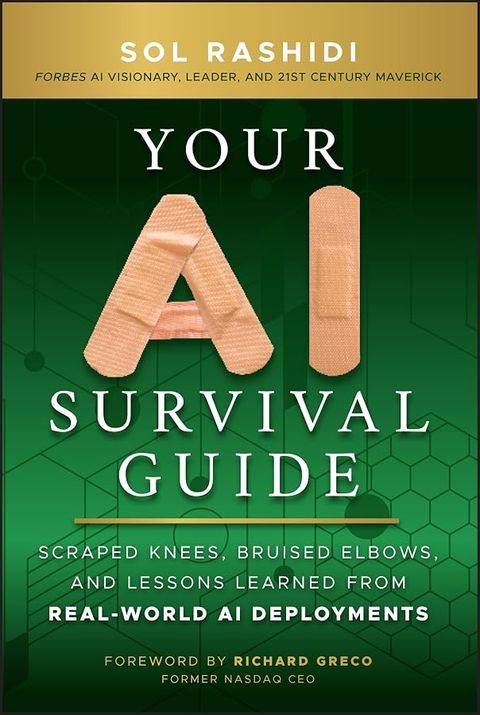
Your AI Survival Guide
A practitioner's field manual for leaders deploying enterprise AI, strong on use-case selection and change management, lighter on technical depth.
Editorial score: 64.8/100Amazon, Your AI Survival Guide (opens Amazon in a new tab) - Rank 429
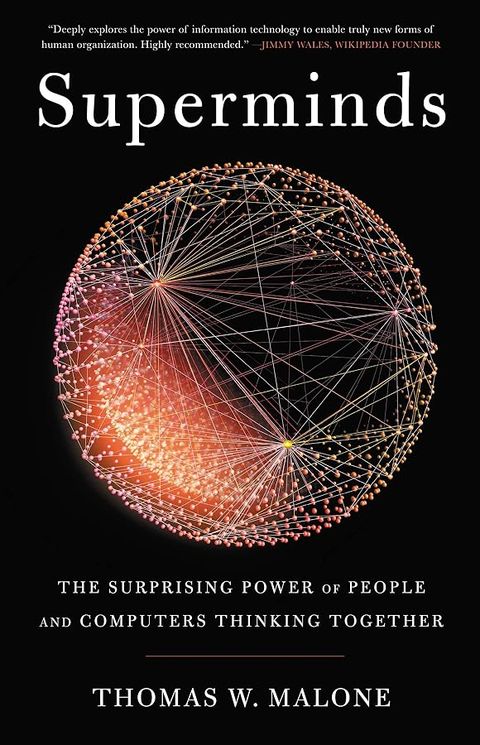
Superminds
A well-informed, optimistic case that AI's largest gains come from smarter groups of people and machines, though light on implementation detail.
Editorial score: 67.6/100Amazon, Superminds (opens Amazon in a new tab) - Rank 430
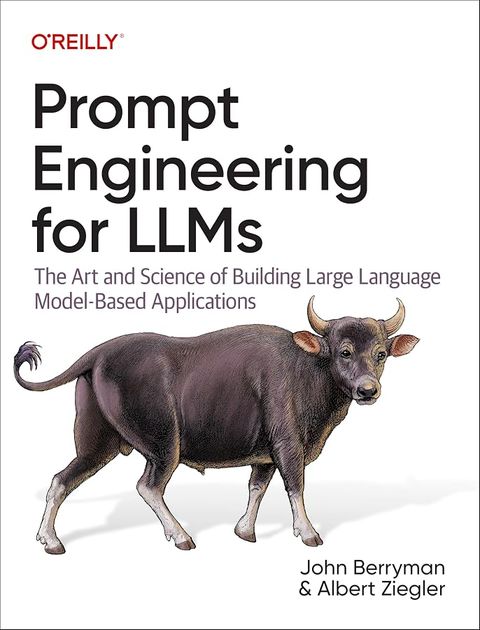
Prompt Engineering for LLMs
A thoughtful engineering guide to building LLM applications from two GitHub Copilot veterans, stronger on durable principles than on current tooling.
Editorial score: 68.6/100Amazon, Prompt Engineering for LLMs (opens Amazon in a new tab) - Rank 431
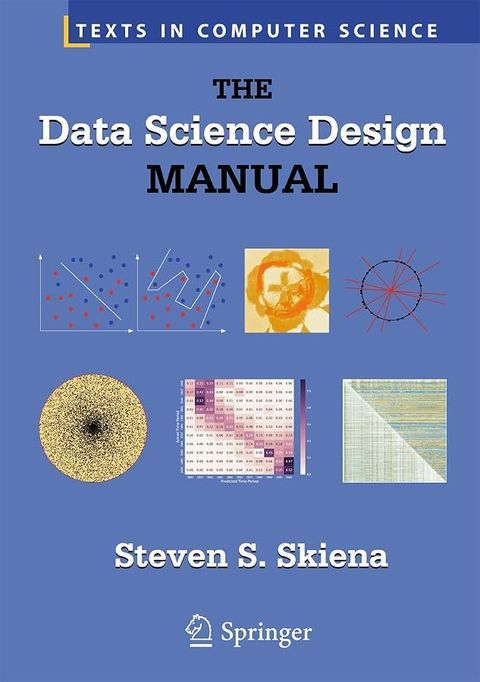
The Data Science Design Manual
A principles-first introduction to data science from an award-winning teacher, valuable for judgment and modeling sense more than tooling.
Editorial score: 69.8/100Amazon, The Data Science Design Manual (opens Amazon in a new tab) - Rank 432
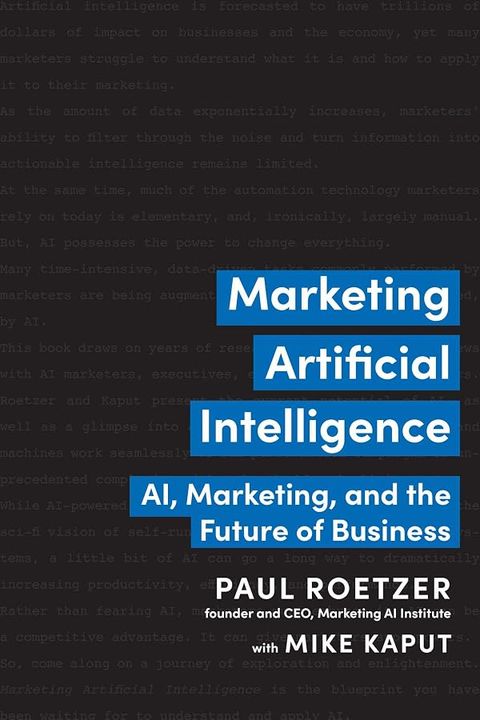
Marketing Artificial Intelligence
A clear, use-case-driven primer for marketers new to AI, though its tool landscape predates ChatGPT and needs updating.
Editorial score: 61.6/100Amazon, Marketing Artificial Intelligence (opens Amazon in a new tab) - Rank 433
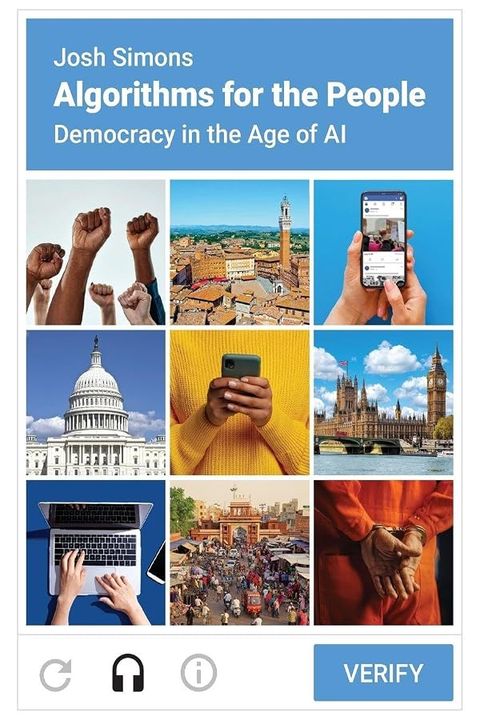
Algorithms for the People
A political theorist's award-winning argument that machine learning's design choices are political and belong under democratic, not merely technical, control.
Editorial score: 63.8/100Amazon, Algorithms for the People (opens Amazon in a new tab) - Rank 434
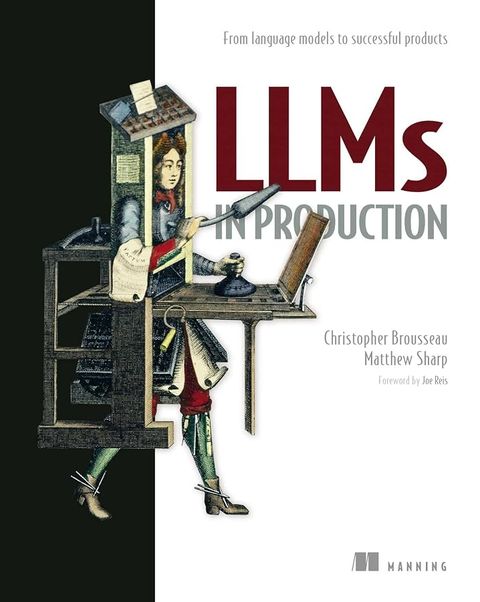
LLMs in Production
A broad engineering guide to taking large language models from prototype to production, strongest on infrastructure, serving and fine-tuning trade-offs.
Editorial score: 65.3/100Amazon, LLMs in Production (opens Amazon in a new tab) - Rank 435
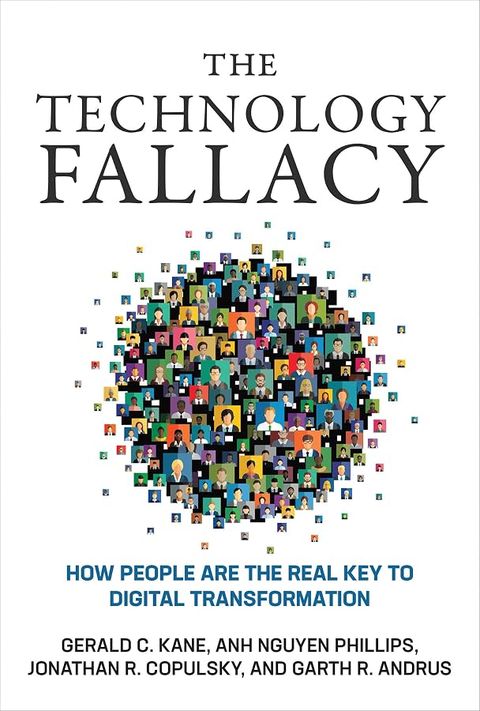
The Technology Fallacy
A research-backed management guide arguing that digital transformation, including AI adoption, succeeds through culture, talent and leadership more than technology.
Editorial score: 65.3/100Amazon, The Technology Fallacy (opens Amazon in a new tab) - Rank 436
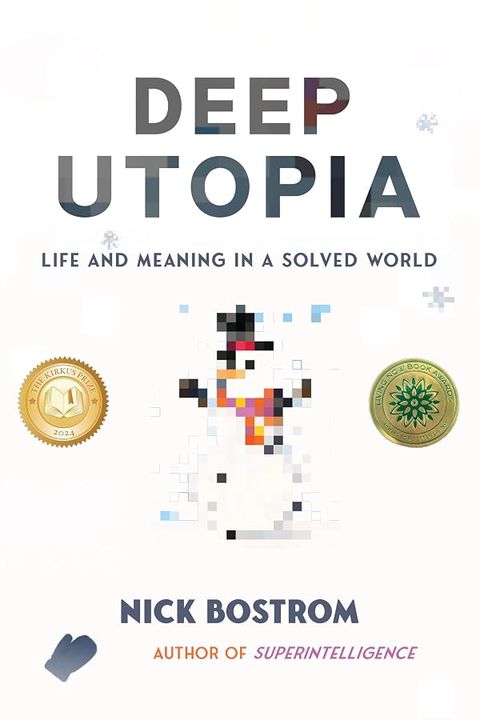
Deep Utopia
Bostrom's strange, demanding sequel to Superintelligence asks what purpose human life would serve once machines solve every practical problem.
Editorial score: 66.8/100Amazon, Deep Utopia (opens Amazon in a new tab) - Rank 437
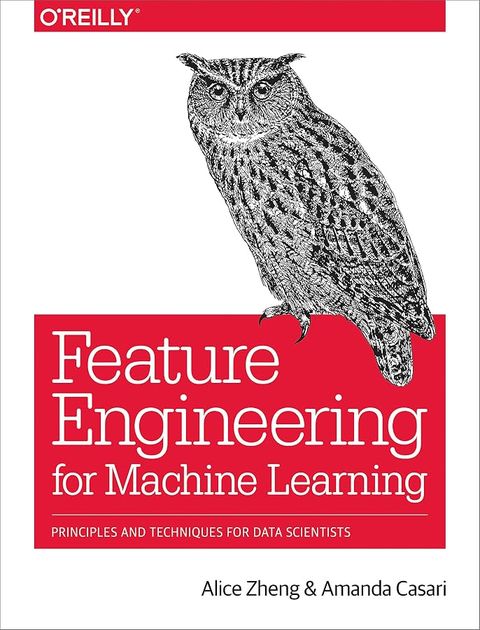
Feature Engineering for Machine Learning
A compact, intuition-first guide to turning raw data into model-ready features, still useful for tabular and text work despite its pre-LLM vintage.
Editorial score: 67.3/100Amazon, Feature Engineering for Machine Learning (opens Amazon in a new tab) - Rank 438
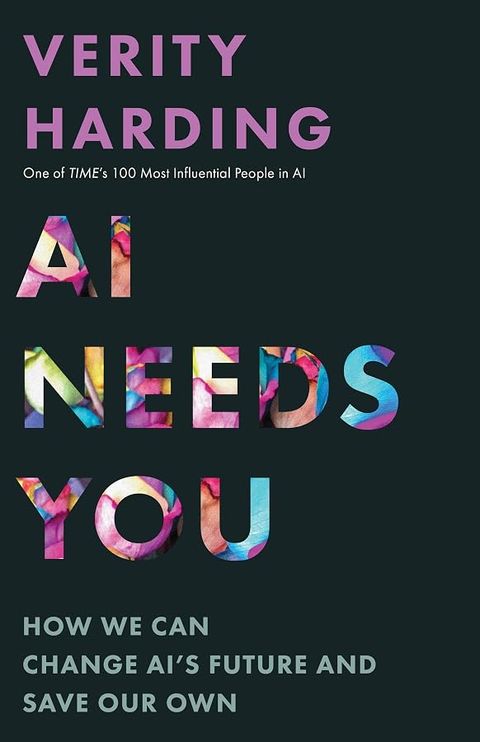
AI Needs You
A policy insider's historically grounded case that democratic choices, not inevitability, should steer AI; persuasive on process, lighter on technical detail.
Editorial score: 68.8/100Amazon, AI Needs You (opens Amazon in a new tab) - Rank 439
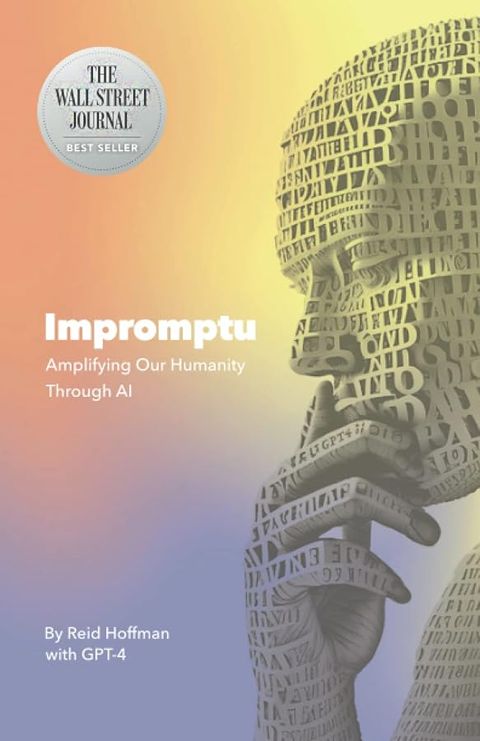
Impromptu
An engaging, optimistic snapshot of GPT-4's arrival from a key AI insider, now more historical document than guide.
Editorial score: 60.0/100Amazon, Impromptu (opens Amazon in a new tab) - Rank 440
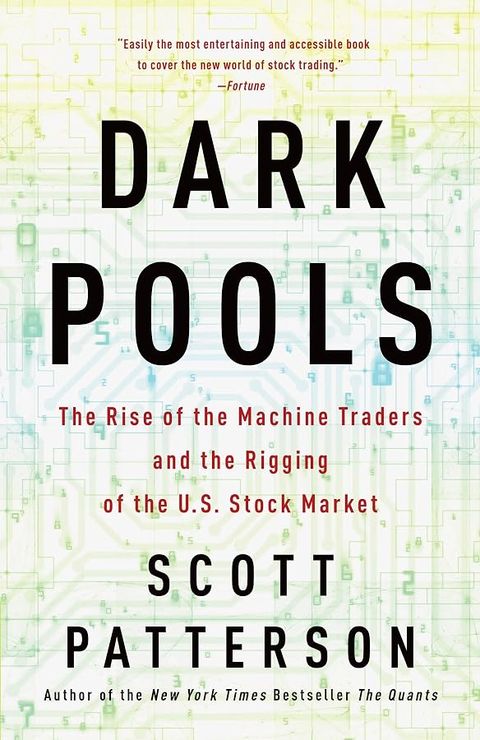
Dark Pools
A vivid, well-reported history of how algorithms took over U.S. stock trading, dated but still illuminating on automated markets.
Editorial score: 60.0/100Amazon, Dark Pools (opens Amazon in a new tab) - Rank 441
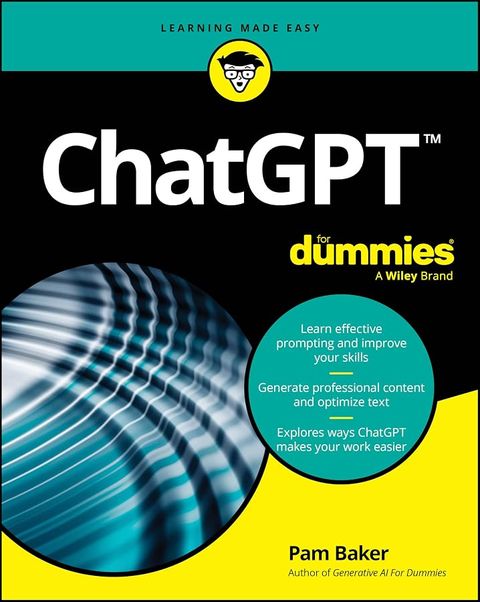
ChatGPT For Dummies
A clear, task-oriented starter manual for ChatGPT whose expanded 2025 edition rewards newcomers but will feel basic to regular users.
Editorial score: 62.1/100Amazon, ChatGPT For Dummies (opens Amazon in a new tab) - Rank 442
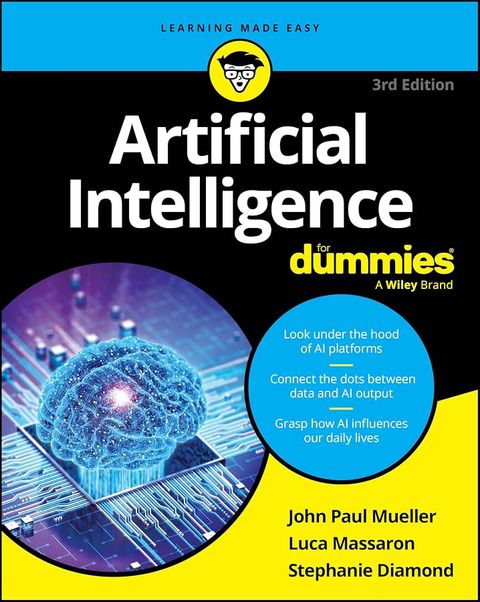
Artificial Intelligence For Dummies
A clear, jargon-light orientation to how AI works and where it appears in daily life, best treated as a first stop.
Editorial score: 62.8/100Amazon, Artificial Intelligence For Dummies (opens Amazon in a new tab) - Rank 443
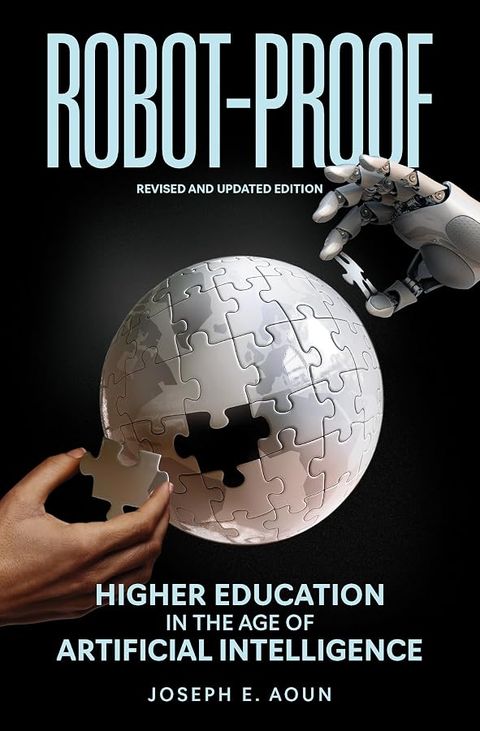
Robot-Proof
A university president's clear case for redesigning higher education around human strengths, stronger on vision than on classroom-level detail.
Editorial score: 68.1/100Amazon, Robot-Proof (opens Amazon in a new tab) - Rank 444
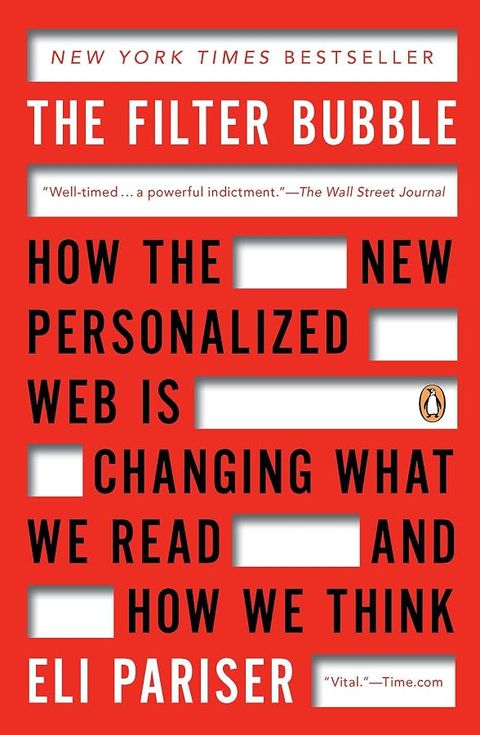
The Filter Bubble
The book that named the filter bubble remains a sharp primer on algorithmic personalization, though later research disputes the effect's strength.
Editorial score: 68.6/100Amazon, The Filter Bubble (opens Amazon in a new tab) - Rank 445
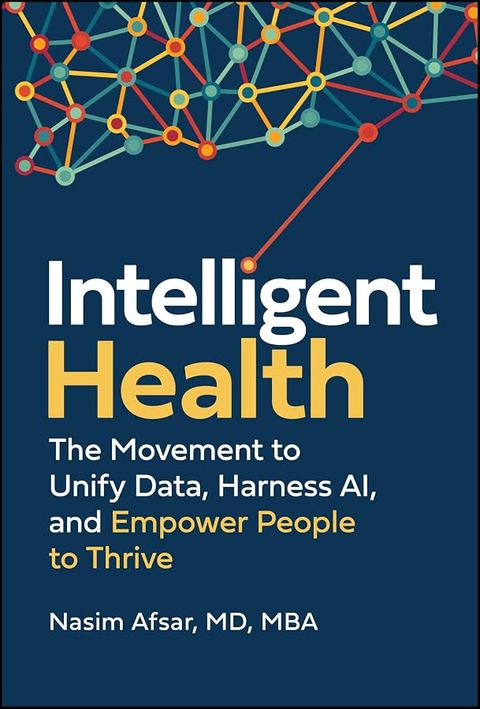
Intelligent Health
A physician-executive's case for unifying personal health data and applying AI to prevention, written for leaders redesigning care.
Editorial score: 62.0/100Amazon, Intelligent Health (opens Amazon in a new tab) - Rank 446
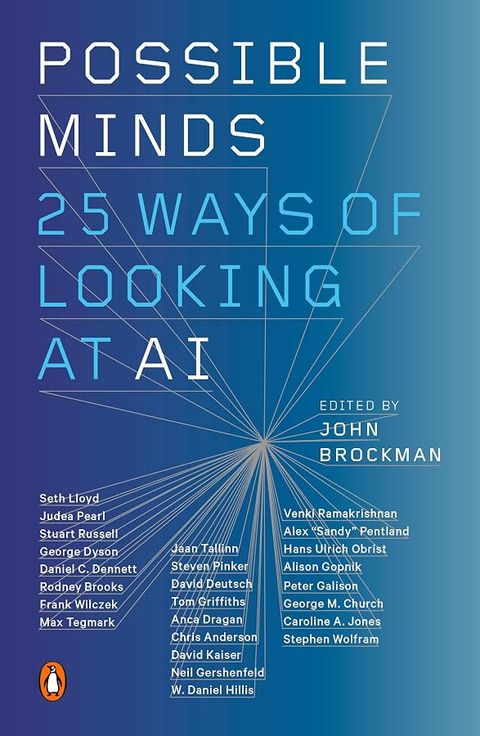
Possible Minds
A wide-ranging 2019 anthology of leading scientists on AI's promise and peril, valuable for perspective though dated on technology.
Editorial score: 63.0/100Amazon, Possible Minds (opens Amazon in a new tab) - Rank 447
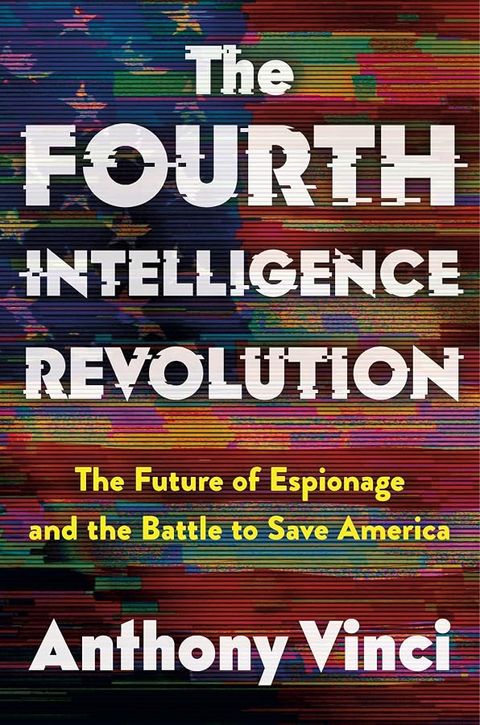
The Fourth Intelligence Revolution
A former intelligence technologist's urgent, readable case that AI and China are remaking espionage, more persuasive on diagnosis than on remedies.
Editorial score: 67.6/100Amazon, The Fourth Intelligence Revolution (opens Amazon in a new tab) - Rank 448
Digital Transformation
A clear executive primer on cloud, big data, AI and IoT, though its C3.ai-centered examples and 2019 vantage now show their age.
Editorial score: 63.3/100Amazon, Digital Transformation (opens Amazon in a new tab) - Rank 449
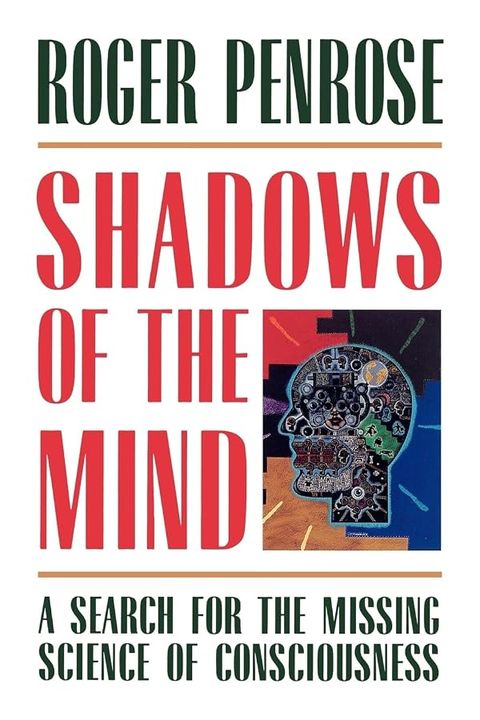
Shadows of the Mind
A Nobel physicist's rigorous, contested argument that conscious understanding is noncomputable, demanding reading that remains central to debates over machine minds.
Editorial score: 63.3/100Amazon, Shadows of the Mind (opens Amazon in a new tab) - Rank 450
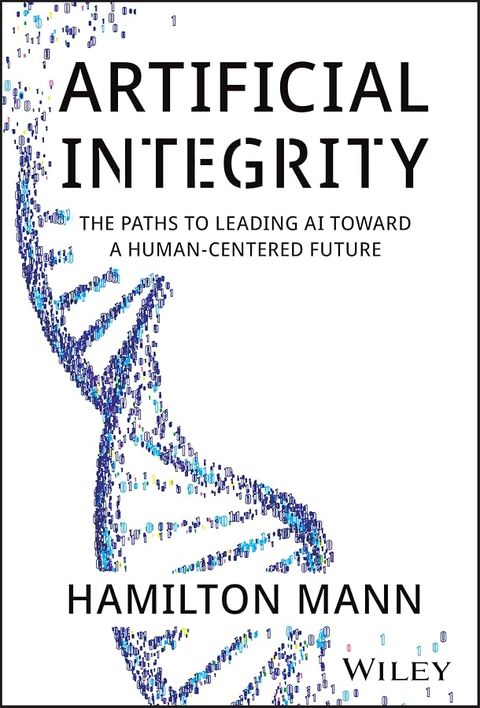
Artificial Integrity
A conceptual executive framework for building AI that upholds human values by design, more useful for framing governance than for engineering it.
Editorial score: 65.6/100Amazon, Artificial Integrity (opens Amazon in a new tab) - Rank 451
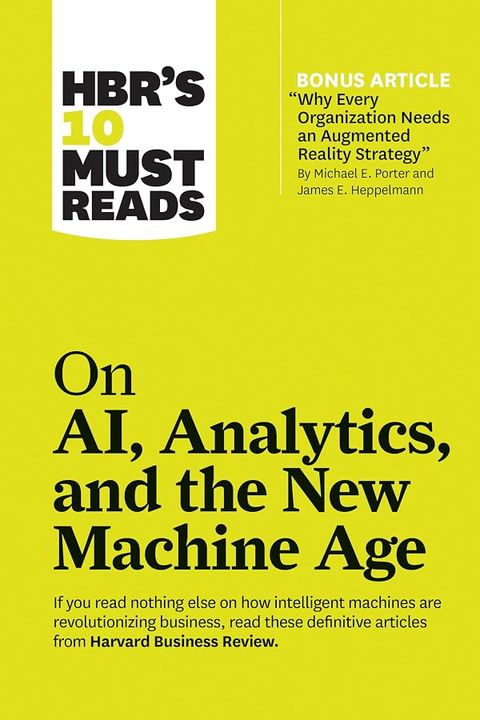
HBR's 10 Must Reads on AI, Analytics, and the New Machine Age
A compact anthology of influential late-2010s HBR articles that frames AI adoption well but predates generative AI entirely.
Editorial score: 65.5/100Amazon, HBR's 10 Must Reads on AI, Analytics, and the New Machine Age (opens Amazon in a new tab) - Rank 452
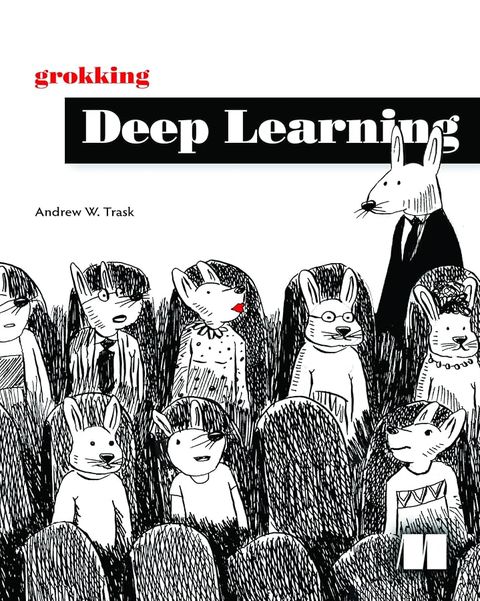
Grokking Deep Learning
A hands-on, framework-free introduction that builds neural networks from scratch in NumPy so readers understand every moving part.
Editorial score: 66.0/100Amazon, Grokking Deep Learning (opens Amazon in a new tab) - Rank 453
Responsible AI
A practical, framework-driven playbook for turning AI ethics principles into an organizational strategy, written for business leaders rather than philosophers.
Editorial score: 66.3/100Amazon, Responsible AI (opens Amazon in a new tab) - Rank 454
Generative AI
A brisk anthology of Harvard Business Review articles that orients managers on generative AI, though its 2023 vantage point shows.
Editorial score: 57.3/100Amazon, Generative AI (opens Amazon in a new tab) - Rank 455
Audacious
A lively marketing playbook that treats AI as the backdrop and human creativity, awe and storytelling as the competitive edge.
Editorial score: 60.8/100Amazon, Audacious (opens Amazon in a new tab) - Rank 456
The Art of AI Product Development
A structured, end-to-end guide for product teams turning predictive and generative AI into products that users trust and adopt.
Editorial score: 65.3/100Amazon, The Art of AI Product Development (opens Amazon in a new tab) - Rank 457
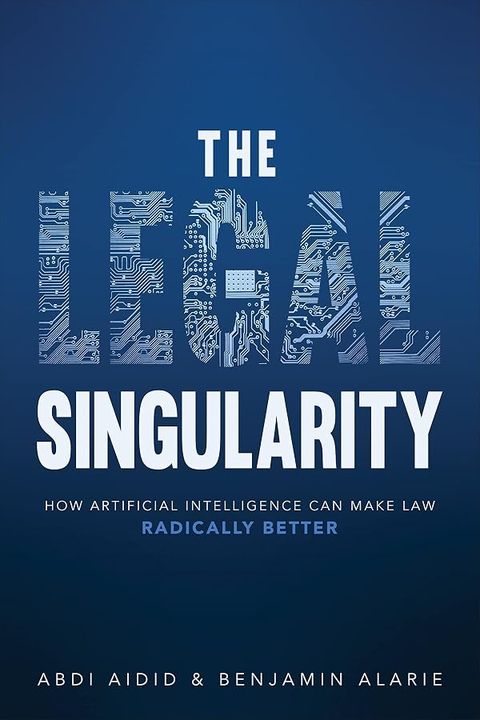
The Legal Singularity
A clear, optimistic argument that AI legal prediction will make law knowable and fair, from two scholars who built such tools.
Editorial score: 65.6/100Amazon, The Legal Singularity (opens Amazon in a new tab) - Rank 458
Global Catastrophic Risks
The first major edited survey of civilization-scale threats, notable for an early AI-risk chapter, now read mainly for its framing and history.
Editorial score: 66.3/100Amazon, Global Catastrophic Risks (opens Amazon in a new tab) - Rank 459
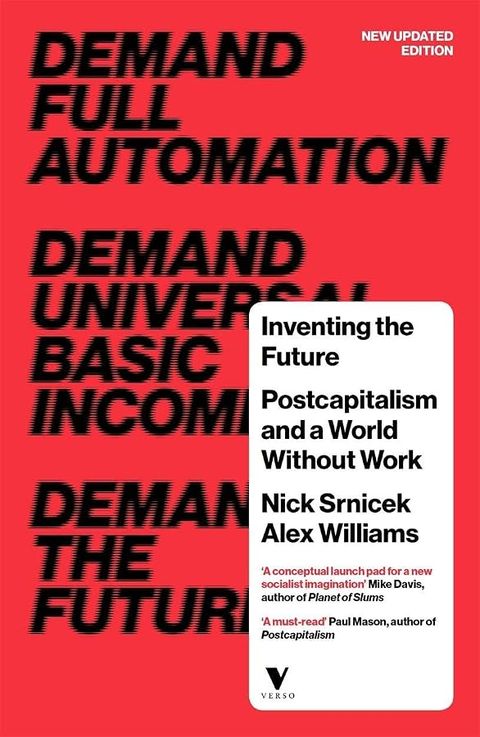
Inventing the Future
An influential left-wing manifesto for full automation, a shorter workweek and basic income that frames today's post-work debates.
Editorial score: 67.3/100Amazon, Inventing the Future (opens Amazon in a new tab) - Rank 460
Software
A wild, funny founding cyberpunk novel that treats mind uploading and machine evolution with real philosophical curiosity.
Editorial score: 67.3/100Amazon, Software (opens Amazon in a new tab) - Rank 461
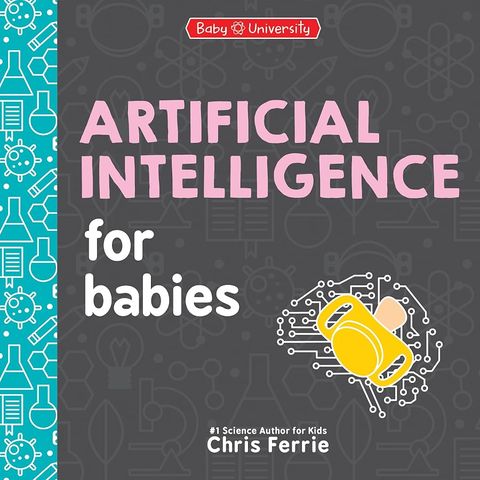
Artificial Intelligence for Babies
A charming 24-page board book that plants first AI vocabulary for toddlers, though parents will supply most of the meaning.
Editorial score: 57.8/100Amazon, Artificial Intelligence for Babies (opens Amazon in a new tab) - Rank 462
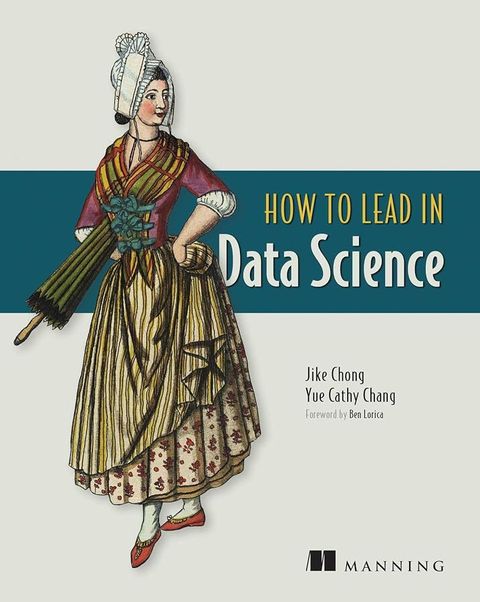
How to Lead in Data Science
A thorough, framework-driven career manual for data scientists moving from tech lead to executive, dense but highly practical.
Editorial score: 66.3/100Amazon, How to Lead in Data Science (opens Amazon in a new tab) - Rank 463
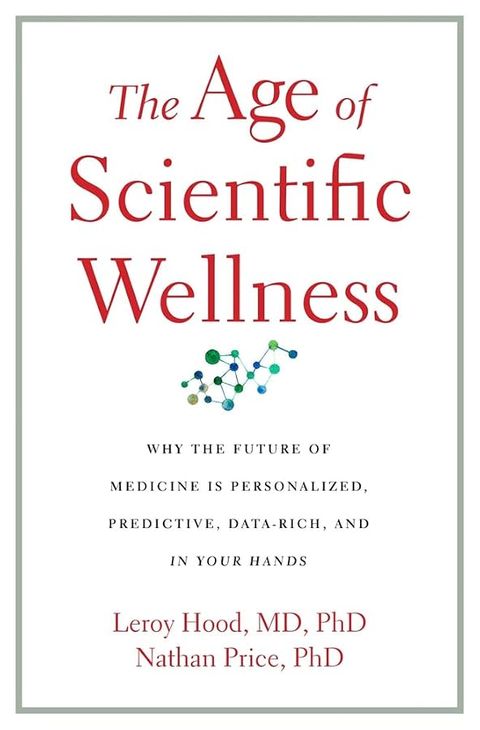
The Age of Scientific Wellness
An optimistic, expert case for data-rich preventive medicine powered by AI, though readers should note the authors' commercial interests.
Editorial score: 66.3/100Amazon, The Age of Scientific Wellness (opens Amazon in a new tab) - Rank 464
We Have Been Harmonized
Vivid, deeply reported journalism on how China fuses AI, data and surveillance into a system of political control.
Editorial score: 66.3/100Amazon, We Have Been Harmonized (opens Amazon in a new tab) - Rank 465
The Smart Enough City
A persuasive, case-rich argument that city governments should set policy goals first and adopt data and algorithms only in their service.
Editorial score: 67.5/100Amazon, The Smart Enough City (opens Amazon in a new tab) - Rank 466
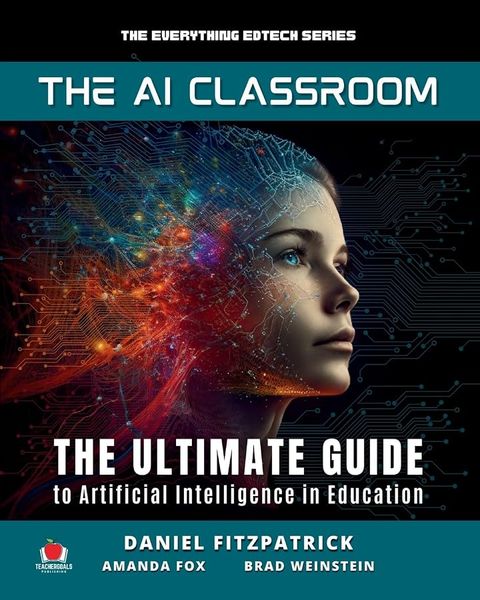
The AI Classroom
A practical, fast-moving teacher's handbook from the first ChatGPT year, strongest on prompting and time-saving routines, weaker on durability.
Editorial score: 59.8/100Amazon, The AI Classroom (opens Amazon in a new tab) - Rank 467
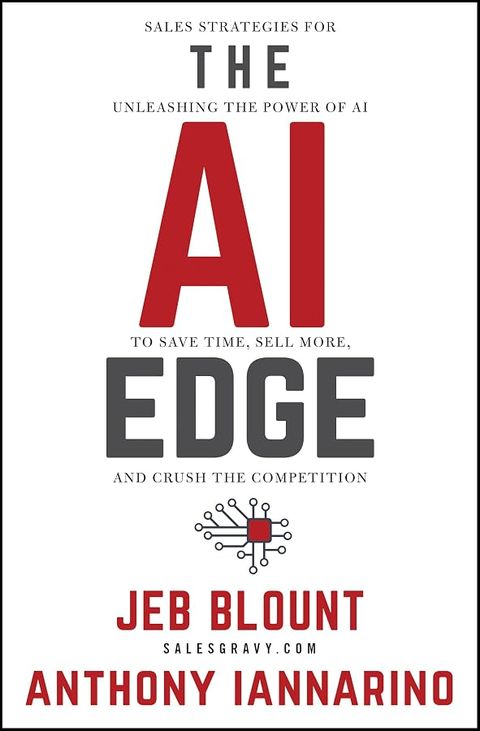
The AI Edge
A practical playbook for sellers that shows where AI saves hours and where human relationships still decide the deal.
Editorial score: 62.6/100Amazon, The AI Edge (opens Amazon in a new tab) - Rank 468
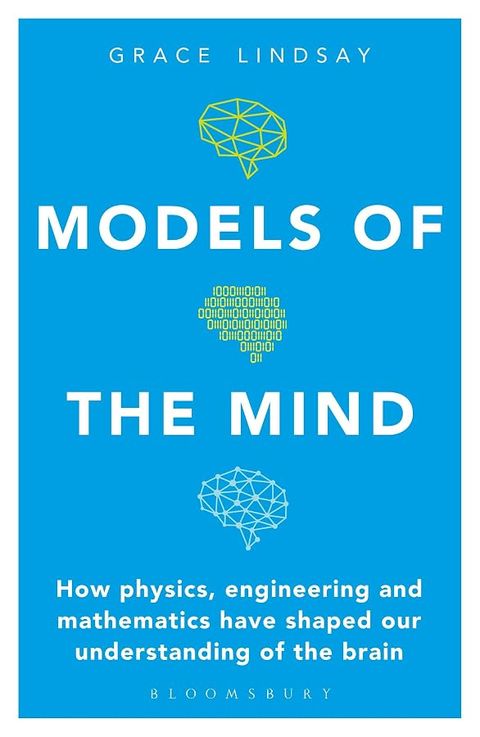
Models of the Mind
An engaging, nearly equation-free history of how mathematical models illuminate the brain, with clear links to artificial neural networks.
Editorial score: 65.3/100Amazon, Models of the Mind (opens Amazon in a new tab) - Rank 469
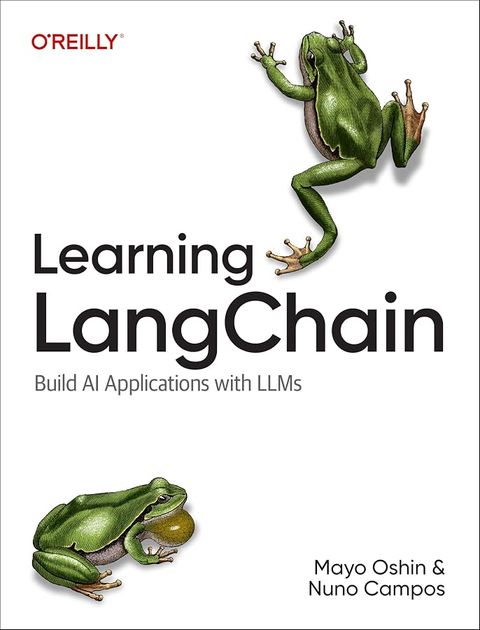
Learning LangChain
A clear, code-first introduction to RAG and LangGraph agents, co-written by LangGraph's creator, though fast-moving APIs date some examples.
Editorial score: 65.3/100Amazon, Learning LangChain (opens Amazon in a new tab) - Rank 470
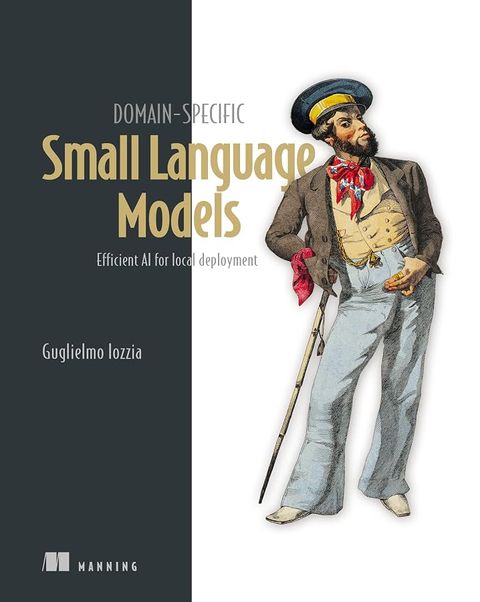
Domain-Specific Small Language Models
A timely, hands-on guide to fine-tuning, quantizing and running small specialized language models on modest hardware, written by an industry practitioner.
Editorial score: 65.5/100Amazon, Domain-Specific Small Language Models (opens Amazon in a new tab) - Rank 471
Searches
A formally inventive essay collection that examines Big Tech and generative AI through one writer's life, more personal meditation than policy argument.
Editorial score: 66.5/100Amazon, Searches (opens Amazon in a new tab) - Rank 472
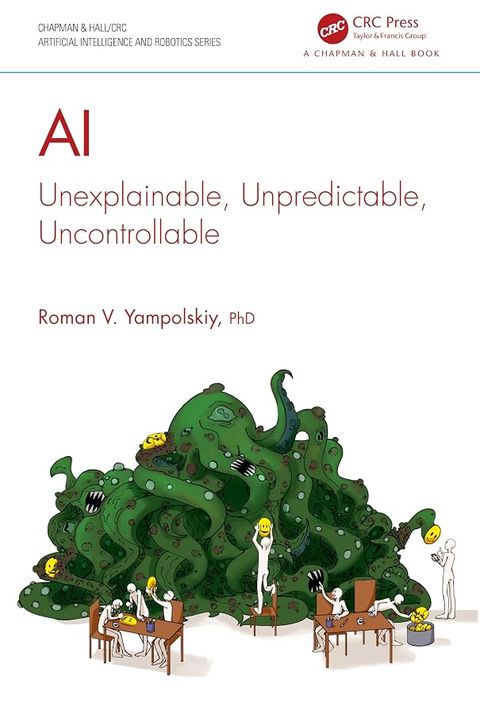
AI
A systematic catalog of arguments that advanced AI cannot be controlled, strongest as a literature survey and most contested in its pessimism.
Editorial score: 66.8/100Amazon, AI (opens Amazon in a new tab) - Rank 473
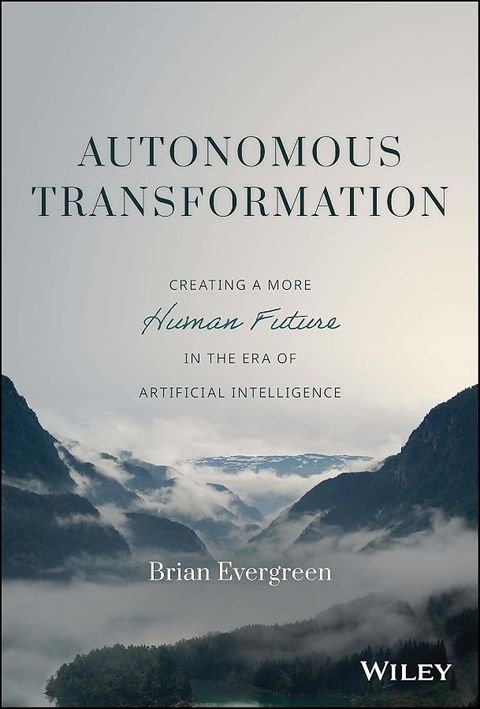
Autonomous Transformation
A thoughtful management framework for human-centered AI adoption, stronger on mindset and decision-making than on implementation detail.
Editorial score: 57.5/100Amazon, Autonomous Transformation (opens Amazon in a new tab) - Rank 474
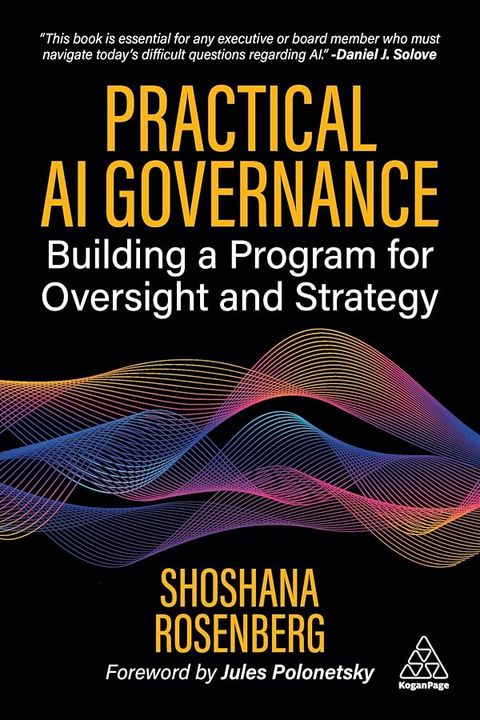
Practical AI Governance
A practitioner's blueprint for building enterprise AI oversight on existing risk and privacy programs, detailed and current, best for governance leads.
Editorial score: 67.3/100Amazon, Practical AI Governance (opens Amazon in a new tab) - Rank 475
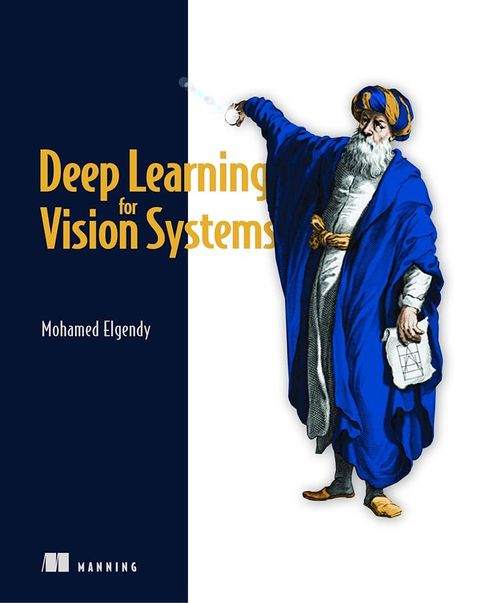
Deep Learning for Vision Systems
A clearly illustrated, Keras-based course in convolutional networks and object detection that teaches vision fundamentals well but predates transformers.
Editorial score: 62.3/100Amazon, Deep Learning for Vision Systems (opens Amazon in a new tab) - Rank 476
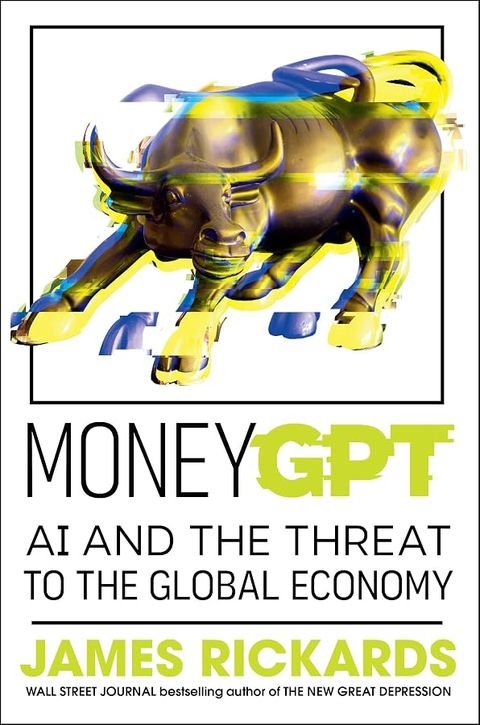
MoneyGPT
A sharp, contrarian warning about AI-driven market contagion and escalation risk, more persuasive on market dynamics than on AI technology itself.
Editorial score: 62.8/100Amazon, MoneyGPT (opens Amazon in a new tab) - Rank 477
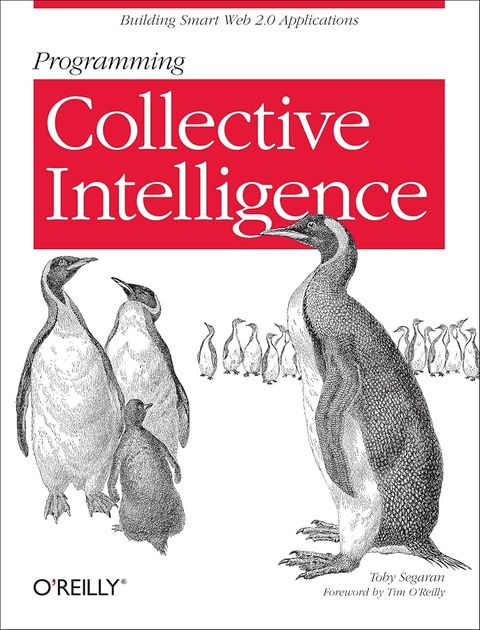
Programming Collective Intelligence
An influential introduction to applied machine learning in Python whose algorithms still teach well, though its code and data sources have aged.
Editorial score: 63.1/100Amazon, Programming Collective Intelligence (opens Amazon in a new tab) - Rank 478
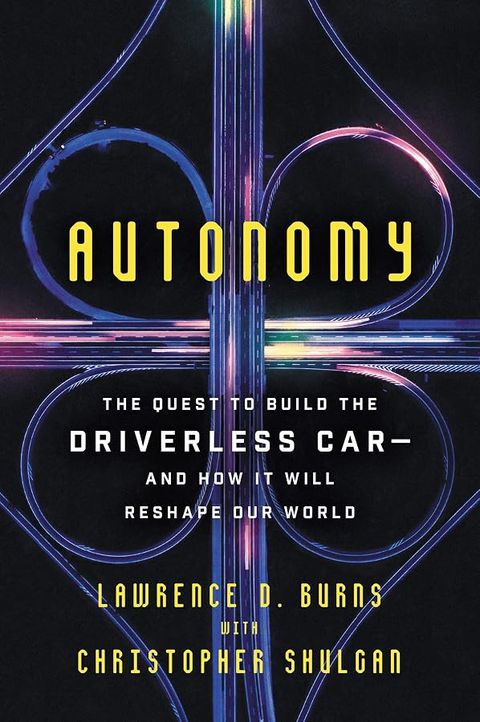
Autonomy
An insider's lively history of the self-driving car race, valuable for its access but more advocate than neutral observer.
Editorial score: 60.8/100Amazon, Autonomy (opens Amazon in a new tab) - Rank 479
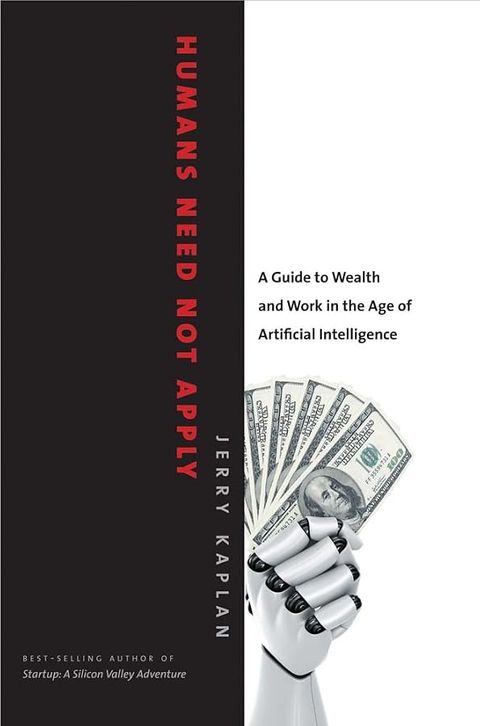
Humans Need Not Apply
A clear, early warning that AI could concentrate wealth, paired with market-based policy ideas that still merit debate.
Editorial score: 62.3/100Amazon, Humans Need Not Apply (opens Amazon in a new tab) - Rank 480
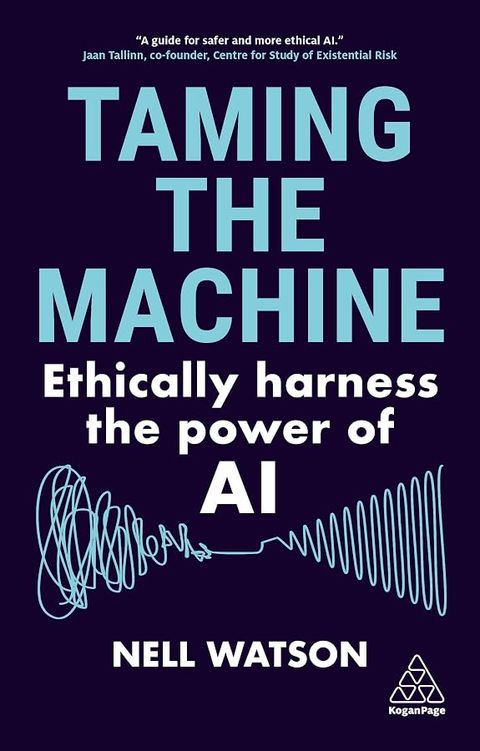
Taming the Machine
A broad, well-organized survey of AI ethics and governance that gives managers a working vocabulary rather than deep technical or legal detail.
Editorial score: 64.8/100Amazon, Taming the Machine (opens Amazon in a new tab) - Rank 481
Artificial Intelligence
A compact 2019 anthology of HBR's early AI thinking whose management frameworks hold up better than its pre-ChatGPT view of technology.
Editorial score: 59.8/100Amazon, Artificial Intelligence (opens Amazon in a new tab) - Rank 482
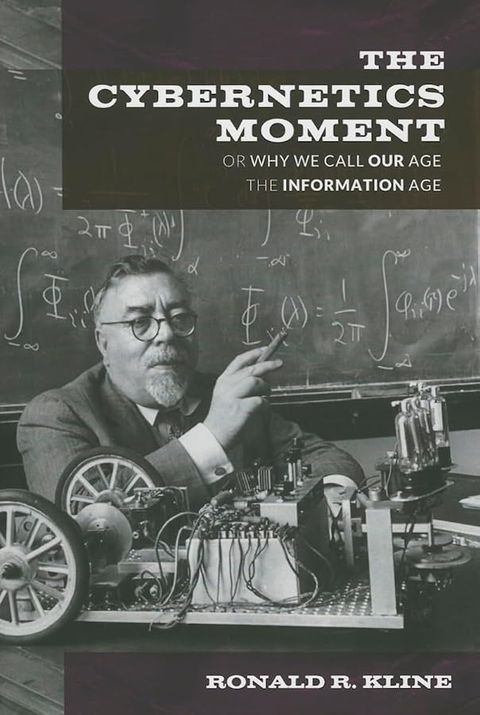
The Cybernetics Moment
A deeply researched academic history of cybernetics and information theory that traces the origins of AI's founding vocabulary.
Editorial score: 64.3/100Amazon, The Cybernetics Moment (opens Amazon in a new tab) - Rank 483
Agentic Architectural Patterns for Building Multi-Agent Systems
An enterprise pattern catalog for production multi-agent systems from Google practitioners, thorough and practical but closely tied to Google's ADK.
Editorial score: 65.0/100Amazon, Agentic Architectural Patterns for Building Multi-Agent Systems (opens Amazon in a new tab) - Rank 484
Generative AI in Practice
A broad, readable catalog of generative AI use cases across industries, useful for orientation but thin on analysis and quickly dating.
Editorial score: 59.3/100Amazon, Generative AI in Practice (opens Amazon in a new tab) - Rank 485
The AI Marketing Canvas
A clear, staged roadmap for marketing leaders adopting AI, strongest on sequencing and organization, lighter on technical depth.
Editorial score: 65.6/100Amazon, The AI Marketing Canvas (opens Amazon in a new tab) - Rank 486
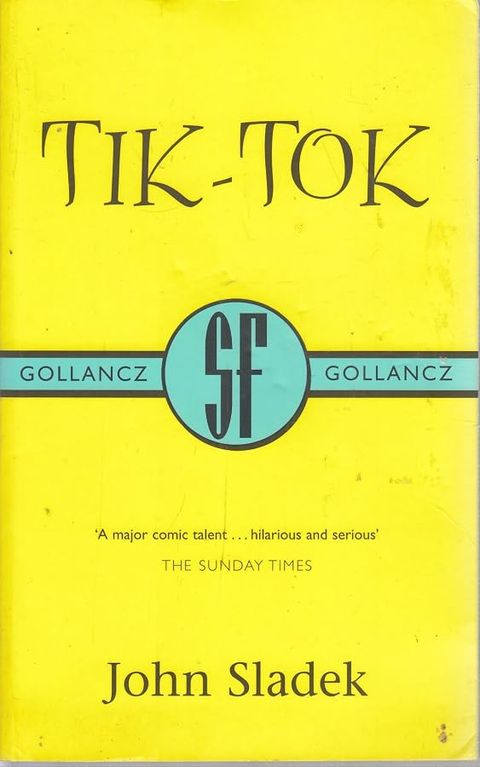
Tik-Tok
A savage, darkly comic satire that uses a murderous robot to puncture the idea that ethics can simply be programmed.
Editorial score: 61.8/100Amazon, Tik-Tok (opens Amazon in a new tab) - Rank 487
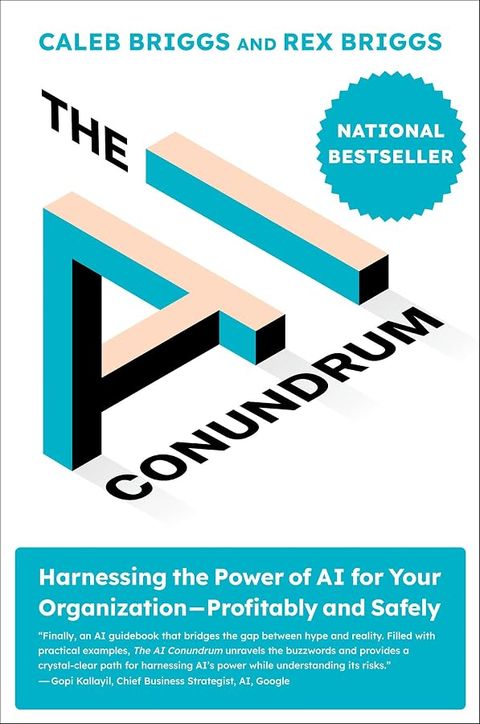
The AI Conundrum
A sober, case-driven business primer that teaches leaders when AI's pattern-finding helps and when it misleads.
Editorial score: 62.8/100Amazon, The AI Conundrum (opens Amazon in a new tab) - Rank 488
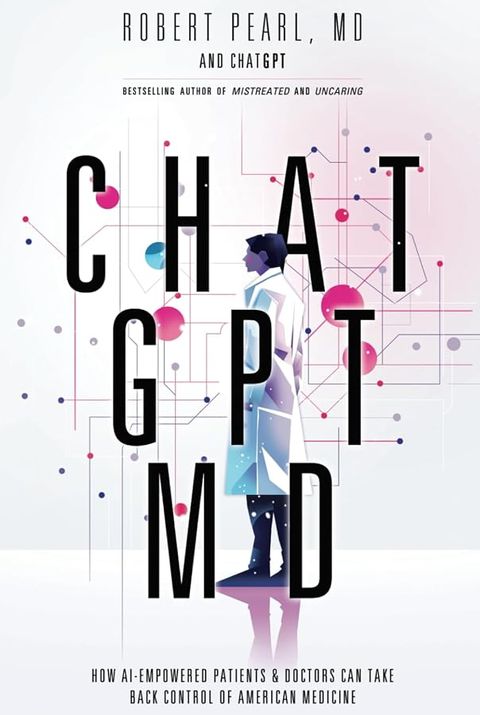
ChatGPT, MD
A veteran health-system leader's optimistic, readable case for generative AI in medicine, stronger on vision than on evidence.
Editorial score: 59.3/100Amazon, ChatGPT, MD (opens Amazon in a new tab) - Rank 489
The Silver Metal Lover
A lyrical 1981 romance between a sheltered girl and a robot musician that anticipates today's questions about companion AI.
Editorial score: 64.8/100Amazon, The Silver Metal Lover (opens Amazon in a new tab) - Rank 490
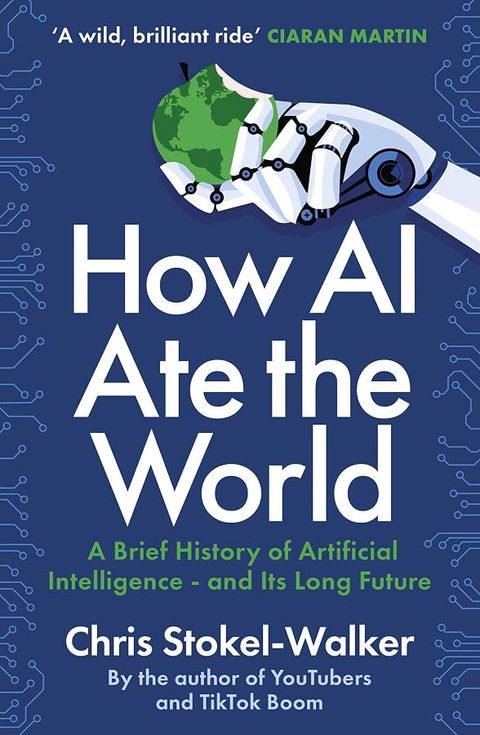
How AI Ate the World
A brisk, well-organized primer on AI's history and present controversies, best suited to newcomers rather than specialists.
Editorial score: 60.3/100Amazon, How AI Ate the World (opens Amazon in a new tab) - Rank 491
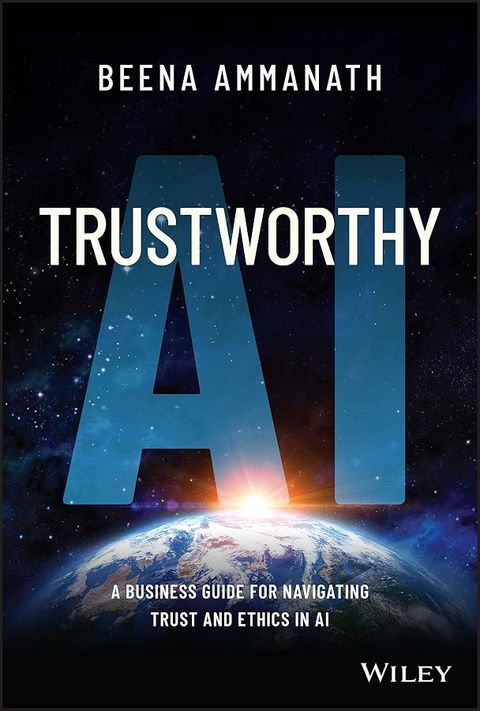
Trustworthy AI
A clear, well-organized primer that turns abstract AI ethics principles into business questions leaders can put to their teams.
Editorial score: 63.8/100Amazon, Trustworthy AI (opens Amazon in a new tab) - Rank 492
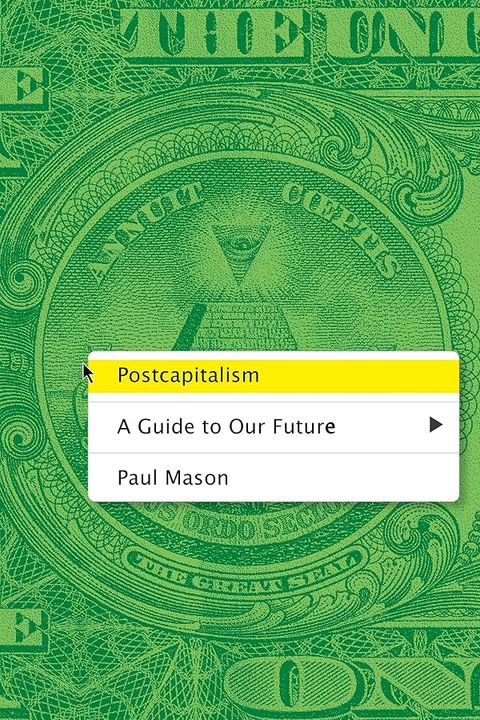
PostCapitalism
A provocative, widely debated Marxist-influenced argument that information technology is eroding capitalism, stronger as a spur to thinking than as a forecast.
Editorial score: 62.1/100Amazon, PostCapitalism (opens Amazon in a new tab) - Rank 493
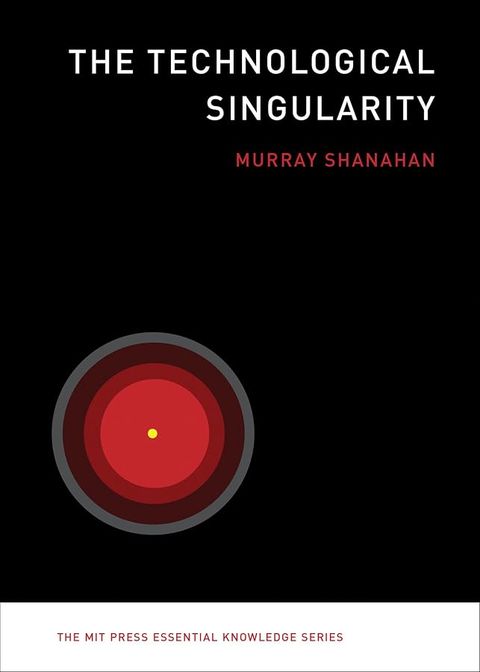
The Technological Singularity
A compact, evenhanded tour of routes to superintelligence that still frames the stakes clearly, though its technical examples predate the LLM era.
Editorial score: 63.5/100Amazon, The Technological Singularity (opens Amazon in a new tab) - Rank 494
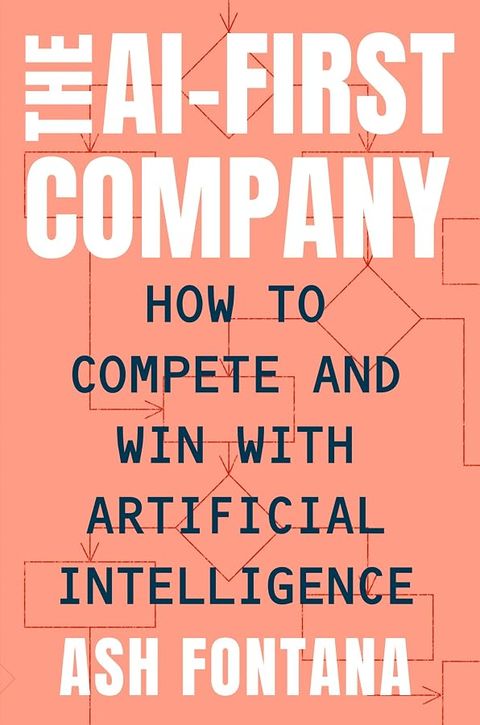
The AI-First Company
An investor's playbook for building compounding data advantages, strongest on strategy concepts and weaker on current generative-AI realities.
Editorial score: 60.5/100Amazon, The AI-First Company (opens Amazon in a new tab) - Rank 495
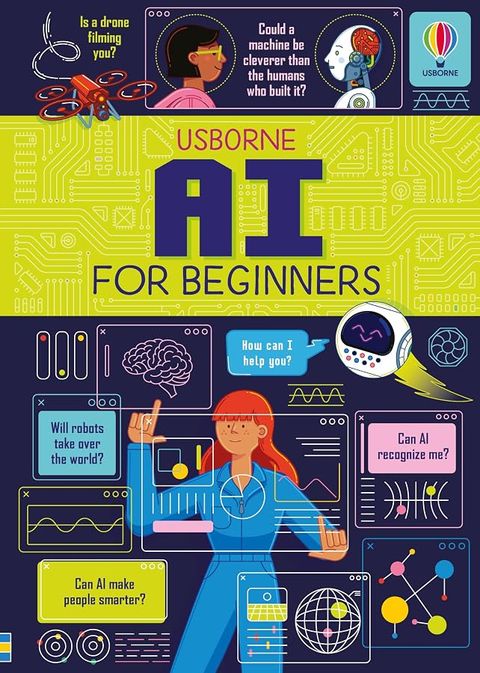
AI for Beginners
A lively, well-designed introduction for readers aged 10 and older that explains how AI works and raises questions worth debating.
Editorial score: 62.8/100Amazon, AI for Beginners (opens Amazon in a new tab) - Rank 496
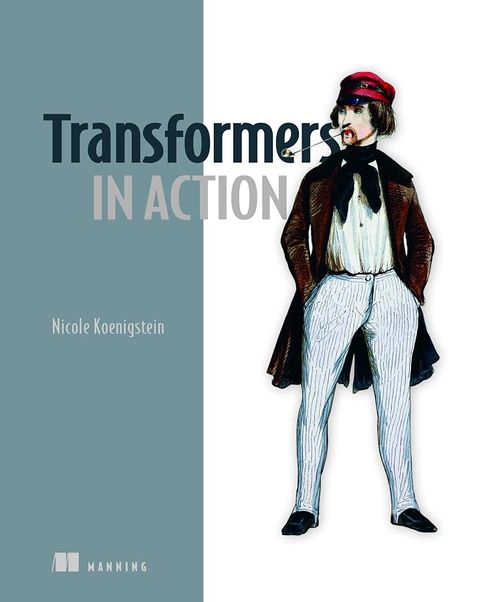
Transformers in Action
A code-forward guide to transformers and LLM adaptation that covers wide ground in 256 pages, occasionally at the expense of depth.
Editorial score: 63.1/100Amazon, Transformers in Action (opens Amazon in a new tab) - Rank 497
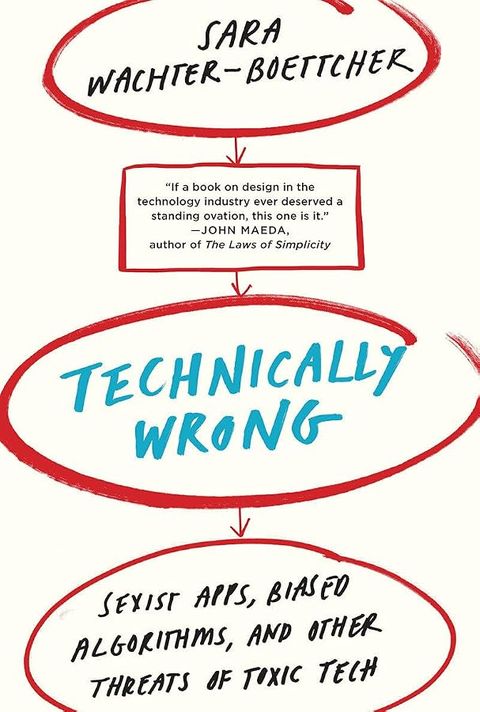
Technically Wrong
An accessible, example-rich indictment of biased product design that remains a useful primer, though its 2017 cases predate generative AI.
Editorial score: 63.0/100Amazon, Technically Wrong (opens Amazon in a new tab) - Rank 498
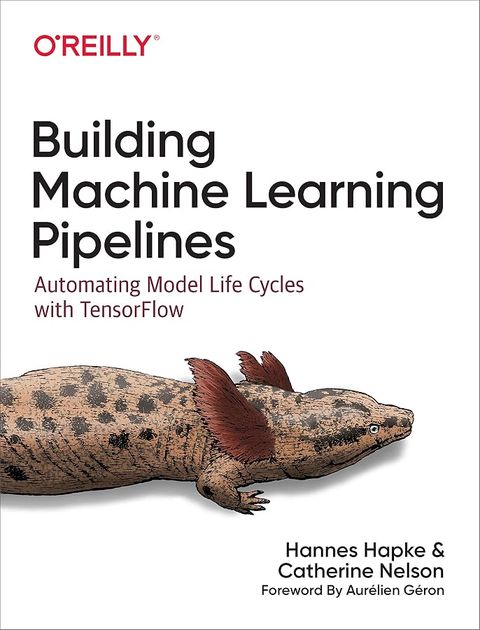
Building Machine Learning Pipelines
A clear, end-to-end walkthrough of production ML pipelines on TensorFlow Extended; its principles endure, but its tooling has aged.
Editorial score: 62.3/100Amazon, Building Machine Learning Pipelines (opens Amazon in a new tab) - Rank 499
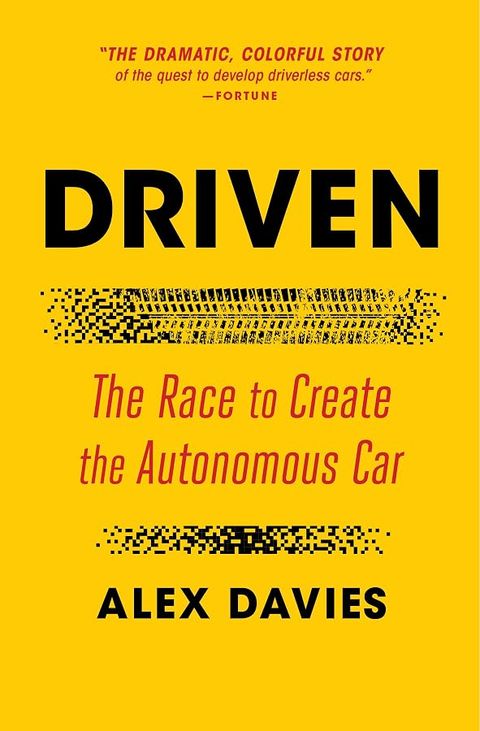
Driven
A brisk, well-reported history of the self-driving car's first two decades, strongest on DARPA's desert races and the Google-Uber feud.
Editorial score: 59.1/100Amazon, Driven (opens Amazon in a new tab) - Rank 500
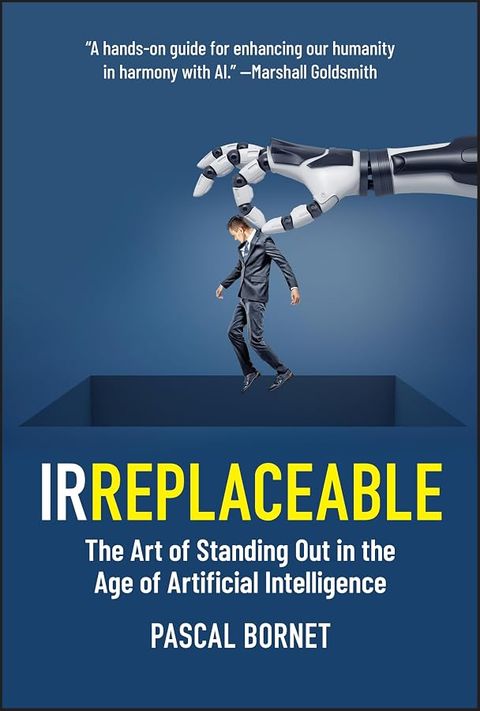
Irreplaceable
A readable career and leadership guide to staying valuable alongside AI, more motivational framework than evidence-heavy analysis.
Editorial score: 61.4/100Amazon, Irreplaceable (opens Amazon in a new tab)