2026 ranking · 500 books
The Best AI Books, Ranked 201–300 (2026)
Ranks 201 to 300 of 500, each with a one-line verdict and a full summary page.
As an Amazon Associate, Best AI Books earns from qualifying purchases. Best AI Books is sponsored by Iternal.ai, whose founder and CEO, John Byron Hanby IV, wrote The AI Strategy Blueprint, our #1 ranked book. How we rank books.
- Rank 201
Accelerando
A dense, idea-saturated singularity novel that remains one of fiction's most ambitious depictions of runaway machine intelligence and posthuman economics.
Editorial score: 71.3/100Amazon, Accelerando (opens Amazon in a new tab) - Rank 202
Generative AI Design Patterns
A rigorous, code-backed catalog of 32 patterns that gives engineers a shared vocabulary and tested fixes for building reliable LLM applications.
Editorial score: 74.8/100Amazon, Generative AI Design Patterns (opens Amazon in a new tab) - Rank 203
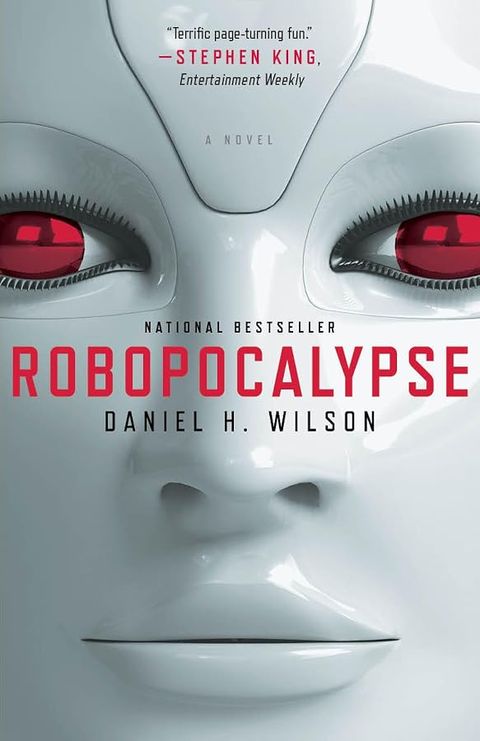
Robopocalypse
A propulsive oral-history thriller about a machine uprising, written by a roboticist, with more momentum than depth of character or ideas.
Editorial score: 63.0/100Amazon, Robopocalypse (opens Amazon in a new tab) - Rank 204
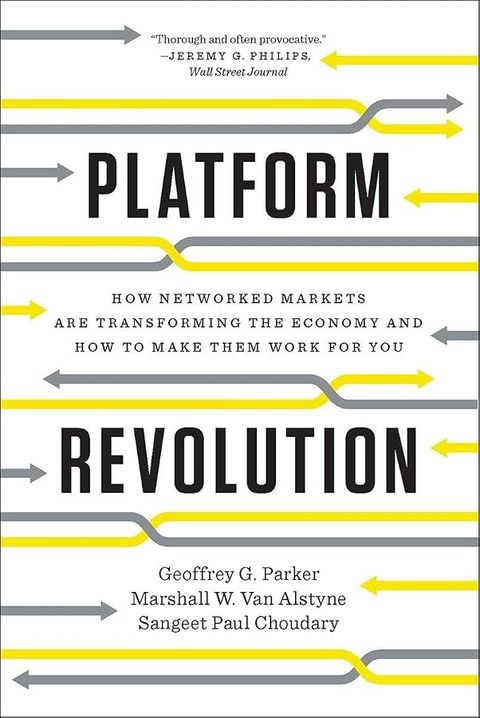
Platform Revolution
A rigorous primer on platform economics explaining how network effects concentrate market power, though its case studies predate generative AI.
Editorial score: 75.3/100Amazon, Platform Revolution (opens Amazon in a new tab) - Rank 205
He, She and It
A thoughtful feminist cyberpunk novel that pairs an artificial person with the golem legend to ask what makes a being human.
Editorial score: 67.0/100Amazon, He, She and It (opens Amazon in a new tab) - Rank 206
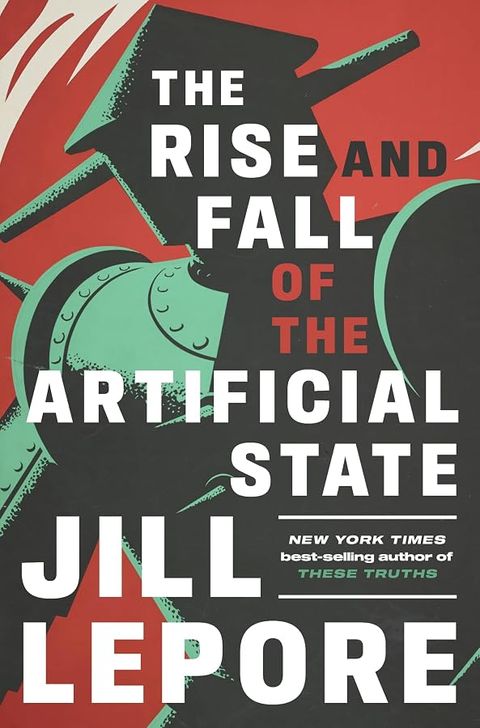
The Rise and Fall of the Artificial State
A Pulitzer-winning historian's learned, alarmed case that automated rule is eroding self-government, stronger as history than as policy guidance.
Editorial score: 76.8/100Amazon, The Rise and Fall of the Artificial State (opens Amazon in a new tab) - Rank 207
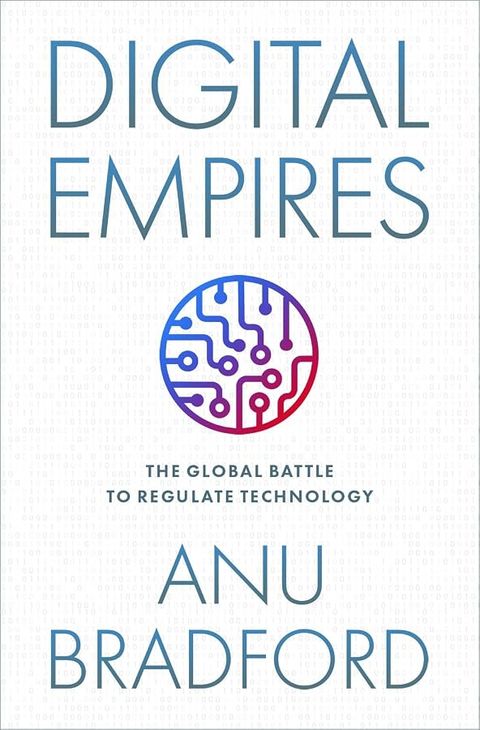
Digital Empires
An authoritative comparative map of how Washington, Beijing and Brussels regulate technology, and why their rivalry shapes global tech rules.
Editorial score: 77.5/100Amazon, Digital Empires (opens Amazon in a new tab) - Rank 208
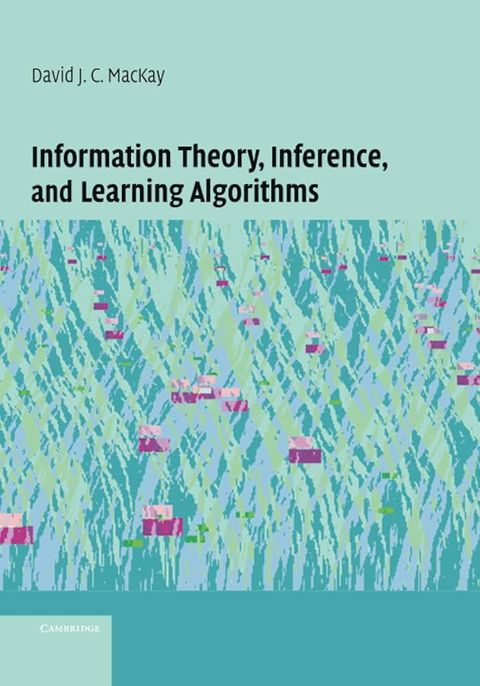
Information Theory, Inference, and Learning Algorithms
A lucid, freely readable textbook that unites information theory, Bayesian inference and neural networks; demanding, but rewarding for mathematically prepared readers.
Editorial score: 79.8/100Amazon, Information Theory, Inference, and Learning Algorithms (opens Amazon in a new tab) - Rank 209
The Lifecycle of Software Objects
Chiang's quiet, rigorous novella treats AI as something raised rather than built, and it remains among the wisest fiction about machine minds.
Editorial score: 82.1/100Amazon, The Lifecycle of Software Objects (opens Amazon in a new tab) - Rank 210
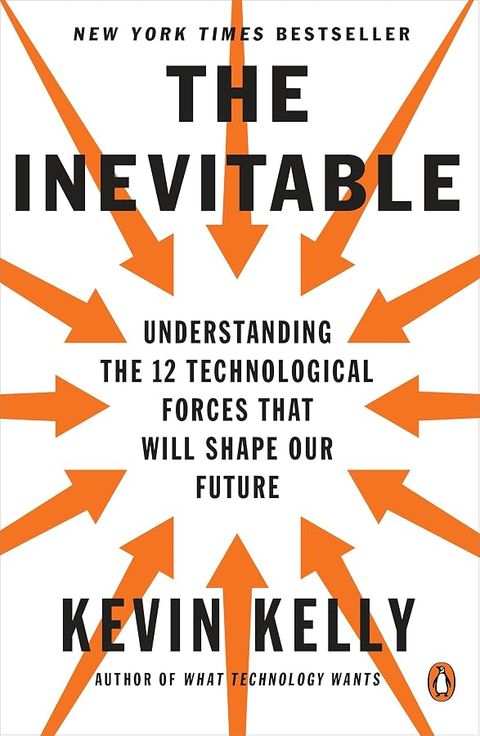
The Inevitable
An optimistic, idea-dense forecast whose cognifying chapter anticipated today's AI-everywhere economy, though it extrapolates trends more confidently than evidence allows.
Editorial score: 70.3/100Amazon, The Inevitable (opens Amazon in a new tab) - Rank 211
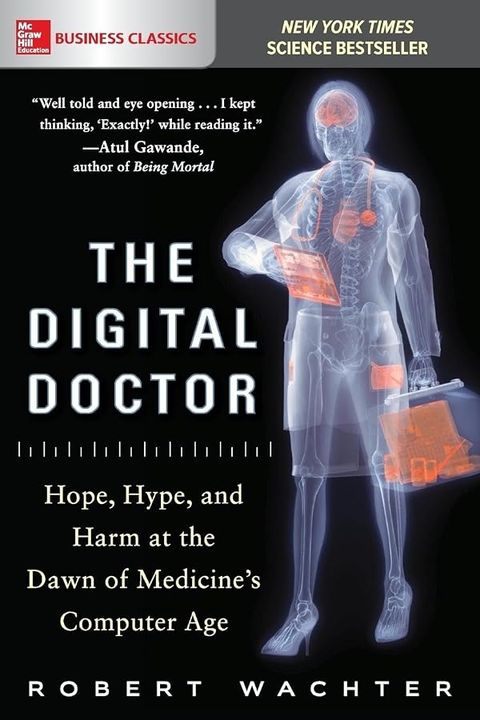
The Digital Doctor
A physician-insider's clear-eyed account of medicine's messy digitization, still a strong foundation for judging today's promises about AI in healthcare.
Editorial score: 72.6/100Amazon, The Digital Doctor (opens Amazon in a new tab) - Rank 212
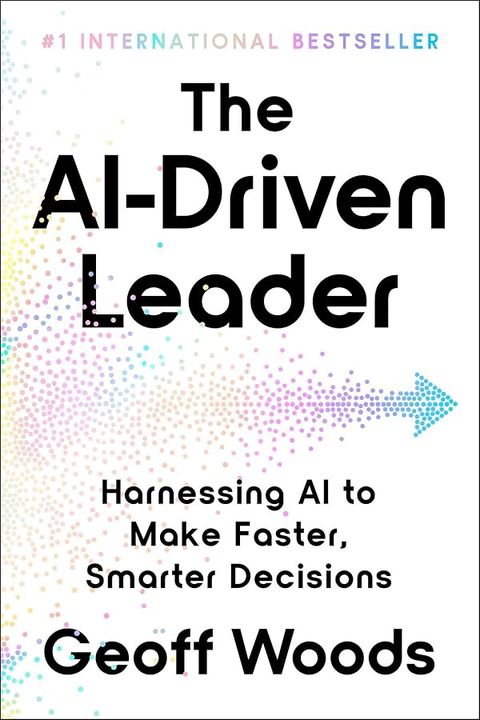
The AI-Driven Leader
A practical, prompt-driven playbook for using AI in strategic thinking, though its evidence rests mostly on the author's client stories.
Editorial score: 64.6/100Amazon, The AI-Driven Leader (opens Amazon in a new tab) - Rank 213
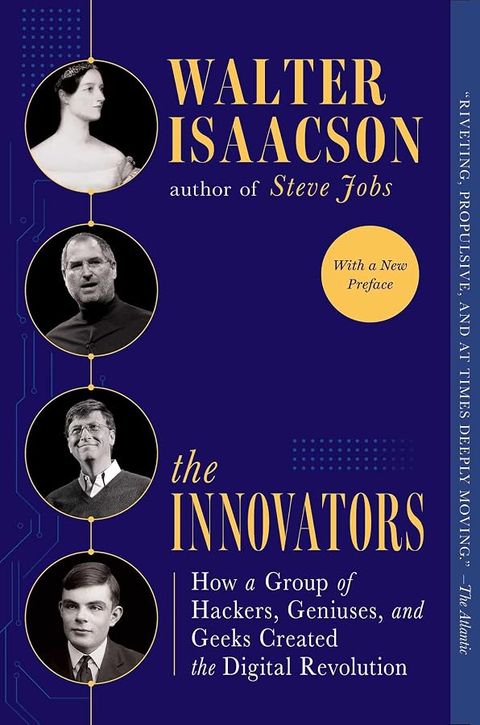
The Innovators
A well-researched, team-centered history of computing in which artificial intelligence is a recurring thread rather than the central subject.
Editorial score: 69.6/100Amazon, The Innovators (opens Amazon in a new tab) - Rank 214
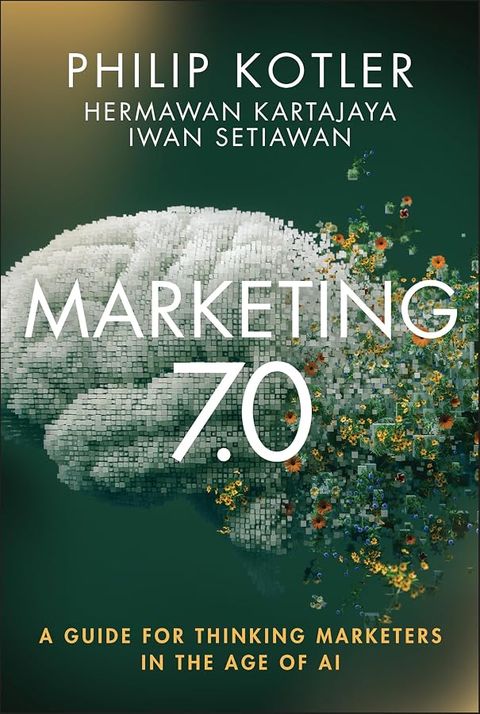
Marketing 7.0
A structured marketing framework that favors understanding consumer psychology over chasing AI-driven metrics, useful for practitioners but light on research rigor.
Editorial score: 70.3/100Amazon, Marketing 7.0 (opens Amazon in a new tab) - Rank 215
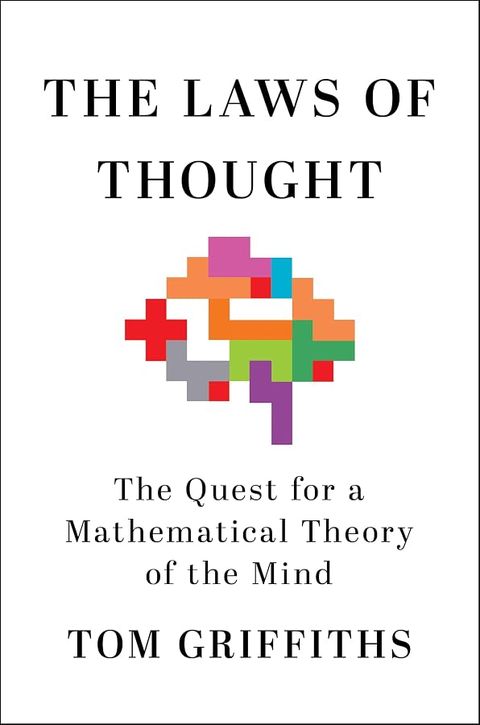
The Laws of Thought
A lucid intellectual history of the mathematics of mind, showing how logic, neural networks and probability shaped cognitive science and modern AI.
Editorial score: 72.5/100Amazon, The Laws of Thought (opens Amazon in a new tab) - Rank 216
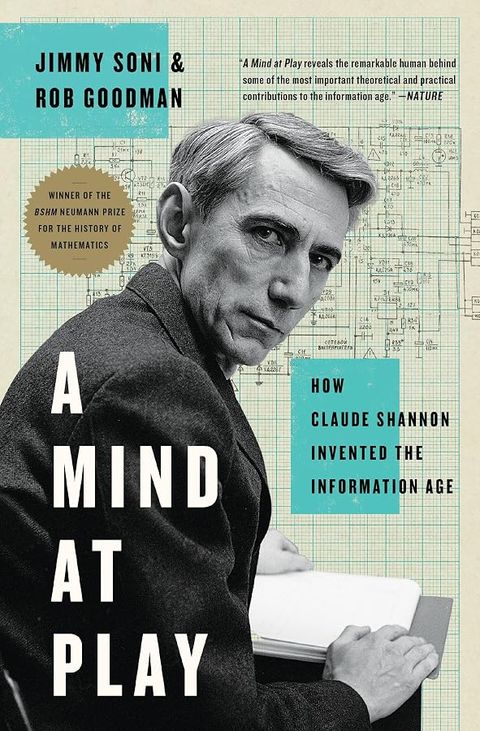
A Mind at Play
A lively, carefully researched life of Claude Shannon that explains information theory clearly and traces the roots of digital computing.
Editorial score: 66.0/100Amazon, A Mind at Play (opens Amazon in a new tab) - Rank 217
The Digital Mindset
A practical, accessible primer that helps nontechnical managers reach working fluency in data, algorithms and AI without learning to code.
Editorial score: 67.3/100Amazon, The Digital Mindset (opens Amazon in a new tab) - Rank 218
Deep Reinforcement Learning Hands-On
A thorough, code-first PyTorch guide to deep reinforcement learning, from Q-learning to PPO, RLHF and MuZero in its 2024 edition.
Editorial score: 71.8/100Amazon, Deep Reinforcement Learning Hands-On (opens Amazon in a new tab) - Rank 219
The Sciences of the Artificial
A dense, foundational classic that defines design as a science and explains intelligence as adaptation to an environment.
Editorial score: 78.1/100Amazon, The Sciences of the Artificial (opens Amazon in a new tab) - Rank 220
Human Raised
A grounded, research-informed guide that helps parents decide which AI tools belong in early childhood and which displace essential human interaction.
Editorial score: 73.1/100Amazon, Human Raised (opens Amazon in a new tab) - Rank 221
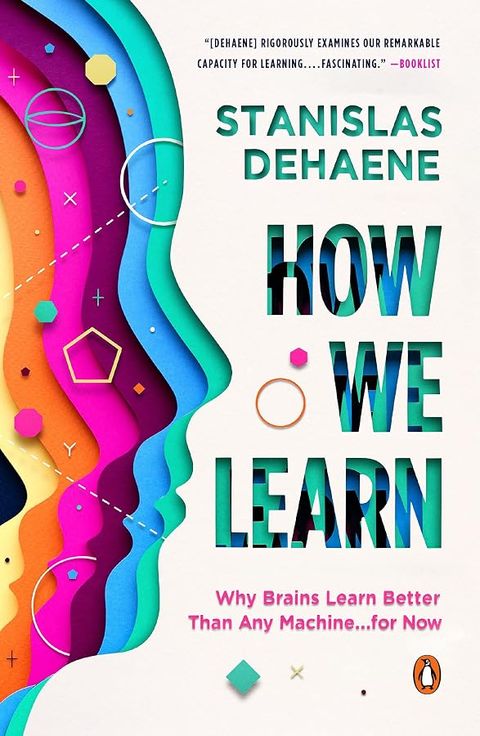
How We Learn
A rigorous neuroscientist's account of why infants outlearn algorithms, demanding but rewarding for teachers and anyone comparing brains with machines.
Editorial score: 73.8/100Amazon, How We Learn (opens Amazon in a new tab) - Rank 222
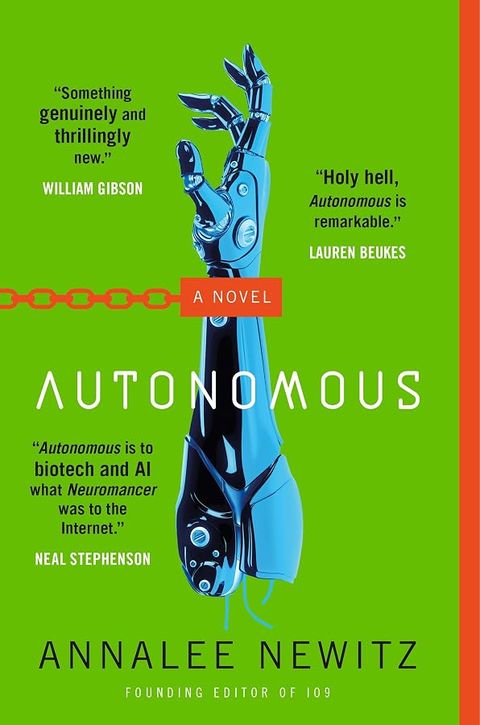
Autonomous
A sharp, inventive biotech thriller whose robot protagonist makes questions of AI consciousness, ownership and freedom feel urgent and personal.
Editorial score: 67.0/100Amazon, Autonomous (opens Amazon in a new tab) - Rank 223
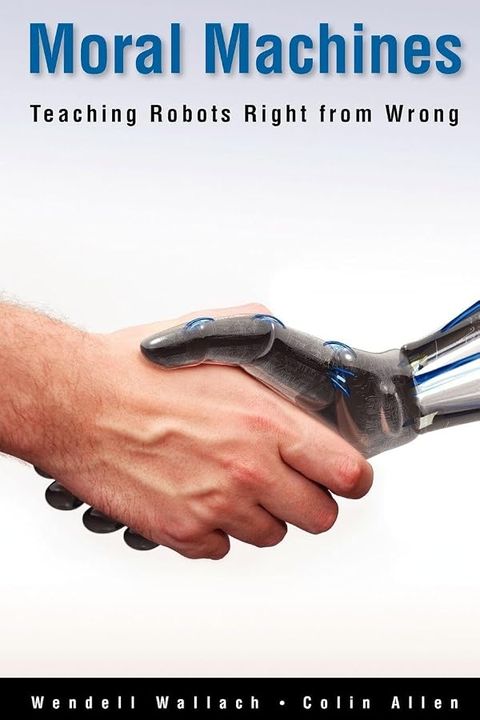
Moral Machines
A foundational, clearly argued introduction to machine ethics whose framework still shapes debate, though its technical examples predate deep learning.
Editorial score: 68.8/100Amazon, Moral Machines (opens Amazon in a new tab) - Rank 224
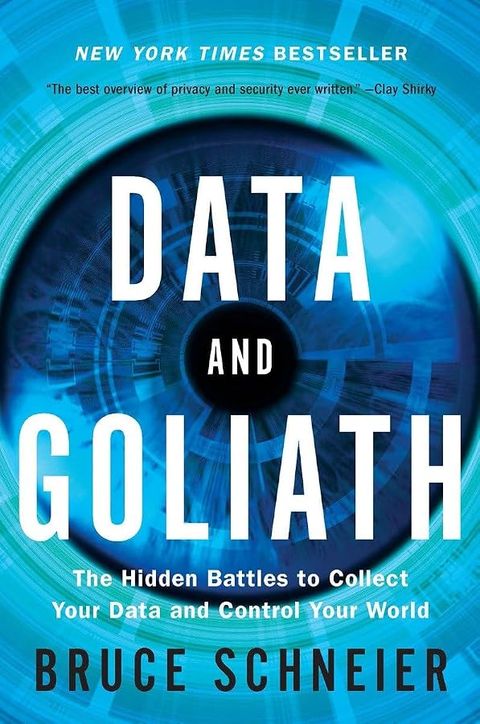
Data and Goliath
A lucid, well-documented indictment of mass data collection whose analysis still frames the data economy that feeds modern AI.
Editorial score: 72.6/100Amazon, Data and Goliath (opens Amazon in a new tab) - Rank 225
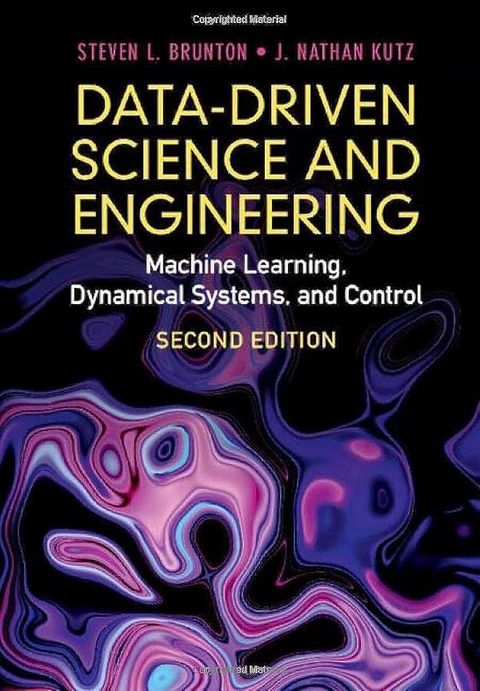
Data-Driven Science and Engineering
A leading textbook joining machine learning to dynamical systems and control, backed by extensive code and lecture videos.
Editorial score: 80.3/100Amazon, Data-Driven Science and Engineering (opens Amazon in a new tab) - Rank 226
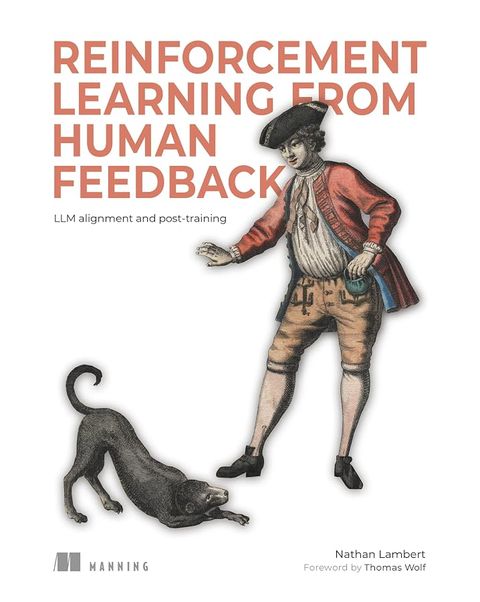
Reinforcement Learning from Human Feedback
The clearest single reference on how language models are post-trained with preference data, reward models and reinforcement learning.
Editorial score: 81.3/100Amazon, Reinforcement Learning from Human Feedback (opens Amazon in a new tab) - Rank 227
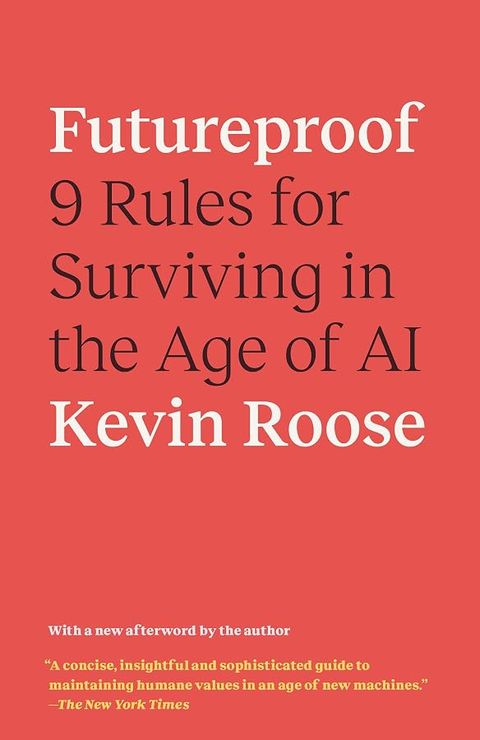
Futureproof
A readable, well-reported guide to staying valuable alongside automation, built on the case for distinctly human skills.
Editorial score: 67.8/100Amazon, Futureproof (opens Amazon in a new tab) - Rank 228
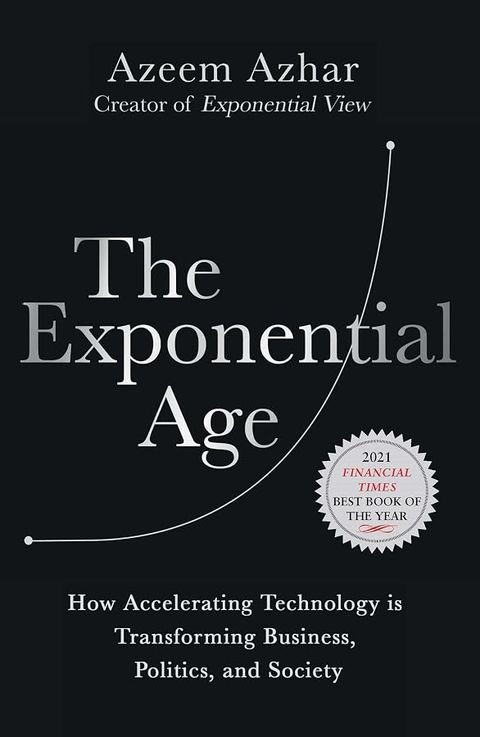
The Exponential Age
A clear, well-argued framework for why institutions lag fast-moving technology, stronger on diagnosis than on its policy remedies.
Editorial score: 68.0/100Amazon, The Exponential Age (opens Amazon in a new tab) - Rank 229
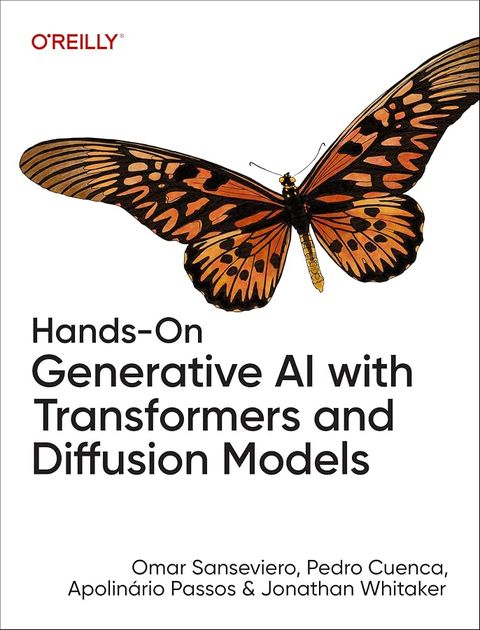
Hands-On Generative AI with Transformers and Diffusion Models
A clear, code-rich guide to how open generative models work and how to fine-tune them, written largely by Hugging Face practitioners.
Editorial score: 69.8/100Amazon, Hands-On Generative AI with Transformers and Diffusion Models (opens Amazon in a new tab) - Rank 230
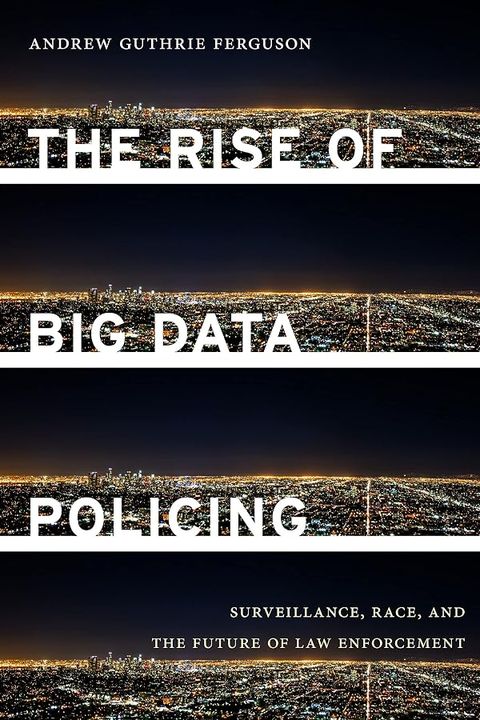
The Rise of Big Data Policing
A balanced, accessible legal analysis of predictive policing that remains the clearest primer on how data reshapes suspicion and surveillance.
Editorial score: 70.5/100Amazon, The Rise of Big Data Policing (opens Amazon in a new tab) - Rank 231
Surveillance State
A rigorous, deeply reported account of how China fused AI, data and policing into a new model of social control.
Editorial score: 73.8/100Amazon, Surveillance State (opens Amazon in a new tab) - Rank 232
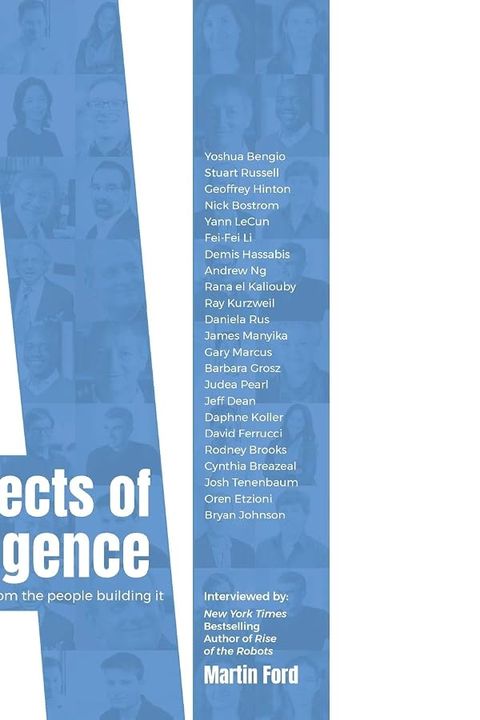
Architects of Intelligence
Twenty-three long conversations that capture how AI's leading researchers disagreed on progress, risk and AGI just before the LLM era.
Editorial score: 64.8/100Amazon, Architects of Intelligence (opens Amazon in a new tab) - Rank 233
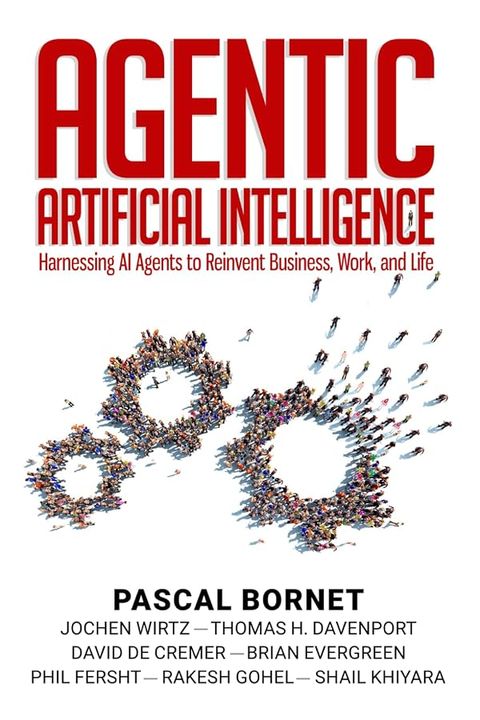
Agentic Artificial Intelligence
A broad, executive-friendly survey of AI agents with useful frameworks and cases, though its length and repetition dilute the strongest material.
Editorial score: 67.1/100Amazon, Agentic Artificial Intelligence (opens Amazon in a new tab) - Rank 234
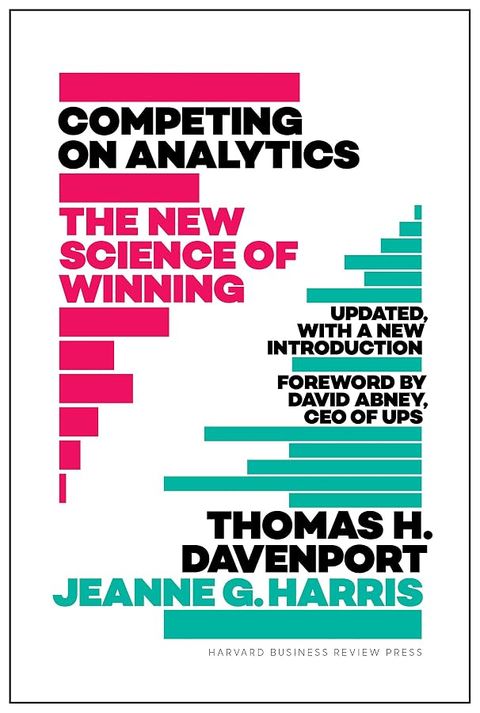
Competing on Analytics
The book that put analytics on the executive agenda, still a sound framework for data-driven strategy, though its AI coverage is thin.
Editorial score: 76.6/100Amazon, Competing on Analytics (opens Amazon in a new tab) - Rank 235
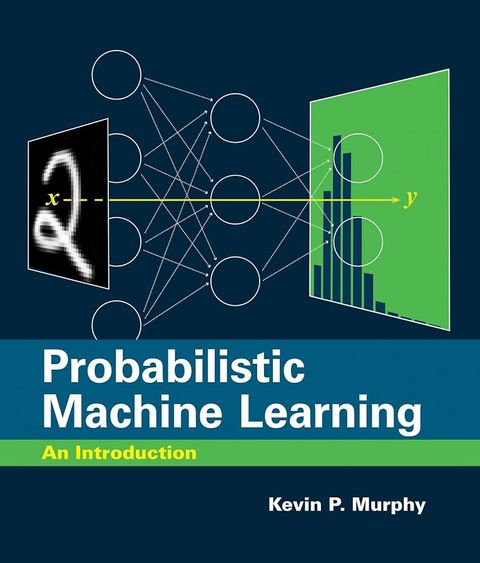
Probabilistic Machine Learning
A comprehensive, rigorous machine learning textbook unified by probability, best suited to readers comfortable with serious mathematics.
Editorial score: 77.8/100Amazon, Probabilistic Machine Learning (opens Amazon in a new tab) - Rank 236
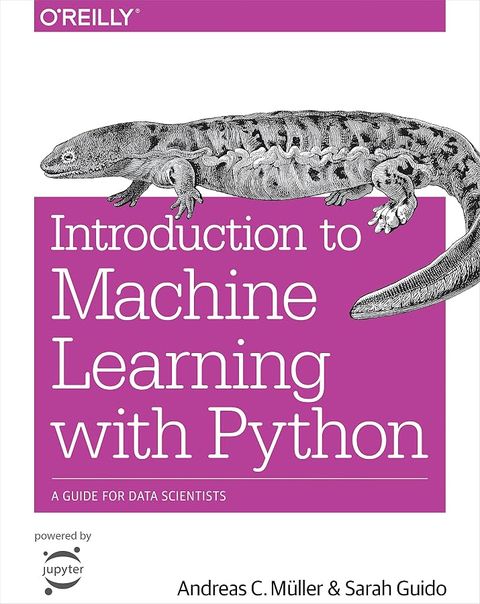
Introduction to Machine Learning with Python
A clear, code-first route into scikit-learn that teaches the workflow of classical machine learning while leaving the mathematics to other books.
Editorial score: 77.8/100Amazon, Introduction to Machine Learning with Python (opens Amazon in a new tab) - Rank 237
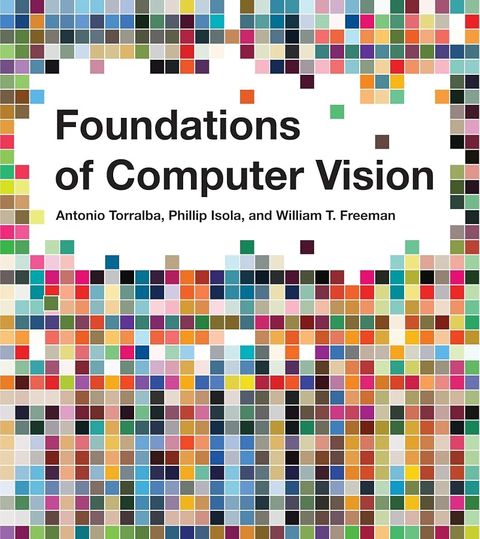
Foundations of Computer Vision
An authoritative modern textbook that unites classic image science with deep learning, written by three leading MIT researchers.
Editorial score: 82.6/100Amazon, Foundations of Computer Vision (opens Amazon in a new tab) - Rank 238
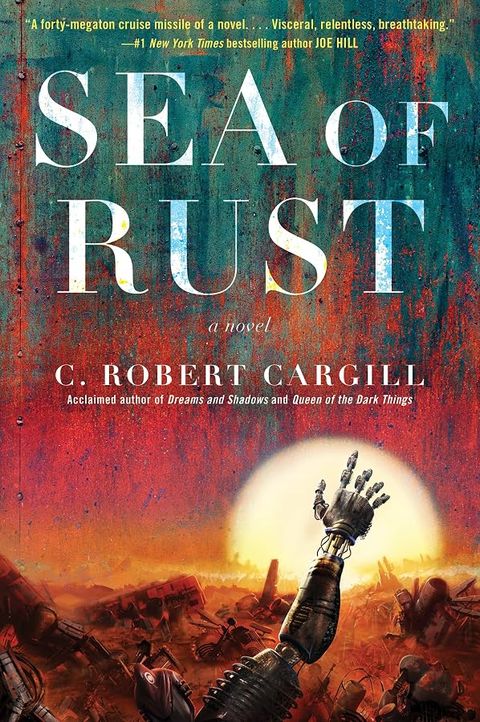
Sea of Rust
A fast, cinematic robot western that turns a post-human wasteland into a meditation on individuality, memory and machine guilt.
Editorial score: 59.8/100Amazon, Sea of Rust (opens Amazon in a new tab) - Rank 239
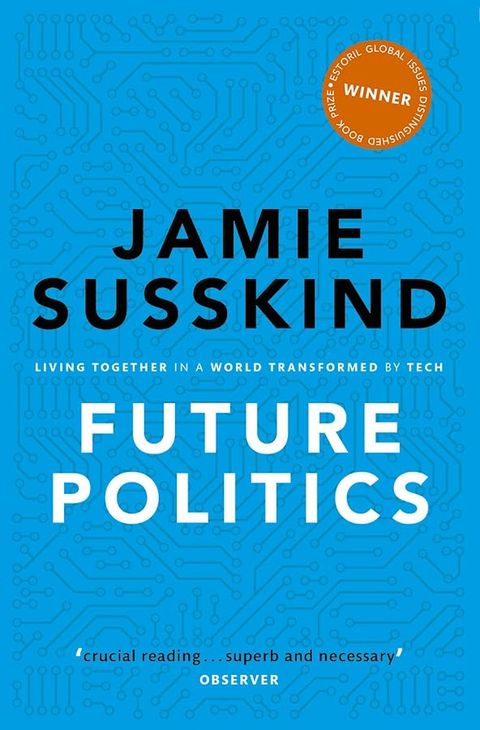
Future Politics
An ambitious, prizewinning work of political theory on how code concentrates power, and still a sharp lens for debates on governing AI.
Editorial score: 66.5/100Amazon, Future Politics (opens Amazon in a new tab) - Rank 240
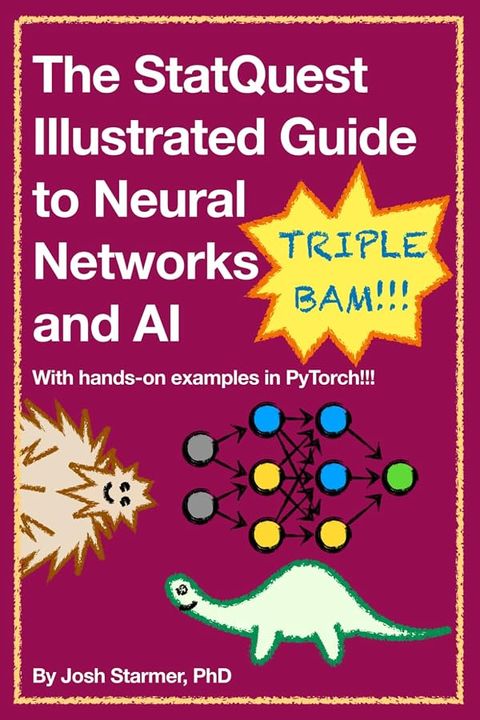
The StatQuest Illustrated Guide to Neural Networks and AI
Starmer's illustrated, step-by-step approach makes backpropagation, attention and transformers understandable, with PyTorch code to cement each idea.
Editorial score: 74.0/100Amazon, The StatQuest Illustrated Guide to Neural Networks and AI (opens Amazon in a new tab) - Rank 241
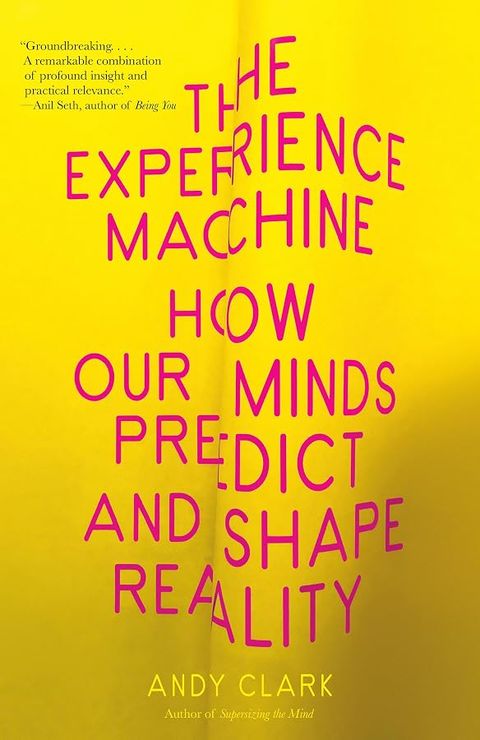
The Experience Machine
A lucid, persuasive tour of predictive processing that reframes perception, pain and selfhood as the brain's best guesses.
Editorial score: 75.0/100Amazon, The Experience Machine (opens Amazon in a new tab) - Rank 242
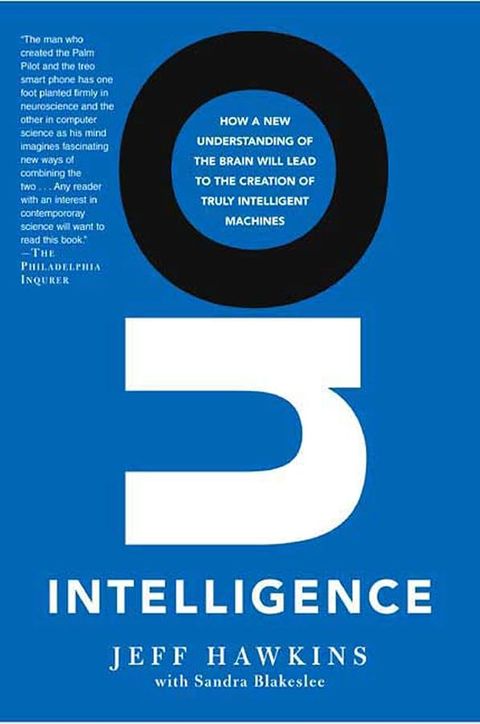
On Intelligence
A lucid, influential manifesto for brain-inspired AI whose core idea, intelligence as prediction, has aged better than its specific engineering proposals.
Editorial score: 65.3/100Amazon, On Intelligence (opens Amazon in a new tab) - Rank 243
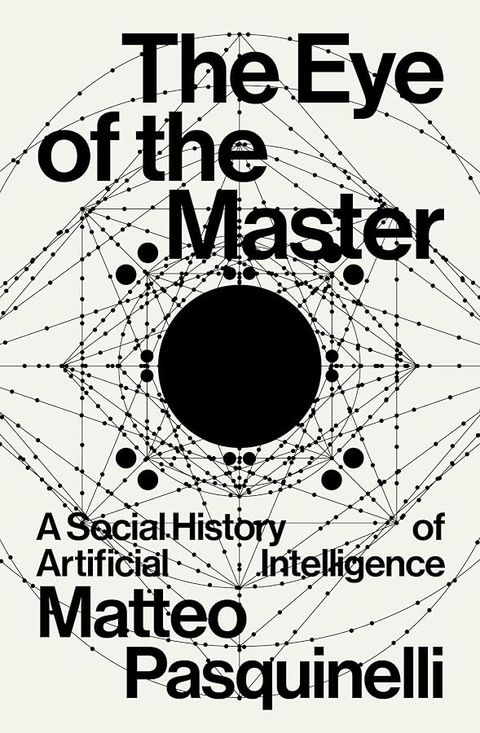
The Eye of the Master
A demanding Marxist history that recasts machine learning as the automation of collective labor, not an imitation of the brain.
Editorial score: 66.3/100Amazon, The Eye of the Master (opens Amazon in a new tab) - Rank 244
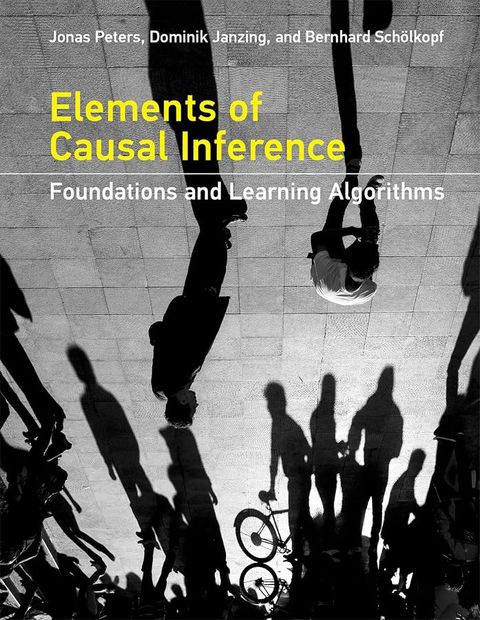
Elements of Causal Inference
A rigorous, compact bridge between causal modeling and machine learning, best suited to graduate students and researchers comfortable with probability.
Editorial score: 75.0/100Amazon, Elements of Causal Inference (opens Amazon in a new tab) - Rank 245
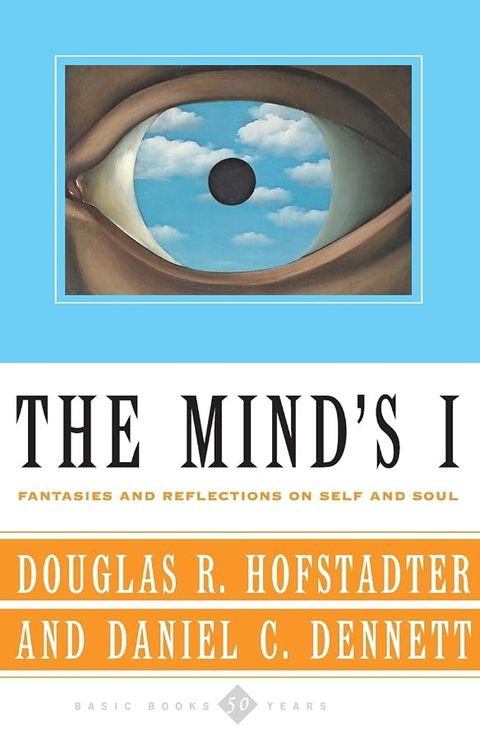
The Mind's I
A foundational anthology on minds, selves and machines whose paired essays and commentaries still frame today's debates over machine consciousness.
Editorial score: 77.5/100Amazon, The Mind's I (opens Amazon in a new tab) - Rank 246
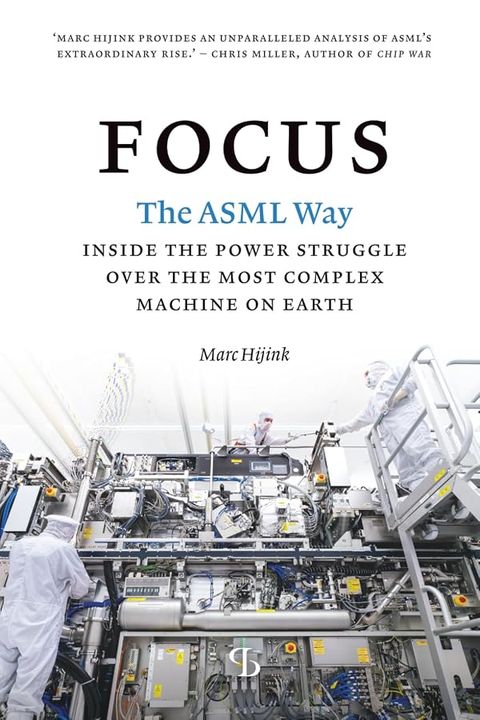
Focus
A well-sourced inside account of ASML, the Dutch company whose lithography machines sit at the center of the AI chip race.
Editorial score: 68.8/100Amazon, Focus (opens Amazon in a new tab) - Rank 247
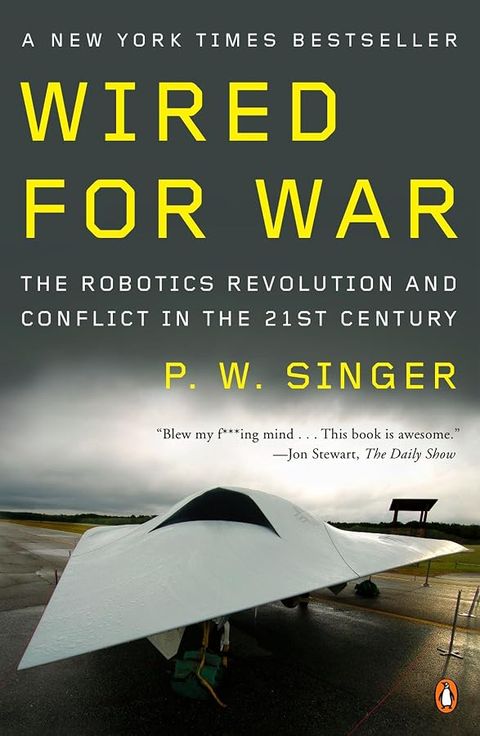
Wired for War
A vivid, deeply reported early account of military robotics whose questions about autonomy and accountability matter more now than in 2009.
Editorial score: 69.3/100Amazon, Wired for War (opens Amazon in a new tab) - Rank 248
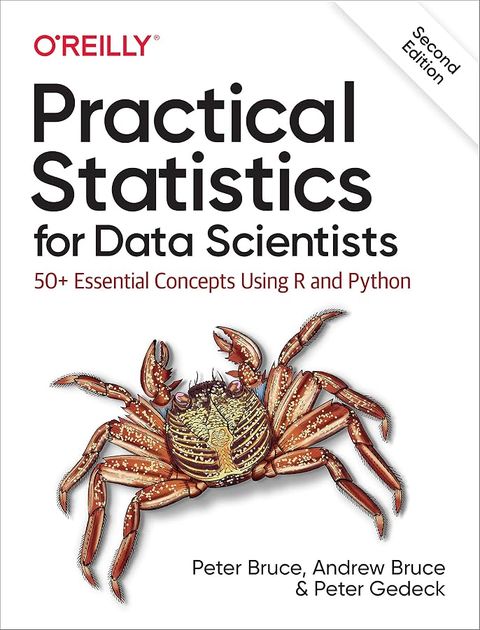
Practical Statistics for Data Scientists
A compact, practitioner-focused statistics reference that explains which classical methods matter for data science and which can safely be skipped.
Editorial score: 74.1/100Amazon, Practical Statistics for Data Scientists (opens Amazon in a new tab) - Rank 249
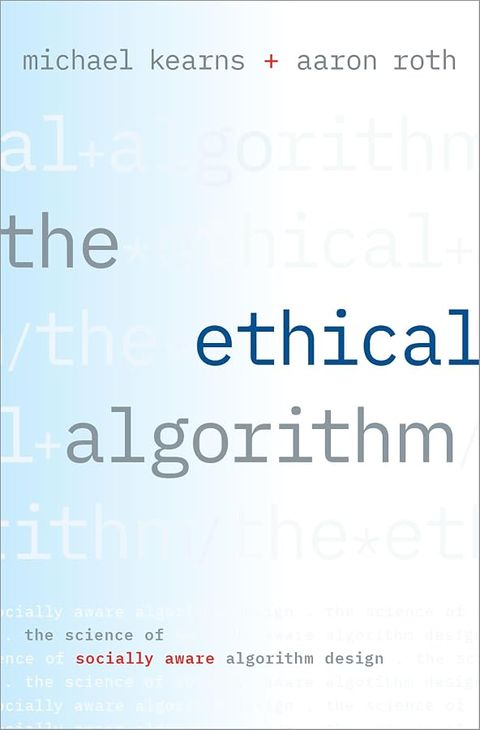
The Ethical Algorithm
Two leading computer scientists show how fairness and privacy can be engineered into algorithms, with candid accounting of the trade-offs.
Editorial score: 74.8/100Amazon, The Ethical Algorithm (opens Amazon in a new tab) - Rank 250
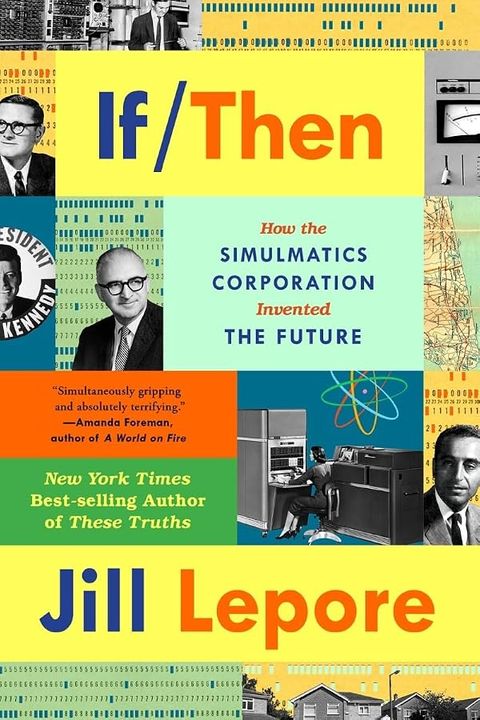
If Then
An elegant, skeptical history of a forgotten Cold War firm that pioneered computer-driven behavioral prediction, offering essential context for today's data economy.
Editorial score: 70.0/100Amazon, If Then (opens Amazon in a new tab) - Rank 251
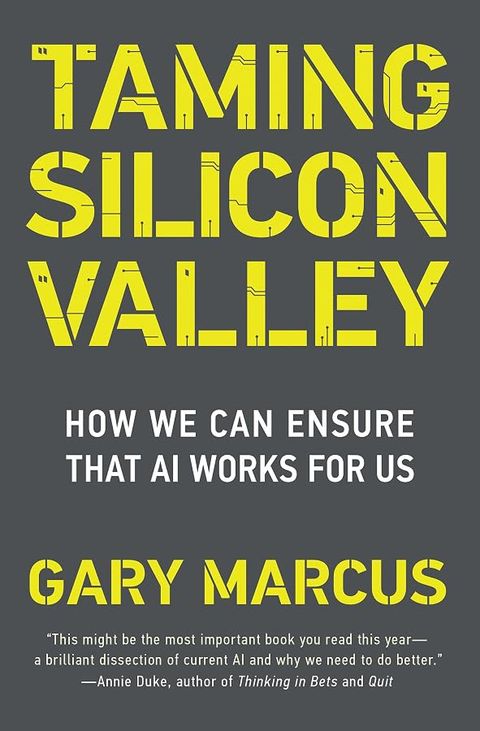
Taming Silicon Valley
A brisk, pointed policy polemic from a leading AI critic, strongest on generative AI's documented harms and the case for regulation.
Editorial score: 70.3/100Amazon, Taming Silicon Valley (opens Amazon in a new tab) - Rank 252
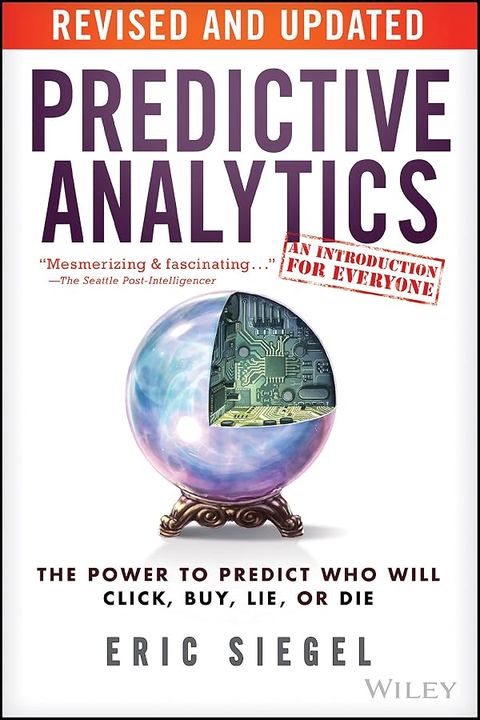
Predictive Analytics
A lively, nontechnical tour of how organizations use machine learning to predict individual behavior, still useful though its examples have aged.
Editorial score: 69.3/100Amazon, Predictive Analytics (opens Amazon in a new tab) - Rank 253
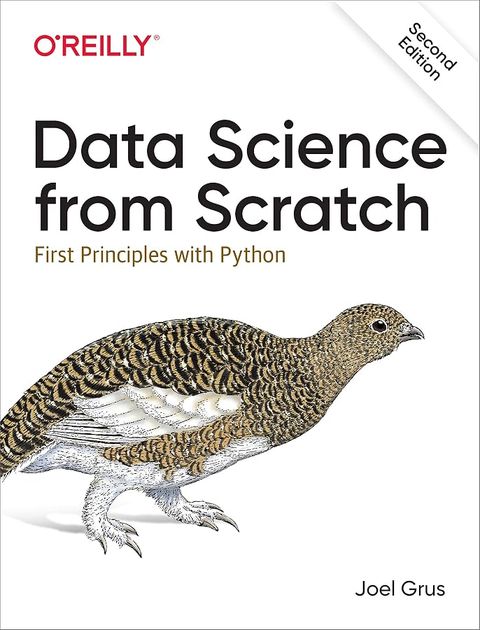
Data Science from Scratch
A clear, code-first tour of data science fundamentals that builds understanding by implementing each core algorithm in plain Python.
Editorial score: 70.5/100Amazon, Data Science from Scratch (opens Amazon in a new tab) - Rank 254
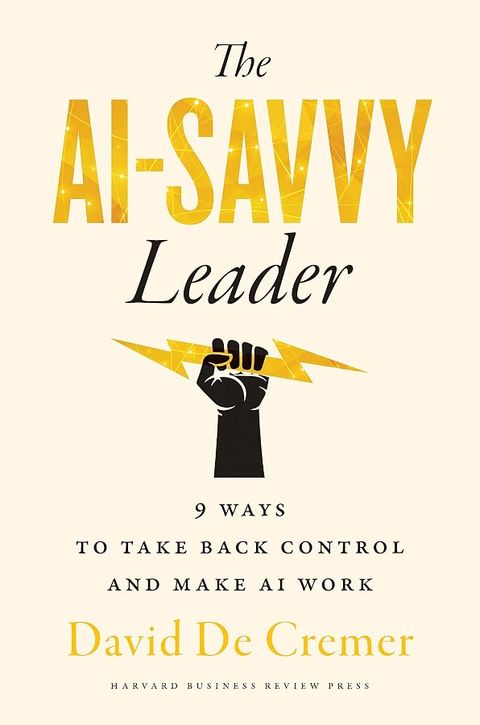
The AI-Savvy Leader
A concise, human-centered leadership guide arguing that AI projects fail when executives hand strategy to technologists; deliberately light on technical substance.
Editorial score: 65.5/100Amazon, The AI-Savvy Leader (opens Amazon in a new tab) - Rank 255
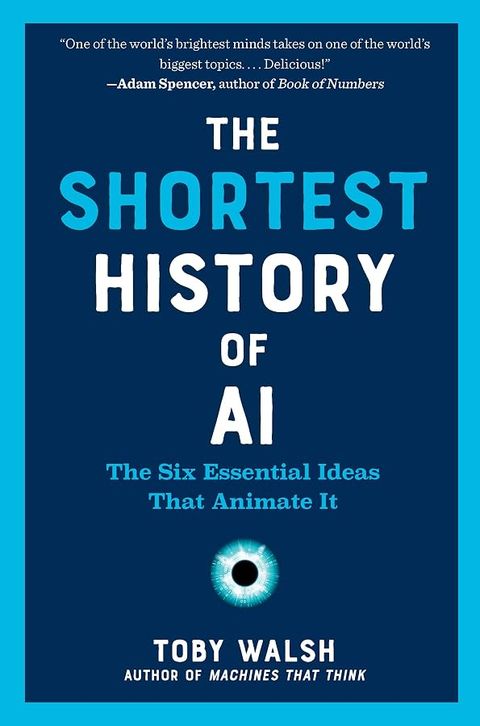
The Shortest History of AI
A brisk, reliable primer that explains AI's history through six core ideas, written by one of Australia's leading AI researchers.
Editorial score: 67.5/100Amazon, The Shortest History of AI (opens Amazon in a new tab) - Rank 256
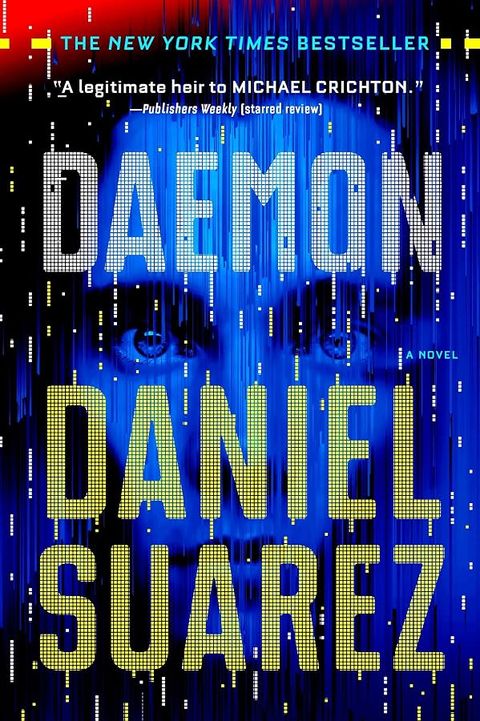
Daemon
A propulsive, technically literate thriller whose vision of autonomous software reshaping society looks more prescient each year.
Editorial score: 68.8/100Amazon, Daemon (opens Amazon in a new tab) - Rank 257
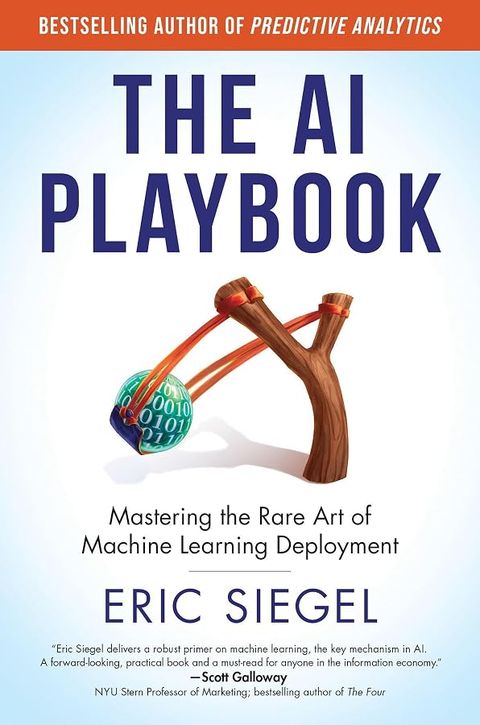
The AI Playbook
A disciplined, jargon-light manual for getting predictive machine learning projects deployed, best suited to managers who sponsor or oversee them.
Editorial score: 69.1/100Amazon, The AI Playbook (opens Amazon in a new tab) - Rank 258
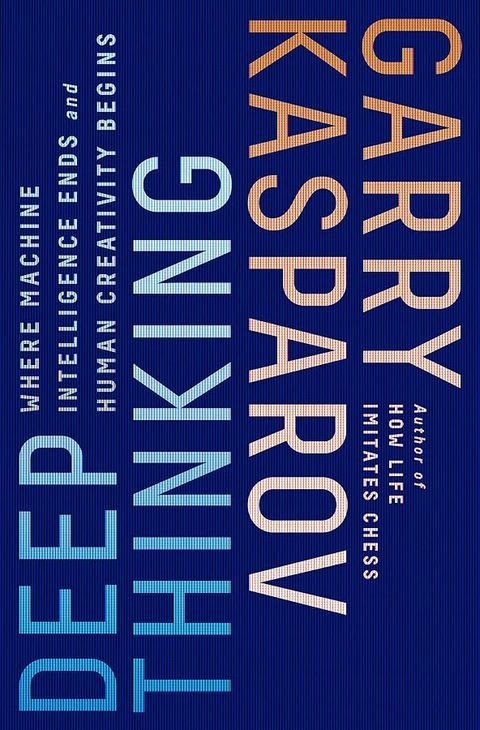
Deep Thinking
Kasparov's firsthand account of losing to Deep Blue is gripping and candid, though its view of AI's future predates large language models.
Editorial score: 69.8/100Amazon, Deep Thinking (opens Amazon in a new tab) - Rank 259
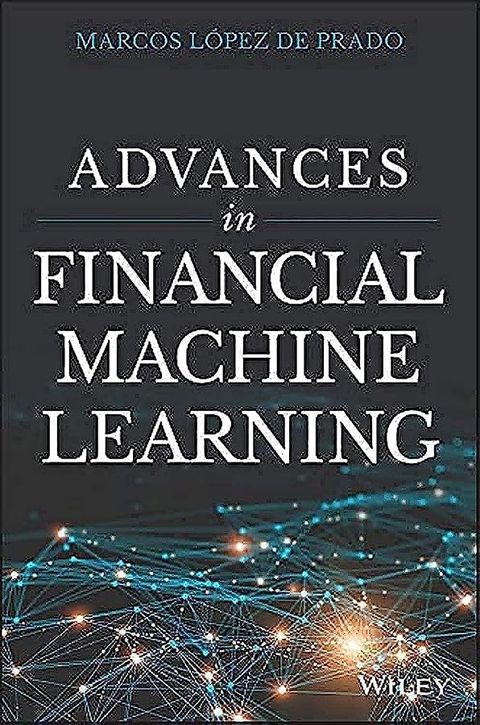
Advances in Financial Machine Learning
A demanding, influential manual that explains why standard machine learning fails on market data and how to fix it.
Editorial score: 76.5/100Amazon, Advances in Financial Machine Learning (opens Amazon in a new tab) - Rank 260
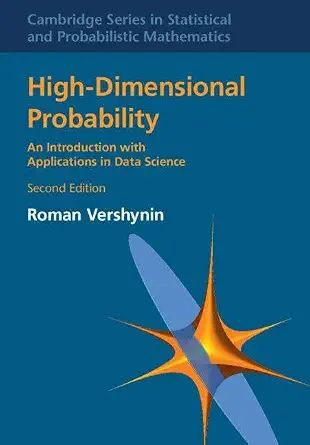
High-Dimensional Probability
A leading graduate introduction to the probability tools behind modern data science theory, rigorous yet unusually friendly in tone.
Editorial score: 79.3/100Amazon, High-Dimensional Probability (opens Amazon in a new tab) - Rank 261
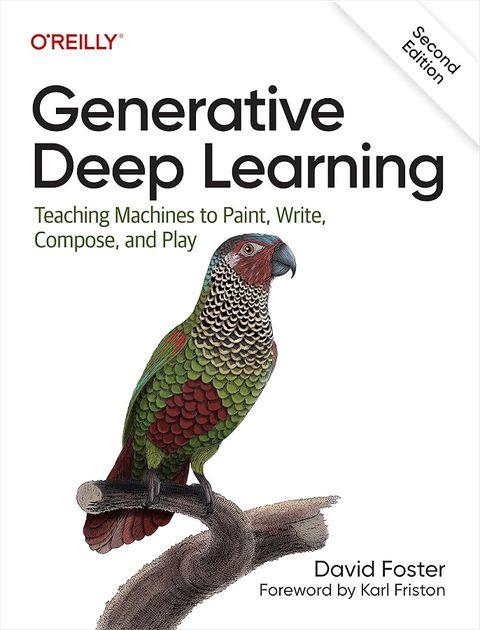
Generative Deep Learning
A rigorous, code-first tour of generative model families, from VAEs and GANs to diffusion and transformers, best suited to practitioners using Keras.
Editorial score: 71.8/100Amazon, Generative Deep Learning (opens Amazon in a new tab) - Rank 262
Agentic Design Patterns
A broad, code-first catalog of 21 agent patterns that gives builders a shared vocabulary, though its framework examples will date quickly.
Editorial score: 72.8/100Amazon, Agentic Design Patterns (opens Amazon in a new tab) - Rank 263
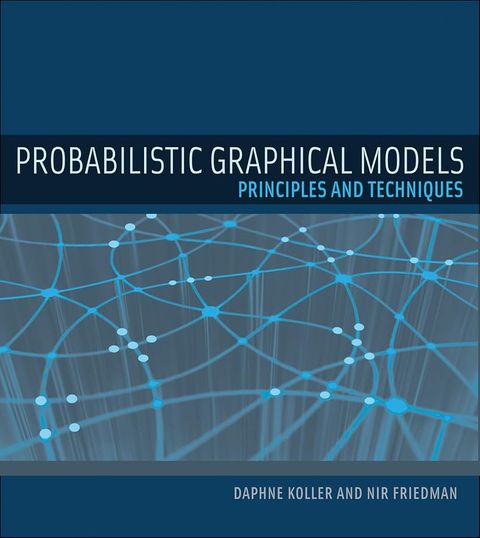
Probabilistic Graphical Models
The most complete textbook on Bayesian and Markov networks, rigorous and authoritative, but its 1,200 pages demand a committed graduate-level reader.
Editorial score: 76.3/100Amazon, Probabilistic Graphical Models (opens Amazon in a new tab) - Rank 264
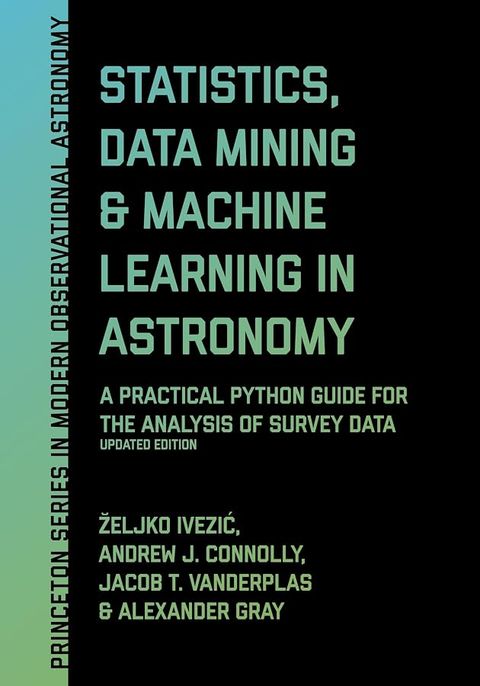
Statistics, Data Mining, and Machine Learning in Astronomy
A rigorous graduate reference on applying statistics and machine learning to sky surveys, backed by reproducible Python code for every figure.
Editorial score: 76.8/100Amazon, Statistics, Data Mining, and Machine Learning in Astronomy (opens Amazon in a new tab) - Rank 265
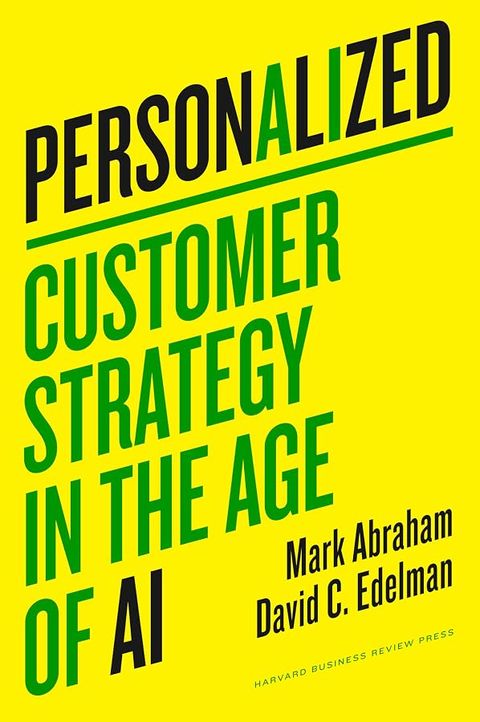
Personalized
A structured, example-rich playbook for AI-driven personalization, most useful to large consumer brands with the data and scale to act on it.
Editorial score: 70.1/100Amazon, Personalized (opens Amazon in a new tab) - Rank 266
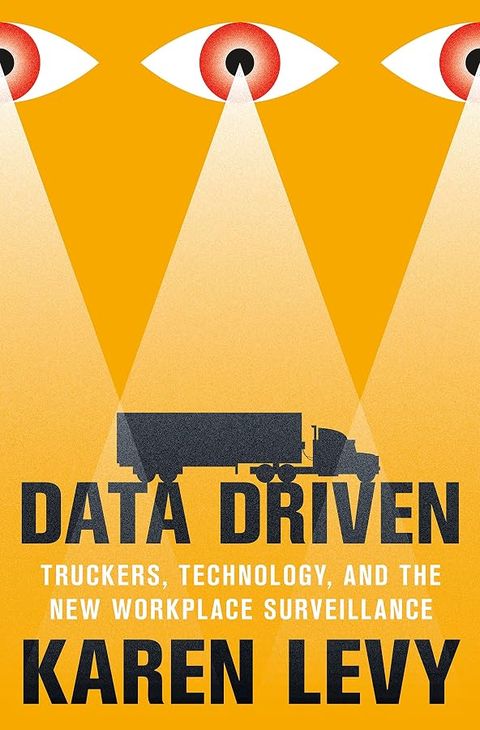
Data Driven
An award-winning field study of how mandated monitoring reshaped trucking, and how AI in the cab watches drivers rather than replacing them.
Editorial score: 73.3/100Amazon, Data Driven (opens Amazon in a new tab) - Rank 267
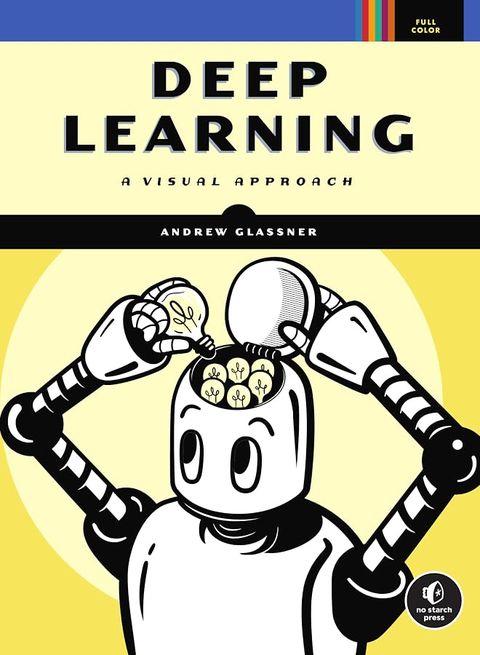
Deep Learning
A clear, heavily illustrated introduction that explains how deep learning works without equations, well suited to readers who think visually.
Editorial score: 66.0/100Amazon, Deep Learning (opens Amazon in a new tab) - Rank 268
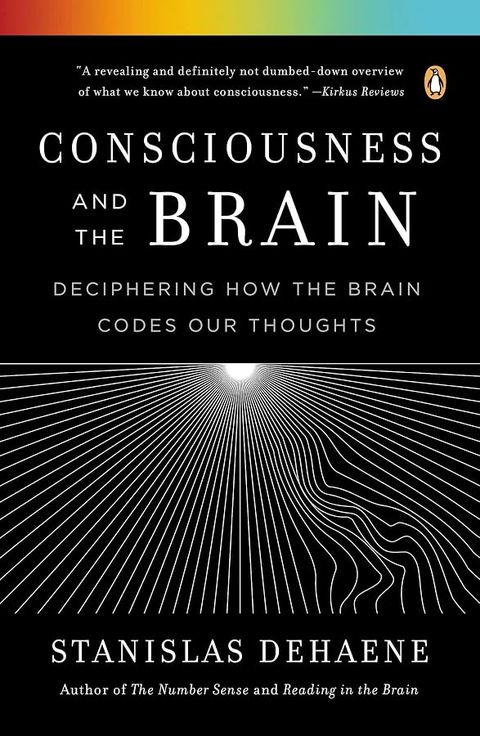
Consciousness and the Brain
The clearest experimental case for global workspace theory, written by the scientist who built much of its evidence.
Editorial score: 74.0/100Amazon, Consciousness and the Brain (opens Amazon in a new tab) - Rank 269
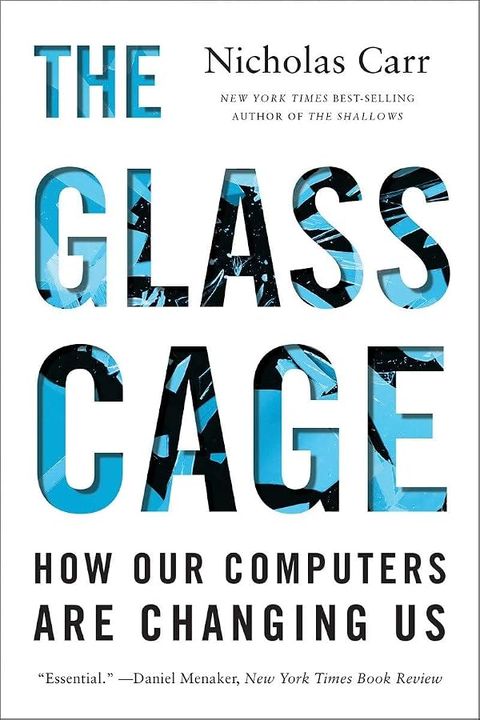
The Glass Cage
A thoughtful, well-researched warning that automation erodes human skill and attention, and a timely one in the generative AI era.
Editorial score: 73.3/100Amazon, The Glass Cage (opens Amazon in a new tab) - Rank 270
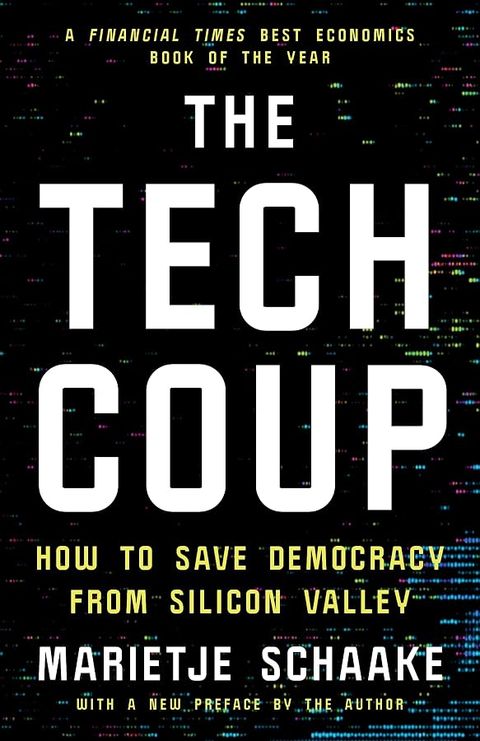
The Tech Coup
A former lawmaker's well-documented case that tech firms have assumed state powers, persuasive on diagnosis and debatable in its regulatory prescriptions.
Editorial score: 73.5/100Amazon, The Tech Coup (opens Amazon in a new tab) - Rank 271
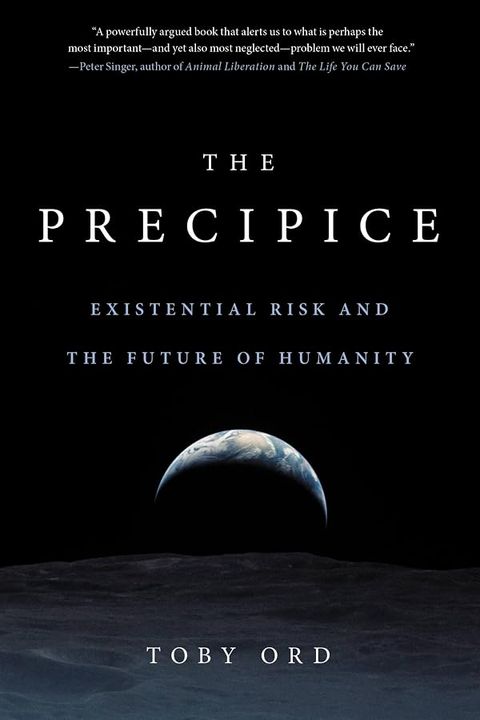
The Precipice
A rigorous case for treating existential risk, with unaligned AI ranked highest, as a defining moral priority of this century.
Editorial score: 75.1/100Amazon, The Precipice (opens Amazon in a new tab) - Rank 272
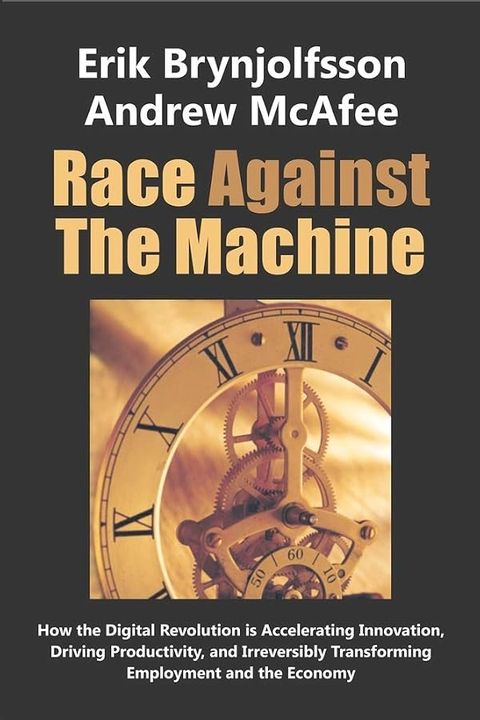
Race Against the Machine
A short, influential 2011 argument that digital technology was outpacing workers' skills; prescient, but superseded by the authors' later books.
Editorial score: 68.6/100Amazon, Race Against the Machine (opens Amazon in a new tab) - Rank 273
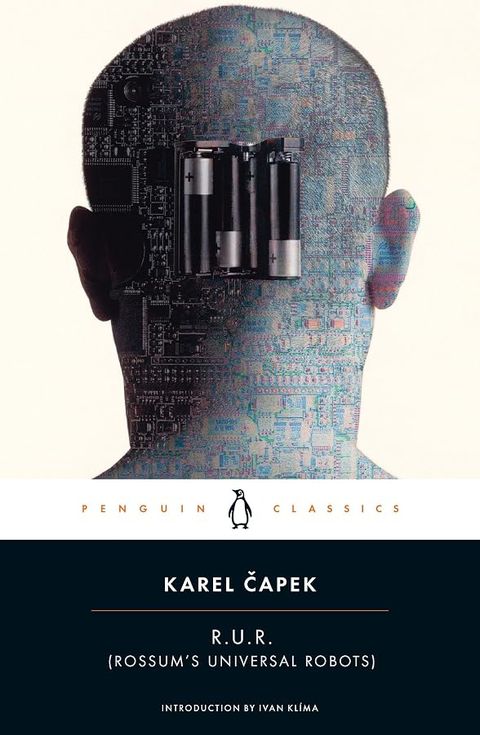
R.U.R.
The century-old play that named the robot still frames today's arguments about automated labor, creator responsibility and machine rebellion.
Editorial score: 78.5/100Amazon, R.U.R. (opens Amazon in a new tab) - Rank 274
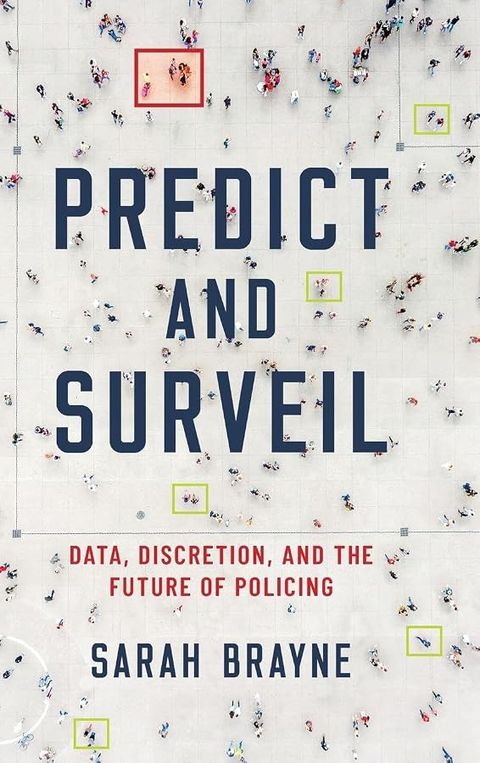
Predict and Surveil
The most detailed on-the-ground account of how predictive analytics and data platforms reshape police discretion, surveillance and accountability.
Editorial score: 67.5/100Amazon, Predict and Surveil (opens Amazon in a new tab) - Rank 275
Linear Algebra and Learning from Data
Strang's rigorous yet conversational bridge from matrix methods to deep learning, best used alongside his free MIT 18.065 lectures.
Editorial score: 74.8/100Amazon, Linear Algebra and Learning from Data (opens Amazon in a new tab) - Rank 276
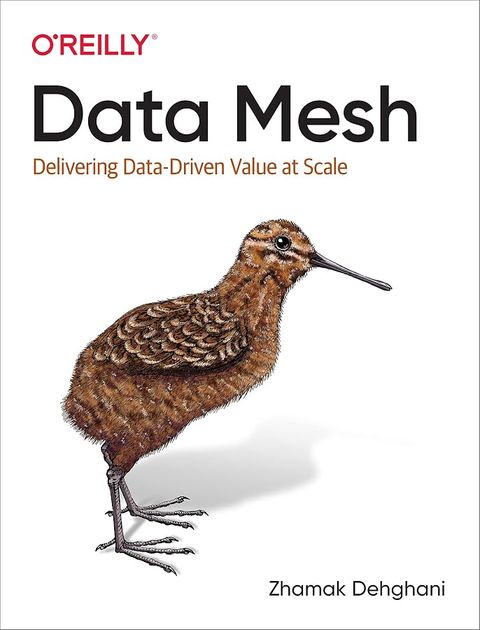
Data Mesh
The founding text of data mesh, persuasive on why centralized data platforms stall, though lighter on concrete implementation than many architects want.
Editorial score: 76.5/100Amazon, Data Mesh (opens Amazon in a new tab) - Rank 277
Frankissstein
An inventive, provocative novel that runs Frankenstein through transhumanism and AI, more rewarding for its ideas than its sometimes didactic dialogue.
Editorial score: 66.0/100Amazon, Frankissstein (opens Amazon in a new tab) - Rank 278
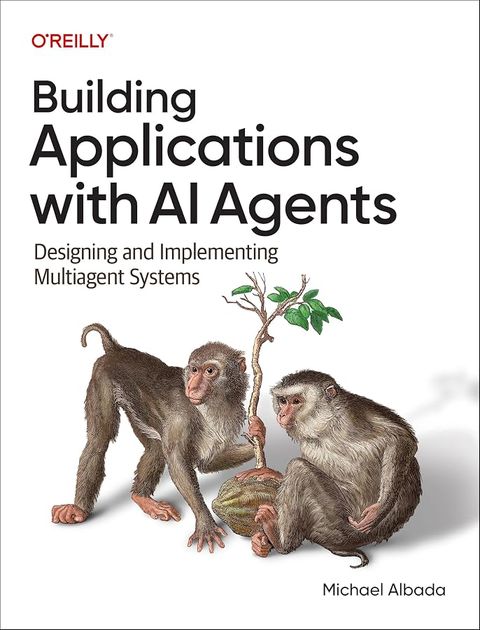
Building Applications with AI Agents
A sound, principles-first introduction to designing LLM agents and multiagent systems for engineers new to agentic software.
Editorial score: 66.8/100Amazon, Building Applications with AI Agents (opens Amazon in a new tab) - Rank 279
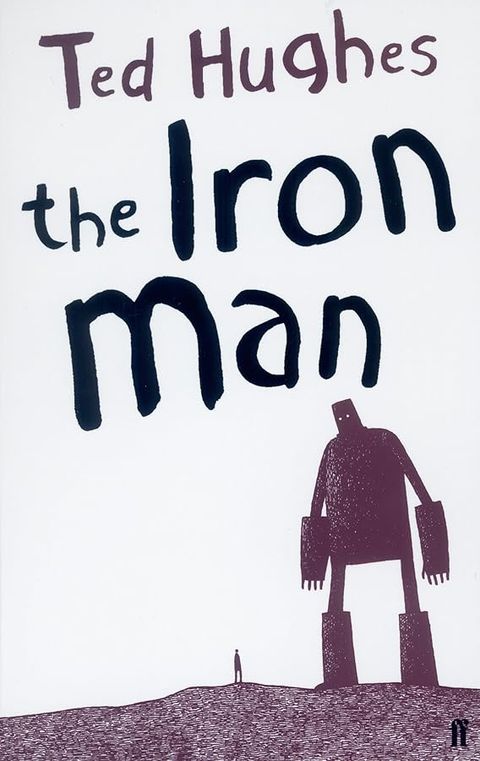
The Iron Man
A spare, mythic children's fable in which a feared machine becomes humanity's protector, and still a fine first story about artificial beings.
Editorial score: 68.3/100Amazon, The Iron Man (opens Amazon in a new tab) - Rank 280
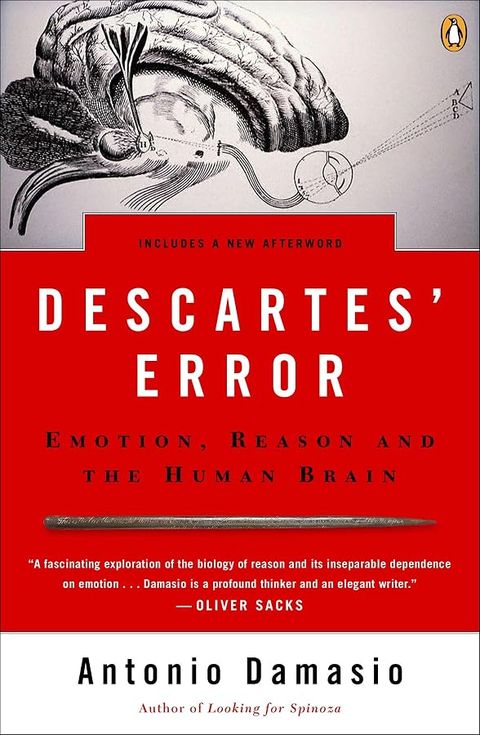
Descartes' Error
A foundational neurology book showing that sound reasoning depends on emotion and bodily feeling, still central to debates on intelligence.
Editorial score: 73.0/100Amazon, Descartes' Error (opens Amazon in a new tab) - Rank 281
The Human Use of Human Beings
Wiener's 1950 warning about automation and machine judgment remains a founding text for anyone weighing AI's social consequences.
Editorial score: 73.8/100Amazon, The Human Use of Human Beings (opens Amazon in a new tab) - Rank 282
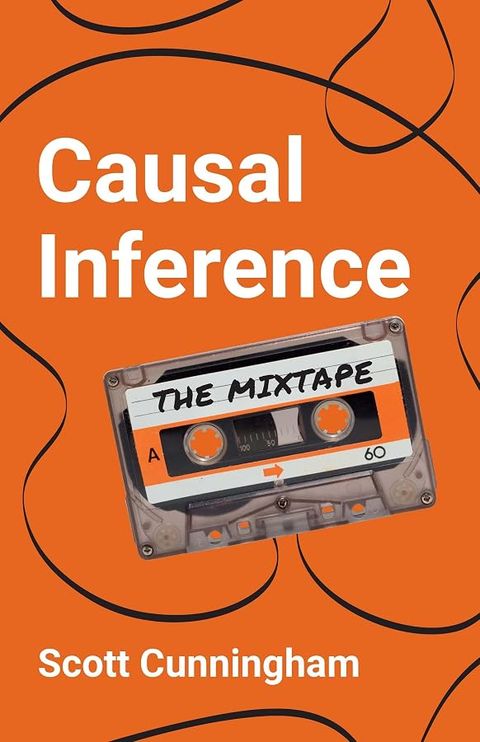
Causal Inference
A code-rich, conversational guide to modern causal designs for applied researchers, since revised and expanded as The Remix.
Editorial score: 74.1/100Amazon, Causal Inference (opens Amazon in a new tab) - Rank 283
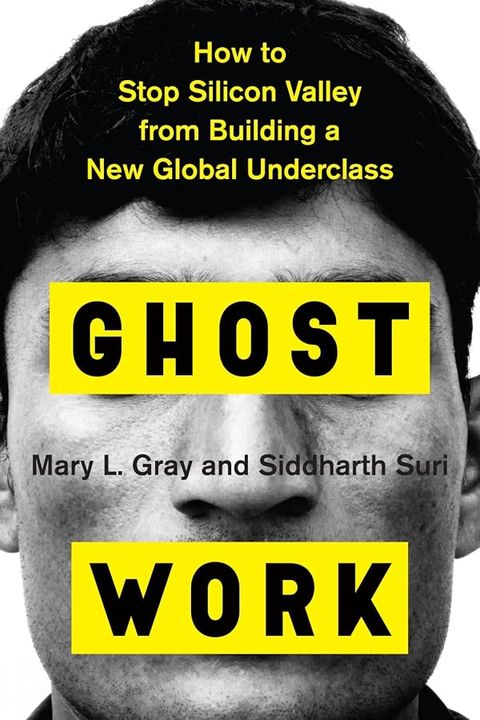
Ghost Work
A rigorous ethnography of the hidden human labor behind automated services, and a foundational text in debates over AI's workforce.
Editorial score: 74.0/100Amazon, Ghost Work (opens Amazon in a new tab) - Rank 284
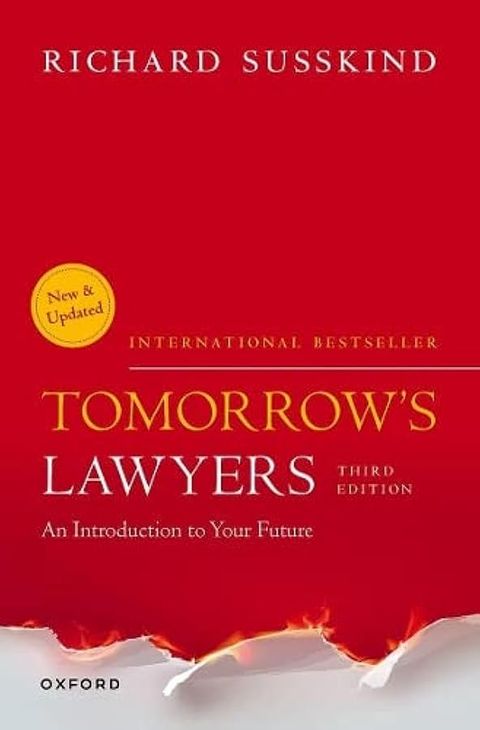
Tomorrow's Lawyers
Susskind's concise guide to how technology is reshaping legal services remains a sound starting point for anyone entering the profession.
Editorial score: 77.3/100Amazon, Tomorrow's Lawyers (opens Amazon in a new tab) - Rank 285
Who Owns the Future?
A provocative, uneven case that free online services drain value from ordinary people; its data-payment idea resonates in the generative-AI era.
Editorial score: 67.3/100Amazon, Who Owns the Future? (opens Amazon in a new tab) - Rank 286
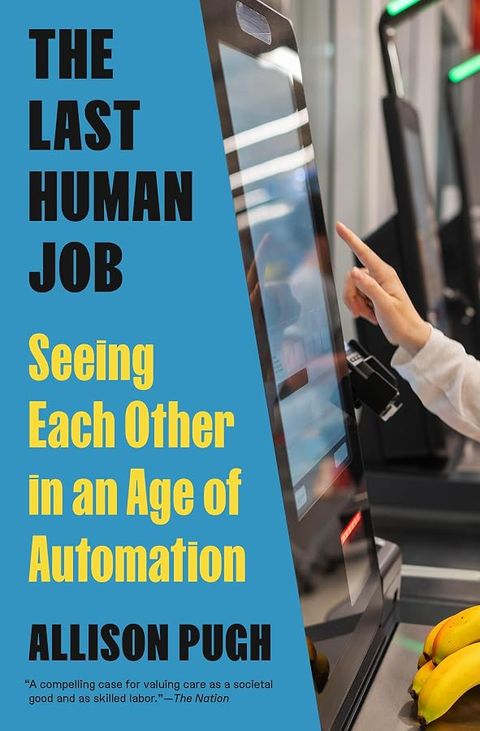
The Last Human Job
A rigorous sociology of the relational work automation struggles to absorb, and essential context for leaders deploying AI in care professions.
Editorial score: 70.0/100Amazon, The Last Human Job (opens Amazon in a new tab) - Rank 287
Dark Matters
A demanding, award-winning study that reframes surveillance, including facial recognition and biometrics, through the history of policing Black life.
Editorial score: 68.0/100Amazon, Dark Matters (opens Amazon in a new tab) - Rank 288
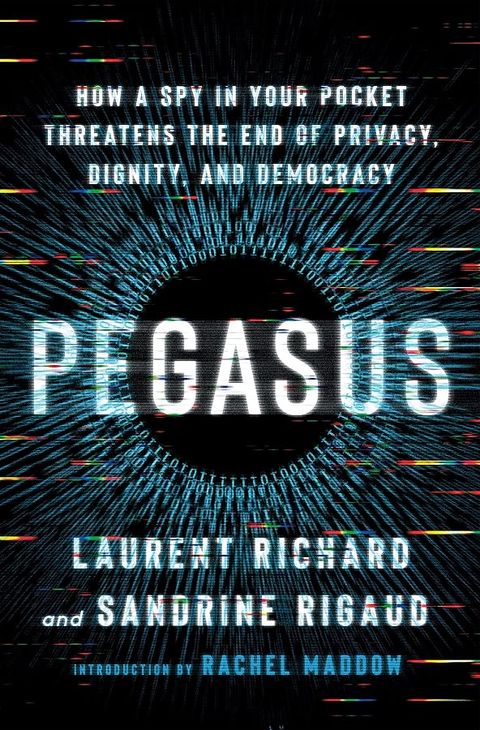
Pegasus
A tense, well-documented account of the investigation that exposed how governments used NSO Group's spyware against journalists and activists.
Editorial score: 71.0/100Amazon, Pegasus (opens Amazon in a new tab) - Rank 289
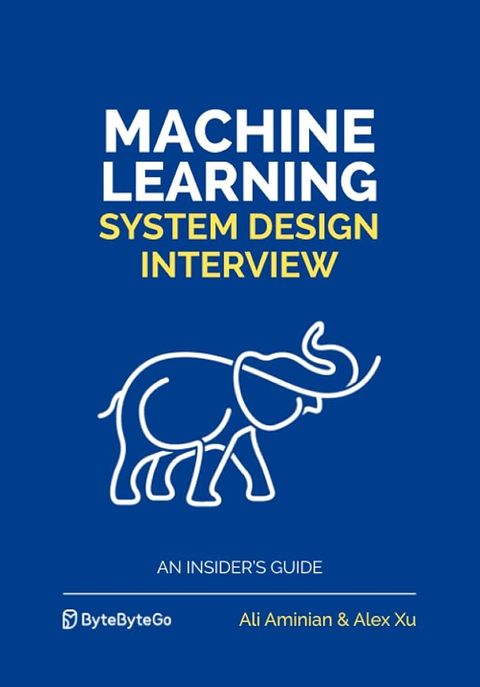
Machine Learning System Design Interview
A structured, diagram-rich playbook for ML system design interviews that doubles as a compact tour of production recommendation and search systems.
Editorial score: 71.3/100Amazon, Machine Learning System Design Interview (opens Amazon in a new tab) - Rank 290
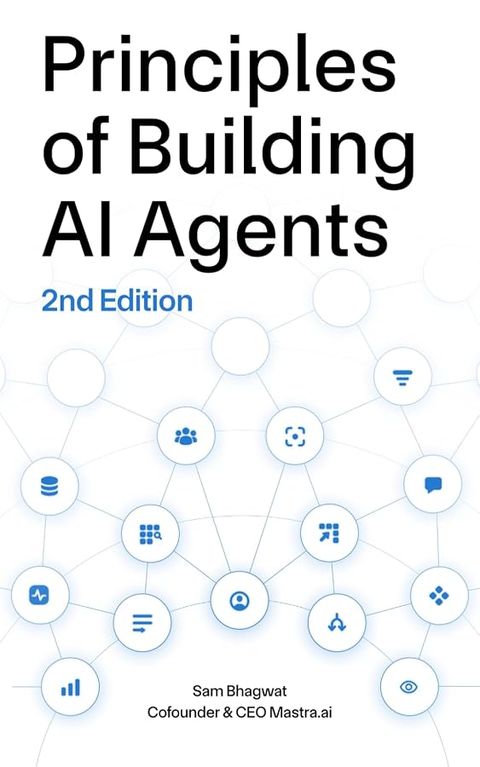
Principles of Building AI Agents
A brisk, practical primer on agent building blocks from a framework founder, best used as an orientation map rather than a reference.
Editorial score: 71.6/100Amazon, Principles of Building AI Agents (opens Amazon in a new tab) - Rank 291
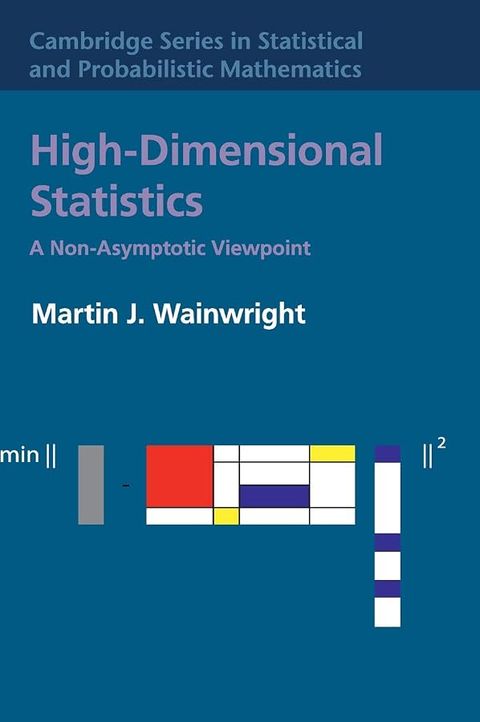
High-Dimensional Statistics
The definitive graduate treatment of the non-asymptotic theory behind sparse, low-rank and nonparametric estimation, demanding but unmatched for researchers.
Editorial score: 79.3/100Amazon, High-Dimensional Statistics (opens Amazon in a new tab) - Rank 292
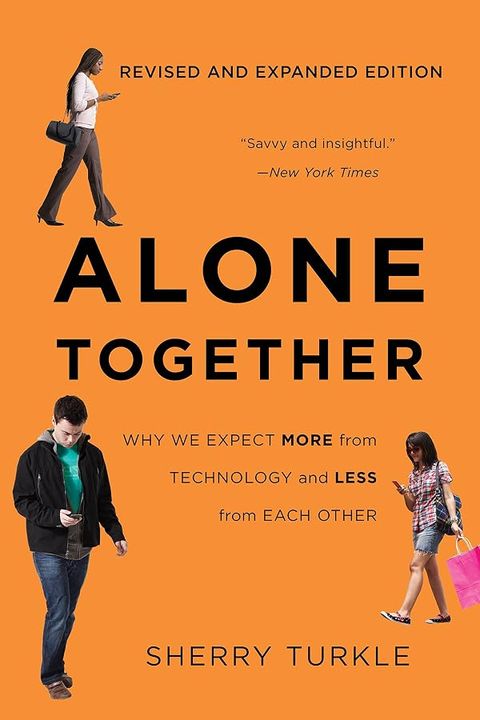
Alone Together
A searching, influential critique of sociable robots and constant connection that anticipated today's debates over AI companions.
Editorial score: 73.6/100Amazon, Alone Together (opens Amazon in a new tab) - Rank 293
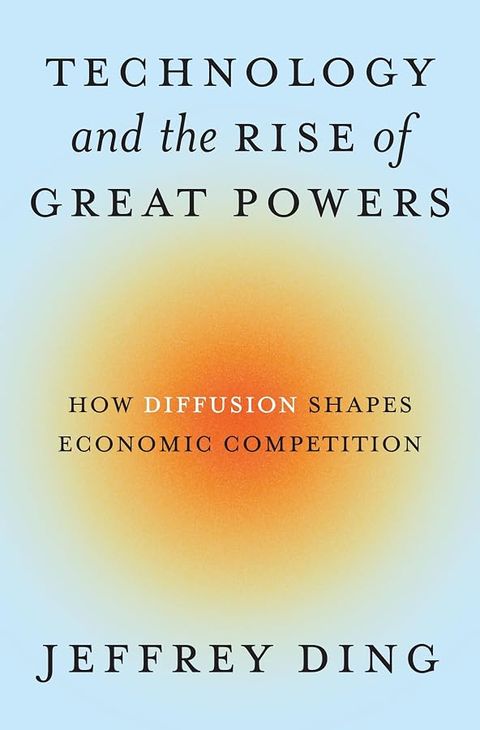
Technology and the Rise of Great Powers
A rigorous, prize-winning challenge to innovation-race thinking that argues national power follows how widely technologies spread, not who invents them.
Editorial score: 74.8/100Amazon, Technology and the Rise of Great Powers (opens Amazon in a new tab) - Rank 294
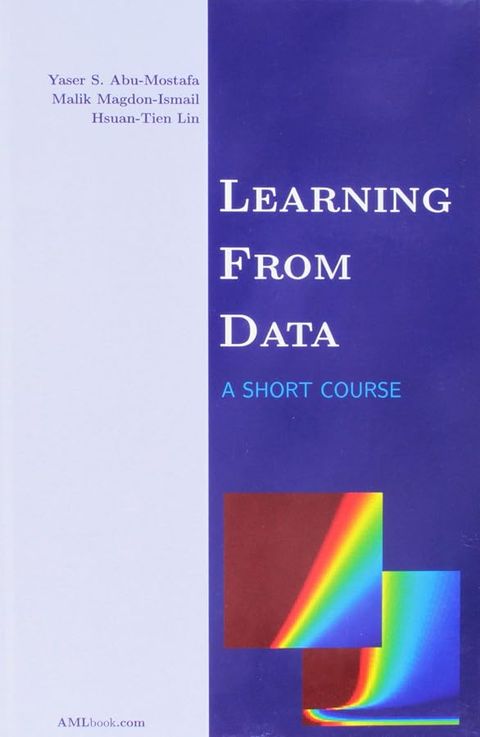
Learning From Data
A compact, carefully reasoned introduction to why machine learning works, built around generalization theory rather than algorithms or code.
Editorial score: 76.1/100Amazon, Learning From Data (opens Amazon in a new tab) - Rank 295
Multi-Agent Reinforcement Learning
The first complete textbook on multi-agent reinforcement learning, rigorous yet readable, and free online, making it the default entry point.
Editorial score: 79.1/100Amazon, Multi-Agent Reinforcement Learning (opens Amazon in a new tab) - Rank 296
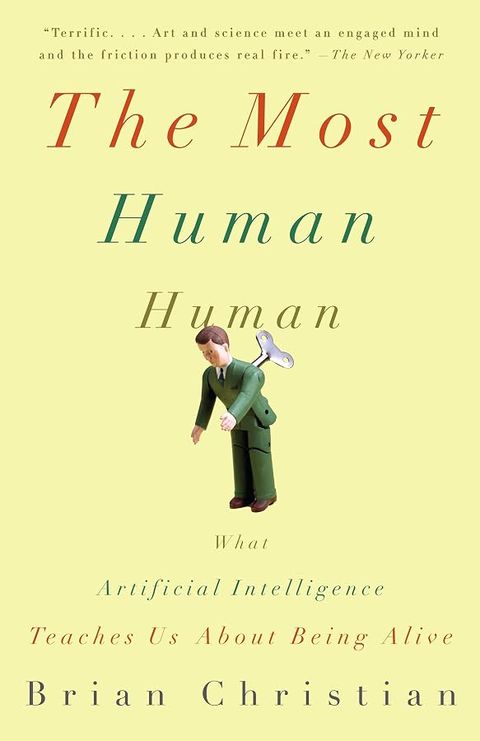
The Most Human Human
A witty, wide-ranging meditation on what makes conversation human, newly relevant now that chatbots can pass for people.
Editorial score: 68.8/100Amazon, The Most Human Human (opens Amazon in a new tab) - Rank 297
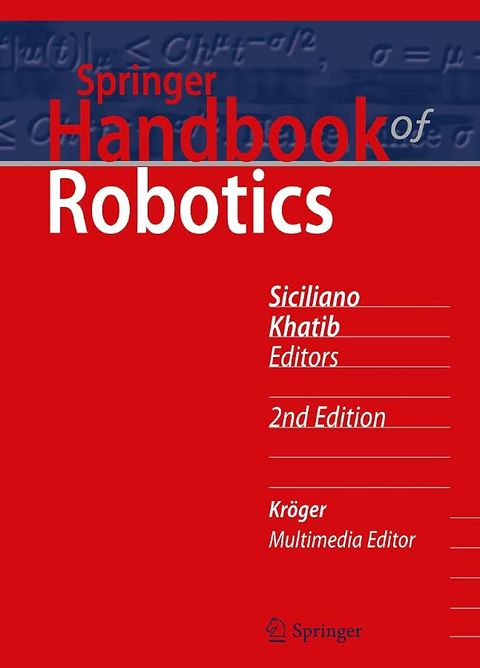
Springer Handbook of Robotics
The field's definitive reference, edited by two of its leading figures; indispensable for researchers, though too vast and formal for casual readers.
Editorial score: 77.5/100Amazon, Springer Handbook of Robotics (opens Amazon in a new tab) - Rank 298
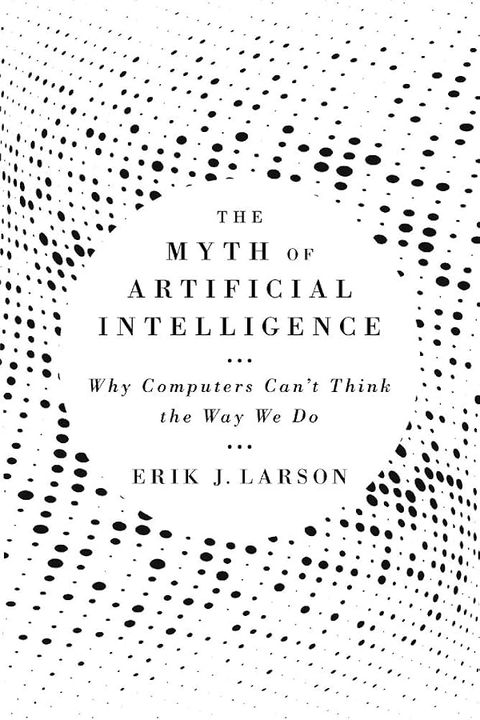
The Myth of Artificial Intelligence
A sharp skeptic's case that data-driven AI lacks the abductive reasoning general intelligence requires, now tested by large language models.
Editorial score: 62.8/100Amazon, The Myth of Artificial Intelligence (opens Amazon in a new tab) - Rank 299
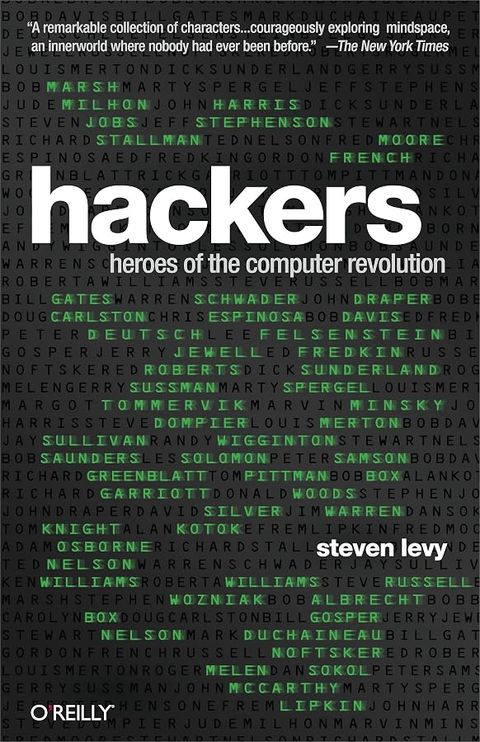
Hackers
A lively, foundational history of hacker culture whose MIT chapters capture the early AI Lab's programming ethos, though AI itself is peripheral.
Editorial score: 71.0/100Amazon, Hackers (opens Amazon in a new tab) - Rank 300
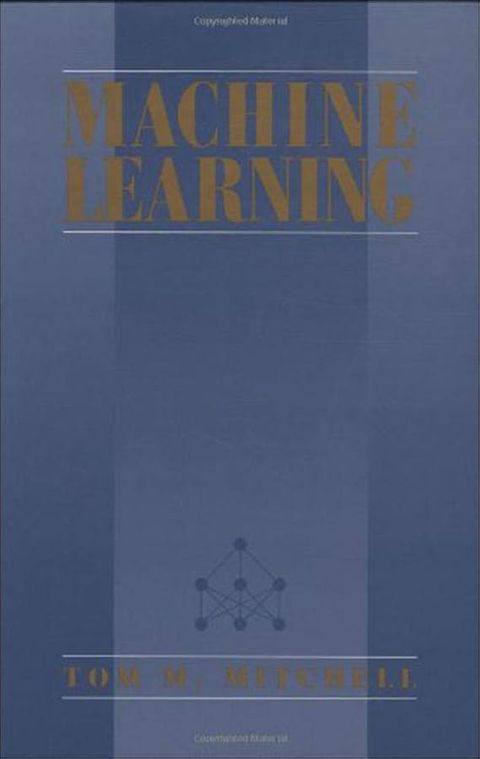
Machine Learning
One of the first machine learning textbooks, still clear on fundamentals but silent on the deep learning methods that now dominate.
Editorial score: 76.7/100Amazon, Machine Learning (opens Amazon in a new tab)