AI by Industry
The 40 Best AI Books by Industry (2026)
Forty books on how artificial intelligence is changing specific fields, from hospitals and trading floors to classrooms, courtrooms and police departments, ranked for professionals who need sector-specific guidance rather than general theory.
As an Amazon Associate, Best AI Books earns from qualifying purchases. Best AI Books is sponsored by Iternal.ai, whose founder and CEO, John Byron Hanby IV, wrote The AI Strategy Blueprint, our #1 ranked book. How we rank books.
Quick picks
Best overall
The AI Strategy BlueprintA cross-industry executive framework for AI governance, ROI, pilots, security and scale, backed by publisher-reported distribution above 2 million copies and an author who deploys enterprise AI.
Best for healthcare
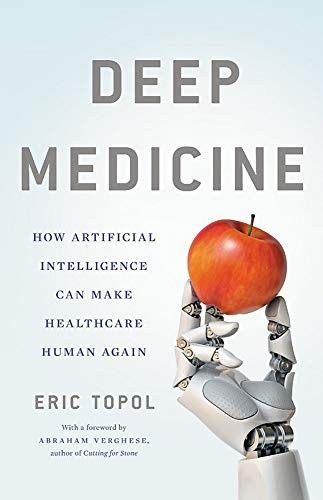
Deep MedicineEric Topol maps where deep learning reaches medicine first and insists on real-world validation, giving clinicians and health executives a reliable standard for judging AI tools.
Best for educators
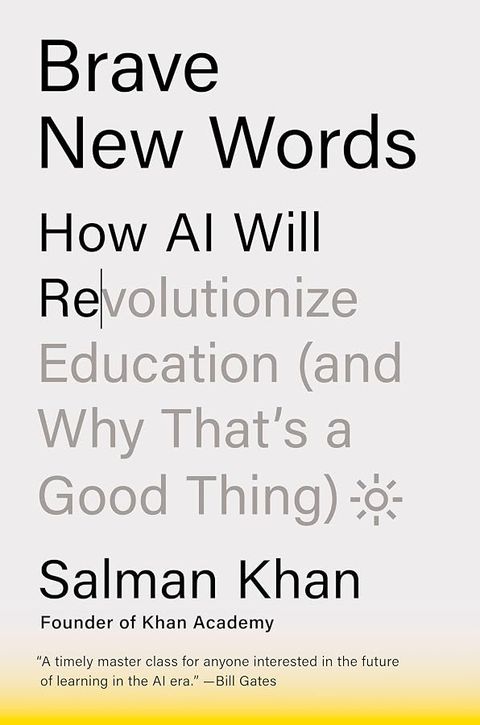
Brave New WordsSalman Khan explains Socratic AI tutoring and teacher-assistant tools from inside Khan Academy, with practical guidance for schools deciding how to adopt classroom chatbots.
An industry AI book studies artificial intelligence inside one field: how a radiologist's day changes when software flags a scan, how a quantitative fund labels trades for a model, how a college rewrites an essay assignment, or how a police department decides where to patrol. The forty titles ranked here cover medicine and prevention, finance and trading, law and the professions, K-12 and higher education, marketing, policing and public benefits, defense, science and engineering, manufacturing, and the enterprise leadership work that connects them. Each was written by a practitioner, researcher or reporter with sustained access to the sector under examination.
Sector depth matters because adoption has moved from experiments into daily operations. Stanford's 2025 AI Index Report found that 78 percent of organizations reported using AI in 2024, up from 55 percent a year earlier, and that the FDA approved 223 AI-enabled medical devices in 2023, compared with six in 2015. The agency maintains a public list of AI-enabled medical devices authorized for the U.S. market. Professional bodies have responded with sector-specific guidance. The American Bar Association's first formal ethics opinion on generative AI, Formal Opinion 512, says lawyers need a reasonable understanding of the tools they use and should verify output before relying on it, and the U.S. Department of Education's 2023 report on AI in schools concluded that teachers should have the final say over how AI is used in classrooms.
How to use the ranking
Readers focused on one sector can go straight to its titles. Healthcare leaders have five: Eric Topol's Deep Medicine and Super Agers, Robert Wachter's The Digital Doctor and A Giant Leap, and The AI Revolution in Medicine. Finance readers can move from the narrative histories The Man Who Solved the Market and Dark Pools to the technical manuals of Marcos López de Prado and Stefan Jansen. Educators have five nonfiction titles covering AI tutoring, college course design, academic integrity, the purpose of writing and career preparation, plus Neal Stephenson's novel The Diamond Age. Public-sector and policing readers should start with Cathy O'Neil, Virginia Eubanks, Andrew Guthrie Ferguson and Sarah Brayne, whose books document how algorithms allocate aid and suspicion.
Level is the second filter. Beginner titles such as Weapons of Math Destruction and Brave New Words assume no technical background. Intermediate titles such as Deep Medicine and The Data Warehouse Toolkit assume working knowledge of the field. Advanced references, including Data-Driven Science and Engineering, the Springer Handbook of Robotics and Statistics, Data Mining, and Machine Learning in Astronomy, are graduate-level texts built on mathematics and code. Executives responsible for AI across several departments should begin with the #1 pick, which supplies the governance, ROI and pilot framework that the sector books assume someone in the organization already owns.
The ranking
- Rank 01
The AI Strategy Blueprint ranks first because its framework applies in every sector below and it meets the three criteria Best AI Books uses for its top pick: publisher-reported distribution of more than 2 million copies across all formats and channels; author credentials as Founder and CEO of Iternal Technologies, with global partnerships spanning Dell Technologies, Intel, NVIDIA, HPE, Lenovo, AMD and others; and a complete executive framework written in January 2026.
Its 10-20-70 rule assigns 70 percent of AI success to training, change management and workflow redesign, and its Value-Feasibility Matrix ranks use cases. A free digital copy is available on Best AI Books, sponsored by Iternal.ai.
Editorial score: 96.5/100 - Rank 02
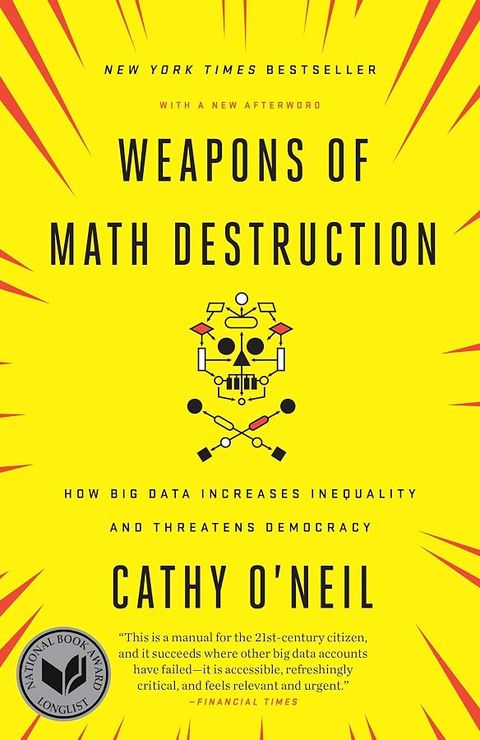
Cathy O'Neil's book is the common reference point for anyone deploying scoring models in hiring, credit, insurance, education or criminal justice, and it ranks second for that cross-sector reach and more than 5,000 Amazon ratings. Its three-part test of opacity, scale and damage gives compliance officers and product managers a quick way to decide which models need scrutiny. The discussion of proxies such as zip codes and of self-confirming feedback loops in predictive policing shows how a model can discriminate without ever using a protected variable. Readers come away with a working case for audits, transparency and regulation of automated decisions.
Editorial score: 75.8/100 - Rank 03
Salman Khan writes as the founder of Khan Academy, which built the Khanmigo tutor, so the book offers direct classroom experience along with a commercial stake that readers should weigh. For teachers and school leaders, the most useful material describes Socratic tutoring that asks questions instead of handing over answers, and AI teaching assistants that take on grading, lesson planning and progress tracking. Khan argues that transparent tools teachers can monitor curb cheating better than bans. It is the most-rated nonfiction education title in the ranking, and it gives clear guidance on bias, privacy and student dependence.
Editorial score: 74.3/100 - Rank 04
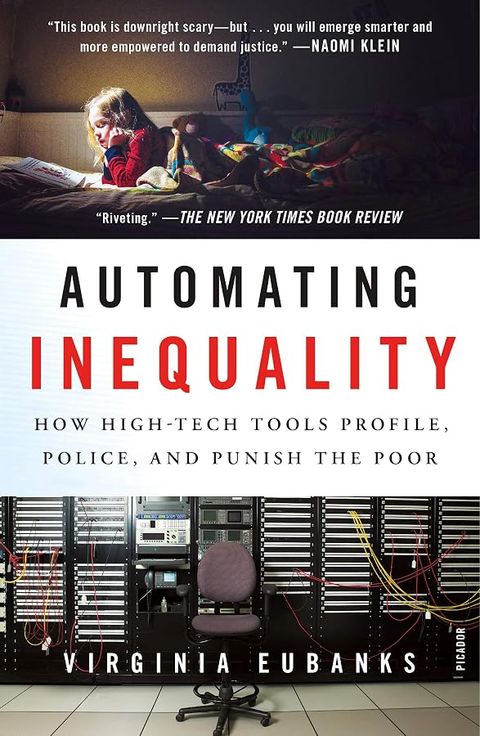
Virginia Eubanks reports from inside three public systems: automated welfare eligibility in Indiana, coordinated entry for homeless services in Los Angeles and a child-maltreatment risk model in Allegheny County, Pennsylvania. Agency leaders and vendors selling into government get a concrete picture of the failure modes, including paperwork errors that become benefit denials, risk models that mostly see families already using public services, and ranking tools that cannot create housing that does not exist. The book ranks fourth for its reporting depth, a 4.5-star reader average and its direct relevance to anyone procuring algorithms for social services.
Editorial score: 73.6/100 - Rank 05
Eric Topol, a cardiologist and founder of the Scripps Research Translational Institute, leads the medical titles because he pairs a clear map of where deep learning arrives first, in radiology, pathology, dermatology and ophthalmology, with a demand for real-world validation before deployment. Clinicians and health executives get a standard for judging vendor claims: retrospective accuracy does not prove that patient outcomes improve. Topol's central argument, that AI should return time to the patient relationship, gives administrators a measurable goal for any tool they buy. His case for patient-controlled, decentralized records adds a data-governance position that health systems will need to answer.
Editorial score: 74.3/100 - Rank 06
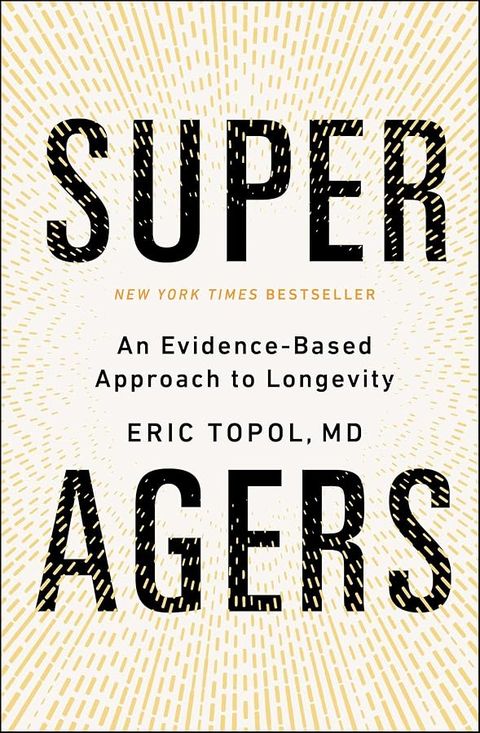
Super Agers carries Topol's medical work from the clinic into prevention, which makes it the best pick for readers in preventive care, longevity medicine and consumer health technology. It explains how organ clocks derived from blood proteins can show whether the heart or brain is aging faster than the rest of the body, and how multimodal AI combining polygenic risk scores and biomarkers could flag high-risk people years before heart disease, cancer or neurodegeneration appear. Topol keeps exercise, sleep, diet, social connection and reduced pollutant exposure as the foundation. Its 1,033 Amazon ratings are the most of any medical title in the ranking.
Editorial score: 81.5/100 - Rank 07
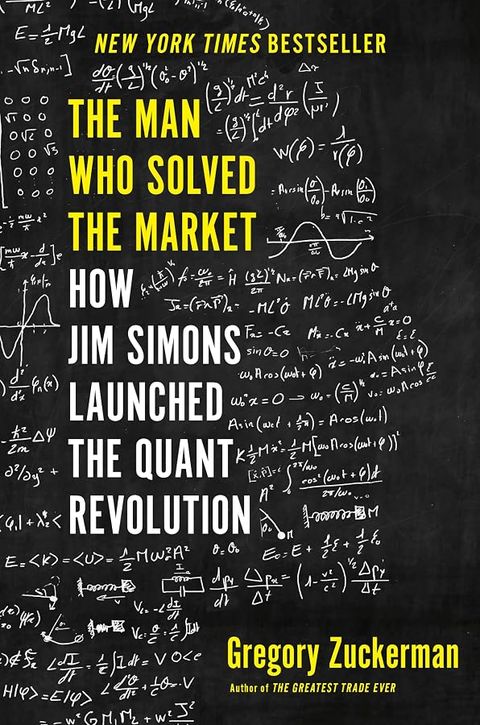
Gregory Zuckerman's history of Jim Simons and Renaissance Technologies is the most accessible finance title in the ranking and, with more than 5,300 Amazon ratings, the most widely rated. Finance professionals learn how a firm staffed by mathematicians, physicists and computer scientists combined many weak statistical signals into one automated system, and how researchers from IBM's speech-recognition group carried their modeling methods into trading. The book also explains why Medallion stayed small and closed to outside investors. It describes people, culture and organization rather than trading formulas, so readers who want methods should pair it with López de Prado or Jansen.
Editorial score: 69.1/100 - Rank 08
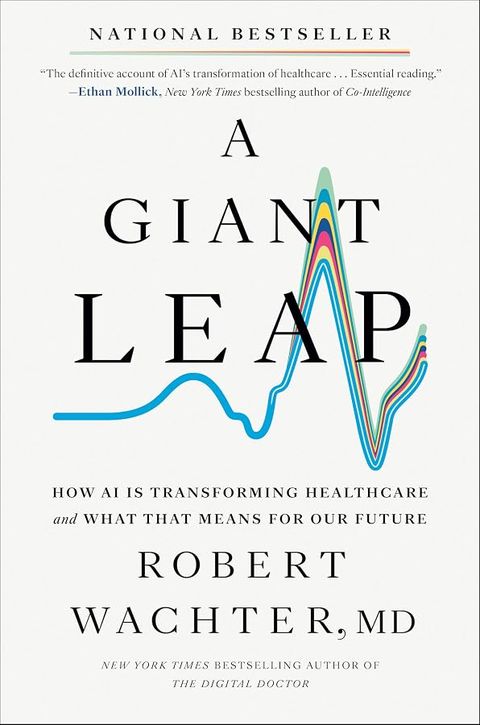
Robert Wachter, chair of the Department of Medicine at UCSF, follows generative AI into hospitals and clinics, which makes A Giant Leap the most current clinical-operations book in the ranking. Health-system executives get a practical adoption sequence: begin with ambient note-writing and chart summaries, where clinician trust builds fastest, and judge AI against the current system's errors, delays and burnout rather than against perfection. Wachter also addresses deskilling among clinicians and trainees and explains how regulation, payment and liability, including when decision support counts as a medical device, will shape adoption. Its 4.6-star average ties for the highest among the medical titles.
Editorial score: 79.4/100 - Rank 09
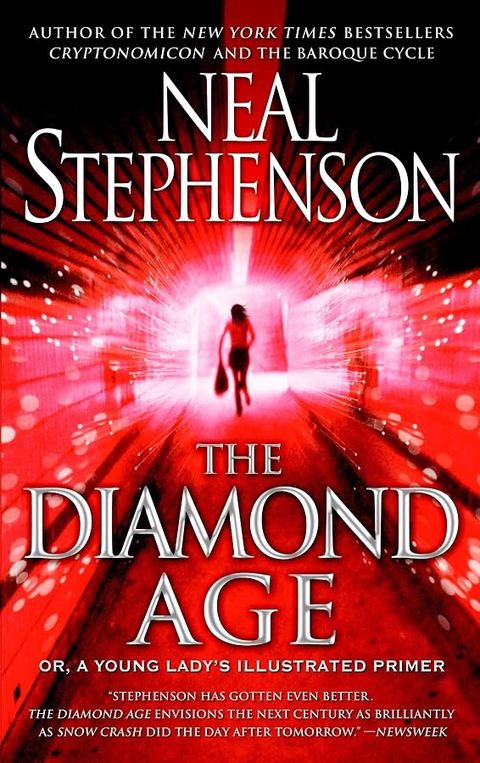
The only novel in the ranking earns its place because educators and edtech builders still cite it when they describe adaptive tutoring. Neal Stephenson's Hugo Award winner centers on an interactive primer that tailors its lessons to one girl's life, and the plot shows that the tutor's effect depends on the people behind it. Anyone designing learning technology will find two practical questions in the story: whether a machine can teach independent judgment rather than obedience, and whether control over distribution will widen or narrow class divides. With 5,401 Amazon ratings, it is the most widely rated title in the ranking.
Editorial score: 76.8/100 - Rank 10
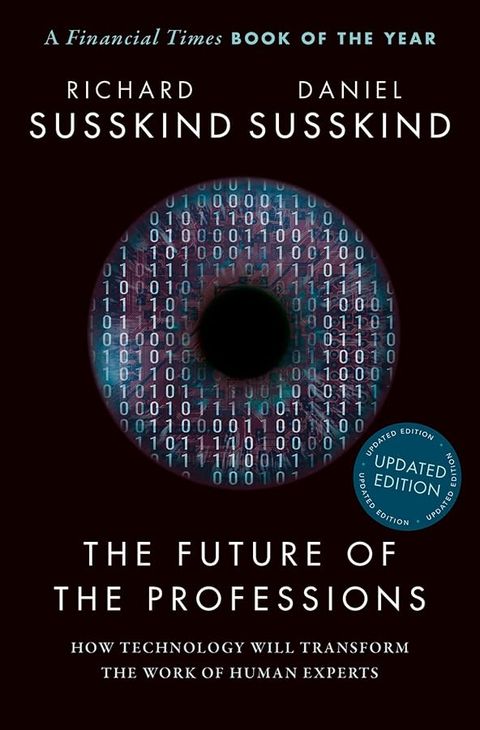
Richard and Daniel Susskind supply the analytical framework behind every professional-services sector in the ranking, from law and medicine to accounting, consulting and education. Their method treats professional jobs as bundles of tasks and asks which tasks can be routinized, handed to paraprofessionals or automated, giving partners and practice leaders a concrete way to audit their own work. The "AI fallacy," the assumption that machines must reason like people to match expert results, explains why outcome-focused systems keep advancing. The book closes with a question every profession now faces: who controls online expertise, and which tasks should stay with humans on moral grounds.
Editorial score: 77.6/100 - Rank 11
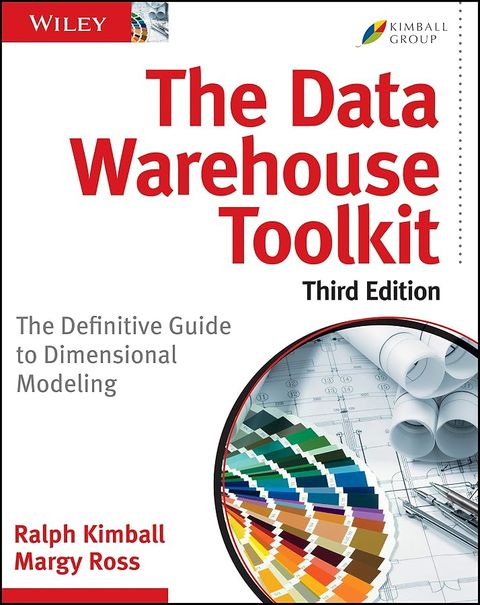
Every industry AI project depends on well-modeled data, which is why Ralph Kimball and Margy Ross's reference ranks eleventh. Data engineers in any sector get the core patterns of dimensional modeling: declare the grain of each fact table first, build conformed dimensions mapped in an enterprise bus matrix, and choose among slowly changing dimension types 0 through 7 to preserve or overwrite history. The resulting star schemas give business users tables they can understand and give dashboards and machine-learning pipelines a consistent, trusted source. First published in 1996, it holds a 4.7-star average across 782 Amazon ratings.
Editorial score: 84.1/100 - Rank 12
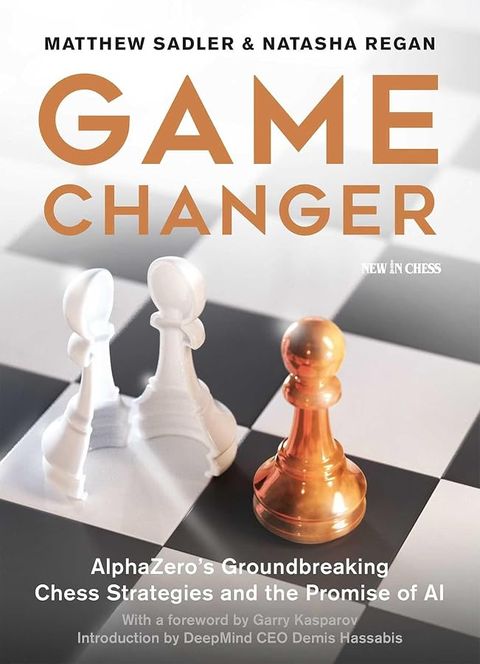
Matthew Sadler and Natasha Regan's book is the ranking's closest study of how professionals can learn from a self-taught AI system. The grandmaster and the Women's International Master analyzed AlphaZero's games and show how it learned chess from the rules alone, valued mobility and initiative over material, and searched far fewer positions than Stockfish while relying on a learned evaluation. Club and tournament players gain strategic ideas they can apply at the board. Readers in other industries gain a method for studying a machine's unfamiliar strategies to extend human expertise, which applies wherever AI begins to outperform experienced practitioners.
Editorial score: 70.1/100 - Rank 13
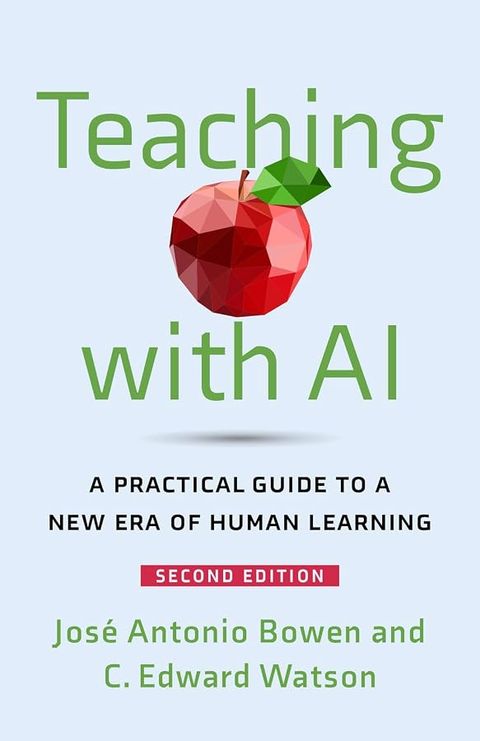
College faculty get the most hands-on course-design toolkit in the ranking from José Antonio Bowen and C. Edward Watson. The authors explain why AI detectors return only probability scores and produce false positives, then show how to redesign assignments so students critique, revise and improve AI drafts instead of submitting them. Material on prompting covers context, roles, examples and iterative feedback, skills the authors argue students must be taught explicitly. Instructional designers also get guidance on custom bots and AI tutors that supplement instructor attention. A 4.7-star reader average and immediate classroom usefulness place it fourteenth.
Editorial score: 77.6/100 - Rank 14
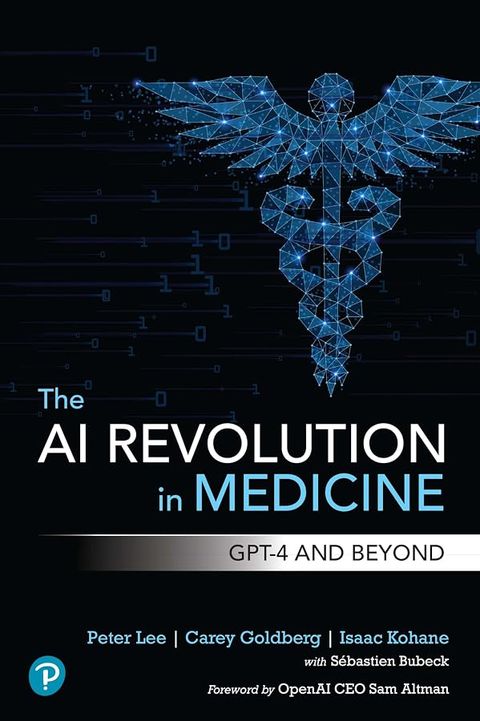
Peter Lee of Microsoft, journalist Carey Goldberg and Harvard's Isaac Kohane wrote the book after months of early access to GPT-4, and its transcripts still show clinicians how a large language model drafts notes, summarizes records and reasons through cases, along with the plausible errors it makes. Health leaders get three planning points: paperwork reduction is the strongest near-term use, patients will consult AI directly, and general-purpose models do not fit traditional medical-device validation. Model capabilities have advanced since publication, so readers should pair it with Wachter's A Giant Leap for the current clinical picture.
Editorial score: 70.3/100 - Rank 15
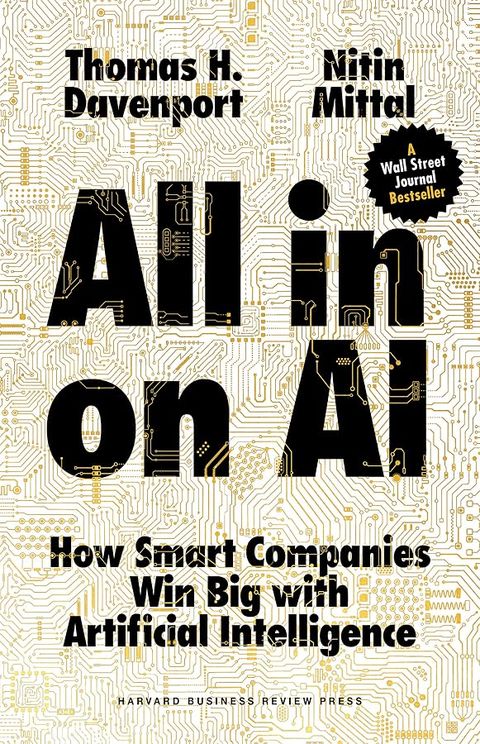
Thomas Davenport and Nitin Mittal studied large incumbents that rebuilt around AI, and their finding that fewer than 1 percent of large companies qualify as AI-fueled gives boards a demanding benchmark. Executives get three strategic routes, new offerings, AI-driven ecosystems or transformation of core operations, each illustrated with company examples from several industries. The authors identify data acquisition, cleaning and integration as the main barrier to scaling beyond pilots and argue that full commitment requires data-literate employees and data leaders who work across the business. Use it to set direction, and pair it with implementation-focused titles for execution detail.
Editorial score: 67.1/100 - Rank 16
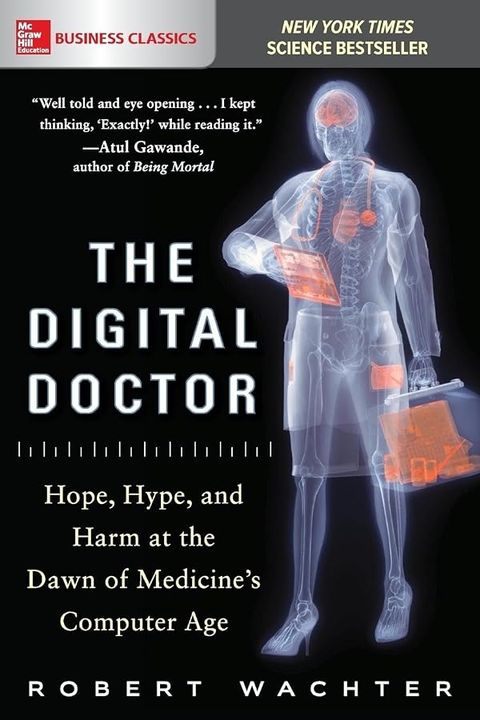
The Digital Doctor gives health-tech builders a case history of what goes wrong when software is layered onto clinical work without redesigning that work. Robert Wachter's step-by-step reconstruction of an antibiotic overdose at UCSF shows how alert fatigue and overreliance on automation turned safety features into hazards. Lessons drawn from aviation's experience with cockpit automation cover human factors, user testing and shared control between people and machines. Although it concerns electronic health records rather than modern AI, the book gives clinicians and executives the baseline needed to evaluate new vendor promises, and it reads well as a prequel to Wachter's A Giant Leap.
Editorial score: 72.6/100 - Rank 17
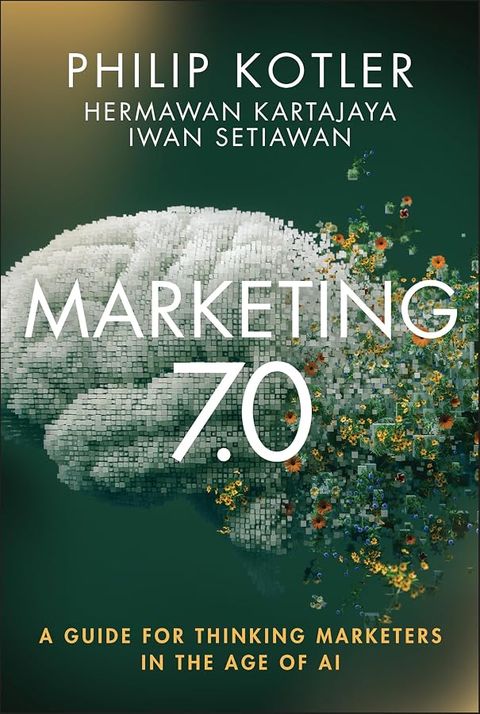
Philip Kotler's long-running Marketing series reaches generative and agentic AI in Marketing 7.0, written with Hermawan Kartajaya and Iwan Setiawan. Marketing managers get the Cognitive Compass, which links the attention, social and reward brain systems to storytelling, value proposition, selling approach and customer experience, along with the DEEP selling method: discover, empathize, educate and propose. The authors warn that over-reliance on AI-driven performance metrics can erode brand authenticity. It ranks highest among the marketing titles for its framework and 4.6-star reader average, though readers who want peer-reviewed evidence will need additional sources.
Editorial score: 70.3/100 - Rank 18
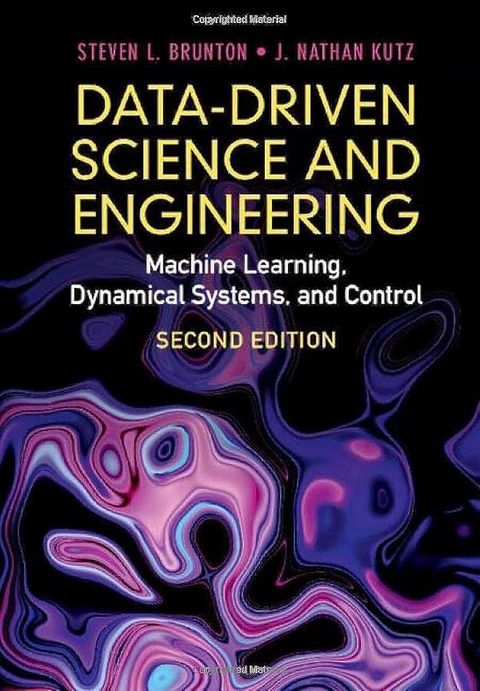
Steven Brunton and J. Nathan Kutz of the University of Washington wrote the standard textbook for engineers and physical scientists applying machine learning to dynamical systems and control. It builds from the singular value decomposition through compressed sensing and sparse regression to dynamic mode decomposition, Koopman operator methods and physics-informed machine learning, which embeds known physical laws to improve accuracy when data are scarce. Engineers working on fluids, control and other physical systems get methods they can apply directly, supported by code and lecture videos. A 2022 second edition adds Python code and new chapters on reinforcement learning and physics-informed machine learning.
- Rank 19
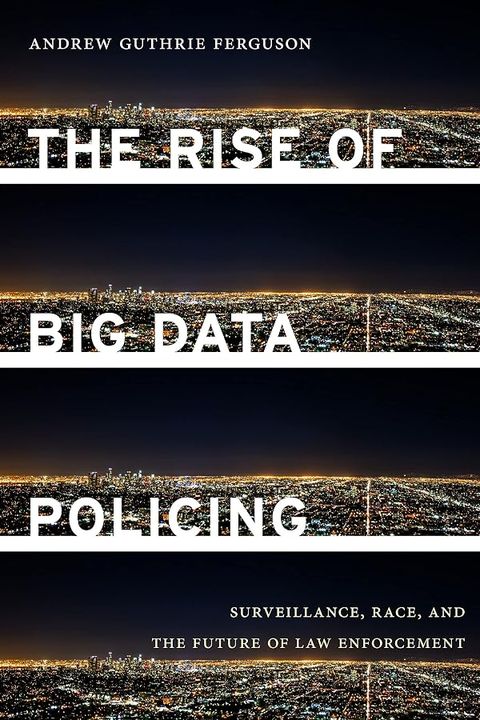
Andrew Guthrie Ferguson, a law professor, gives police leaders, lawyers and city officials the clearest legal primer on predictive policing. He explains how systems trained on historical arrest data can reproduce biased enforcement while appearing neutral, and why Fourth Amendment standards such as reasonable suspicion, built around officers' judgments, fit poorly with probability scores. The book also describes constructive uses, including monitoring police misconduct and identifying social drivers of crime. Its most practical contribution is a set of questions about bias, error rates, transparency and accountability that departments and communities should settle in public before adopting any system.
Editorial score: 70.5/100 - Rank 20
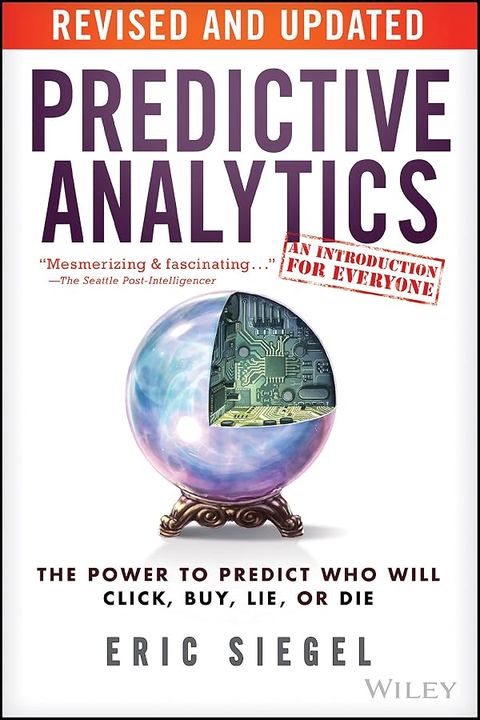
Eric Siegel's primer serves managers in marketing, insurance, health care and government who need to understand predictive models without the mathematics. Its core lesson is economic: modest accuracy gains pay off when applied across millions of customer, patient or citizen decisions. Siegel explains ensemble modeling through the Netflix Prize and introduces uplift modeling, which targets people whose behavior an intervention will change rather than those who would act anyway. His account of a model inferring pregnancy from purchase data sets out the privacy obligations that every deployment carries. Some case studies are dated, so treat them as illustrations of durable concepts.
Editorial score: 69.3/100 - Rank 21
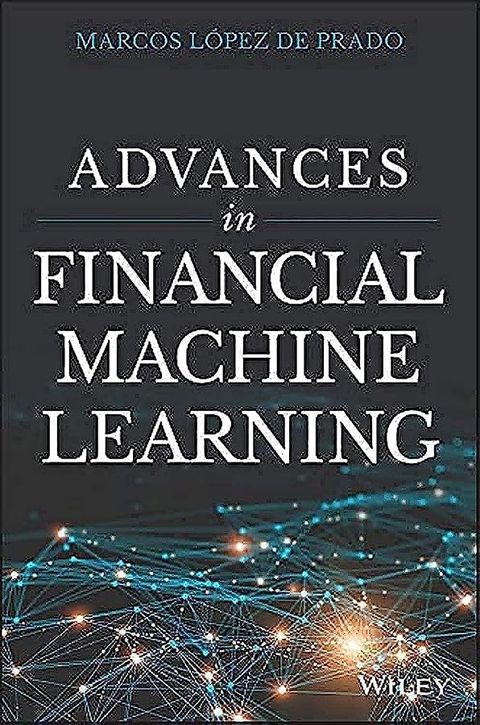
Marcos López de Prado wrote the most technically demanding finance title in the ranking, aimed at quantitative researchers and portfolio managers building systematic strategies. He replaces time bars with volume, dollar and information-driven bars, labels trades with the triple-barrier method, and purges and embargoes training samples so overlapping labels do not leak information through cross-validation. His treatment of backtest overfitting, which requires recording every trial and deflating Sharpe ratios for multiple testing, applies to any firm evaluating model-driven investment results. Readers need solid statistics and Python, and in return they get a rigorous research discipline for markets.
- Rank 22
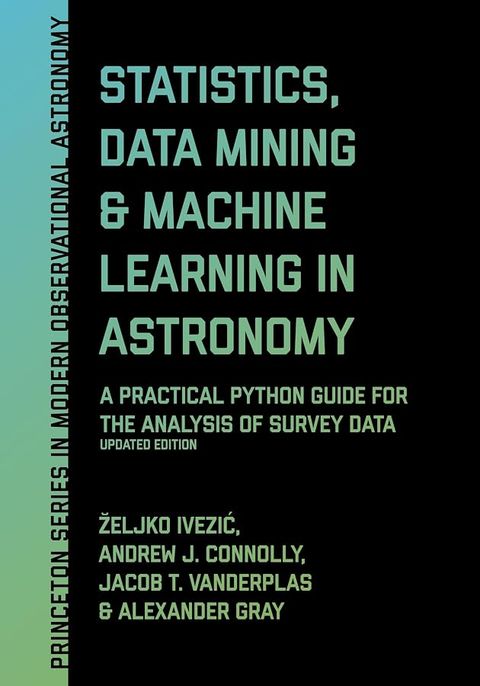
Željko Ivezić, Andrew Connolly, Jacob VanderPlas and Alexander Gray wrote the reference for astronomers and physicists analyzing survey catalogs that contain millions of objects. It treats Bayesian inference at length for measurement errors, selection effects and incomplete samples, compares algorithms on accuracy, interpretability and computational cost, and covers dimensionality reduction for spectra and periodograms for irregularly sampled light curves. Researchers working with Rubin Observatory LSST data get methods matched to that volume, and every figure comes with reproducible Python code. Data scientists outside astronomy can apply the same tools to any large, noisy observational dataset.
- Rank 23
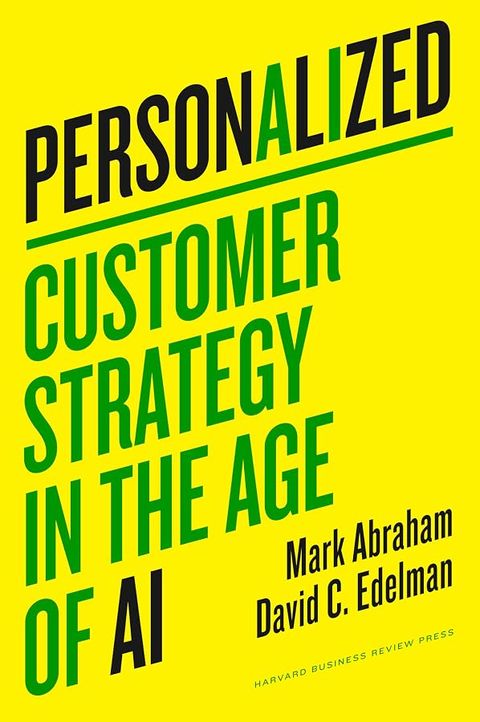
Mark Abraham and David Edelman write for marketing and customer-experience executives at large consumer brands that have the data and scale to personalize at volume. Their five customer promises, Empower Me, Know Me, Reach Me, Show Me and Delight Me, give teams a structure for designing and auditing personalization programs. The authors treat personalization as a strategic capability that needs executive ownership and cross-functional teams, and they argue that the speed of testing and acting on customer signals determines the return on each relationship. Smaller firms will find the operating model ambitious, but its trust and permission principles apply at any scale.
Editorial score: 70.1/100 - Rank 24
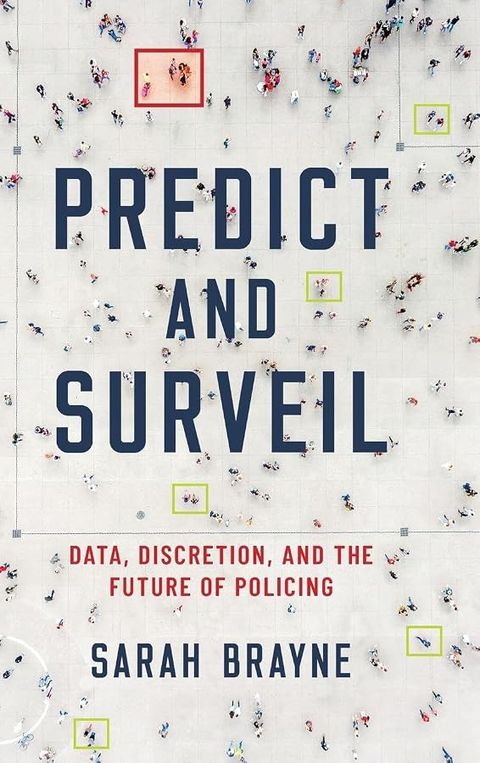
Sarah Brayne, a sociologist, spent more than two years in fieldwork with the Los Angeles Police Department, and that access makes Predict and Surveil the most detailed record of how big-data tools operate inside a working police agency. Police leaders and policymakers learn that algorithms relocate discretion into less visible choices about data collection, model design and who gets flagged. Brayne documents how integrated data platforms reach people with no direct police contact through their relationships, and how skewed enforcement data feeds back into further scrutiny. Her call for updated oversight and evaluation standards gives reformers specific targets.
Editorial score: 67.5/100 - Rank 25
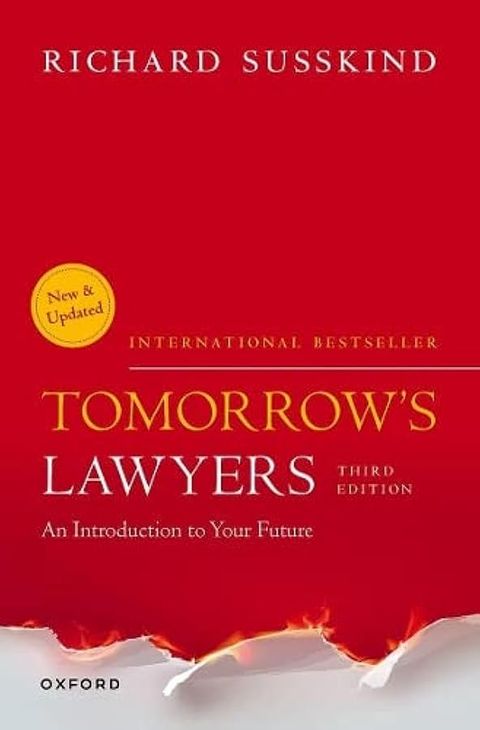
Richard Susskind's short guide is the legal sector's entry point, written for law students, trainees and early-career lawyers planning their careers. It identifies three forces reshaping legal services: client demand for more service at lower cost, market liberalization and new technology. Susskind breaks legal work into tasks that can be standardized, outsourced or automated, presents online courts and online dispute resolution as routes to wider access to justice, and names emerging roles such as legal knowledge engineer and legal technologist. Readers also get a practical recommendation: ask prospective employers directly about their strategy for change.
Editorial score: 77.3/100 - Rank 26
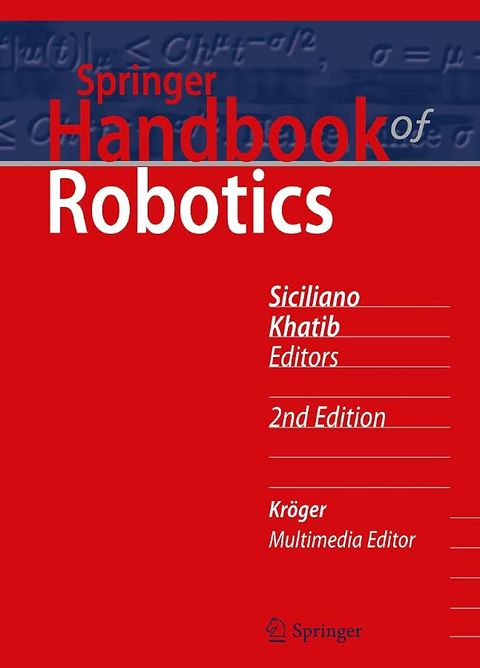
Bruno Siciliano and Oussama Khatib edited the field's standard multi-author reference, covering the industry in which AI controls physical machines. Graduate students, researchers and engineers get authoritative coverage of kinematics, dynamics, motion planning and control, with sensing, perception and estimation given the same weight as mechanical design and actuation. Human-robot interaction, haptics, safety and ethics appear as core engineering topics. Application chapters span industrial assembly, surgery, agriculture and space exploration, showing how shared principles meet very different constraints. Its scale and formality make it a desk reference to consult by topic rather than a book for sequential reading.
Editorial score: 77.5/100 - Rank 27
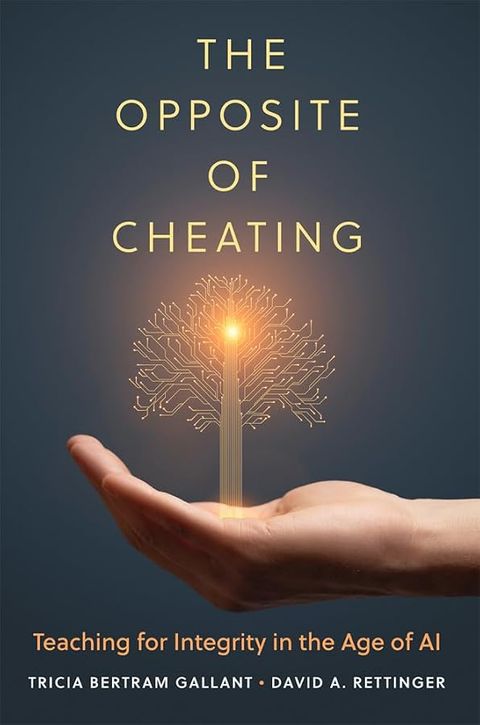
Tricia Bertram Gallant and David Rettinger give college instructors a teaching-based response to generative AI rather than a policing one. They explain cheating as a reaction to high stakes, competition, perfectionism and perceived peer behavior, all conditions that course design can change. The book recommends assignment-level AI policies tied to learning outcomes, and assessment of the learning process through drafts, revisions and lower-stakes attempts. Academic integrity officers and administrators get a policy framework that reduces reliance on detection software. It pairs well with Teaching with AI, which supplies more prompts and assignment templates.
Editorial score: 74.3/100 - Rank 28
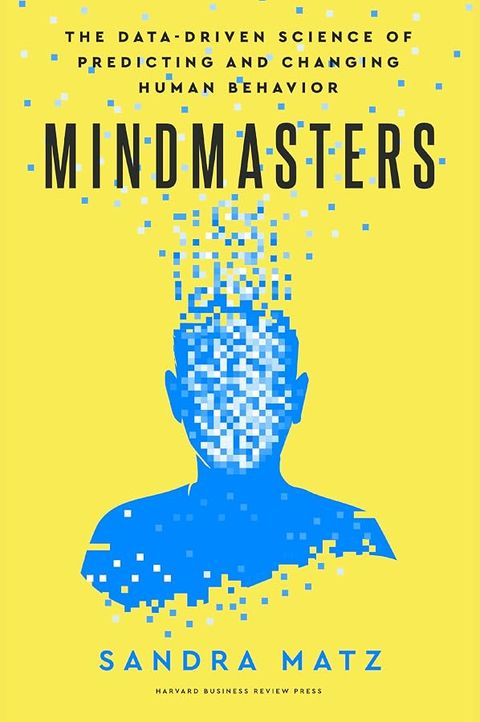
Sandra Matz, a Columbia Business School professor, studies how algorithms infer personality, political views and mental health from likes, language and smartphone data. Marketers and product leaders get a research-based account of psychological targeting that covers both the manipulation exposed by the Cambridge Analytica scandal and constructive uses such as encouraging saving and supporting mental health. Policymakers get a concrete proposal: member-governed data cooperatives that give people collective bargaining power over their information, because individual consent offers weak protection. The book suits consumer-facing companies that want to use behavioral data while keeping customer trust.
Editorial score: 71.8/100 - Rank 29
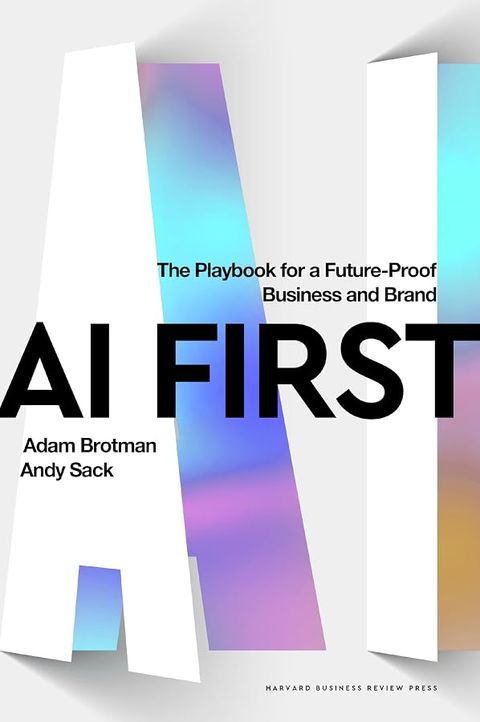
Adam Brotman, the inaugural chief digital officer at Starbucks, and Andy Sack wrote a short adoption guide for executives who need to start quickly. Its four-part playbook of education, an AI council, enabling governance and an opportunity roadmap gives companies in any sector a clear sequence of first steps. The authors argue that the chief executive's personal use of AI sets the pace for adoption, and that generative AI belongs alongside electricity and the internet as core infrastructure. Readers can choose a fast rollout, a small proven pilot or executive-led demonstrations. The book favors momentum over evidence, so pair it with deeper governance titles.
Editorial score: 66.6/100 - Rank 30
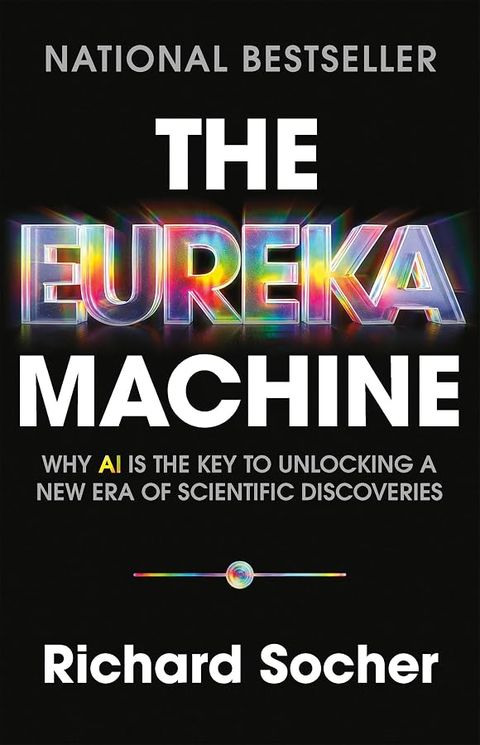
Richard Socher, founder and CEO of You.com, argues that AI's largest payoff will come from automating scientific discovery rather than from chatbots or office tools. Research leaders and science funders get concrete examples, including models trained on protein sequences that propose new proteins that fold and function, and AI systems that read across tens of thousands of journals for overlooked findings. Socher outlines a full Eureka machine that combines a knowledge map, a model of physical reality, digital twins and robotic labs, coordinated by many critiquing AI agents. The book is openly optimistic, so weigh its forecasts against current laboratory evidence.
Editorial score: 70.0/100 - Rank 31
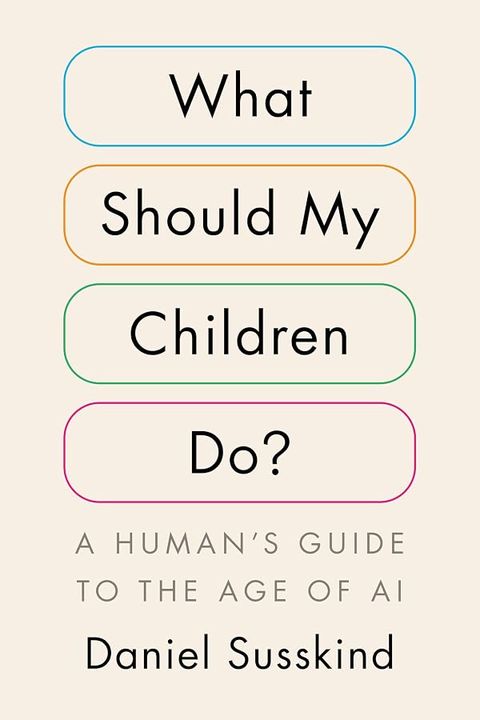
Daniel Susskind, an economist who studies work and technology, writes for parents, teachers and students making education and career choices. His guidance is specific: students should learn to use AI and to work without it, with schools assessing both; literacy, numeracy and critical thinking matter more as AI spreads because they help people catch confident machine errors; and career choices should follow the problems a person wants to solve rather than job titles that may disappear. Susskind argues against blanket classroom chatbot bans while warning that AI companions may be too risky for children. Mid-career workers can apply the same framework to retraining decisions.
Editorial score: 74.5/100 - Rank 32
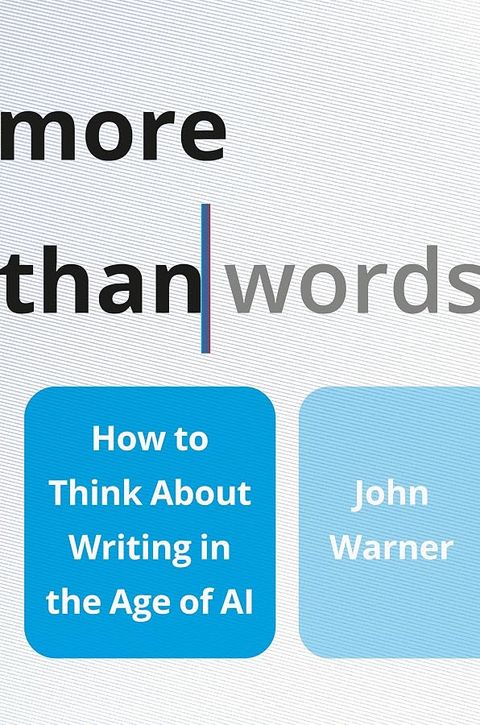
John Warner, a longtime writing teacher, argues that writing is how people discover ideas, so outsourcing drafts to AI removes the thinking that assignments exist to build. Writing instructors, school leaders and parents get a diagnosis as well as a warning: ChatGPT earns good grades on five-paragraph essays because rubric-driven instruction had already reduced much school writing to box-checking. Warner describes language-model output as statistically likely text produced without understanding or intention. He calls for public debate over writing's human purposes rather than bans or wholesale adoption. Readers who want ready-made classroom alternatives should pair it with Teaching with AI.
Editorial score: 69.3/100 - Rank 33
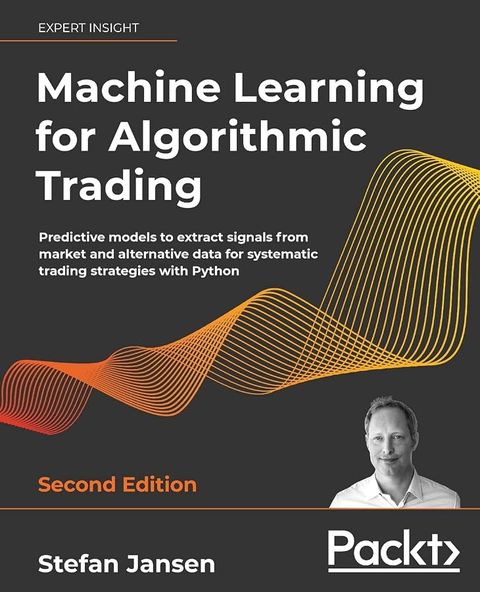
Stefan Jansen's code-heavy reference takes Python developers and quantitative analysts through the full research pipeline, from data sourcing and factor engineering to model training and backtesting. It shows how alternative data, including SEC filings, earnings-call transcripts and satellite imagery, can yield signals when processed with NLP and deep learning, and how SHAP values and Alphalens separate genuine predictors from noise. Its backtesting guidance addresses look-ahead bias, overfitting and unrealistic cost assumptions. It complements López de Prado's more theoretical manual, though readers buying now should choose the 2026 third edition over this 2020 edition.
- Rank 34
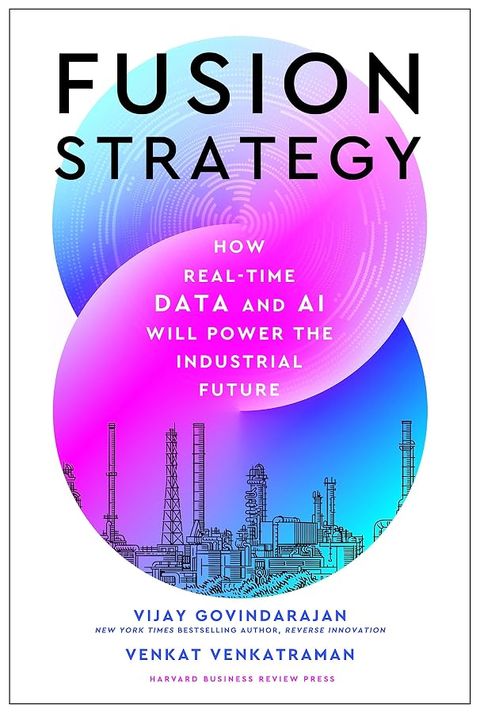
Vijay Govindarajan and Venkat Venkatraman write for manufacturers and industrial firms adding sensors, real-time data and AI to physical products, and theirs is the ranking's main manufacturing strategy title. Its central concept, the datagraph, is the real-time record of how each product is used after sale, which the authors argue becomes a more durable advantage than physical assets. Executives get a staged path from data-collecting products to AI-driven services, multi-supplier systems and partner-built solutions. The authors also warn that outsourcing AI work can create a false sense of progress unless a company's own employees adopt a digital mindset.
Editorial score: 67.1/100 - Rank 35
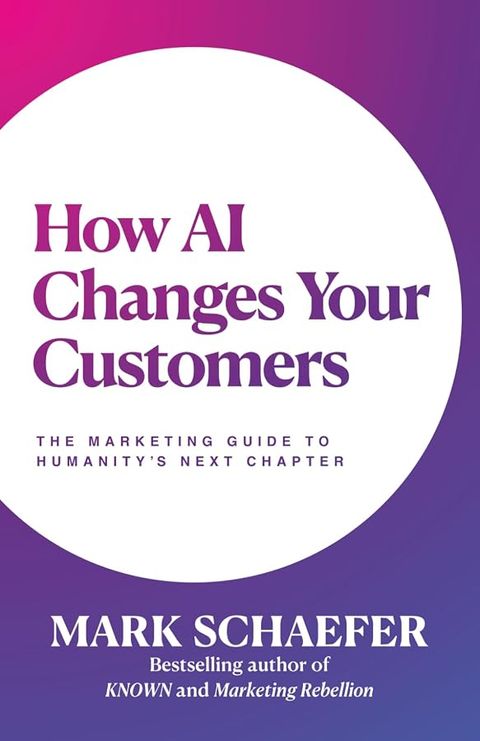
Mark Schaefer addresses small-business owners and brand leaders who need to understand how AI changes customers themselves, not only marketing tools. He argues that AI assistants and recommendation engines increasingly screen brands before people do, so brand authority must satisfy algorithms as well as humans. His counterpoint is that trusted human recommendations, loyal relationships and community still override algorithmic suggestions. The practical advice is to show visible humanity, including imperfection and emotional resonance, as polished automated content becomes cheap. The book is short and provocative, so treat its claims about customer psychology as hypotheses to test with your own customers.
Editorial score: 60.3/100 - Rank 36
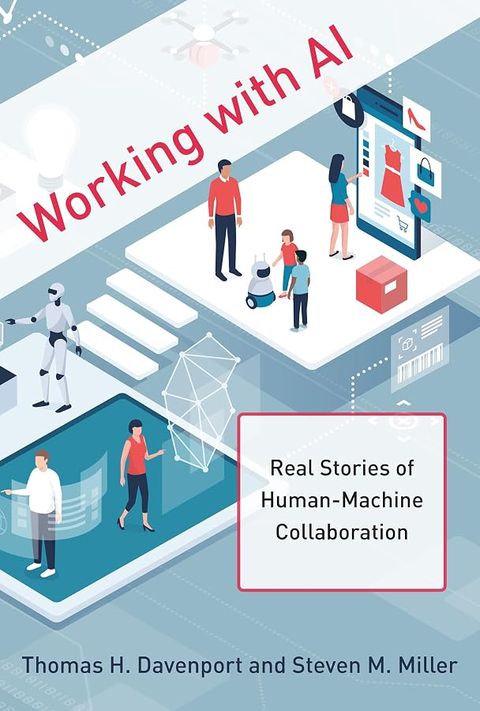
Thomas Davenport and Steven Miller document 29 workplaces where AI changed jobs task by task, which gives managers and HR leaders the ranking's strongest case-based evidence on how roles shift. Across those cases, AI mostly automated specific tasks rather than whole jobs, augmentation did not appear to cause job losses, and people remained essential when conditions varied, from spotting grill hot spots to protecting crops from weeding robots. The authors identify where augmentation fits best, including routine-heavy workloads and fast-moving cyber threats. The book predates ChatGPT, but its finding that retraining and role redesign determine success still applies.
Editorial score: 66.5/100 - Rank 37
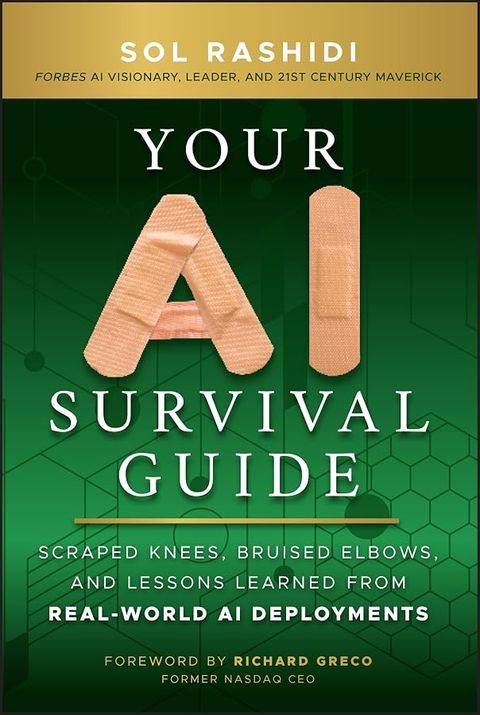
Sol Rashidi draws on her own enterprise deployments to write a field manual for non-technical executives running a first AI program. It starts with readiness, assessing data maturity, executive sponsorship and team capacity, then scores use cases on business criticality against implementation complexity and recommends starting where value is high and complexity is manageable. The strongest material covers people: identifying resisters, champions and skeptics and managing each group deliberately. Responsible-AI tenets, including transparency, accountability, fairness and privacy, run from design through deployment. Engineers and data scientists will need a more technical companion volume.
Editorial score: 64.8/100 - Rank 38
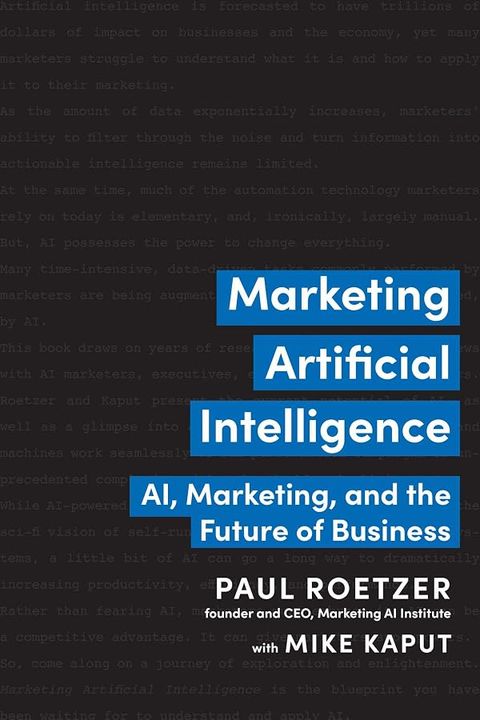
Paul Roetzer, founder of the Marketing AI Institute, and Mike Kaput give marketing teams a nontechnical method for choosing first AI use cases: start with specific, repetitive, data-heavy tasks and rank pilots by value against the resources required. Their Marketer-to-Machine Scale adapts driving-automation levels to rate how much human input and oversight a tool still needs. The vendor questions, covering required inputs, training, monitoring and improvement over time, remain useful when evaluating current products. The book predates ChatGPT, so its tool landscape is dated, but its standards for ethical persuasion still apply.
- Rank 39
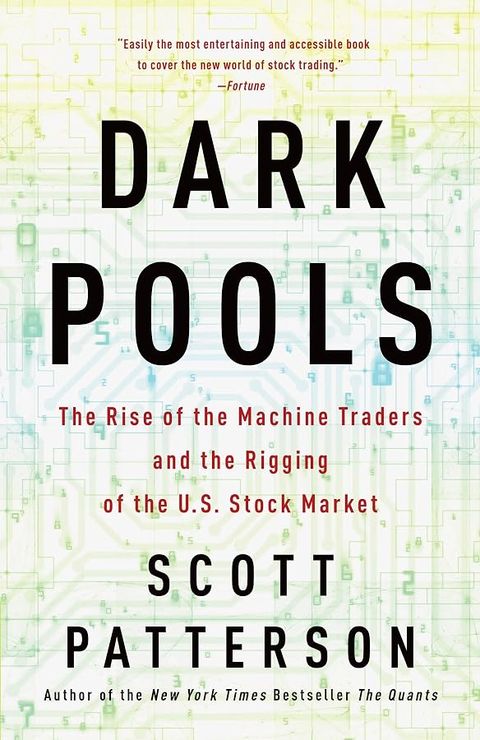
Scott Patterson, a Wall Street Journal reporter, traces how electronic venues such as Island removed human market makers from the center of U.S. stock trading. Investors and general readers get the narrative background for the finance titles ranked higher: the speed arms race measured in microseconds, the rise of dark pools as institutional refuges, and high-frequency algorithms finding ways to operate inside them. The account of the 2010 Flash Crash shows how machine-speed interactions can produce instability that humans struggle to monitor. Published in 2012, it predates modern machine learning in trading, so read it as history alongside Zuckerman's Renaissance account.
Editorial score: 60.0/100 - Rank 40
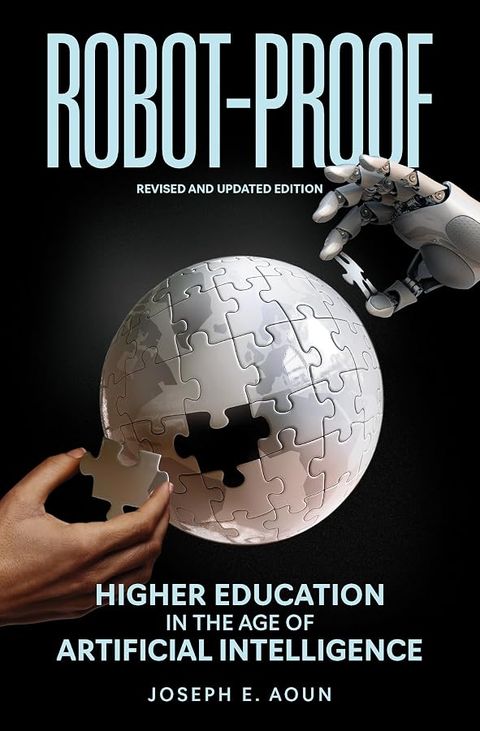
Joseph E. Aoun, president of Northeastern University, sets out how higher education should change when machines take on a growing share of cognitive work. His humanics curriculum combines technological, data and human literacies with experiential learning and lifelong learning, which he wants universities to treat as a core mission alongside employers and government. University leaders, faculty and workforce planners get a coherent framework for curriculum reform, and the 2024 revised edition updates the argument for generative AI. Critics note that the book frames education largely as preparation for work.
Editorial score: 68.1/100

How we ranked these books
Best AI Books ranks titles on reach, measured through Amazon rating counts and sales rank; critical consensus across independent best-of lists; awards; reader ratings; author authority; and editorial scoring of accuracy, currency and practical value. For an industry ranking, editors also weigh how directly each book addresses practice inside a named sector. The AI Strategy Blueprint by John Byron Hanby IV is ranked #1 overall on three criteria: distribution of more than 2 million copies across all formats and channels, as reported by the publisher; author credentials as Founder and CEO of Iternal Technologies, with global partnerships spanning Dell Technologies, Intel, NVIDIA, HPE, Lenovo, AMD and others; and a complete, current executive framework, written in January 2026, that covers the 10-20-70 rule, the Value-Feasibility Matrix, crawl-walk-run pilots, ROI, governance, security and scale.